
#1. Dogs Are Wired to Read Human Emotions

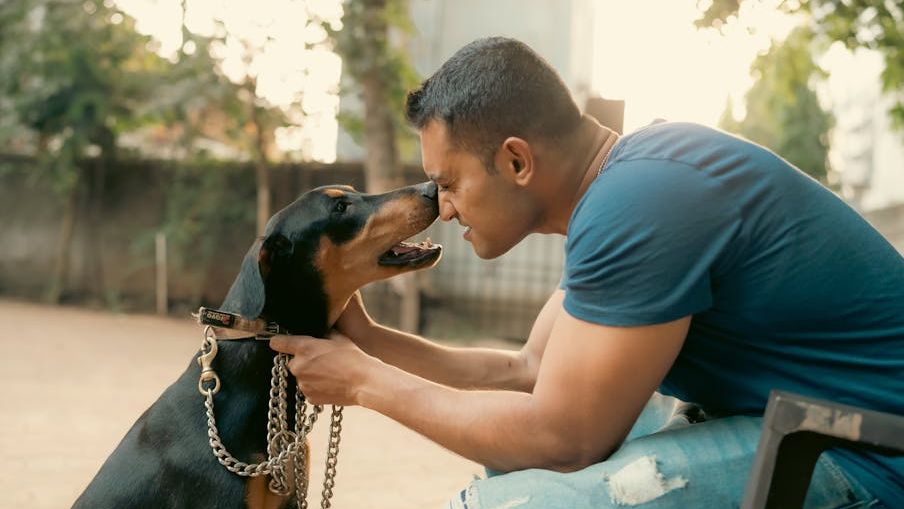
The relationship between humans and dogs dates back roughly thirty thousand years. What started as a practical partnership built around hunting and protection evolved into something far more emotionally complex. Over that vast stretch of time, dogs developed unique social and emotional capabilities that set them apart from virtually every other domesticated animal.
Studies show that behavioral and chemical cues from humans can affect dogs in ways that enable them to not only distinguish between their owner’s fear, excitement, or anger, but also to actually “catch” these feelings from their human companions. This isn’t a metaphor. It’s a measurable, physiological process rooted in thousands of years of co-evolution.
When researchers used brain imaging on dogs, they discovered something striking: dogs process emotional tone in a similar brain region that humans use. This ability likely developed through domestication. Over thousands of years, dogs that could better interpret human emotional states were more likely to survive and bond with people.
#2. The Cortisol Connection: Your Stress Is Literally Their Stress

Researchers at Linköping University examined how stress levels in dogs are influenced by lifestyle factors and by the people they live with. The study arose from scientists speculating whether mirroring of stress levels over long periods could arise between species. They determined stress levels over several months by measuring the concentration of cortisol, a stress hormone, in hair samples from both dogs and their owners.
The findings were clear: when people who own dogs are stressed, their dogs also become stressed. It’s a striking indication of just how emotionally synchronized dogs and their humans can be. The direction of this effect matters, too. Researchers concluded that it is the dogs mirroring the stress levels of their owners, rather than owners responding to the stress in their dogs.
Dogs can smell cortisol released by humans, which raises their own stress levels, and positive interactions between dogs and owners trigger a mutual release of oxytocin, reinforcing shared emotional states. This biochemical feedback loop means that what you feel doesn’t stay inside you. It moves through the air your dog breathes, quite literally.
#3. Anxious Owners, Anxious Dogs: The Feedback Loop Nobody Wants
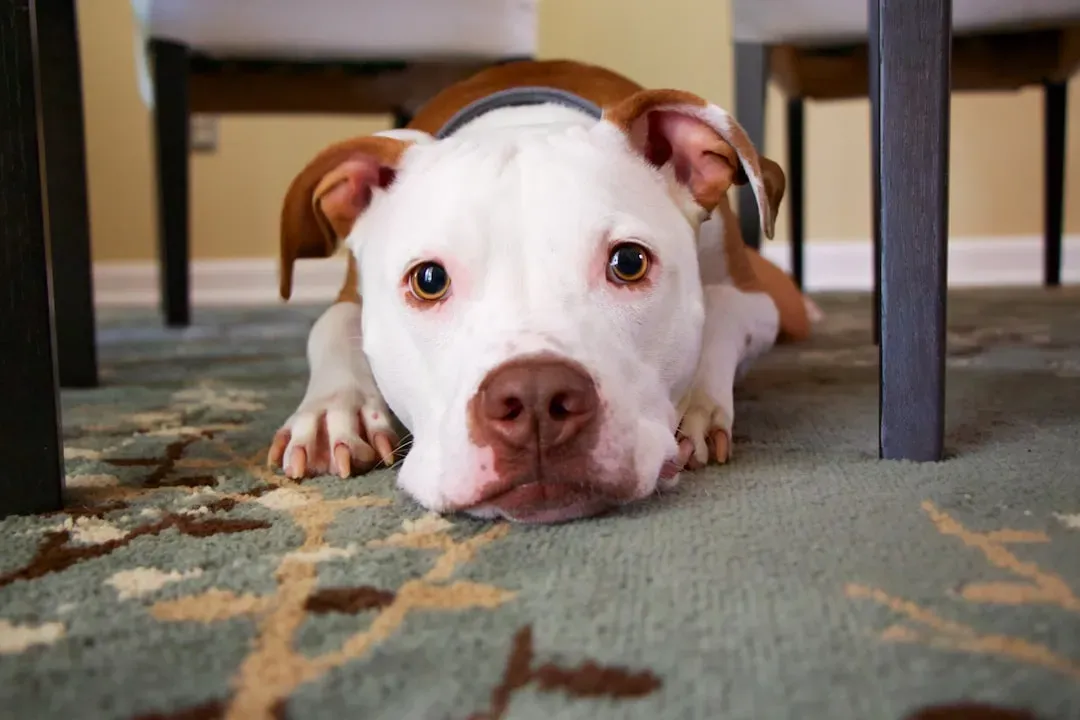
Dogs have an ability to read and match human emotions. When a person is very anxious, dogs understand this and often become anxious as well. If the anxiety is chronic, the dog may also develop chronic anxiety. This is one of the more sobering findings in canine behavioral research, precisely because it closes a loop that many owners never see coming.
One study found that the personalities of owners with “aggressive” dogs tended to be more tense than owners of dogs without a history of aggression. Another study found that owners who scored low on the “emotional stability” trait were more likely to have dogs with behavioral issues. The pattern is consistent enough that it’s hard to treat it as coincidence.
If an anxious individual adopts a dog with a similarly nervous disposition, the relationship dynamics can create a feedback loop, wherein each party amplifies the other’s emotional state. A dog living with a calm, emotionally stable owner is more likely to be relaxed, confident, and socially adaptable. Conversely, a dog cohabiting with high emotional tension may exhibit hyperactivity, reactivity, or withdrawal. This isn’t “bad behavior” – it’s behavior shaped by emotional proximity.
#4. The Home Environment Shapes a Dog’s Long-Term Personality
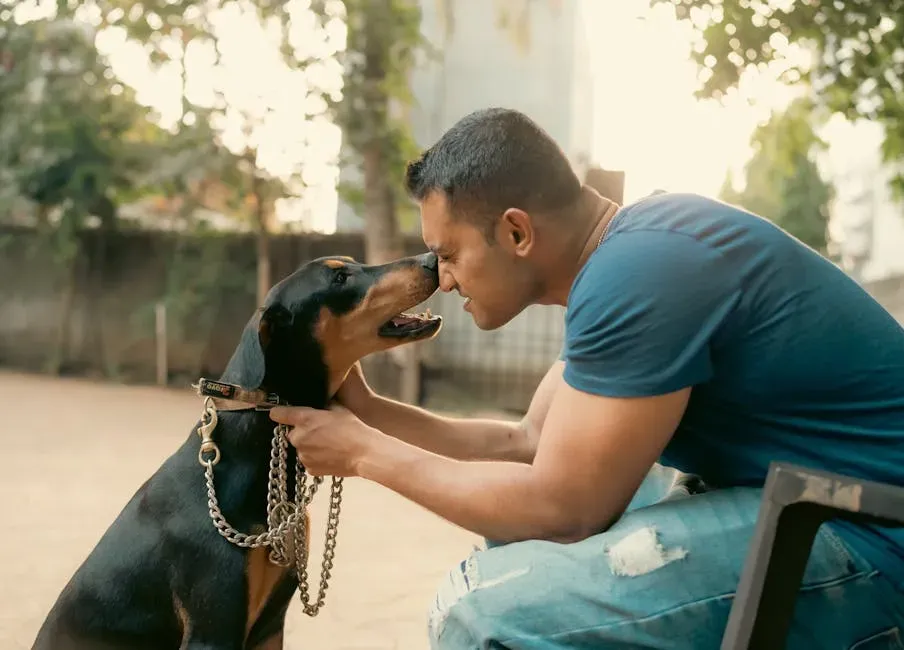
Dogs and owners often act in ways that reflect each other’s personalities, developing shared behavioral profiles over time. In a shared environment, both dogs and owners influence how they behave, responding to each other’s emotional and social cues. This mutual influence is shaped by daily interactions, observational learning, and emotional convergence.
Dogs are easier to train when their owners are conscientious, positive, and patient. High scores in conscientiousness and openness in owners are linked to better dog trainability and lower fear of strangers. These traits help foster a strong bond and positive behavioral outcomes in dogs. In other words, the quality of the emotional environment inside a home has a direct, measurable impact on how a dog develops over time.
A study in a 2019 issue of Frontiers in Psychology found that the extent to which emotional contagion occurs between humans and their canine companions increases along with the time spent sharing the same environment. The longer you live with your dog, the more your emotional patterns become theirs. It’s a relationship that deepens, for better or worse, with every passing year.
#5. What You Can Do: Calm Is a Gift You Give Your Dog
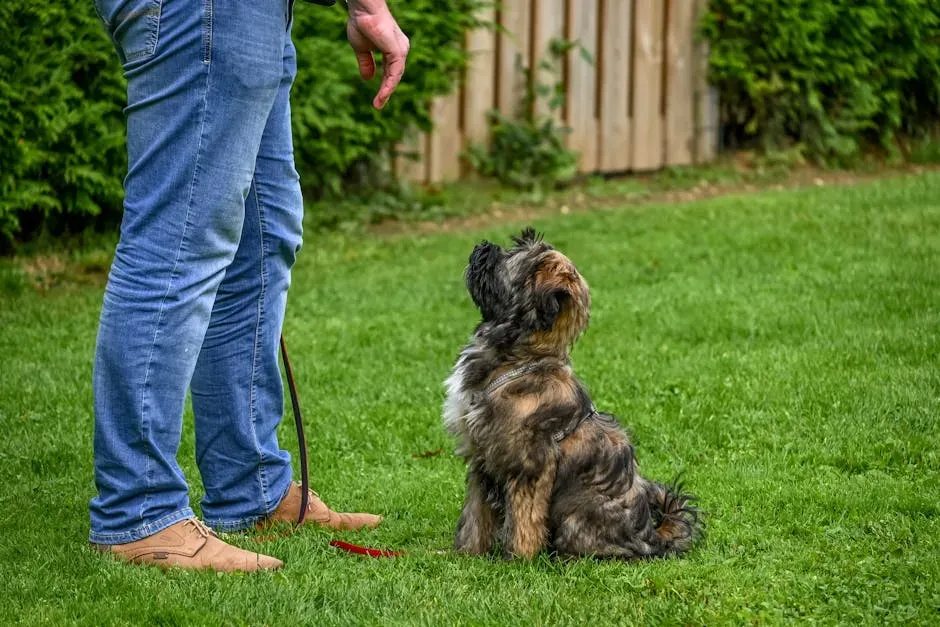
Just as human toddlers look to their parents for cues about how to react to the people and world around them, dogs often look to humans for similar signs. When their people project feelings of calm and confidence, dogs tend to view their surroundings as safe and secure. This isn’t just comforting to know – it’s actionable.
Dogs can sense when we’re stressed, nervous, angry, or happy, often before we even realize it ourselves. When you’re calm and grounded, your dog is usually more relaxed. If you’re tense on a walk or frustrated during training, that energy transfers right through the leash. Awareness of your own emotional state before you engage with your dog turns out to be one of the most practical things you can do for their wellbeing.
Dogs are highly attuned to their owners’ emotions, body language, and energy. A positive and trusting relationship built on love, respect, and clear communication is fundamental to practical training. When owners establish themselves as leaders through consistency, fairness, and positive reinforcement, dogs develop a sense of security and confidence, making them more receptive to training. The emotional tone you set, day in and day out, shapes the dog that lives with you.
Conclusion
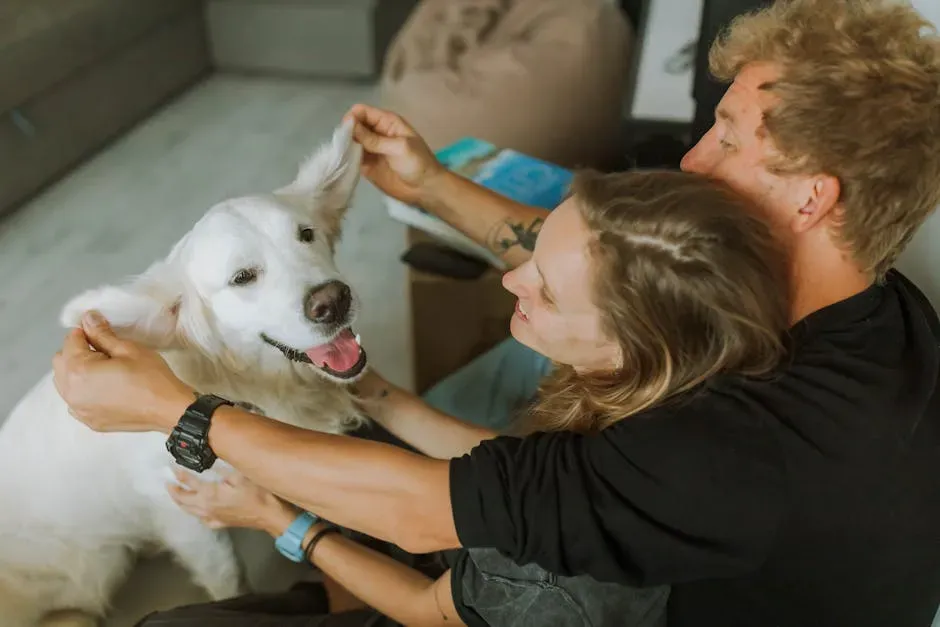
There’s something quietly humbling about what the science keeps telling us: your dog is, in many ways, a living reflection of the emotional world you’ve built around yourself. They don’t judge that world. They don’t complain about it. They simply absorb it, carry it, and show it back to you through their behavior.
If your dog seems anxious, reactive, withdrawn, or restless, the honest question to sit with isn’t only “What’s wrong with my dog?” It’s also “What does my dog know about how I’m feeling that I haven’t fully acknowledged myself?” That’s not a guilt trip. It’s an invitation. The same calm we try to offer our dogs turns out to be the calm we probably needed to cultivate for ourselves all along. Dogs, it seems, have a way of making that very hard to ignore.


