
#1. Understand What’s Actually Happening Inside Your Dog

Before you can help a nervous dog, it helps to genuinely understand what they’re experiencing, not just what you’re observing from the outside. Dogs can experience anxiety just like people, and those fearful emotions can affect their confidence, stoke aggressive behavior, and possibly lead to depression. A dog that lunges or hides isn’t being difficult. They’re communicating that something feels genuinely threatening to them.
Reactive dogs are overly aroused and struggling to manage their emotions. They’re experiencing fear, frustration, or over-excitement that’s too big for them to handle appropriately. Think of it like a panic response or an emotional outburst. Once you see nervousness through that lens, your whole approach shifts. You stop trying to correct behavior and start trying to reduce the emotional load causing it.
The most common reason dogs experience anxiety or fear is that they weren’t socialized as puppies. If a dog has not had a chance to grow accustomed to loud noises or the presence of other animals and people, it will naturally fear them. New experiences could overwhelm your pet, resulting in timid or aggressive behavior. That said, a difficult history isn’t a life sentence. Understanding the root cause simply helps you choose the right path forward.
#2. Create a Safe Foundation Before Stepping Into the World
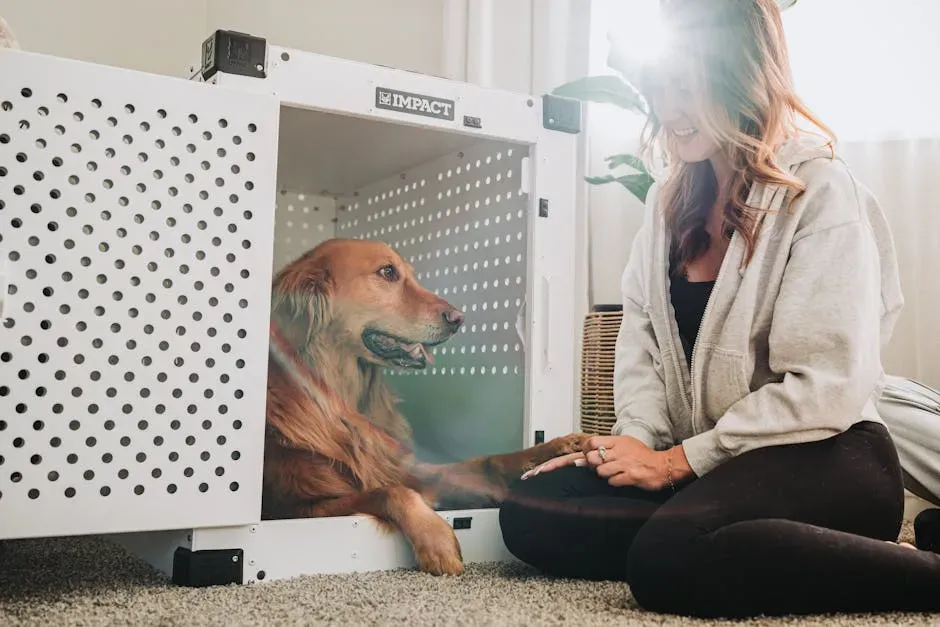
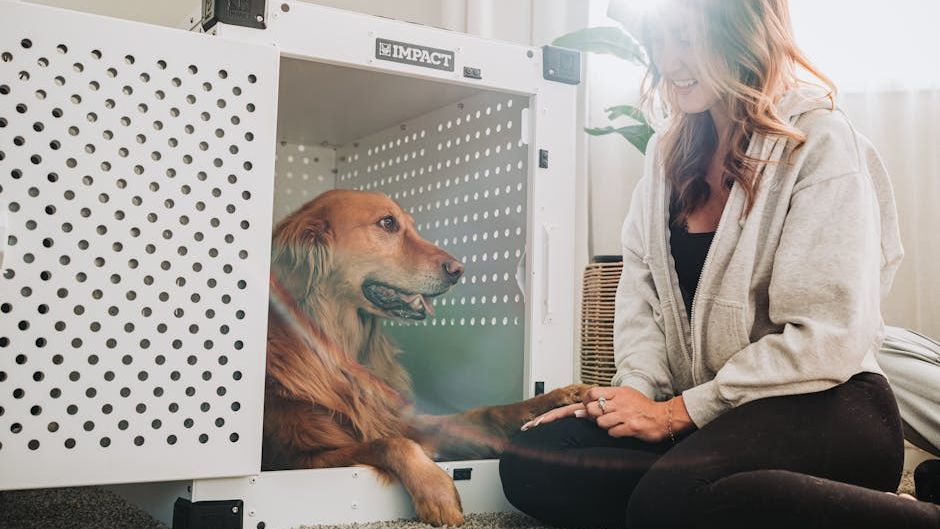
The first step in socializing a shy or fearful dog is to create a safe and secure environment where they can feel comfortable. Providing a quiet, comfortable area in your home where your dog can retreat and feel safe is essential. This could be a crate with a soft bed or a secluded corner with their favorite toys. This space isn’t a punishment. It’s an anchor, a place they know belongs entirely to them.
Dogs thrive on routine. Consistent feeding, walking, and playtime schedules can help reduce anxiety and build trust. When a dog’s day has a predictable shape, the unpredictable parts of the world feel a little less threatening. Routine is quiet reassurance. It tells your dog, without words, that you’ve got things handled.
Stick with the backyard at first and work on confidence-building exercises. Create a foundation of easy cues, such as name recognition and touch, to give you and your dog easy ways to connect. Once you have built a solid foundation and increased trust, then the next step is to expand those areas slowly and systematically. Small wins at home translate directly into steadier behavior outside. You can’t rush that process, but you absolutely can build it.
#3. Master the Art of Gradual Exposure
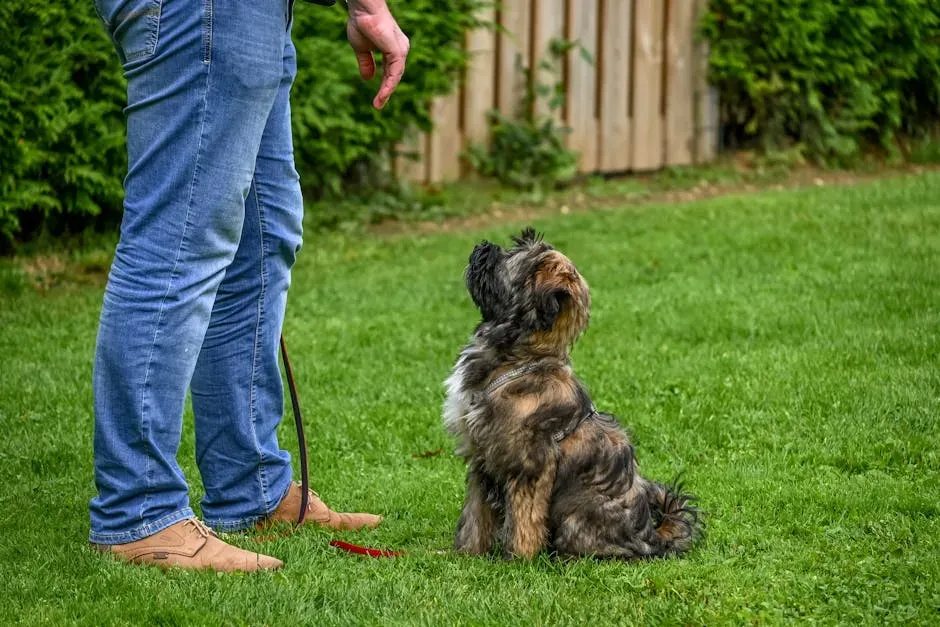
Dogs learn from positive association. The best way to help a shy or fearful dog gain confidence is to expose them to what frightens them at a low intensity. Pair this exposure with something positive, like a tasty treat. This is called counter conditioning and desensitization, and when done successfully, it helps them feel more comfortable around the source of their fear. The word “gradual” here is doing a lot of work. A single session that pushes too far can undo weeks of quiet progress.
Gradually expose your dog to the things they fear in a controlled manner. For example, if your dog is afraid of strangers, start by having a stranger stand at a distance and slowly decrease the distance over time. Distance is your most powerful tool early on. Keeping a trigger far enough away that your dog can notice it without reacting is called staying “under threshold,” and it’s where the real learning happens.
One of the most important things to remember when socializing a nervous dog is to take things slow. Rushing the process can overwhelm your dog and exacerbate their fears. Instead, introduce new experiences, people, and environments gradually. Keep initial socialization sessions short and positive. Gradually increase the duration as your dog becomes more comfortable. Short, positive, and pressure-free. That combination is almost impossible to get wrong.
#4. Read Your Dog’s Body Language Like a Second Language
Pay close attention to your dog’s body language. Signs of stress or anxiety include tucked tail, ears pinned back, excessive panting, yawning, or lip licking. If you notice these signs, take a step back and give your dog some space. These signals often appear well before a dog barks, lunges, or freezes entirely. Learning to spot the early ones puts you in a position to intervene calmly before things escalate.
Make sure you observe your dog’s body language during their initial interactions. If you notice them displaying signs of unrest or anxiety, like raised hackles, tucked tail, or bared teeth, it’s best to abort the socializing mission. Forcing interaction when your dog is afraid may reinforce their fear. Plus, their tension can turn into aggression, and an innocent playdate may erupt into a fight. That’s worth repeating: forcing the interaction doesn’t build tolerance, it builds dread.
You are your dog’s advocate. If you have a dog who isn’t excited about meeting new people, it’s always okay to tell strangers your dog doesn’t want to say hello. This can even have a positive impact on training. You can build your dog’s trust in you by not allowing other people to make them uncomfortable. Saying no on your dog’s behalf is not coddling. It’s one of the clearest ways you can show them that you’re safe to be near.
#5. Use Positive Reinforcement and Know When to Call in Help
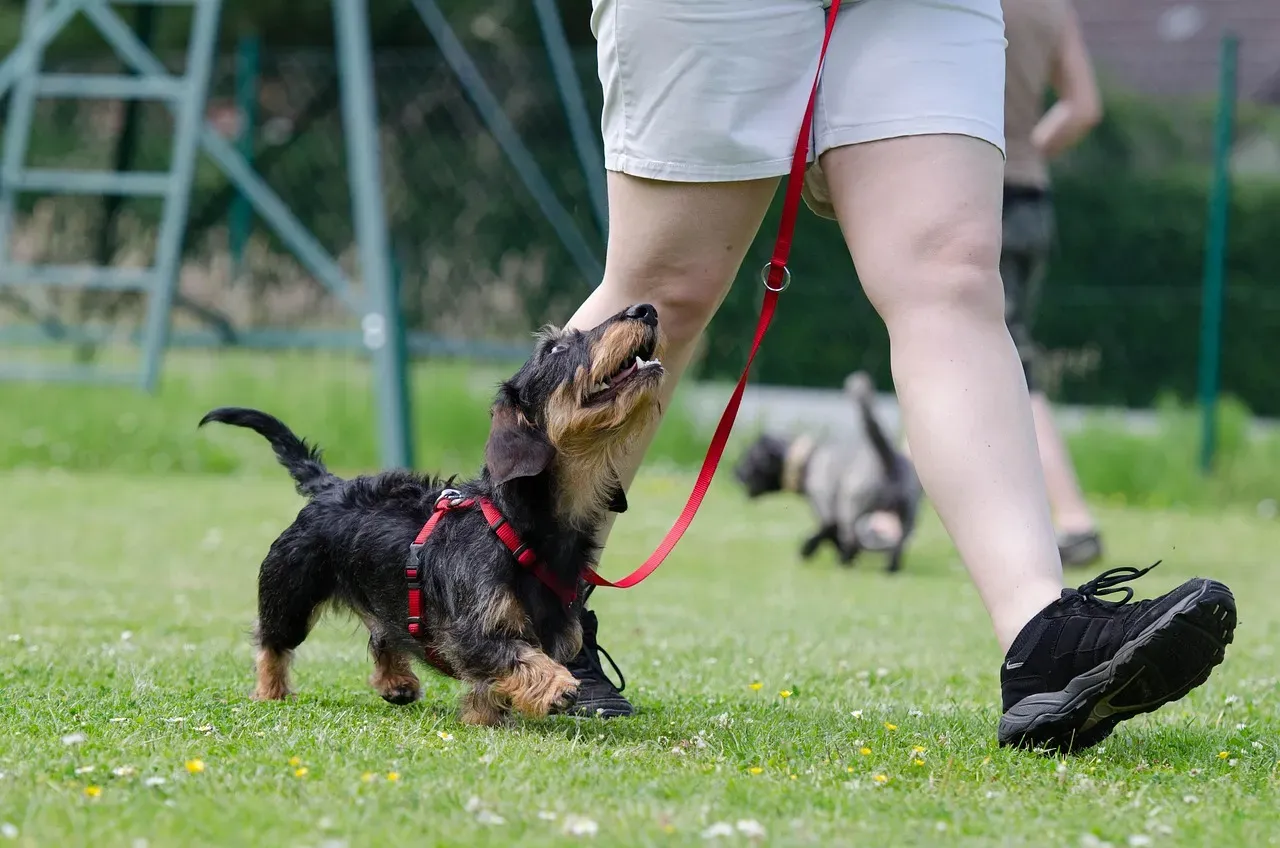
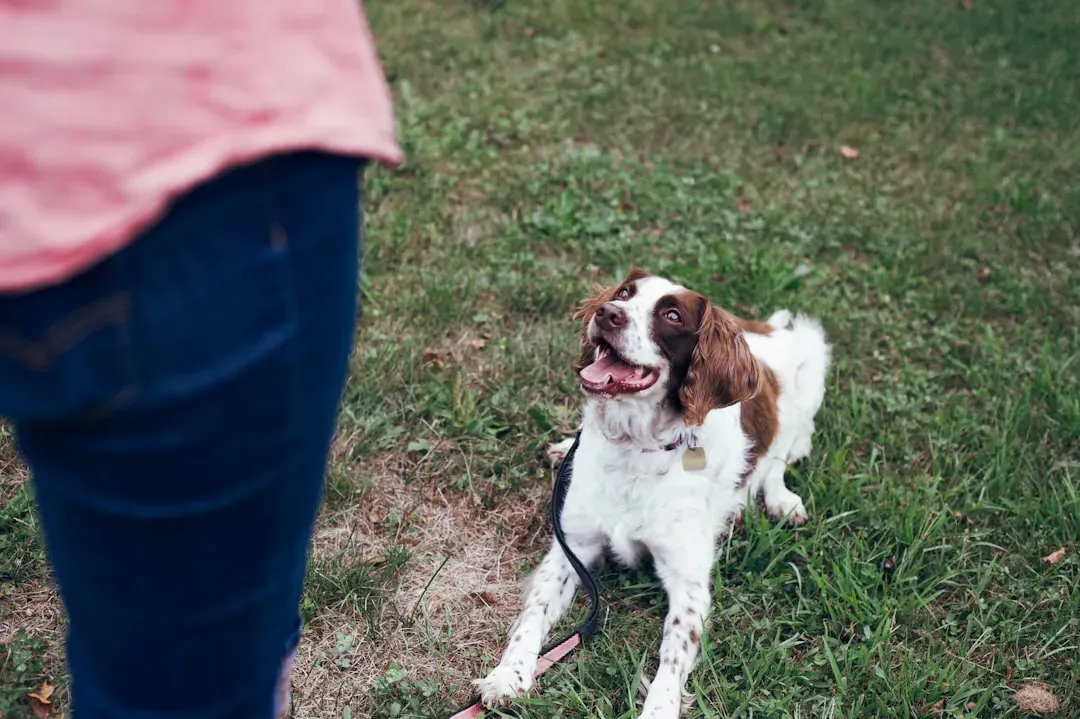
Use positive reinforcement to encourage desirable social behaviors in your dog. Whenever your dog displays friendly and calm behavior towards new experiences, reward them with treats, toys, or verbal praise. Positive reinforcement creates positive associations with socialization, making your dog more receptive to new encounters and reducing fear or anxiety. The mechanics here are simple. Calm behavior gets rewarded. Over time, calm behavior becomes the dog’s default in those situations.
It’s important not to punish your dog during training or for any of their reactions to people. Punishing behaviors like barking or growling won’t change how your dog feels about the person who triggered the reaction. Instead, it’s just suppressing the behavior. This can be dangerous since suppressing early warning signs of discomfort can lead to an escalation of the unwanted behavior. For example, if you punish a dog for growling, it increases the likelihood that they might bite the next time. Punishment removes the warning without removing the fear. That’s a genuinely risky combination.
Look for certifications like CPDT-KA, KPA-CTP, or IAABC-CDBC, and prioritize trainers who use force-free, positive reinforcement methods. If your dog’s nervousness is severe, or if you’re struggling to make progress on your own, consider seeking the help of a professional dog trainer or behaviorist. A professional can assess your dog’s behavior, identify triggers, and develop a customized training plan to help your dog overcome their fears. Getting professional support isn’t admitting failure. It’s just being realistic about the fact that some dogs carry more than the average training session can address.
A Final Thought Worth Sitting With
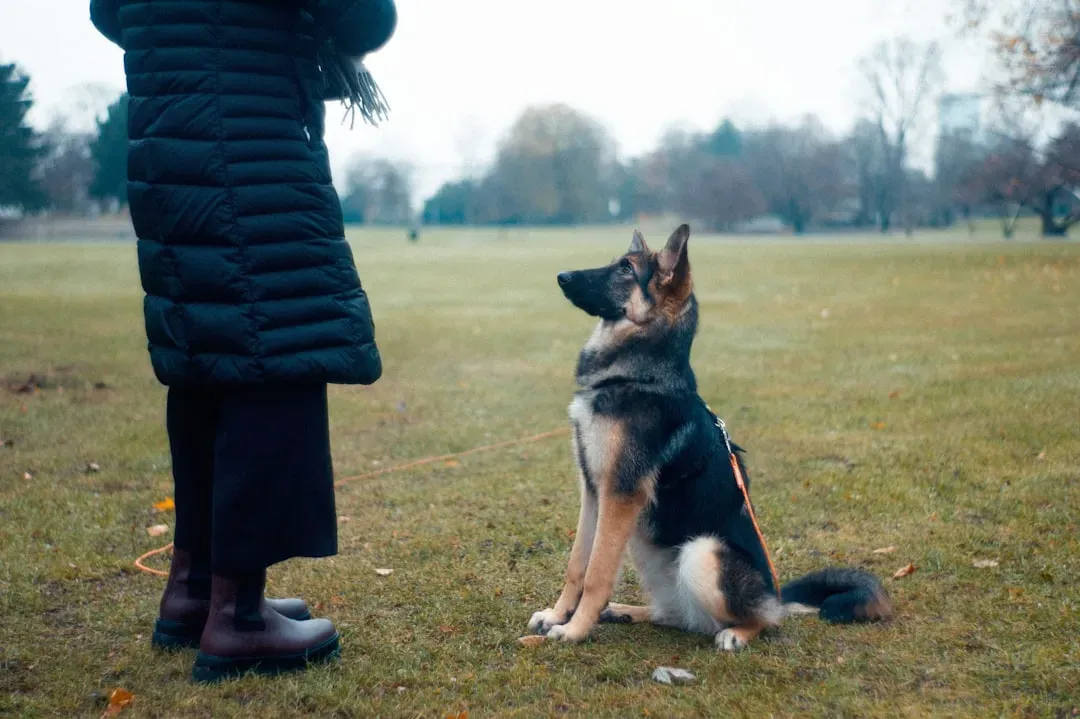
Most fearful dogs gradually improve with time, training, and trust. They won’t likely become outgoing if they’re naturally nervous or shy. That’s not a sad note, actually. It’s a clarifying one. You’re not trying to turn your nervous dog into a social butterfly. You’re trying to help them move through the world without fear dominating every step they take.
Dogs who become overwhelmed out and about or don’t do well with other dogs or unfamiliar people can live very fulfilled and happy lives without being placed in those situations. Making sure your dog has lots of mental enrichment, exercise, and a strong relationship with you can help them maintain a high quality of life without forced socialization that causes them unneeded stress and anxiety. The goal was never about making your dog perform comfort. It was always about giving them a life worth feeling comfortable in.
Progress with a nervous dog is rarely dramatic. It tends to look like a walk that went a little better than the last one, or a stranger who passed by without your dog falling apart. Those moments are small. They’re also everything. Trust the process, trust your dog, and most importantly, trust that your consistency is the very thing making those quiet moments possible.


