
#1. Border Collie
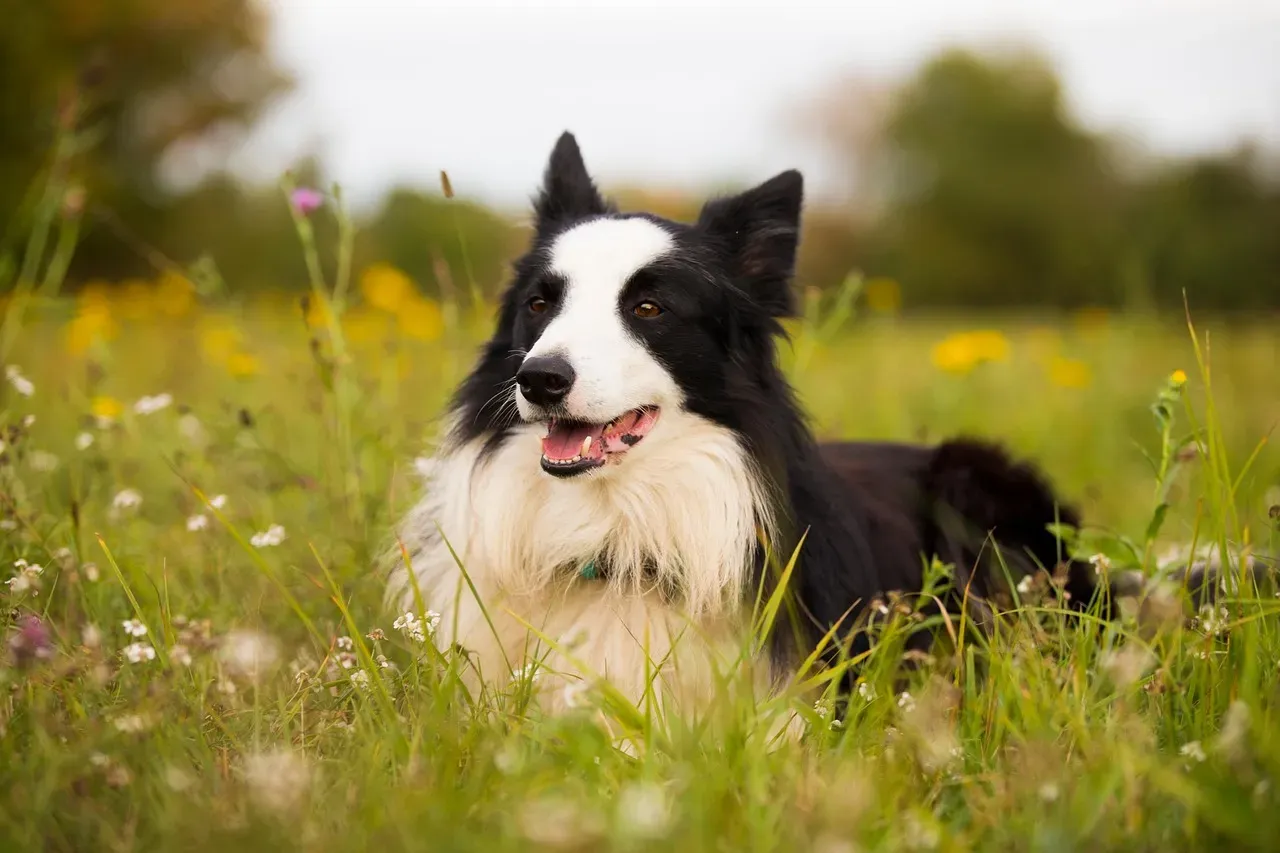
Border Collies consistently top the list of the most intelligent dog breeds, but with that intelligence comes a significant downside: they are among the most anxious dogs. That same mental horsepower that makes them astonishing working dogs becomes a liability the moment they’re left with nothing to occupy it.
These are incredibly active dogs bred for their herding abilities, and they’re miserable if they don’t get enough exercise to burn off their excess energy. Their high need for activity goes hand in hand with a deep attachment to their owner, which makes them especially prone to separation anxiety when left on their own. When that combination of boredom and loneliness sets in, a Border Collie doesn’t just whine. They spiral, and a full food bowl is often the first casualty.
#2. Labrador Retriever
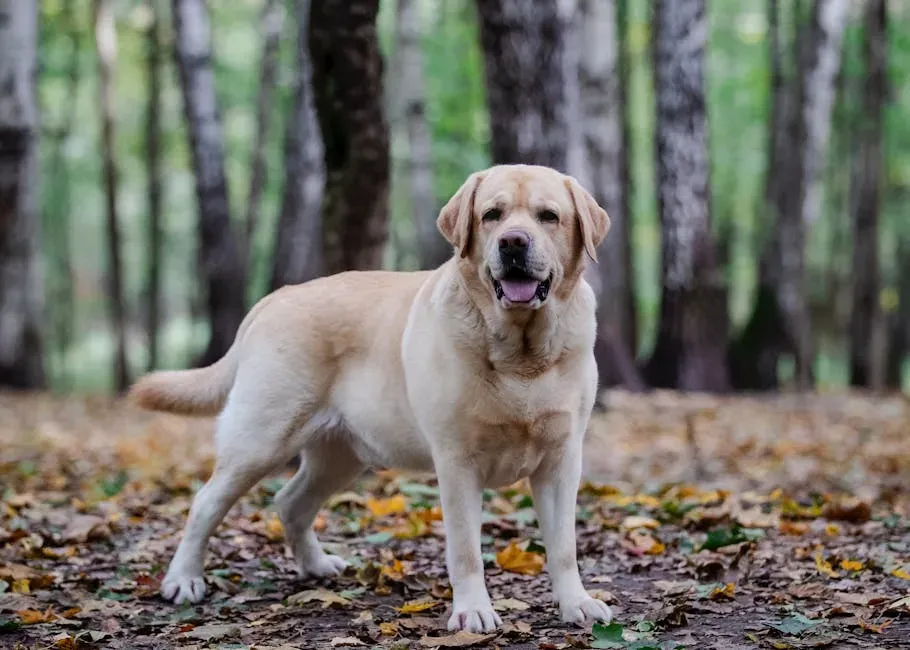
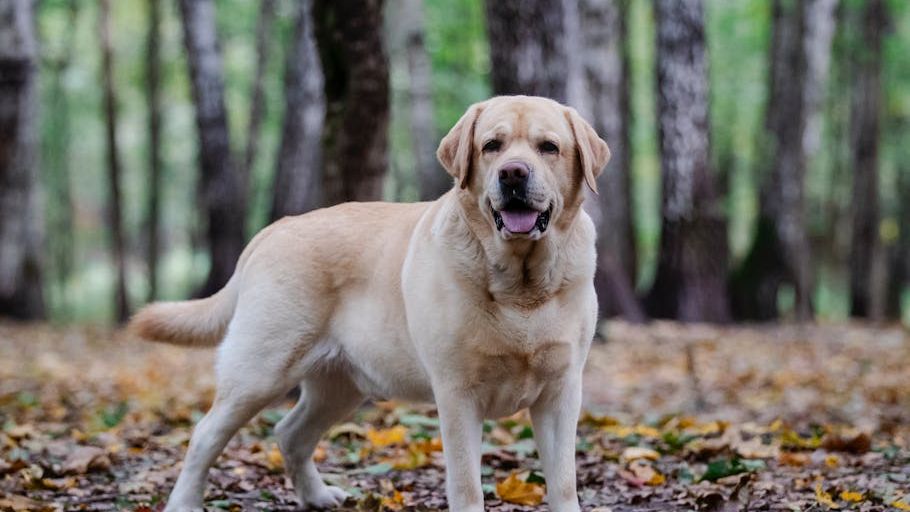
Labrador Retrievers are known for their loyalty and boundless energy, but most Labradors will develop separation anxiety if left home alone too long or without enough mental stimulation. They wear their hearts on their sleeve, and their emotional connection to family runs surprisingly deep for a breed that appears so cheerfully resilient on the surface.
The Lab is currently one of the most popular family dog breeds and generally has a relaxed disposition. However, because they are so social, they can struggle significantly if left alone for long periods of time. When that social void becomes chronic, Labs can lose interest in food, pace obsessively, and display all the hallmarks of genuine depression. Their easygoing reputation can actually mask just how badly they’re coping.
#3. German Shepherd
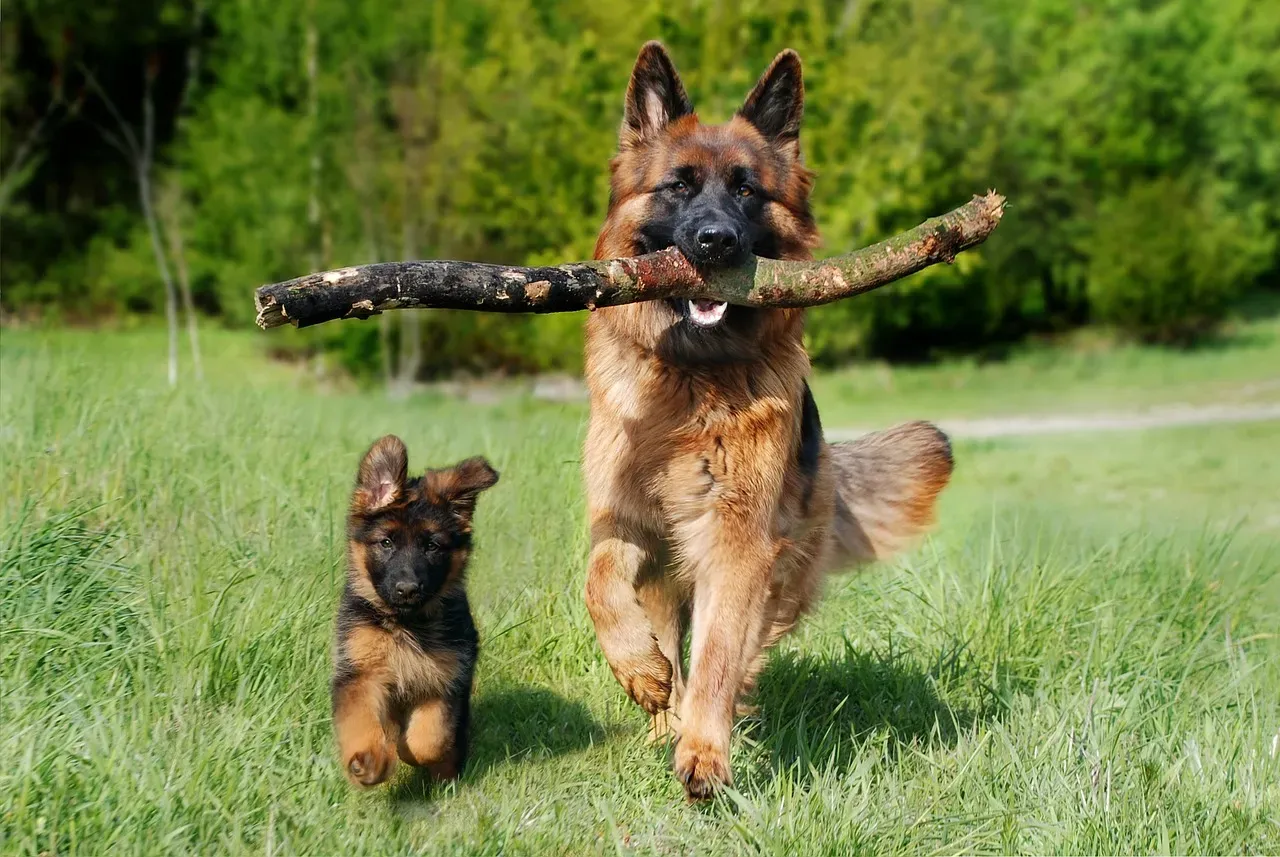
German Shepherds are high-energy herding dogs who love having a job that lets them use both their brain and body. They thrive on consistency, so being thrown off their routine may result in anxious behaviors such as pacing and door-scratching. These are dogs built for purpose, and a purposeless, empty house can feel like a form of confinement to them.
The German Shepherd needs a physically and mentally stimulating environment, and as a brilliantly trainable and intelligent working dog, they form strong bonds with their owners. This means they can be prone to distress if left alone or not adequately exercised and stimulated. Veterinary behaviorists note that prolonged distress in this breed can escalate quickly from anxiety to full depression, including appetite loss that owners sometimes mistakenly attribute to physical illness.
#4. Cavalier King Charles Spaniel

These loving dogs build strong bonds with their families, which makes separation anxiety especially tough for this breed. Cavaliers are often called “velcro dogs” because of their eagerness to stay close to their owners, and this intense pack instinct makes time alone genuinely distressing for them. They’re not being dramatic. The distress is real, and it goes far beyond a little boredom.
The Cavalier King Charles breed has a reputation for suffering from extreme separation anxiety. Persistent stress in this breed may contribute to health problems like decreased appetite or depression. The cruelest irony with Cavaliers is that their gentle, calm temperament in the company of humans masks just how fragile they become when that company disappears. Some owners report coming home to a dog who hasn’t touched food all day despite being perfectly healthy otherwise.
#5. Australian Shepherd
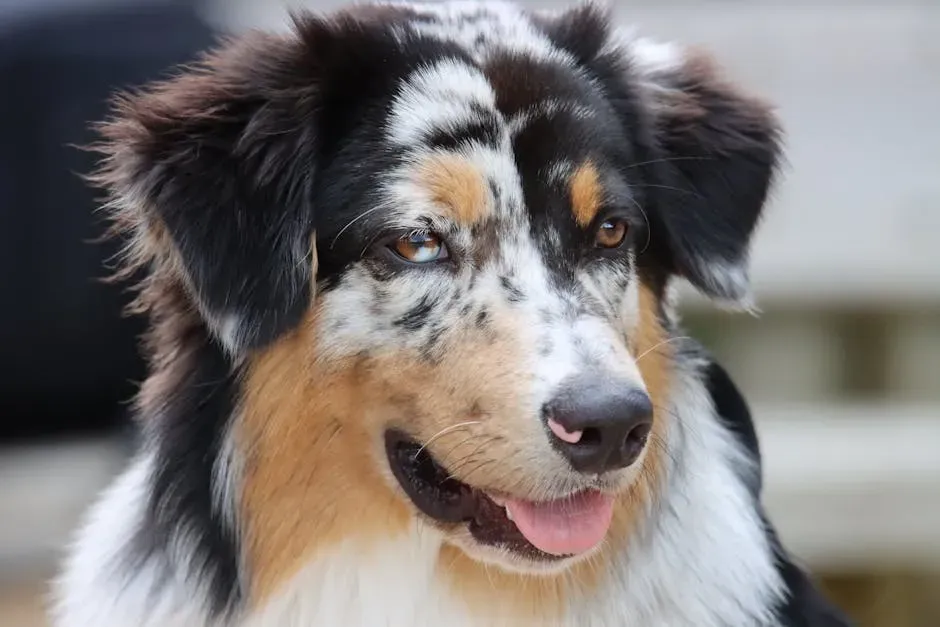
Australian Shepherds are lean, energetic herding dogs with high daily mental and physical needs. These affectionate pups also bond closely with their owners, which means they can suffer deeply when left alone for long periods. They need proper socialization and training to manage their anxiety better when separated from their family.
This breed was built for herding and is a very active dog that does best when at work, and can suffer significant anxiety when there’s nothing to do. An Australian Shepherd left alone in a quiet house isn’t just bored. They experience it as a kind of psychological emergency. Refusal to eat is one of the clearest warning signs that their distress has moved beyond manageable anxiety into something more serious.
#6. Vizsla

Perhaps a lesser-known breed than others on this list, the Vizsla is a Hungarian hunting dog that many owners feel passionately about. Vizslas tend to be a high anxiety breed because they genuinely hate being away from their owners and appreciate a busy, full house. They’re not a dog that does solitude gracefully under any circumstances.
Vizslas are hunting dogs bred to work alongside humans, and they are social animals that do poorly when left alone with nothing to do. Time without physical activity and without their human family can quickly lead to distress and anxiety. Owners of this breed frequently describe a dog that becomes almost inconsolable when left behind, and a Vizsla refusing its meal is almost always a dog that’s struggling emotionally, not physically.
#7. Bichon Frisé
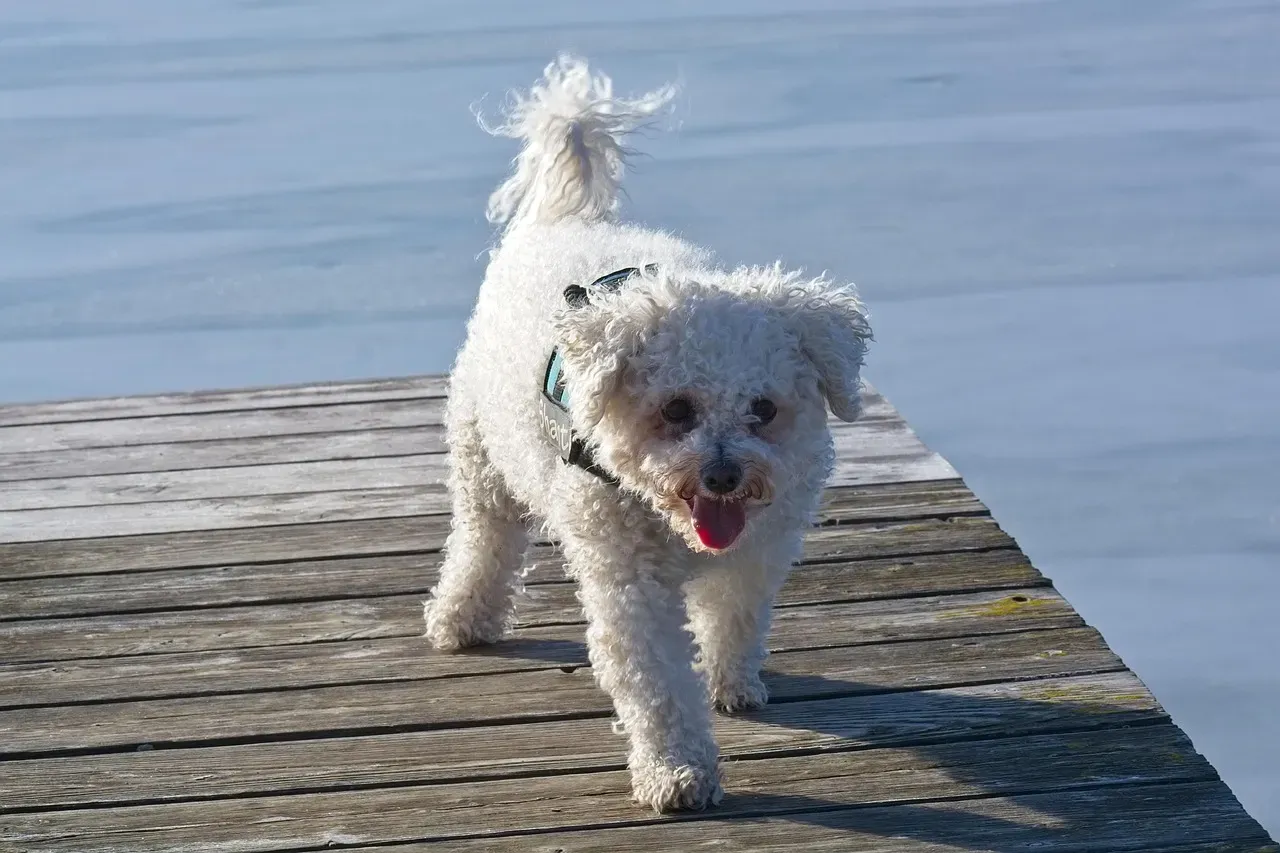
Bichon Frisés can be prone to stress and depression if they are away from their families for long periods, and incessant barking can be a way for them to communicate their anxiety and frustration. Small in size but enormous in emotional need, these dogs were purpose-bred for human companionship, which means isolation cuts against every instinct they have.
Bred as a companion dog, the Bichon truly does best when around their human family. Left alone, they can become bored and suffer severe distress due to loneliness. Their anxiety, when overlooked, can quickly change into depression. The food bowl going untouched is often the first sign a Bichon owner notices, though by that point the dog has usually been signaling distress in quieter ways for some time.
#8. Cocker Spaniel

Like many dogs on this list, Cocker Spaniels don’t like being left alone. In fact, when it comes to developing unreasonable attachment issues, they’re one of the likeliest candidates. Their warm, people-pleasing nature is genuinely beautiful, but it comes with a flip side. They crave reciprocation and feel its absence acutely.
The devoted Cocker Spaniel is known to be prone to separation anxiety if left alone. Because they are naturally such a friendly, rewarding dog in response to people’s attention, Cocker Spaniels seem to feel genuinely aggrieved when they don’t get enough of it. That sense of emotional grievance can fester into withdrawal, low energy, and ultimately, a refusal to eat that persists long after the owner’s return. Some Cocker Spaniels remain subdued and disinterested in food for hours after a long separation, even once their person is home.
What Depression in Dogs Actually Looks Like

The signs of depression in dogs include a loss of appetite, lack of interest, excessive sleeping, licking of paws, and hiding from owners. These symptoms are easy to mistake for physical illness, which is why veterinary guidance matters. A dog that stops eating isn’t always sick in the traditional sense.
Before attributing appetite loss solely to depression, it is essential to rule out any underlying medical conditions, as many illnesses can cause loss of appetite in dogs. Once physical causes are eliminated, the conversation about emotional health becomes necessary and valid. It is worth noting that hyperactive and highly intelligent dog breeds suffer from mental illness most often, which is precisely why so many of the breeds on this list overlap with working, herding, and companion categories.
Conclusion: Their Silence Is Saying Something
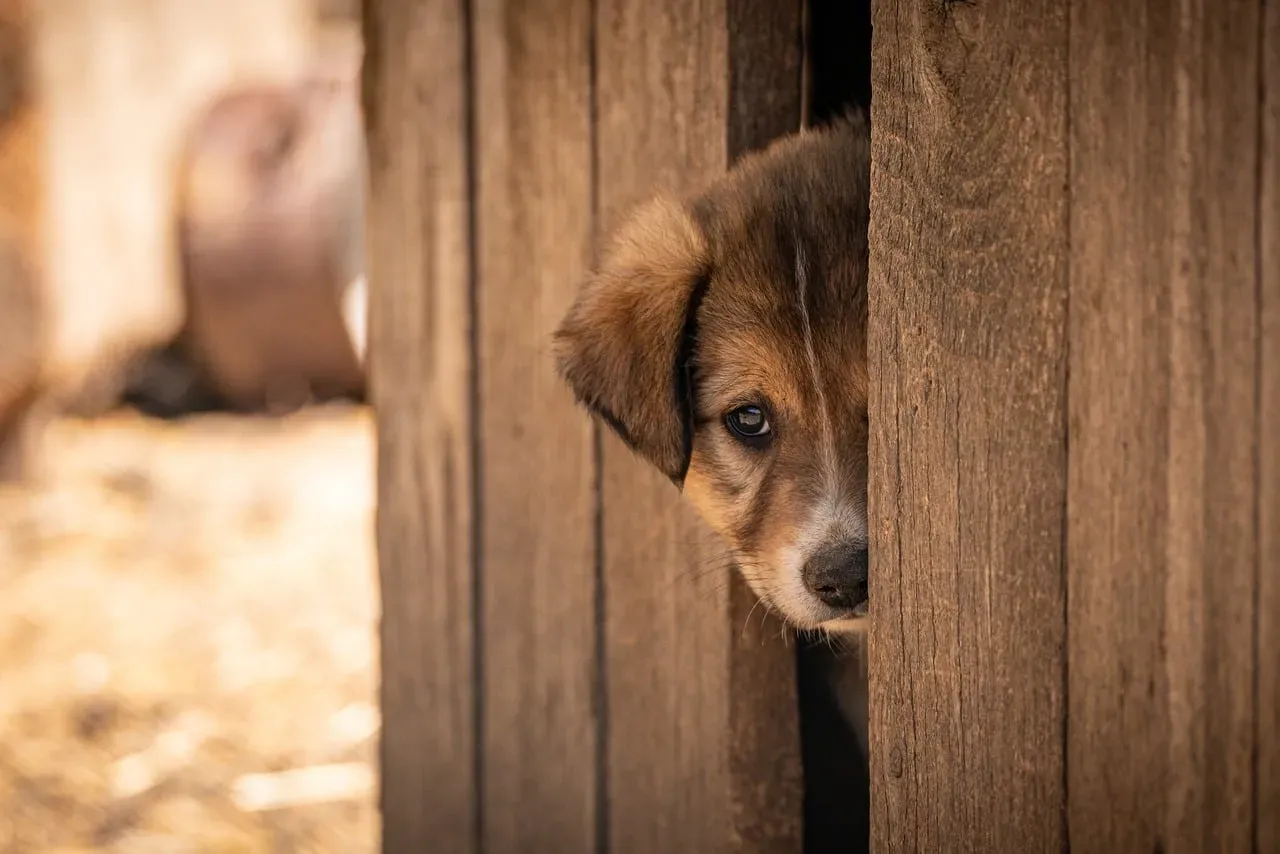
There’s a tendency to dismiss canine emotional pain as anthropomorphism. But the evidence is consistent and the behavioral patterns well-documented. Separation anxiety is a distressing emotional disorder affecting dogs that can lead to various symptoms. Unlike occasional boredom or mild nervousness, it is characterized by extreme stress when the dog is left alone.
If your dog belongs to any of the breeds on this list, the empty food bowl you come home to isn’t a quirk or a manipulation tactic. It’s a message. These dogs were bred to be beside people, to work with them, to live in their orbit. Leaving them in an empty house for long stretches each day runs directly against everything their biology and temperament was designed for.
The most responsible thing an owner can do is take that message seriously before depression becomes a persistent state rather than an occasional reaction. A dog that stops eating is asking for help the only way it knows how. The question is whether we’re paying enough attention to notice.


