
#1: The Science of Canine Attachment Is Closer to Human Psychology Than Most People Realize
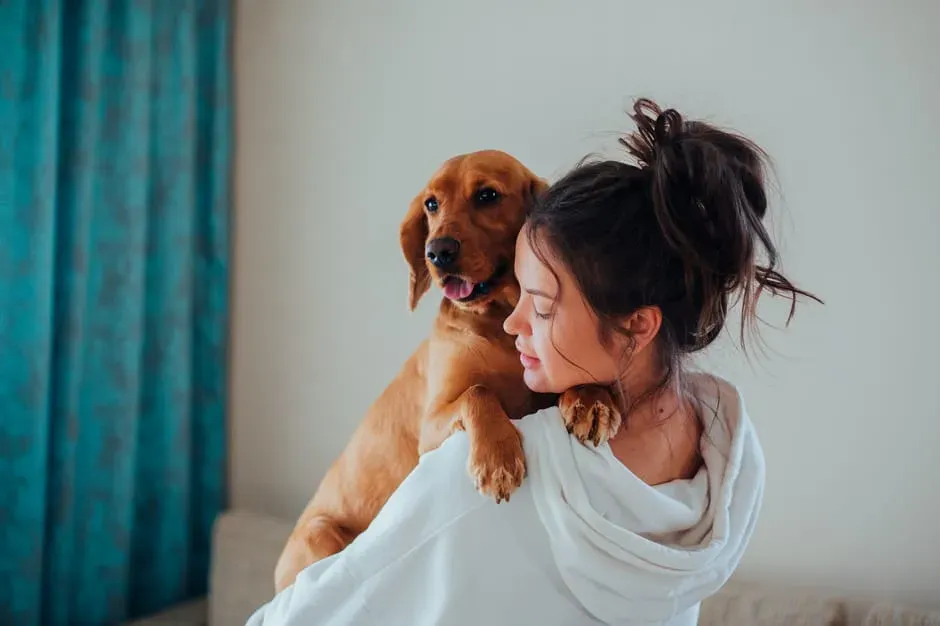
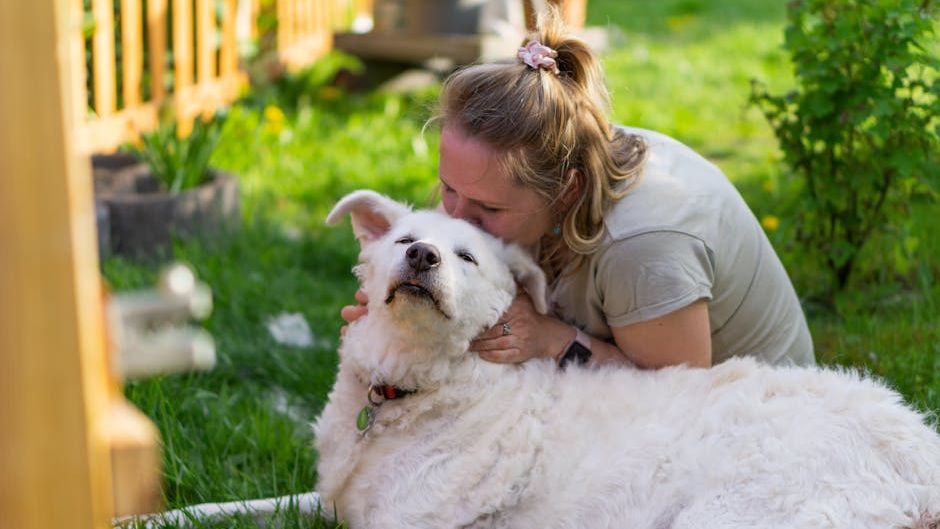
Attachment theory, the framework psychologists use to understand how infants bond with caregivers, has been applied directly to dogs. It explains how dogs become attached to their owners and gives real insight into the emotional mechanisms at play. This isn’t a loose metaphor. Researchers have formally tested dogs using adapted versions of the same “strange situation” protocols developed to study human children.
The dog-owner relationship shows documented similarities to the human caregiver-infant relationship. Dogs display recognizable attachment behaviors such as approaching, following, clinging, and vocalizing toward their owners. The emotional logic underneath is essentially the same.
The attachment system, as defined by psychologist John Bowlby, is an innate mechanism designed to seek closeness and comfort from others, especially in times of distress. While this system is most commonly studied in human relationships, it also extends to our relationships with pets. The fact that it crosses species at all says something remarkable about how dogs evolved alongside us.
In many cultures, the primary role of dogs has become that of companions, leading to a bond characterized by loyalty, trust, and connection. This is possible because dogs developed the ability to form attachments with us in ways that we easily recognize and respond to. That shared emotional language is not accidental. It was shaped over thousands of years.
#2: Brain Chemistry Explains Why Some Breeds Are Wired for Closeness
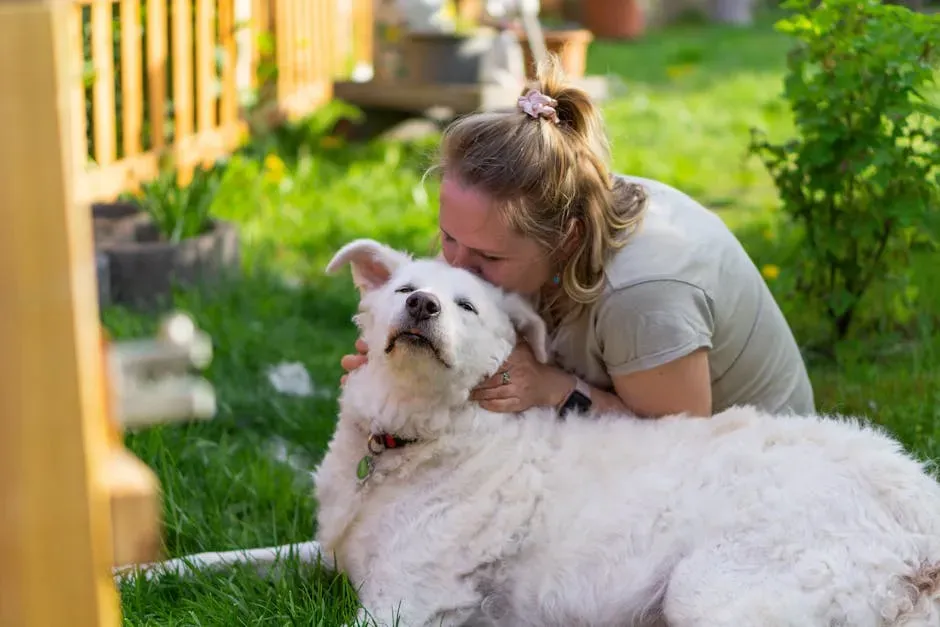
Research has shown that when a dog and owner look into each other’s eyes, both release oxytocin, often called the “love hormone.” The bond between dogs and humans is not just emotional but is rooted in neuroscience and behavioral science. What makes this especially striking is that the same chemical loop drives bonding between human parents and their children.
A 2015 study found that dogs and humans engage in cross-species gaze-mediated bonding using the oxytocin system. When humans and dogs stare into each other’s eyes, they each register a spike of oxytocin. Notably, wolves rarely look people in the eye and don’t appear to release oxytocin when they do, meaning domesticated dogs are unique in this ability.
Attachment behaviors like loyalty, separation anxiety, and social seeking are deeply rooted in a dog’s genetic code. Key genes such as OXTR and AVPR1A play critical roles. The OXTR gene regulates bonding and emotional responses to social interactions, while the AVPR1A gene influences stress resilience and social motivation. Variations in these genes explain why some dogs thrive on constant human interaction, while others are more self-reliant. This is not something an owner creates through spoiling. It’s coded in.
Dogs are an interesting species in which to investigate the link between the oxytocin system and social bonds, since they establish preferential bonds with their own species but also with humans. Studies have shown that the oxytocin system may be involved in the regulation of such interspecific relationships, with both dogs and their owners showing an increase in oxytocin levels following positive social interactions. The breeds with the highest sensitivity in these systems tend to be the ones that shadow their owners most intensely.
#3: Certain Breeds Were Literally Engineered for Emotional Dependency
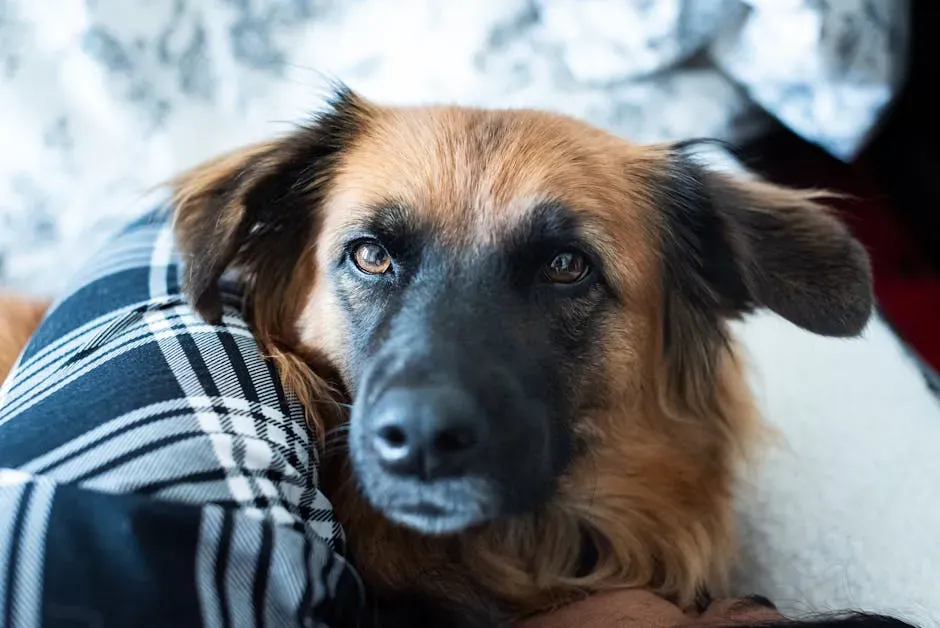
Hungarian Vizslas have earned the nickname “velcro dogs” within the hunting dog community due to their exceptional attachment to their owners. Historically bred to work in close cooperation with hunters, Vizslas were selected for their attentiveness and desire to remain near their handlers. This breed history has created dogs that form extraordinarily strong bonds and often struggle significantly with any separation. Their emotional need for human closeness isn’t a behavioral flaw. It was a desirable working trait for centuries.
A Vizsla thrives on closeness and is happiest when by your side, whether hiking, running, or relaxing on the couch. Their affectionate nature means they follow you everywhere, leaning against you or curling up at your feet just to feel your warmth. Sensitive and intelligent, they easily pick up on emotions, offering quiet comfort when you’re sad and bounding energy when you’re happy. Because of this emotional depth, they can struggle with being left alone for long hours, craving reassurance and routine.
Bichon Frises were historically bred as companion animals for European nobility, creating a genetic predisposition toward extreme attachment to their human companions. Modern Bichons are often described as “velcro dogs” due to their tendency to follow their owners. One of the breeds most often cited for emotional closeness is the Cavalier King Charles Spaniel. These dogs are classic lap dogs with a deeply social nature and thrive on contact, companionship, and emotional connection. For these breeds, human proximity isn’t a preference. It’s a baseline requirement.
Australian Shepherds exemplify the challenge many herding breeds face in modern pet homes. Bred for generations to work closely with farmers and ranchers while managing livestock, Australian Shepherds were selected for their attentiveness to human cues and constant readiness for direction. This working heritage creates dogs with an intense need for purpose and human interaction. Remove the job and the human closeness that came with it, and the anxiety surfaces quickly.
#4: What Happens Emotionally When These Breeds Are Left Alone
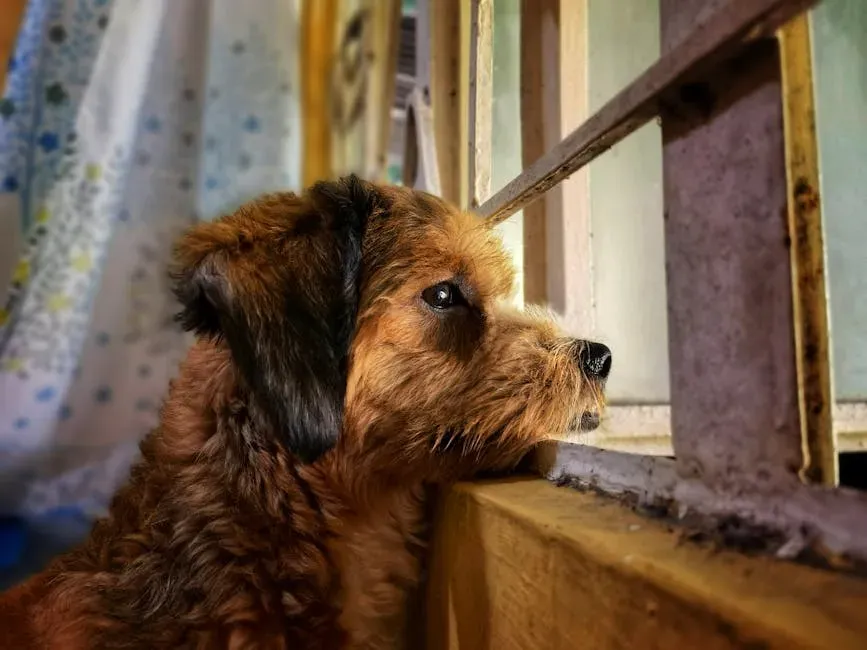
Dogs develop separation anxiety because they need their owners for comfort so intensely that they experience extreme fear when their owners leave them alone. Their state of discomfort and tension emerges right after their owner departs. It’s often more than boredom. Being alone can feel genuinely overwhelming for some dogs. That distinction matters. For high-attachment breeds, solitude isn’t just boring. It’s destabilizing.
This breeding history has created modern dogs that often struggle significantly with any separation from their family. Cavaliers experiencing separation anxiety typically display more subtle signs initially, including trembling, hiding, and refusing food when owners prepare to leave. As anxiety progresses, they may vocalize with persistent whining or barking, and some develop stress-related health issues including digestive problems.
Saliva tests have revealed that senior dogs have much higher cortisol levels than younger adult dogs after separation. This could indicate that, although their reactions to the stressful situation were subdued, they actually experienced a much greater degree of anxiety at being separated from their caregivers than younger dogs. The research seemed to show that while older dogs may be better at managing their emotions, they actually require a higher level of closeness and attachment. Age doesn’t reduce the need. It can quietly deepen it.
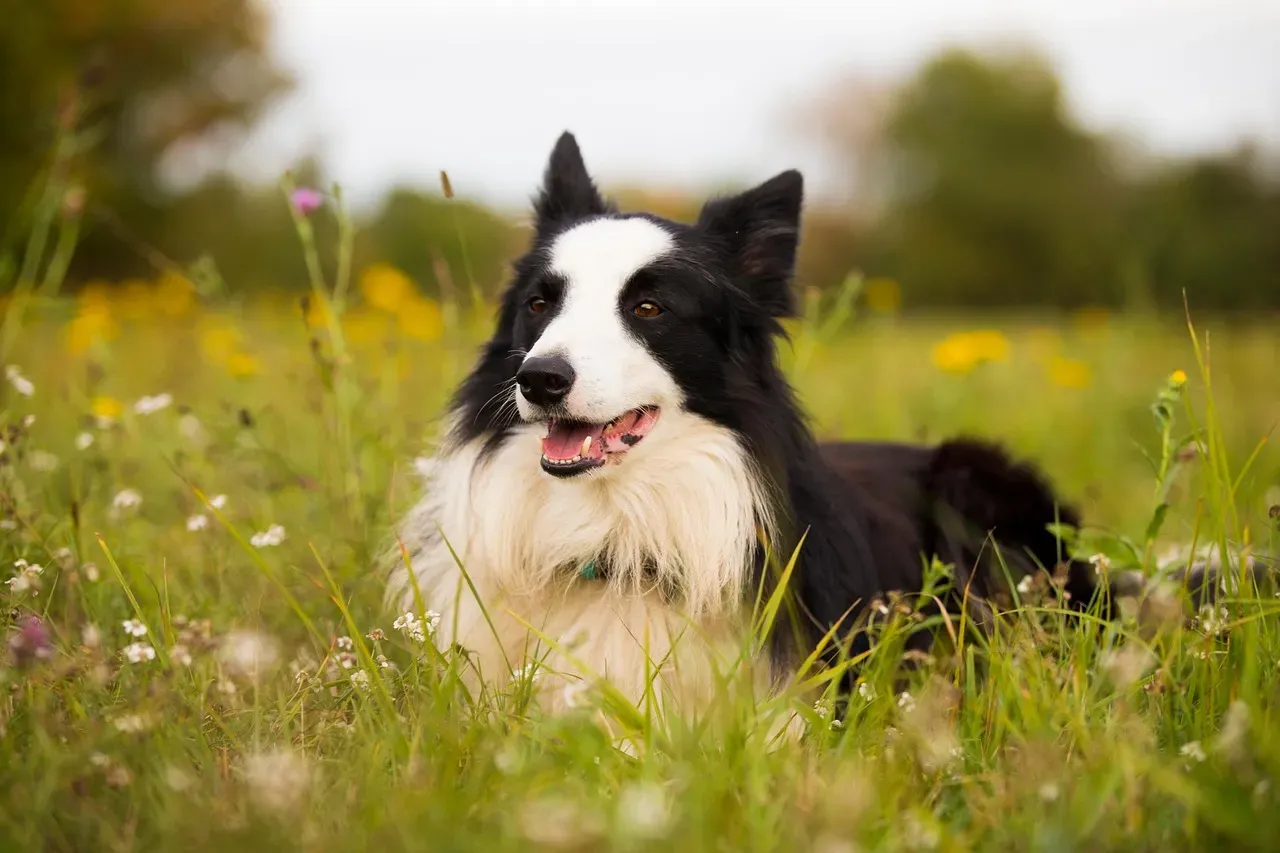
Border Collies are workaholics designed to herd all day. They possess high energy and remarkable intelligence, meaning they need a consistent job or mental stimulation. Isolation gradually leads to more and more boredom, which quickly transforms into intense anxiety and destructive behaviors. The emotional fallout isn’t stubbornness. It’s a working mind with nowhere to go.
#5: Understanding Your Breed’s Emotional Style Changes Everything
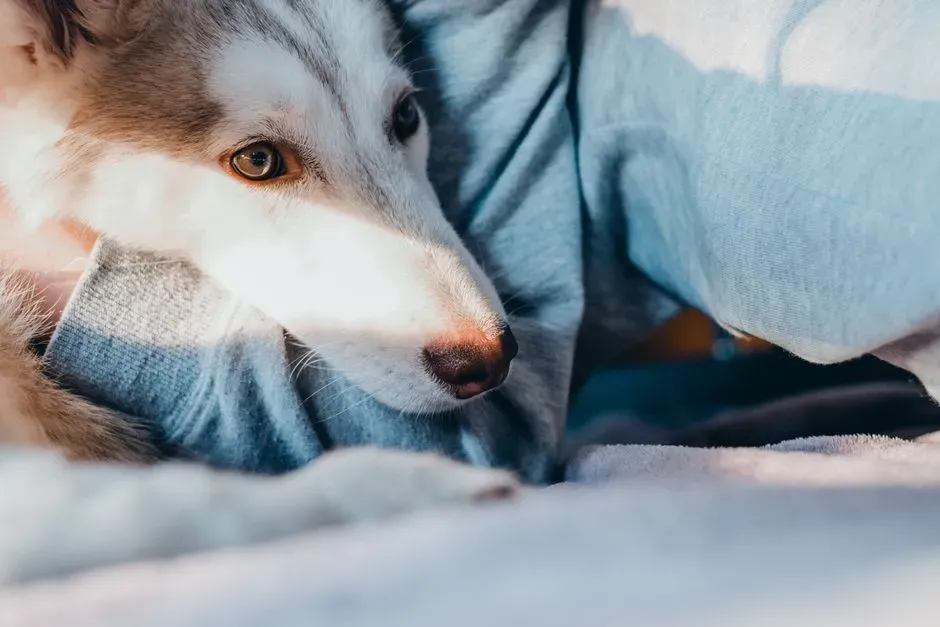
Clinginess in dogs often comes from a mix of temperament, breeding history, and socialization. Dogs with high sociability and strong affiliation tendencies are more prone to stick close to their humans. On top of that, if a dog hasn’t learned to self-entertain or hasn’t been gently encouraged to have independence, they may become more anxious and reactive when separated. The good news is that understanding this dynamic is already halfway to managing it.
Dogs, like humans, experience attachment to their caregivers. Studies have shown that dogs exhibit behaviors similar to secure attachment when their owners are present, including reduced stress and increased exploration. This is a meaningful parallel. A securely attached dog, like a securely attached child, actually becomes more confident and curious when they feel their emotional base is reliable.
The dog-owner relationship may be partially influenced by dogs’ personality characteristics. The emotional closeness aspect of the relationship appears to be related to lower arousal, possibly related to stress alleviation due to the secure base effect. In other words, closeness, when it’s healthy, actually calms these dogs down rather than feeding their anxiety. The problem only emerges when that closeness is abruptly removed without preparation.
Many of these breeds were historically developed to work closely with people, whether herding livestock, assisting hunters, or serving as vigilant companions, which helps explain their clingy, affectionate nature. Knowing that context reframes everything. These dogs aren’t broken. They’re doing exactly what their DNA has rehearsed for generations.
Conclusion: Emotional Needs in Dogs Are Real, Breed-Specific, and Worth Taking Seriously
There’s a tendency to dismiss a clingy dog as spoiled, undertrained, or simply dramatic. Psychology suggests that framing is not just inaccurate but genuinely unhelpful. The study of attachment in human-dog interactions is gaining increasing relevance as these relationships evolve from utilitarian functions to emotionally significant bonds. What was once considered a working relationship has, for many breeds, become something much closer to an emotional interdependency.
Dogs are known for their attunement to human emotions. They can sense when their owners are sad or anxious and often respond with comforting behaviors such as physical proximity, licking, or nuzzling. That sensitivity cuts both ways. The same breeds that read you so clearly are also the ones most affected when you disappear from the room.
If you live with a Vizsla, a Cavalier King Charles Spaniel, a Border Collie, or any of the high-attachment breeds covered here, you’re not dealing with a demanding personality so much as a dog whose emotional architecture was built for constant human partnership. That’s a responsibility, yes, but it’s also one of the more quietly profound things about sharing your life with these animals. They chose closeness long before you did. The least we can do is understand why.


