
#1. They Press Their Body Against You

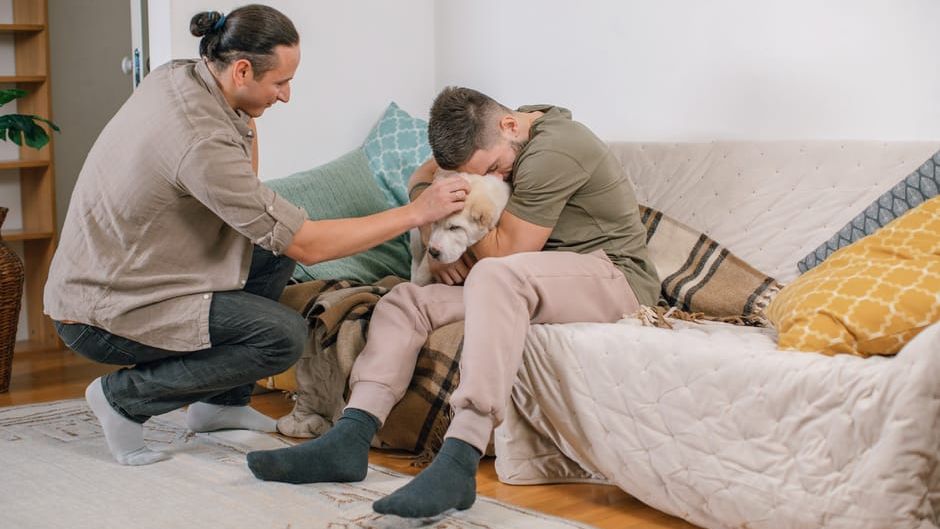
One of the most immediate things a dog does when sadness fills a room is close the physical gap between you. They lean in, press firmly against your leg or side, and hold that contact longer than usual. It’s not accidental, and it’s not just habit. It’s deliberate closeness.
This kind of body contact is one of the most tangible ways a dog communicates emotional support. Oxytocin plays a crucial role in strengthening the bond between humans and dogs, and when we interact with our dogs, oxytocin is released in both our brains and theirs, promoting feelings of attachment, trust, and empathy. That gentle pressure against your body is, in its own quiet way, a mutual exchange of comfort.
#2. They Follow You From Room to Room

Grief rarely stays in one place. You move around the house, sometimes restlessly, sometimes without purpose, and your dog moves with you. They plant themselves a few feet away, watching carefully, then follow again when you shift. It can feel like being shadowed by a small, warm guardian.
Dogs signal that they want physical comfort by following you around or being closer or more “clingy” than usual. Clinginess is a natural reaction after the death of a caretaker. What’s striking is that this behavior often intensifies precisely when you haven’t said a word, suggesting your dog is reading something in you that goes beyond the obvious.
#3. They Rest Their Head in Your Lap

There’s something almost impossibly tender about a dog resting their chin on your knee and looking up at you with those deep, unblinking eyes. It’s one of the most recognized comfort gestures in the canine world, and it lands differently when you’re in pain. Softer. More deliberate.
Licking, nudging, resting their head on you, or bringing you a favorite toy are common ways dogs try to comfort their human companions. The head-on-lap gesture in particular requires the dog to stay still and calm, which takes a kind of attentiveness most people don’t immediately credit their dog with having. They’re not restless in that moment. They’re present on purpose.
#4. They Bring You Their Favorite Toy
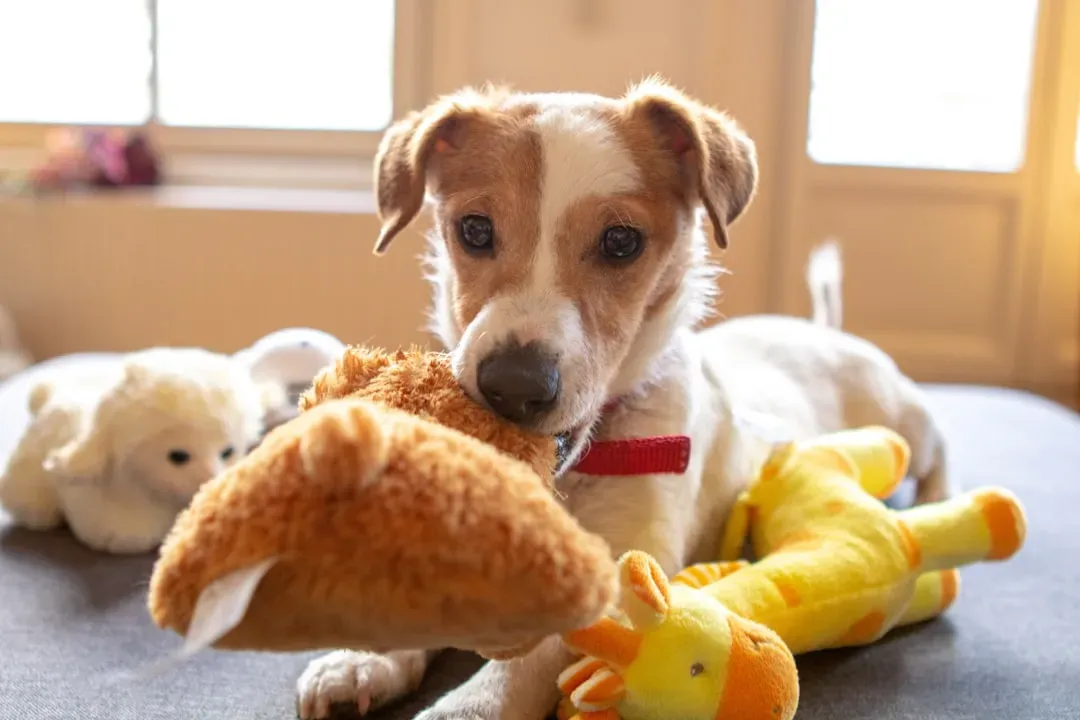
It sounds almost comic at first. You’re sitting in tears and your dog trots over with a chewed-up tennis ball or a mangled stuffed animal. It can feel like a mismatch. It isn’t. From your dog’s perspective, this is one of the most generous things they can offer you.
Dogs understand that their favorite toys bring them joy, and the act of bringing one to a distressed human is a genuine attempt to transfer that feeling. A study showed that when people saw photographs of their dogs shortly after the death of a loved one, they reported less intrusive thoughts and more happiness and health. Your dog offering their prized possession is working from the same instinct: if this makes me feel better, maybe it’ll help you too.
#5. They Lick Your Tears
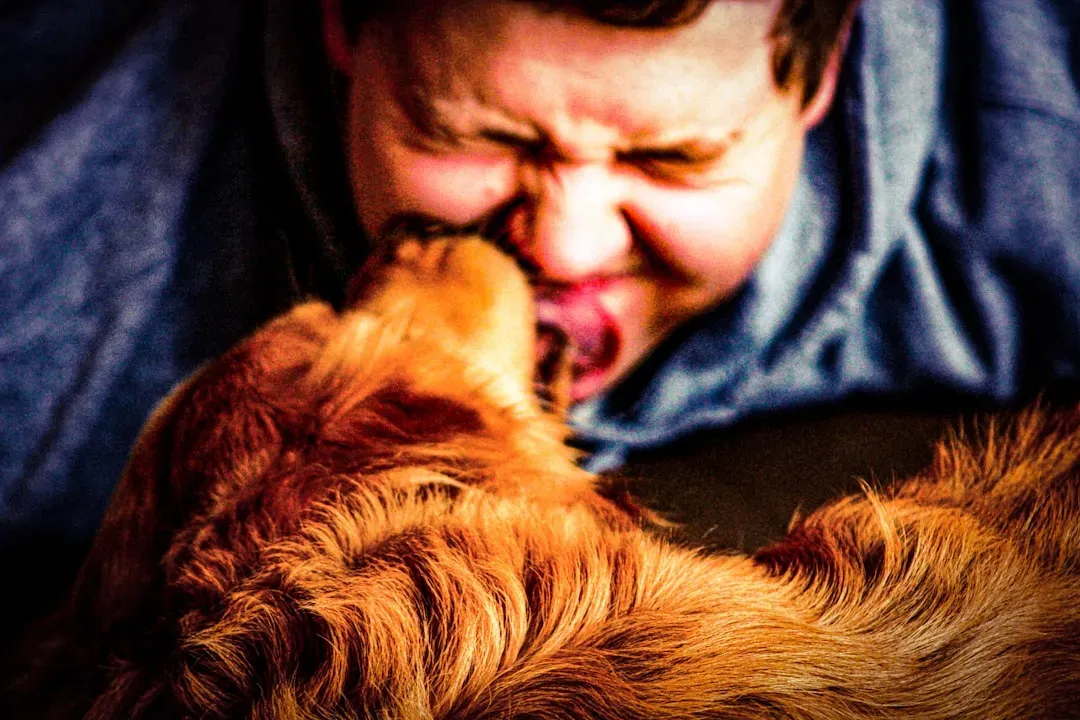
When the crying starts, many dogs move straight for your face. They lick away tears with an almost urgent gentleness, nuzzling your cheeks and forehead. It feels instinctive, and in many ways it is, but there’s also real sensory awareness driving it.
A study from a lab in Florida found that the specific scent of human tears carries chemical signals that dogs can detect, often prompting a concerned response. Dogs can detect subtle changes in our scent caused by hormonal shifts and stress-related chemicals released when we are experiencing grief. What looks like simple affection is also your dog responding to literal, measurable distress signals your body is producing.
#6. They Sit Quietly Without Demanding Attention
Most of the time, dogs want something: a walk, a treat, a bit of play. Grief seems to pause that entirely. Many owners notice that their dog will sit nearby during the worst moments without barking, nudging, or demanding anything at all. They simply stay. Quietly. For as long as it takes.
Dogs can sense when we are sad and they make an effort to comfort us. One way that can happen is through their extreme attention to us, as even when we are upset or distressed, dogs are always looking for signals. That stillness isn’t emptiness. It’s focused, concentrated attention directed entirely at you, held patiently in ways that most humans find difficult to sustain.
#7. They Stare at You With Sustained, Soft Eye Contact
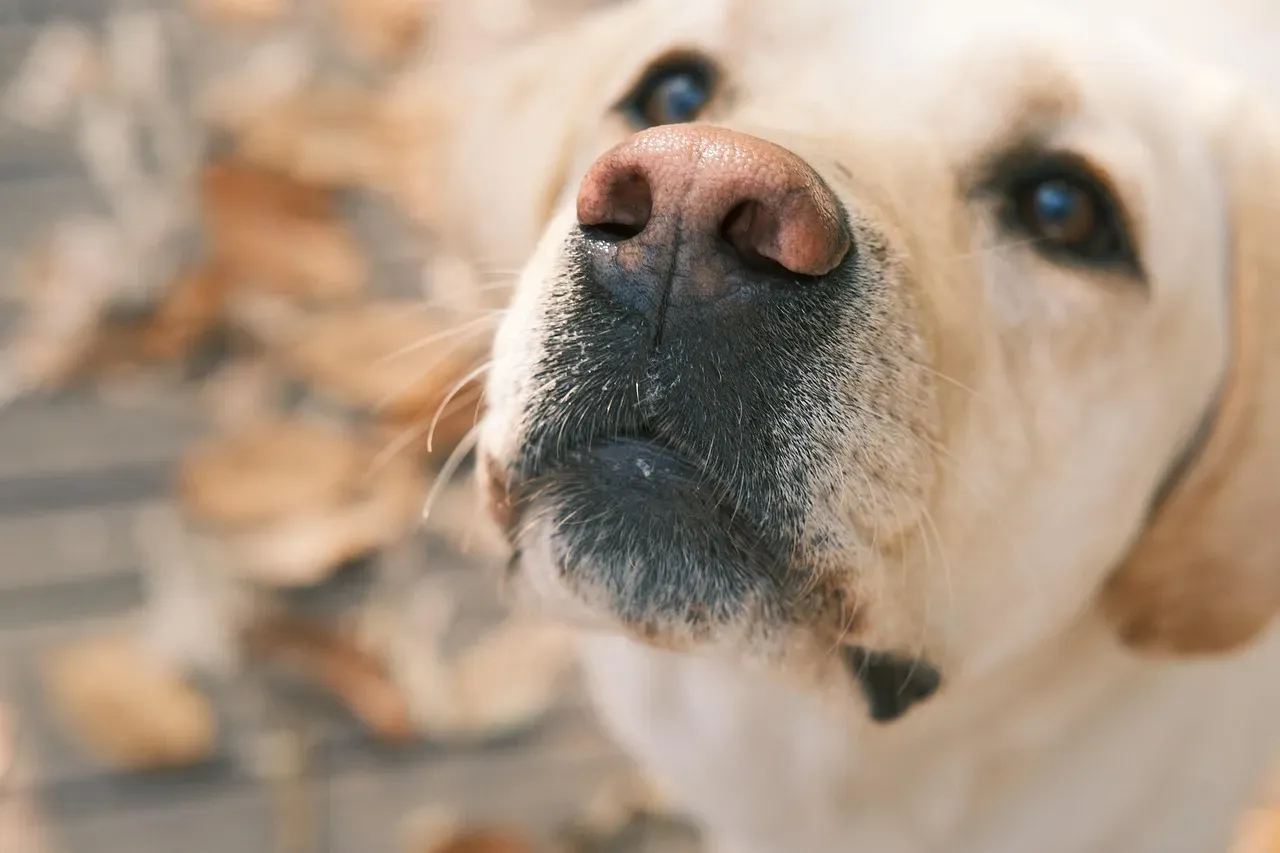
Prolonged eye contact between two beings communicates deep attunement. When a dog holds a long, soft gaze on you during a moment of sadness, it registers emotionally in a way that’s hard to articulate but impossible to miss. There’s recognition in those eyes. Something that reads, clearly, as concern.
Dogs can recognize six basic emotions including anger, fear, happiness, sadness, surprise, and disgust, and they process these in similar ways as humans, with changes to heart rate and gaze. Dogs are observant and pick up on visual cues like changes in body language, facial expressions, and decreased energy levels. A slumped posture, tearful eyes, or avoidance of eye contact will all register. They’re watching you far more carefully than you might realize.
#8. They Sleep Closer Than Usual

Dogs that typically sleep at the foot of the bed or in their own space often migrate during periods of loss. They push closer, sometimes pressing right against your back or curling up beside your pillow. It’s a recalibration of proximity, driven by emotional need on both sides.
It is apparent that dogs do react to the emotional state of their owners. Animal behavior experts have tried to study the depth of dog feelings and how those emotions interact with those of humans. The shift in sleep patterns is one of the more telling signs. Your dog isn’t just seeking warmth. They’re staying close because something in the emotional atmosphere of the home has changed, and they know it.
#9. They Become Protective and Alert Around You
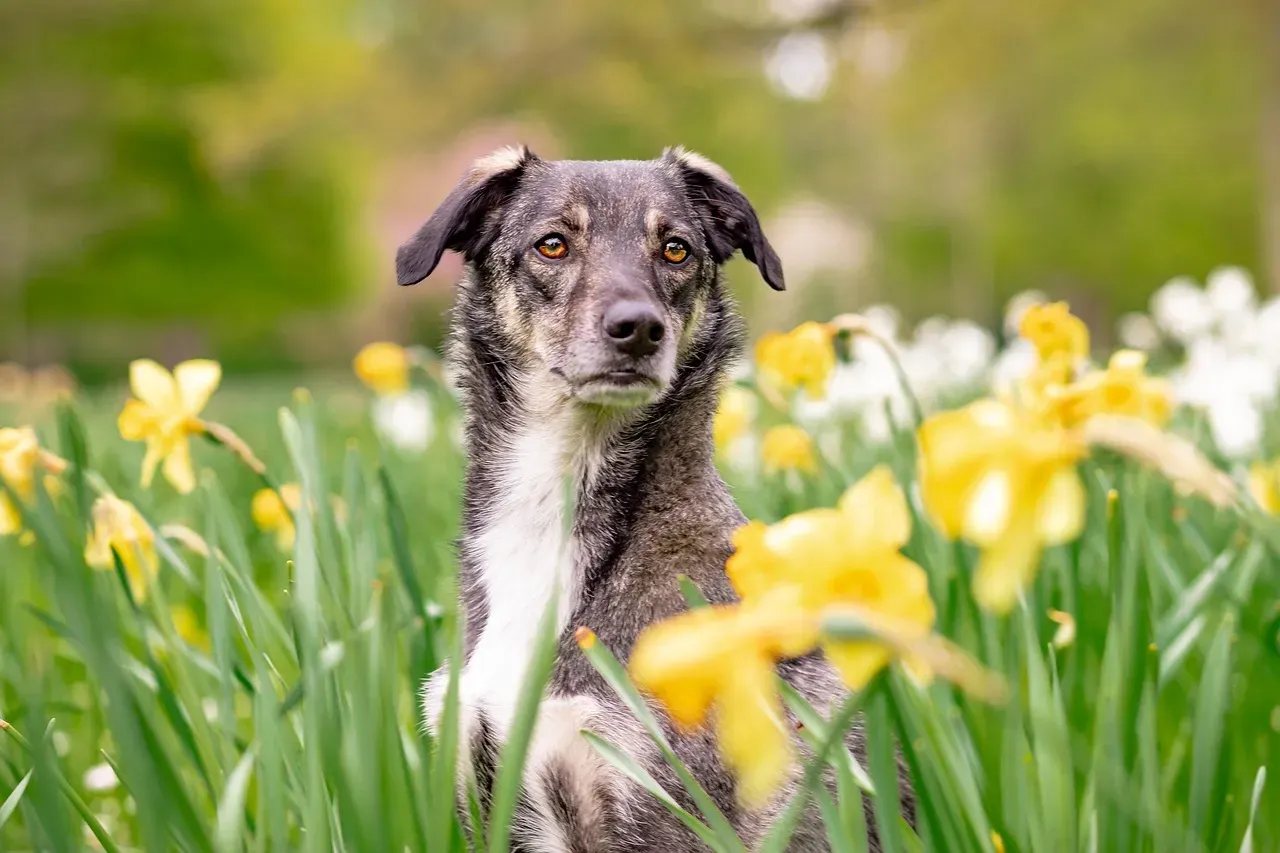
Grief can make a person feel exposed in ways that are hard to describe. Some dogs appear to sense that vulnerability and respond by becoming watchful, almost sentinel-like, in their behavior. They position themselves between you and the door. They monitor the sounds in the house more closely. They stay alert so you don’t have to.
Some dogs may become more protective of their grieving owner, acting as a buffer between them and the outside world. Dogs can detect when humans are about to get sick, and we know for certain that dogs can tap into things that are going on in the human mind in ways that even medical science finds difficult to explain. That protective alertness is their version of standing guard while you fall apart, which, if you think about it, is one of the most loving things any creature can do.
#10. They Nudge You Gently with Their Nose
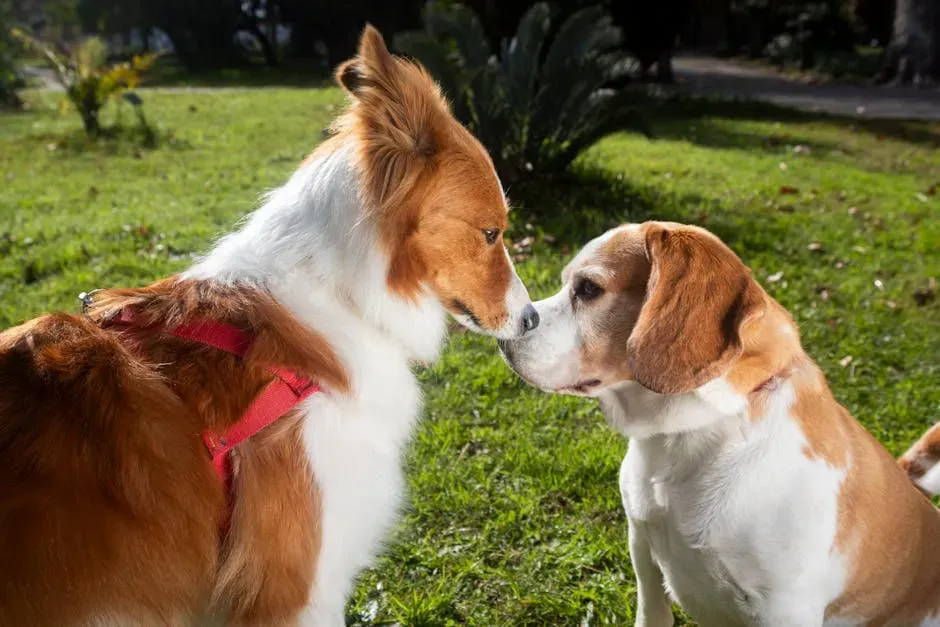
The soft bump of a dog’s nose against your hand or knee is one of the subtlest gestures in a dog’s vocabulary of comfort, but it carries real weight. It’s an initiation. An invitation. A small, physical question that says: are you still with me? I’m still with you.
Dogs faced with crying humans almost always approach the crying person. Dogs responded in different ways to negative and positive emotional sounds, showing that they could pick up a person’s feelings just from the way their voice sounded. The nose nudge typically comes after they’ve assessed the situation and decided that passive observation isn’t enough. It’s deliberate contact, offered gently, because they want you to know they’re there.
What These Behaviors Tell Us About Dogs

Taken together, these ten behaviors paint a picture of an animal that is far more emotionally attuned than we often give them credit for. Emerging research suggests that dogs, like humans, possess mirror neurons in their brains. These neurons fire both when an individual performs an action and when they observe the same action performed by another. That neurological parallel may partly explain why being in the presence of grief doesn’t just register for a dog, it seems to move them.
A dog’s affection can be incredibly therapeutic during times of grief. It provides a sense of connection and can help alleviate feelings of loneliness and despair. None of this means a dog understands death the way you do. While dogs may not have the same complex understanding of emotions as humans, they are adept at recognizing subtle cues associated with different emotional states. They may not know the specific reason for your sadness, but they recognize the change in your behavior and respond accordingly.
There’s something quietly humbling in that. Your dog doesn’t need to understand the full weight of your loss to show up for you. They just do. And in the middle of grief, that wordless, steady, faithful presence often says more than anything else could.


