
#1: Sleeping Proximity Is a Direct Expression of Emotional Attachment
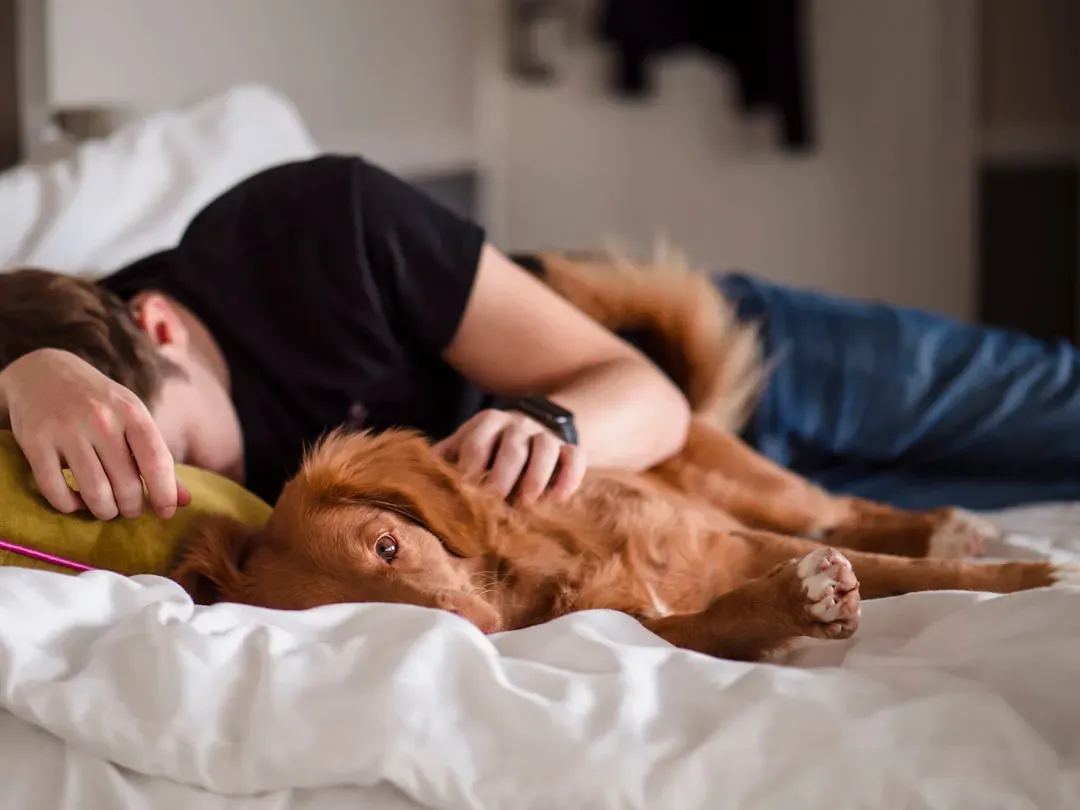
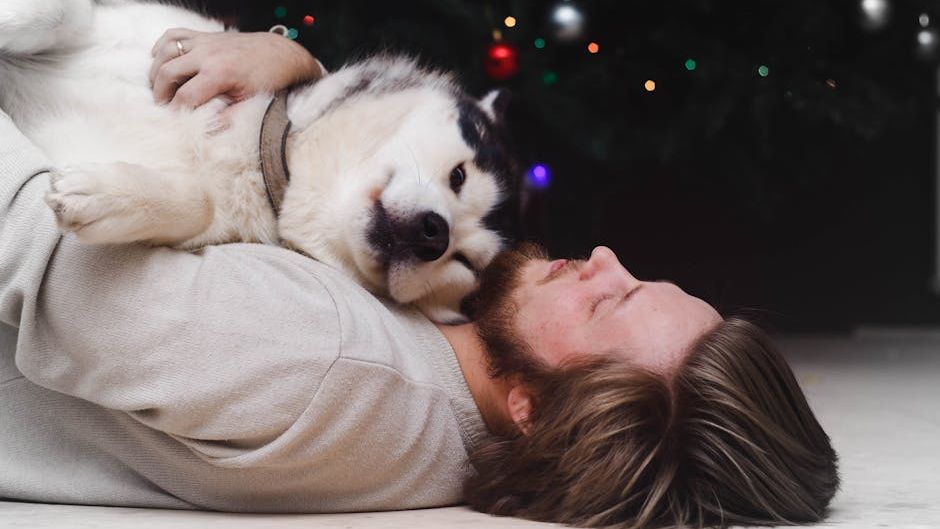
Dogs sleep near their humans because of deep emotional bonds, natural pack instincts, and a strong need for comfort and security. This behavior is a clear sign of trust, love, and companionship. It’s one of the most consistent ways a dog communicates that you occupy a central place in their emotional world.
Dogs have been shown to form attachment bonds towards their owners analogous to the human infant-parent attachment. Psychologists believe that the relationship between human and canine is a bidirectional attachment bond, which resembles that of the typical human caretaker-infant relationship, and shows all of the usual hallmarks of a typical bond. That parallel isn’t casual. It means the pull your dog feels toward you at bedtime is rooted in the same emotional architecture that shapes how human children seek closeness with a caregiver.
One of the clearest signs your dog prefers you over others is where they choose to sleep. Some people assume their dog sleeping near or on them is just about warmth or routine, but trainers say it goes far beyond that. This behavior is “deeper than people think” and often points to strong bonding behavior and emotional attachment.
#2: The Science of Sleep Quality Changes When Dogs Are Near Their Person
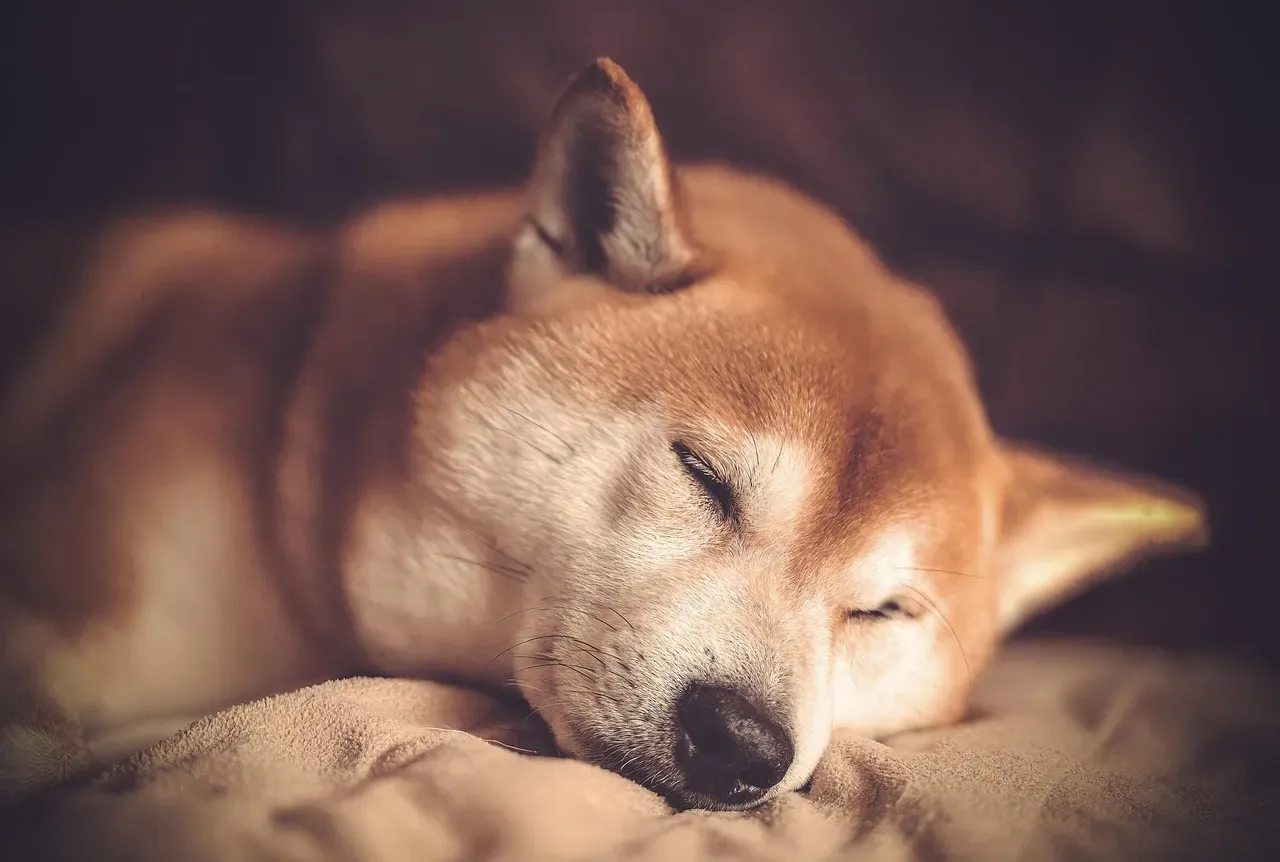
Research provides the first evidence that dogs manifest different sleep patterns when sleeping in the presence versus in the absence of their owners. Sleeping together with the owner in an unfamiliar environment resulted in dogs’ shortened sleep onset time, increased sleep efficiency, and specifically spending more time in deep sleep, compared to sleeping with a friendly, unfamiliar human who was not their owner.
Research provides the first evidence that dogs’ attachment towards their owner is also associated with dogs’ sleep structure, including the time they spend in the different sleep stages, as well as their brain activity during sleep. When dogs sleep in a novel environment in the presence of their owners, differences in their attachment bond are reflected in their sleep EEG characteristics. In plain terms, a dog sleeps longer and more deeply when you’re the one in the room.
A study published in the journal Animals shows evidence that the sleep patterns of dogs sleeping with their owners in new locations were influenced by their attachment. A study published in the Journal of Veterinary Behavior found that co-sleeping reduces separation anxiety in dogs, creating a sense of security and trust. Together, these findings suggest the benefits aren’t minor. They’re measurable, biological, and tied directly to who the dog loves.
#3: Chemistry Is Involved – And It Flows Both Ways

Sleeping together releases oxytocin, often called the bonding hormone, in both dogs and humans. This strengthens trust and deepens the relationship. It’s not just a pleasant idea – the neurochemistry is real and well-documented across multiple studies.
The warmth of a dog pressed against your body appears to activate some of the same neurochemical pathways that fire during intimate human contact. This means that for the growing number of people who sleep alone, a dog on the bed may be doing more than keeping them company. What makes the human-dog relationship unusual is that the oxytocin system appears to work in both directions.
Oxytocin is increasingly recognized to have a role in human-dog bonding and interactions and a positive influence on various health outcomes including cardiovascular function and stress reactivity. Just like humans, dogs produce feel-good hormones through physical closeness: oxytocin, known as the “love hormone,” is released during cuddling and increases positive feelings, while dopamine reinforces bonding and happiness. When your dog curls up next to you, their body kicks into bonding mode. These hormones enhance your relationship and make your dog feel emotionally nurtured.
#4: Your Scent, Warmth, and Presence Are a Calming Signal
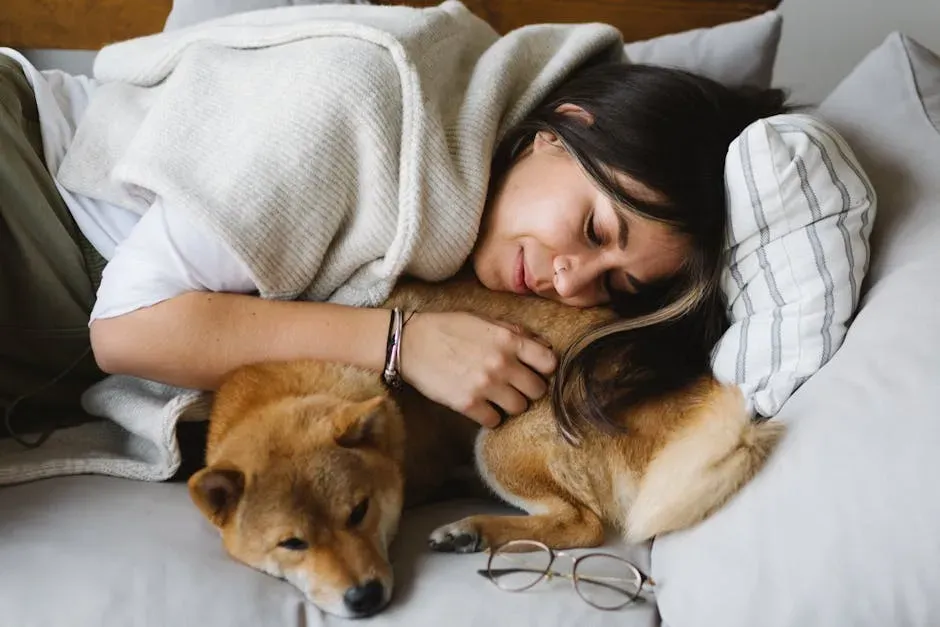
For dogs, proximity creates comfort. Being close to familiar sounds, scents, and routines helps them feel calm and protected, especially during rest. Their favorite sleeping place is often less about softness alone and more about trust, routine, and emotional presence. Scent, in particular, plays an enormous role in how dogs navigate emotional safety.
Scent plays a big role in where dogs sleep. Dogs have powerful noses, and your scent is strongest where you sleep, making your bed an inviting spot that feels familiar and safe. It provides a sense of security for your dog since they know they are safe and can rest without worrying about any threats or dangers. It also helps that your dog is familiar with your scent, and along with the warmth that your body offers, you become a soothing and calming place for your dog.
The familiar scent and sound of your breathing can soothe anxious pups. This mutual comfort can help both you and your dog relax more deeply during sleep. Dogs love the warmth and rhythm of human breathing and heartbeat, which soothe them in sleep. There’s something almost ancient about that. Long before science had names for any of it, this exchange was already happening around every campfire humans and dogs ever shared.
#5: Dogs Sleep Next to Who They Love Most – and That’s a Conscious Choice
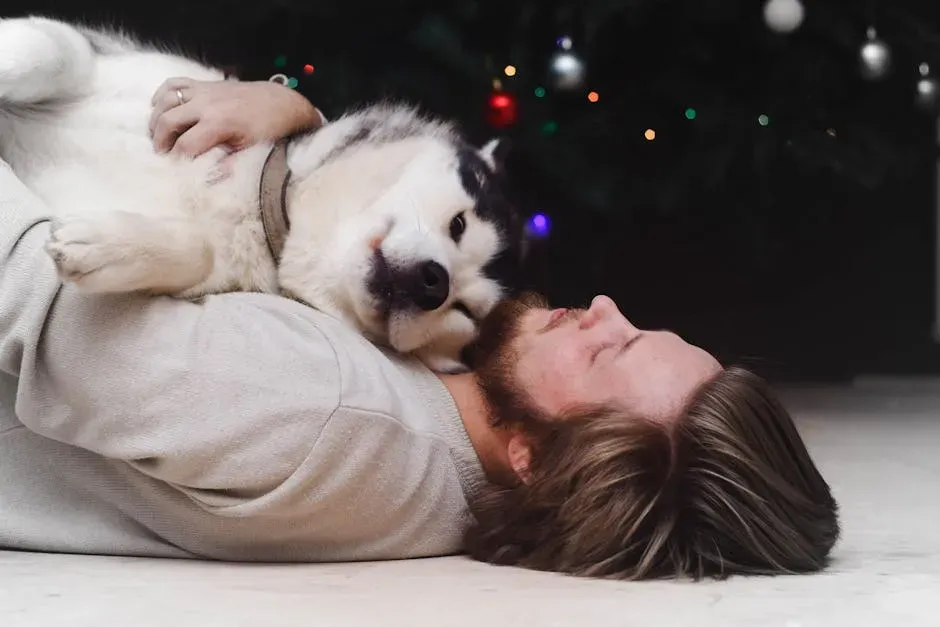
Dogs are instinctively drawn to the people they feel most comfortable with, and their sleeping habits reveal a lot about who they love the most. If your dog has the option to sleep anywhere in the house but always curls up near one specific person’s side of the bed or favorite chair, it’s not by accident. This is their way of staying close to their top human, even when they’re not awake to interact.
Sleep is when dogs are most vulnerable. Choosing to sleep near or on you signals trust in your presence, comfort with your proximity, and a sense of physical and emotional safety. For anxious, shy, or rescue dogs, the strongest bond often forms with the person who helps them feel safest, understood, and protected. This blend of early experiences, daily care, and emotional safety shapes why one human becomes the favorite.
Dogs do not randomly select favorites. They attach to the person who consistently makes their world feel secure. Sleeping next to you or in your room signifies a deep sense of security. Your dog finds comfort in your presence, even during resting periods. This level of trust is a significant indicator of a strong bond. They feel protected and choose to stay close to you during vulnerable times like sleep.
Conclusion: The Quietest Compliment a Dog Can Give
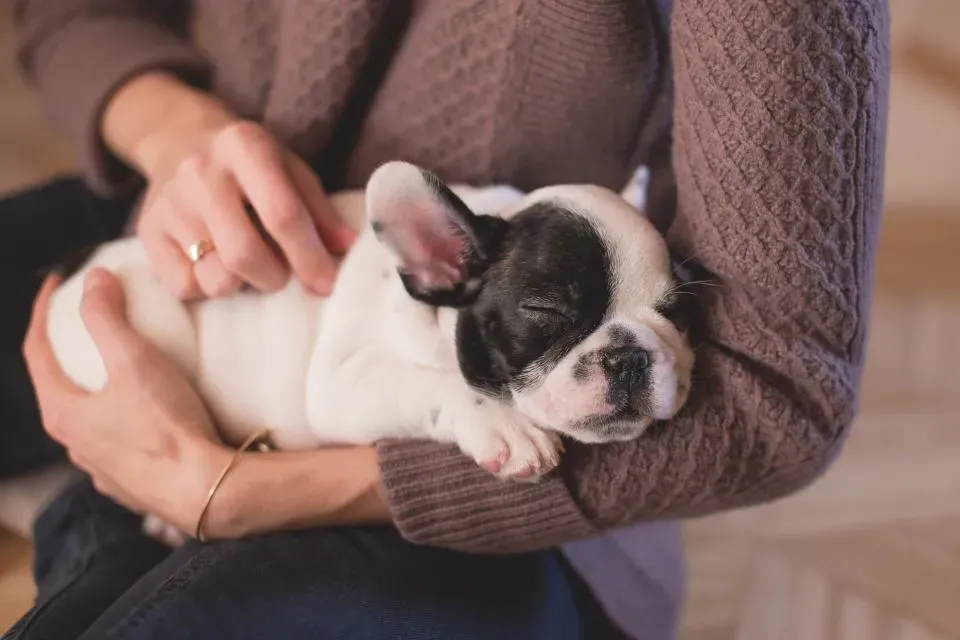
There’s a certain kind of flattery that doesn’t come with words. It comes at midnight, when your dog crosses the room, ignores their perfectly good bed, and presses their warm weight against you. That’s not coincidence or convenience. That’s a declaration.
The research is clear: dogs sleep better, more deeply, and with less anxiety when the person they love is present. Their brains register it. Their chemistry responds to it. Their choice of sleeping spot reflects it, night after night. No amount of training, soft bedding, or familiar spaces changes who they choose when they’re at their most vulnerable.
In my view, we’ve spent a lot of time asking whether dogs are truly capable of deep emotional attachment – as if the answer were still genuinely unclear. It isn’t. The bond is real, it’s biological, and it shows up in the most honest moments, including the quiet ones at 2 a.m. when your dog shifts a little closer. They chose you. Not the room, not the warmth, not the habit. You. That, more than any study or statistic, is the whole story.


