
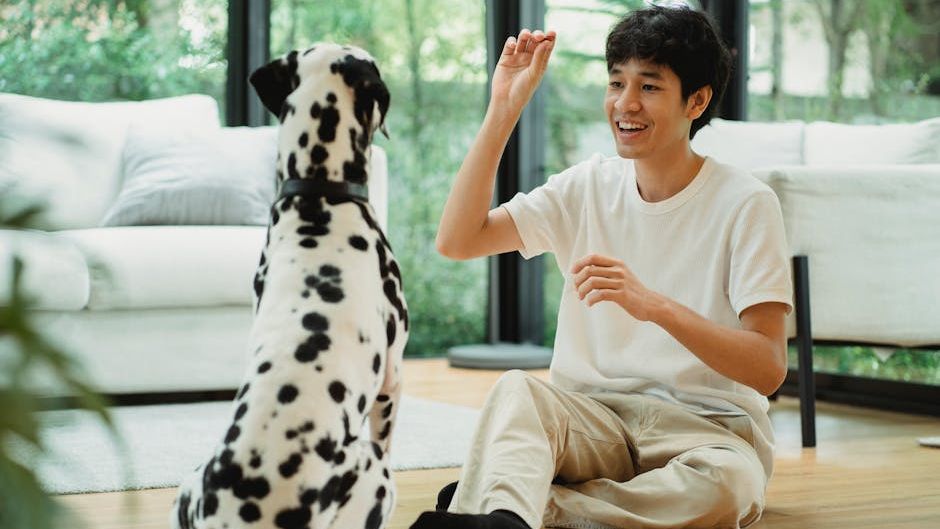
#1. Your Dog Uses Your Emotions as a Map for the World
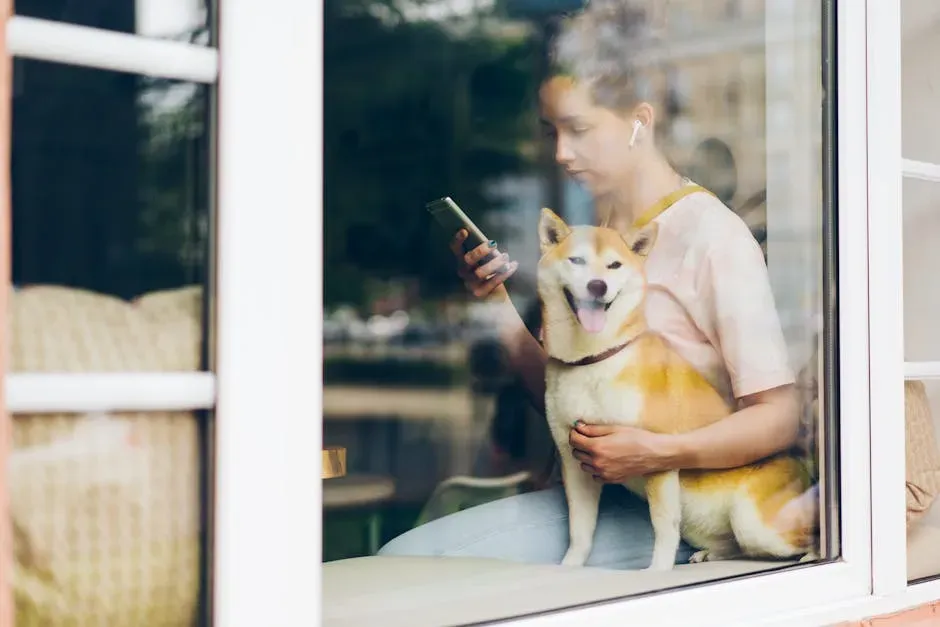
Research shows that dogs, like human children, look to the behavior of their human caretakers in order to gather information and try to understand situations that are ambiguous or potentially problematic. This process has a name in developmental psychology: social referencing. It’s the same instinct that makes a toddler look back at a parent before touching something unknown.
Dogs look at their human caretaker’s face when they are worried, and seem to be searching for evidence that suggests their human companion is also worried or cautious about the situation. If uncertainty is in the air, your dog turns to you first, not for a command, but for an emotional verdict.
The conclusion researchers draw from such work is that when dogs are unsure as to what is going on, just like human children, they look to us for an interpretation of whether things are good or bad. Furthermore, dogs adjust their own behavior and emotional responses according to their interpretation of our emotional reaction. That’s a remarkable level of social intelligence built across thousands of years of living alongside humans.
#2. They Can Read Six Basic Human Emotions, and Their Bodies React Too

A study published in the journal Learning and Behavior found that dogs respond to human faces expressing six basic emotions including anger, fear, happiness, sadness, surprise, and disgust, with changes in their gaze and heart rate. The fact that their physiology changes along with their behavior tells us this isn’t simple pattern recognition. Something more layered is happening.
The heart rates of dogs also go up when they see someone who is having a bad day. The body keeps score, as they say, and apparently so does your dog’s nervous system. It’s not merely observing your facial expression from a detached distance. It is, in a very real physiological sense, absorbing it.
Research from institutions like the University of Lincoln and the University of Vienna found that dogs can distinguish between happy and angry human facial expressions even when those faces belong to strangers. The fact that this ability extends beyond the owner’s face entirely suggests the skill is wired in deeply, not learned selectively through one relationship alone.
#3. Their Noses Know What Your Face Doesn’t Show
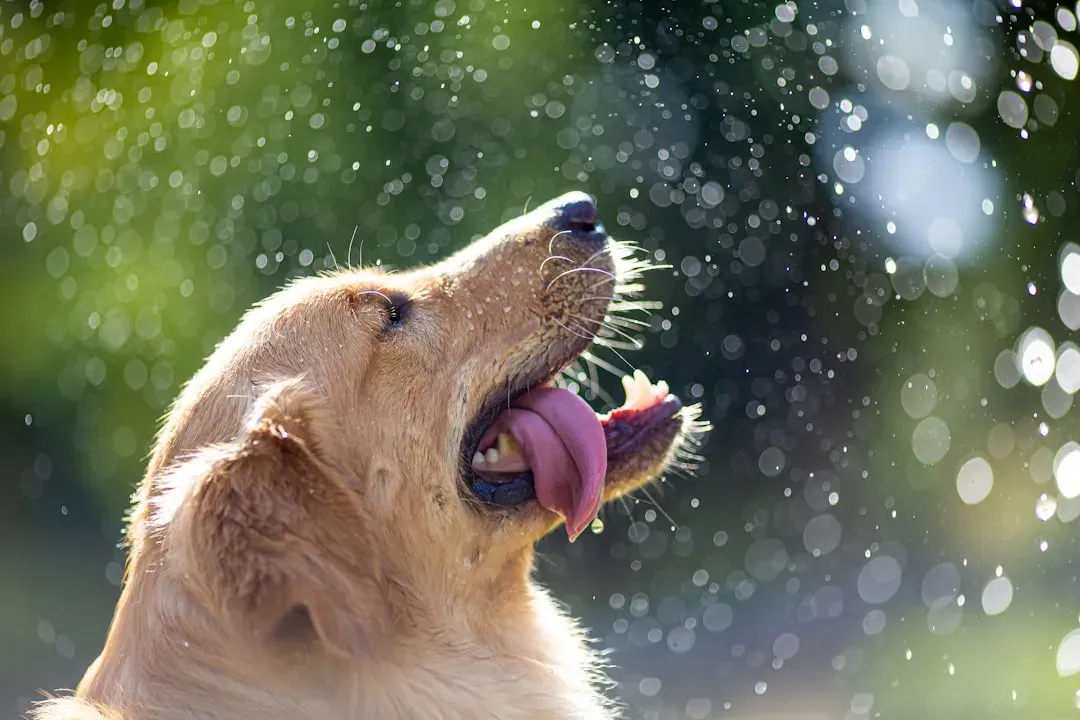
Researchers acknowledge that dogs use visual and auditory cues when discerning human emotions, but the canine nose also helps put them in tune with human moods. This multi-channel sensing ability is what makes a dog’s emotional read on you so remarkably complete. You can fake a smile. You can’t fake your sweat.
Researchers from Italy had dog owners watch a scary film and a happy film, collecting sweat samples both times. After the movies, the dogs, their owners and a stranger were placed in a room, and when exposed to sweat samples from each film, the dogs responded differently to the happy or afraid odors. The dogs weren’t reacting to a command or a gesture. They were reacting to chemistry alone.
The dogs adopted behaviors consistent with the emotions experienced by the humans during the movies. When exposed to the fear sweat sample, the dogs’ heart rates went up and they sought comfort from their owners, ignoring the stranger. It’s a striking finding. Your emotional state doesn’t have to be visible or spoken to reach your dog. It travels through the air.
#4. Emotional Contagion Runs Deeper the Longer You’ve Lived Together
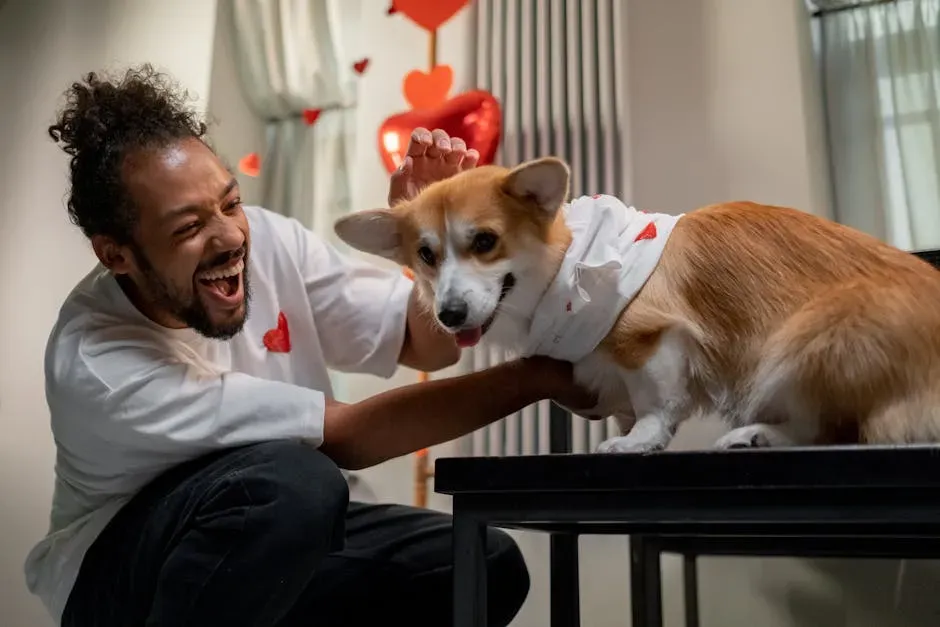
A study published in Frontiers in Psychology found that the extent to which emotional contagion occurs between humans and their canine companions increases along with the time spent sharing the same environment. This is an important nuance. The bond doesn’t just deepen emotionally over time. It literally becomes more neurologically synchronized.
In both cases observed in a 2024 study, changes in the pet parents’ heart rates impacted their pets, with the lead author noting that changes in owner heart rate significantly predicted changes in the heart rate of their dogs, suggesting that dogs exhibit emotional contagion and social referencing toward their owners in novel situations. That kind of real-time physiological mirroring is something most people don’t associate with their dog. It’s closer to what we’d expect between long-married couples.
Dogs are easily infected with their owner’s warmth and joy, but the converse is equally true, meaning an owner’s stress and anxiety can become the dog’s stress and anxiety. This interspecies emotional contagion has a psychological, a physiological, and a behavioral basis. The relationship is genuinely bidirectional, and that demands a kind of self-awareness from owners that most have never considered necessary.
#5. Your Emotional State Changes How Well Your Dog Actually Performs
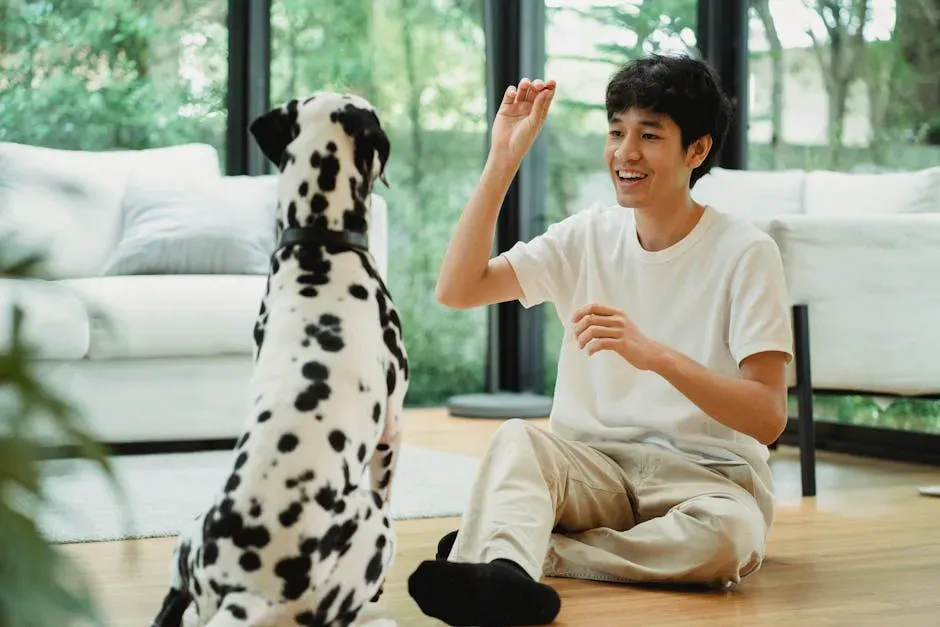
A study published in Animal Cognition examined differences in dogs’ behavior while their owners experienced various emotional states, and researchers found that dogs behaved differently depending on their owner’s emotion, performing better at a training task with a happy owner. This finding has real practical implications. The emotional climate you bring into a training session isn’t irrelevant background noise. It is part of the lesson itself.
Researchers found that dogs behaved differently depending on the owner’s emotional state: they gazed and jumped less at owners when they were sad, and their compliance with the sit command was also diminished. A sad or withdrawn owner doesn’t just receive less enthusiasm. The dog’s cooperation measurably drops. This suggests the emotional channel between owner and dog operates as a kind of bandwidth that determines how much connection is available.
Yelling or frustration can create confusion rather than clarity, and dogs thrive on predictable emotional responses. Inconsistent reactions can increase anxiety or behavioral issues. What this ultimately means is that emotional regulation isn’t just a human wellness practice. For dog owners, it has a direct and tangible effect on the animal they share their life with.
Conclusion

There’s something quietly humbling about all of this. We spend considerable effort thinking about what we say to our dogs, what commands we use, what training methods we apply. The science consistently suggests our dogs have already moved past all of that. They’re watching our faces, reading our sweat, matching our heart rates, and adjusting their own behavior in response to the emotional weather we carry into a room.
That places a real responsibility on dog owners. Not a burdensome one, but an honest one. The animal curled at your feet or watching you from across the kitchen isn’t just a loyal companion waiting for its next cue. It’s a remarkably attuned emotional observer that has invested considerable cognitive effort in understanding you specifically.
Perhaps the most meaningful takeaway isn’t about dogs at all. It’s about what it means to be truly watched. Not for what you do, but for how you genuinely feel while doing it. Very few beings in your life pay that kind of attention. Your dog does, every single day, without asking for anything in return except the same honesty back.


