

#1: Hugging Them (Yes, Really)
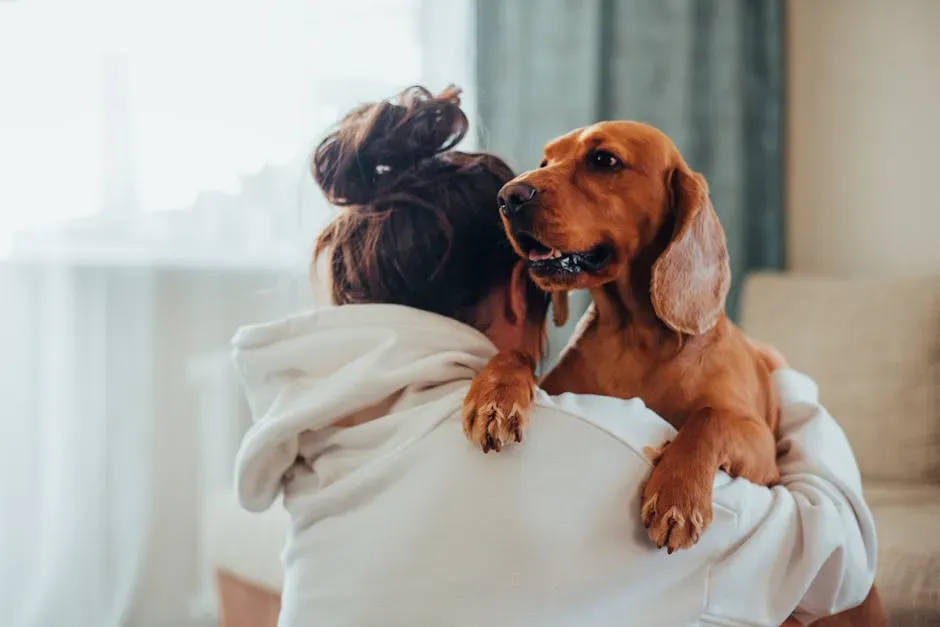
It feels like the most natural thing in the world to wrap your arms around your dog. Humans evolved to express warmth and care through physical embrace, so it only follows that we’d do the same with our furry companions. The problem is that dogs didn’t evolve the same way.
We hug our dogs because, as people, we enjoy hugs with each other, and it follows logically that dogs would love this too. Most dogs, in fact, do not enjoy this, and while some will quietly tolerate the behavior, other dogs can become fearful or anxious when held and may act out to let you know they are unhappy.
Most dogs simply don’t like hugs. Putting your arms around their body or neck may be seen as a potential threat, especially from someone they don’t know well. It’s generally better to stick to pets on the back and chest and let them initiate cuddling on their own terms. Your dog tolerating your hug is not the same as your dog enjoying it.
#2: Staring Them Down
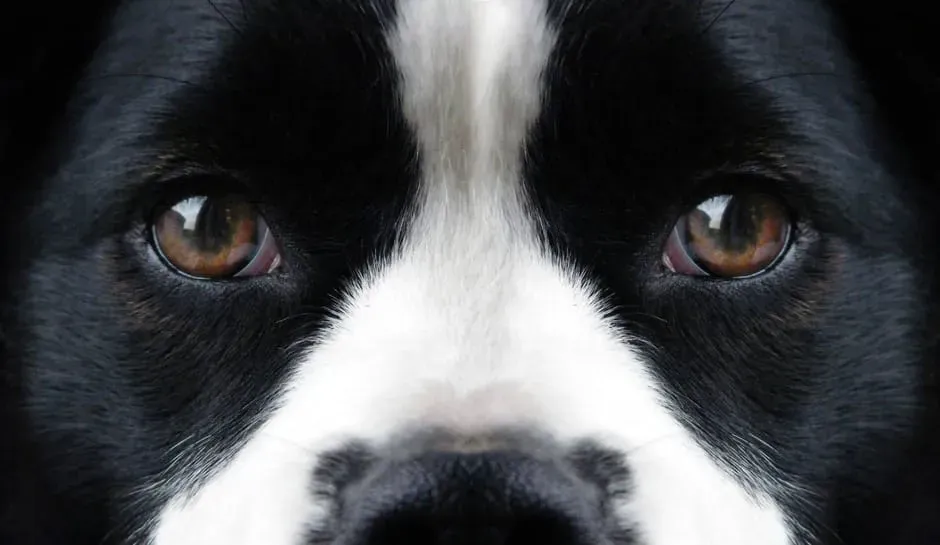
You’ve probably done it. You look into those big brown eyes and hold the gaze, feeling like you’re sharing a deep, soulful connection. From your dog’s perspective, the situation might read quite differently.
Prolonged, intense staring without breaks is commonly viewed by dogs as aggressive behavior. This typically occurs when a dog feels threatened, stressed, or is guarding valued possessions like food, toys, or territory. It’s not a moment of bonding. It can actually be a moment of real discomfort for them.
If a dog continues to feel uncomfortable, he may start communicating his feelings of unease by licking his lips, yawning, and turning his head away. These are all subtle signs of stress and a dog pleading for space. These distance-increasing signals often go unnoticed by humans. So next time you catch yourself in a staring contest with your dog, blink softly and look away first. It’s actually the kinder move.
#3: Rushing Them Through Their Walk
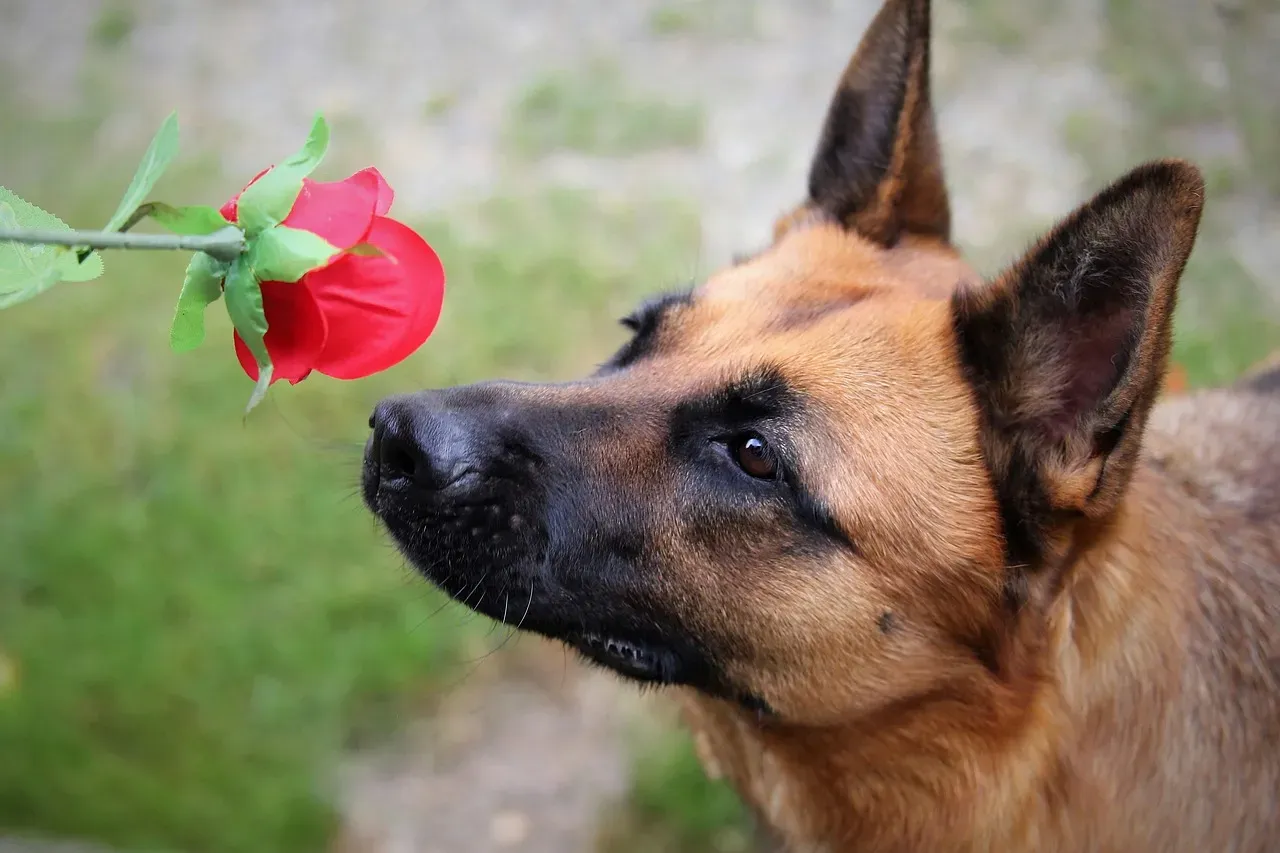
You’ve got fifteen minutes before a work call, and your dog wants to spend eleven of them inspecting a single fire hydrant. Frustrating, sure. Worth cutting short? Absolutely not, from your dog’s perspective.
Dogs detest when we hurry them through their daily walks, yanking at their leashes each time they try to sniff out a new scent. Walking your dog is about more than just exercise, although that is an essential component. To your dog, a walk is a full sensory experience, not just a bathroom break with legs.
Most humans primarily explore their surroundings through sight, but dogs mostly explore their world through their sense of smell. This explains why dogs like to stop and sniff everything along the way. Sniffing is how your dog reads the neighborhood newspaper, catches up on local gossip, and processes the world. Yanking them away is the equivalent of someone closing your laptop mid-sentence.
#4: Using Too Many Words

We talk to our dogs constantly. We narrate our day, explain our feelings, and issue elaborate instructions. The love behind this habit is real. The effectiveness of it, less so.
Dogs communicate primarily through energy and body language. Talking to them and giving commands they don’t understand actually increases stress levels in dogs. When you deliver a monologue, your dog isn’t hanging on your every word. They’re waiting for something recognizable in a sea of sounds that means very little to them.
The words themselves aren’t what matters most. It’s tone, body posture, and consistency that your dog is actually reading. Keep commands short and clear. Save the long conversations for your friends, who, unlike your dog, have the social contract to at least pretend to be listening.
#5: Not Giving Them Enough Mental Stimulation

Physical exercise matters enormously, but mental exercise is something many owners underestimate or skip entirely. A dog left alone with nothing to engage their brain isn’t resting contentedly. They’re often quietly unraveling.
A big one for dogs, particularly breeds created for activity, is not being given enough physical and mental stimulation. It’s common to meet a dog’s family and discover that the dog is never taken on walks, with free run of the yard considered an appropriate amount of exercise. Meanwhile, the dog is destroying their home and yard due to boredom and too much excess energy.
Destructive behavior, such as chewing on furniture or digging holes, can be a manifestation of boredom or stress. This is especially true in dogs that do not receive enough mental stimulation or physical exercise. Dogs need mental stimulation, which can mean interactive toys, a variety of chew items, play with other dogs, and training. The dog destroying your couch isn’t being defiant. They’re desperately bored.
#6: Ignoring Their Stress Signals
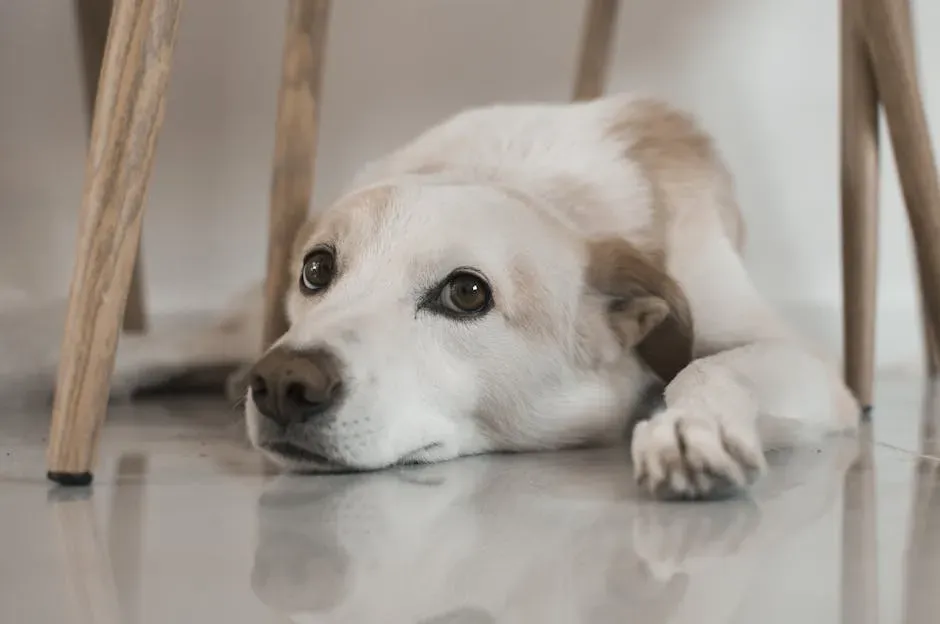
Dogs speak constantly. They yawn, they lick their lips, they look away, they tuck their tails. Most of the time, humans are too busy to notice, and that gap in communication causes real, lasting harm to a dog’s wellbeing.
Dogs experience a range of emotions, including fear, joy, anxiety and even depression. When their emotional needs are neglected, they may exhibit behaviors that are often misinterpreted as mere disobedience or stubbornness. For example, excessive barking might be a sign of anxiety or loneliness rather than a simple habit.
Research on dogs has suggested that experiencing high stress is linked to both negative health and behavioral outcomes for dogs, including gastrointestinal issues, fearful, aggressive, and reactive behaviors, and chronic health conditions. In short, missing the signals isn’t just an inconvenience. Over time, it can genuinely affect your dog’s physical health.
#7: Overwhelming Them With Strong Scents
Your morning perfume or freshly sprayed air freshener might smell pleasant to you. To your dog, standing just a few feet away with a nose designed to pick up the slightest trace of a scent, it can be genuinely overwhelming.
Dogs experience the world through scent, and because their nose is between 10,000 and 100,000 times stronger than ours, it’s easy for them to get overwhelmed by powerful fragrances. Exposure to intense smells can irritate their nose, so always use things like perfumes, hairspray, cleaning products, and air fresheners away from your dog.
Their sense of smell is 10,000 to 100,000 times stronger than that of humans. Dogs use this sense of smell to identify things and even people, which is why they’re often observed sniffing everything wherever they go. However, the flip side of having such a strong sense of smell is that pungent odors and heavy scents can tend to be overpowering and cause them irritation. Something to keep in mind the next time you reach for the plug-in air freshener.
#8: Waking Them Up Abruptly
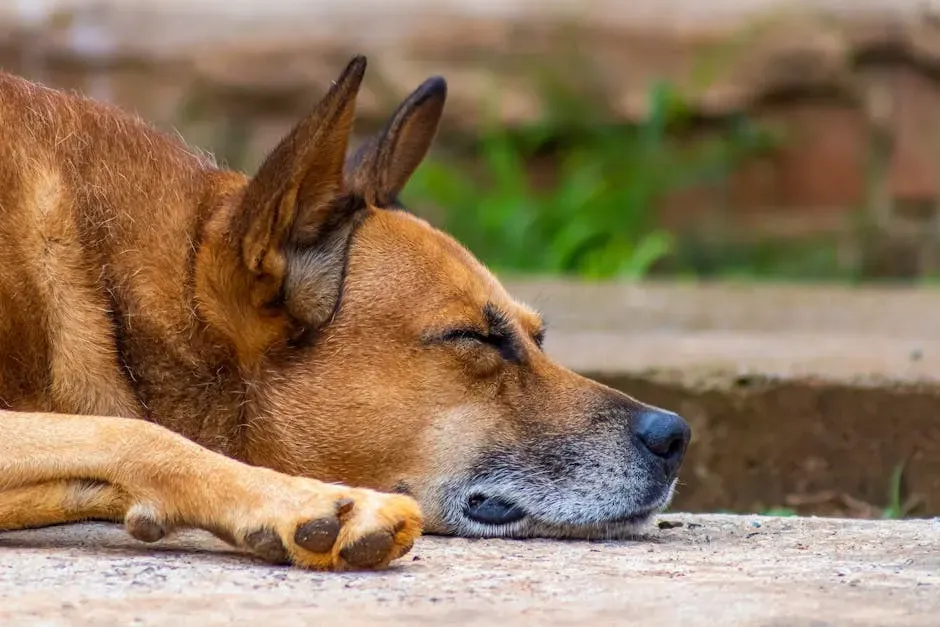
Dogs sleep a lot. Puppies and seniors even more so. That’s not laziness. Sleep is deeply important to canine health and recovery. Disturbing that sleep suddenly and without warning is something dogs really, genuinely hate.
Older dogs especially have a deeper sleep compared to younger ones and might not be alerted by approaching footsteps. A sudden nudge on their back to wake them up might catch them in surprise and even cause them to act out. We must try and let them wake up naturally and not wake them up abruptly.
Think about how you feel when someone shakes you awake from a deep sleep. Disoriented, startled, possibly irritable. Dogs feel this too, and for a dog with a strong startle response, a rude awakening can even trigger a defensive reaction they wouldn’t otherwise have. The well-intentioned boop on the nose while they’re mid-dream? Worth reconsidering.
#9: Yelling or Raising Your Voice Around Them

Arguments happen. Frustration boils over. Voices get raised. We accept this as part of normal human life. Your dog, sitting nearby absorbing all of it, does not process it the same way.
Yelling is one of the main things that dogs hate about human behavior. Yelling at your dog, or even someone else for that matter, may severely scare or even upset your dog. No one likes being yelled at, not even your dog. It is therefore important to remember not to raise your voice too much in their presence.
The stress is not just about the volume. Dogs are incredibly attuned to emotional tone. Celebrity dog trainers note that dogs can hear stress in a human voice, whether directed at them or when they hear us talking to others. A tense household creates a tense dog. That’s worth sitting with.
#10: Leaving Them Alone for Long Stretches Without Preparation

Life demands our absence. Work, errands, social obligations. We can’t be home all the time, and dogs understand this to some degree. What they struggle with is long, unpredictable stretches of isolation with no stimulation, no structure, and no way to make sense of what’s happening.
Dogs are very social animals and typically hate being left alone or ignored, especially for long periods. In some extreme cases, dogs can even exhibit separation anxiety when left alone, leading to higher stress levels. Dogs crave human companionship, and being left alone for too long may cause panic or even separation anxiety.
Setting up your dog’s routines matters enormously. Dogs like knowing when they are going to eat and walk during the day. The more you can stick to certain times, the more secure they will feel. Predictability is a gift to dogs. It tells them the world is safe and that you’re coming back. Small adjustments, like a consistent schedule or leaving something with your scent, can make a meaningful difference.
A Final Word on Being a Better Dog Owner
None of this is meant to make you feel like a bad pet parent. The truth is, most of what dogs silently hate about our behavior comes straight from love: the hugs, the lingering eye contact, the constant chatter. We’re not failing our dogs. We’re just speaking a slightly different language.
Dogs have lived side by side with humans for at least 10,000 years. Despite living in close quarters for so long, humans often do things they believe dogs love, but dogs distinctly dislike. Misinterpretation and anthropomorphism lead to dogs that are forced to tolerate undesirable behaviors, which can eventually cause fearful, anxious, and even aggressive responses.
The good news is that awareness changes everything. Once you start reading your dog’s actual body language instead of projecting human feelings onto them, the relationship deepens in ways that a hug never could. Your dog doesn’t need you to be perfect. They need you to pay attention. And honestly, after everything they give us, that seems like a fair trade.


