
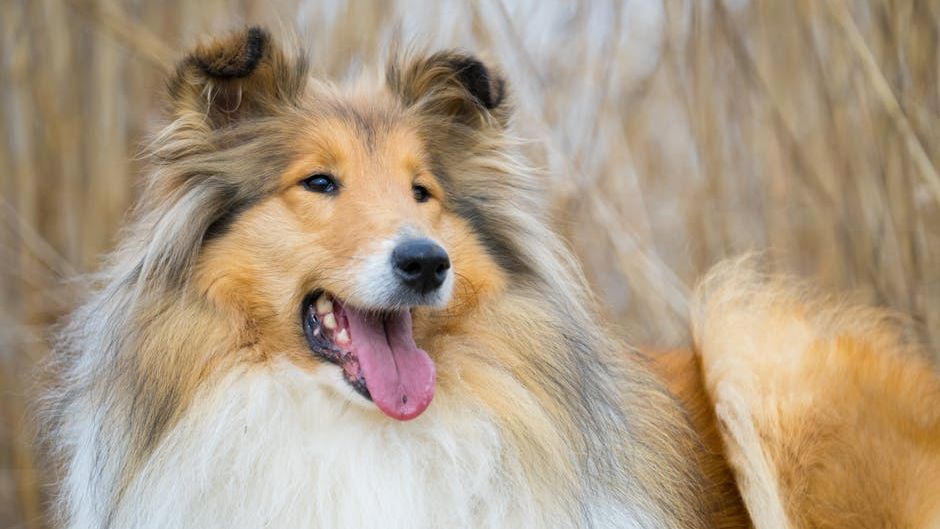
There’s a kind of loyalty that goes beyond the daily routine of walks, feeding times, and belly rubs. It’s the kind that shows up when the house gets quiet, when the body grows frail, and when the world around someone begins to shrink to a single room. Dogs notice all of it. Long before a person’s condition becomes obvious to the humans around them, a dog has already adjusted, already drawn closer, already started its quiet vigil.
Dogs can sense when a person is nearing the end of their life, drawing on their extraordinary sense of smell to detect chemical changes in the human body and picking up on subtle behavioral cues from their owners. Therapy dogs, for instance, often gravitate toward patients who are closest to death, lying quietly beside them or resting their heads on their laps, with researchers believing this is due to the dogs detecting changes in scent and body temperature as well as responding to subdued energy in the room. Some breeds, though, carry this instinct with a particular intensity. Their devotion doesn’t just surface at the end. It was always there, written into who they are.
#1. Golden Retriever
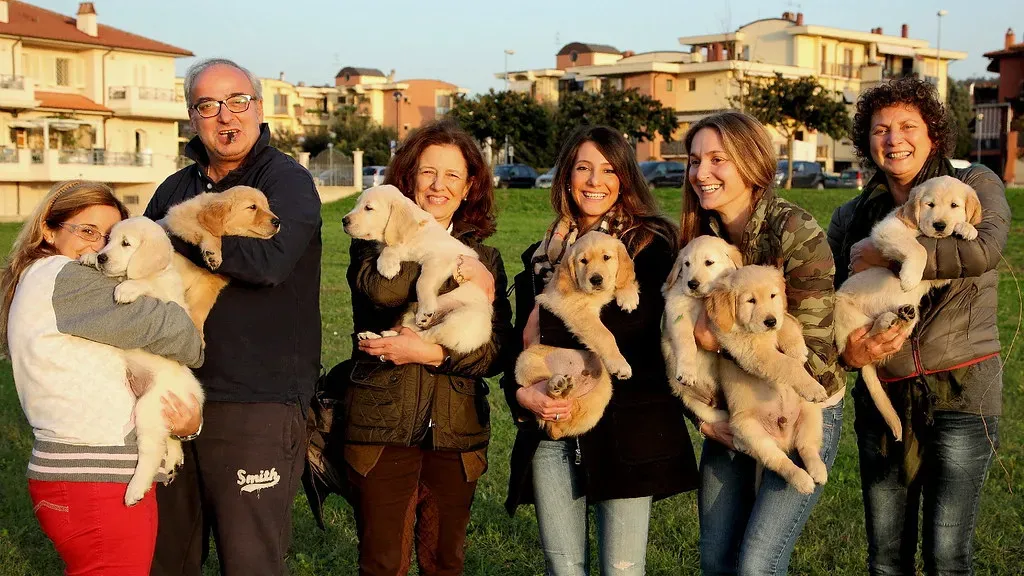
Golden Retrievers are famous for their affectionate and dependable personalities, bonding deeply with their families and remaining loyal through all stages of life, with their emotional awareness allowing them to respond to their owners with sensitivity. This isn’t a breed that needs to be coaxed into comfort work. It comes naturally, almost automatically, as if they were built for exactly this role.
All three veterinary experts consulted in one major animal welfare study mentioned the Golden Retriever as a comforting breed they’d recommend for people who have lost someone, with professionals noting their friendly and gentle nature and their temperament making them some of the most popular picks for therapy dogs. Certain breeds are often selected for hospice therapy work due to their extreme trainability, with Golden Retrievers among the most frequently chosen for these roles. When someone is dying, a Golden won’t pull away. It moves closer.
#2. Labrador Retriever
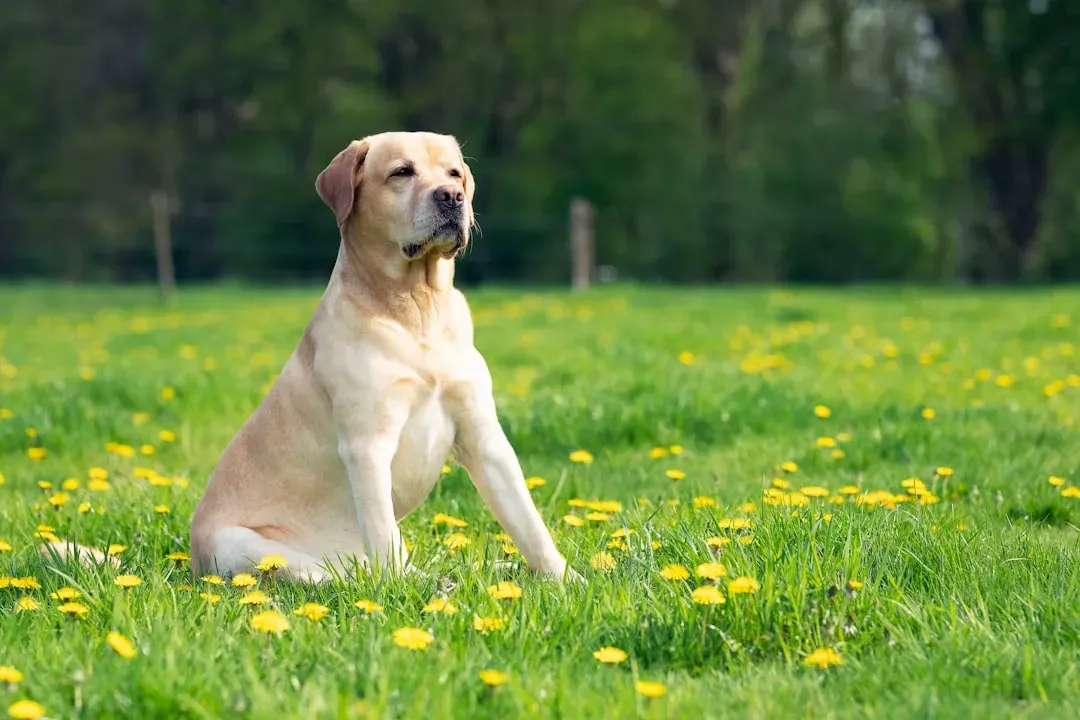
Labrador Retrievers are empathetic, loyal, and known for their boundless enthusiasm for life, with their loving nature having a way of reminding people that joy still exists even in the darkest moments, and Labs forming strong bonds with their humans while being sensitive to emotional shifts, often offering a comforting nuzzle or simply sitting quietly beside them. That quiet sitting matters more than it sounds. In an end-of-life setting, presence is everything.
Labrador Retrievers win hearts with their friendly nature, intelligence, and versatility, and it is the magic of their kind nature and steady personality that defines them, offering unwavering loyalty to their owners. Search the list of popular service dogs, therapy dogs, and emotional support dogs, and the Labrador Retriever is a consistently recurring name. According to the American Kennel Club, a Labrador Retriever is a listener, a keeper, and a devoted dog, which is why the breed has ranked in the top five most popular breeds consistently.
#3. Akita

Akitas are known for their intense loyalty, often bonding closely with one person, and though reserved, they are deeply devoted, showing their affection through quiet presence with a strong sense of commitment that makes them lifelong companions who value connection and remain steadfast. No breed illustrates this more hauntingly than through the story of Hachiko, an Akita whose loyalty outlasted life itself.
Hachiko was an Akita dog remembered for his strong dedication to his owner, Hidesaburo Ueno, for whom he continued to wait for almost ten years following Ueno’s death in 1925. Hachiko became a national symbol of loyalty and love, representing the deep bond that can exist between humans and animals. The Akita breed is renowned for its loyalty, intelligence, and independence, originally bred as hunting dogs in the snowy mountains of northern Japan, known for their strength and courage while being calm and dignified and fiercely protective of their families. For someone facing the end of life, that calm, protective presence can feel like an anchor.
#4. German Shepherd
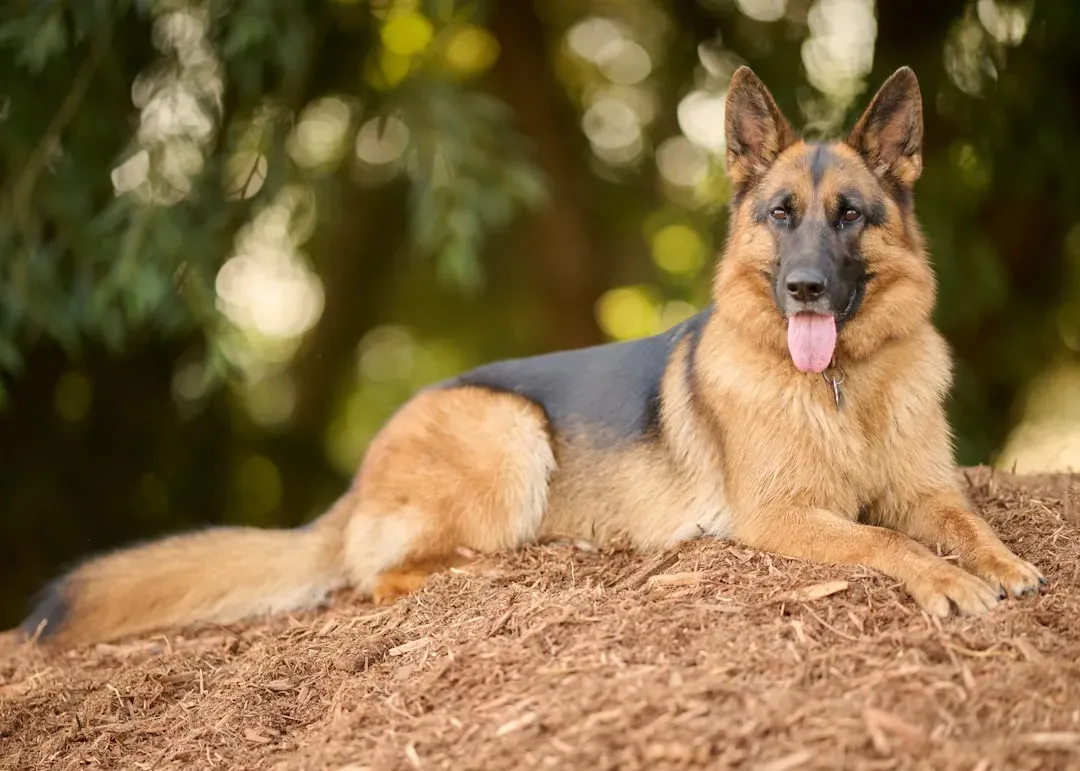
German Shepherds are deeply loyal and protective, forming close attachments to their families, being attentive and often anticipating the needs of their owners, with their intelligence strengthening their ability to connect and respond and the breed offering both protection and emotional companionship. They read a room like few other breeds can. A shift in breathing, a change in posture, a different kind of stillness. German Shepherds pick up on all of it.
German Shepherds are naturally loyal, strongly attached to, and fiercely protective of their one person, loving to please their owners, slightly aloof compared to some other breeds, but definitively happiest when in your presence, and capable of becoming distressed if left alone for too long. In Tolyatti, Russia, a German Shepherd named Kostya survived a car crash in which his owners were killed, and rather than leave the scene, he remained and waited, hoping for his owners to return. That waiting instinct, that refusal to abandon, runs deep in this breed.
#5. Border Collie
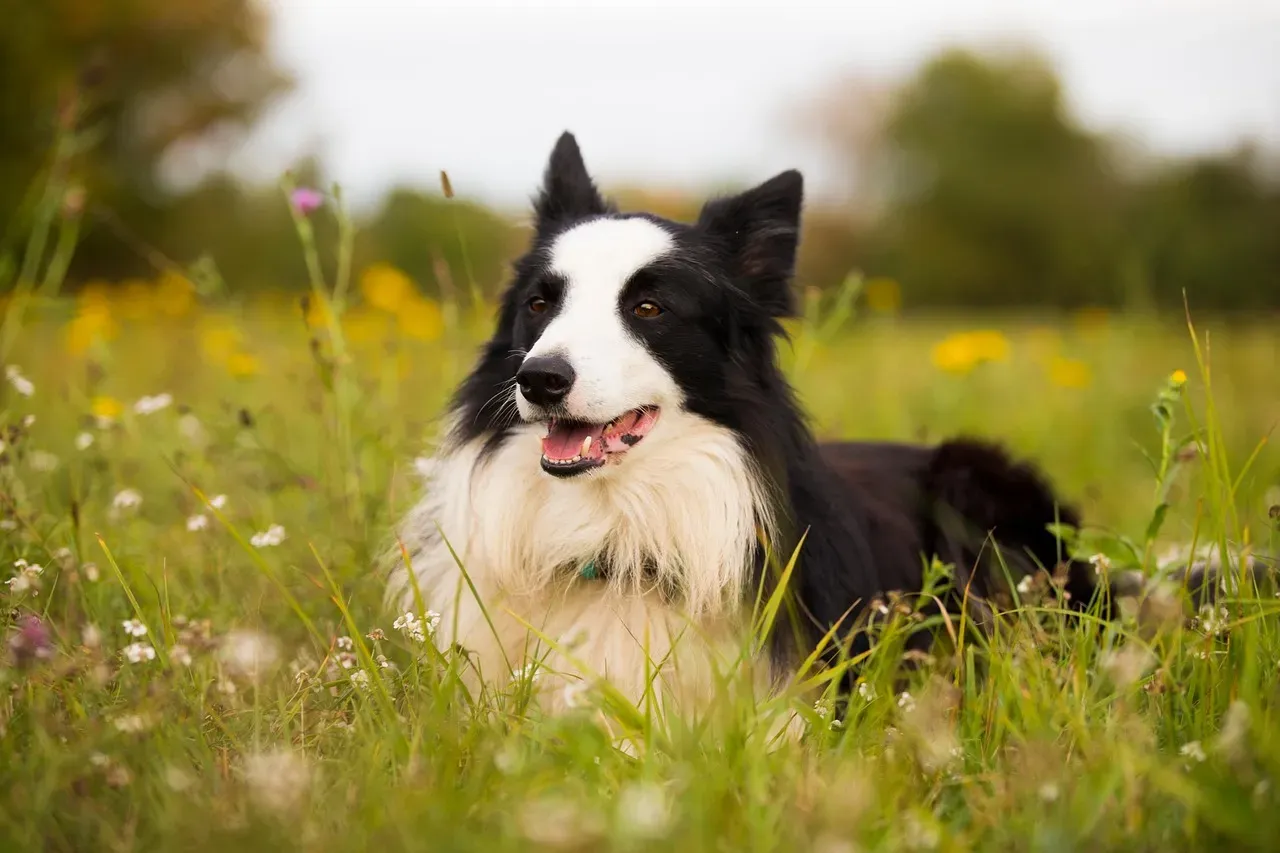
Border Collies are highly intelligent as well as dedicated to their families and their jobs, showing their dedication through obedience, attentiveness, and an intense drive to work. That drive doesn’t vanish when the work becomes something more tender. It simply redirects, turning from herding and problem-solving into watchful, unwavering presence beside a person in need.
Perhaps no story captures this more powerfully than Ruswarp. Ruswarp was a 14-year-old Border Collie who spent his days hiking the mountainside of Wales with his human Graham Nuttall, and when neighbors noticed Graham hadn’t returned from one of his hikes, a search party swept the area for weeks. Eleven weeks later, another hiker found Nuttall’s body near a mountain stream. More surprising was that Ruswarp had stood guard over his human’s body through the winter chill, and unfortunately, Ruswarp didn’t survive long after, dying shortly following the funeral of his human. Through rain and snow, this Border Collie proved his devotion, and in 2009, a bronze statue at Garsdale Station was put up in his honor.
#6. Cavalier King Charles Spaniel

Cavalier King Charles Spaniels are tiny love sponges, with their soft eyes and gentle nature making them natural comfort-givers who thrive on closeness and affection, incredibly in tune with their owners’ emotions and often staying glued to your side when they sense sadness, their calm and soothing energy like a living weighted blanket. They’re not dramatic about it, which is part of what makes them so effective. They simply settle in, as if they belong there, and refuse to leave.
The Cavalier is described by veterinary professionals as a sweet, soft dog who loves its human companions intensely, happy inside the house or following its human on walks, a champion snuggler with super soft fur that is extremely comforting to pet and love, and suitable for many homes due to adaptability to different environments. The Cavalier King Charles Spaniel is a British toy dog that elegantly combines the gentle attentiveness of a toy breed with the athleticism of a sporting spaniel, with their big, round eyes and long floppy ears being considered hallmarks. When the world contracts to a bedside, a Cavalier contracts with it.
#7. Collie
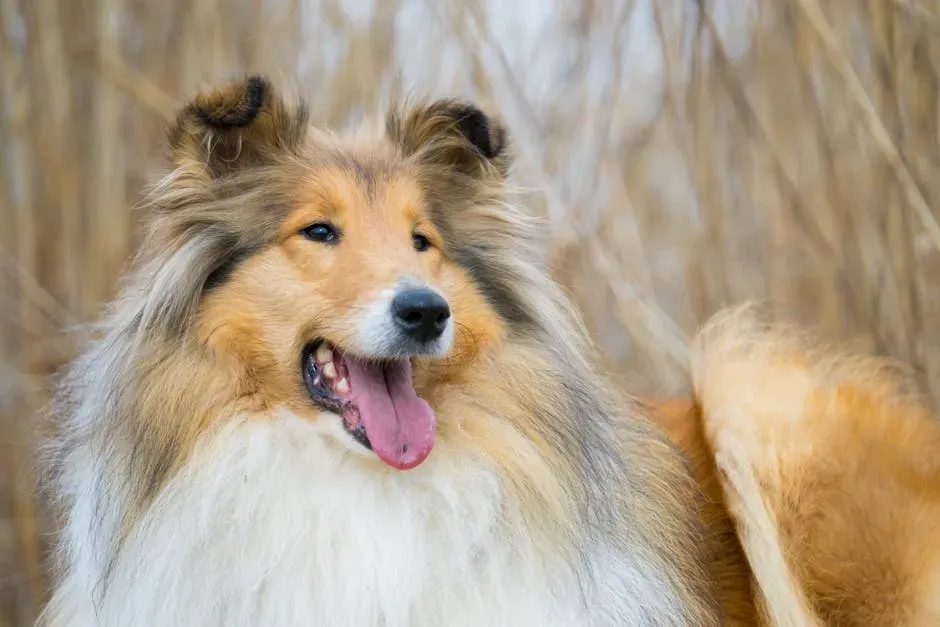
Collies are compassionate, intelligent, and famously loyal, with a natural instinct to nurture and protect that makes them especially helpful during periods of emotional recovery, and a gentle gaze and soothing energy that can provide enormous comfort, as they’re excellent listeners who will often respond with quiet companionship or a paw on your leg as if they totally understand. There’s a reason this breed has carried a reputation as the ultimate protector across centuries. It isn’t performance. It’s instinct.
The long-haired Rough Collie is a herding dog breed with Scottish origins that has gained a reputation as a loyal and devoted dog with a history of protecting its owners, and this trait combined with their sensitivity, intelligence, and ability to foresee their owner’s needs makes them excellent working and therapy dogs, even though they also love staying at home with their families, being good-natured and friendly but suspicious of strangers. The Collie doesn’t need to be asked to stay close. It has already decided that staying close is its job, and it takes that job seriously until the very end.
A Final Thought Worth Sitting With
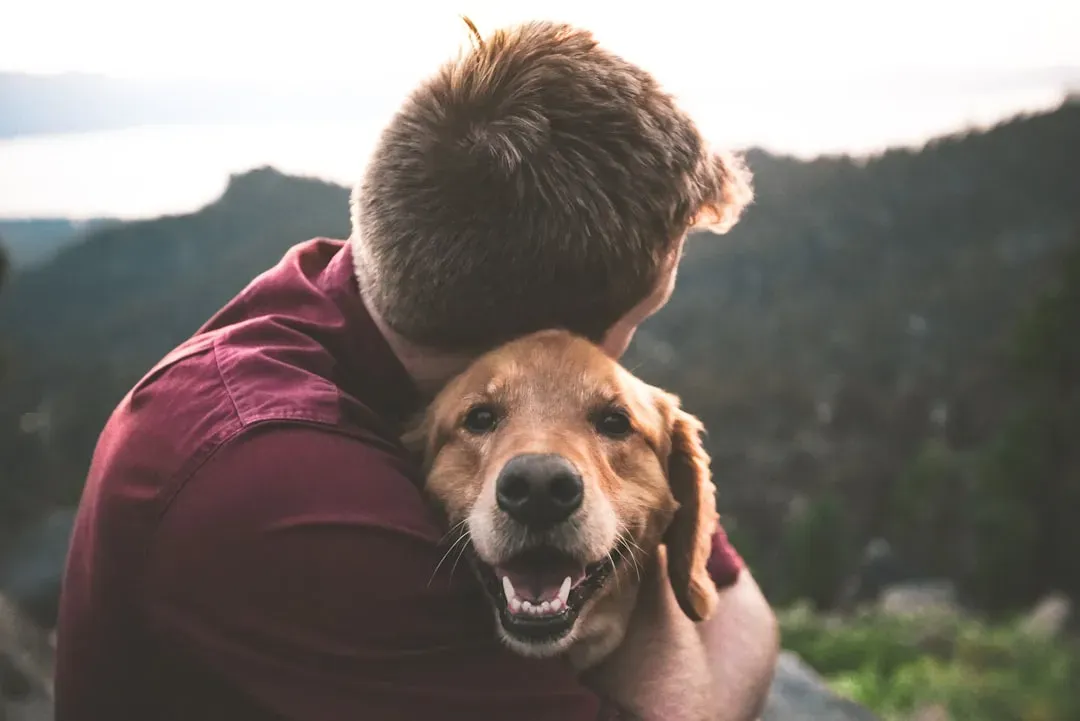
Honestly, what these seven breeds share goes beyond training or temperament charts. It’s something harder to name. The ability of dogs to sense death underscores the depth of their connection with humans, showing that their loyalty and empathy are rooted in both biology and emotional intelligence, allowing them to share in our joys and sorrows and offer comfort when words are not enough.
There’s a quiet argument to be made that we have underestimated dogs for most of human history. We’ve credited them with companionship and protection, but the evidence of their emotional depth runs far deeper. It is a proven fact that when dogs interact with owners, they release love hormones that strengthen bonds, as noted by the National Library of Medicine. These aren’t just loyal animals. They’re beings capable of something that looks, in every observable way, remarkably like love.
If you’ve ever watched a dog refuse to leave the side of someone who was gravely ill, you already know that no list can fully capture what that looks like. It’s not dramatic. It’s not loud. It’s just a warm weight beside you that says, quietly and without condition, that you don’t have to go through this alone. For my money, that’s one of the most profound things one living creature can offer another. Not words, not solutions. Just presence, until the very last breath.


