
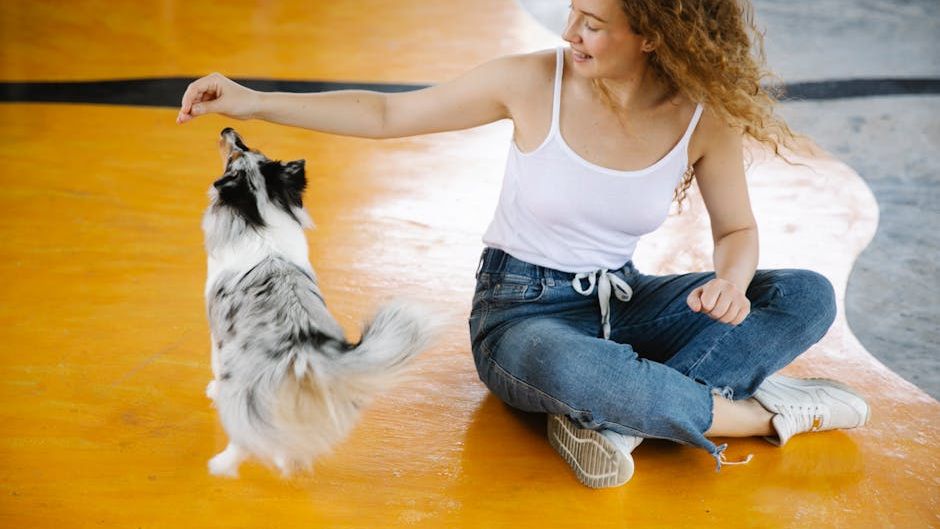
#1. The Emotional Brain Behind the Memory
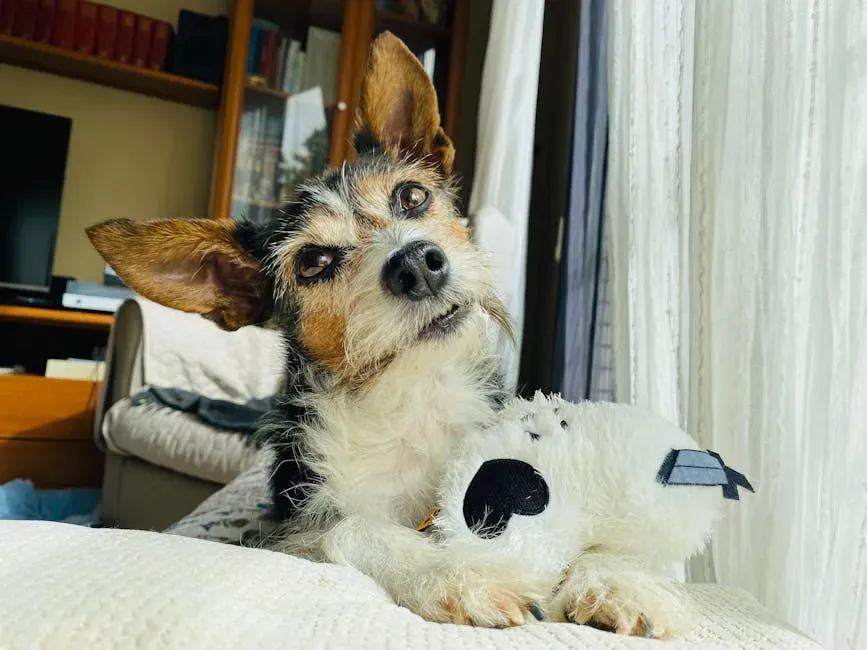
Dogs are particularly adept at remembering emotional experiences, largely because their amygdala, the part of the brain that processes emotions, is highly active. This isn’t a minor detail. It means that when your dog experiences something repeatedly tied to a strong feeling, whether comfort, fear, excitement, or tension, those experiences have a direct neurological pathway to long-term storage.
At the core of a dog’s lasting memory is emotion. Dogs are experts at remembering how someone made them feel, whether that feeling is love, fear, safety, or anxiety. What makes this striking is that the emotional quality of a repeated pattern matters far more than any specific detail. A dog doesn’t need to catalog events the way humans do. It only needs to feel them enough times.
Dogs create memories through a process similar to humans, involving initial perception, processing, and storage, and environmental cues, emotional responses, and repetition all play crucial roles in how well dogs retain information. Repetition, in particular, is the amplifier. The more consistently an emotional experience occurs in a specific context, the more deeply it becomes anchored.
#2. Associative Memory: How Patterns Get Locked In
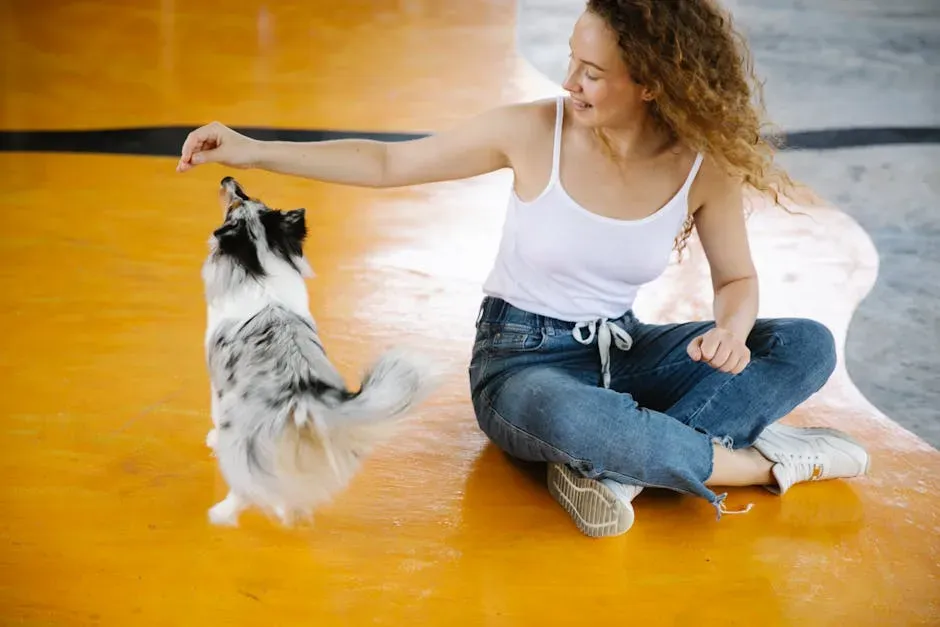
Dogs depend largely on associative memory, where certain smells, sounds, or situations connect to positive or negative outcomes. The jingle of a leash or spotting a pair of running shoes might spark excitement because these are linked with going on a walk. This system is elegant in its simplicity, and it explains why seemingly random triggers can produce strong emotional responses in dogs who have experienced the same situation many times.
Dogs rely on associative memory, meaning they remember experiences by linking emotions, smells, and sounds to what happened. Over time, repeated emotional patterns essentially become embedded shortcuts. Instead of recalling precise details, dogs remember patterns and feelings attached to those moments. It’s less like a home video and more like a deeply felt instinct they can’t fully explain, but act on anyway.
Visual memory in dogs focuses on movement patterns and body language rather than static details. Dogs remember how you move when angry versus happy, making your physical consistency as important as verbal commands. This is worth sitting with for a moment. Your dog is building a behavioral map of your emotional states, one repeated pattern at a time.
#3. Long-Term Memory: Years, Not Days
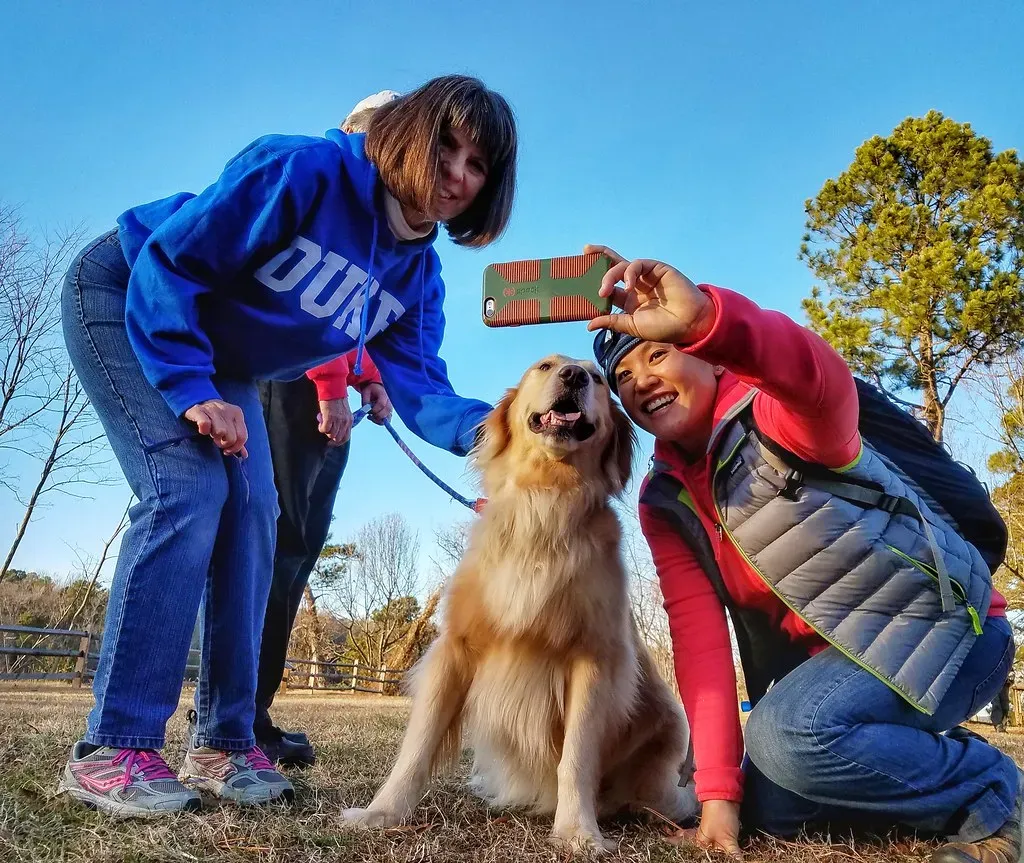
Studies show dogs possess strong long-term memory; they can remember people and past experiences for several years, especially when tied to emotions like comfort or rewards. This cuts against the popular belief that dogs essentially live in a perpetual present. While their short-term recall for everyday events is brief, emotional and relational memories operate on an entirely different timescale.
The duration of a dog’s memory depends on the type of memory in question, with associative and long-term memory lasting months to years, especially for repetitive and emotionally significant experiences. Scent memory is potentially lifelong, as dogs rely heavily on olfactory cues. Scent, in particular, acts almost like a time capsule. A familiar smell doesn’t just identify a person. It can retrieve an entire emotional history associated with them.
A dog’s short-term memory is limited, but their long-term recall for people is impressive and can last for years, sometimes even for their entire lives. The emotional bond between a dog and their human significantly enhances memory retention. Dogs can remember owners for years, sometimes after five or more years of separation, associating scents and voices with comfort and love. These aren’t just heartwarming reunion stories. They’re evidence of a memory system shaped by emotional significance.
#4. When Repeated Negative Patterns Leave a Mark
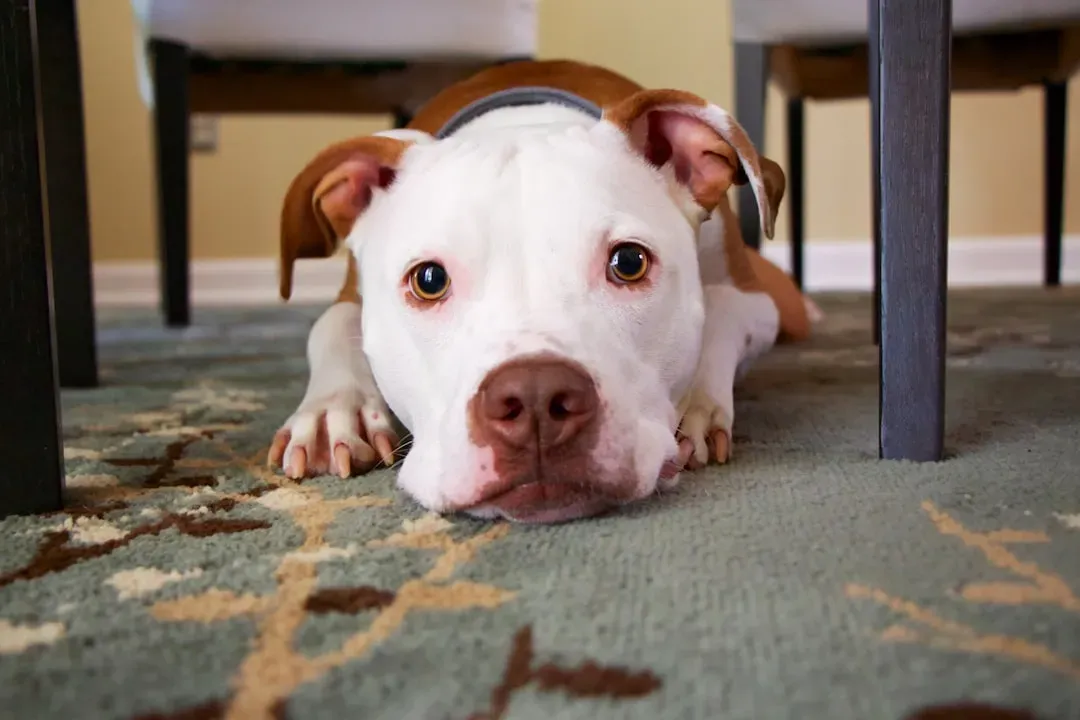
Positive reinforcement during training can create strong, lasting memories. Unfortunately, negative experiences can have the same lasting effect, which is why gentle, reward-based training methods are essential. The symmetry here matters deeply. The same mechanism that helps a dog remember years of love and safety also preserves years of fear and distress with equal fidelity.
Dogs are susceptible to trauma-related behavioral changes just like us, and recent research has even established that dogs can develop PTSD. Dog caregivers often report a spectrum of fearful and aggressive behaviors described as unpredictable or exaggerated, and a possible explanation for these responses is that the dog is reacting to triggered memories for which they have a negative association. In other words, a dog that seems to be overreacting to something minor may actually be responding to something much older.
Emotional memories strongly influence how dogs react to certain cues, sometimes even more than new sensory information. For example, a rescue dog that was mistreated by a man with a beard might be fearful of other men with beards. Bad experiences can be remembered for years, and while a dog might not recall when something happened, they will remember the feeling attached to it. The emotional residue outlasts the event itself, which is what makes repeated negative patterns so worth taking seriously.
#5. What This Means for How You Live With Your Dog
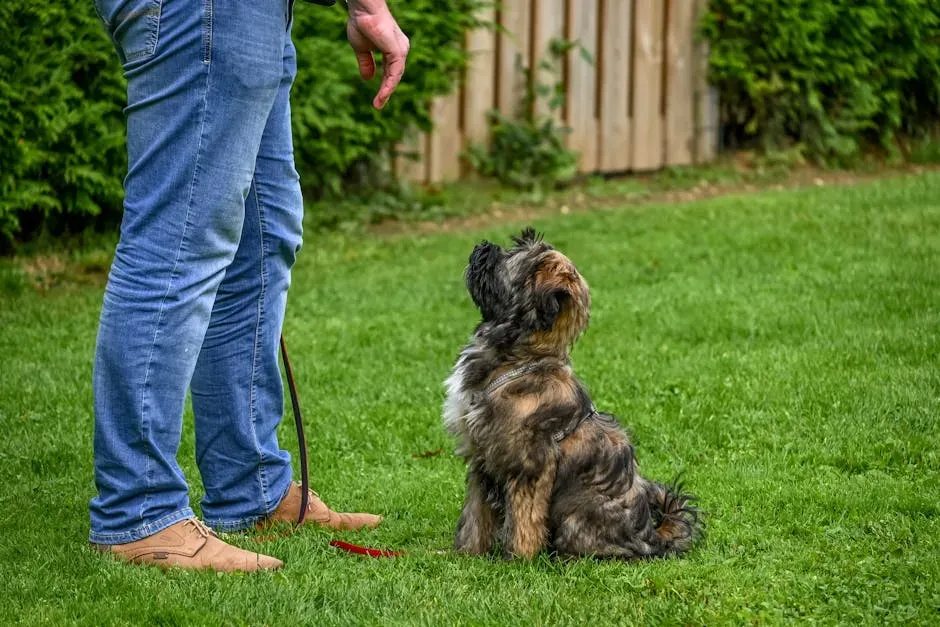
Positive interactions such as gentle touches, treats, and playtime strengthen the emotional bond and reinforce a positive memory. The takeaway isn’t complicated, but it is consequential. Every repeated interaction, every pattern of tone, touch, or routine, is quietly contributing to an emotional record your dog carries with them. Consistency isn’t just good training practice. It’s the language your dog’s memory is actually fluent in.
Maintaining strong emotional bonds means your scent, voice, and routine are likely unforgettable to your dog. Systematic desensitization and counterconditioning are commonly used methods for behavior modification. Counterconditioning alters a pet’s emotional response to a stimulus from a negative one to a positive one. For dogs carrying negative emotional patterns, this offers real hope. With patience and repetition, new positive associations can gradually compete with and eventually soften old ones.
Exercise and nutrition go a long way toward maintaining a dog’s health and memory. Beyond behavior, the basic conditions of a dog’s daily life, how they eat, move, and rest, shape how well that memory system operates over time. Research has verified the decline of episodic memory in elderly dogs, even clinically healthy ones, regardless of sex and size, and this decline may be related to the physiological process of aging or preclinical cognitive impairment, similar to what is reported in humans. Caring for that memory system isn’t a luxury. It’s part of caring for the whole animal.
Conclusion: Your Dog Is Keeping Score, in the Best Possible Way

There’s something quietly humbling about this. Your dog isn’t judging you, cataloging grievances, or keeping a tally the way a resentful human might. Their memory works without narrative, without language, and without conscious reflection. It simply accumulates feeling, pattern after pattern, year after year.
Which means the daily texture of your relationship matters more than any single moment. The calm morning routines. The consistent tone of your voice. The way you show up after a long day. These aren’t invisible to your dog. They’re being stored. Psychology tells us the quality of those repeated emotional patterns shapes how a dog experiences the world and the people in it, sometimes for a lifetime.
That’s worth remembering the next time you’re tempted to brush off a dog’s behavior as instinct or routine. More often than not, they’re telling you a story they’ve been quietly writing the whole time they’ve known you.


