
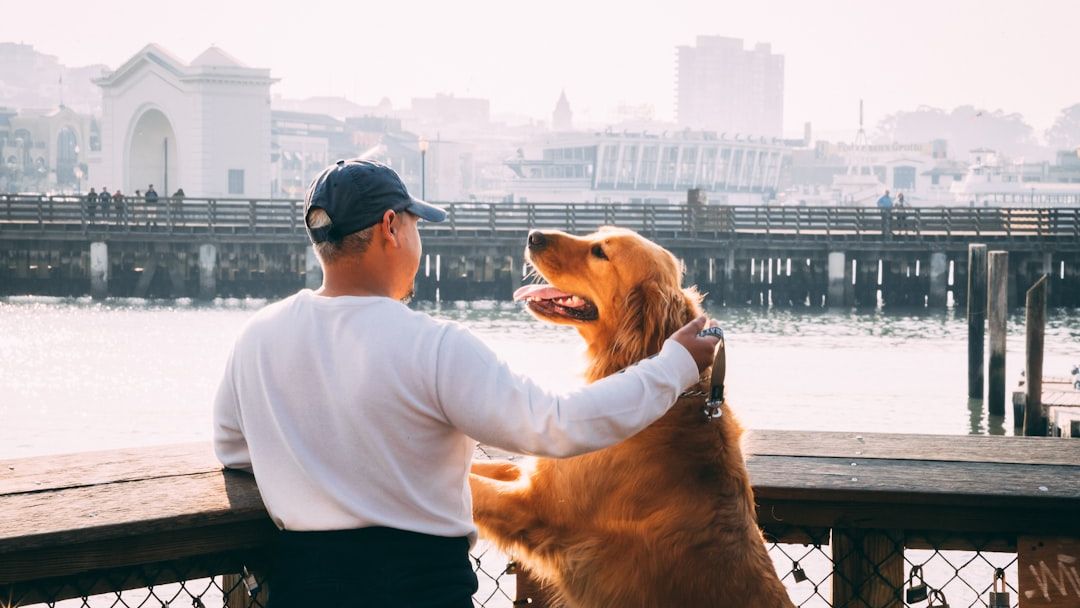
#1: They Sleep Pressed Directly Against You
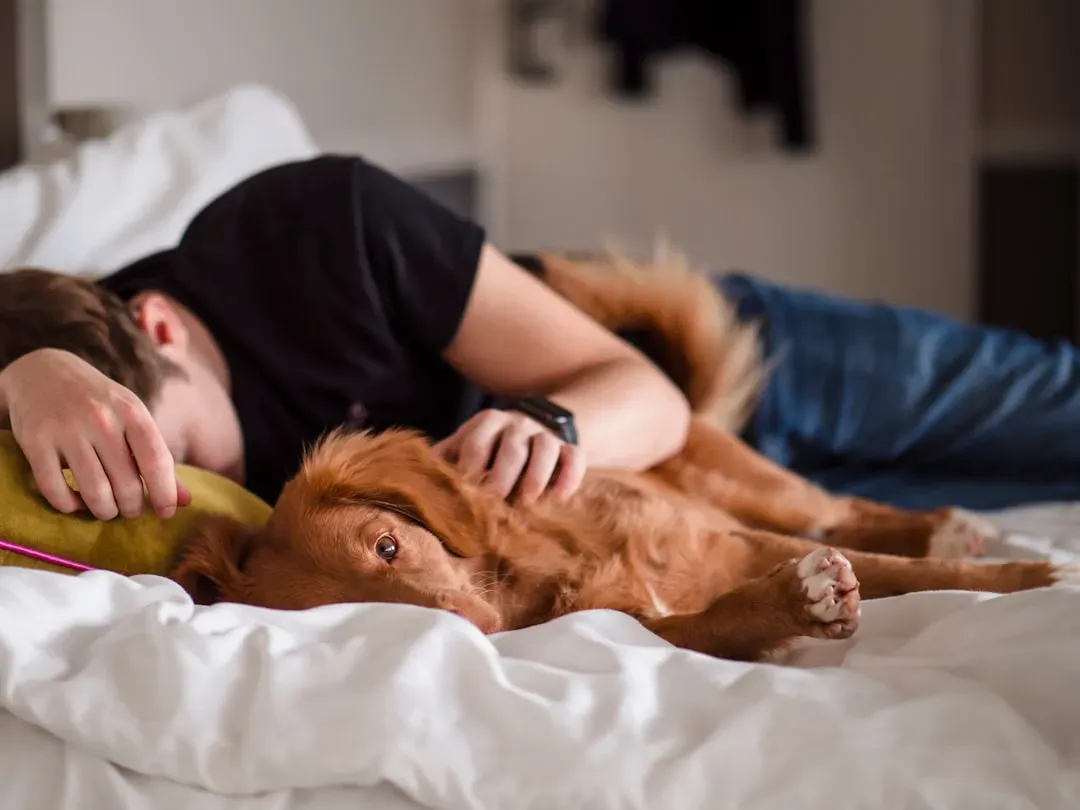
Of all the sleep behaviors that signal deep trust, this one is probably the most visceral. One of the most common signs of deep trust is when a dog sleeps with their back or butt pressed firmly against you. Dogs feel most vulnerable when sleeping, and by resting their back against you, they are creating a “pack,” ensuring they know if you move while also feeling safe. It is a form of regulation where your warmth and scent help them fall into a deep, relaxed state.
When a dog sleeps pressed against you, they are seeking warmth, security, and the calming oxytocin release triggered by physical contact. It’s a pack sleeping instinct that indicates strong attachment and trust. In other words, your presence is literally chemically calming to them. That’s not a small thing. That’s biology confirming what you already felt.
#2: They Sleep on Their Back With Their Belly Fully Exposed
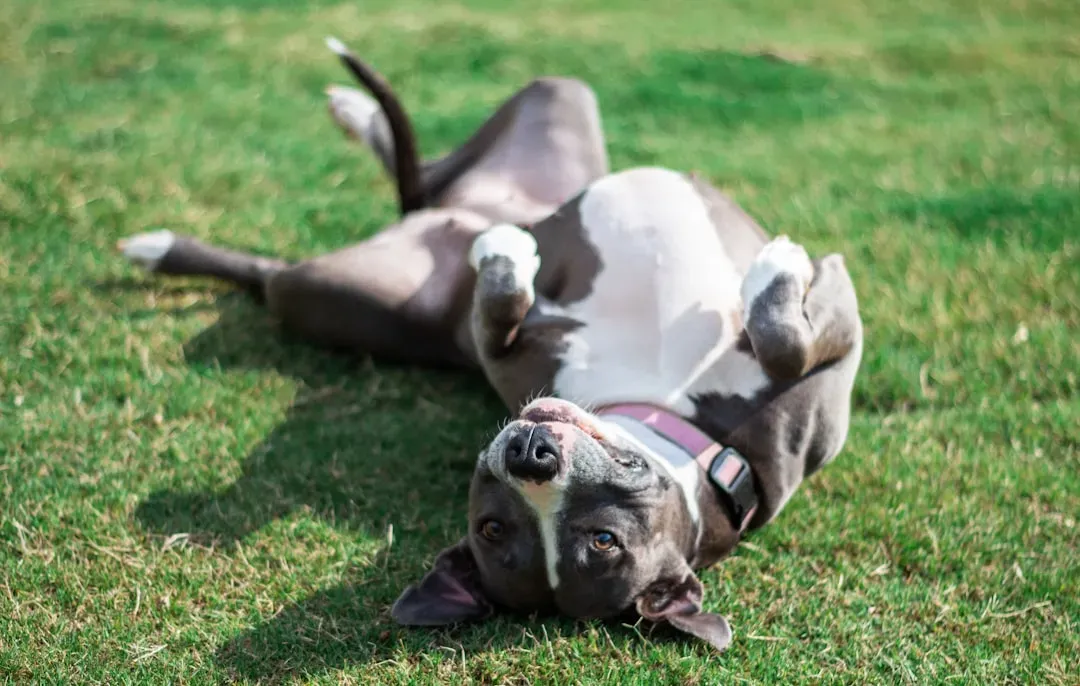
When a dog sleeps belly-side up, it’s usually a strong sign that they feel completely safe and relaxed in their environment. This vulnerable position shows they trust you deeply and are comfortable letting their guard down. The belly is the most unprotected part of a dog’s body, and exposing it during sleep is not something they do casually or in the presence of just anyone.
Side sleeping and back sleeping expose the belly, a vulnerable area that dogs only reveal when they feel completely safe and relaxed. This position exposes their most vulnerable areas, and when dogs sleep like this, it signals they feel safe and secure. This level of comfort reflects deep relaxation and confidence in their environment. It’s often a sign of a happy, secure dog. If your dog is doing this near you, consider it a quiet but profound compliment.
#3: They Choose to Sleep in the Same Room or on the Same Bed
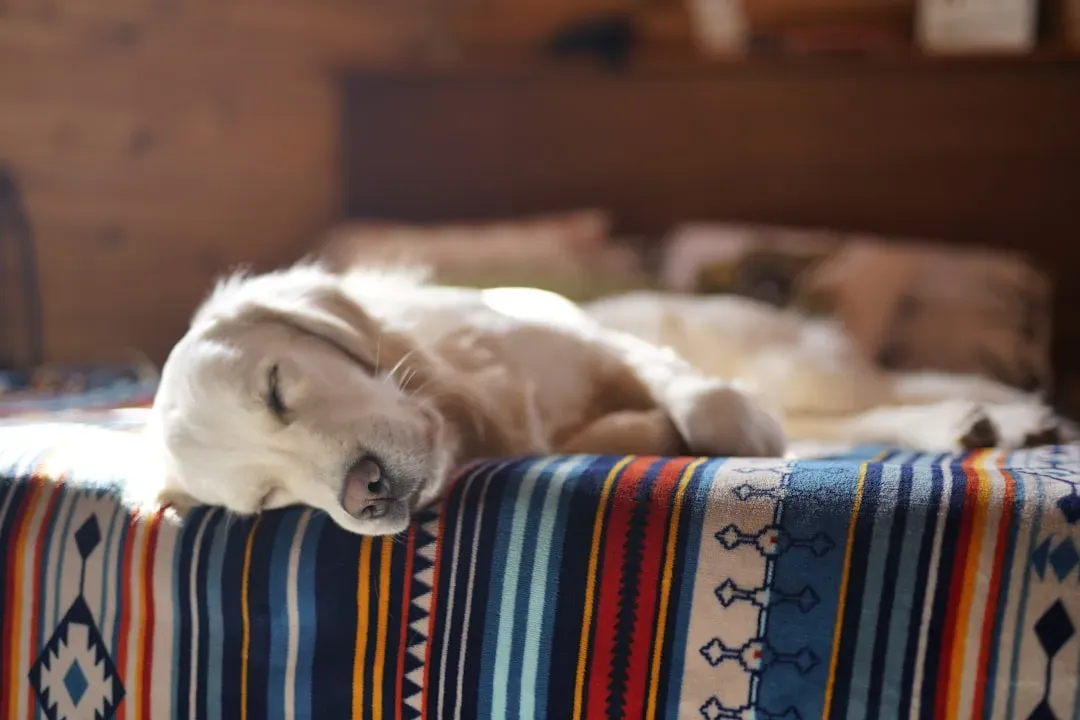
A dog’s number one priority at bedtime is comfort and security. So if they’re choosing to sleep in the same space as you, it’s a big sign that they trust you. Many dogs prefer to sleep in the same room as their humans, if not in the same bed. Dogs want to sleep wherever they’re most comfortable, and wild canines prefer to sleep in confined spaces near other pack members, whom they can trust to keep them safe. You’re part of your dog’s “pack,” so naturally they feel safest when sleeping close to you.
Whether your dog sleeps on the bed or in their own comfortable spot, having them share a room with you conveys a powerful sense of security. They can unwind fully because of the assurance and comfort you bring. In a 2013 study, researchers at the University of Pisa revealed that dogs likely see their special people as a secure base, like human children consider their parents. That framing is striking. It repositions the human-dog bond not as ownership, but as genuine emotional attachment rooted in safety.
#4: They Dream Openly and Audibly Next to You
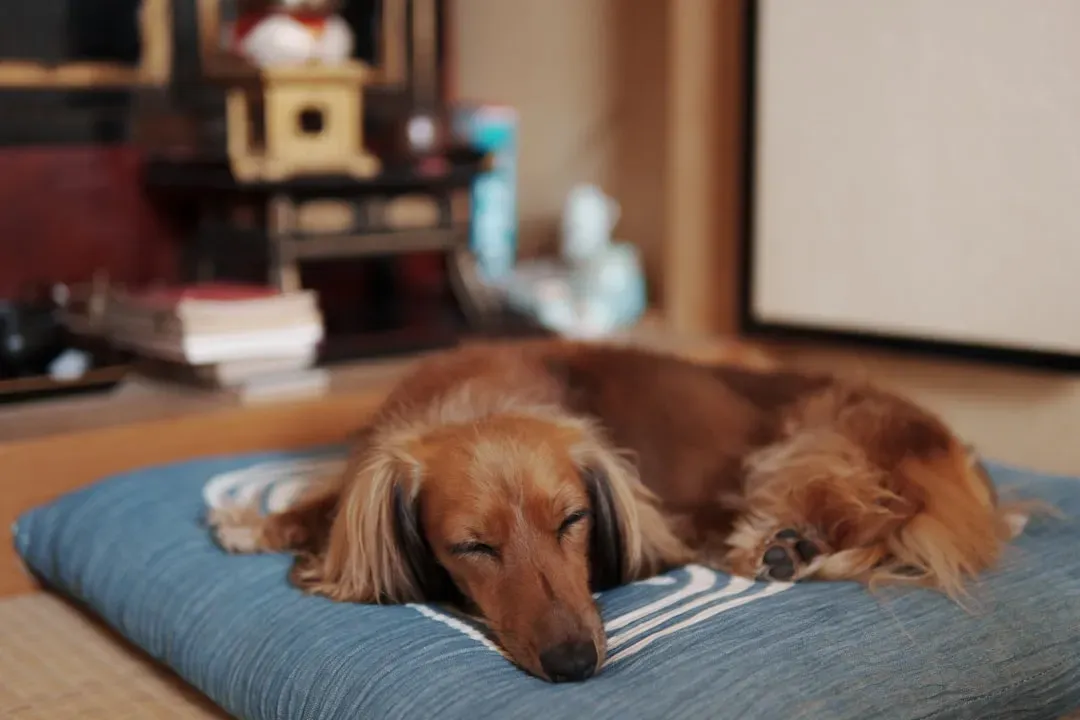
A dog who trusts you deeply will often sigh, grunt, or act out their dreams, such as twitching or whimpering softly right next to you. They know that you have their back, so they’re free to be themselves. These noises are a sign of deep relaxation and emotional comfort. They feel safe enough to let their guard down completely. They know that you are there to protect them if necessary.
It’s worth pausing on that. A dog that dreams vividly and openly beside you isn’t just sleeping well. They’re sleeping without vigilance, which for an animal with deeply rooted survival instincts, is a remarkable thing. Dogs who trust their owners show lower stress levels, adapt better to changes, and recover faster from scary experiences. They sleep more soundly, eat more consistently, and play more enthusiastically. The quality of their sleep, in many ways, reflects the quality of the safety you provide.
#5: They Reposition to Stay Close to You After You Move

If you move, your dog immediately wakes up, adjusts their position, and falls back asleep against you. It shows that they don’t have a care in the world as long as you’re there for them. This micro-behavior is easy to overlook, but it’s one of the most telling. They’re not reacting to a perceived threat. They’re simply recalibrating to stay near their safe person.
Trust in dogs is built through routine, consistency, and emotional security. Since pups can’t use words, they reveal their bond through subtle body language like relaxed sleeping positions and belly-up poses. The best way to know if your dog feels safe and comfortable around you is if they rely on you to provide safety and comfort. When startled or upset, do they look to you and move toward you, or do they retreat and seek distance? A dog that consistently migrates back to your side after you shift positions has already answered that question. Clearly.
What This Actually Means for Your Relationship
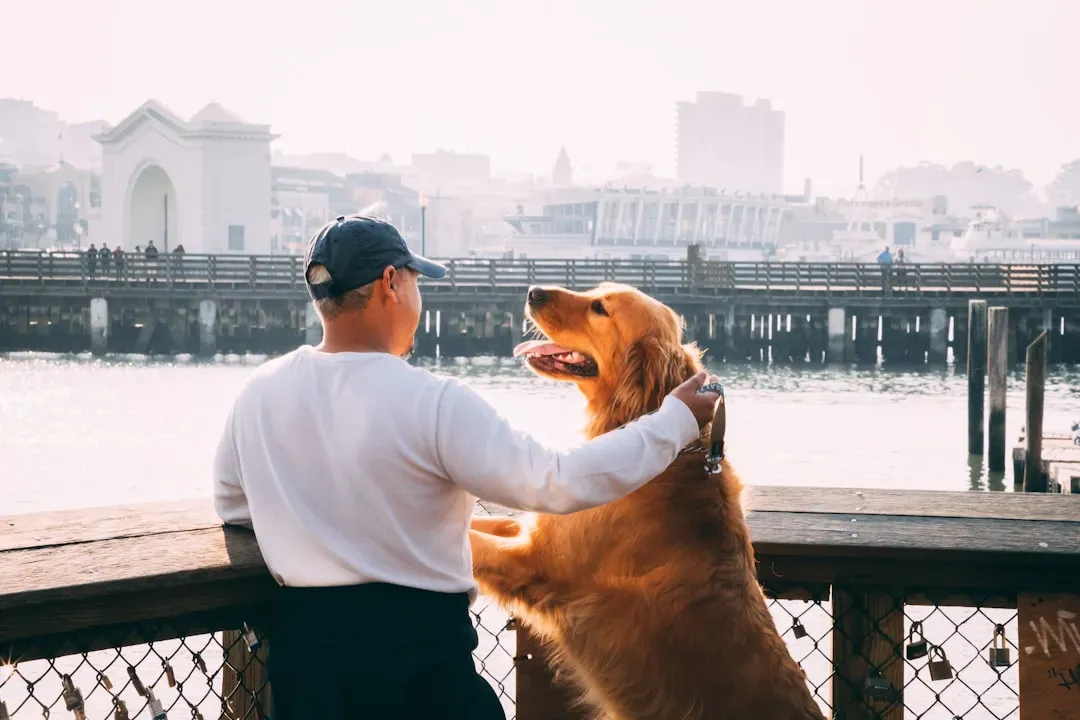
The behaviors described above are not just endearing quirks. They reflect something deeper about the kind of bond you’ve built. Trust in dogs illustrates emotional comfort, not obedience or mechanism. A dog’s calm behavior around their owner shows trust, not command. Trust is the quality that allows dogs to feel self-sufficient, understood, and emotionally safe in their surroundings.
Dogs show trust differently based on their personality and past experiences. A shy rescue dog’s trust looks different from a confident puppy’s trust, but both are equally valid and meaningful. The clearest sign of complete trust is when your dog maintains calm confidence in your presence, even during challenging moments. They don’t question your intentions, they follow your lead naturally, and they seek your company by choice rather than obligation.
Dogs might not “trust” the way humans do, but just like people, their sense of security can be earned and lost over time. That’s the part worth sitting with. Trust isn’t automatic and it isn’t permanent. It’s built through thousands of small, consistent moments: the calm voice when they’re startled, the routine that never wavers, the hand that reaches out when they’re uncertain.
Conclusion
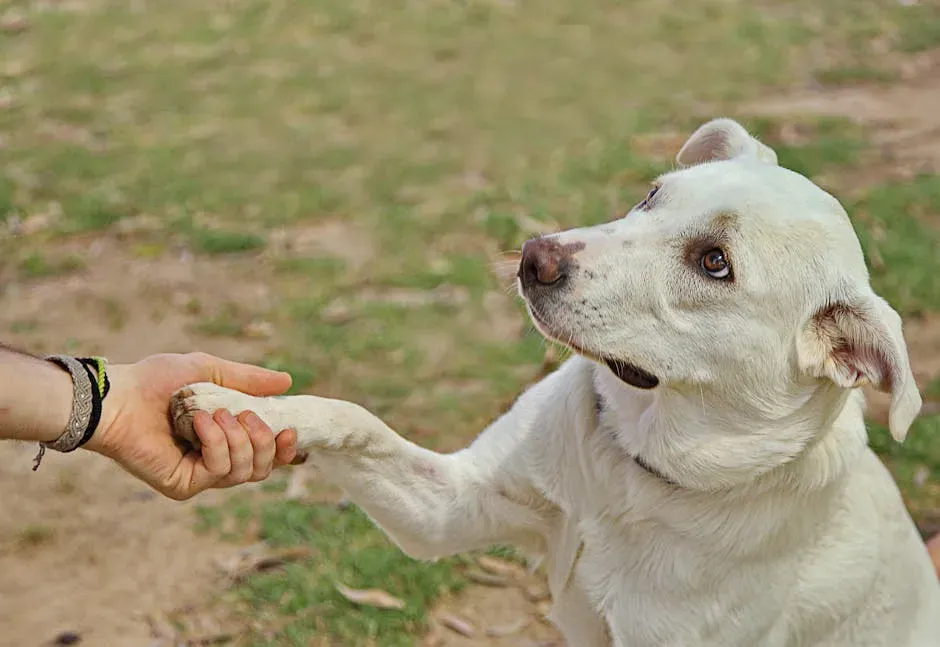
Here’s my honest take on all of this: the fact that your dog chooses to be vulnerable around you is one of the most quietly significant things that can happen in a human-animal relationship. They didn’t sign a contract. They didn’t have to. They just pressed their warm body against yours one night and decided you were safe enough to dream next to.
We tend to measure dog love through energy and exuberance, through tail wags and leaps at the door. Those things are wonderful. Still, there’s an argument that the truer measure is found in stillness. You’ll know you’ve earned deep trust when your dog shows you their most vulnerable self: sleeping deeply near you, exposing their belly freely, coming to you for comfort when scared, and staying relaxed during handling or medical care.
That kind of trust is rare. Take it seriously, and take care of it. Not many living creatures will hand you that much of themselves without asking for anything in return except your presence.


