
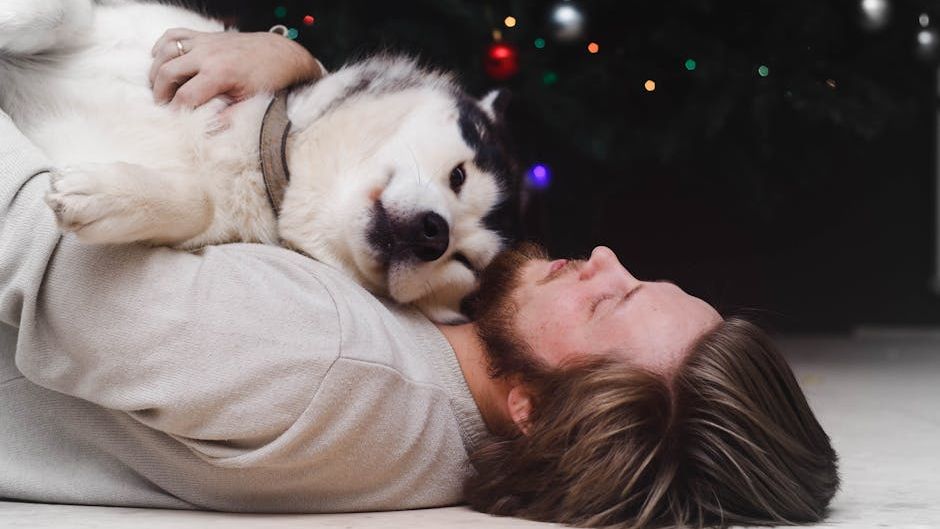
#1: They Ask Hard Questions Early and Often
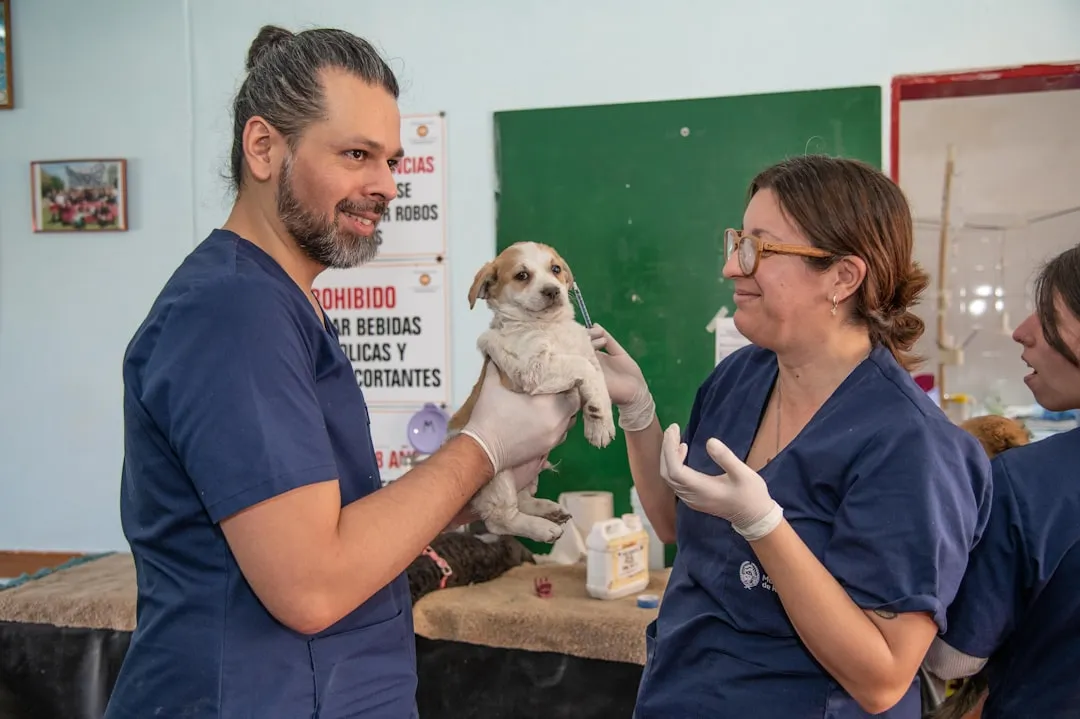
There’s a version of dog ownership that avoids difficult conversations entirely. People in this mode skip the questions about age-related decline, genetic conditions, or what “quality of life” actually means in practice. Then there’s the other kind of owner, the one vets quietly notice, who leans forward and asks everything. They want to know not just what’s happening today, but what to expect in five years.
Pet owners living with senior pets or a pet with a terminal disease often come to their veterinarian asking “How will I know when it’s time?” and helping owners assess their pet’s quality of life is an important part of the end-of-life decision-making process. The owners who bring those questions early, before a crisis forces them to, are far better prepared emotionally and practically when difficult moments actually arrive.
By visiting your veterinarian each year, your dog can stay up to date on vaccinations that offer protection from disease, and the vet can monitor the dog’s weight and overall health and hopefully notice and treat problems early. Owners who treat these annual visits as genuine conversations rather than a formality create a foundation of honest communication that pays dividends when the stakes get higher.
#2: They Prioritize the Dog’s Quality of Life Over Their Own Comfort

This is possibly the most painful thing any devoted dog owner faces. There comes a point where keeping a dog alive starts serving the human far more than the animal. Vets recognize owners who are able to draw that line clearly. It doesn’t mean they love the dog less. It means they love the dog more honestly.
If a pet is in constant pain, undergoing difficult and stressful treatments that aren’t helping greatly, unresponsive to affection, unaware of its surroundings, and uninterested in life, a caring pet owner will probably choose to end the beloved companion’s suffering. Evaluating your pet’s health honestly and unselfishly with your veterinarian is essential. Prolonging a pet’s suffering in order to prevent your own ultimately helps neither of you.
It is important to plan for the end of life before it arrives, and quality-of-life scales can help with that planning. You can help your dog maintain a good day-to-day life experience by using these scales to regularly measure how well your dog’s basic needs are being met. The scale can also help clarify the decision for euthanasia, hopefully relieving anxiety and regret about your beloved dog’s end of life. Owners who lean into these tools tend to carry far less second-guessing afterward.
#3: They Make Decisions From Love, Not Guilt
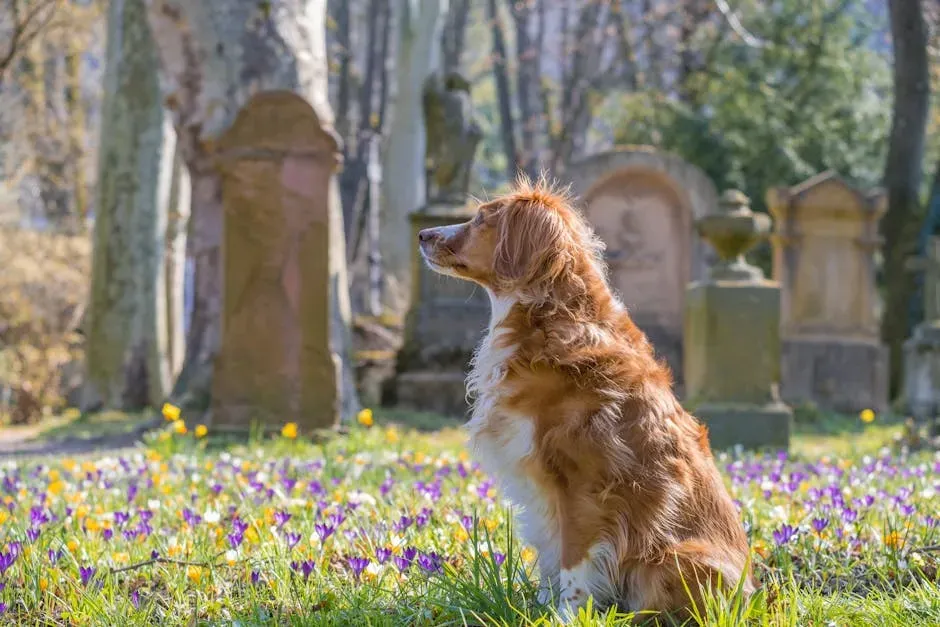
Guilt is probably the most common emotion veterinarians witness in grieving pet owners. It’s natural, it’s almost universal, and for most people it passes in time. The difference between owners who move through grief cleanly and those who stay mired in it often comes down to the emotional foundation behind their choices during the pet’s final months or days.
Some pet owners feel guilty and worry that they are not doing enough for their pets, leading them to pursue aggressive treatments. Guilt-driven decisions often lead to regret later. When a decision is made from a genuine assessment of what the animal needs, rather than from a frantic effort to silence internal self-criticism, owners tend to feel more settled after the fact. That groundedness doesn’t eliminate grief, but it changes the texture of it entirely.
When the veterinarian is perceived as empathic and decision-making is shared, owners’ pet bereavement distress and regrets are reduced, and negative dimensions of bereavement including grief, guilt, anger, intrusive thoughts, and decisional regrets are strictly linked to each other. In other words, the kind of owner who builds a collaborative, open relationship with their vet tends to experience less of the complicated grief that lingers for years.
#4: They Allow Themselves to Grieve Without Getting Lost in It

Grief is the normal and natural response to the loss of someone or something. The loss of a pet can cause intense grief and sorrow. Given that so many people consider their pets as members of the family, this grief is normal and understandable. What separates owners who emerge from that grief intact is not an absence of feeling but a willingness to move through it rather than around it.
Experiencing your emotions following the death of a pet is difficult, but important. A healthier grief journey may come from taking your time to work through your feelings rather than trying to push them away or ignoring them. Owners who give themselves genuine permission to feel the loss, including the parts that are messy and irrational, tend to find their way to something resembling peace more reliably than those who insist on staying stoic.
Just because your grief eases does not mean that the pet you’ve lost is any less important or less loved. You will always love and remember this special animal. You are giving yourself permission to go on with your life and may even discover personal growth from the grief you’ve experienced. That reframing is something that owners who eventually carry their loss without regret seem to intuitively understand.
#5: They Honor the Relationship by Living It Fully While They Can
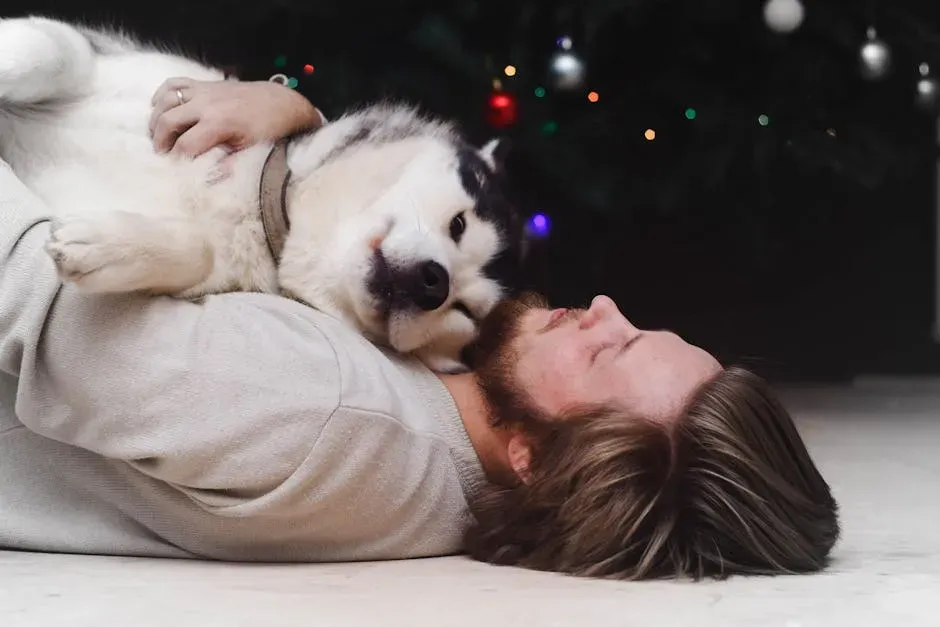
Perhaps the most striking thing veterinarians observe in dog owners who eventually make peace with loss is what they do while the dog is still healthy. They’re present. Not performatively so, not posting every moment for an audience, but actually present. They walk the dog because both of them enjoy it. They sit on the floor during bad days. They notice small changes because they’re actually paying attention.
A pet can add structure to your day, keep you active and social, help you to overcome setbacks and challenges in life, and even provide a sense of meaning or purpose. Owners who recognize and lean into that exchange create a bond that, when the time comes, gives them something to hold on to. Not regret about time wasted, but a quiet confidence that the relationship was everything it was meant to be.
Your memories allow your pet to live on in you. Embracing these memories can be a slow, and at times, painful process that takes time, but it can help you work through your pain, sorrow, and grief as well as hold onto the happy, fun, loving moments you had with your pet. Those memories only run deep if the moments themselves were real. That’s why presence during life may be the single most important thing any dog owner does in preparation for the grief that eventually comes.
A Final Thought Worth Keeping
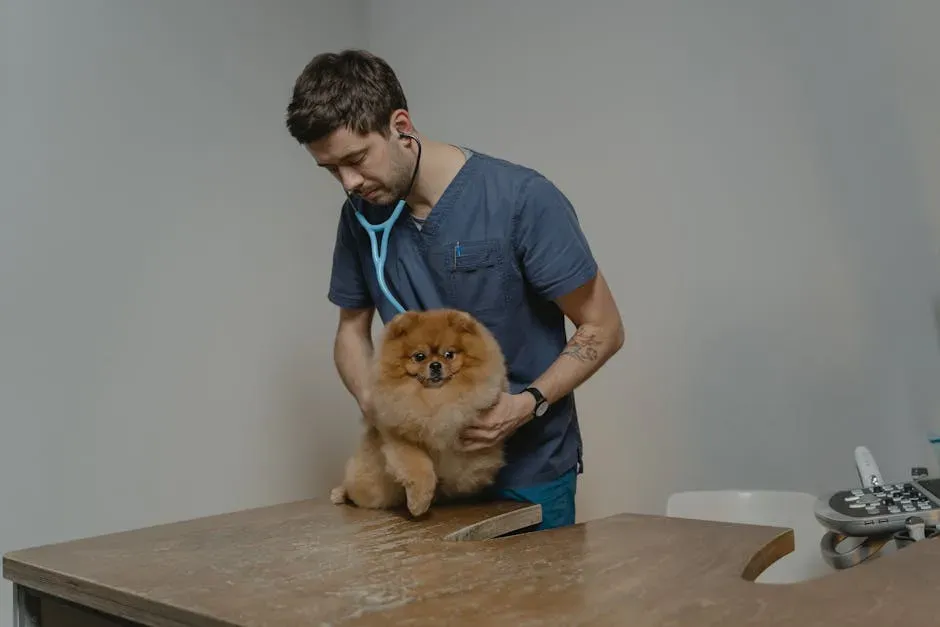
In the end, veterinarians aren’t watching for flawlessness. They’re not noting who bought the most expensive food or whose dog has the most Instagram followers. What they see, consistently and quietly, is which owners are truly in it, those who engage honestly with their dog’s whole life and mortality, not just the adorable highlight reel. Those are the owners who can stand at the end of a dog’s life and say, with fullness rather than emptiness, that they did right by that animal.
Pet owners often assume total responsibility for a pet’s life, and therefore often extend that responsibility to believing they could have controlled or prevented their deaths. But the owners who walk away without lasting regret are the ones who understand, sometimes painfully, that their job was never control. It was care. Consistent, present, honest, unsentimental care.
That’s the one thing. Not a product. Not a protocol. Just the choice, made over and over, to show up with eyes open. It turns out that’s enough. It more than enough.


