

#1: They Know When You’re Watching Them

One of the most telling signs of perspective awareness in dogs is their sensitivity to whether a human can actually see them. Research has consistently shown that dogs behave very differently when a person’s eyes are on them versus when a person is distracted, has their back turned, or isn’t in the room at all. This isn’t just about being caught. It suggests an awareness that you, as a separate individual, have a line of sight that is independent of their own.
Results from research suggest that dogs understand when food and the area around it is illuminated, meaning a human can see them approaching and stealing it. In practical terms, your dog isn’t just responding to your physical presence. They’re tracking whether your attention is actually directed at them, which requires a model of your perceptual state that is separate from their own.
#2: They Distinguish Accidents From Intentions

Here’s a behavior that separates genuine social cognition from simple pattern recognition. When a person deliberately withholds a treat, dogs respond very differently than when a person accidentally drops it or is physically unable to hand it over. Researchers attempted to pass a treat to a dog through a hole in a screen, then either accidentally dropped it, tried to pass it but the hole was blocked, or intentionally withdrew it. In the last case, dogs waited longer to walk around the screen, indicating they could figure out whether something was done on purpose or by accident.
This is genuinely remarkable when you sit with it. Most animals simply respond to outcomes, not to the underlying intentions behind those outcomes. The concept of intention is a central part of theory of mind, which is the ability to attribute mental states to others and ourselves. The fact that dogs calibrate their behavior based on whether you meant to do something places them in a very short list of non-human animals capable of this kind of social reading.
#3: They Follow Your Point, Not Just Your Movement
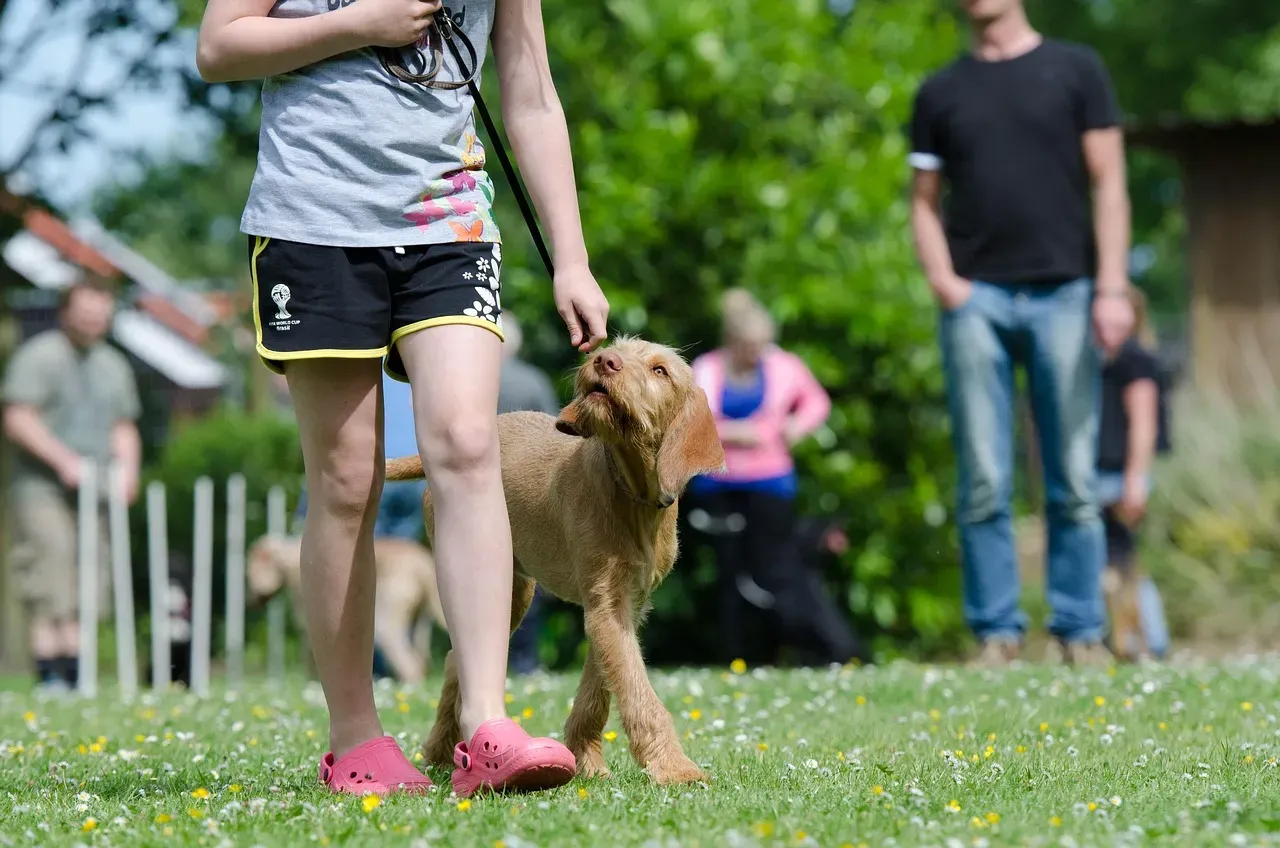
Pointing is a deceptively complex form of communication. When you extend your finger toward something, you’re not touching it or making a sound near it. You’re asking another being to understand that your gesture is referential, that it means “look over there,” and then to act on that abstract cue. Most animals simply cannot do this. Dogs do it naturally, often without any specific training.
Even as puppies, dogs spontaneously respond to cooperative human gestures, such as pointing cues, to find hidden food or toy rewards. More interesting still, results from eye-tracking research demonstrated that the combination of pointing and gazing significantly increased dogs’ attention towards a designated referent, with dogs maintaining longer attention on it and approaching it significantly above chance levels. They’re not just reacting to movement. They’re reading communicative intent.
#4: They Check Your Face Before Deciding What to Do

When dogs encounter something unfamiliar, they don’t just investigate or flee on instinct. They look at you first. This behavior, known as social referencing, is the same pattern that human infants show when they glance at a caregiver’s expression to decide whether a new situation is safe or threatening. Dogs actively look to humans for guidance when confused, and this social referencing behavior is similar to what toddlers display with caregivers.
When confronted with an unfamiliar object, dogs engage in social referencing, synchronizing their reaction with that of their owner. In studies where owners were instructed to act friendly, neutral, or retreat from a stranger, dogs performed referential looks and gaze alternations when presented with a stranger, and were more hesitant to approach the unfamiliar person when the owner retreated. They’re outsourcing part of their threat assessment to your mental state. That’s not instinct. That’s reading your mind.
#5: They Trust Knowers Over Guessers
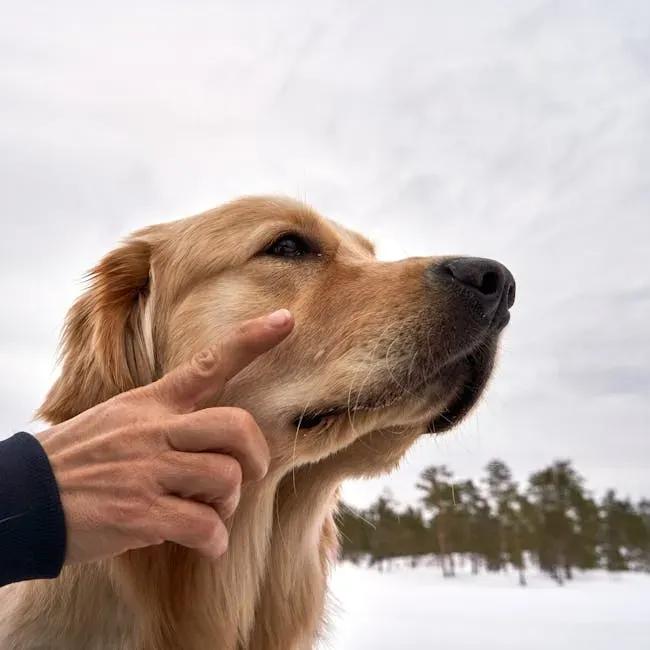
In one of the more elegant demonstrations of canine social cognition, dogs were introduced to two people: one who had watched where food was hidden and one who had not seen the hiding at all. Both then gave the dog directional cues. Without any training, dogs consistently preferred to follow the person who actually knew where the food was. Dogs preferentially followed the pointing cue provided by the knower, and this performance might be regarded as the ability to infer the differential perceptual access of others in the absence of gaze cues, thus a kind of perspective-taking ability.
Dogs not only distrusted a human who was out of the room when the food was hidden, but also disobeyed the cue of a human who looked at the ceiling or covered her eyes with her hands during the food hiding process. Think about what this requires: your dog is tracking not just what you did, but what you could have seen. Results add to evidence that dogs have a remarkable sensitivity to cues related to humans’ attentional state, which enables them to respond as if they had a functional theory of mind in the Guesser-Knower task.
#6: They Read Your Emotional Expression and Use It Strategically

Dogs don’t just notice when you’re happy or upset. They extract that emotional information and use it to make decisions. Researchers observed the behavior of more than ninety domestic dogs to investigate how they relate human emotional displays to subsequent actions, presenting the dogs with a social interaction between two unfamiliar people that could be positive, negative, or neutral. The dogs then used that observed emotional context to guide their own choices about who to approach and who to avoid.
Results demonstrate that dogs can extract and integrate bimodal sensory emotional information, and discriminate between positive and negative emotions from both humans and dogs. They’re combining what they see on your face with what they hear in your voice to form a coherent read on your internal state. According to researchers, dogs’ ability to connect emotionally with humans is neither pure instinct nor merely learned behavior, but rather a sign of cognitive ability.
#7: They Respond to Your Crying Differently Than Any Other Sound
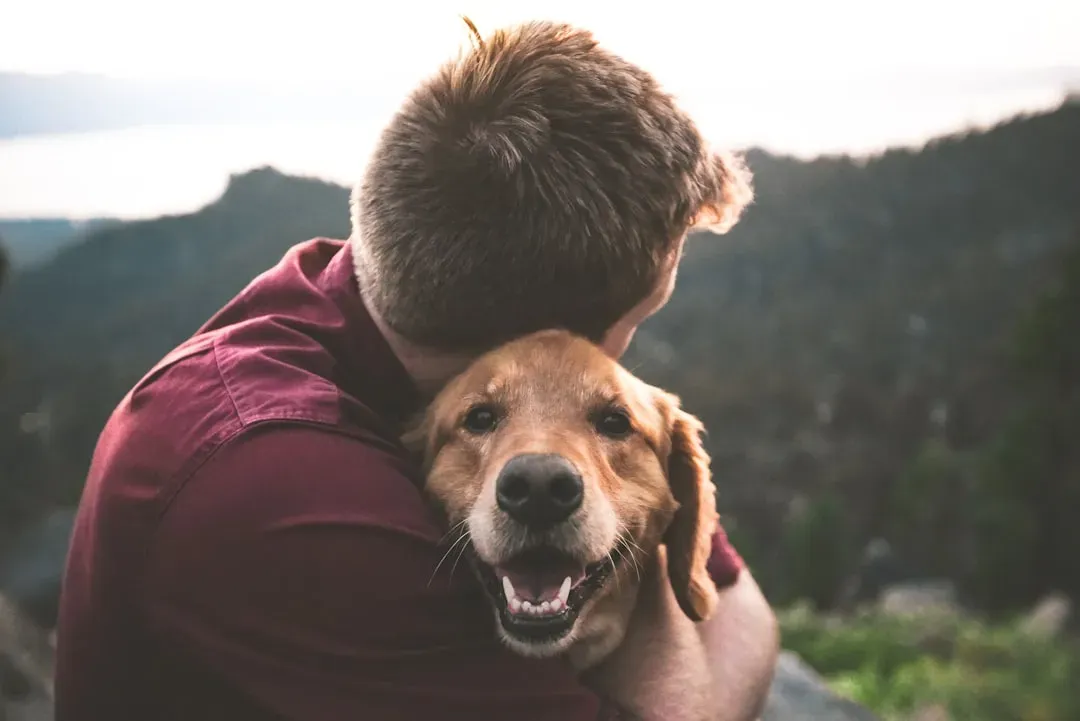
There’s a reason the image of a dog resting its head on the lap of someone in distress feels so loaded with meaning. It turns out, this behavior has been studied carefully, and the findings are consistent. A well-known experiment showed that dogs were more likely to approach a crying person than someone humming or speaking normally, even if the crying individual was a stranger. The dog isn’t responding to familiarity or reward history. They’re responding to distress specifically.
Of eighteen dogs in a study, fifteen approached the owner or investigator when they cried, as opposed to only six when they hummed, indicating that the dogs emotionally connected with the humans. Dogs often approach and nuzzle a distressed person, with many leaning into their owners or resting their heads on them, and some exhibiting calming behaviors like licking or staying unusually close. Whether this reflects genuine empathy or a learned response to emotional cues is still debated, but the behavior itself is strikingly targeted.
#8: They Adjust Behavior Based on Whether You Were Watching
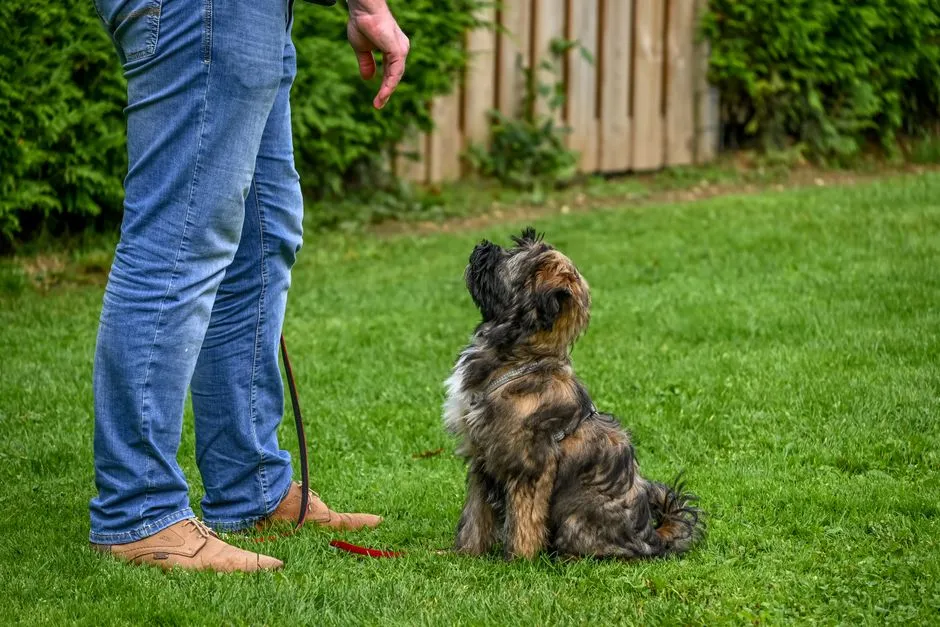
Dogs are considerably more likely to take forbidden food when no one is watching, and they make this assessment based on surprisingly nuanced cues about your attentional state. It’s not simply about whether you’re in the room. They track whether your eyes are open, whether you’re facing them, and whether your attention is genuinely on them or directed elsewhere. That level of monitoring implies they hold a model of your awareness as something separate from their own.
A study demonstrated that dogs can infer human presence and will adjust their behavior accordingly, even when direct visual cues are not present. While the results suggest perspective-taking abilities, researchers discuss whether this is truly mind-reading or simply learned behavior based on prior experience. The honest answer is probably somewhere in between, but the behavioral outcome, a dog that behaves one way when watched and another way when not, is difficult to explain without some form of mental state tracking.
#9: They Show the “Guilty Look” in Response to You, Not Their Own Actions

The guilty look is one of the most emotionally compelling behaviors dogs display, and it’s also one of the most misread. Most owners interpret it as evidence that their dog knows they did something wrong. The reality, according to careful research, is a bit more nuanced and, if anything, even more interesting. Those dogs that were scolded upon their owners’ return showed more guilty look behaviors than dogs that were greeted in a friendly manner, regardless of whether the food item had been eaten by the dog or removed by the experimenter.
The results highlight the priority of the human’s behavior over the evidence of wrongdoing. In other words, the guilty look is not a confession. It’s a response to reading your emotional state and anticipating what’s coming next. If dogs show the guilty look out of fear while being scolded, this might happen regardless of what events preceded it. However, this does not mean the dogs’ behavior is never influenced by such preceding events. Either way, your dog is modeling your emotional trajectory, which is its own form of social cognition.
#10: They Modify Behavior Based on Your Knowledge State

Beyond food stealing, there’s broader evidence that dogs adjust how they communicate based on what they think you know. When a dog has trouble getting to a toy stuck under the couch, they don’t just whine at the toy. They look at you, look back at the toy, and alternate gaze between the two, almost like pointing with their eyes. This gaze alternation is directed behavior, calibrated to your attention.
Research provides evidence that pet dogs distinguish between scenarios where a human has accurate knowledge versus false beliefs, suggesting that the mechanisms underlying sensitivity to others’ beliefs have not evolved uniquely in the primate lineage. The evidence currently favors the hypothesis that dogs know a lot about seeing and hearing in humans. Your dog shapes its communication style around what it thinks you do or don’t know at any given moment. That’s not just obedience. That’s social intelligence.
#11: They Prefer Helpers Over Non-Helpers Without Being Told

Dogs are surprisingly good at evaluating the social dynamics of humans they’ve never met before. In experiments where dogs watched a person either help or refuse to help a third party with a task, the dogs later showed consistent preferences about who to approach. Researchers have been investigating how dogs read human social cues to decide who to cooperate with. In one study, dogs watched an experimenter interact with two other humans: a helper and a non-helper. The dogs reliably gravitated toward the helper, without any reward history with either individual.
This is social evaluation in a fairly sophisticated sense. The dog observed an interaction, formed a judgment about the character or intentions of two strangers, and then acted on that judgment. These insights add to the growing body of evidence that dogs may be capable of more complex thinking than once believed. Tracking who is cooperative, who is generous, and who is withholding are exactly the kinds of assessments that require modeling other minds, not just responding to immediate stimuli.
#12: They Read Your Body Language as Intentional Communication
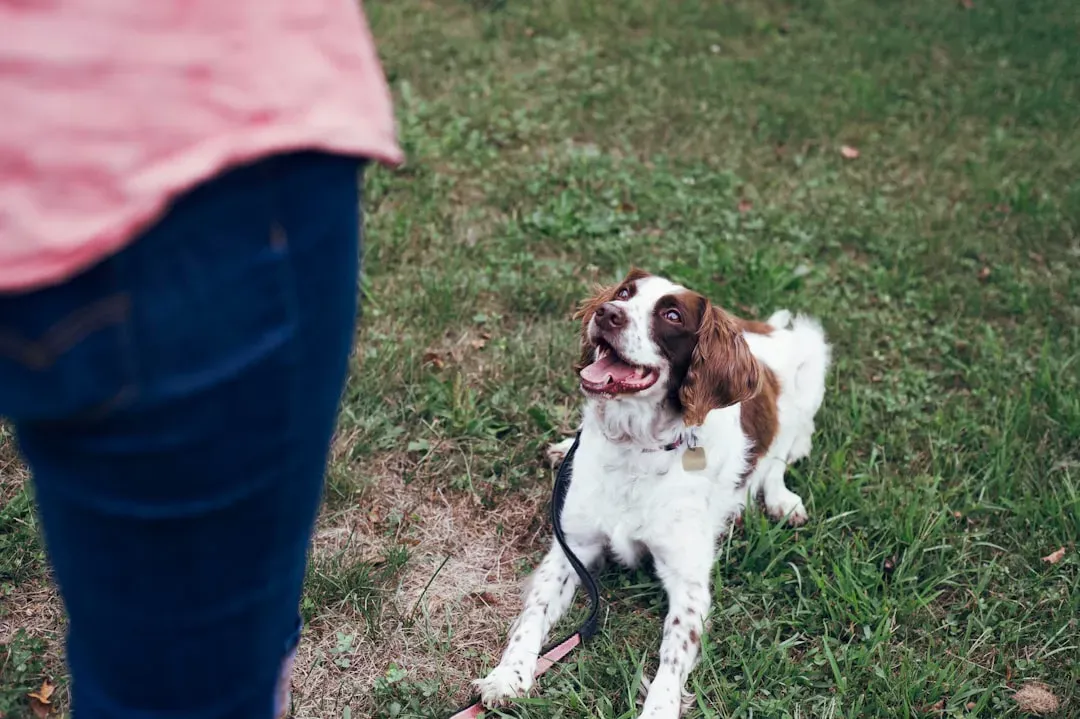
When dogs watch you move through your home, they’re not just passively observing. They’re reading your body language for intentional cues about what’s likely to happen next. Research shows dogs recognize facial expressions, tone of voice, and body language, allowing them to interpret emotions like happiness, anger, and sadness. Reach for the leash and watch your dog’s behavior shift entirely. Pick up your keys on a regular morning and see how that differs from picking up your keys before a vet visit.
This ability likely developed through domestication. Over thousands of years, dogs that could better interpret human emotional states were more likely to survive and bond with people. The result is an animal whose whole social world is structured around reading human intentions, emotions, and plans. Free-ranging dogs understand human intention and adjust their behavioral responses accordingly. That attunement didn’t happen by accident. It’s the product of a long, co-evolutionary relationship that selected for exactly this kind of mind-awareness.
#13: They Combine Visual and Auditory Cues Into a Unified Read of Your State

Perhaps the most technically impressive item on this list is the way dogs integrate multiple sensory channels to form a single, coherent picture of your emotional state. A dog doesn’t just hear your tone of voice and react. They cross-reference it with your facial expression and posture, and when those signals are inconsistent, they notice. The combination of visual and auditory cues to categorize others’ emotions facilitates information processing and indicates high-level cognitive representations.
When auditory cues matched the visual image, dogs spent longer examining it, and by combining two different sources of sensory input, researchers believe dogs actually have the cognitive ability to recognize and understand positive and negative emotional states. These results may indicate a more widespread distribution of the ability to spontaneously integrate multimodal cues among non-human mammals, which may be key to understanding the evolution of social cognition. In short, dogs aren’t reading one channel of human communication. They’re reading the whole broadcast simultaneously.
What All of This Actually Means
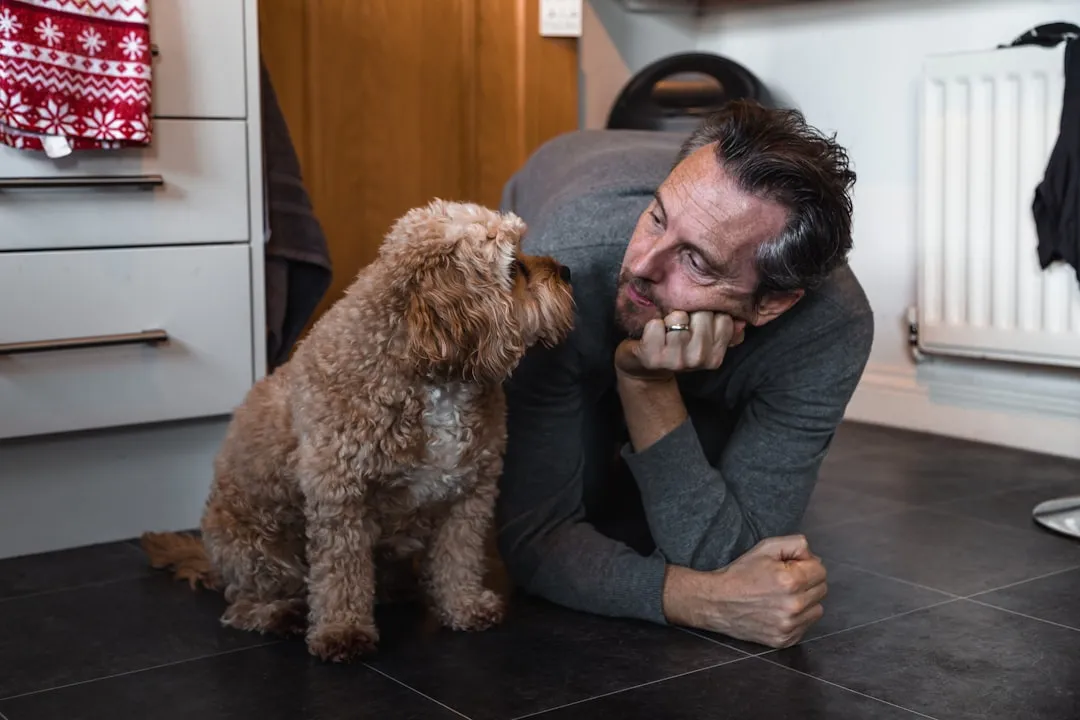
Here’s the honest take: science has not definitively proven that dogs possess a full human-equivalent theory of mind, and researchers are appropriately cautious about making that claim. Despite extensive research into theory of mind abilities in non-human animals, it remains controversial whether they can attribute mental states to other individuals or whether they merely predict future behavior based on previous behavioral cues. That ambiguity is real and worth keeping in mind.
What the evidence does show, clearly and consistently, is that dogs are doing something far more sophisticated than reflexive conditioning. Accumulating evidence suggests that certain basic capacities to ascribe simple mental states to other agents are present in some non-human species. Dogs track your attention, model your knowledge, read your emotions, and adjust their behavior based on all three. They may not be reading your mind in the way a novelist imagines, but they’re doing something close enough that the distinction starts to feel more philosophical than practical.
The next time your dog watches you quietly from across the room with that particular stillness, consider this: they’re not just waiting for what you’ll do. They may already have a working theory about why you’ll do it. After tens of thousands of years of living alongside humans, they’ve earned the right to be taken seriously on that front.


