
Psychology Says When a Dog Follows You To The Bathroom It’s Because Of Innate Pack Behavior, Profound Attachment, and Curiosity
#1: Pack Instinct Is Not Just a Metaphor

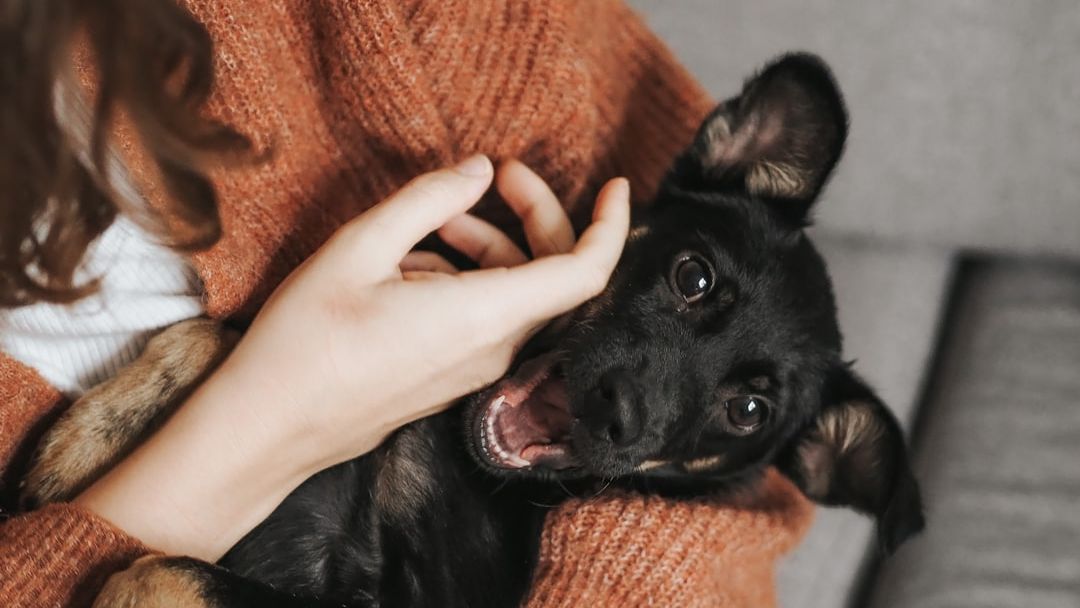
Dogs evolved from wolves, animals that thrive in tightly knit social groups, where the pack operates with clear hierarchies and a deep sense of interdependence. That evolutionary heritage didn’t disappear when dogs moved indoors. Dogs are pack animals by nature, and in the wild, canines rely on group cohesion for safety, survival, and structure. This instinct doesn’t vanish in domesticated dogs; it simply redirects to their human family.
When your dog follows you into the bathroom, they’re instinctively ensuring the “pack” stays together, and your absence, even briefly, can trigger a primal need to rejoin and protect the group. It’s not about dominance or ownership. Dogs probably don’t operate on a strict pack hierarchy with humans, and their behavior is more likely driven by affection, curiosity, or routine than a desire to assert dominance or guard you. The instinct is real. The interpretation just needed updating.
#2: You Are Their Secure Base
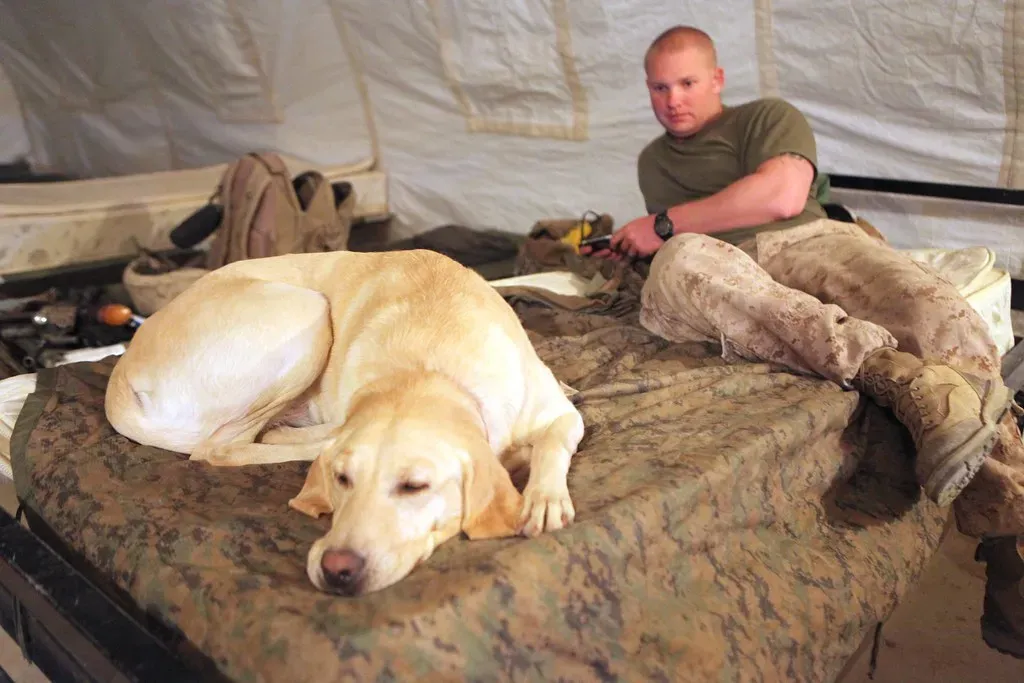
This unique relationship between adult dogs and their human owners bears a remarkable resemblance to an infant attachment bond: dogs are dependent on human care and their behavior seems specifically geared to engage their owners’ care-giving system. This isn’t a casual observation. It’s backed by formal research. Dogs form emotional bonds similar to those between parents and children, and studies using the “secure base effect” show that dogs use their owners as a source of comfort when exploring new environments.
Dogs seem to fulfil all four criteria distinguishing attachment bonds from other affectional bonds: they seek proximity to their caregiver in novel situations, show distress when separated from their owner, approach the owner in threatening or stressful situations (the “safe haven effect”), and explore the environment more in the presence of their owner than when alone (the “secure base effect”). The bathroom, from your dog’s perspective, is simply another environment they’d rather not navigate without you nearby. Research has found evidence for an owner-specific secure base effect in dogs that extends from attachment tests to other areas of dogs’ lives.
#3: Profound Attachment Goes Deeper Than Most People Realize
Dogs may feel anxious or stressed when their owner is out of sight, and following them into the bathroom may provide a sense of comfort and security. For the majority of dogs, this is a perfectly healthy, non-distressing expression of connection. Research in canine psychology identifies three primary attachment patterns: secure, anxious, and avoidant. Most dogs fall into the secure category, being confident and independent when needed but enjoying proximity. However, dogs with anxious attachment may exhibit clingy behavior, including shadowing their owner into every room.
Research shows that the dog-owner relationship shares the same distinctive features with the child-caregiver attachment bond: contact maintenance, separation distress, the secure base effect, and the safe haven effect. Think about what that actually means. Your dog isn’t just fond of you the way a pet is fond of a familiar face. The relationship between adult dogs and their human owners bears a remarkable resemblance to an infant attachment bond. That’s a profound level of emotional wiring, and the bathroom visit is just one small window into it.
#4: The Bathroom Is a Sensory Wonderland for Dogs
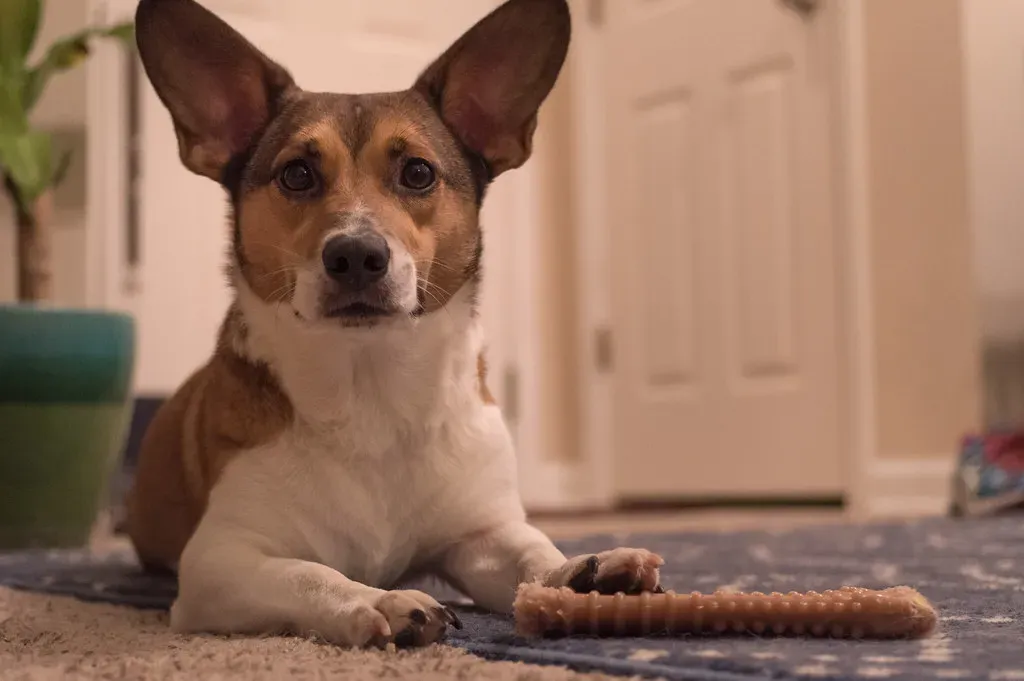
Bathrooms are fascinating places for dogs, filled with interesting smells and sounds. Their superior sense of smell, with up to 300 million olfactory receptors compared to our 6 million, makes every bathroom visit an aromatic adventure. Running water, steam, soap, shampoo, and a dozen personal care products all release compounds your dog’s nose reads like a detailed personal story. The bathroom is full of novel scents, sounds, and routines, and running water, toothbrushing noises, and personal care products create sensory stimulation that captures a dog’s attention.
Dogs experience the world predominantly through their noses. With up to 300 million olfactory receptors compared to our mere 6 million, their sense of smell is incredibly acute, meaning scents we barely notice can be a treasure trove of information and stimulation for them. The bathroom isn’t just a room to a dog. It’s a constantly shifting landscape of scent, sound, and routine that genuinely draws their curiosity. Following you in is partly them following their nose.
#5: When Normal Devotion Edges Toward Anxiety
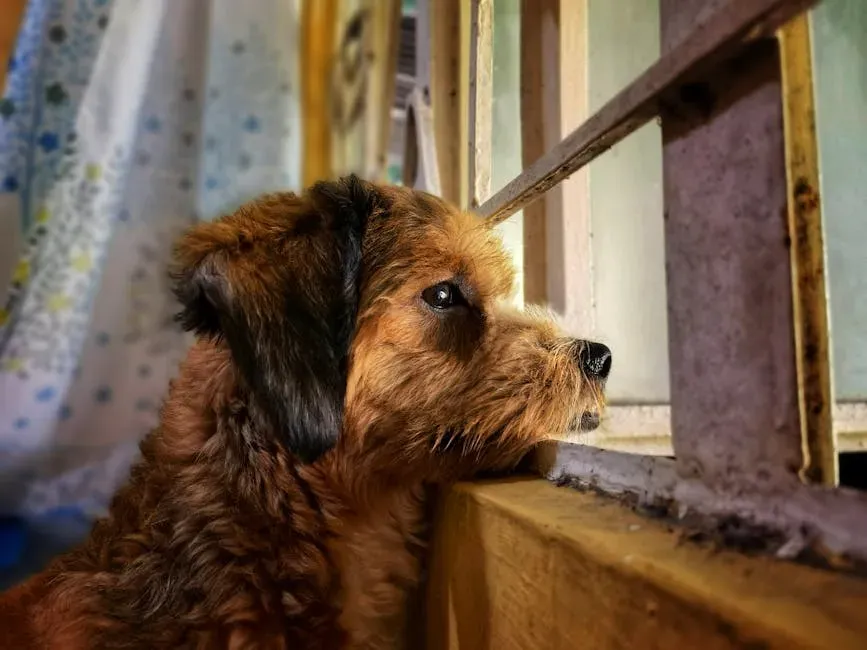
Hyper-attachment includes following the owner from room to room, including wanting to follow the owner to the bathroom, wanting to sleep next to their owner, and the dog being distressed when separated from the owner. Most of the time this is harmless. The line worth paying attention to is when the behavior shifts from companionship to compulsion. This can escalate into separation anxiety if boundaries aren’t gently established, with signs including pacing, drooling, destructive chewing, or vocalizing when left alone, even briefly.
Separation anxiety in dogs should be seen as a symptom of underlying frustrations rather than a diagnosis, and understanding these root causes could be key to effective treatment, according to animal behavior specialists. That’s an important distinction. If your dog gets anxious when you’re out of sight, whines, or scratches at closed doors, they may struggle with being alone. Dogs with separation anxiety may also seek constant eye contact with their owners, even in the bathroom, as a way to feel secure. Recognizing the difference between sweet devotion and genuine distress matters for your dog’s long-term wellbeing.
#6: The “Velcro Dog” Effect and What Breed Tells You
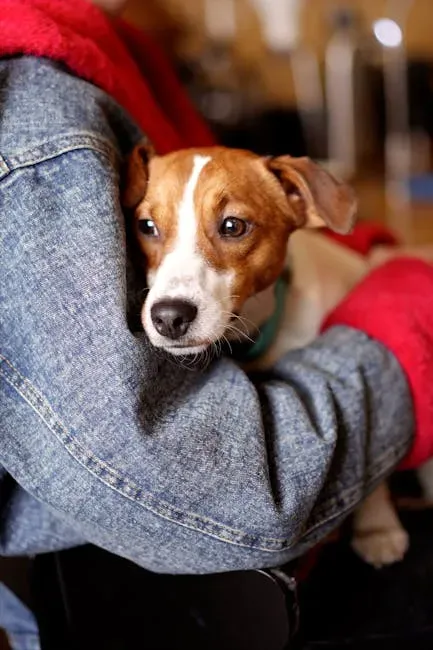
Breeds known as “velcro dogs,” including Golden Retrievers, Labrador Retrievers, German Shepherds, and Vizslas, are particularly likely to exhibit this following behavior. These breeds were historically developed to work closely alongside humans, which means their instinct to maintain proximity is genuinely baked into their genetics. Over time, proximity can reinforce the habit, especially in velcro dogs, those pups who love to be glued to their owners due to strong bonds or specific breed traits. Certain dog breeds, like Labrador Retrievers and German Shepherds, are especially known for their loyalty and desire to follow their owners everywhere.
Even small or independent breeds, like Chihuahuas or Shiba Inus, may exhibit following behavior if they’ve formed a strong attachment. The intensity varies, but the underlying motivation remains consistent: safety through proximity. So while breed certainly plays a role, it doesn’t tell the whole story. If you’ve never discouraged this behavior, your dog likely sees it as perfectly normal and acceptable, and sometimes owners unknowingly reinforce it through attention or treats, making it a learned routine. Nature, nurture, and a few accidental reinforcements have a way of working together.
A Final Thought Worth Sitting With
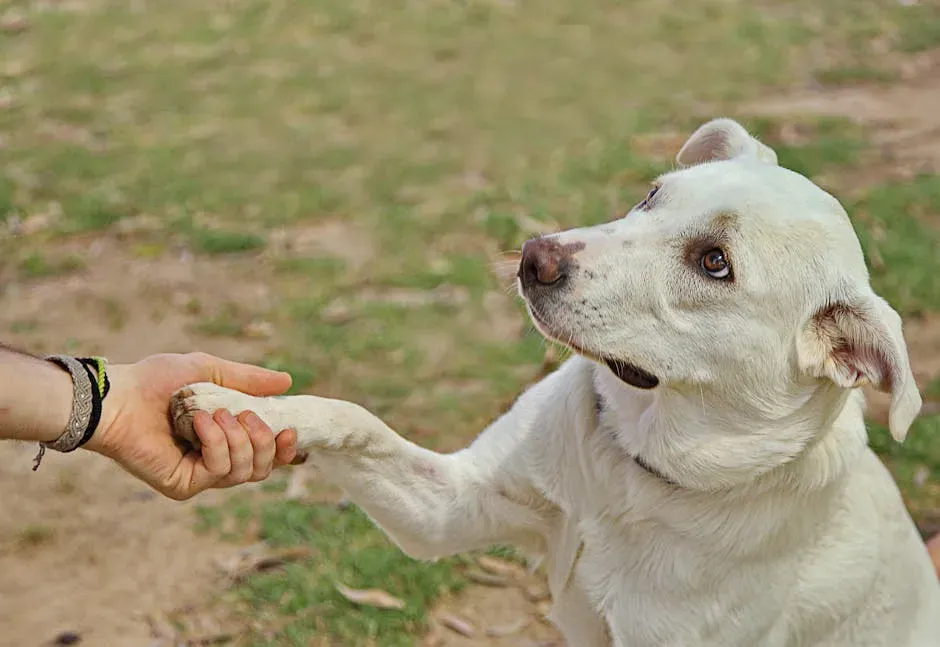
It’s worth stepping back and recognizing what all of this actually adds up to. Your dog following you to the bathroom is not a quirk to be embarrassed about or a problem to immediately fix. This behavior is entirely normal and common among dogs. It’s a natural expression of their social nature and strong attachment to their owners.
What we sometimes label as clingy or intrusive is, in reality, one of the purest expressions of the bond dogs have spent thousands of years building with humans. Domestic dogs have retained their pack instincts, including a profound sense of loyalty and an inherent need for social interaction. The bathroom escort is, in its own way, a small act of devotion.
The dog waiting patiently outside that door, or sitting beside you without a hint of judgment, isn’t demanding anything. They’re just keeping the pack together, one bathroom break at a time. That’s a kind of loyalty most people would be lucky to find anywhere.