
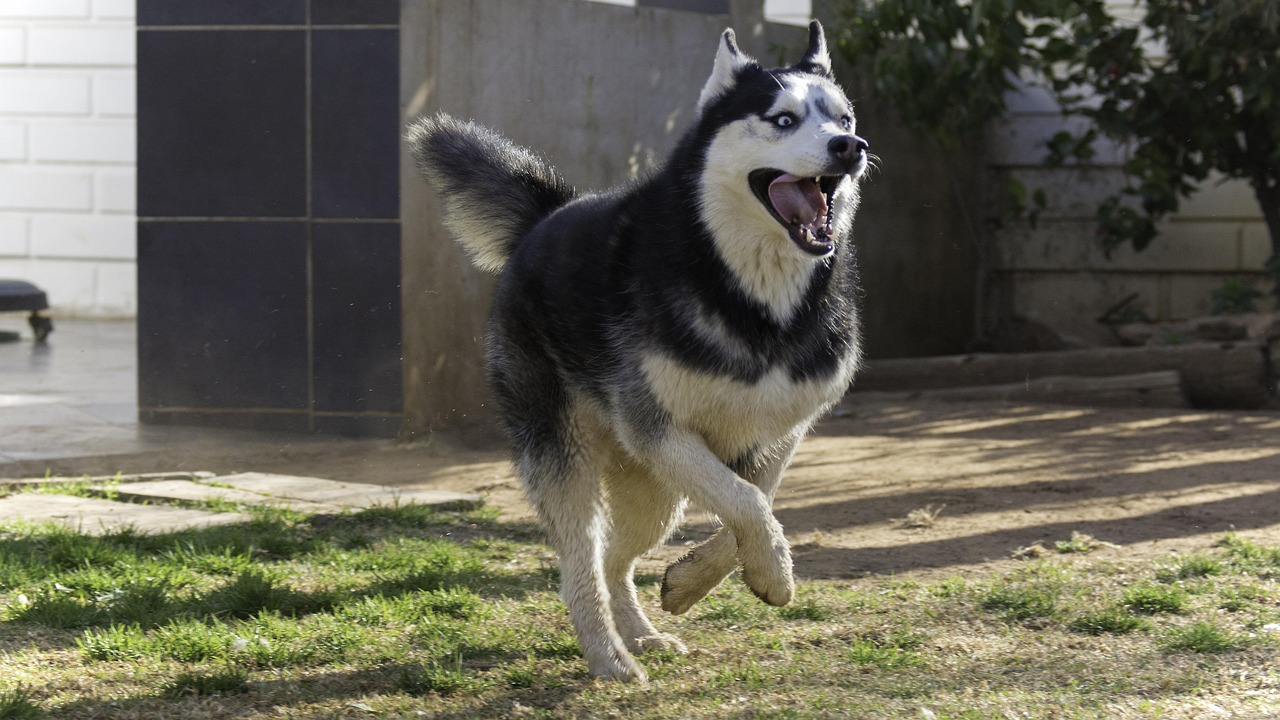
#1. Border Collie
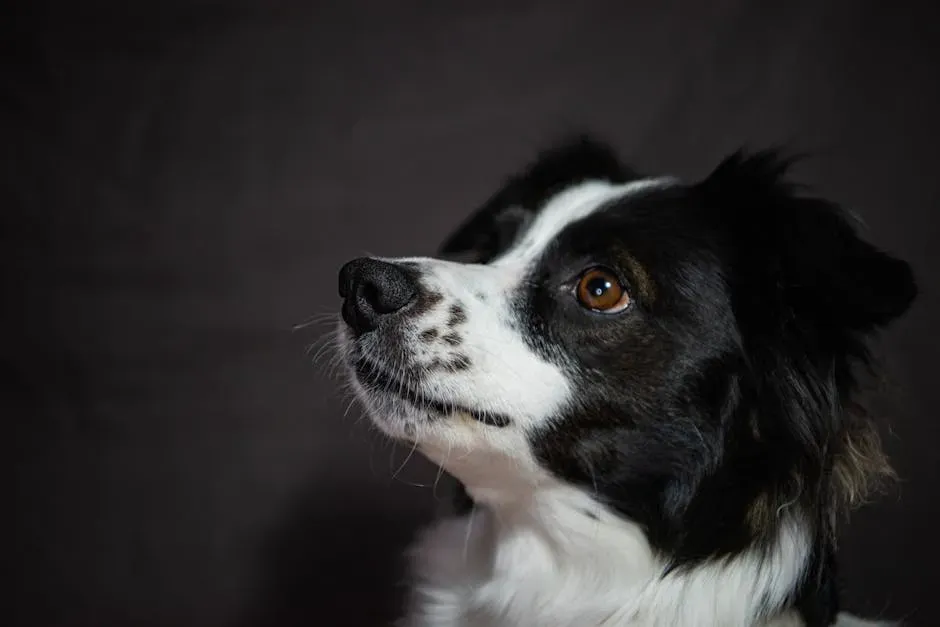
With their sharp minds, boundless energy, and trademark intense stare, Border Collies were bred to herd livestock and remain one of the most agile and intelligent breeds today. That intelligence sounds appealing. In practice, it means they need a job, and they won’t rest until they have one.
Border Collies have by far the heaviest requirement for exercise. Simply keeping these dogs in a yard and letting them “exercise themselves” is nowhere near sufficient and can lead to extreme boredom and mental health issues. A minimum of two hours per day of heavy exercise like running, swimming, ball games, or agility is required for these super-smart, athletic dogs. For a 70-year-old with arthritic knees, that’s not a lifestyle fit. It’s a daily physical test.
These dogs are known for their intelligence and athleticism, but without adequate activity, they can develop behavioral problems such as excessive barking, chewing, or digging. For a senior seeking a calm companion, that intelligence becomes a liability if it isn’t channeled properly. A bored Border Collie can undo a home, a garden, and a senior’s peace of mind in a single afternoon.
#2. Siberian Husky
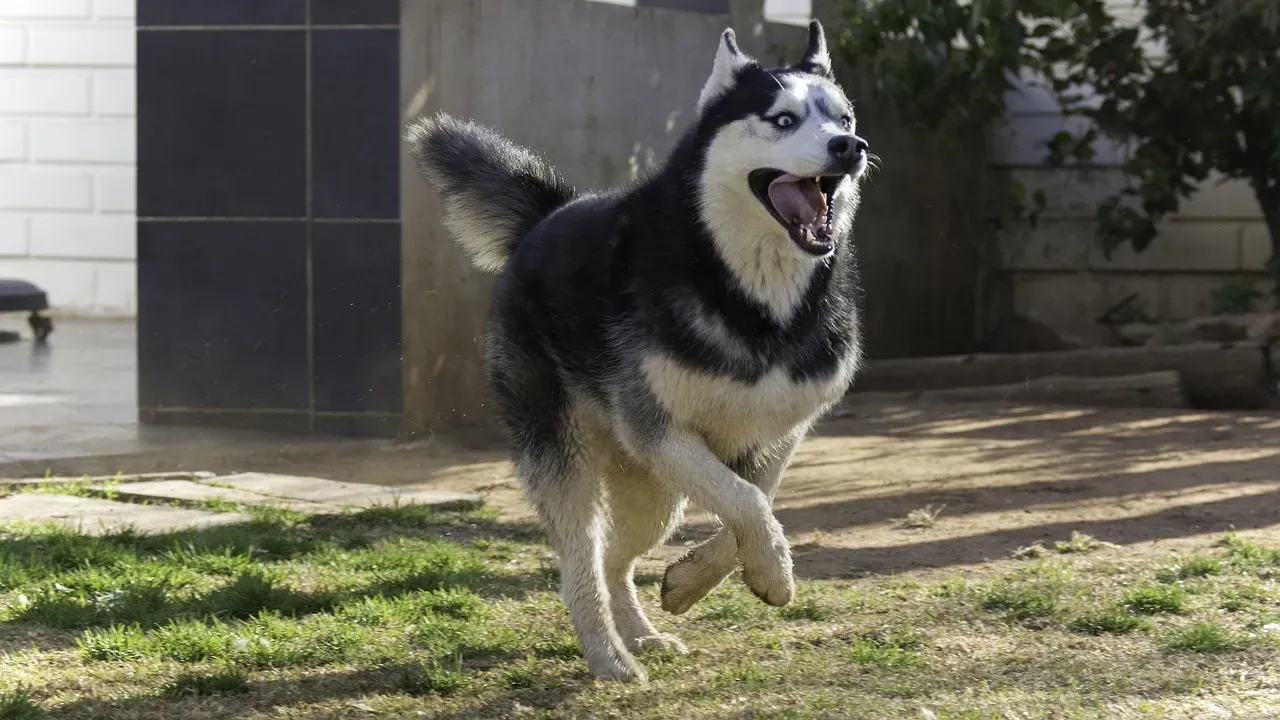
Siberian Huskies are independent, energetic dogs known for their strong prey drive and stubborn personality. They require consistent training and long walks, which may be too physically demanding for many seniors. Their tendency to escape or roam makes them a challenging breed for those who cannot provide strict supervision.
Huskies are extremely energetic and independent, requiring substantial daily exercise and mental stimulation. Without enough physical activity, they can become restless, vocal, or even destructive, a challenge for older owners who prefer a quieter lifestyle. On top of all that, they have a thick double coat that requires regular grooming, which may be difficult for seniors with mobility issues. The combination of escape risk, physical power, and grooming load makes the Husky a breed that demands an owner in peak condition.
#3. Australian Shepherd
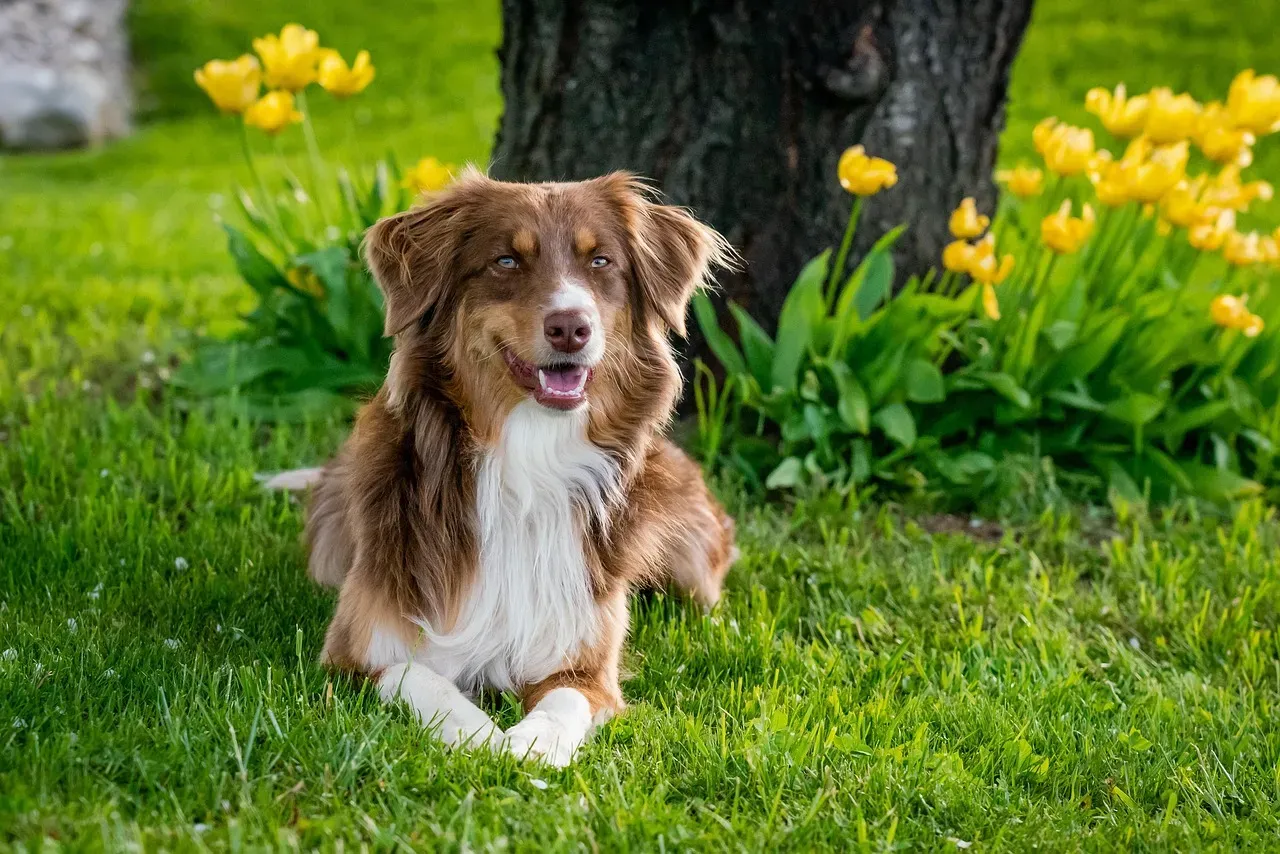
Australian Shepherds are pretty high maintenance. They require daily grooming and tons of exercise. Aussies have long double coats that shed considerably, so owners would need to prepare for lots of clean-up. They also need at least an hour of strenuous physical activity a day, which can be hard to commit to.
Aussies can take off like a bolt of lightning. Since these dogs are a herding breed, one scampering squirrel can trigger their prey drive. If they get away from you, it can be pretty dangerous for other pets and your pooch. While they are loyal and affectionate dogs, Australian Shepherds are better suited for active individuals who can dedicate time to their extensive training and exercise demands. A leash lunge from an Aussie in full sprint can easily knock an older person off their feet.
#4. Dalmatian
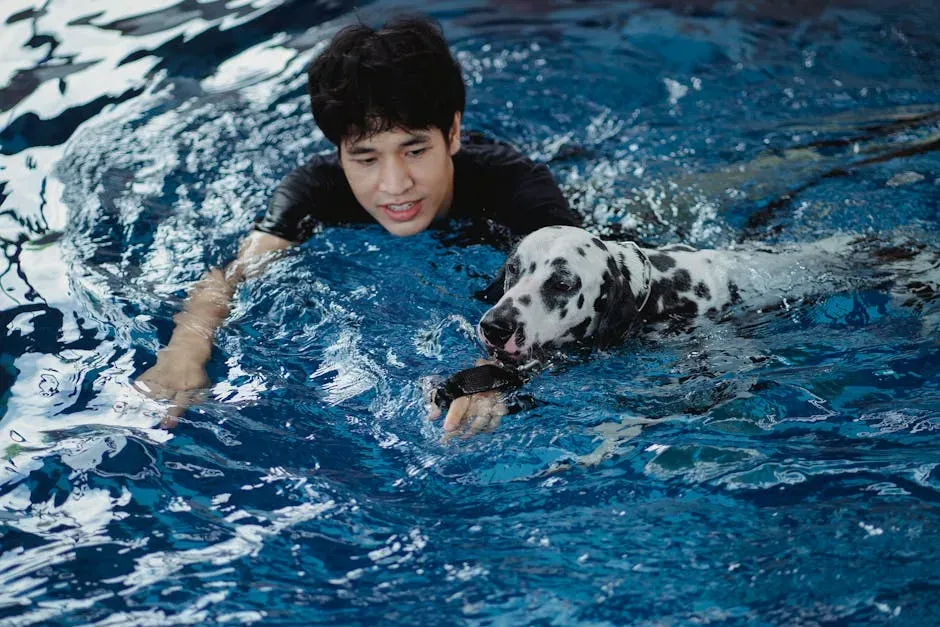
Dalmatians require around one and a half to two hours of vigorous activity daily, from long walks to games of fetch. That’s not a light afternoon stroll; that’s a genuine athletic commitment. Without consistent outlets for their energy, they can become restless, destructive, and even develop behavioral problems, which might be difficult for seniors to manage.
Dalmatians may not be the ideal breed for seniors looking into pet ownership. They have a strong independent streak, so they may be hard to train. Additionally, Dalmatians are very high-energy dogs per the AKC. They can become destructive if they do not get enough exercise and mental stimulation. Dalmatians shed all year round, so their maintenance level is on the high side, especially for older individuals. The spotted coat may look elegant, but the daily reality of owning one is anything but low-key.
#5. Jack Russell Terrier
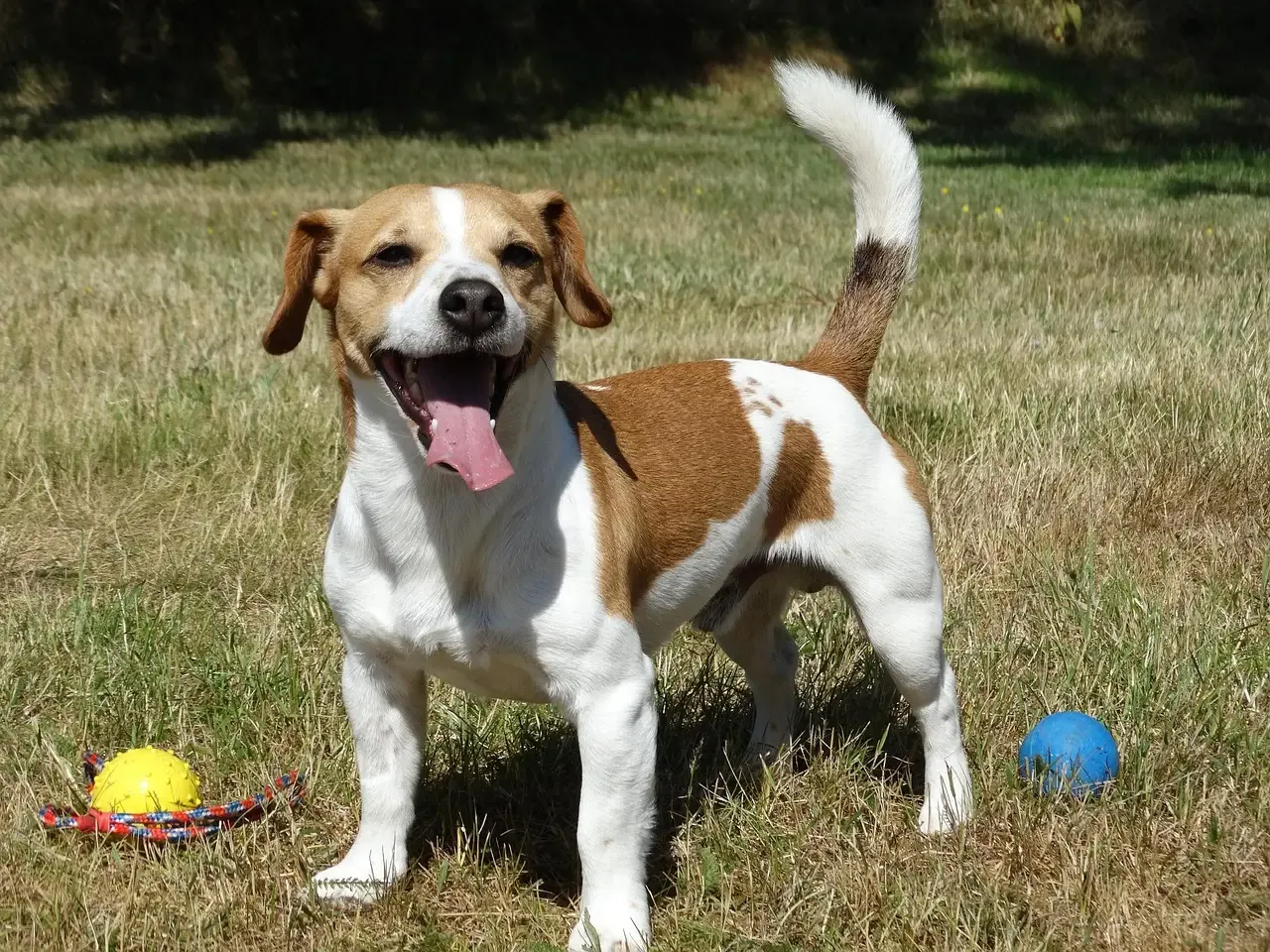
The Jack Russell Terrier is a spirited and intelligent small dog originally bred for fox hunting in 19th-century England. This breed possesses the boundless energy and tenacity of a much larger dog. For senior pet owners, the Jack Russell’s high energy and demanding exercise needs can be overwhelming. These dogs thrive on constant movement, exploration, and stimulation, requirements that may be difficult for older adults to fulfill consistently.
Without sufficient physical activity, they may resort to barking, digging, or other destructive habits. Jack Russell Terriers tend to require training from a knowledgeable and skilled trainer who can deal with their obstinate tendencies. Don’t let the small frame fool you. This is a breed with the stubbornness of a working dog and the speed of something that simply won’t stay still.
#6. Cane Corso
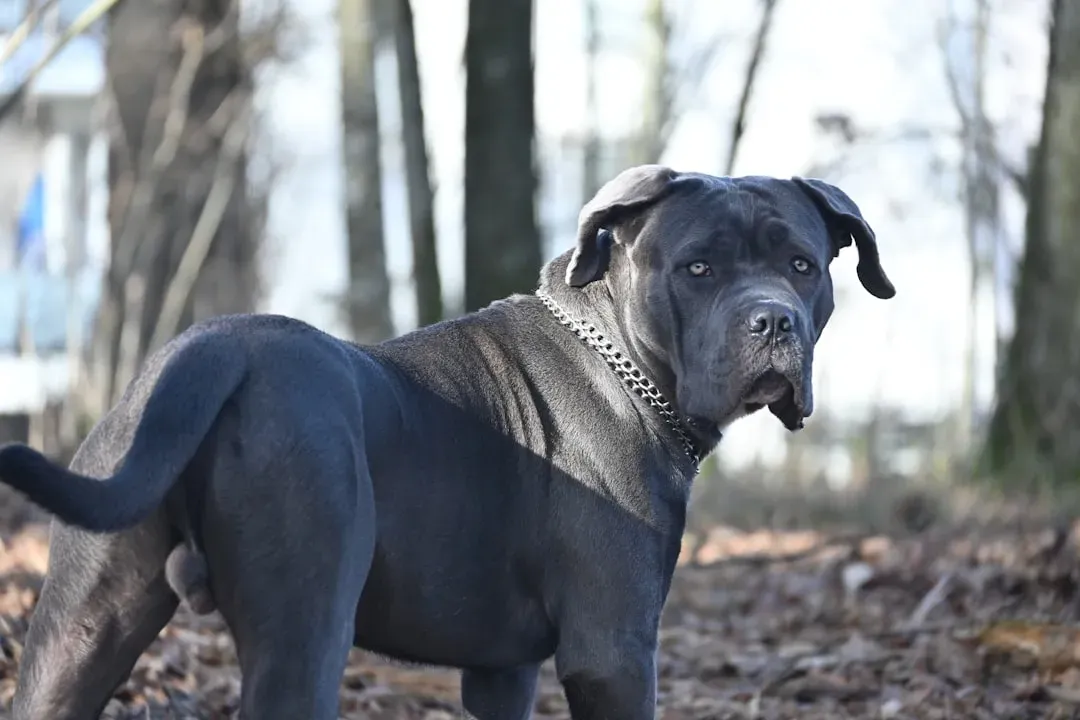
The Cane Corso is a large dog with a variable weight that depends on its height, which ranges between 23 and 27 inches. Usually they weigh more than 100 pounds. Large dog breeds may seem protective, but their strength can make them difficult to control, especially without proper training. At that weight, even a playful nudge can send an older adult stumbling.
The Cane Corso is very high energy and requires a brisk walk or run at least two times a day in order to be healthy and happy. Handling and controlling these breeds can be difficult, especially for individuals with limited mobility or strength. The sheer size and power of these dogs may make them unsuitable for seniors who are at risk of being overpowered or knocked over. For someone managing a hip replacement or reduced grip strength, a 110-pound dog pulling on a leash isn’t companionship. It’s a genuine injury risk.
#7. Australian Cattle Dog (Blue Heeler)
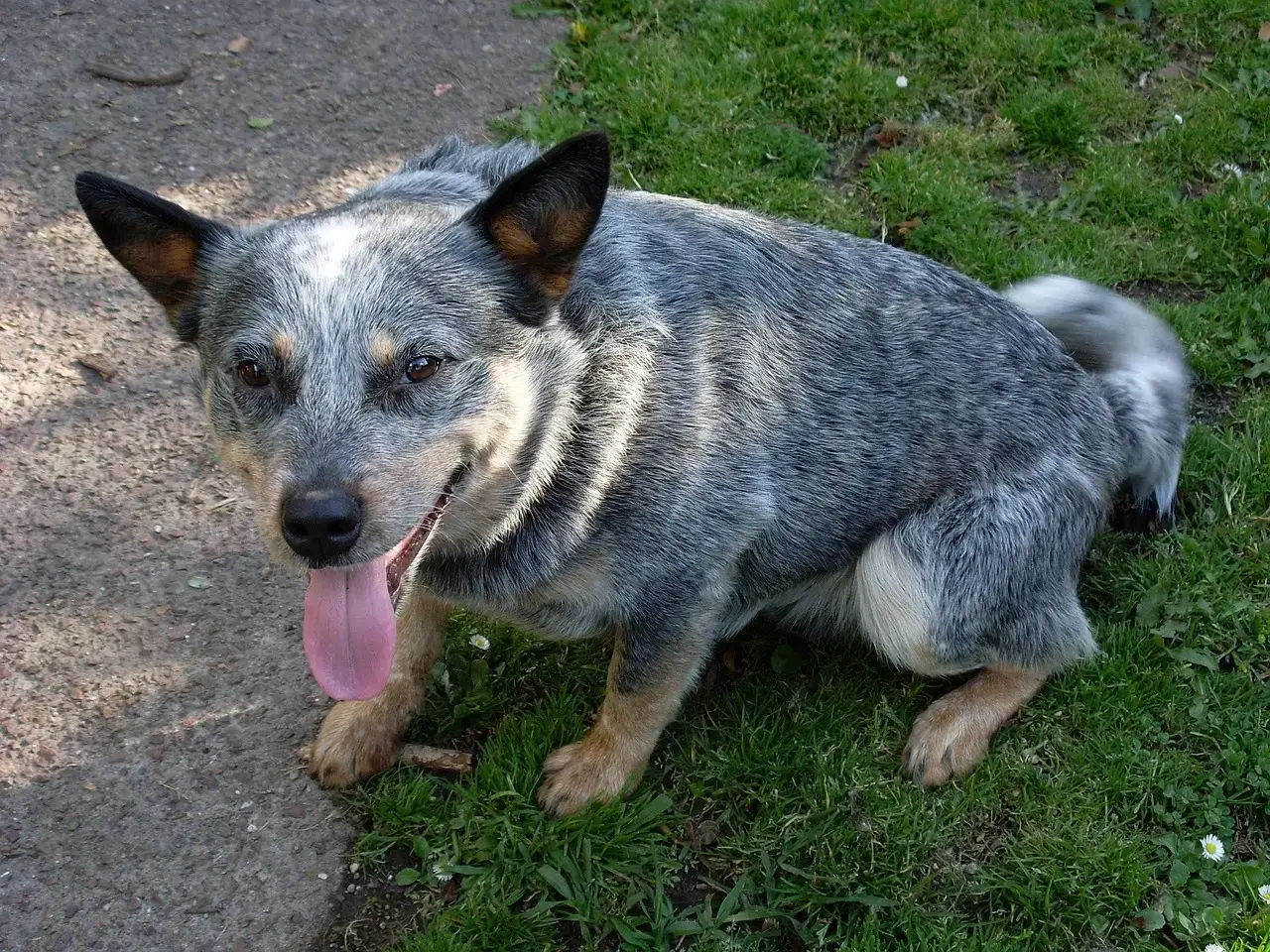
Australian Shepherds are known for their high energy levels and need plenty of exercise to keep them physically and mentally stimulated. The same applies even more sharply to the Australian Cattle Dog, a breed built with even more herding instinct and physical drive. Some of the worst dog breeds for elderly homeowners are those that demand intense exercise, have unpredictable temperaments, or are prone to causing accidental injuries. The Cattle Dog fits all three of those criteria.
High-energy breeds can become restless and exhibit behavioral problems if their exercise needs are not met. These breeds may be more suitable for individuals who are able to engage in vigorous exercise and are looking for an active companion. Between the grooming, exercise, and mental stimulation needs, caring for an Australian Shepherd-type dog becomes almost like having a full-time job. For a retiree hoping for quiet mornings and relaxed afternoons, that’s the wrong kind of occupation entirely.
The Bigger Picture: Matching Dog to Life, Not to Impulse

None of this means people over 65 should avoid dogs. Far from it. The financial commitment, time commitment, and both the human’s and the dog’s energy levels are important to keep top of mind. That kind of honest assessment before adopting is exactly what veterinarians recommend, and it protects both the owner and the dog.
Adopting a senior dog, age seven and older, may be a great move for older adults, since puppies may be a lot of work. Senior dogs, many of which are surrendered to shelters and rescues for the wrong reasons, are typically already house-trained, spayed or neutered, and have many of the vaccines that are necessary to get as a puppy. A calmer, older dog from a shelter can be the most rewarding match of all.
By understanding the characteristics and needs of different dog breeds, seniors can make an informed decision when choosing a dog companion. While high-energy breeds, large and strong breeds, and independent and stubborn breeds may not be the best fit for seniors, there are many other breeds that can provide companionship and joy without presenting significant challenges.
The breeds on this list aren’t bad dogs. They’re just dogs designed for people with different lives than most 65-year-olds are living. Choosing a dog that fits your actual daily rhythm isn’t settling. It’s the most loving thing you can do for both of you.


