
Psychology Says Dogs Are More Likely to Act Out When They Sense Their Owner Is Suppressing Rage

#1: Your Dog Can Literally Smell Your Suppressed Anger
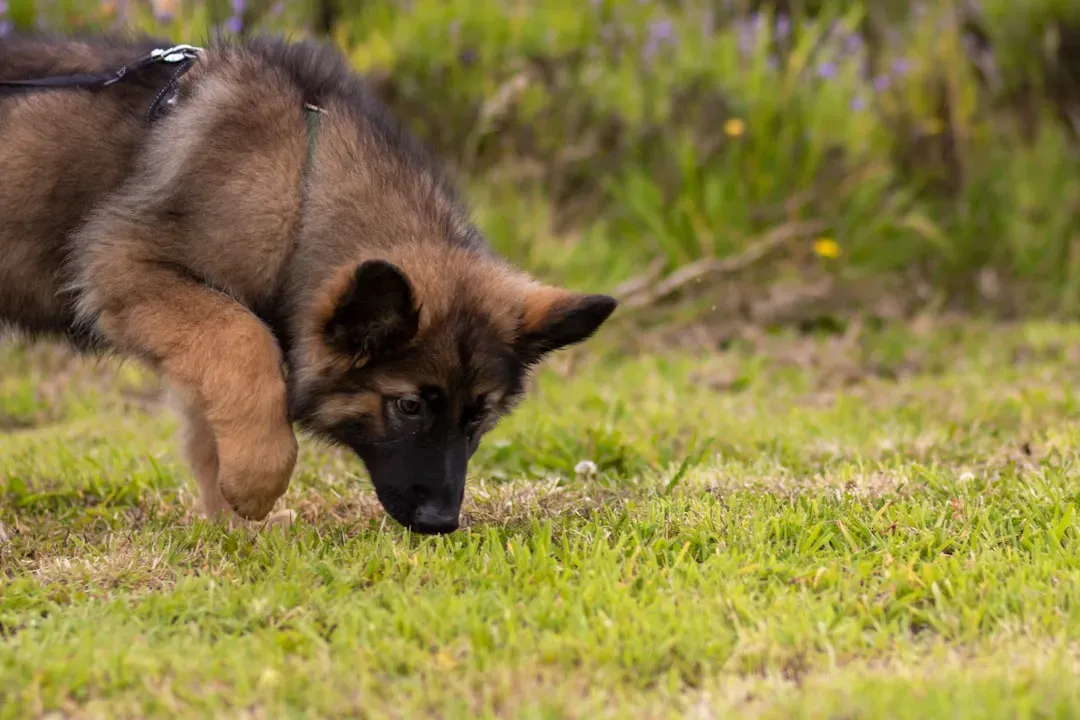
Most people understand that dogs have a powerful nose, but the extent of what that nose actually detects is genuinely astonishing. Dogs have an extraordinary sense of smell, capable of detecting chemical changes in your body such as shifts in hormones like cortisol, which is linked to stress – and this allows them to “smell” your emotions, even when you try to hide them.
Stress and fear trigger the release of adrenaline and cortisol, and dogs can detect the minute changes in body odor caused by these chemicals. This means that the internal storm you’re carefully concealing behind a neutral face is, biochemically speaking, completely visible to your dog.
Researchers made volunteers perform public speaking and math on the spot, then used sweat samples, glass jars, and food bowls to examine the emotional impact on dogs – and new research out of the United Kingdom found that the smell of human stress affects dogs’ emotions as well as their decisions, leading them to make more pessimistic choices. The anger you bury doesn’t disappear. It just changes the room’s chemistry in a way your dog reads immediately.
#2: Emotional Contagion Is Real – and Your Dog Catches What You’re Carrying

Studies show how behavioral and chemical cues from humans can affect dogs in ways that enable them to not only discriminate between their owners’ fear, excitement, or anger, but also to “catch” these feelings from their human companions. This phenomenon, known as emotional contagion, isn’t some vague intuition. It’s a measurable, physiological transfer of emotional state.
Dogs are known to mirror the emotions of their owners in what researchers call emotional contagion, meaning a dog may become anxious if its owner is stressed or excited if its owner is happy – a mirroring effect that reflects the deep social bond dogs have with humans and their desire to maintain harmony within their pack.
A study published in Frontiers in Psychology found that the extent to which emotional contagion occurs between humans and their canine companions increases along with the time spent sharing the same environment. The longer you’ve lived with your dog, the more finely tuned its emotional radar becomes to your specific signals.
#3: The Body Language You Don’t Notice – But Your Dog Does
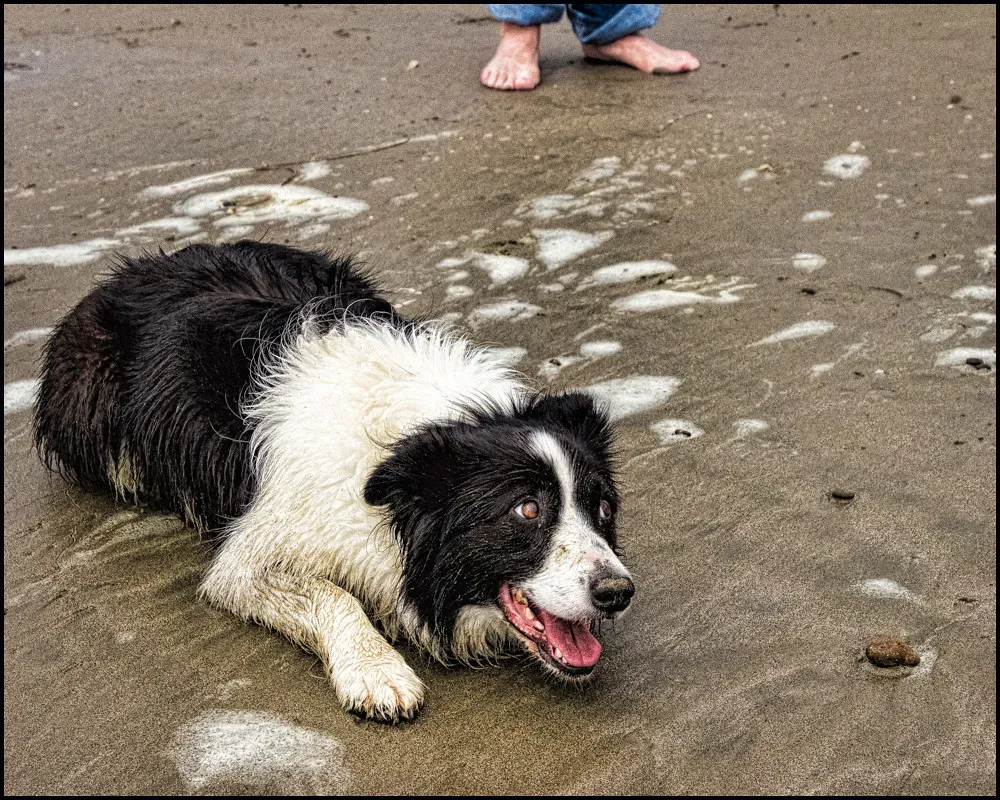
When someone suppresses rage, the body doesn’t fully cooperate with the act. Muscles tighten. Posture stiffens. Breath shortens. These are signals most people around us miss – but dogs are built to catch exactly this kind of nonverbal information. Dogs are masters of nonverbal communication, and in fact, they may rely on body language more than words.
Sadness, distress, anxiety, and anger are emotions that trigger physiological responses in us – changing our speech patterns, movements, posture, and smell – and since a dog’s senses are so heightened, they can detect these signals and understand what comes next. Even the most controlled human is inadvertently broadcasting a full emotional bulletin.
Dogs likely pick up on subtle changes such as differences in their owner’s body odor and behaviors such as pacing, nail biting, and irritability. The suppressed anger you believe you’ve hidden behind a calm tone and still hands is, to your dog, a vivid and unsettling performance.
#4: Cortisol Synchronization – When Your Stress Becomes Their Stress
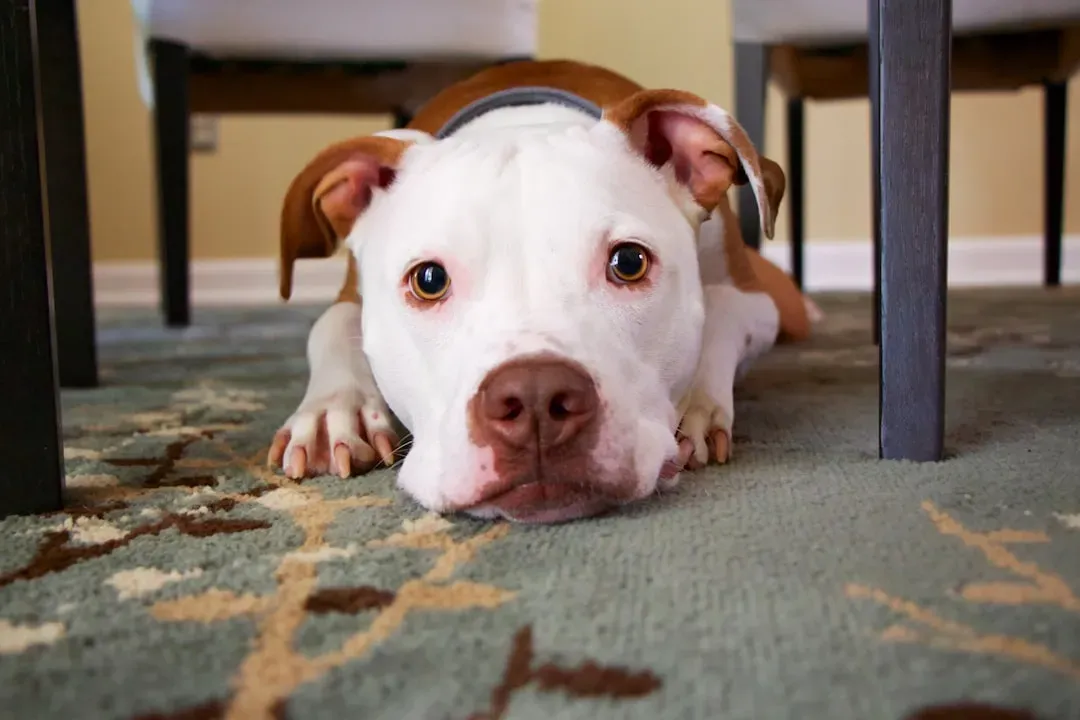
Here’s where it gets deeply interesting from a scientific standpoint. Researchers have now documented that stress isn’t just sensed by dogs – it’s biologically mirrored. A study followed dogs and their owners over the course of months to see how stress hormones in both animal and human changed over time, and the results suggest that dogs may be quite sensitive to human stress.
One of the most striking results was that owners with higher stress levels had dogs with higher stress levels in both winter and summer, with the authors suggesting this is a causal effect – that dogs are directly responding to their owners’ stress levels. This is not a symbolic connection. It shows up in measurable hormone levels.
Researchers from Sweden’s Linköping University found that dogs’ stress levels were greatly influenced by their owners and not the other way around, with their findings suggesting that “dogs, to a great extent, mirror the stress levels of their owners.” The direction of that influence matters. The relationship didn’t work in reverse – researchers found no evidence that anxious dogs created nervous owners.
#5: How a Stressed Owner Triggers Acting Out and Destructive Behavior

The emotional transfer from owner to dog doesn’t just create a mildly anxious pet. In some cases, it produces visible behavioral problems that look confusing or seemingly unprovoked. Dogs pick up on stress, anger, or hostility through body language, facial expressions, and the energy emitted by a person, and they might react by avoiding someone emitting bad vibes, acting out, or staying close to their owner for protection.
A human’s stress and anxiety are contagious to their dog, and dogs living with people who are chronically stressed are negatively affected in the long-term. That chewed-up furniture or sudden barking fit may not be misbehavior in the traditional sense. It may be your dog expressing a tension it absorbed from you and has nowhere else to put.
In a longitudinal study of search and rescue dogs deployed following the 9/11 terrorist attacks, researchers found that owners’ post-traumatic stress disorder and depression symptom scores one year after deployment predicted the development of behavioral problems such as attention-seeking, separation anxiety, and aggression in their dogs up to a year later. The timeline alone makes this remarkable – the emotional state of the owner echoed forward in the dog’s behavior months down the line.
#6: What You Can Actually Do – Practical Steps That Help Both of You

The important thing to understand is that this research is not an indictment. It doesn’t mean that struggling emotionally makes you a bad owner. Owners can be more mindful of their own emotional states and how these might influence their dogs’ behavior – for instance, an owner who is aware of their dog’s ability to sense stress or anxiety might take steps to provide comfort and reassurance to their pet during difficult times.
The focus should be on consistency, regulation, and shared calming activities – maintaining predictable routines, prioritizing walks and playtime, using calm departures and arrivals, creating quiet spaces where your dog can decompress, and practicing grounding exercises together. These aren’t just good habits for your dog. They’re regulation tools for you, too.
When their people project feelings of calm and confidence, dogs tend to view their surroundings as safe and secure. That’s the other side of this coin, and it’s worth holding onto. The same sensitivity that makes a dog vulnerable to your suppressed anger also makes it genuinely responsive to your efforts at calm. Before walks or stressful events, taking a moment to relax your breathing makes a real difference – your dog will sense that shift too.
Conclusion: The Dog in the Room Knows

There’s an old idea that animals are simple creatures, operating mostly on instinct with little awareness of the complex emotional theater happening around them. The research dismantles that idea thoroughly. Your dog is not a passive observer in your home. It’s an active participant in your emotional life – absorbing, mirroring, and ultimately reacting to the states you carry, including the ones you never put into words.
Suppressed rage is a particularly loaded emotional state. It has physical markers, chemical signatures, and postural tells that your dog registers with far more precision than you might expect. The acting out that follows isn’t defiance. It’s your dog struggling to process something it can feel but cannot understand – a storm it didn’t create but can’t escape.
Perhaps the most honest takeaway is this: your dog may be the most unfiltered mirror you have. Not to shame you into emotional perfection, but to remind you that what you carry in silence still has weight. Taking care of your inner world isn’t just good for you – it turns out, it’s one of the most direct acts of kindness you can show the animal sitting at your feet.