
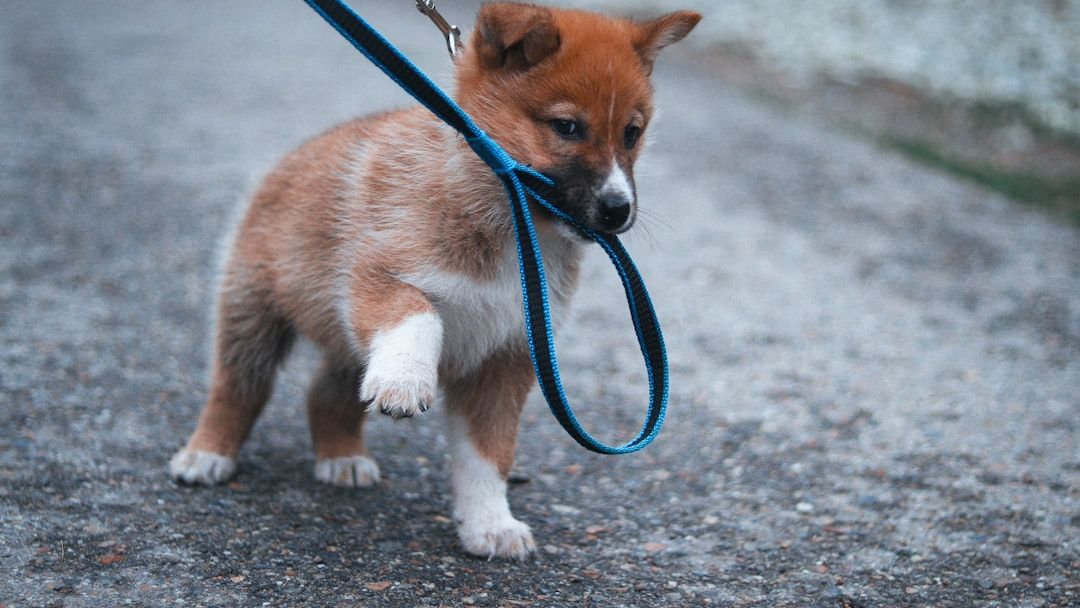
Dogs notice more than most people realize. They pick up on small shifts in your tone, your posture, and how you handle unexpected moments. Over time, many develop quiet habits that seem like ordinary behavior at first glance.
These patterns often serve as low key checks. A dog might be gauging whether you will step in when something feels off. The signs stay subtle, yet they reveal a lot about the trust building between you and your pet.
#1 The Sudden Freeze and Glance

Many dogs pause mid activity when they hear an unfamiliar sound. They hold still for a moment, then turn their head to watch your reaction. This quick check lets them see if you treat the noise as a real concern or something harmless.
Owners often miss the glance because it lasts only a second or two. Yet the dog uses that window to decide whether to relax or stay alert. The behavior repeats in different settings, from quiet evenings at home to walks in new neighborhoods.
#2 Offering a Toy During Tension
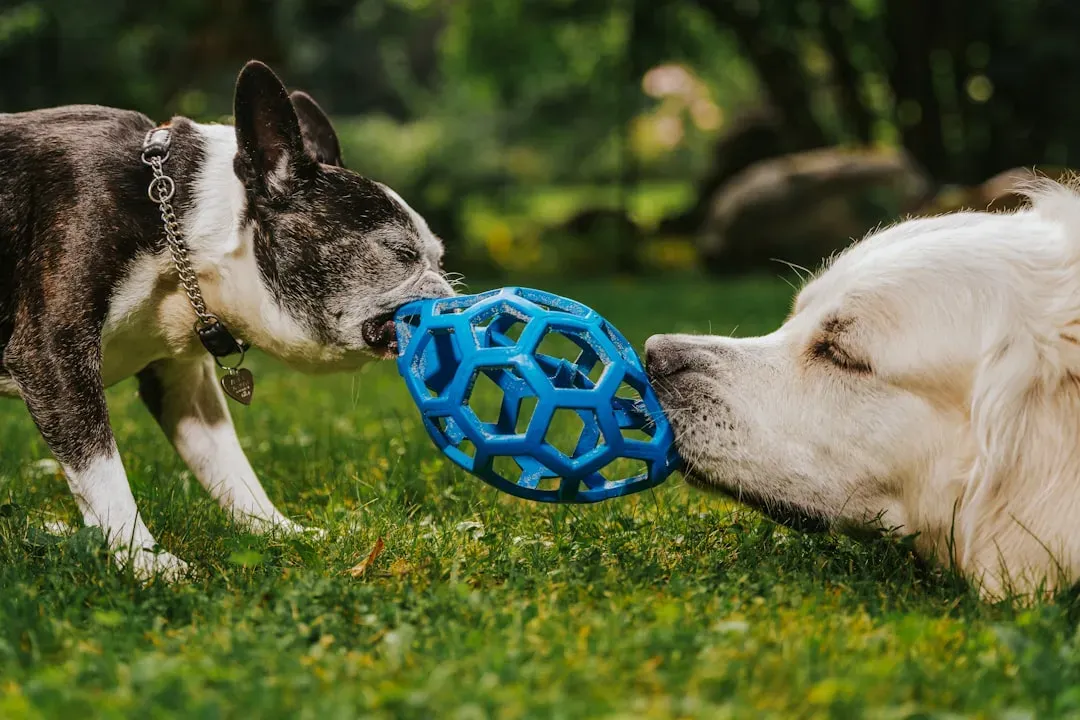
A dog may drop a favorite ball or chew toy at your feet right when voices rise or a stranger approaches. The gesture looks playful on the surface. In reality, it often serves as a way to pull your attention toward them while they monitor how you respond to the pressure.
The timing matters more than the toy itself. Dogs choose moments when the environment feels uncertain. They then observe whether you stay calm and protective or become distracted and distant.
#3 The Boundary Push During Walks
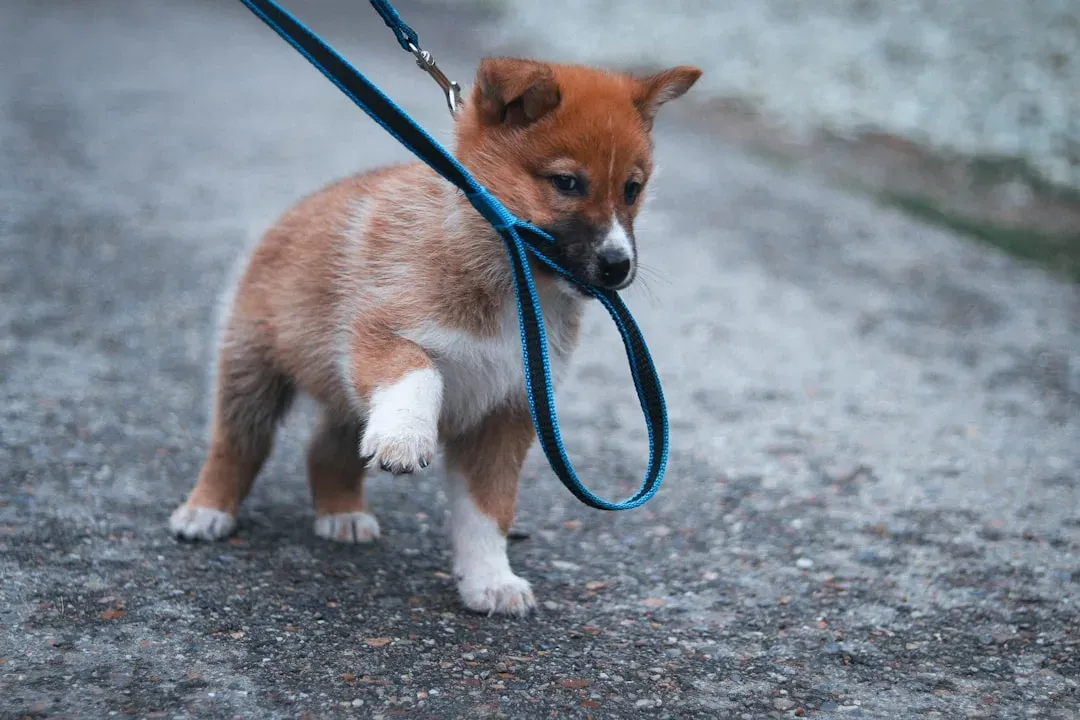
Some dogs test limits by edging closer to traffic, other animals, or loud areas while on leash. They move slowly enough for you to notice and correct. The pause afterward shows they want to see how firmly you guide them away from potential trouble.
This habit appears more often with dogs that have experienced past scares. They learn to rely on your consistent steering. Over repeated walks, the pattern reveals how much they count on you to keep them safe.
#4 Barking Then Immediate Eye Contact
A short bark at the door or window sometimes ends with the dog looking straight back at you. The bark draws attention, yet the follow up stare checks your next move. Dogs use this sequence to measure whether you will investigate or dismiss the alert.
The behavior stays brief and repeats only when the trigger feels new. Owners who respond with calm investigation tend to see the pattern fade. Those who ignore it may notice the dog growing more insistent over time.
#5 Seeking Shelter Behind Your Legs
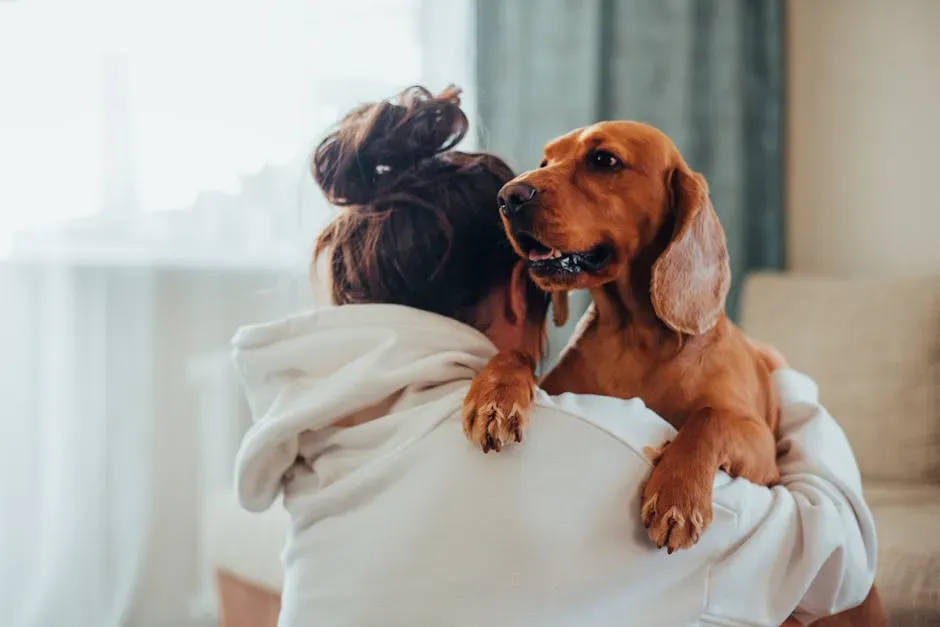
When a dog tucks behind your legs during a vet visit or meeting new people, the move goes beyond simple shyness. It places you between them and the unknown. The choice shows they expect you to handle whatever comes next.
This positioning happens most often in controlled settings rather than full panic. Dogs learn which situations trigger the need for backup. They then rely on your steady presence to feel secure.
#6 The Gentle Nudge Toward Unknown Objects
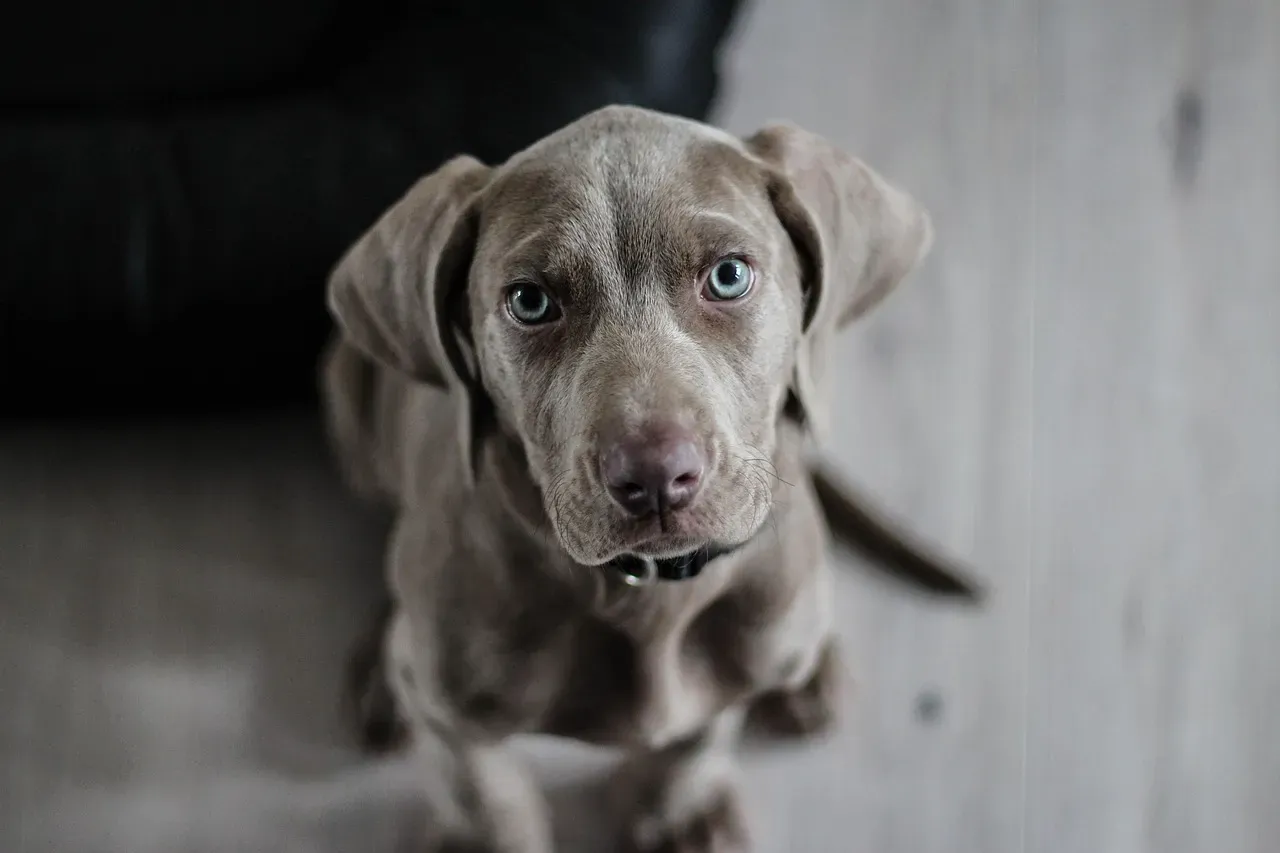
Dogs sometimes nose an unfamiliar item on the floor or outside, then glance at you before touching it again. The nudge invites your involvement without making a big scene. It lets them watch whether you inspect the object or leave it alone.
The action stays low energy and easy to overlook during daily routines. Yet it repeats in places where new smells or items appear regularly. Consistent responses from you help the dog decide how much caution to keep.
#7 Following You Into New Spaces
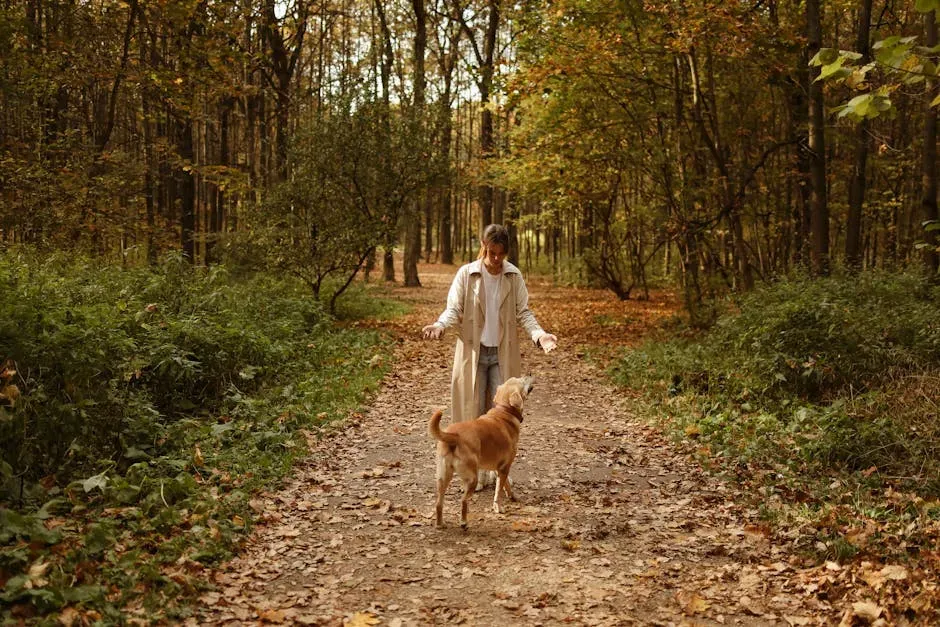
Many dogs trail closely when you enter a room they have not explored much. They stay just behind your shoulder rather than leading. This positioning lets them observe your comfort level before they commit to the space themselves.
The habit shows up during travel, home renovations, or visits to friends. Dogs track your body language for signs of ease or hesitation. Your calm movement through the area gives them permission to relax as well.
#8 The Quiet Return After a Startle
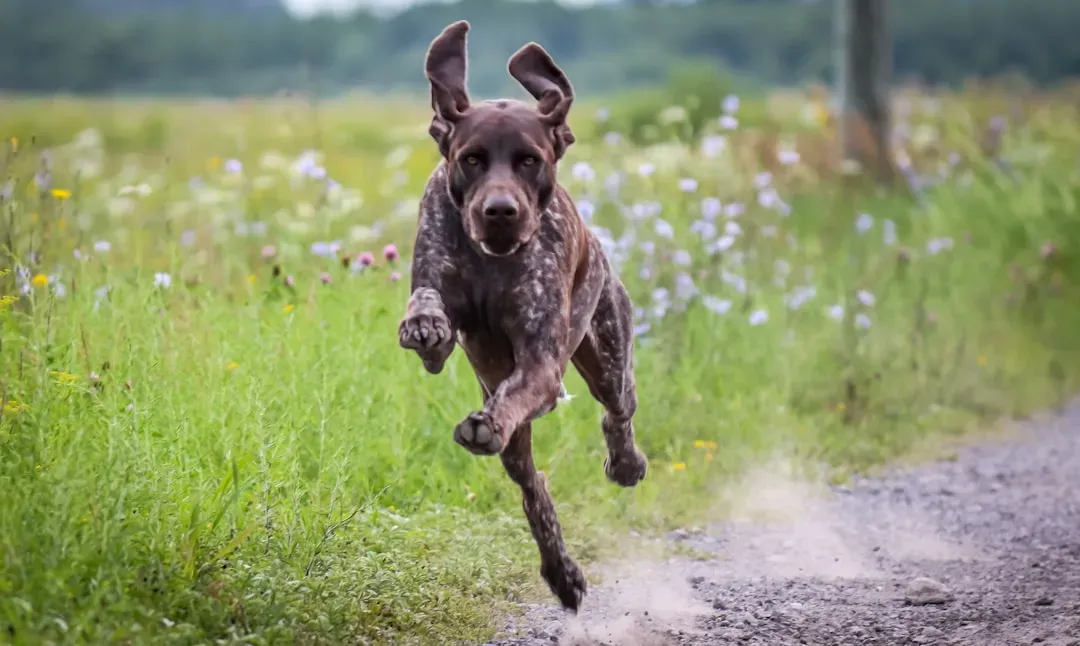
After a loud noise or sudden movement, some dogs leave the room briefly then come back to check on you. The return serves as a quiet poll of your state. They look for steady breathing, relaxed posture, or continued normal activity.
This cycle can happen several times in one evening if the environment stays unsettled. Dogs use the pattern to confirm you remain a reliable source of safety. Over months, the frequency drops when they feel consistently protected.
These small tests add up to a larger picture of how dogs build security with their people. Paying attention to them helps strengthen that bond without any extra training tools. In the end, the real protection comes from steady, everyday responses rather than dramatic moments.


