
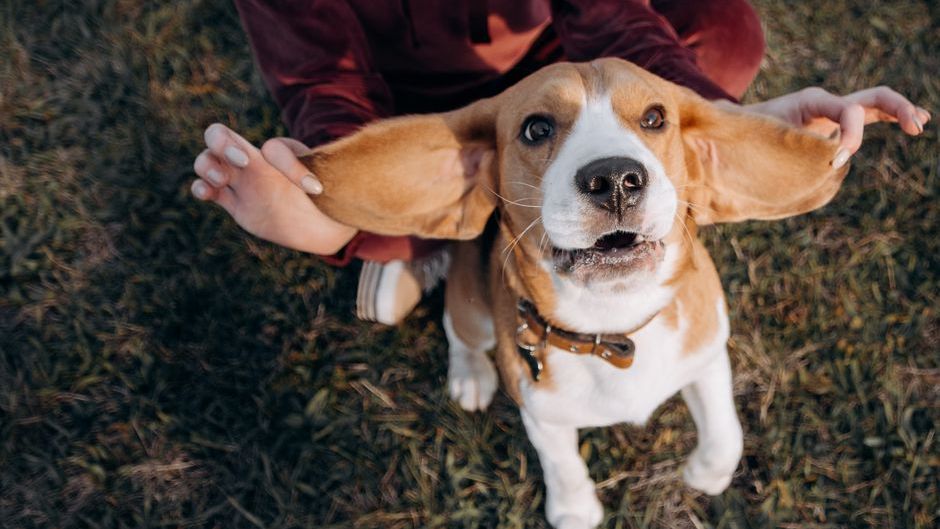
Their Sense of Smell Operates on Another Level
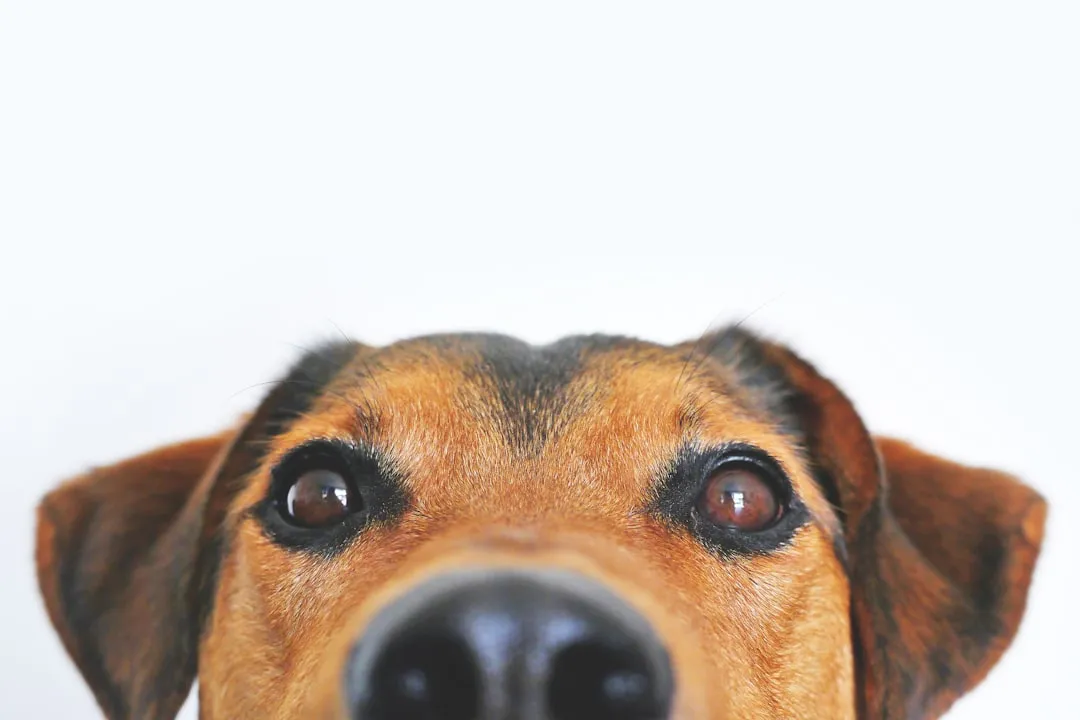
A dog nose holds somewhere between 125 million and 300 million scent receptors. That dwarfs the roughly six million found in a human nose. The difference lets dogs pick up traces of scent that linger long after the source has moved on.
They also possess a second scent organ called the vomeronasal organ. It helps them read chemical signals like pheromones that carry social information. This combination turns every walk into a detailed news feed about who passed by and what they left behind.
Each Dog Nose Carries a One of a Kind Print
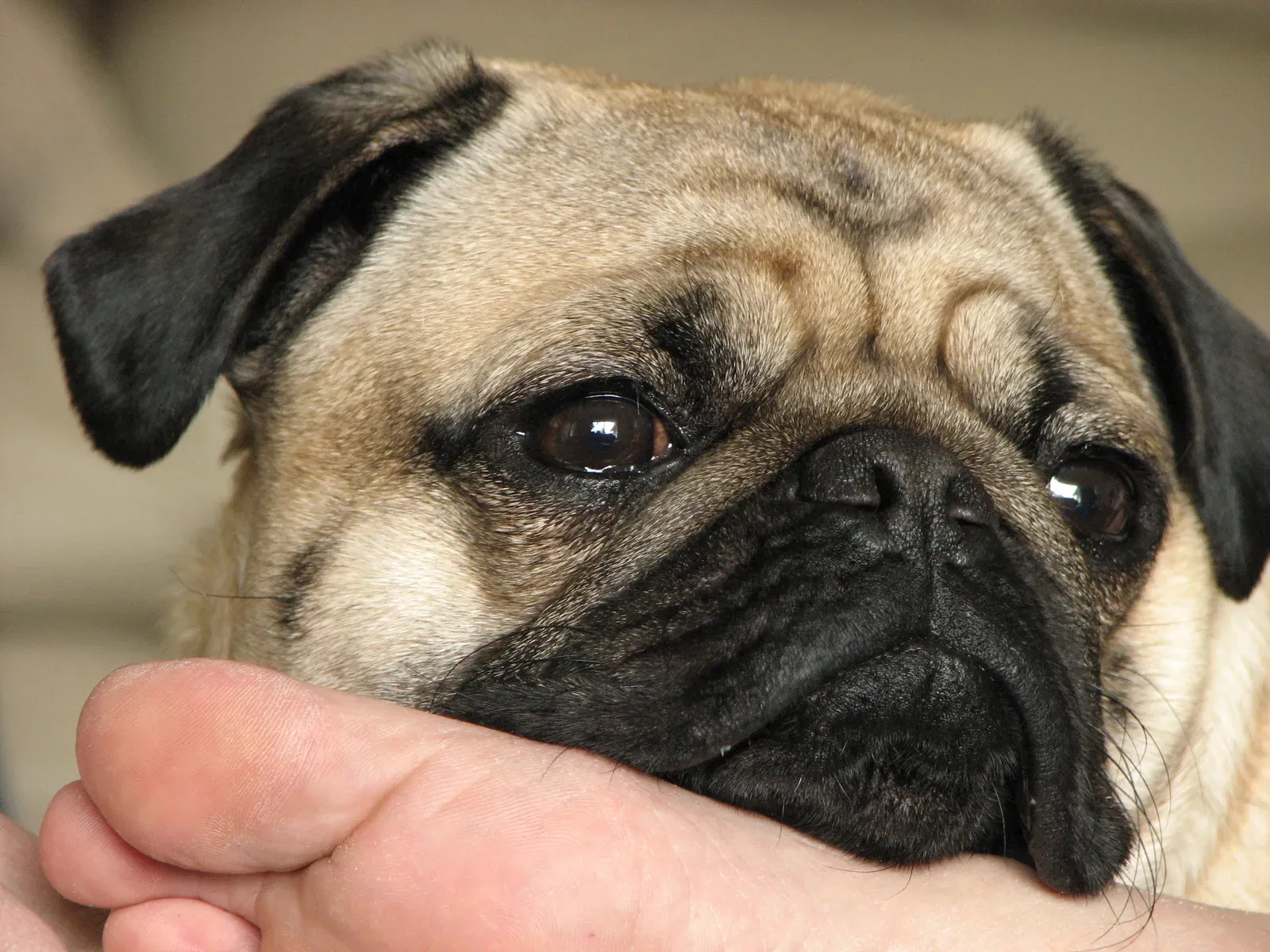
The ridges and creases on a dog nose form a pattern as individual as a human fingerprint. Trainers and shelters sometimes use these prints for identification when tags go missing. The uniqueness comes from the way the skin develops during growth.
Because the pattern stays consistent throughout life, it offers a reliable way to tell one dog from another even when visual markings look similar. Owners rarely think about it until they see how precisely their pet follows a familiar scent trail.
Hearing Reaches Frequencies We Cannot Detect

Dogs pick up sounds as high as 45,000 to 65,000 hertz. Human ears top out around 20,000 hertz. That extra range lets them notice the high pitched whine of small rodents or the distant buzz of electronics.
Their ear muscles also allow quick directional adjustments. Eighteen separate muscles can swivel and tilt each ear independently. This setup helps them locate the exact source of a sound without turning their whole head.
Sounds Travel Farther for Canine Ears
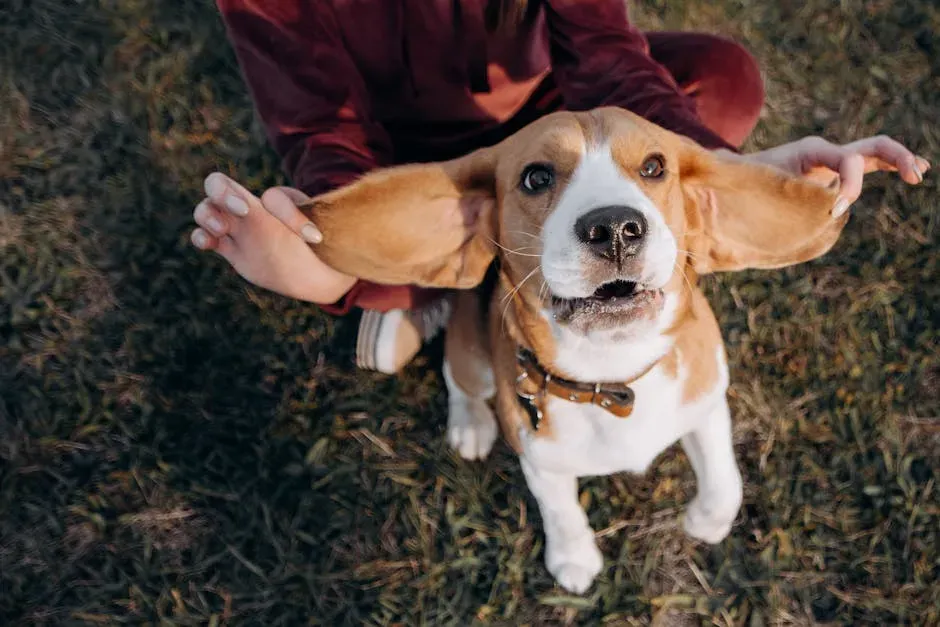
A dog can hear noises roughly four times farther away than a person can. The design of the outer ear funnels sound waves more efficiently. That advantage proves useful during tracking work or when a family member returns home from blocks away.
They can also filter out background noise more selectively at times. This skill lets them focus on a single voice or footstep amid household activity. The result is a sharper awareness of subtle changes in their environment.
Night Vision Gives Them an Edge After Dark

A reflective layer called the tapetum lucidum sits behind the retina. It bounces light back through the eye for a second chance at detection. The feature helps dogs see clearly when light levels drop.
They also have more rod cells than humans. These cells excel at picking up movement in low light. Together the adaptations turn twilight into workable conditions rather than complete darkness.
A Wider Field of View Changes What They Notice

Many dogs enjoy a field of vision that stretches close to 270 degrees. Human vision sits nearer 180 degrees. The broader sweep comes from eye placement farther toward the sides of the head.
Depth perception suffers a bit in exchange. Dogs rely more on motion cues than on fine detail at close range. The trade off suits a hunter that once needed to spot prey across open ground.
Color Vision Stays Limited Yet Functional

Dogs see the world mainly in shades of blue and yellow. Red and green tones blend into grayish hues. The reduced palette still supports everyday tasks like spotting a favorite toy against grass.
They compensate with stronger contrast sensitivity. Edges and movement stand out more sharply than they do for us. This emphasis on shape and motion keeps their visual world practical rather than dull.
Taste Buds Take a Back Seat to Smell
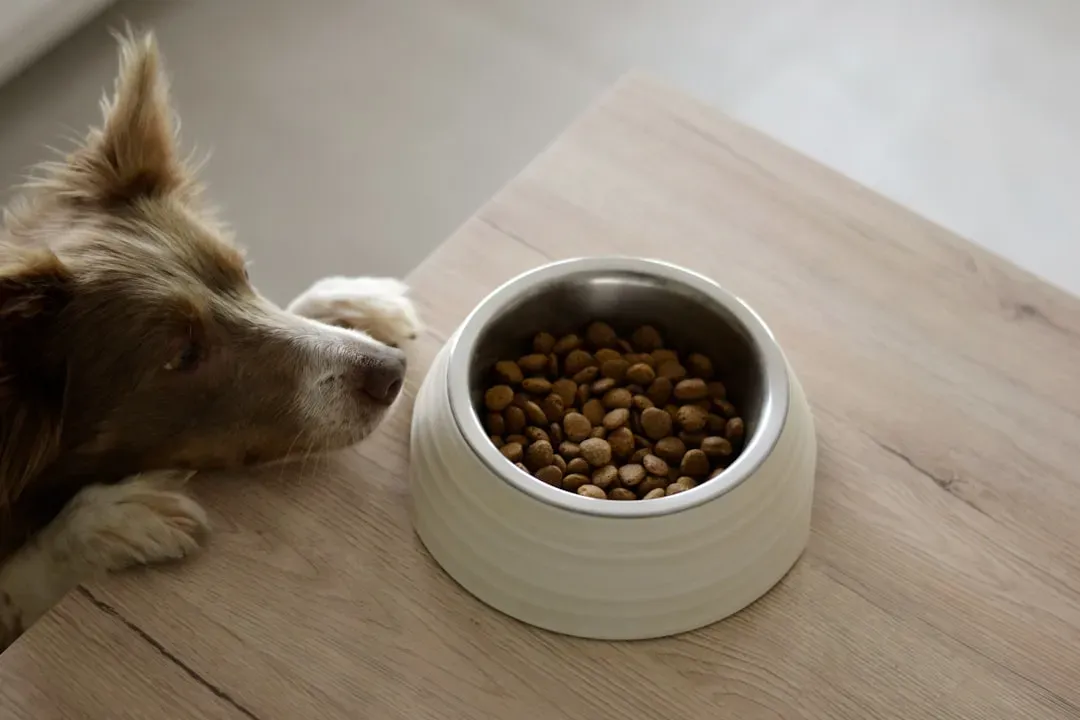
A typical dog has around 1,700 taste buds. Humans average closer to 9,000. The smaller number means flavor plays a smaller role in food choices.
Smell drives most eating decisions instead. A dog will often reject something that smells off even if the taste would be acceptable. The hierarchy explains why texture and aroma matter more than subtle seasoning.
Whiskers Add a Sensitive Layer of Touch

Long whiskers above the eyes, on the muzzle, and under the jaw act like delicate sensors. They detect changes in air flow before the face makes contact. This early warning helps dogs move through tight spaces without bumping into obstacles.
The whiskers also respond to light touch. Many dogs show clear preferences about where they like or dislike being petted. The sensitivity turns touch into another precise channel for gathering information.
Combined Senses Reveal Hidden Details About Us
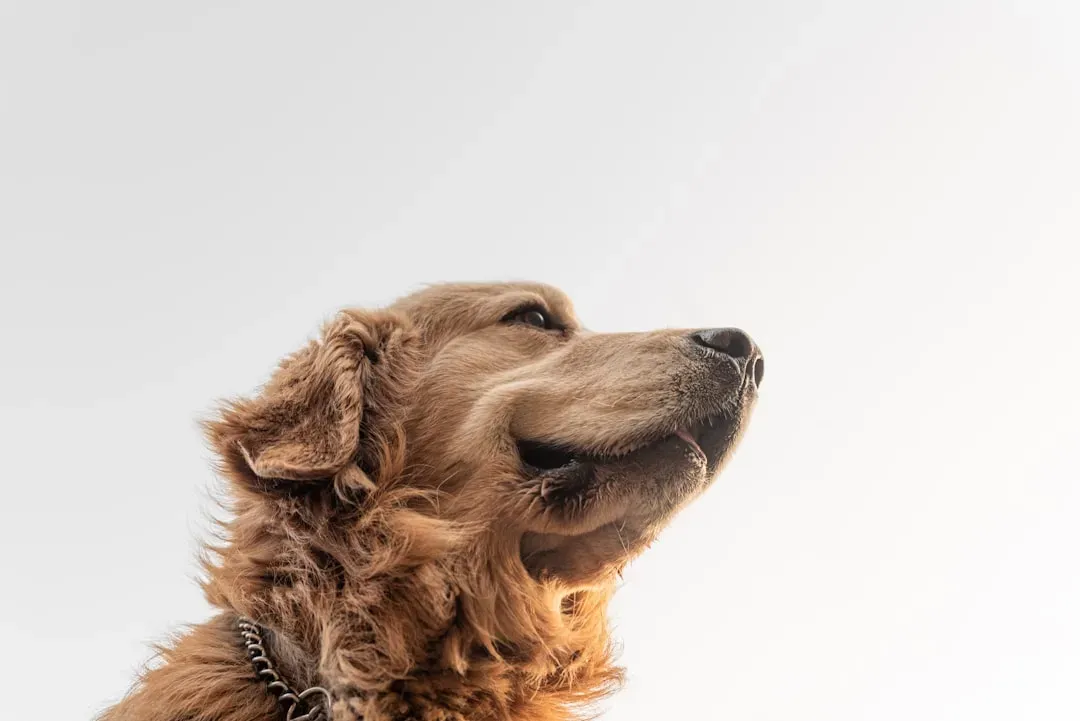
Dogs notice small shifts in our scent that signal stress or illness. They also read subtle changes in posture and breathing. The combination lets them respond to our moods before we say a word.
Some dogs even alert to oncoming seizures or drops in blood sugar. Their sensory toolkit turns ordinary companionship into a form of quiet monitoring. The connection feels deeper once you realize how much they perceive without effort.
Dogs experience a richer sensory landscape than most of us stop to consider. Paying attention to those differences can make daily interactions more thoughtful and rewarding for both sides.


