
Dogs Remember Every Time You’ve Cried – Psychology Reveals What They Actually Do With That Memory

The Way Dogs Form Lasting Associations

Dogs rely heavily on associative memory rather than the kind of detailed recall humans use. A particular sound like sobbing or the sight of tears becomes linked in their minds with previous outcomes, such as receiving affection or attention when they approached. Over repeated instances, this connection strengthens without any need for conscious reflection on their part.
These links form through everyday routines in the home. When comfort follows a cry one day, the dog learns to expect a similar payoff the next time the same cues appear. The process stays practical and tied to immediate rewards instead of abstract understanding.
Behavioral Responses Backed by Observation

Multiple studies have documented how dogs approach people who appear distressed. They often move toward the individual faster when crying occurs compared with neutral sounds like humming. The approach tends to involve submissive postures, such as lowered heads or slow movements, which align with efforts to ease tension.
Physical contact follows in many cases, including nuzzling or licking directed at the person. These actions occur whether the distressed individual is the owner or a stranger, suggesting the response draws from broad patterns rather than one specific relationship alone. Heart rate measurements in some tests also show shifts that indicate the dog experiences a form of shared arousal.
Emotional Contagion as a Driving Force
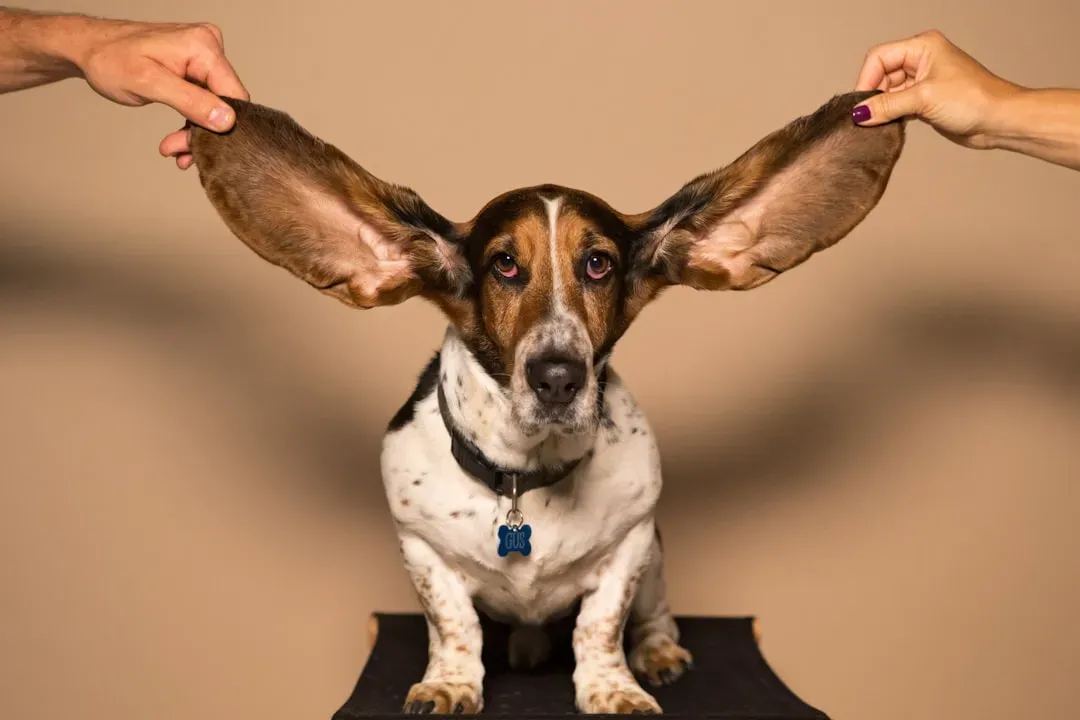
Dogs can catch a version of the mood around them through basic emotional contagion. Hearing or seeing distress triggers a parallel state in the animal, prompting them to seek proximity as a way to regulate their own feelings. This mechanism operates below the level of deliberate empathy yet produces similar outward results.
The effect shows up clearly when cortisol levels rise after exposure to crying sounds. Dogs then direct more attention toward the source of the sound, combining alertness with calming gestures. Such patterns repeat across different households and testing setups, pointing to a consistent underlying process.
Memory at Work in Real Time Comfort

Each new instance of crying activates the stored associations from earlier episodes. The dog does not replay a mental video of past events but instead retrieves the learned action that previously brought resolution or reward. This quick retrieval explains why the response often feels immediate and tailored.
Over months or years together, these accumulated experiences create a reliable pattern. A dog that has comforted during several crying sessions will default to the same sequence when fresh tears appear. The memory serves a functional purpose, guiding behavior without requiring complex cognition.
Strengthening the Connection Over Time
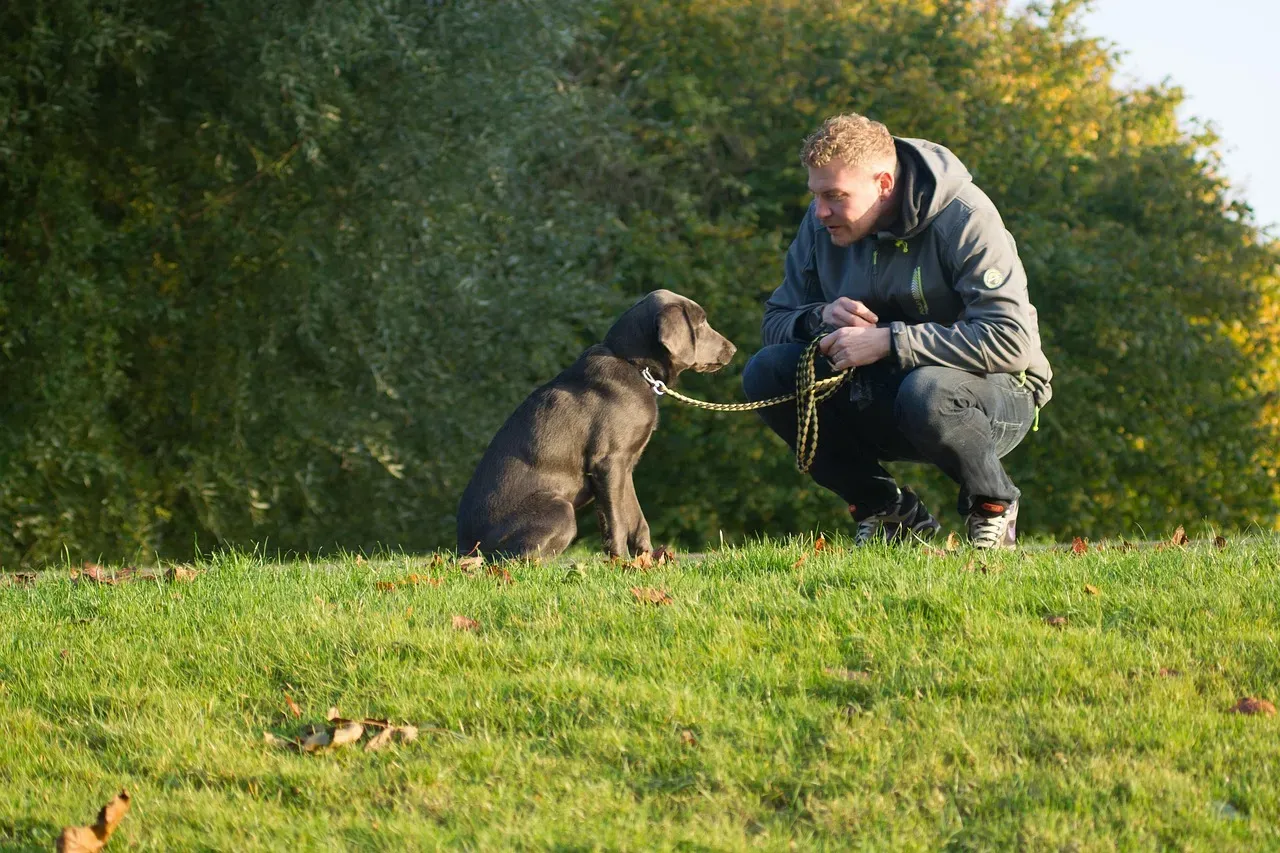
These repeated interactions build trust and attunement between dog and person. The animal learns that its presence matters during vulnerable moments, which in turn reinforces the bond from the human side as well. Owners often report feeling understood, even if the dog operates on simpler associative principles.
Consistency matters here. Regular positive outcomes from approaching distress keep the association alive and effective. In this way, the memory of past cries becomes a quiet foundation for ongoing companionship rather than a dramatic revelation.
The evidence shows dogs do not hold photographic recollections of every tear, yet their learned responses turn those moments into reliable sources of support. In the end, what matters most is the steady presence they offer, shaped by experience and delivered without fanfare.