
Plenty of owners head out with their dogs on warm afternoons without a second thought, yet the line between comfortable and dangerous can shift quickly depending on the conditions. What feels mild to a person often hits a dog much harder, and the consequences show up faster than many expect.
Breed and Individual Factors Play a Big Role
Dogs do not all handle heat the same way. Short nosed breeds such as bulldogs and pugs struggle more because they cannot pant efficiently, while thick coated or overweight dogs retain heat longer than leaner ones. Puppies and seniors also tire faster in rising temperatures, and any dog with heart or respiratory issues faces added strain.
Humidity compounds the problem by slowing evaporation from panting, the main way dogs cool themselves. A temperature that seems manageable on a dry day can become risky once moisture in the air climbs. Owners who know their dog’s specific limits tend to adjust walks sooner rather than later.
Testing Surfaces for Hidden Heat
Pavement and asphalt absorb sunlight and can reach temperatures far above the air reading. The simple back of the hand test remains one of the most reliable checks. Place your hand on the surface for five to seven seconds. If it feels too hot to hold, the ground will burn paw pads.
Even concrete that looks safe can cause damage after prolonged contact. Dark surfaces heat up quickest, and the risk rises sharply once air temperatures move past the low eighties. Many vets recommend grass or shaded paths whenever possible to avoid direct contact with hot materials.
Common Indicators That Your Dog Needs a Break
Heavy panting that does not ease after a short rest signals the body is working overtime to cool down. Excessive drooling, slowing down suddenly, or seeking shade are other early clues that the dog is overheating. Some dogs will lift their paws repeatedly or refuse to continue walking.
More serious signs include vomiting, weakness, or bright red gums. At that point immediate shade, water, and a call to the vet become essential. Catching the first changes prevents most problems from escalating.
Choosing the Right Time of Day
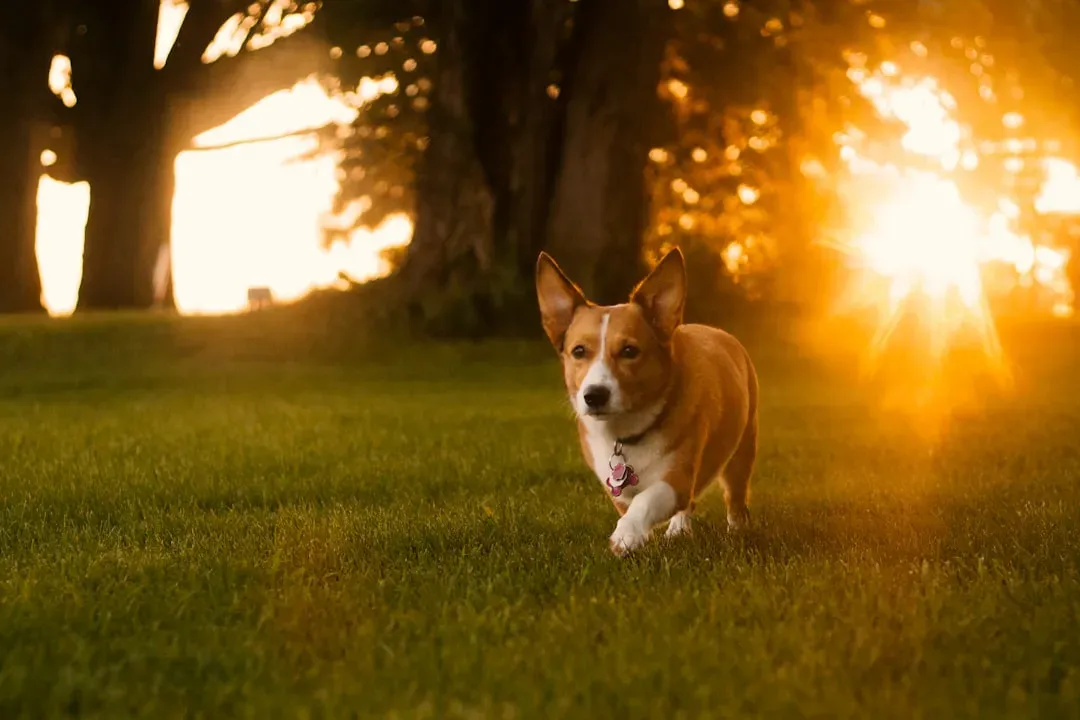
Early morning and late evening offer the coolest windows for outdoor activity. Midday sun pushes both air and ground temperatures to their peak, so shorter potty breaks replace longer walks during those hours. Checking a local forecast that includes the heat index gives a clearer picture than temperature alone.
Even on days that start cool, rapid warming can occur by late morning. Planning routes that stay in shade or near water sources adds another layer of protection. Many owners find that splitting exercise into two brief outings works better than one extended session.
Creative Ways to Keep Your Pup Active Indoors or in Shade
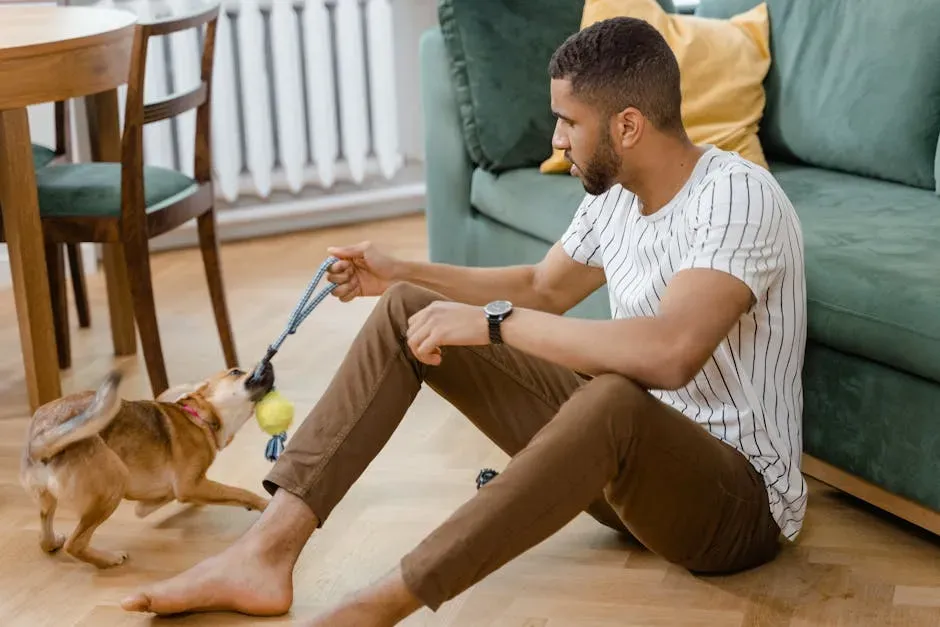
Indoor games such as tug of war or treat puzzles provide mental stimulation without raising body temperature. Training sessions that focus on new commands or tricks keep a dog engaged while staying in air conditioned comfort. Frozen treats made from dog safe ingredients offer both enrichment and cooling.
Shaded backyard play with sprinklers or kiddie pools works well when the air feels borderline. Portable fans or cooling mats designed for pets can extend comfortable time outside. The goal remains the same: give the dog movement and interaction without pushing physical limits.
Ultimately the safest choice is often the one that feels overly cautious at the moment. Dogs rely on their owners to read the environment and act before trouble starts, and that quiet judgment protects far more than any single rule.


