
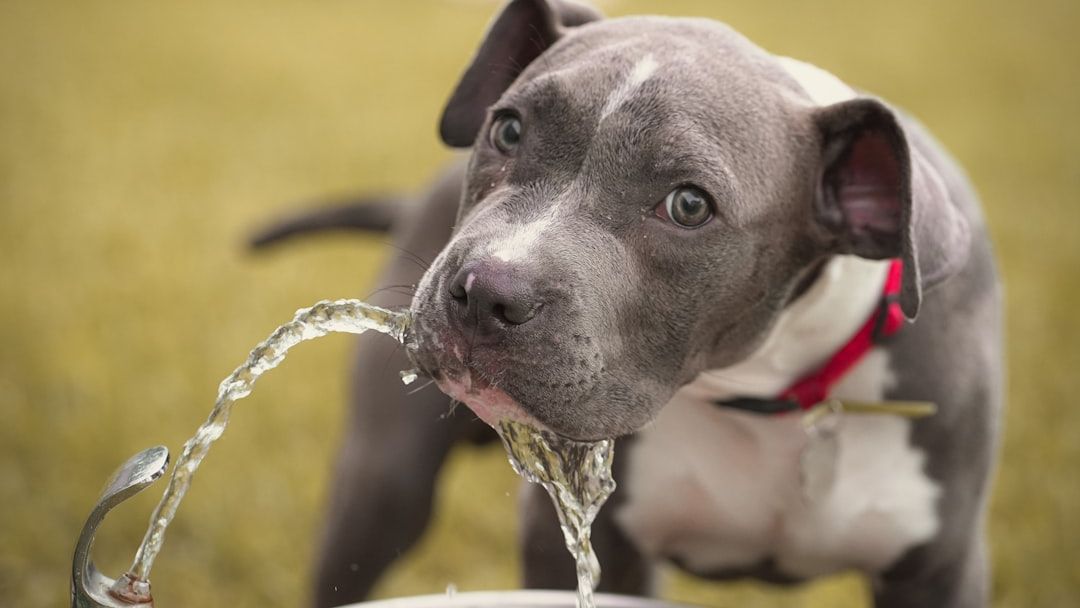
Heatstroke Risks Climb Fast in Warm Weather
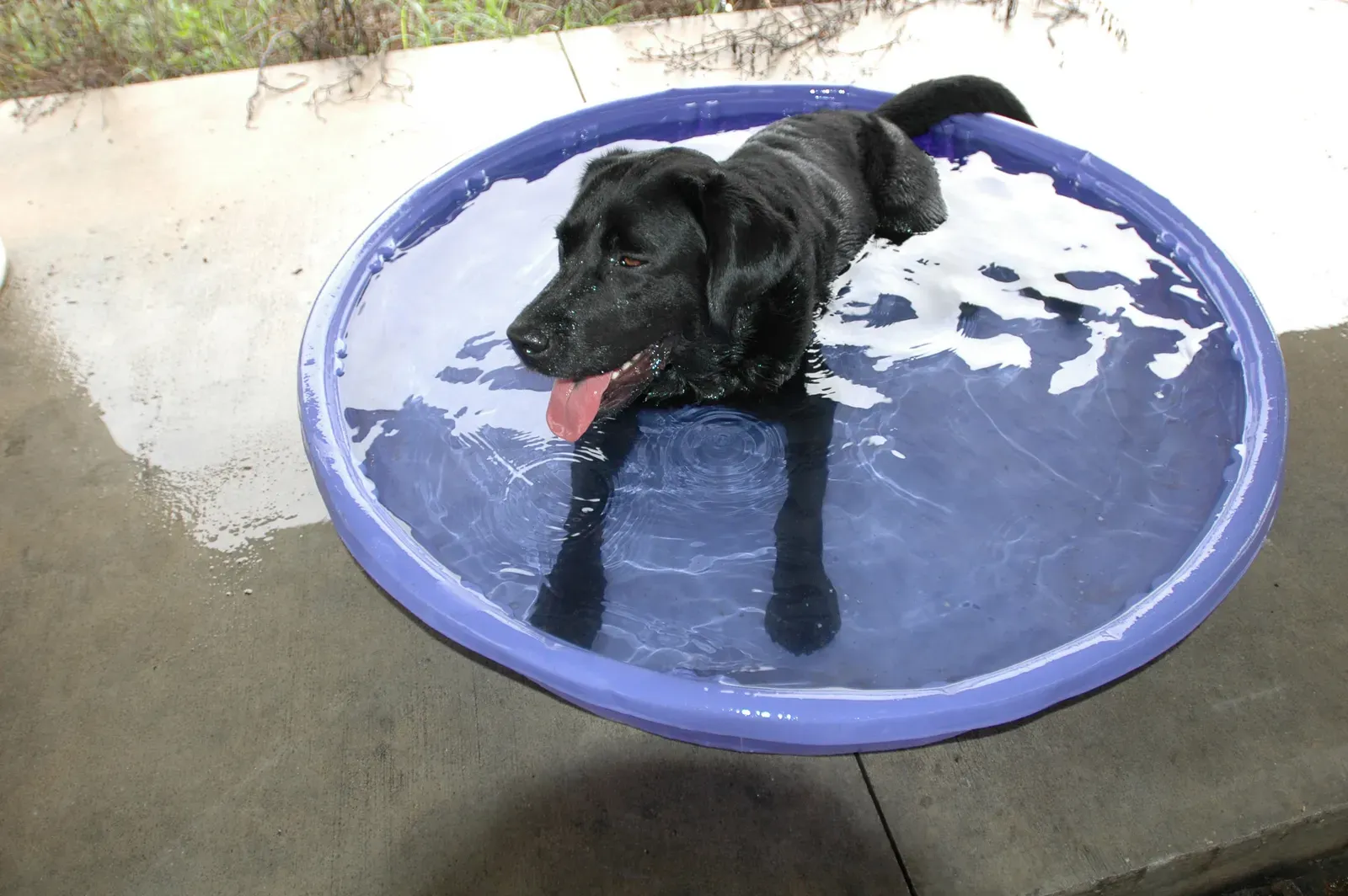
Pets feel heat more intensely than people realize because they cannot sweat the way humans do. Dogs pant to cool down while cats seek shade, yet both can overheat quickly during midday walks or in parked cars. Even short periods of direct sun push body temperatures into dangerous territory before symptoms become obvious.
Prevention starts with timing activities for early morning or evening hours when pavement stays cooler. Provide constant access to fresh water and shaded rest spots during any outdoor time. Watch for heavy panting, lethargy, or red gums as early signals and move the pet to a cool area right away if those appear.
Parasites Multiply Quickly During Peak Season
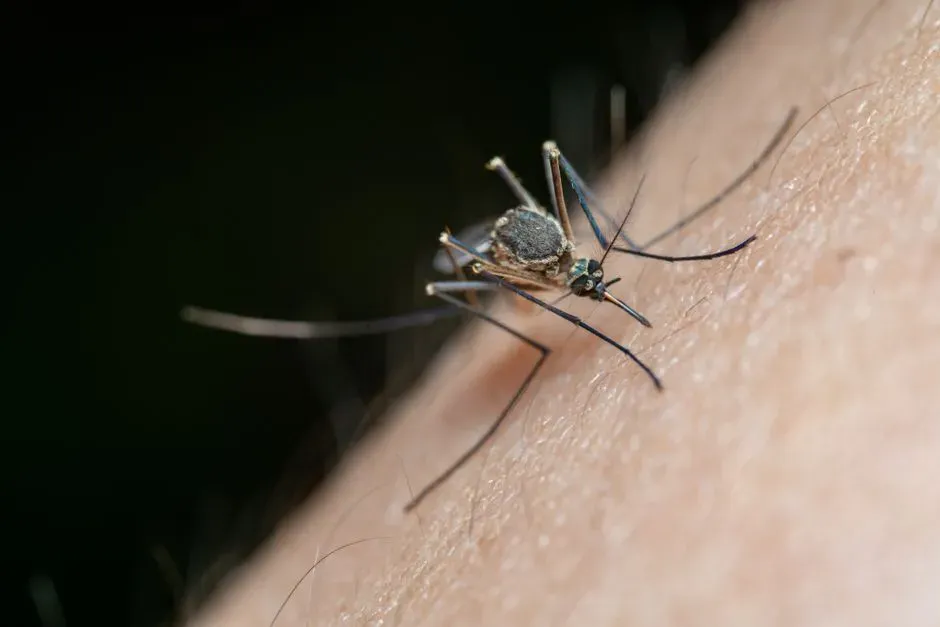
Fleas, ticks, and mosquitoes thrive in summer humidity and turn routine yard time into exposure opportunities. Heartworm transmission rises with mosquito activity while ticks carry additional diseases that affect both pets and households. Many owners assume indoor pets stay safe, yet those animals still encounter carriers through open windows or brief outdoor moments.
Year round preventives remain the most reliable defense and should continue through the warmer months without gaps. Regular checks after time outside catch ticks before they attach fully. Keeping yards trimmed and treating common resting spots reduces the overall parasite load in the environment.
Dehydration Sneaks Up on Active Animals
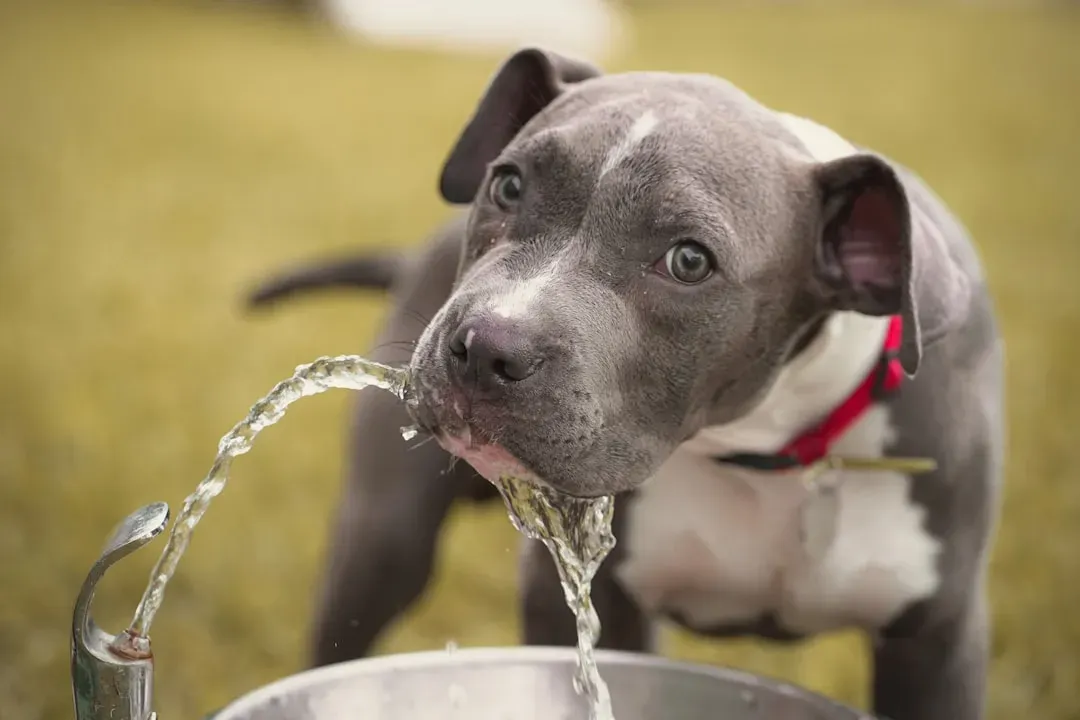
Extra play and higher temperatures increase fluid loss even when pets seem energetic at first. Cats in particular drink less when stressed by heat while dogs may gulp water too fast after exercise and still fall short. Travel or boarding situations add another layer because familiar water sources disappear.
Offering multiple water stations around the house and yard encourages steady sipping throughout the day. Portable bowls or fountains make hydration easier during outings or car rides. Monitoring litter box output or urine color gives a quick check on whether intake matches needs.
Skin and Allergy Flare Ups Become More Common

Pollen, grass, and insect bites trigger itching and hot spots that worsen with moisture from swimming or rain. Pets with existing sensitivities often show red paws, excessive licking, or ear infections that owners mistake for minor irritations. The combination of heat and allergens keeps skin barriers stressed longer than in cooler months.
Frequent brushing removes pollen and loose fur while gentle wipes after outdoor time cut down on residue. Omega fatty acid supplements support skin health from within when added consistently. Veterinary guidance helps identify triggers early so targeted relief prevents secondary infections from developing.
Outdoor Toxins and Hazards Increase Exposure
Many summer plants, fertilizers, and pool chemicals pose risks when curious pets investigate new scents or spills. Antifreeze alternatives and certain mulch types contain ingredients that cause rapid illness if ingested even in small amounts. Open garages or decks during gatherings create additional opportunities for accidental contact.
Storing chemicals in secure cabinets and choosing pet safe alternatives for lawn care limits the chance of problems. Supervising exploration in unfamiliar areas and knowing the location of the nearest emergency clinic provides peace of mind. Quick action with any suspected ingestion makes a measurable difference in outcomes.
Summer pet care ultimately comes down to steady habits rather than dramatic interventions. Owners who build simple routines around water, shade, and prevention see fewer surprises and more relaxed time with their animals. The season rewards those who treat small adjustments as part of normal life instead of last minute fixes.


