
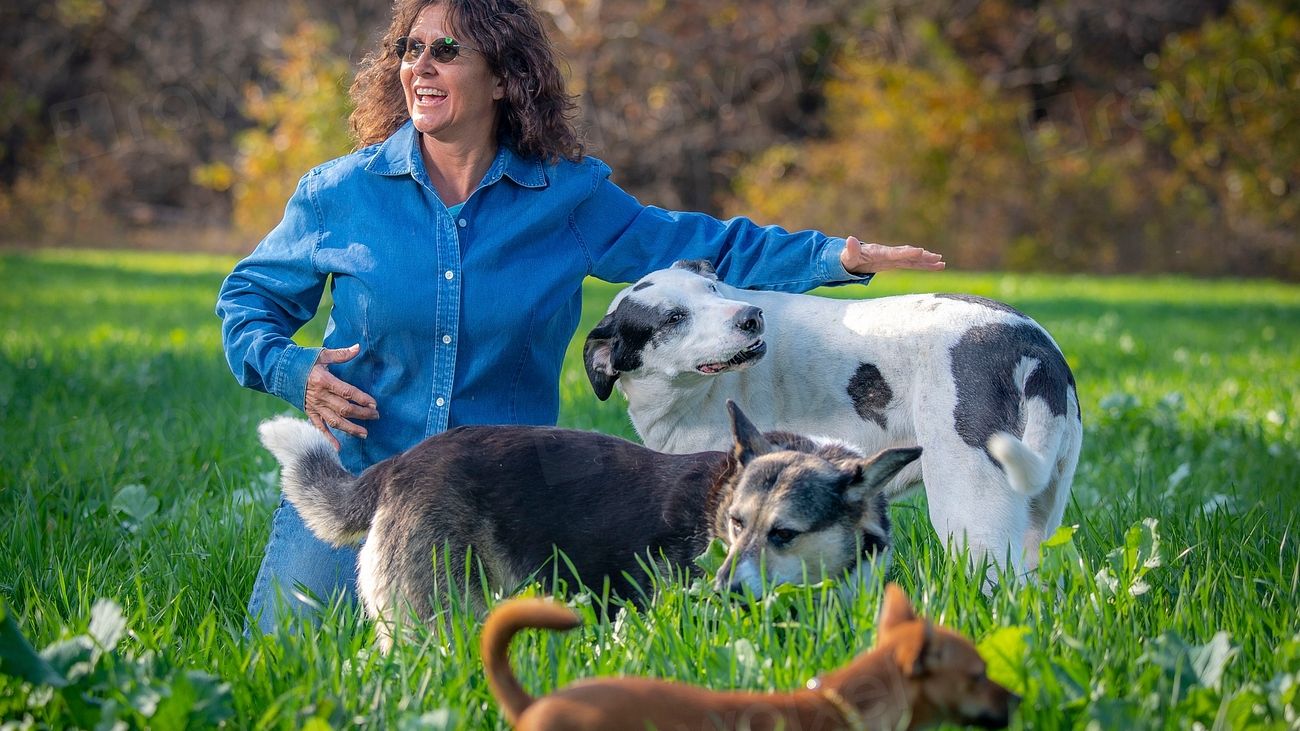
Oxytocin Levels Rise During Interactions
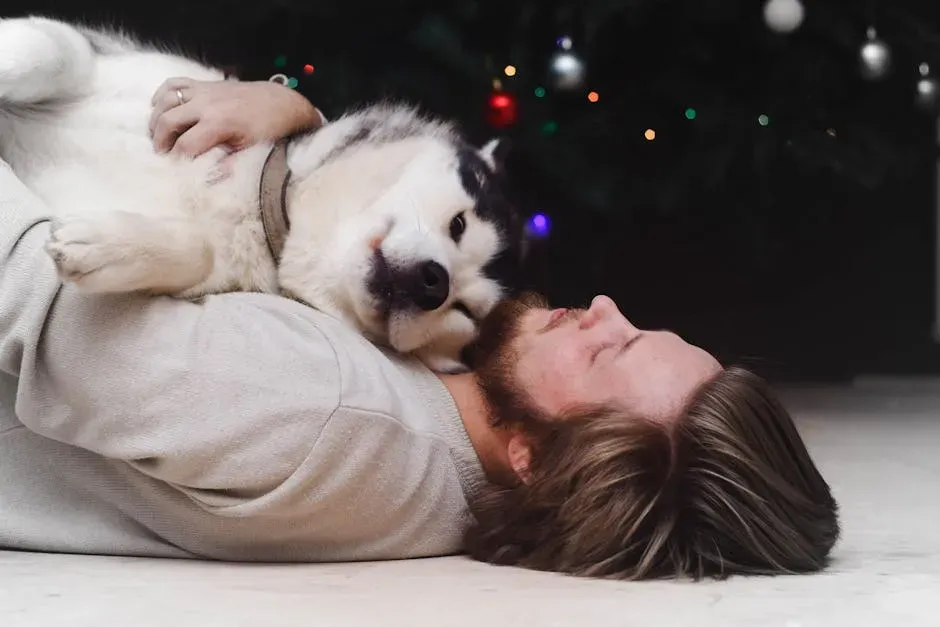
Petting or simply gazing at a familiar dog triggers a measurable increase in oxytocin, the hormone tied to bonding and trust. This response shows up in both the owner and the dog, creating a mutual loop that strengthens over repeated encounters. Studies tracking hormone levels before and after short sessions document clear spikes within minutes.
The effect feels calming because oxytocin dampens activity in stress-related pathways. Owners often report a quicker return to baseline after a busy day once the dog is nearby. Over months and years the pattern repeats enough to support steadier emotional regulation.
Cortisol Production Drops
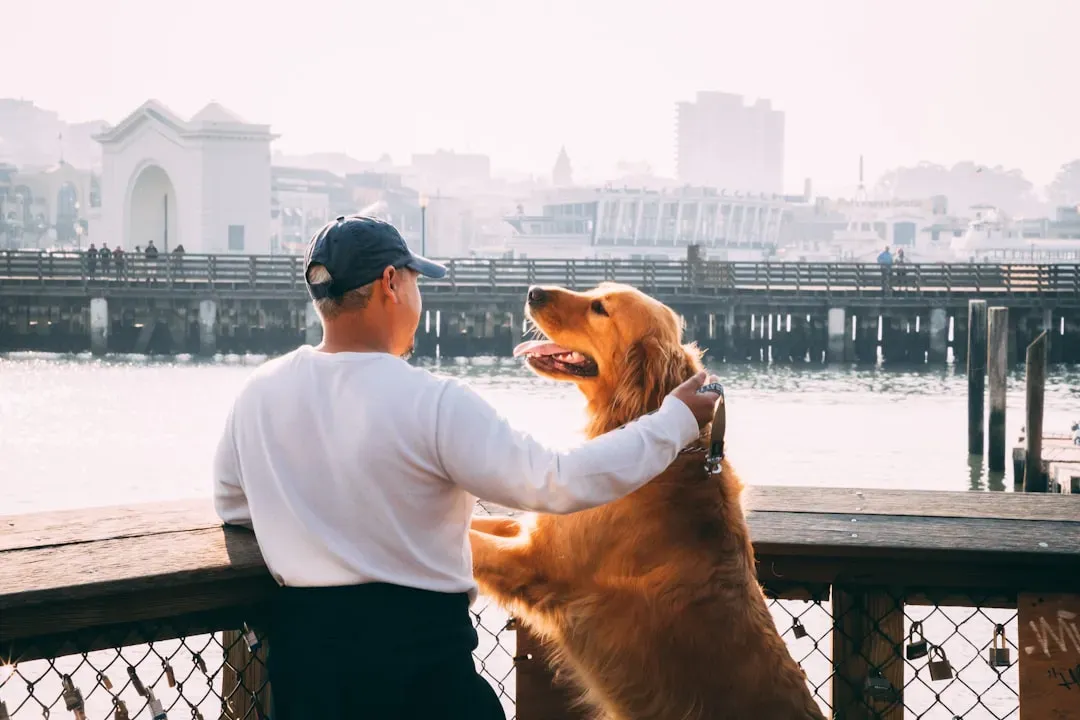
Interaction with a dog reliably lowers cortisol, the primary stress hormone. Blood samples taken during and after petting sessions show reductions that can last for hours. The drop occurs even when the owner is not consciously trying to relax.
Lower baseline cortisol matters because chronic elevation wears on memory and mood circuits. Dog owners in several studies display more stable daily cortisol rhythms compared with non-owners. The change appears tied to the predictable, low-pressure nature of the interaction.
Dopamine and Serotonin Release Increases
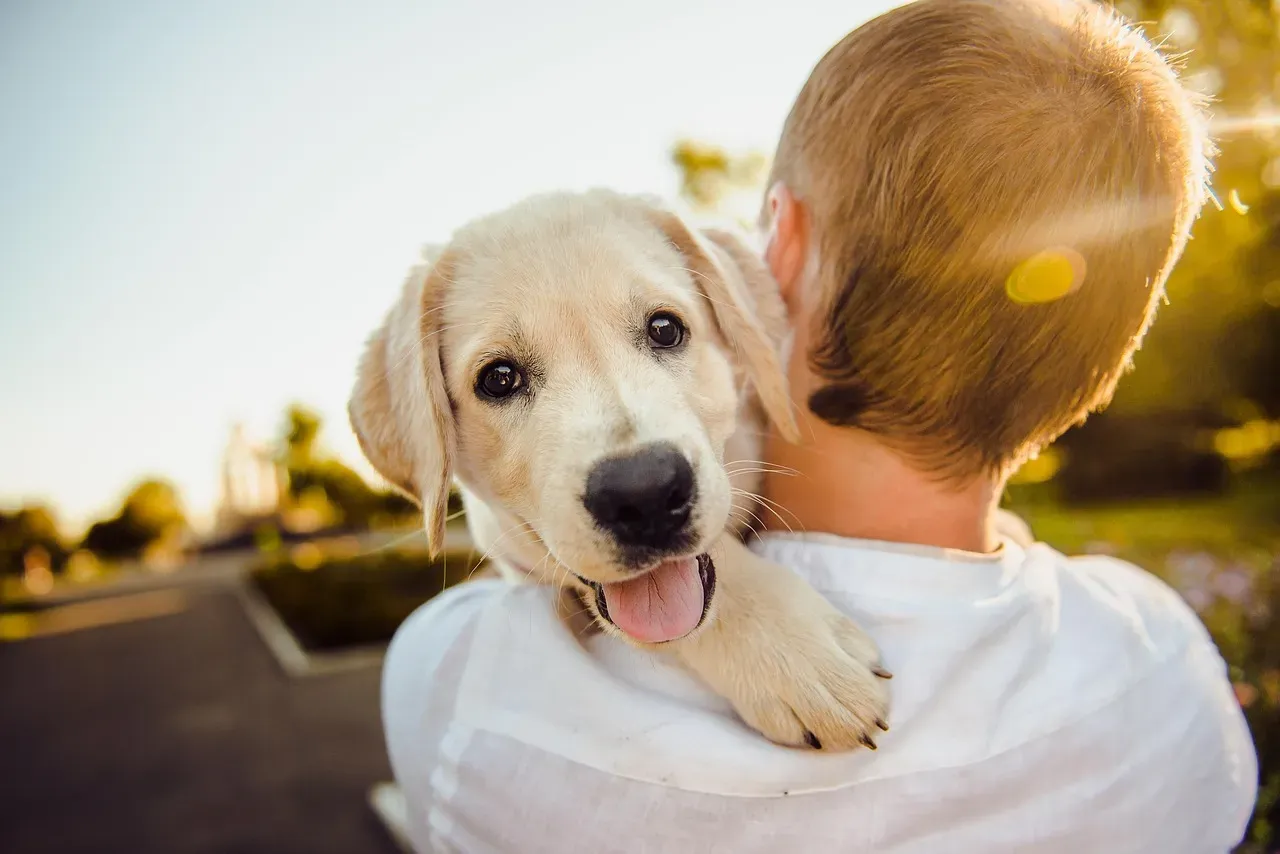
Play, training, or even quiet presence with a dog activates reward pathways that release dopamine. Serotonin levels also tend to rise, supporting steadier mood. These shifts mirror patterns seen in other rewarding social exchanges.
The combined effect can make ordinary afternoons feel more satisfying. Owners frequently describe a gentle lift in motivation after routine dog-related tasks. Research using physiological measures links these neurochemical changes to the simple act of caring for another living being.
Processing Speed Improves
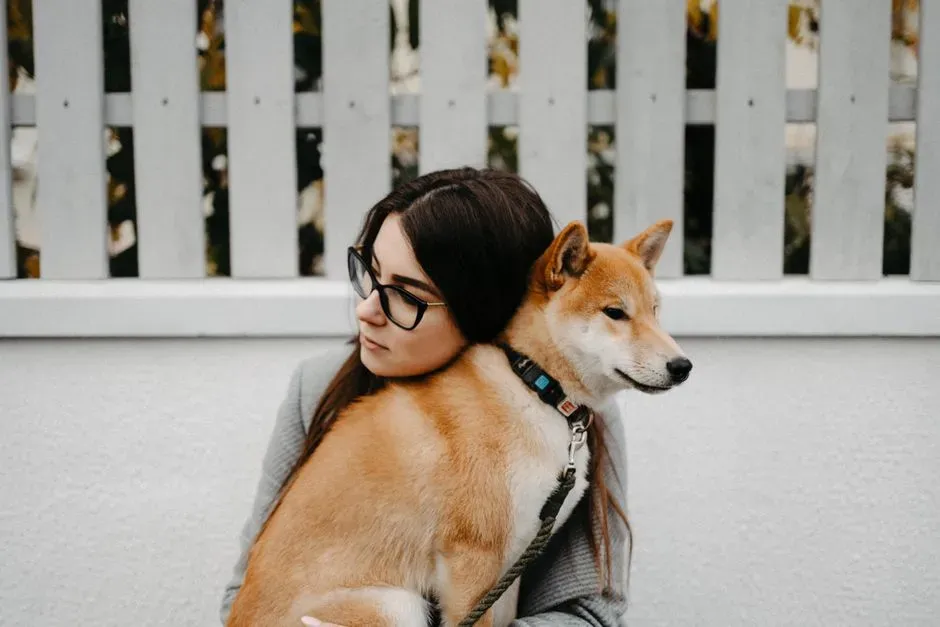
Cross-sectional brain imaging and cognitive testing link dog ownership to faster information processing. Participants who own dogs often score higher on tasks that require quick mental shifts. The advantage shows up across adult age ranges.
Researchers note that the benefit grows stronger with longer ownership. Daily decisions about walks, meals, and play may keep neural timing circuits engaged. The result is a modest but consistent edge in mental quickness.
Attention Networks Strengthen
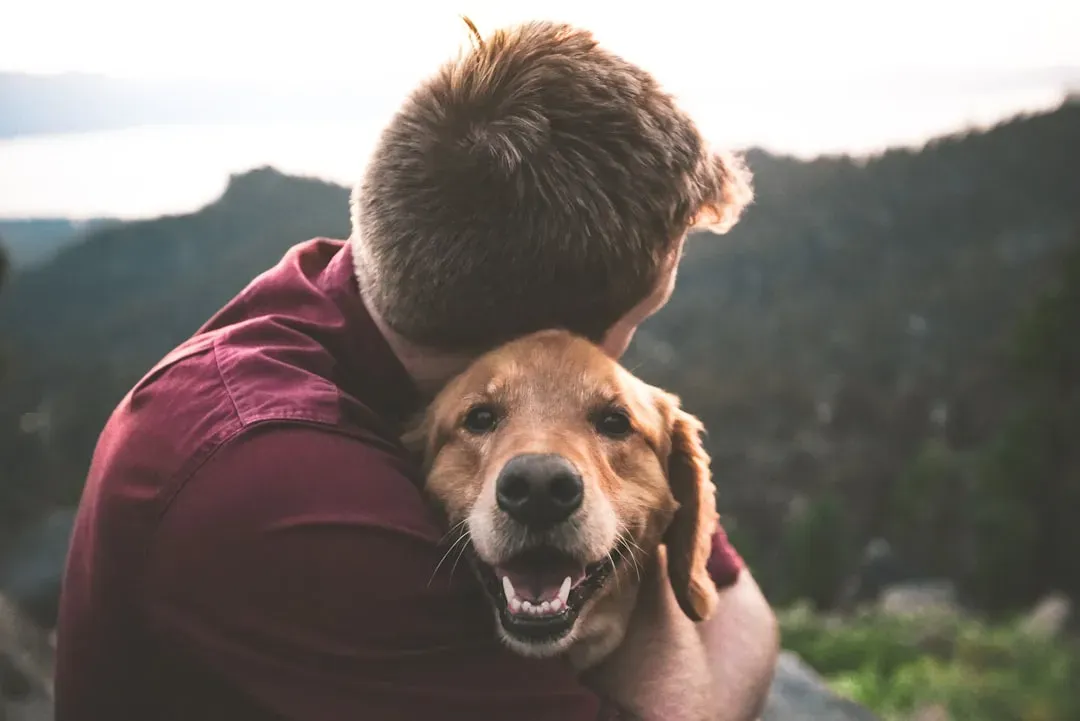
Brain scans reveal larger or more active dorsal attention networks in many dog owners. These networks help direct focus and filter distractions. Regular interaction with a dog appears to exercise the same circuits used for sustained concentration.
Owners report fewer lapses during routine tasks once the habit of dog care is established. The improvement likely stems from the need to monitor the animal’s cues while managing other activities. Over time the practice builds resilience in attention systems.
Memory Performance Holds Up Better
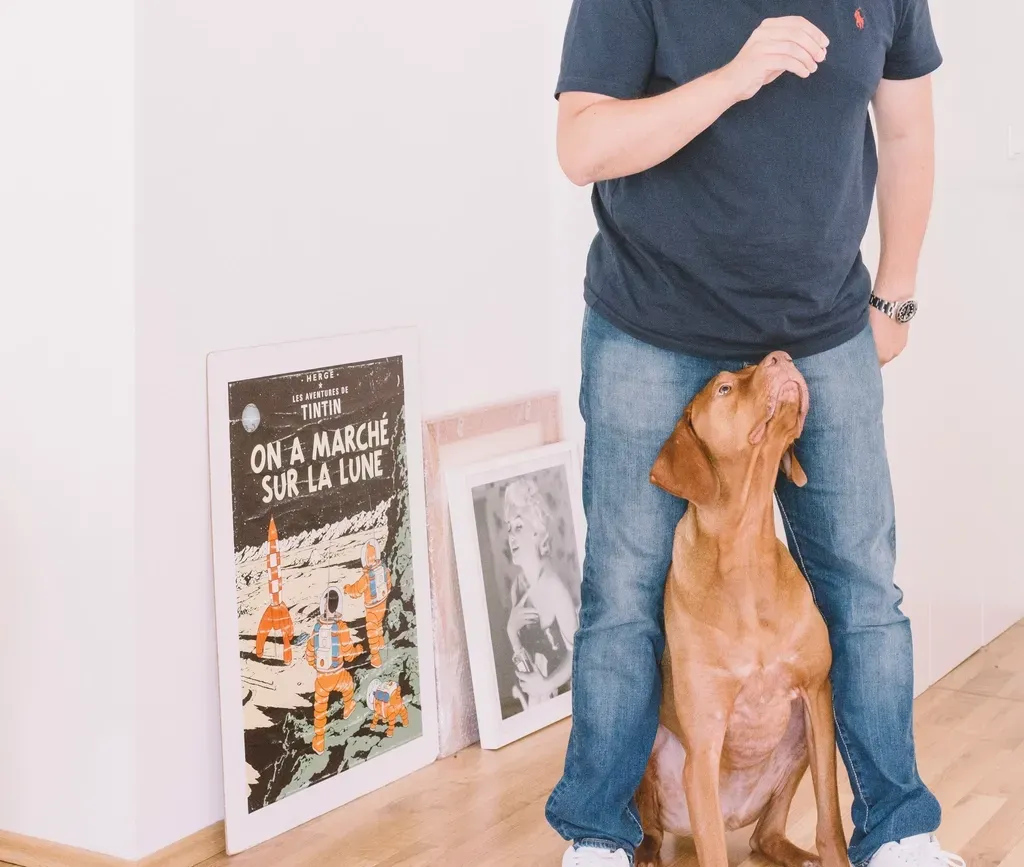
Verbal memory and episodic recall show slower decline among long-term dog owners in longitudinal data. The pattern holds especially for people living alone. Walking and training routines supply both physical movement and cognitive engagement that support memory circuits.
Studies tracking older adults find that pet owners maintain higher scores on story recall and word-list tasks. The difference becomes noticeable after several years of ownership. Physical activity tied to the dog contributes, yet the social element adds an extra layer of protection.
Key Brain Structures Appear Larger

MRI data indicate greater volume in regions such as the limbic system and default mode network among dog owners. These areas handle emotion, self-referential thought, and memory integration. The differences stand out most clearly in people with dogs rather than other pets.
Researchers estimate that the structural advantage can translate to brains that look up to fifteen years younger on imaging metrics. The finding comes from samples spanning young adulthood to later life. Multiple pets or longer ownership tends to amplify the pattern.
Cognitive Decline Slows With Age
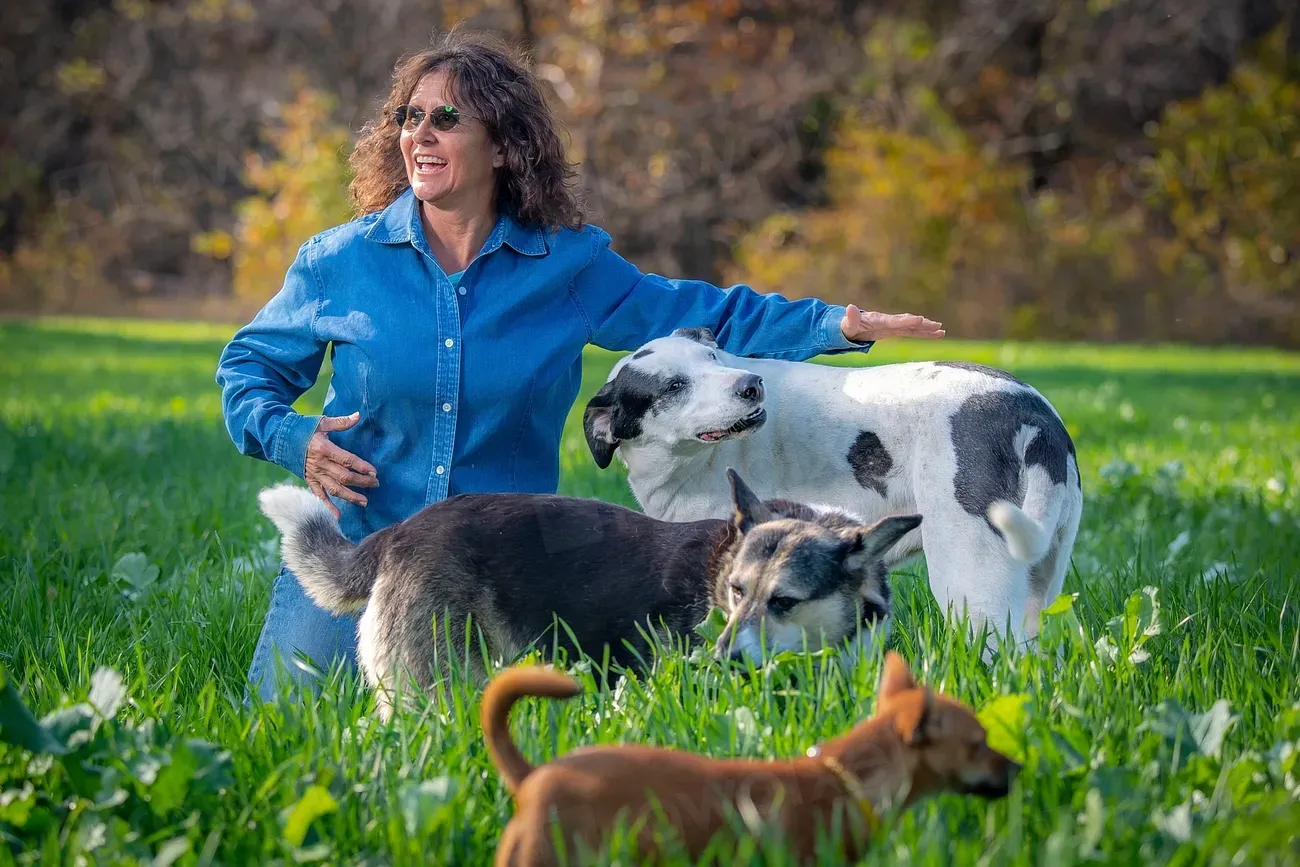
Long-term pet ownership correlates with gentler drops in overall cognitive scores across six to ten years of follow-up. The protective signal is clearest when ownership lasts five years or more. Both dog and cat owners show benefits, though dog owners often display the strongest effects.
Composite measures of thinking speed, memory, and fluency decline more slowly in these groups. Adjustments for education, health, and lifestyle still leave a meaningful gap. The consistency across studies suggests a real association rather than coincidence.
Dementia Risk May Be Lower

One large Japanese cohort linked dog ownership to roughly a forty percent reduced incidence of disabling dementia. The association strengthened when owners also maintained exercise habits. Cat ownership did not show the same link in that dataset.
Researchers emphasize that the study was observational, so causation remains unproven. Still, the size of the sample and the dose-response pattern with duration of ownership invite further investigation. Physical activity and social engagement likely play supporting roles.
Prefrontal Cortex Activation Rises
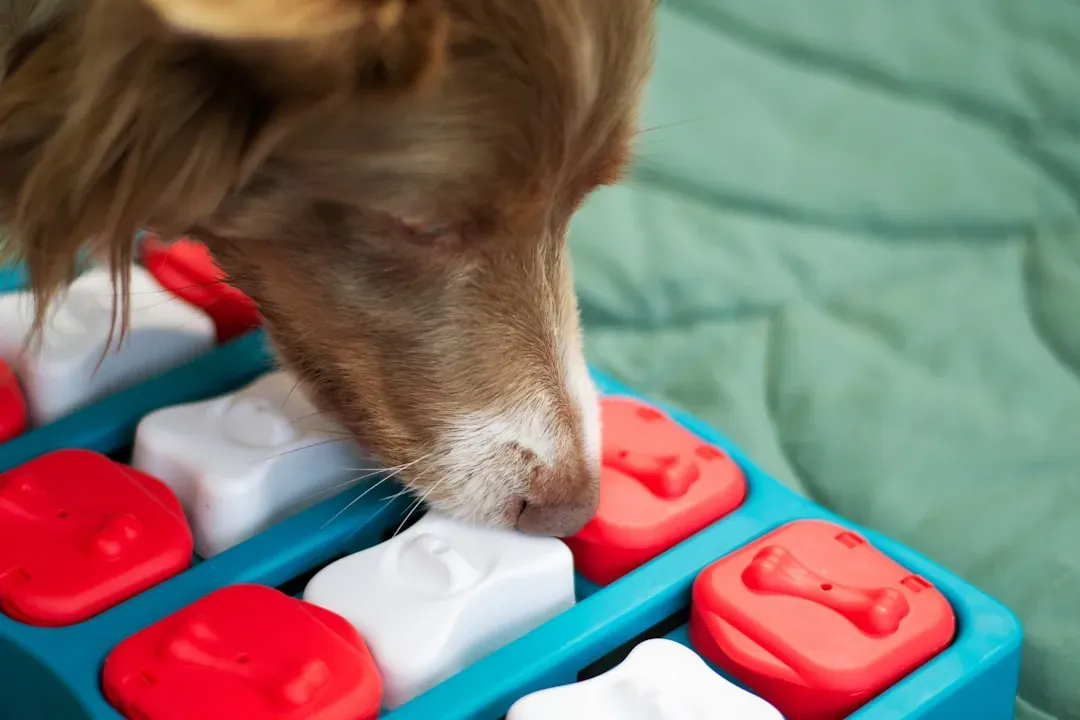
Functional imaging during dog interaction shows increased activity in prefrontal areas tied to attention and emotional regulation. The response differs from reactions to inanimate objects. Even brief sessions produce measurable shifts in blood flow and oxygenation.
Owners who interact daily may keep these executive networks more responsive. The change supports better handling of everyday stressors. Over repeated exposures the pattern becomes more efficient.
Limbic System Responses Become More Balanced
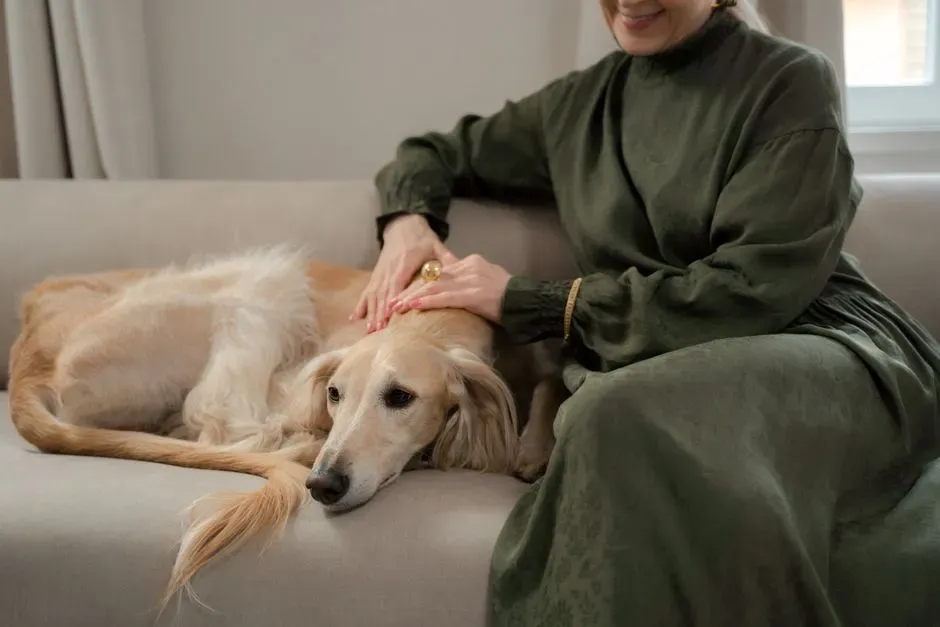
Viewing images of one’s own dog activates limbic regions in patterns that overlap with responses to one’s own child. The overlap suggests deep emotional encoding. Owners often experience quicker calming when the dog is present during tense moments.
This emotional tuning can reduce reactivity to minor irritations. Studies using fMRI document the shared circuitry without claiming identical strength. The result is a steadier emotional baseline for many owners.
Neuroplasticity Receives Ongoing Support
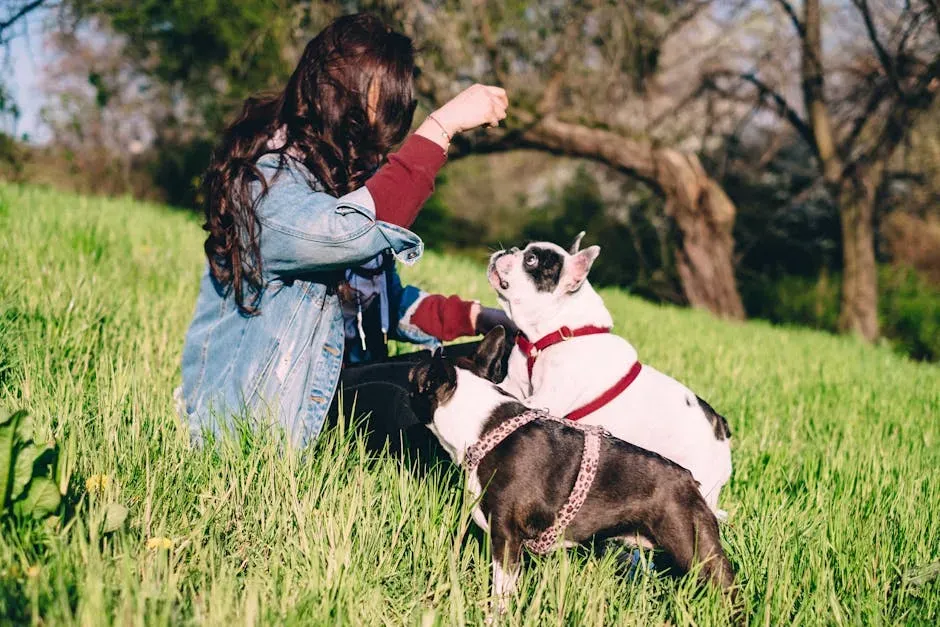
Regular problem-solving with a dog, from basic training to navigating new environments, supplies varied cognitive challenges. These challenges encourage the formation of new neural connections. Physical exercise from walks adds a second route to plasticity.
Animal interaction studies note enhanced adaptability in attention and learning tasks after consistent exposure. The effect appears modest yet cumulative. Owners who vary routines see the broadest gains.
A Sense of Purpose Influences Reward Circuits

Caring for a dog creates repeated opportunities for meaningful action. The brain registers these actions through reward pathways that reinforce continued engagement. Over time the pattern can sustain motivation even on low-energy days.
Longitudinal observations link this sense of responsibility to steadier mood and lower rates of withdrawal. The effect operates quietly, without requiring conscious effort. Many owners describe it as an understated but reliable anchor. The changes neuroscience has documented do not turn every dog owner into a different person overnight. They accumulate through ordinary moments of care and company. For those weighing the decision, the evidence points to measurable support for brain health that grows with time and consistency.


