
1. Panting That Happens for No Clear Reason
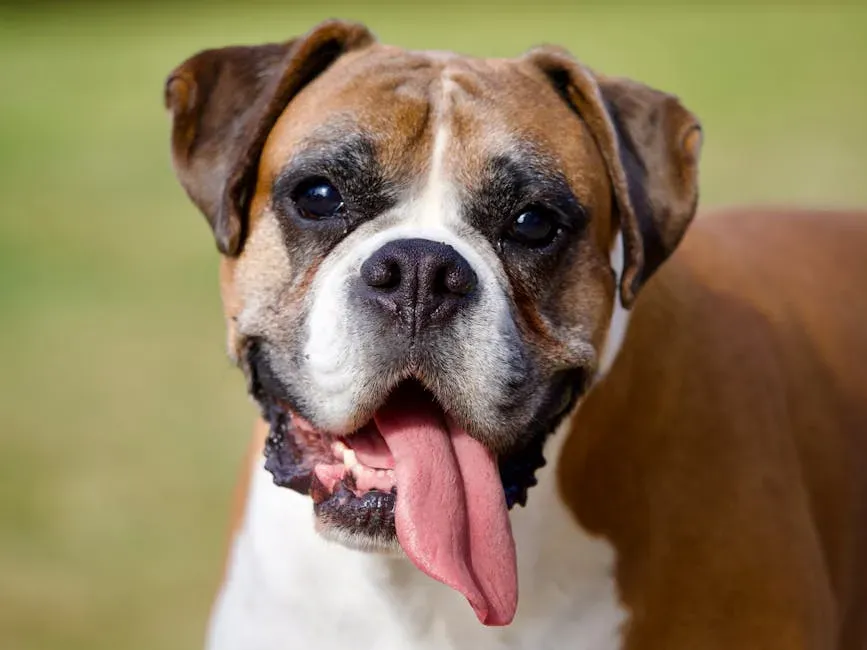
Your dog might start breathing heavily even when the room feels cool and no play session just ended. This kind of panting often comes with a slightly curled tongue and lacks the relaxed rhythm of normal cooling. Owners frequently chalk it up to excitement or a warm house without realizing it signals ongoing tension.
Over time the pattern repeats in familiar settings like the living room or car rides. The body stays in a low level alert mode that drains energy without obvious outward drama. Watching for when the panting starts and stops helps separate it from ordinary activity.
2. Frequent Yawning or Lip Licking in Calm Moments
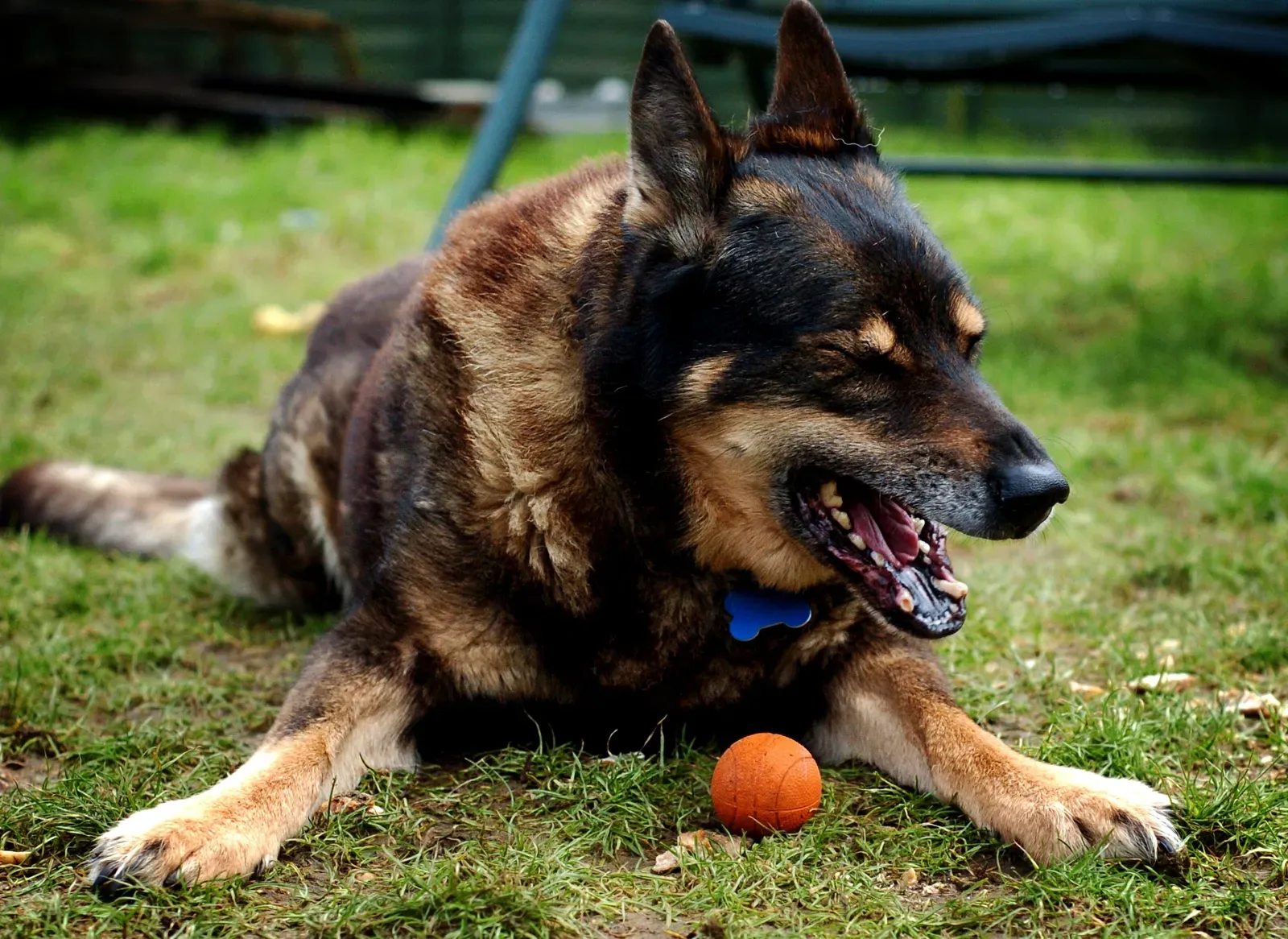
A long yawn during a quiet evening or repeated nose licks while resting on the couch can slip by unnoticed. These actions serve as self soothing gestures rather than signs of tiredness or hunger. They appear more drawn out or intense than the casual versions you see after a nap.
Many people interpret them as boredom or simple habit. Yet they surface repeatedly in situations that once felt ordinary. Tracking how often they occur compared with earlier months reveals whether the behavior has increased.
3. Pacing or Restlessness That Never Quite Settles

Some dogs walk the same short path through the house or shift positions constantly even after everyone has gone to bed. The movement lacks purpose and fails to lead to actual rest. It creates a background hum of activity that feels off once you start noticing the repetition.
Owners often assume the dog simply has energy to burn or needs another walk. In reality the inability to relax points to a nervous system that stays switched on. Observing whether the pacing happens at predictable times of day adds useful context.
4. Shifts in Appetite That Come and Go
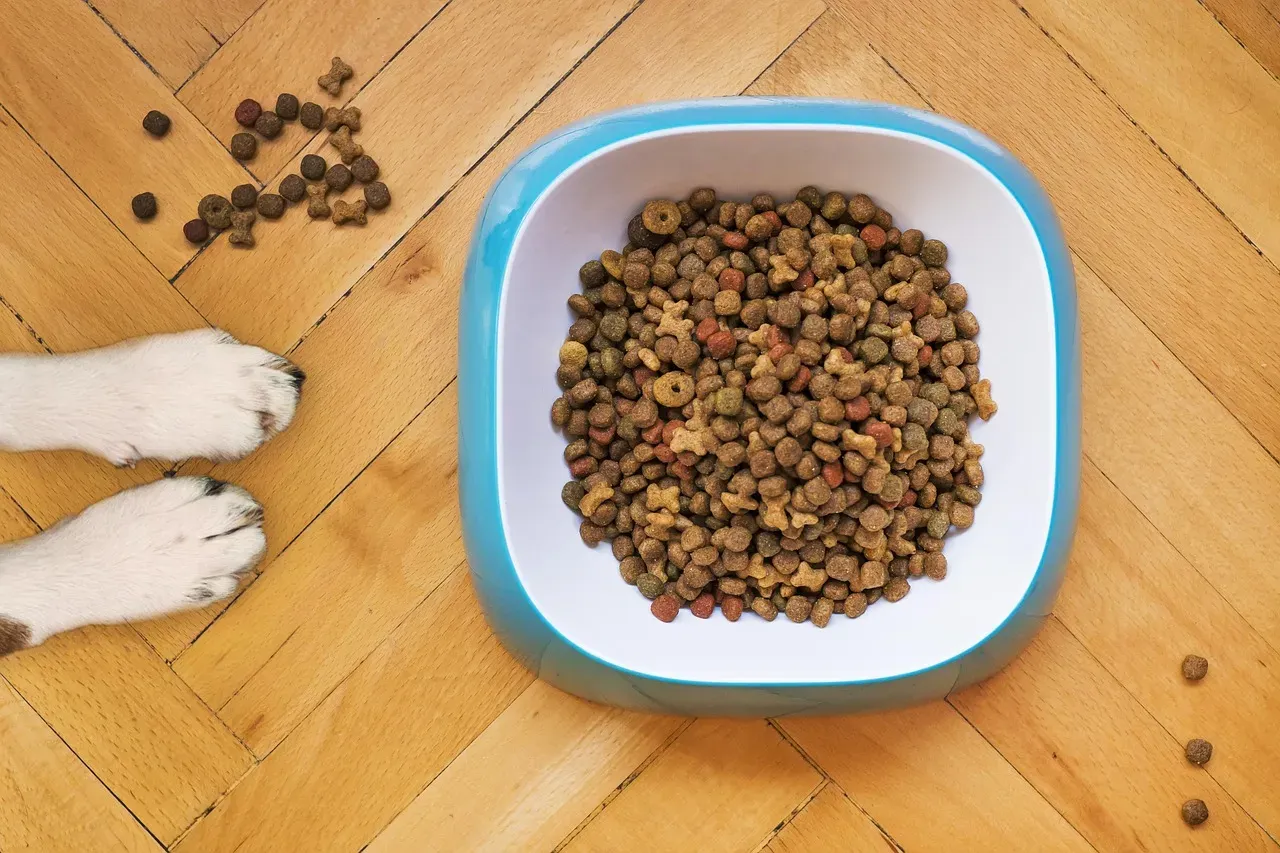
Meals that once disappeared in minutes now sit untouched for longer stretches or get finished in hurried gulps. The change might alternate between days of lighter eating and occasional overeating without any obvious illness. Weight can drift slowly without dramatic loss or gain at first.
People tend to blame picky eating or seasonal changes rather than emotional state. Consistent monitoring of bowl contents and body condition over several weeks shows whether the pattern holds steady. Small adjustments in routine sometimes highlight the connection.
5. The Whale Eye or Dilated Pupils in Everyday Settings

You catch a glimpse of the white around the eyes when your dog glances sideways during a normal conversation or while greeting a familiar visitor. Pupils stay wider than usual even in bright light. The look carries a startled quality that fades quickly but returns often.
Most owners miss it because the moment passes in seconds and the dog otherwise acts friendly. Yet repeated appearances during routine interactions suggest discomfort that has become background noise. Paying closer attention to eye shape during calm periods helps catch the signal.
6. Ears Pinned Back or Tail Tucked More Often
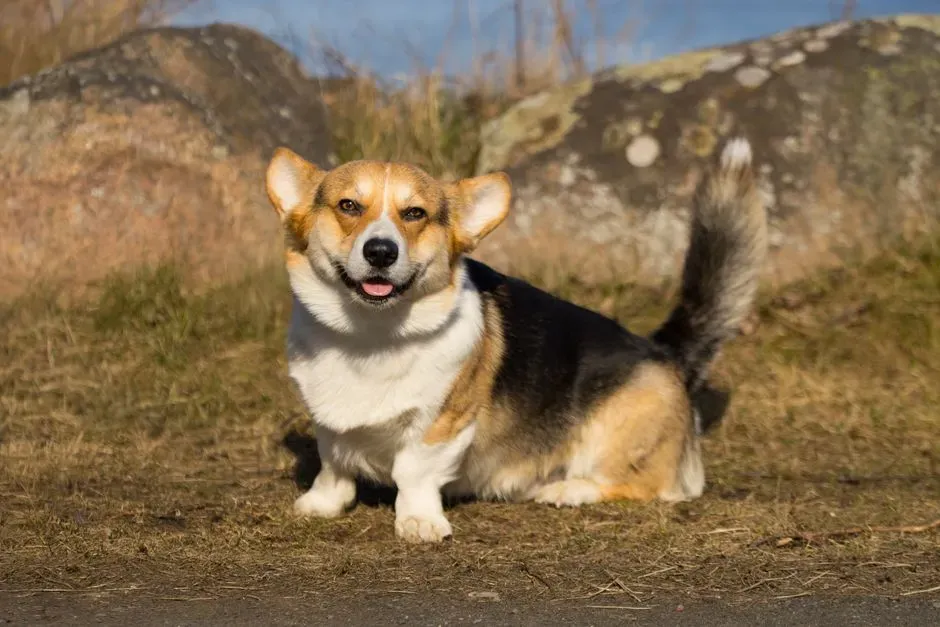
Ears that normally sit relaxed or forward now press closer to the head during ordinary household sounds. The tail stays lower or curls under even when no obvious threat exists. These posture changes blend into the dog’s usual silhouette until you compare photos from a year ago.
Many interpret the positions as simple shyness or breed traits. Over months the posture becomes the default rather than an occasional response. Noting how the ears and tail move in different rooms or around different people brings the pattern into focus.
7. Compulsive Grooming or Paw Licking That Leaves Marks
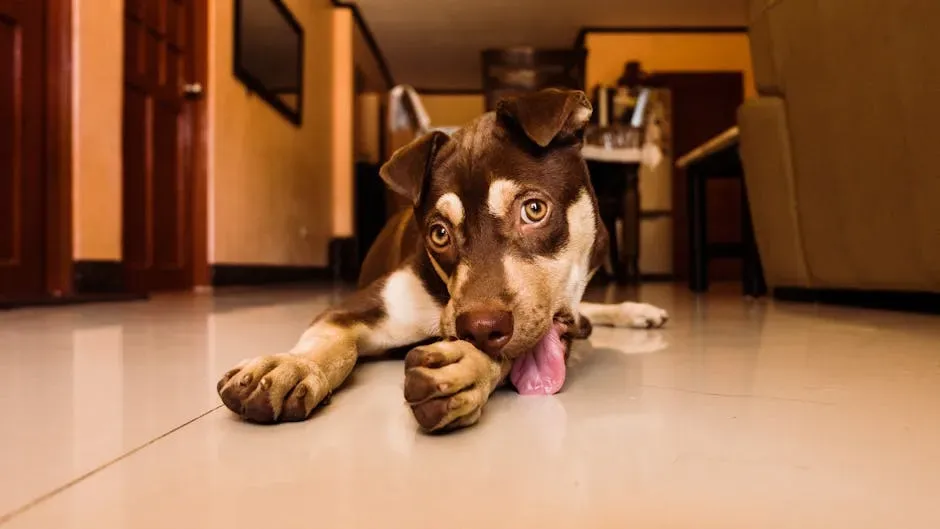
A dog might lick one paw or a small patch of fur repeatedly until the skin reddens or thins. The behavior continues even after the area has been cleaned or treated. It serves as a repetitive outlet rather than a response to an itch or allergy alone.
Owners often treat the symptom with creams or assume seasonal dryness. The cycle restarts in the same spots without external triggers. Watching whether the licking happens during quiet evenings or right after minor disruptions reveals its stress related nature.
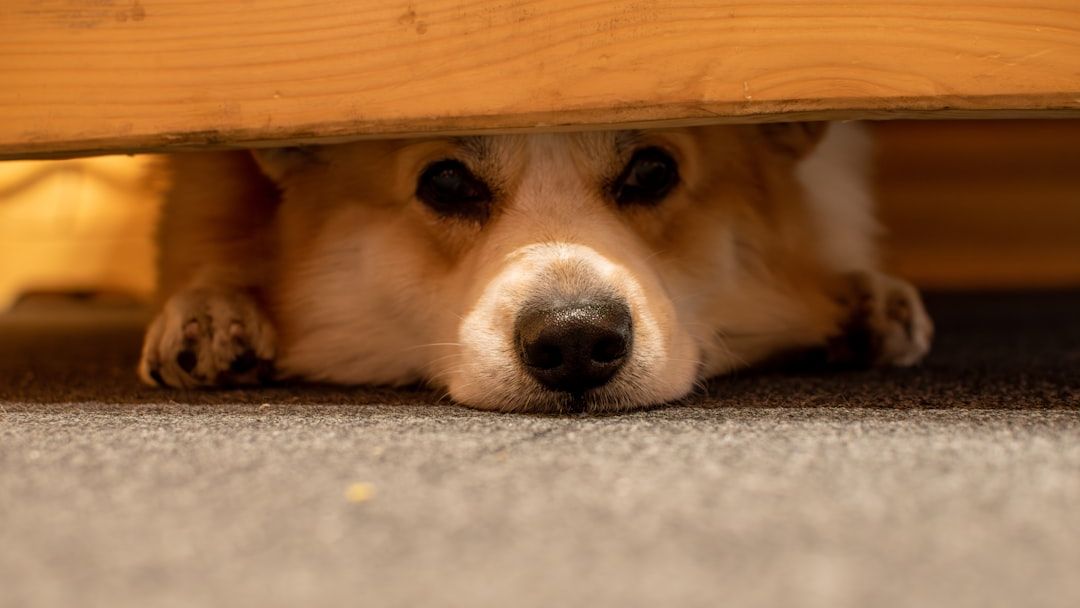
8. Withdrawal or Hiding in Familiar Spaces
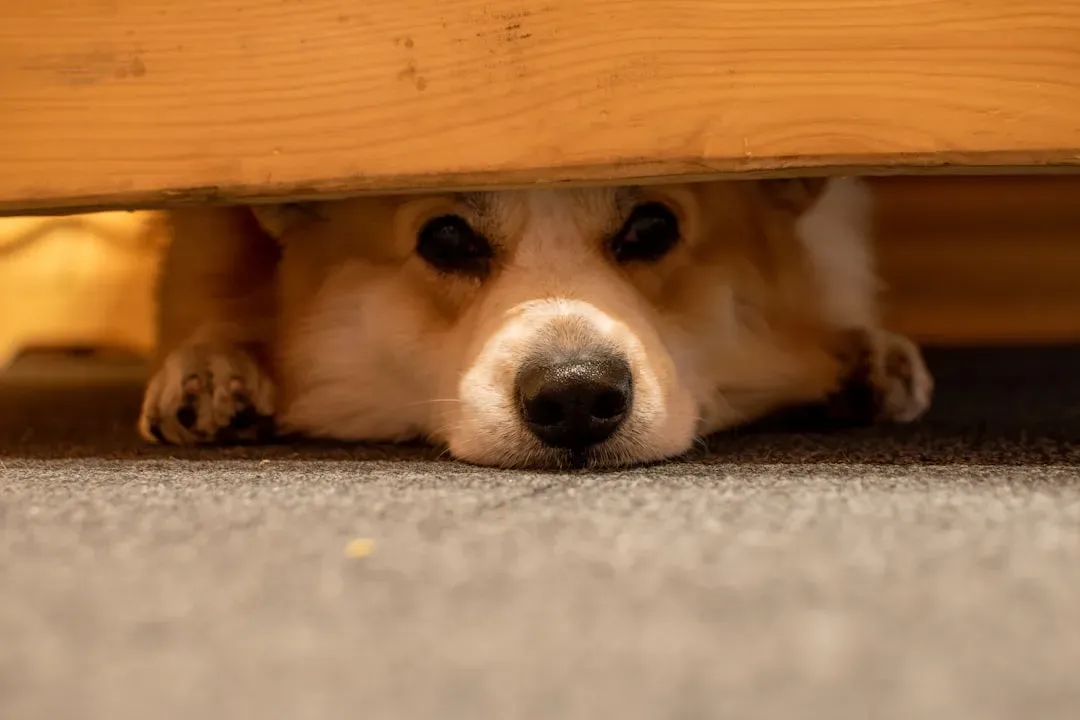
Your dog chooses the back of the closet or under a table more frequently even when the house stays peaceful. Interaction that once brought tail wags now receives only brief acknowledgment before the dog retreats. The preference for distance grows gradually rather than appearing overnight.
People sometimes read this as the dog wanting alone time or growing older. Yet the pattern appears across multiple days and settings without corresponding medical changes. Gentle observation of where the dog spends most of its time clarifies whether the choice reflects comfort or avoidance.
9. Sleep Changes or Increased Trembling at Rest
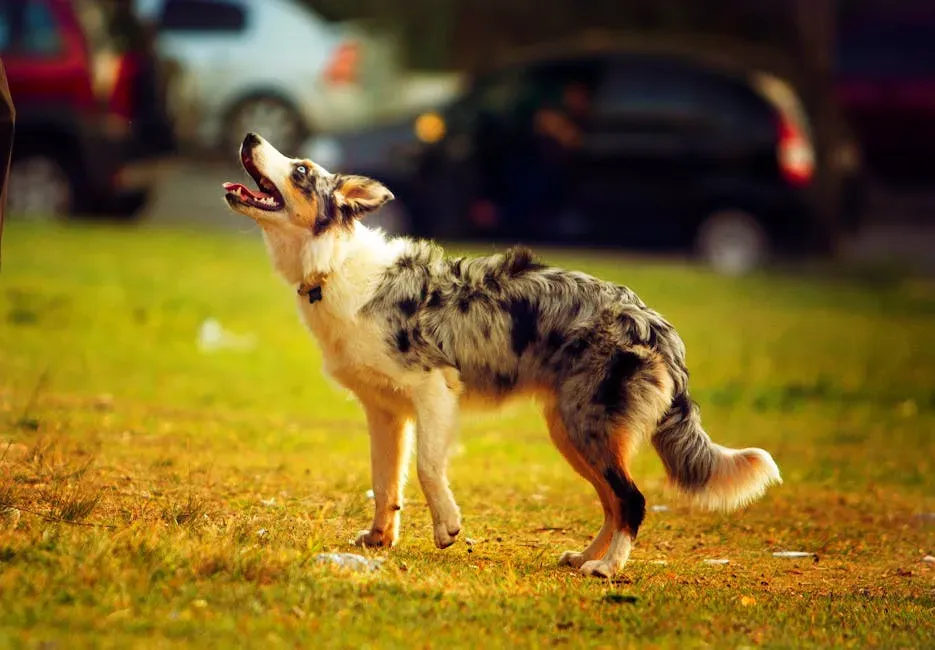
Nights that used to bring deep rest now include more shifting, waking, or restless dreaming. Light trembling occurs while the dog lies still in a safe spot. These disruptions accumulate without dramatic vocal complaints.
Owners attribute the restlessness to age or minor discomfort. The combination of poorer sleep and subtle shaking during calm periods points to sustained internal pressure. Comparing sleep quality across seasons helps separate normal variation from a developing issue.
Paying attention to these quiet signals turns ordinary observation into meaningful care. Dogs cannot explain what weighs on them, so the small shifts become the clearest language available. Noticing them consistently often leads to simple adjustments that ease the load over time.


