
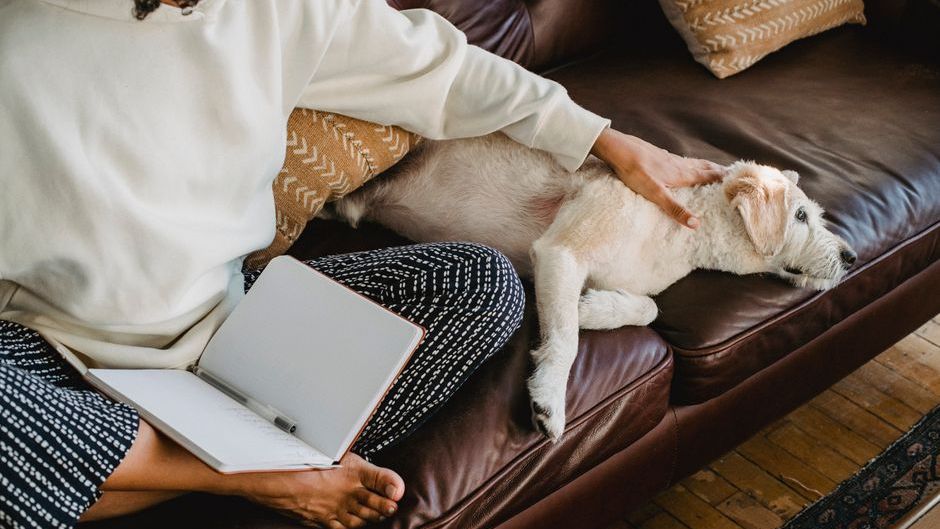
Dogs notice the small details that slip past most people. They file away the rhythm of a day, the weight of a hand on their back, and the way a voice softens at the end of a long afternoon. These impressions do not fade when the moment passes. They settle into the animal and stay there, shaping how the dog moves through the world long after the original source is gone.
What lingers is rarely dramatic. It is the quiet accumulation of ordinary exchanges that builds a private map only the dog can read. That map travels with the dog into new homes, new years, and sometimes into the stories told by the next person who earns its trust.
Your Distinct Scent
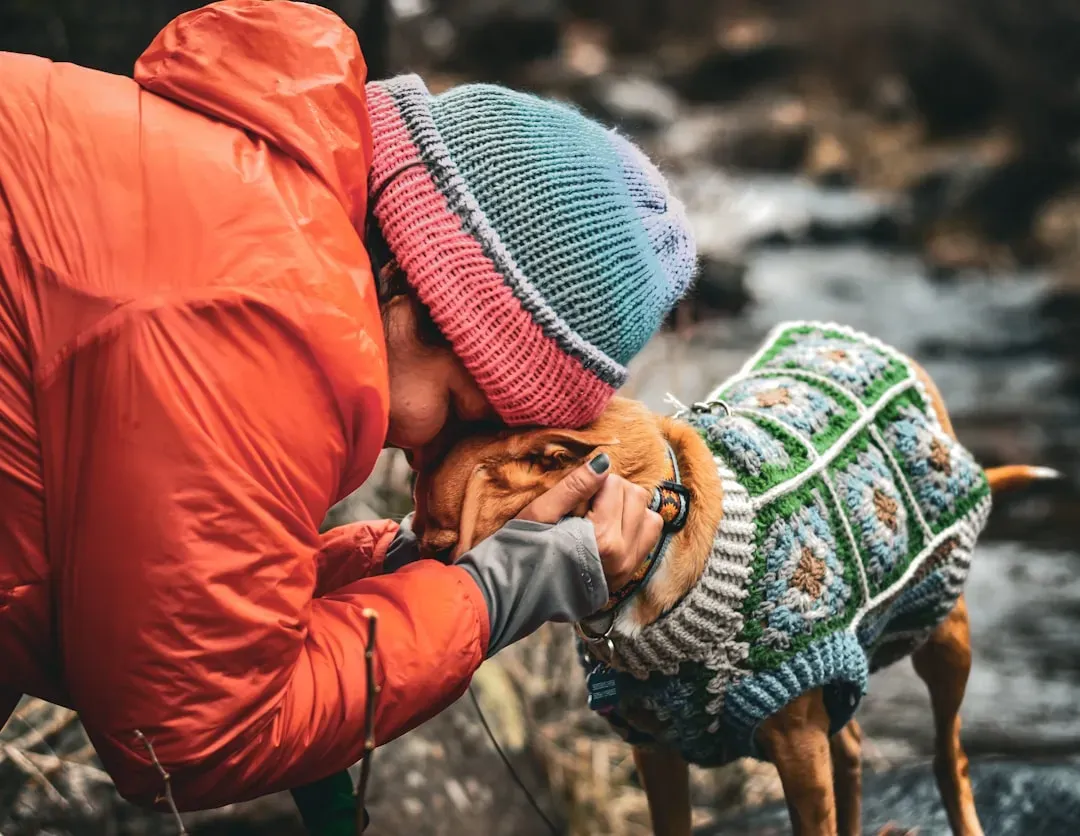
A dog can pick your smell out of a crowd even after months apart. The combination of soap, fabric softener, and the trace of whatever you ate for lunch creates a signature that stays reliable. This recognition runs deeper than simple identification. It ties the dog to a specific person across time and distance.
When that person is no longer around, the scent memory can still trigger calm or alertness in the dog. New owners sometimes notice the animal pausing at a doorway or sniffing an old sweater with unusual focus. The impression does not require the original source to remain present. It simply exists as a reference point the dog carries forward.
The Cadence of Your Voice
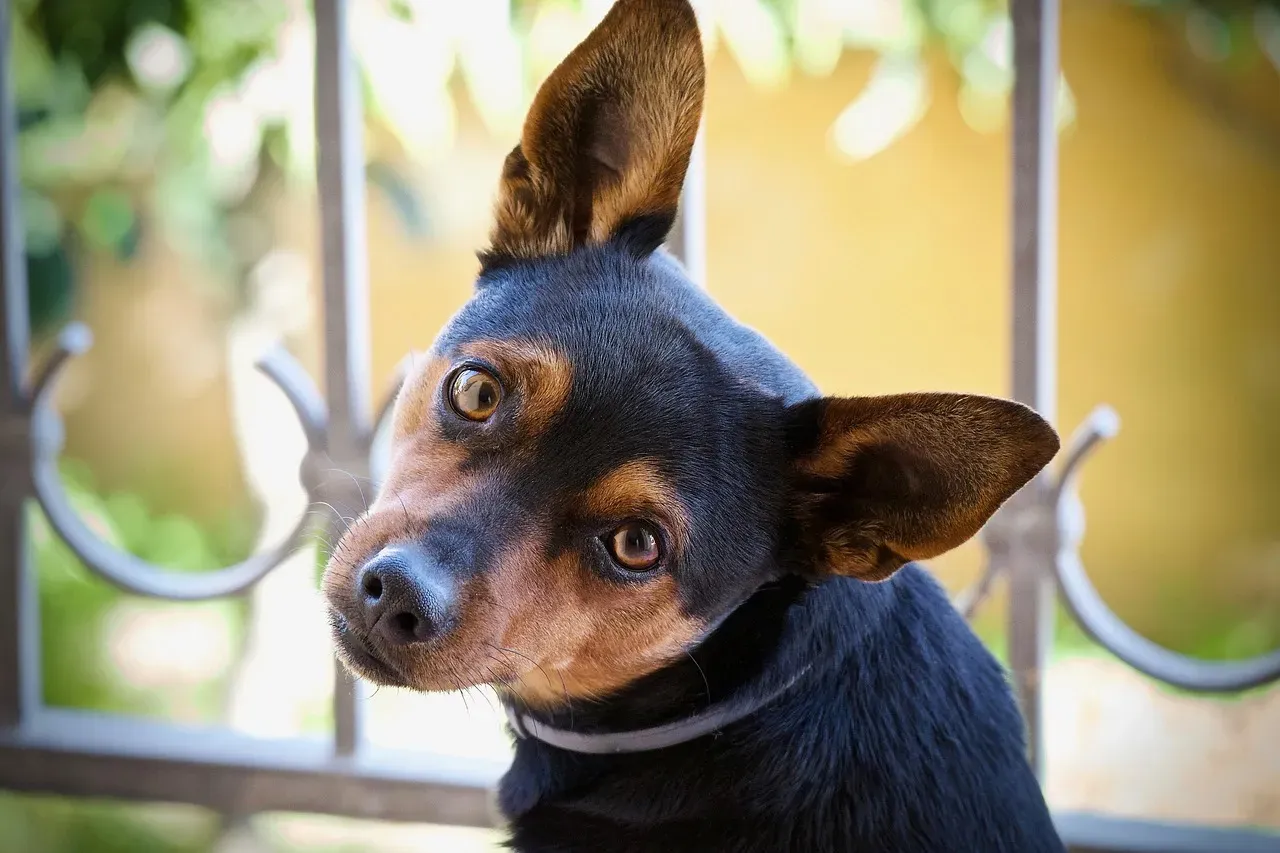
Dogs learn the rise and fall of familiar speech patterns. They respond to tone long before they grasp individual words. A steady, low register often signals safety, while a higher pitch can mean play or excitement. These vocal habits become part of the dog’s internal catalog of what feels normal.
Years later, a similar voice on the radio or from a visitor can produce the same head tilt or relaxed posture. The memory lives in the dog’s reaction rather than in any conscious recollection. It travels with the animal into new environments and colors how it interprets other people.
Your Predictable Daily Patterns
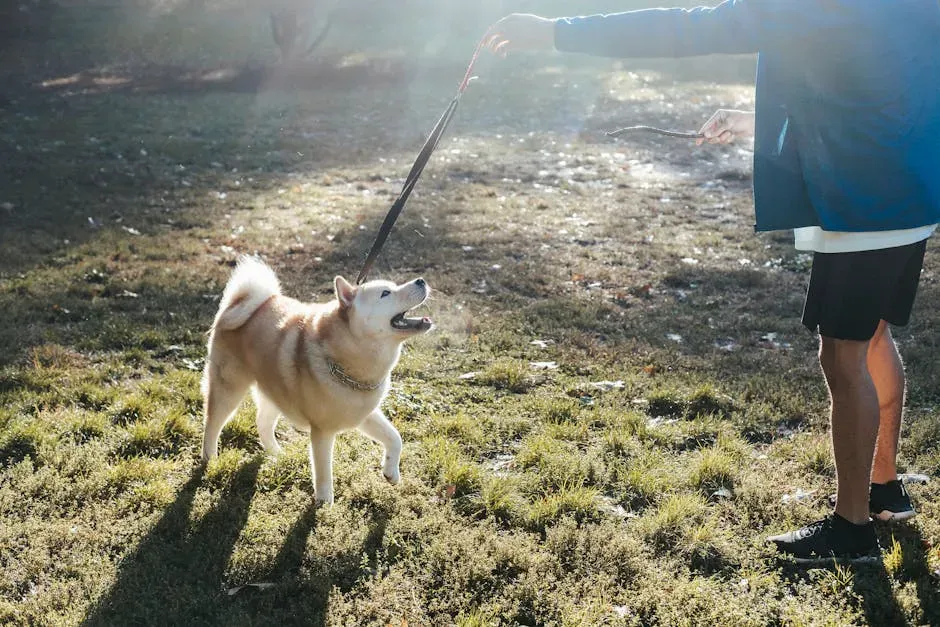
Most dogs track the sequence of events that repeat every day. They know when the keys jingle, when the leash appears, and when the lights dim in the evening. These patterns create a sense of order that the dog relies on without needing reminders.
Even after the routine changes or the person leaves, the dog may continue to expect certain things at certain times. The expectation can linger for weeks or months. It shows up as quiet waiting by the door or sudden alertness at a familiar hour. The structure the dog once followed becomes a quiet echo that outlasts the original schedule.
Subtle Shifts in Your Mood
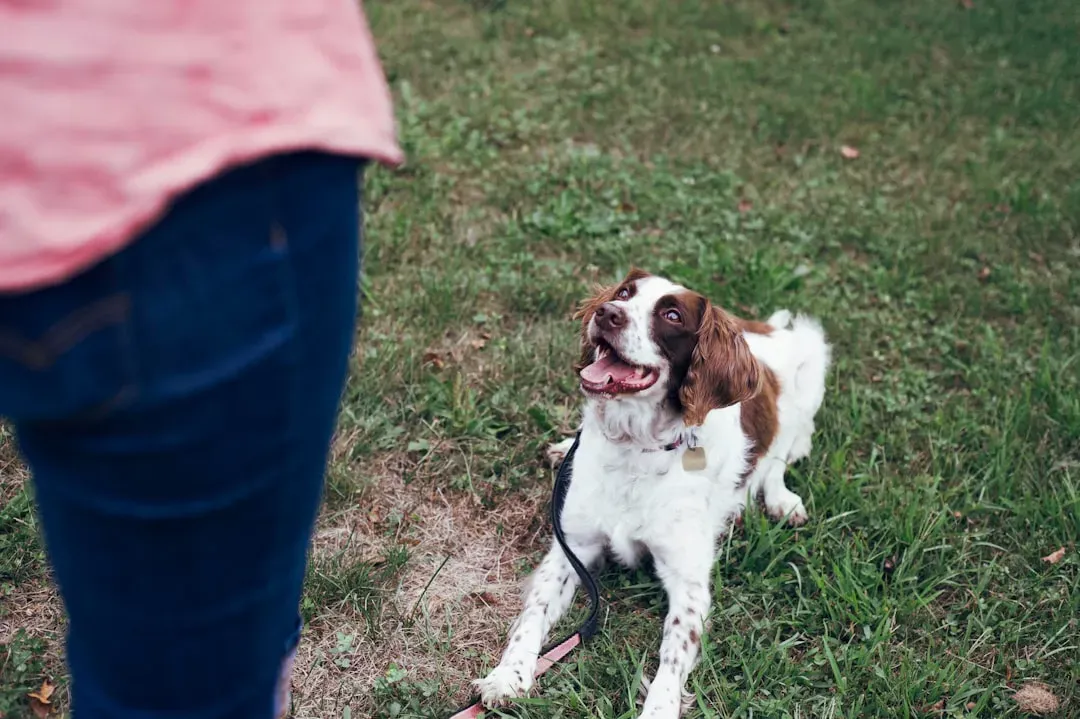
Dogs read small changes in posture, breathing, and energy. They notice when shoulders tighten or when footsteps slow. These cues become linked to specific outcomes, such as extra attention or a sudden need for space. The dog stores the connection without any formal training.
That stored knowledge can influence how the dog behaves around future people who display similar signals. A new companion might receive extra caution or extra closeness based on patterns learned earlier. The memory does not require the original person to explain it. It simply guides the dog’s choices in the present.
The Way You Offer Comfort
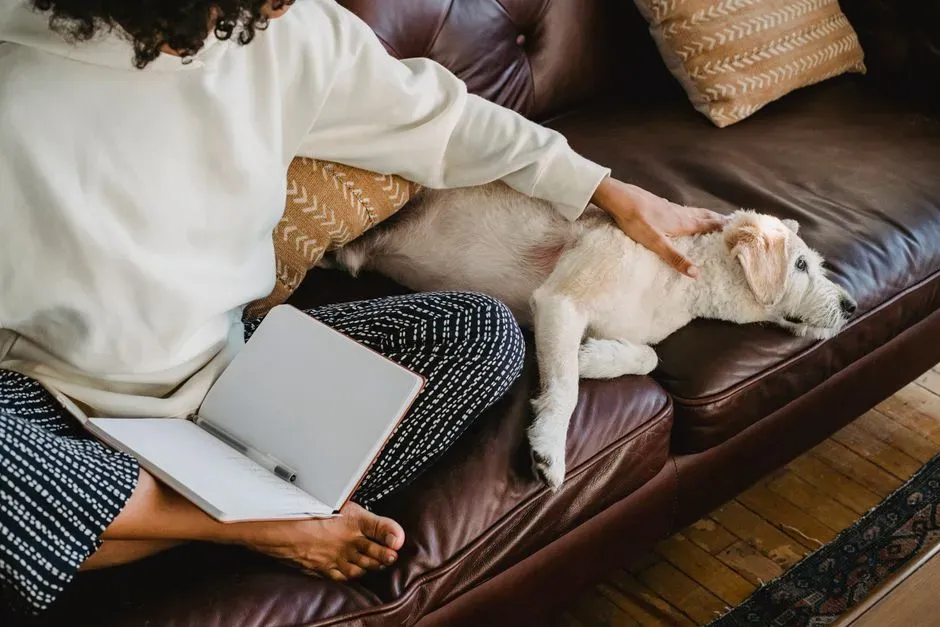
Every owner has a signature way of soothing a worried dog. Some use steady petting along the back. Others offer quiet presence without touch. The dog learns which approach works and comes to expect it during stressful moments.
When that specific comfort is no longer available, the dog may seek approximations from other sources. It might lean against a new person in the same spot or settle near a familiar object. The preference for a certain style of reassurance can persist and shape later relationships.
Shared Rituals and Games
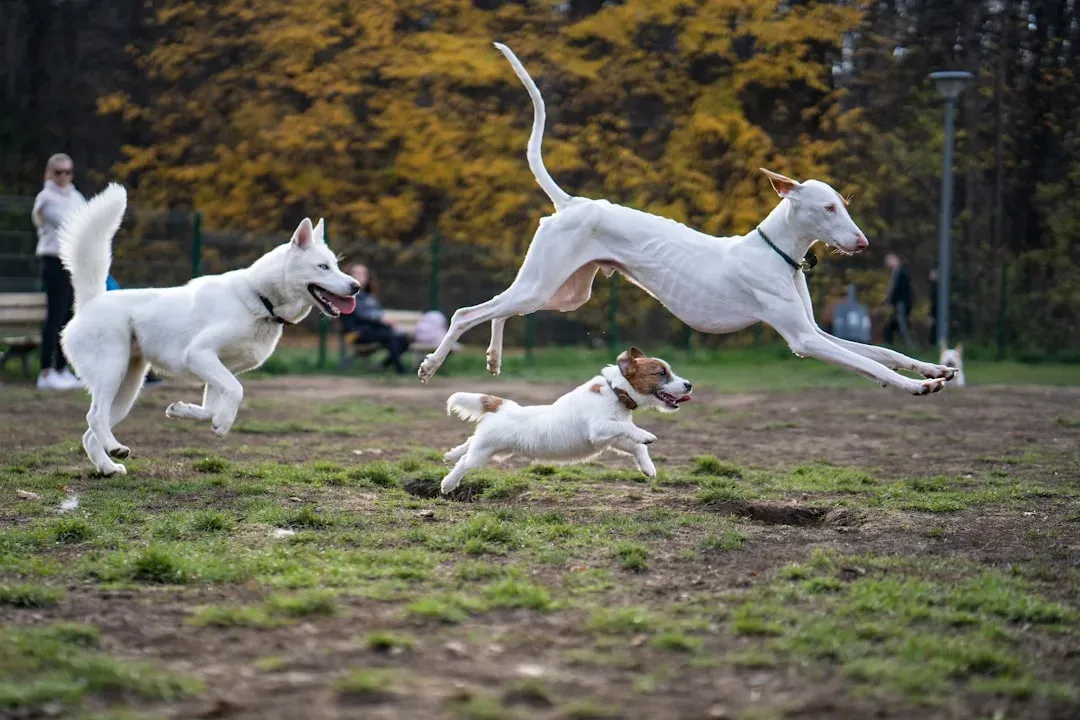
Simple games like tug or fetch carry personal rules that only the original pair understands. The dog remembers the exact way a toy is offered or the length of a chase before the next turn. These rituals become small ceremonies that mark the bond.
Even when the game stops, the dog may initiate similar play with new companions using the same timing or energy. The ritual itself travels forward. It carries a trace of the earlier connection into later interactions without any need for words.
Familiar Faces in Your Circle
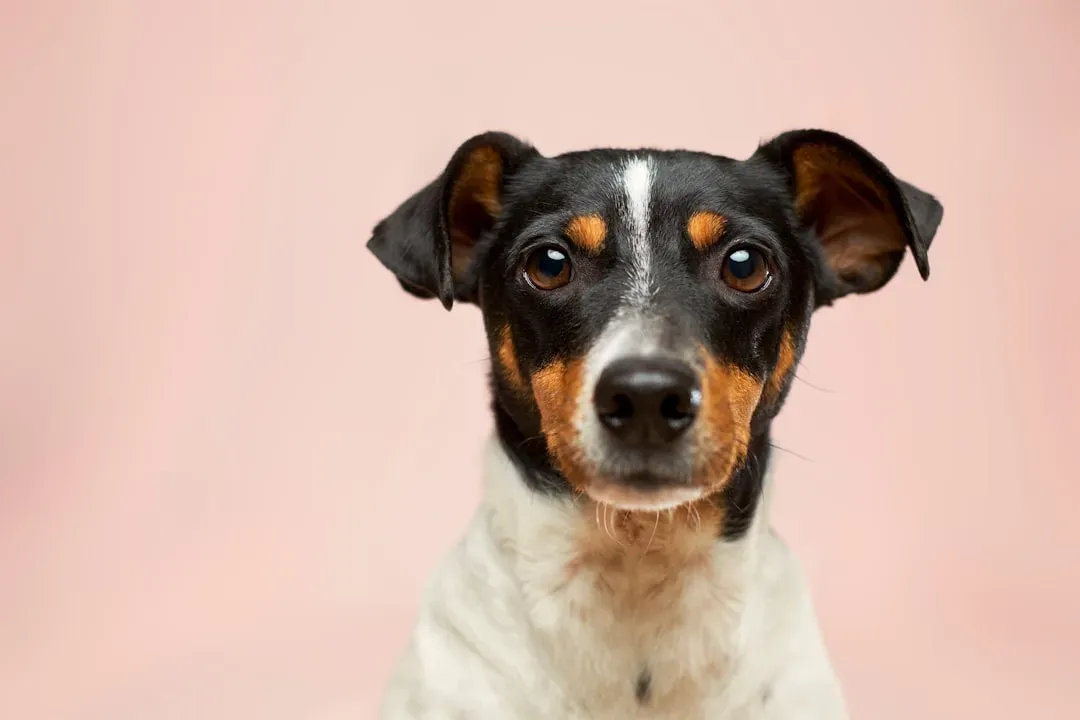
Dogs often memorize the appearance and scent of regular visitors or household members. They learn who belongs and how each person fits into the daily flow. This social map helps the dog feel secure in its environment.
After changes occur, the dog may still react to photos or descriptions of those faces with recognition. The memory supports continuity when the original group is no longer together. It allows the animal to extend trust more readily to people who resemble earlier companions.
Preferred Paths and Destinations
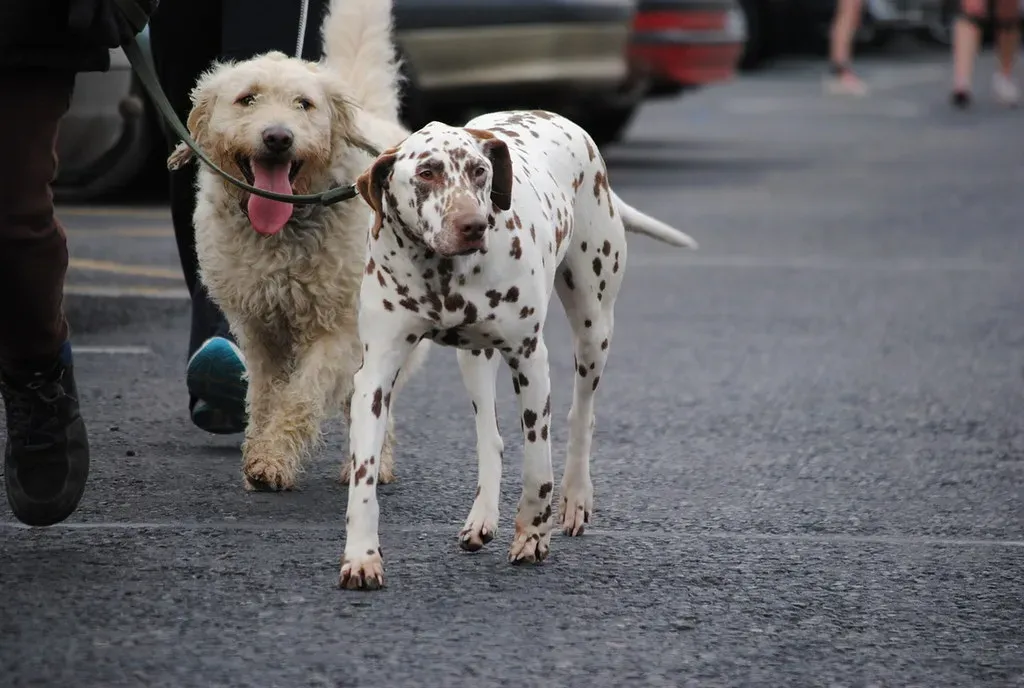
Walk routes become familiar through repetition. The dog notes landmarks, turns, and stopping points along the way. These paths represent more than exercise. They represent shared time and predictable adventure.
When the original walker is absent, the dog may still pause at certain corners or show interest in old routes. The memory of the journey can influence how the animal explores new neighborhoods. It carries a sense of direction shaped by earlier experiences.
Specific Commands and Signals
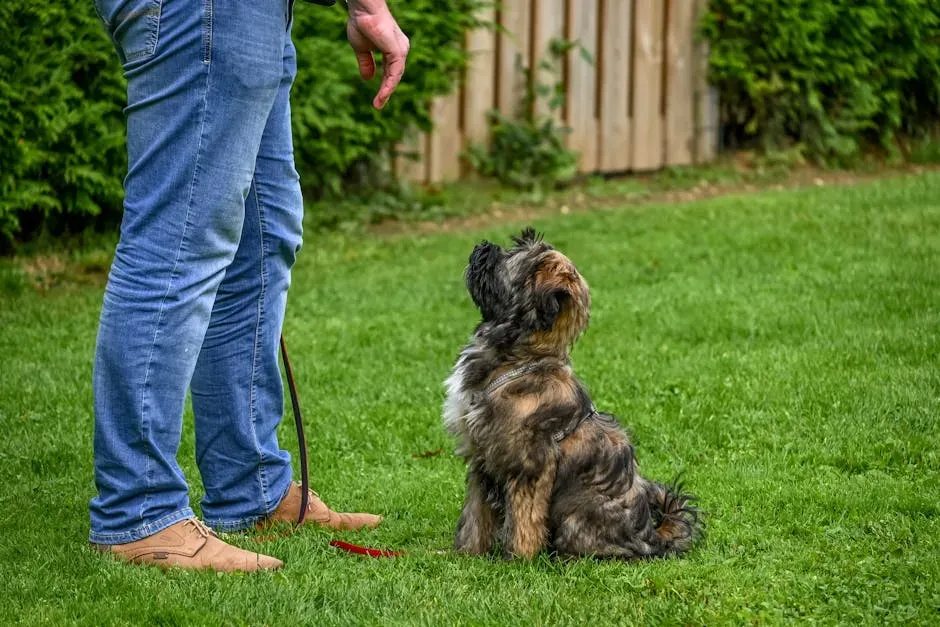
Trained cues and informal signals both become part of the dog’s working vocabulary. A raised hand or a particular word can trigger an immediate response. The association forms through consistent use rather than formal lessons.
These signals can remain effective even when the original trainer is gone. A new person who uses the same gesture may receive the expected behavior. The memory of the cue outlasts the person who first established it and continues to shape daily interactions.
The Feel of Your Touch
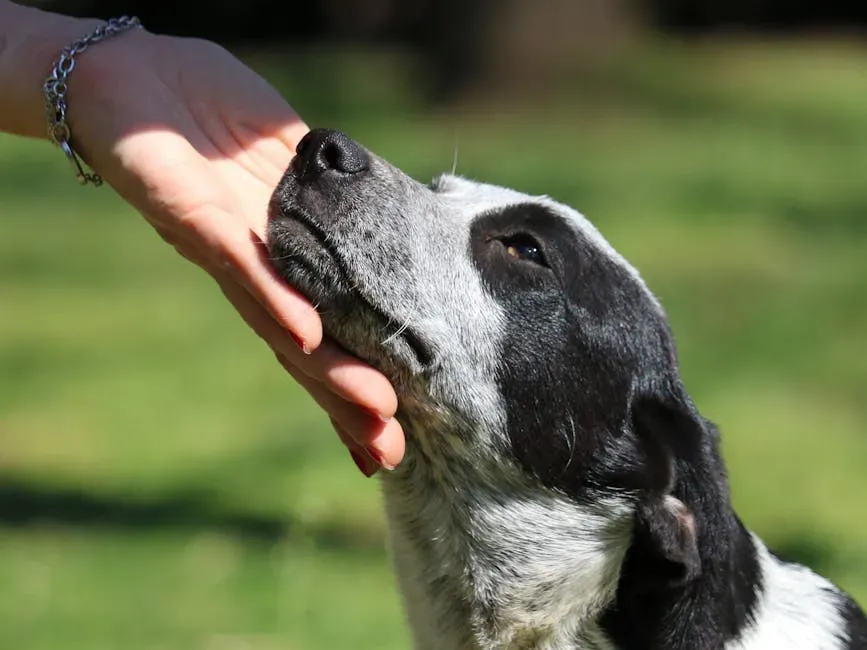
Dogs register the pressure, speed, and location of familiar hands. They learn which touch means grooming, which means play, and which means rest. This tactile memory is precise and personal.
Later in life, the dog may seek or avoid certain kinds of contact based on earlier patterns. The preference can guide how the animal accepts affection from others. The memory of touch becomes a quiet reference that influences comfort levels across different relationships.
The Overall Atmosphere You Create
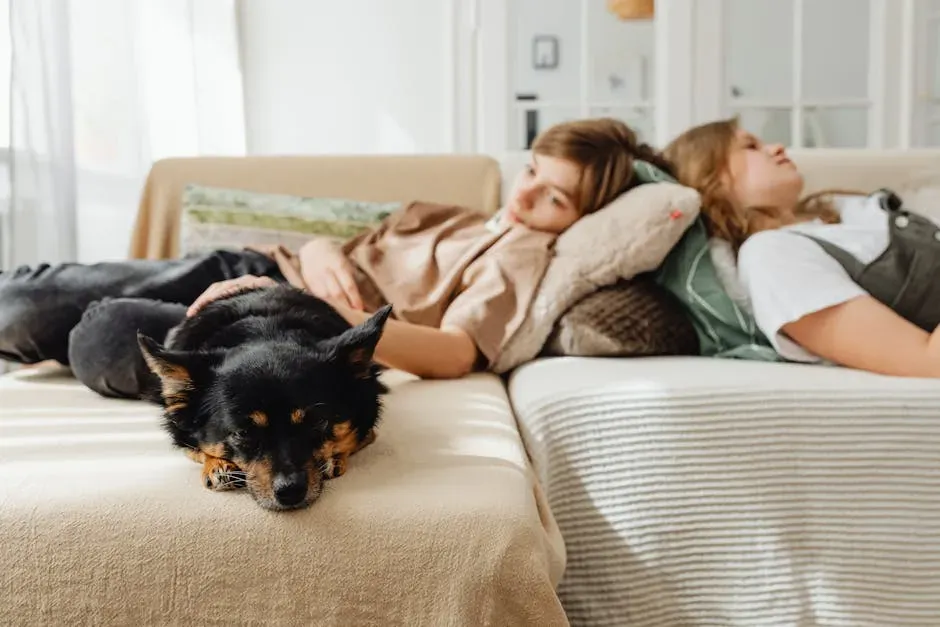
Beyond individual details, dogs absorb the general feeling of a home shaped by one person. They notice the pace of the household, the level of noise, and the balance between activity and rest. This broader impression forms a kind of emotional baseline.
When that atmosphere changes, the dog may carry a template of what once felt normal. The template can affect how the animal settles into new settings. It provides a quiet standard that lingers and colors later experiences without any conscious effort from the dog.
These quiet records dogs keep do not require grand gestures or dramatic events. They grow from the steady accumulation of ordinary days spent together. In the end, the things a dog remembers most clearly are the ones that made daily life feel steady and known. That steadiness can travel forward, offering a small measure of continuity long after the original moments have passed. The bond leaves its mark in the animal’s expectations and reactions, a private inheritance that needs no words to remain real.


