
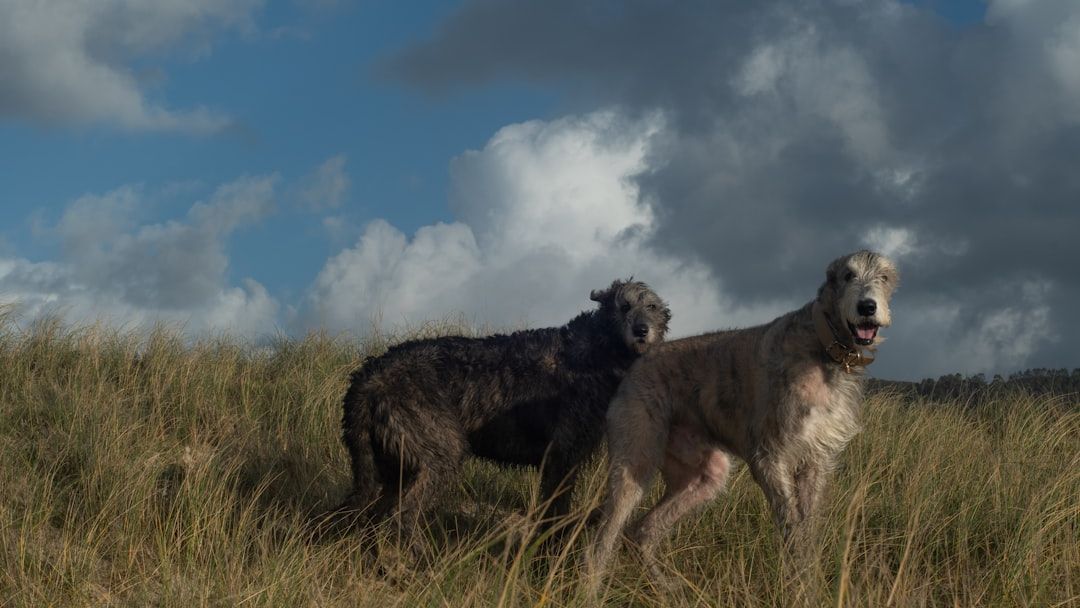
Thunder cracks overhead and rain lashes the windows. Most dogs might tuck into a corner or seek a familiar lap for comfort. Yet sometimes a single behavior stands out as more than ordinary fear.
It signals something deeper that deserves quick attention from a professional. Owners who notice it early often prevent bigger problems down the line.
What That Specific Behavior Actually Looks Like
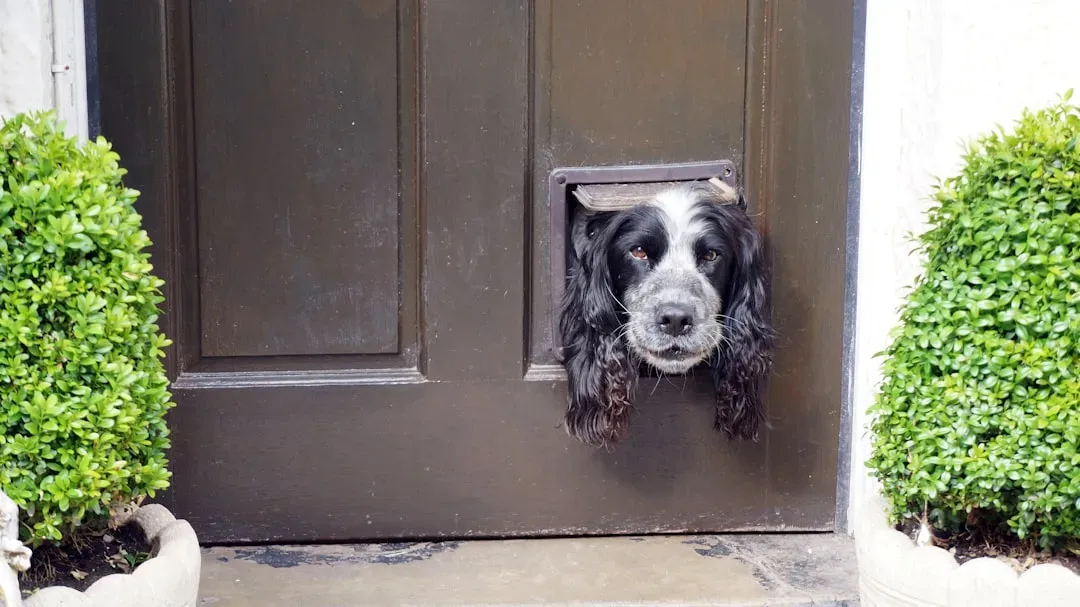
Picture your dog suddenly fixated on doors or windows, clawing and pushing with unusual force. The effort goes beyond a quick check for the mail carrier. It becomes repetitive and intense, lasting well after the thunder fades.
Veterinarians describe this as an escape driven response that differs from normal hiding. The dog may ignore commands or treats that usually work. Physical signs like heavy breathing or dilated eyes often accompany the actions.
Why Storms Spark Such Intense Reactions
Changes in barometric pressure and static electricity can unsettle a dog sensitive nervous system. Loud noises add another layer of stress that builds quickly. Some breeds inherit a stronger tendency toward noise sensitivity than others.
Previous negative experiences during storms can reinforce the pattern over time. The combination leaves the dog feeling trapped with no clear way out. That trapped feeling fuels the drive to escape at any cost.
The Real Risks When Owners Delay Action
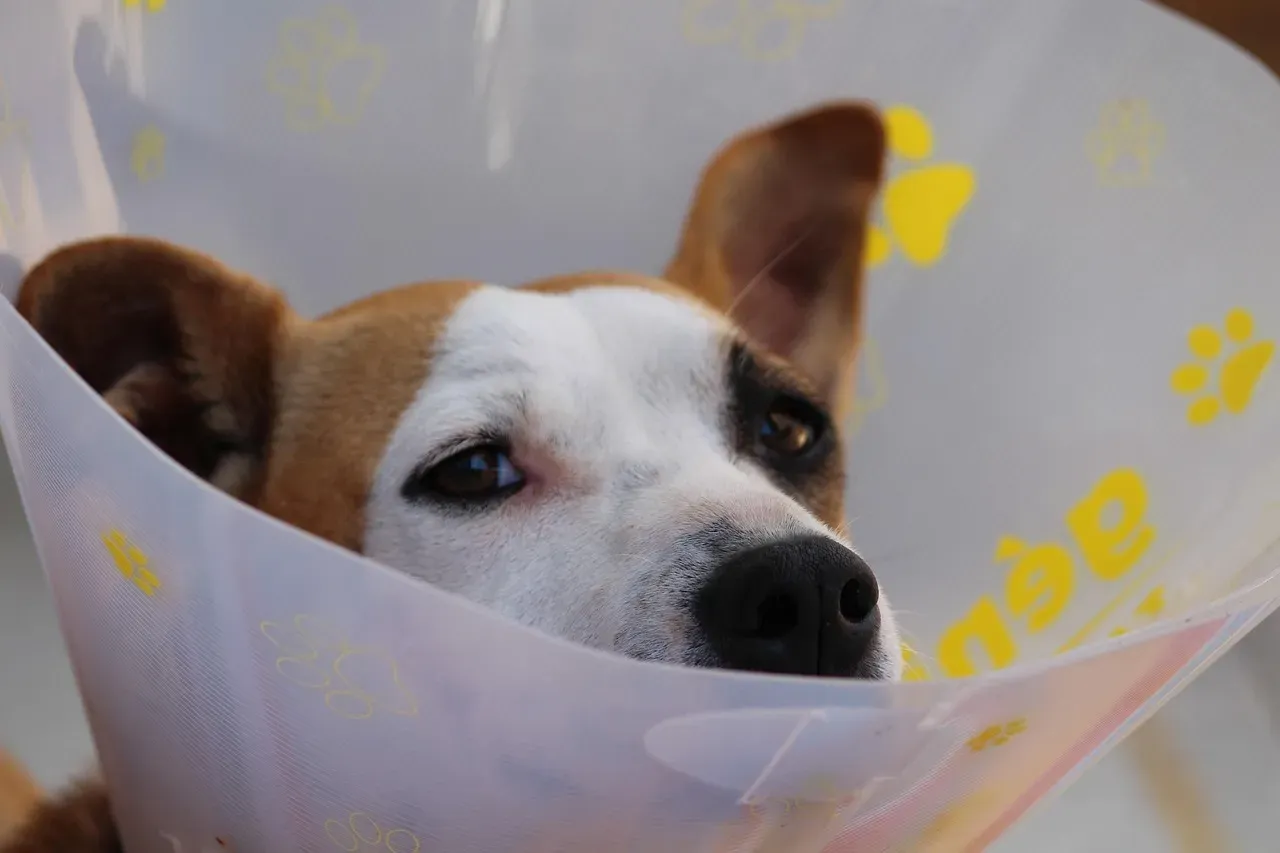
A dog that pushes this hard risks cuts, broken nails, or even more serious injuries from glass or sharp objects. Escaping outdoors during severe weather brings dangers like traffic or getting lost. Repeated episodes can also worsen anxiety into a chronic issue.
Stress hormones stay elevated longer than many people realize. This prolonged state affects sleep, appetite, and overall health. Early intervention keeps small problems from turning into emergencies.
Steps To Take The Moment It Starts
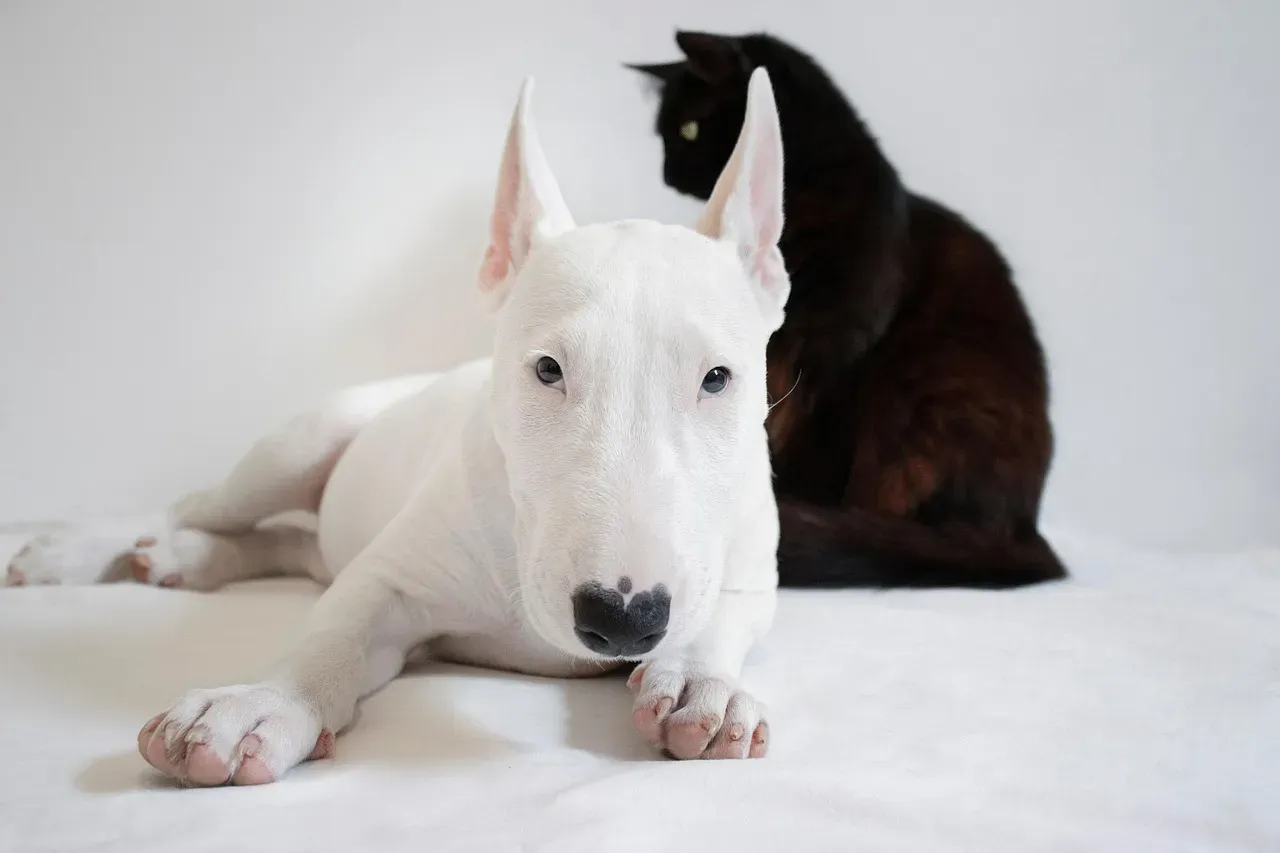
Stay calm yourself and speak in a low, steady voice without rushing toward the dog. Create a quiet space with familiar bedding and soft lighting if possible. Avoid forcing the dog into a crate if that increases the panic.
Note the exact timing and duration of the behavior for later discussion with a vet. Offer a favorite toy or chew only if the dog shows interest without added pressure. These small measures buy time until professional advice arrives.
When A Vet Visit Becomes The Next Logical Move
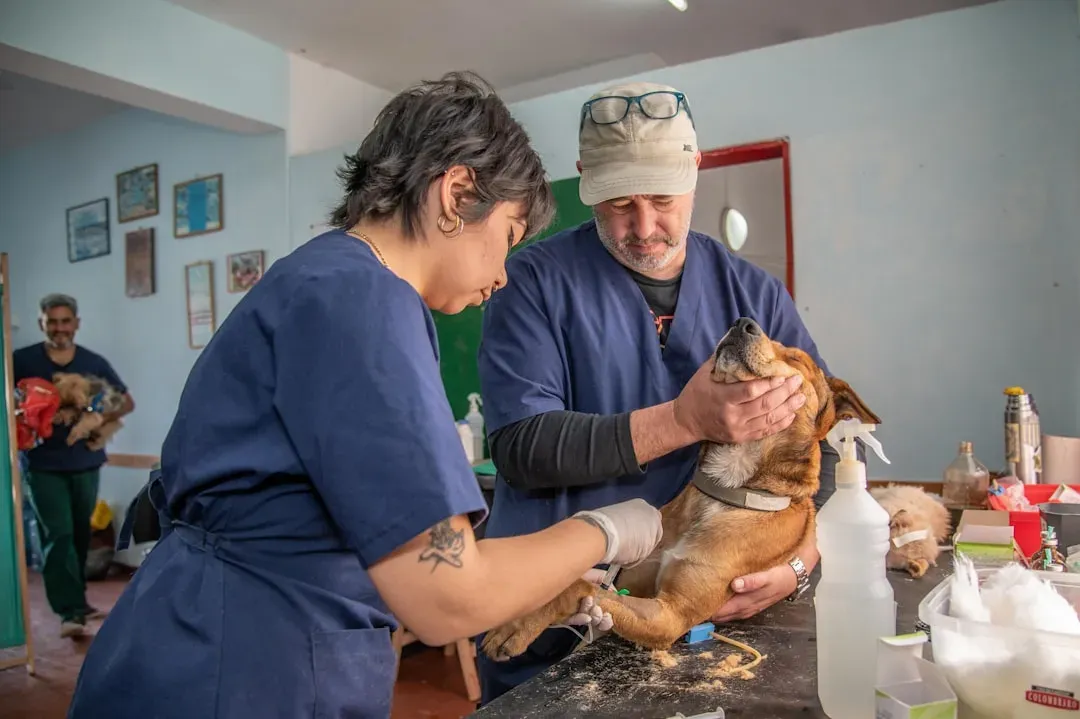
A single storm episode rarely requires an emergency trip. Yet repeated or escalating escape attempts point to the need for an exam. The veterinarian can rule out underlying pain or medical conditions that mimic anxiety.
Many clinics offer behavior consultations that include safe medication options for short term relief. These discussions happen in a relaxed setting rather than during the next storm. Owners leave with a clear plan tailored to their dog specific needs.
Longer Term Strategies That Actually Help
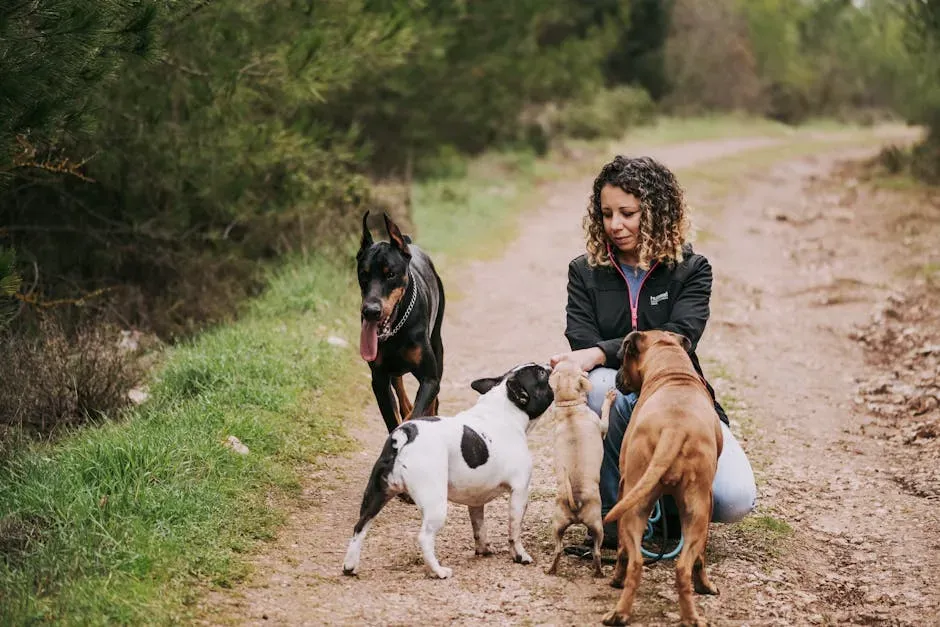
Desensitization training uses recorded storm sounds played at low volume while pairing them with positive experiences. The process takes patience and consistency over weeks or months. Counter conditioning builds new associations that replace fear with calm.
Some dogs benefit from anxiety wraps or pheromone diffusers during known storm seasons. Regular exercise on calm days helps burn off excess energy that might otherwise fuel panic. Tracking progress in a simple notebook shows what works best for each individual dog.
Creating A Home That Feels Safer Year Round
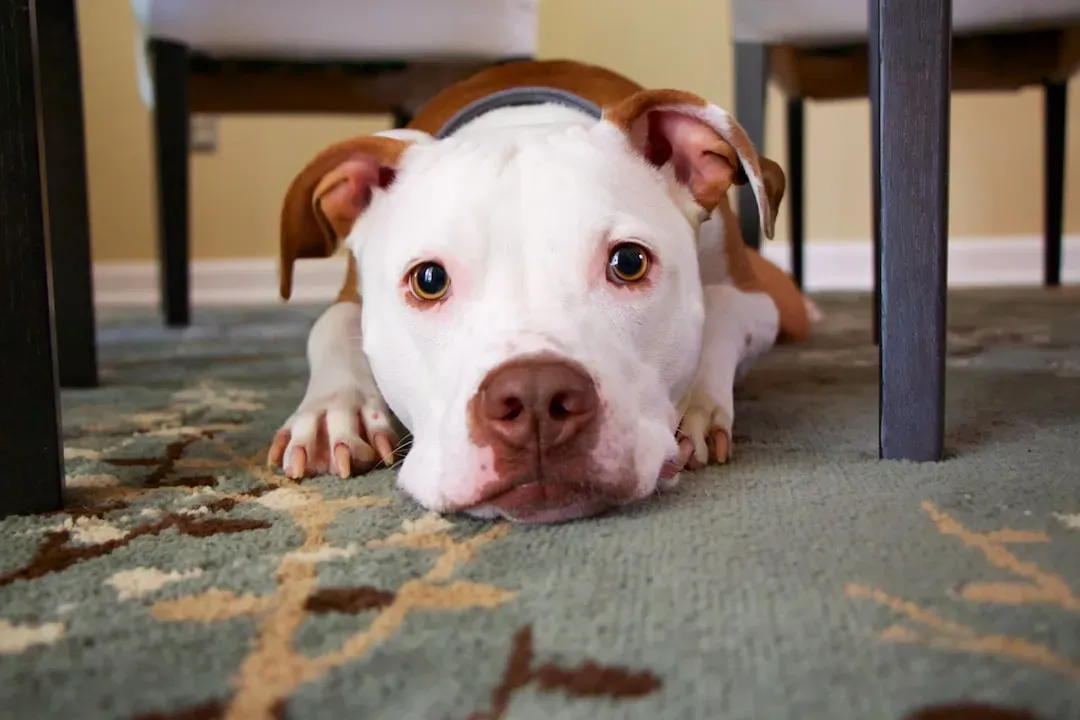
Designate a storm ready room with sound dampening curtains and a sturdy piece of furniture for cover. Keep emergency supplies like extra leashes and identification tags nearby. Routine check ins with the dog during mild weather build trust that carries over to rougher days.
Neighbors or pet sitters who know the plan reduce last minute scrambling. Small adjustments like these add up without requiring major renovations. The goal remains steady comfort rather than perfect silence.
Paying attention to that one urgent signal during storms protects both the dog and the household from unnecessary harm. A timely conversation with a veterinarian often turns a frightening pattern into a manageable one. The payoff shows up in calmer evenings and a deeper sense of security for everyone involved.


