
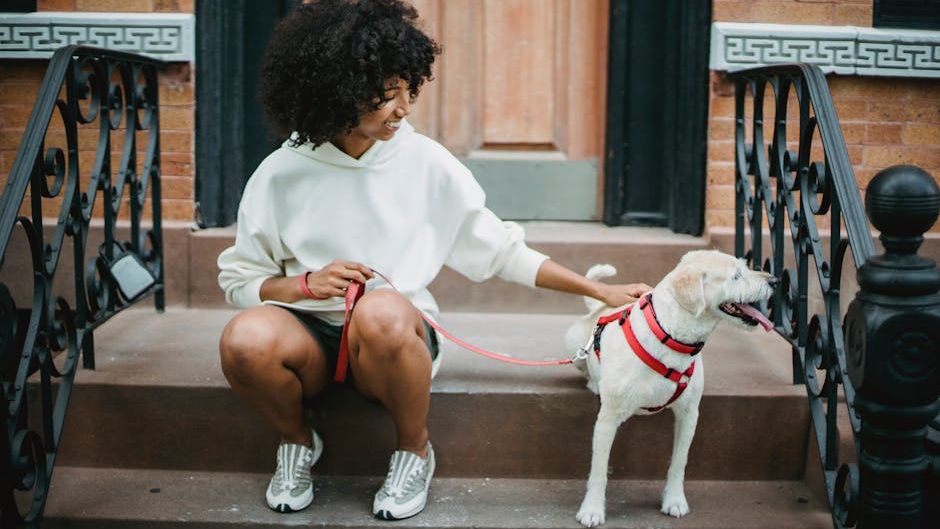
Most people assume any will welcome a friendly scratch behind the ears. Yet countless interactions turn awkward or worse because small habits get overlooked in the moment.
Understanding what to avoid can turn a tense encounter into a calm one for everyone involved. The following points highlight common missteps that even experienced lovers sometimes make.
Approaching Without Letting the Dog Notice You First
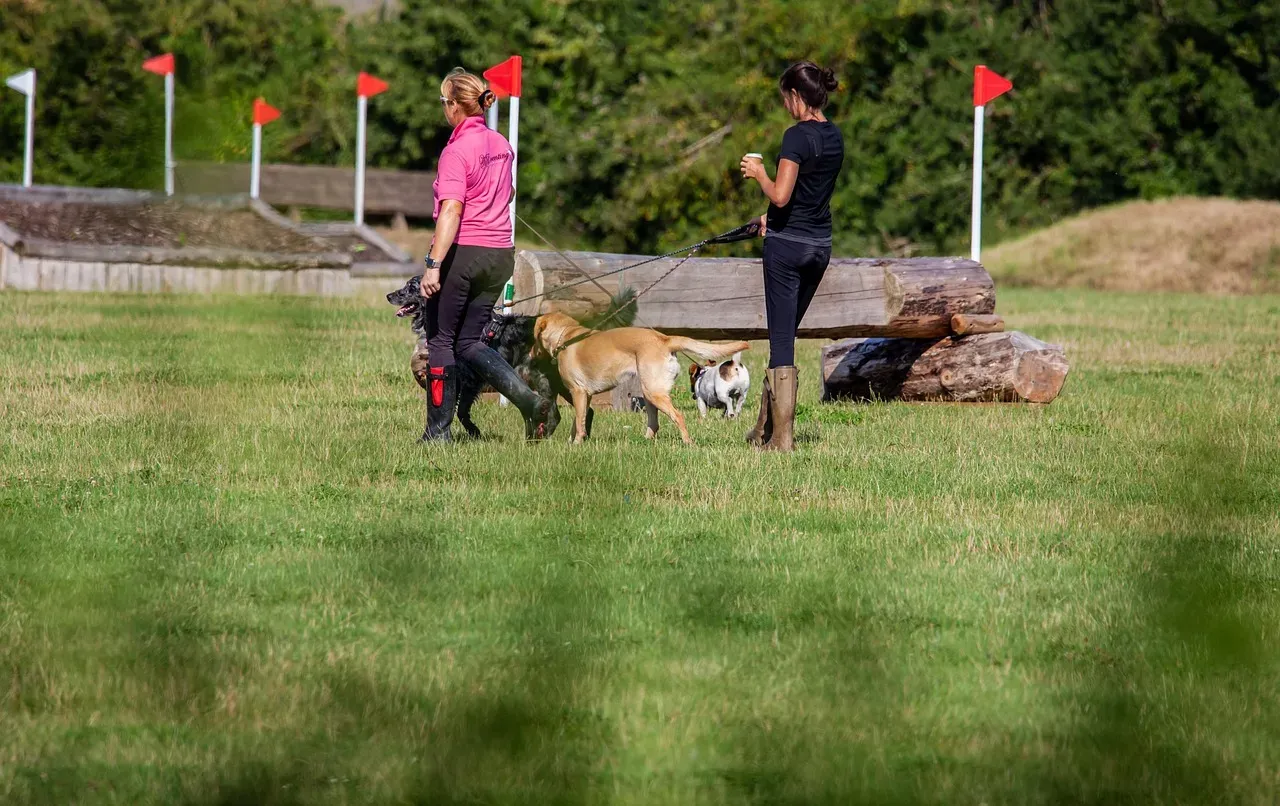
Dogs rely heavily on visual cues to feel secure. Walking straight up from behind or from the side can startle them before they have time to process who you are. A better approach involves letting the dog catch sight of you from a distance and observe your calm posture.
Many owners report that dogs relax noticeably once they have a clear view of the approaching person. Rushing in without this pause often leads to stiffening or backing away. Taking those extra seconds respects the dog’s need to assess the situation on its own terms.
Reaching Directly Over the Head
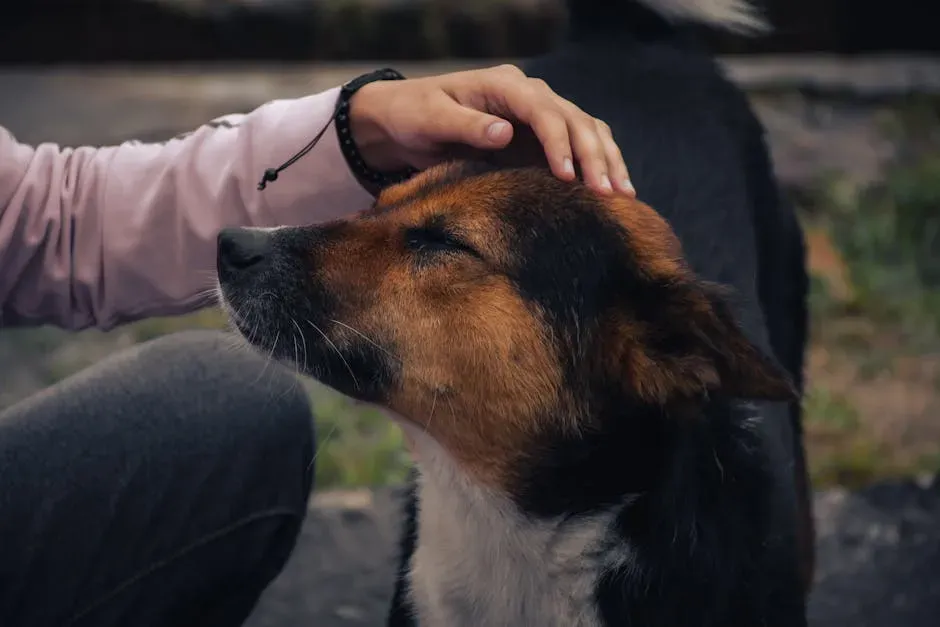
Extending a hand straight above ‘s head feels threatening to many animals. This motion blocks their vision and mimics a dominant gesture in canine body language. Instead, offering a hand at their level or slightly below gives them the choice to sniff and decide.
Even friendly dogs can duck or pull back when a hand descends from above. The preference for side approaches shows up consistently across different breeds and ages. Adjusting this single habit prevents unnecessary tension right at the start.
Ignoring Subtle Signs of Discomfort
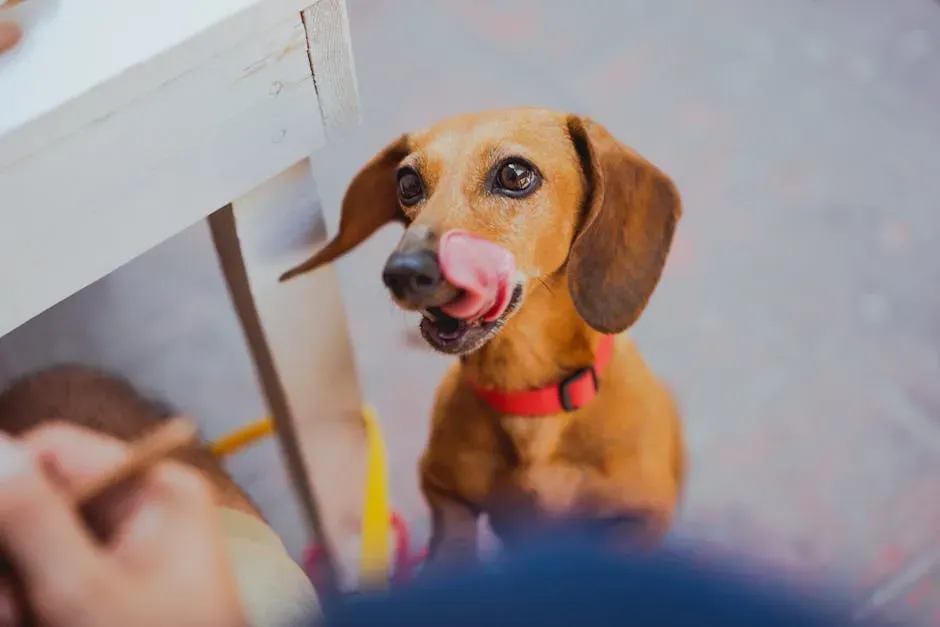
Dogs communicate unease through small shifts long before they growl or snap. Lip licking, yawning, or turning the head away often appear first. Missing these quiet signals means the interaction continues when the dog would rather have space.
Owners who watch closely notice how quickly a relaxed tail can tighten or ears can flatten. Continuing to pet through these changes rarely improves the mood. Pausing at the first hint allows the dog to settle or move away gracefully.
Targeting Areas Many Dogs Find Sensitive
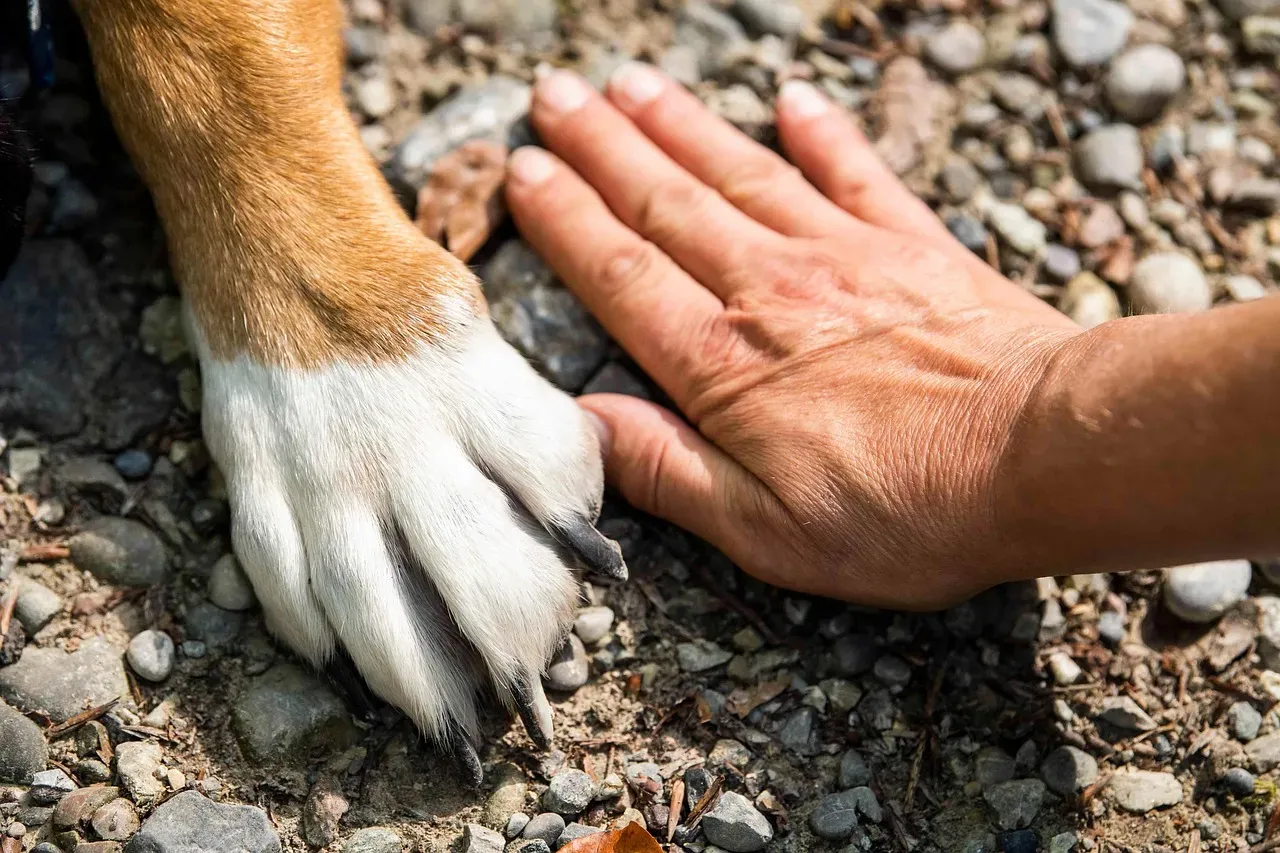
Paws, tails, and the top of the head rank high on lists of spots that make dogs uneasy. These areas connect to balance and protection instincts, so contact there can feel invasive even from a trusted person. Focusing instead on the chest or side of the neck tends to feel safer.
Breed differences play a role too, with some short haired dogs showing more sensitivity around the hips. Learning a particular dog’s preferences takes observation rather than assumption. Steering clear of the riskier zones keeps the experience positive for both sides.
Continuing When the Dog Clearly Wants Distance
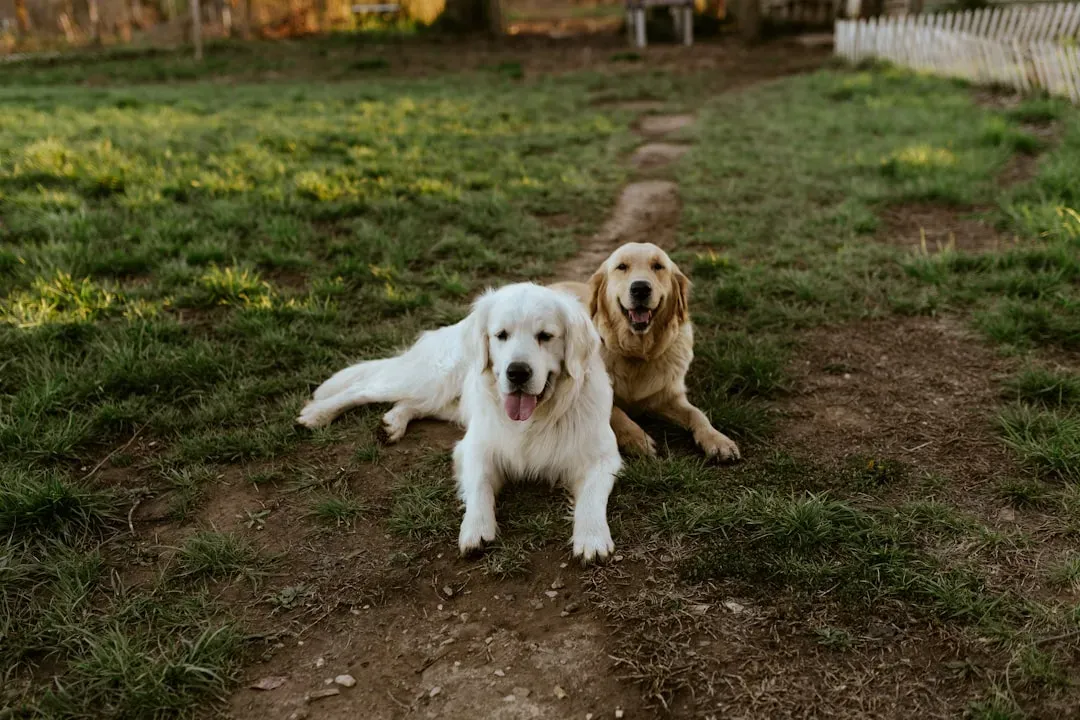
that walks away or leans into its owner is sending a direct message. Pushing the interaction anyway teaches the animal that its signals get ignored. Respecting that boundary builds trust over time instead of eroding it.
Many gentle dogs tolerate unwanted petting out of habit rather than enjoyment. The moment they create space, the polite response is to let them have it. This simple pause often leads to the dog returning on its own terms later.
Making Sudden Movements or Loud Sounds
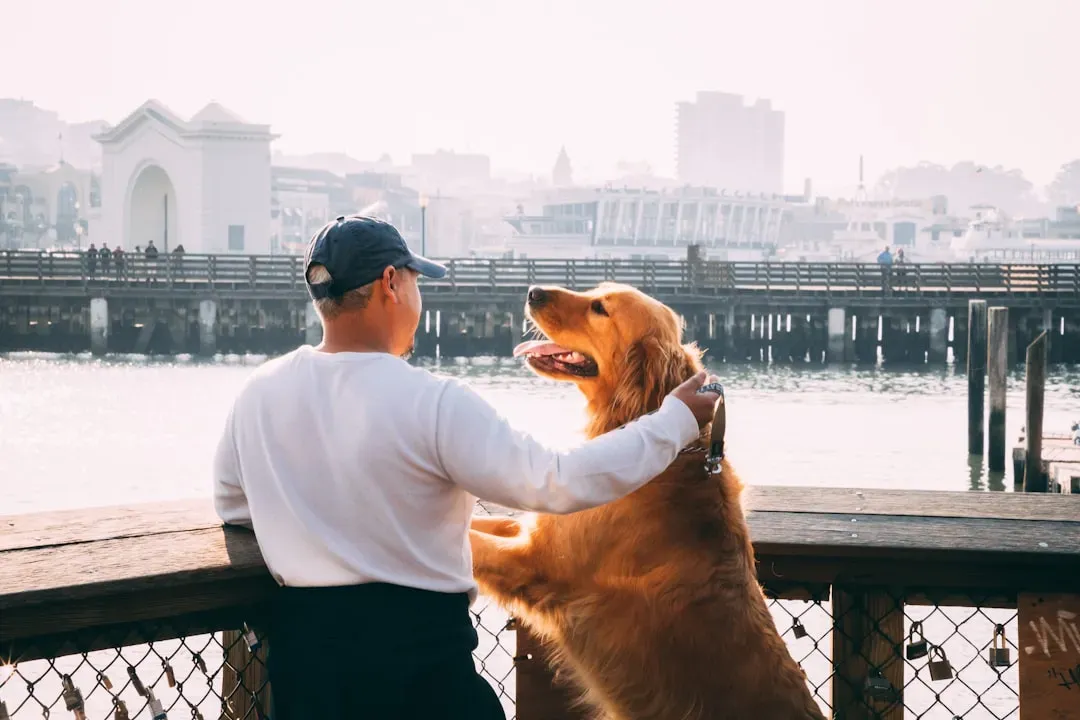
Quick gestures or excited voices can overwhelm ‘s senses during an introduction. Even a well meaning pat on the side becomes startling when paired with sudden energy. Keeping movements slow and voice steady helps the dog stay relaxed throughout.
Children especially benefit from reminders to slow down around new dogs. The contrast between calm energy and high energy often determines whether the dog stays engaged or retreats. Small adjustments in pace create noticeably smoother meetings.
Skipping Permission From the Owner
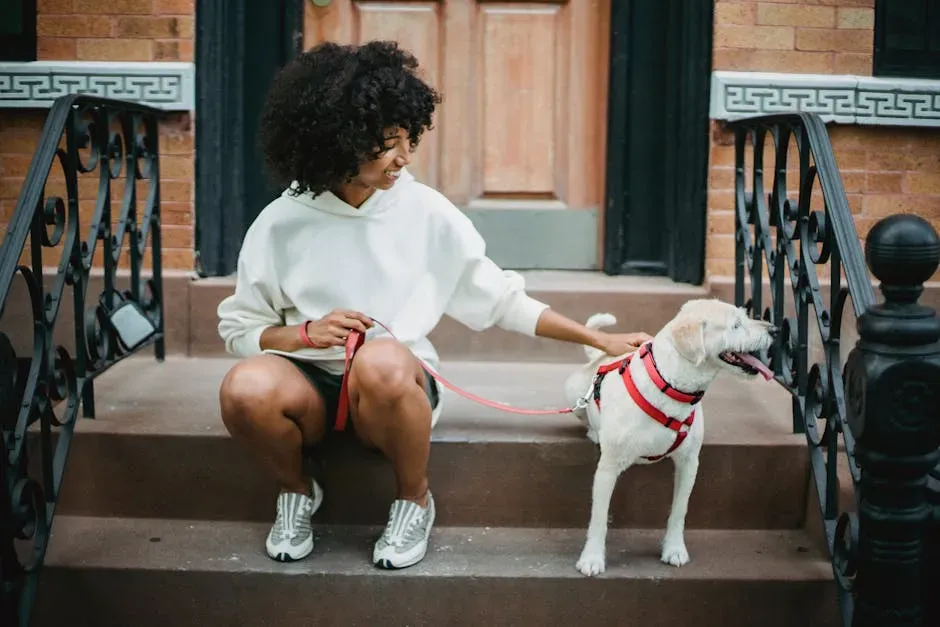
Every dog has its own history and comfort level that only the owner fully understands. Asking first prevents surprises for both the dog and its person. A quick question also opens the door to useful details about what the dog enjoys or avoids.
Owners appreciate the courtesy and often share tips that make the interaction smoother. This habit protects the dog while showing basic respect for the person responsible for its care. Over time it becomes second nature and improves encounters for everyone.
Building Better Habits Over Time
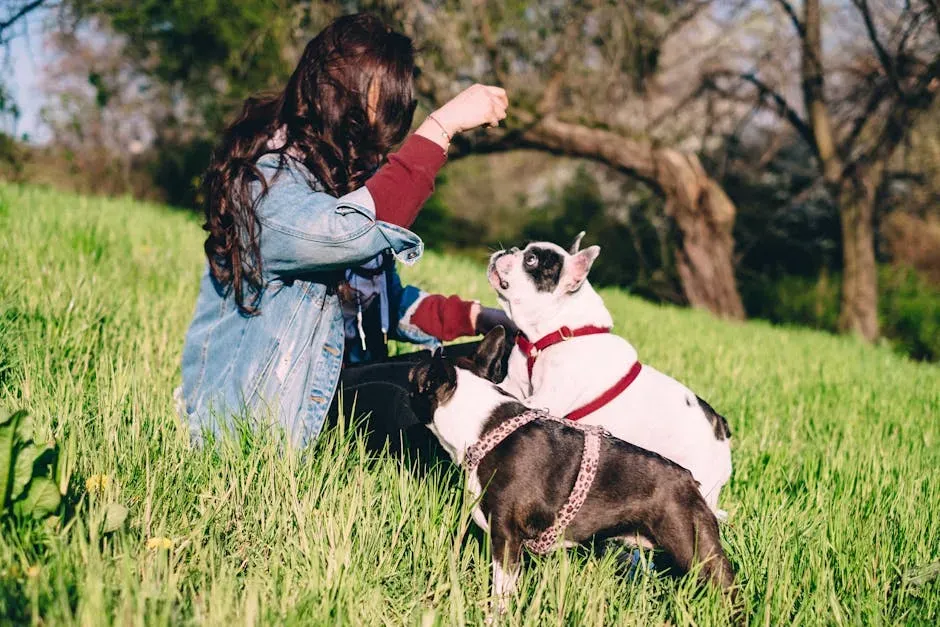
Small changes in how we greet dogs add up to fewer misunderstandings and stronger connections. The goal is never to stop enjoying these moments but to make them safer and more welcome. Dogs notice the difference when people slow down and pay attention.
Respecting boundaries does not diminish the joy of a good petting session. It simply shifts the focus from what we want to give to what the dog is ready to receive. In the end that mutual consideration creates the kind of easy, trusting interactions worth remembering.


