
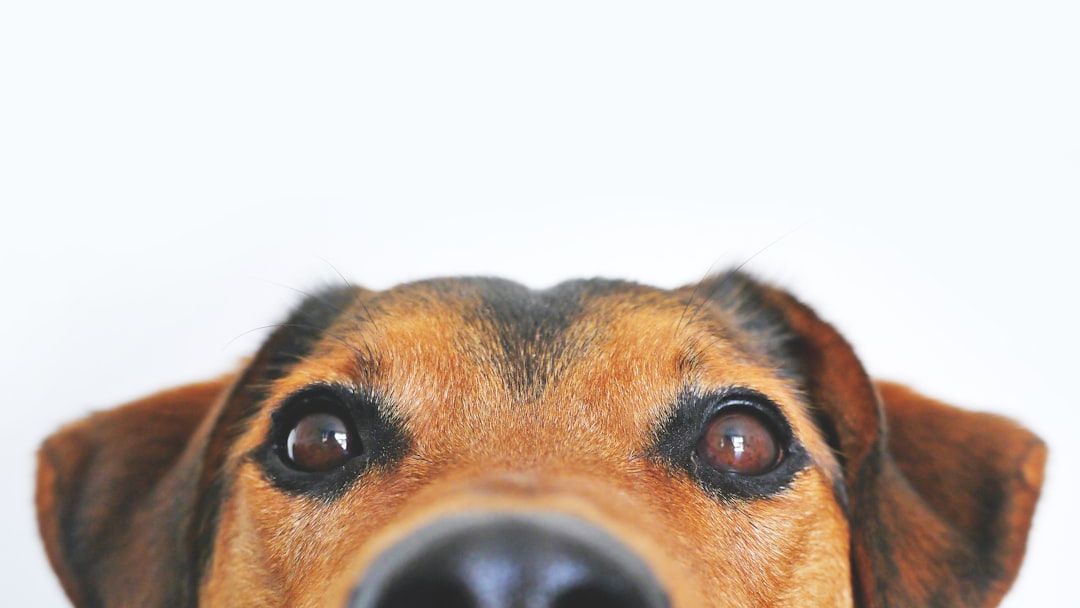
Pet owners often find themselves reaching for treats or adjusting routines without a second thought. The trigger is frequently a steady, purposeful stare from their dog. This pattern points to a learned strategy that allows dogs to shape human responses, particularly when food enters the picture.
The Canine Gaze as a Tool
Dogs have developed eye contact into a reliable signal. They direct it at owners during moments when a desired outcome, such as a meal or snack, seems possible. The look is not accidental. It serves as a clear request that many humans respond to automatically.
Over time, this behavior strengthens because it works. A dog that receives food after sustained eye contact learns to repeat the action. Owners, in turn, reinforce the cycle by providing what the dog seeks. The exchange becomes a quiet form of communication that both sides understand.
Beyond the Stare
Eye contact rarely stands alone. Dogs combine it with other actions to increase their chances of success. They may position themselves near food preparation areas or offer subtle body language that draws attention. These combined signals make the request harder to ignore.
Owners report similar experiences across different breeds and living situations. The consistency suggests the behavior stems from dogs observing what prompts human action most reliably. Food remains the most common focus because it delivers an immediate reward.
Daily Impact on Households
The influence appears in ordinary moments. A dog may fix its gaze on a person slicing vegetables or opening a refrigerator. The owner often responds by offering a small piece or changing plans to accommodate the animal. These small adjustments accumulate into noticeable shifts in household routines.
Recognizing the pattern helps owners respond more deliberately. Some choose to ignore the stare at certain times to avoid reinforcing every request. Others set clear feeding schedules that reduce the need for constant negotiation. Either approach changes the dynamic without removing the bond between dog and owner.
What Owners Can Watch For
- Prolonged stares directed at food sources or preparation areas.
- Repeated positioning near people who typically provide treats.
- Combinations of eye contact with tail movements or soft vocalizations.
- Increased use of the behavior during times when food is typically available.
These observations allow owners to understand the signals their dogs send. The goal is not to eliminate the interaction but to manage it with awareness.
Dogs continue to refine these approaches because they produce results. Owners who notice the pattern gain a clearer view of the relationship they share with their pets. The quiet negotiations around food reveal how closely the two species have learned to read each other.


