
Labrador Retriever
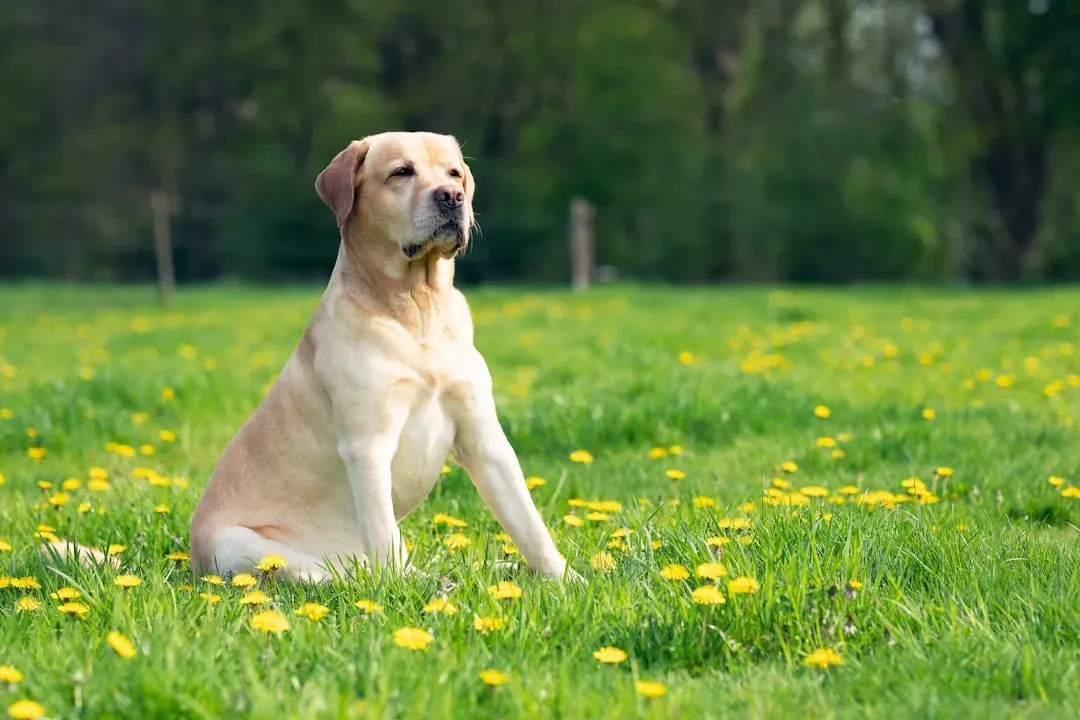
The Labrador Retriever stands out for its steady temperament and genuine enjoyment of family life. These dogs often treat children as their own pack members, tolerating rough play while gently redirecting energy when needed. Their high tolerance for noise and movement comes from generations of working closely with people in varied settings.
Labradors also bring a natural eagerness to please that makes them quick to learn household rules around kids. Families frequently report these dogs as reliable companions during everything from backyard games to quiet reading time. Their medium to large size provides a sturdy presence without overwhelming most young children.
Golden Retriever
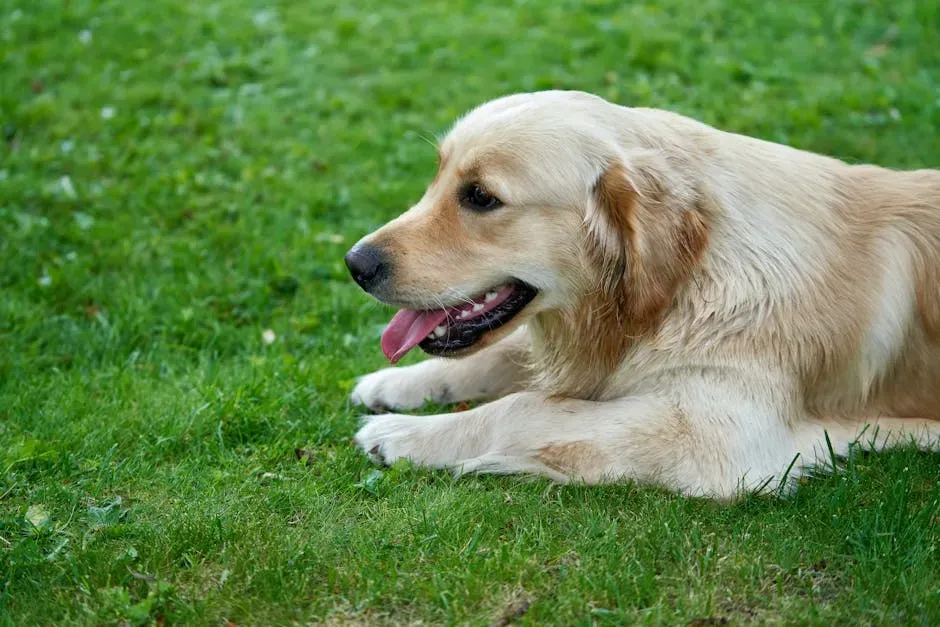
Golden Retrievers earn their reputation through consistent warmth and adaptability in homes with children. They tend to mirror the energy level of the kids around them, shifting from calm cuddles to active games without hesitation. Their soft mouths and patient nature stem from a long history as retrieving dogs that worked alongside handlers.
These dogs often form deep attachments early, remembering favorite toys or routines that involve the youngest family members. Their coat requires regular care, yet many owners find the grooming sessions become bonding moments with kids. Goldens generally handle the ups and downs of family schedules with quiet resilience.
Beagle
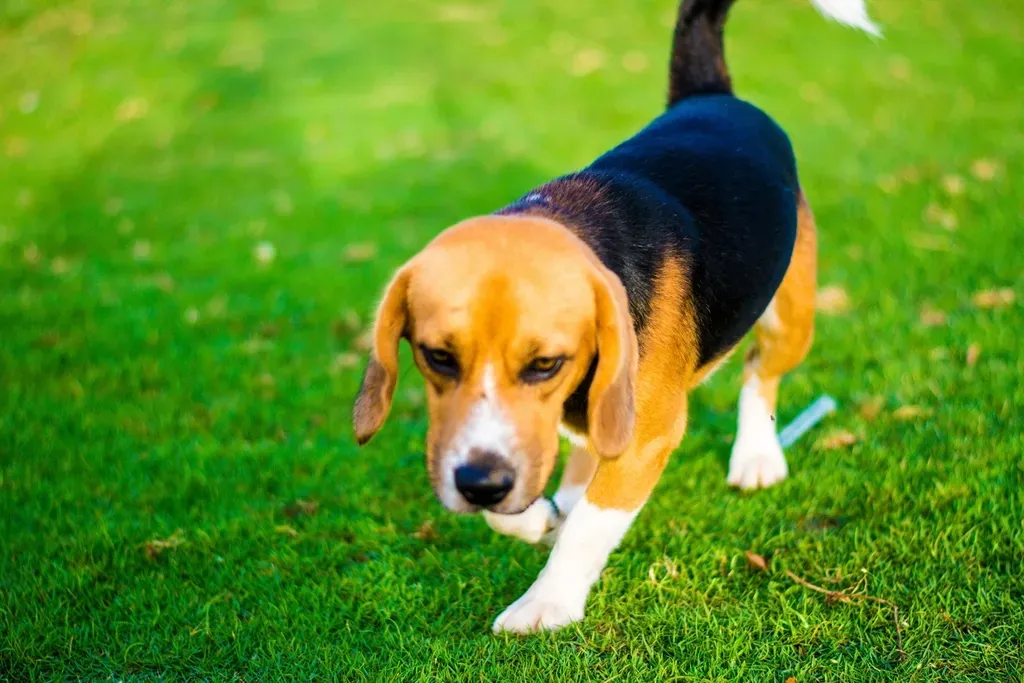
Beagles bring a playful curiosity that aligns well with children’s exploratory spirit. Their smaller stature makes them less intimidating, while their scent driven enthusiasm turns everyday walks into shared adventures. These hounds usually accept new people and situations with friendly interest rather than wariness.
Beagles thrive on companionship and often seek out the nearest child for company during the day. Their vocal tendencies can serve as early warnings around the house, yet they rarely direct that energy aggressively toward family. Regular exercise keeps their cheerful disposition intact even in busy households.
Bulldog
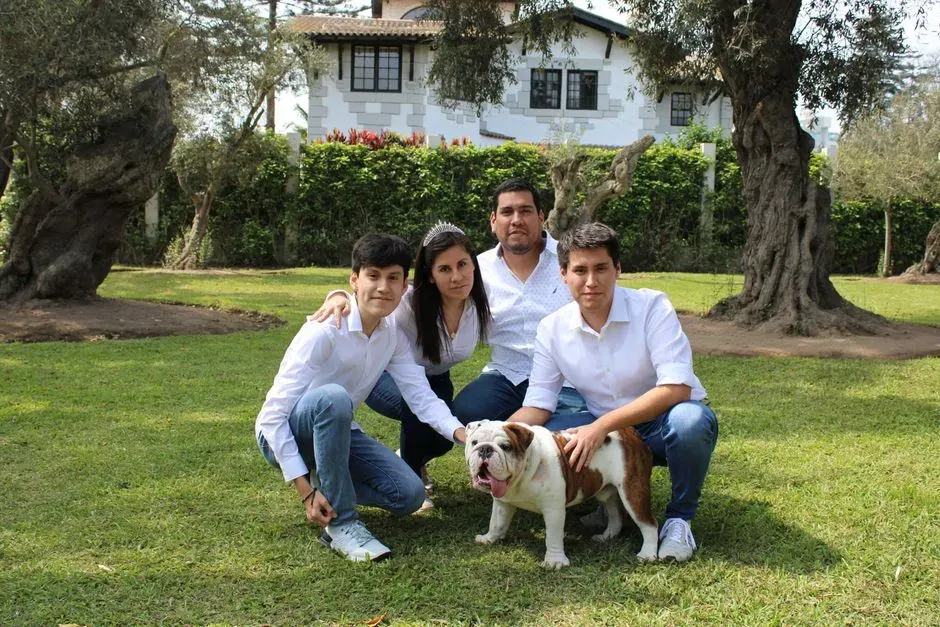
Bulldogs offer a calm, low key presence that suits families seeking a steady companion rather than a high energy playmate. Their sturdy build and relaxed pace allow them to keep up with children at their own speed without becoming overwhelmed. Many owners note how these dogs seem content simply being near the action.
Bulldogs typically show tolerance for gentle handling and quick naps beside young ones. Their short coat means minimal grooming demands, leaving more time for family interaction. These dogs often develop strong protective instincts toward the children they know best.
Poodle
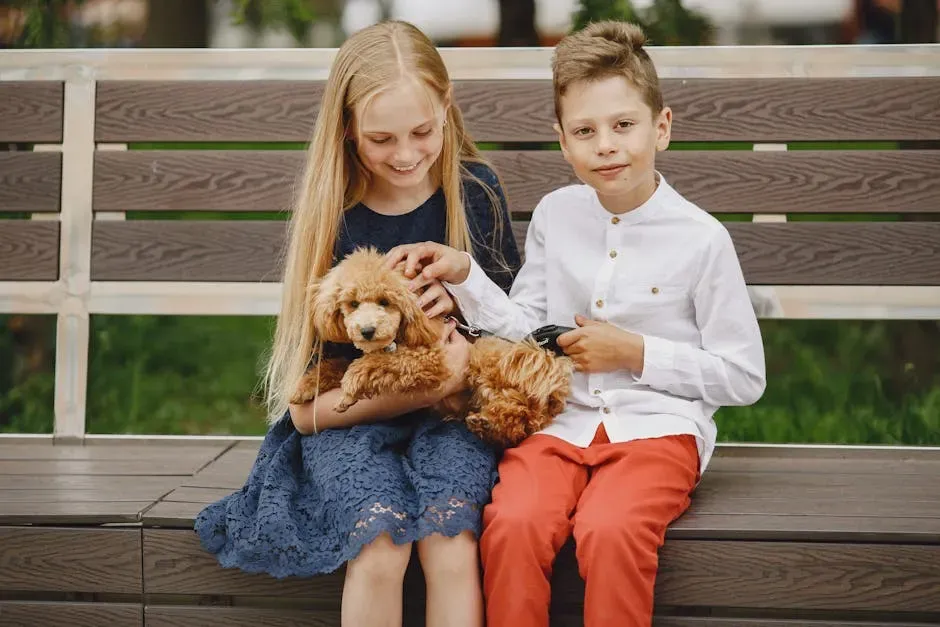
Poodles combine intelligence with a lively yet manageable temperament that fits well into family routines. Their hypoallergenic coat appeals to households where allergies might otherwise limit options. These dogs learn quickly and often enjoy structured games or tricks that involve kids as active participants.
Standard, miniature, and toy sizes give families flexibility in matching the dog to available space and child ages. Poodles generally remain attentive without becoming overly clingy or demanding. Their alert nature helps them fit into homes where supervision around little ones matters most.
Boxer
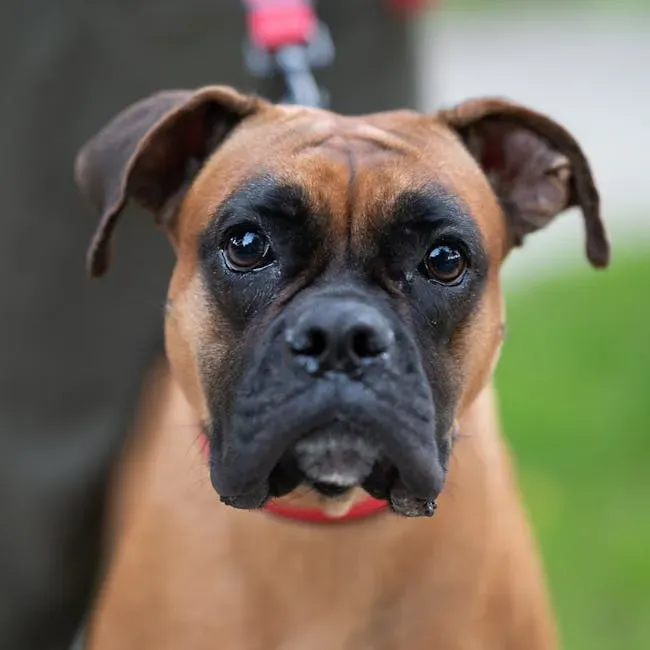
Boxers bring an exuberant yet loyal energy that many families describe as endlessly entertaining for children. Their muscular frame supports rough and tumble play while their expressive faces make interactions feel personal and fun. These dogs often mature into patient guardians who watch over their young charges.
Boxers require consistent exercise to channel their enthusiasm productively around the house. Their short coat keeps maintenance simple, and they tend to bond deeply once routines are established. Many owners find these dogs adapt well to the unpredictable schedules of growing families.
Cavalier King Charles Spaniel
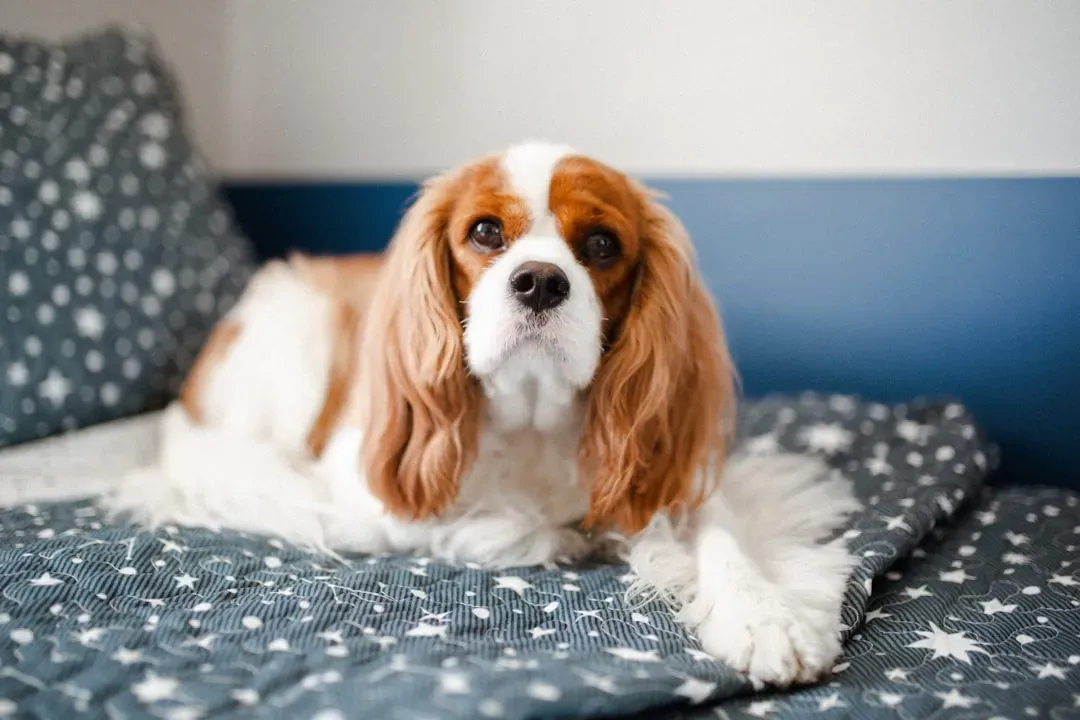
Cavalier King Charles Spaniels offer affectionate companionship in a compact package ideal for smaller living spaces. Their gentle demeanor and love of lap time create natural moments of calm connection with children. These spaniels usually greet new situations with curiosity rather than caution.
Cavaliers often mirror the mood of the household, providing quiet support during homework or lively company during play. Their silky coat benefits from regular brushing that can become a shared family activity. These dogs generally maintain a friendly outlook even as family dynamics shift over time.
Newfoundland
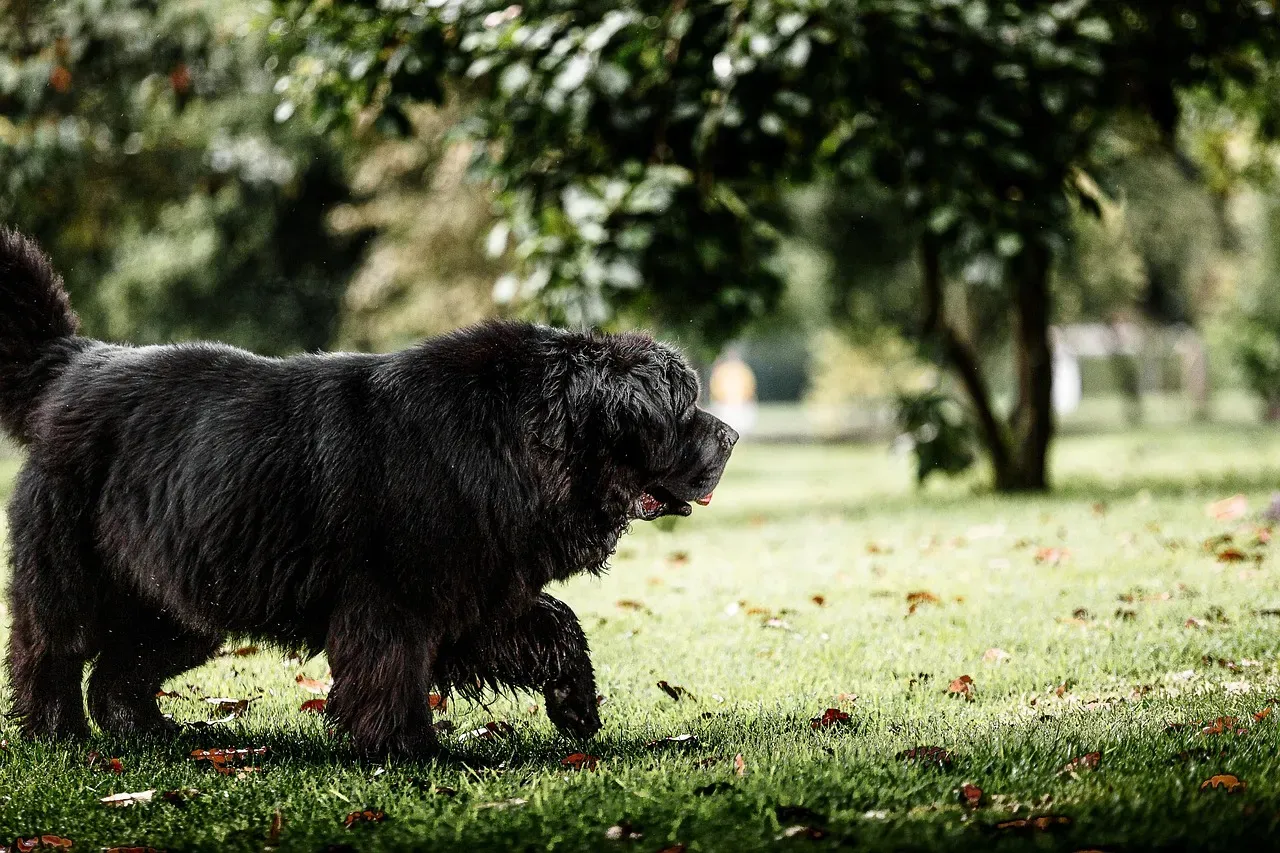
Newfoundlands present a gentle giant profile that many families appreciate for their calm strength around children. Their water rescue heritage translates into a patient, watchful presence that feels reassuring rather than imposing. These dogs often move slowly and deliberately near little ones.
Newfoundlands thrive on close family contact and frequently position themselves as quiet observers during daily activities. Their thick coat demands seasonal care, yet the grooming process can strengthen bonds with older children. These dogs typically handle household noise with steady composure.
Irish Setter
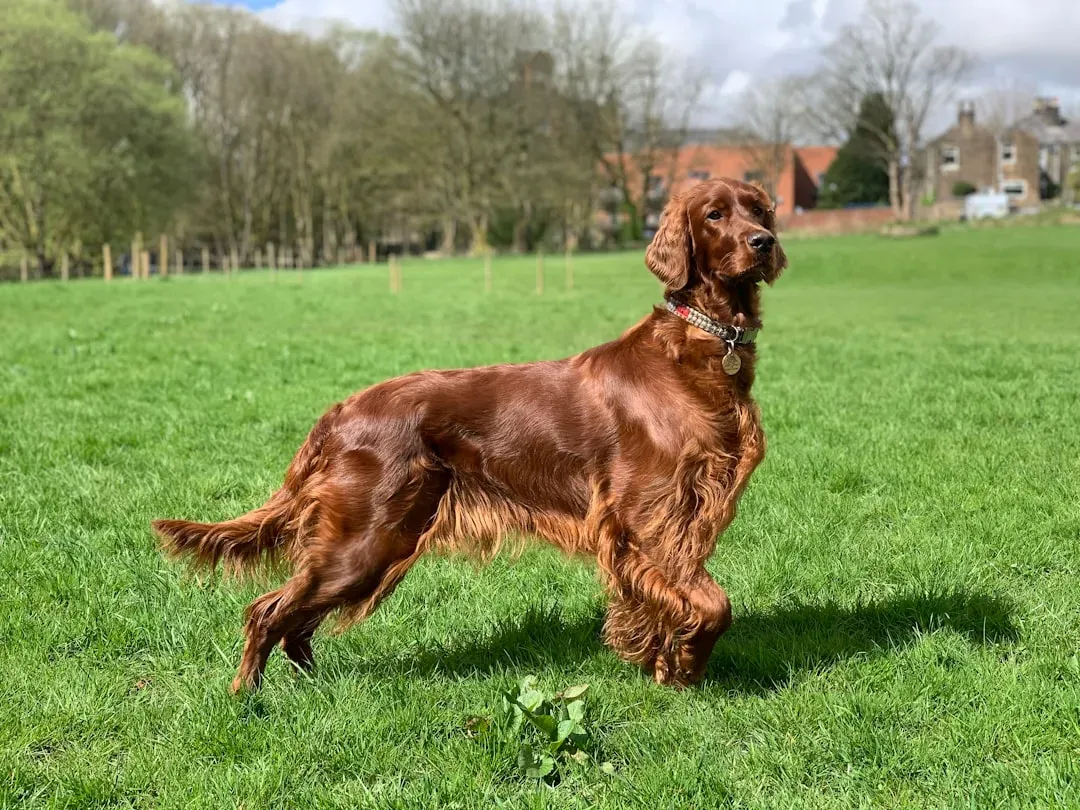
Irish Setters bring an elegant energy and affectionate nature that suits active families with children. Their athletic build encourages shared outdoor time while their friendly disposition eases introductions to new playmates. These dogs often display a playful streak that lasts well into adulthood.
Irish Setters respond well to positive routines that include kids in training or exercise sessions. Their coat needs attention to stay healthy, creating opportunities for gentle handling practice. Many owners note how these dogs seem to sense when a child needs extra reassurance.
Vizsla
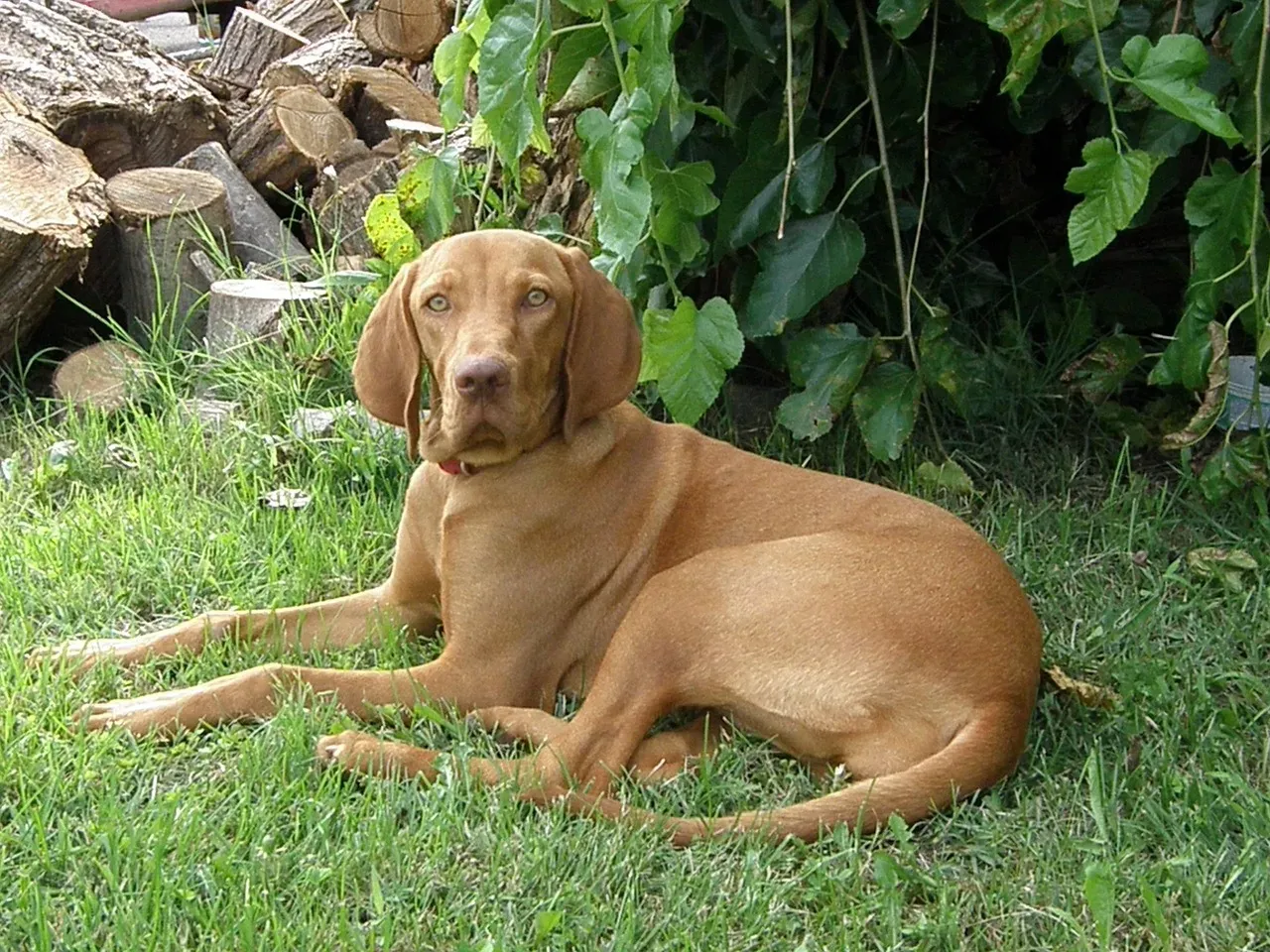
Vizslas form tight attachments that often extend especially to the children in the home. Their medium size and athletic frame support active play while their sensitive nature encourages gentle interactions. These dogs usually prefer staying close to their people rather than roaming independently.
Vizslas learn household expectations quickly when routines involve the whole family. Their short coat simplifies care, leaving more time for shared activities. Owners frequently describe these dogs as intuitive companions who adjust their energy to match younger family members.
Akita
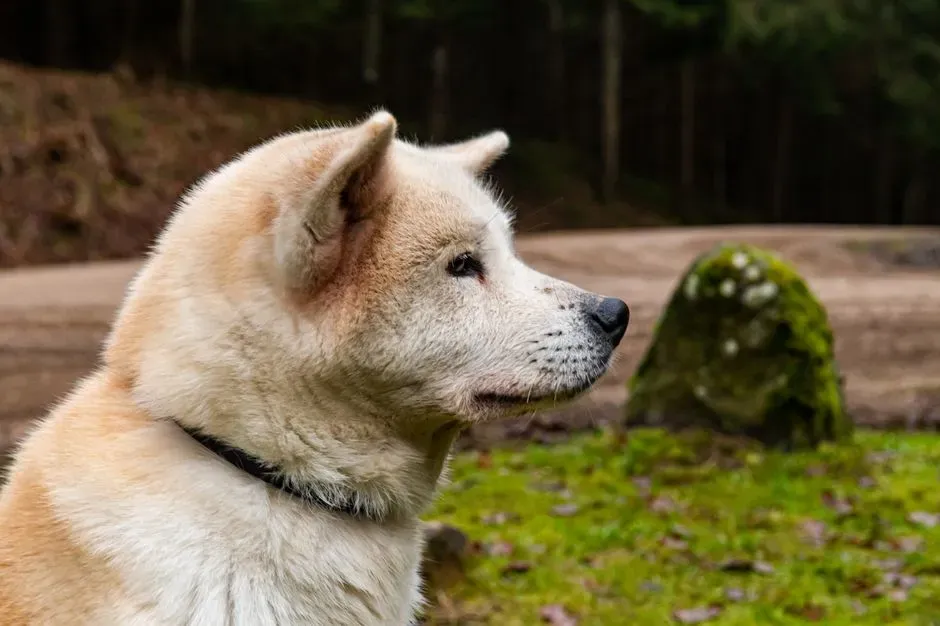
Akitas carry a strong independent streak and protective instincts that rarely align smoothly with young children. Their large size and reserved temperament can lead to misunderstandings during everyday family moments. These dogs often prefer calm, predictable environments over the noise and movement common in homes with kids.
Akitas may interpret a child’s sudden movements or loud play as threats, creating tension rather than connection. Their grooming and exercise needs add layers of management that can strain family resources. Many experts note these dogs perform best in adult only households with experienced handlers.
Chow Chow
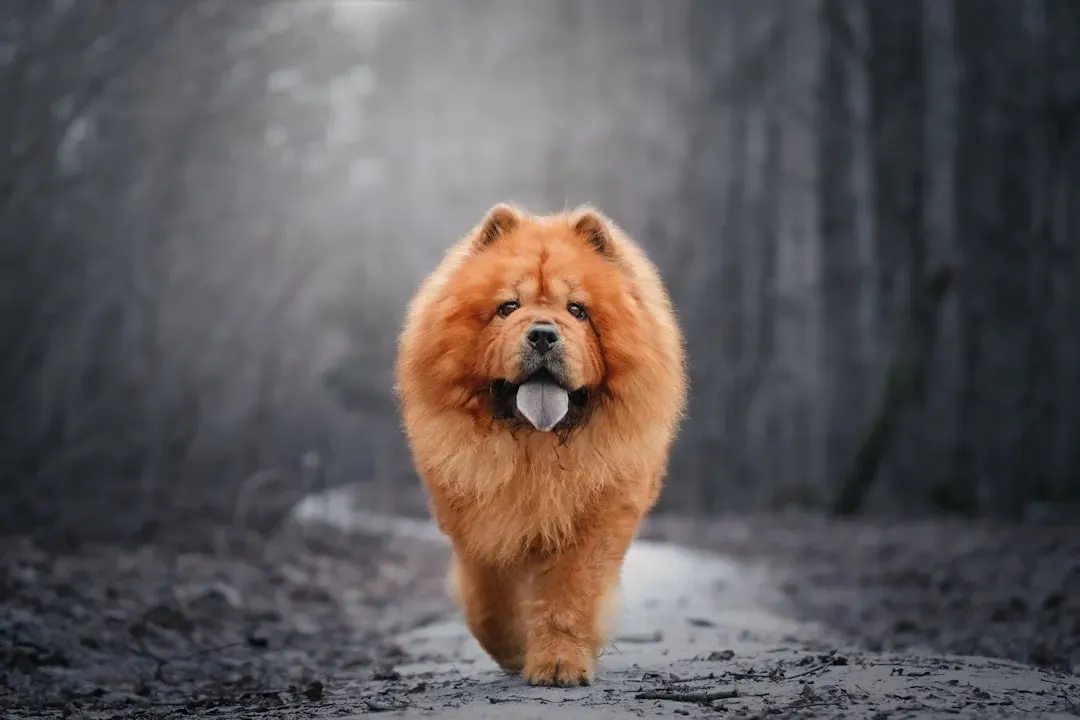
Chow Chows maintain a dignified distance that seldom translates into easy companionship with children. Their thick coat and sturdy build require dedicated care that competes with family time. These dogs often show limited tolerance for the unpredictable energy of young kids.
Chow Chows can become territorial around their space and belongings, leading to friction in shared living areas. Their aloof nature means they rarely seek out interaction the way other breeds do. Families frequently find these dogs need significant supervision and training to coexist peacefully.
Chihuahua
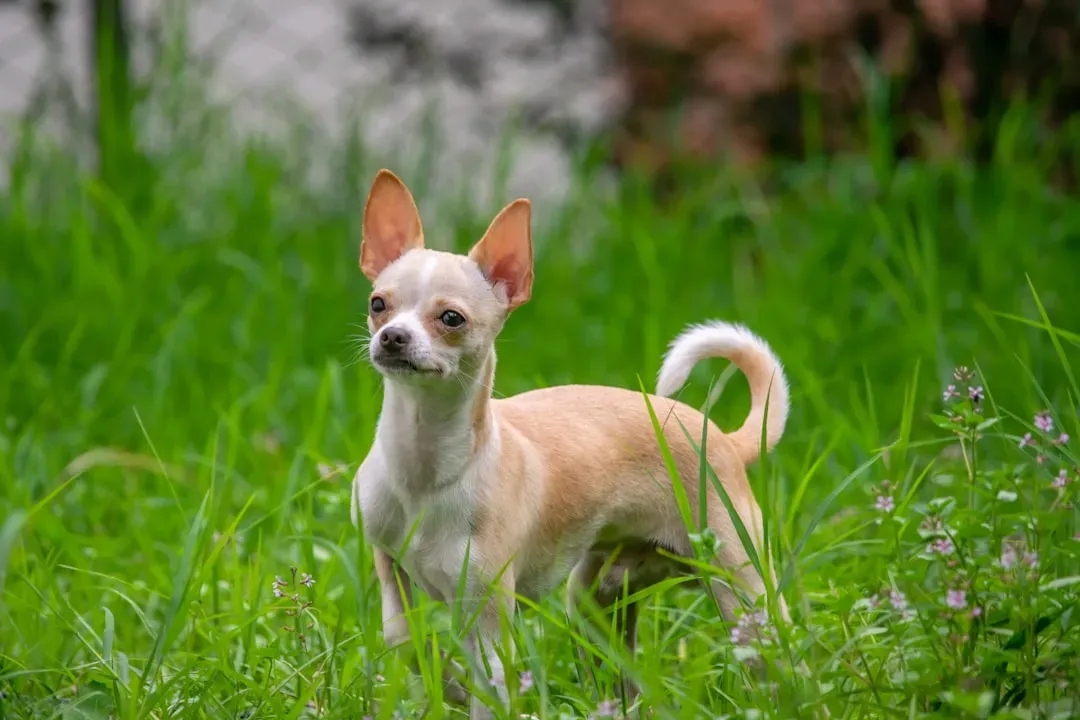
Chihuahuas bring a bold personality in a tiny frame that often clashes with children’s handling styles. Their small size makes them vulnerable to accidental injury during play, while their tendency toward nervousness can escalate quickly. These dogs frequently prefer the company of one or two adults over a busy household.
Chihuahuas may nip when startled or overstimulated, creating safety concerns around little ones. Their grooming and health needs remain straightforward, yet their temperament rarely softens with exposure to children. Many sources recommend these dogs for quieter homes without young kids.
Jack Russell Terrier
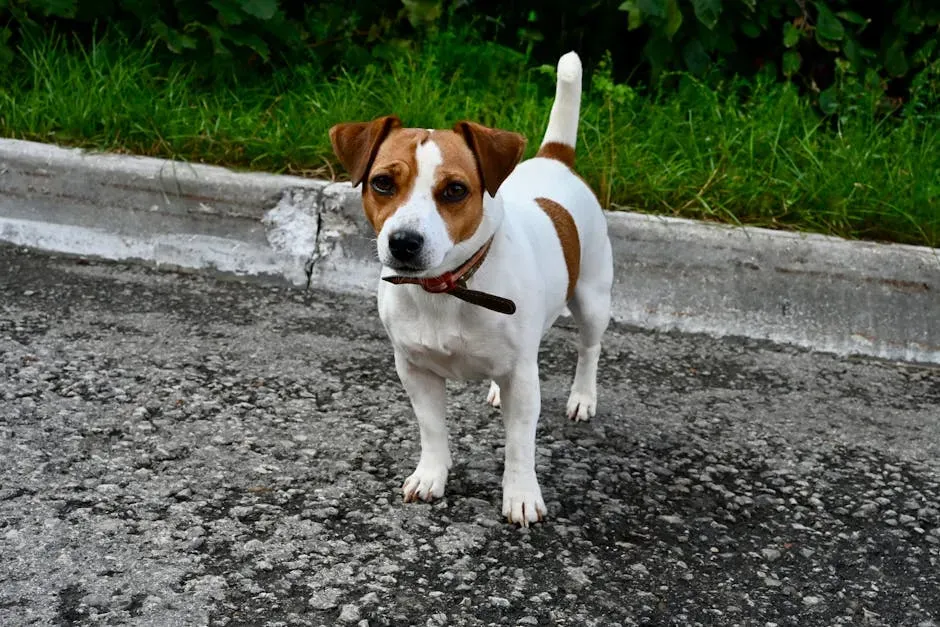
Jack Russell Terriers possess high energy and a strong prey drive that can overwhelm children during daily interactions. Their small but feisty build encourages chasing and digging behaviors that disrupt family spaces. These dogs often require experienced owners who can channel their intensity productively.
Jack Russells may view a child’s toys or movements as invitations to hunt or herd, leading to unintended conflicts. Their exercise demands exceed what most families with young kids can consistently provide. Experts generally advise against these terriers in homes where supervision cannot be constant.
Rottweiler
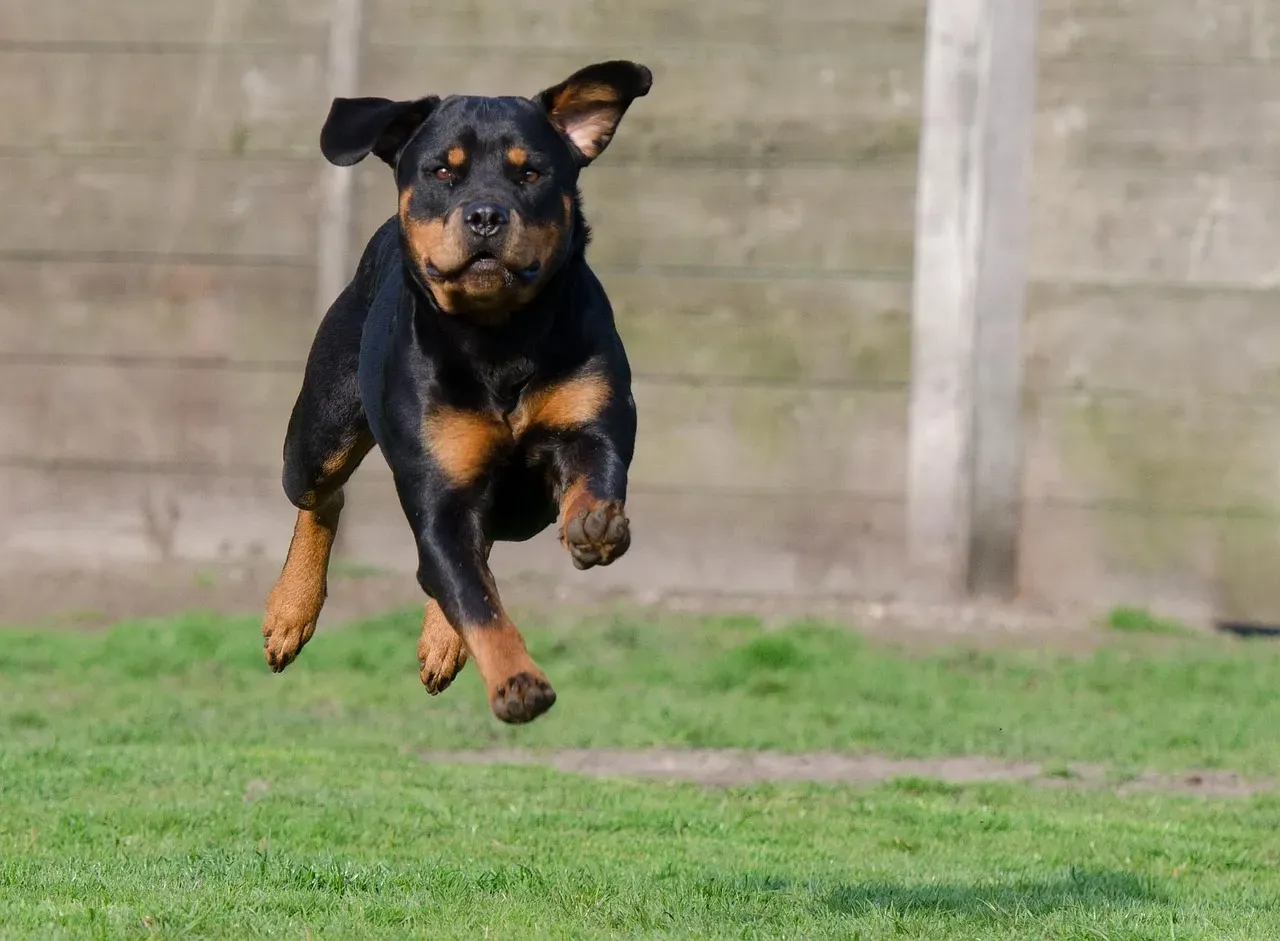
Rottweilers carry powerful guarding instincts that demand experienced handling and clear boundaries around children. Their size and strength mean even well intentioned play can result in accidental harm if not carefully managed. These dogs often bond deeply with adults yet remain wary of unfamiliar or erratic child behavior.
Rottweilers require extensive socialization and training from an early age to navigate family life safely. Their exercise and mental stimulation needs add complexity to households already balancing multiple schedules. Many professionals recommend these dogs only for families with older children and prior large breed experience.
Conclusion
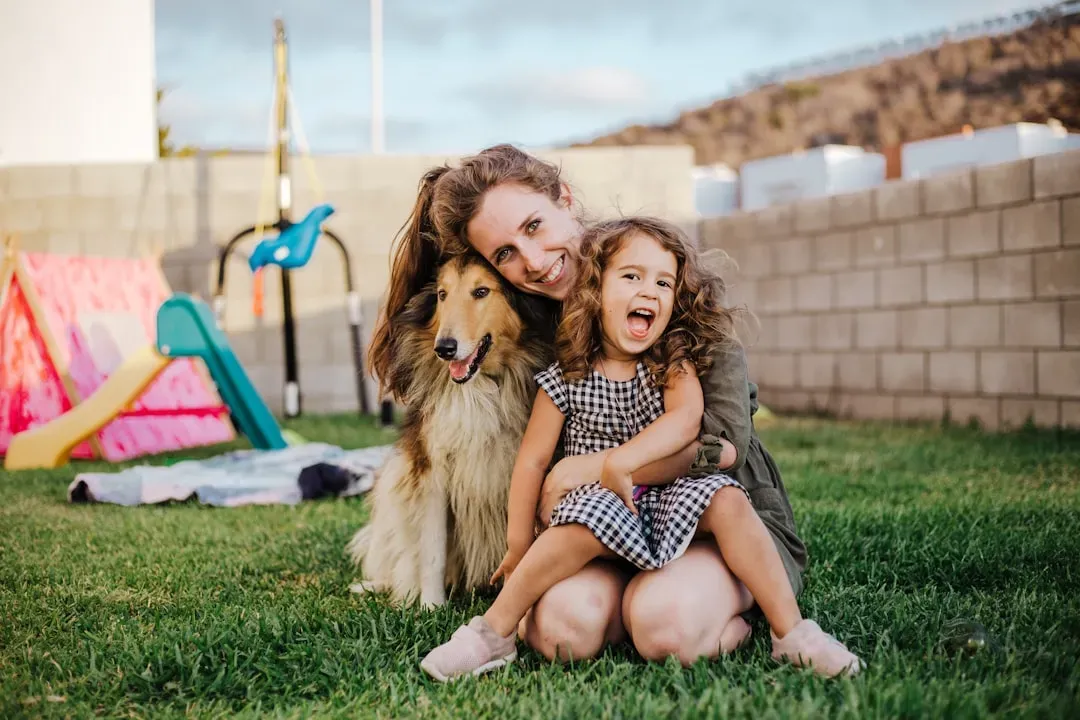
Selecting a dog for a home with children ultimately comes down to matching temperament, energy, and needs with the realities of family life. The breeds highlighted here reflect patterns observed across countless households, yet every dog remains an individual shaped by upbringing and training. Responsible ownership means researching thoroughly and considering professional guidance before bringing any new pet home.
In the end, the right match creates years of shared moments that strengthen family bonds in quiet, lasting ways.


