
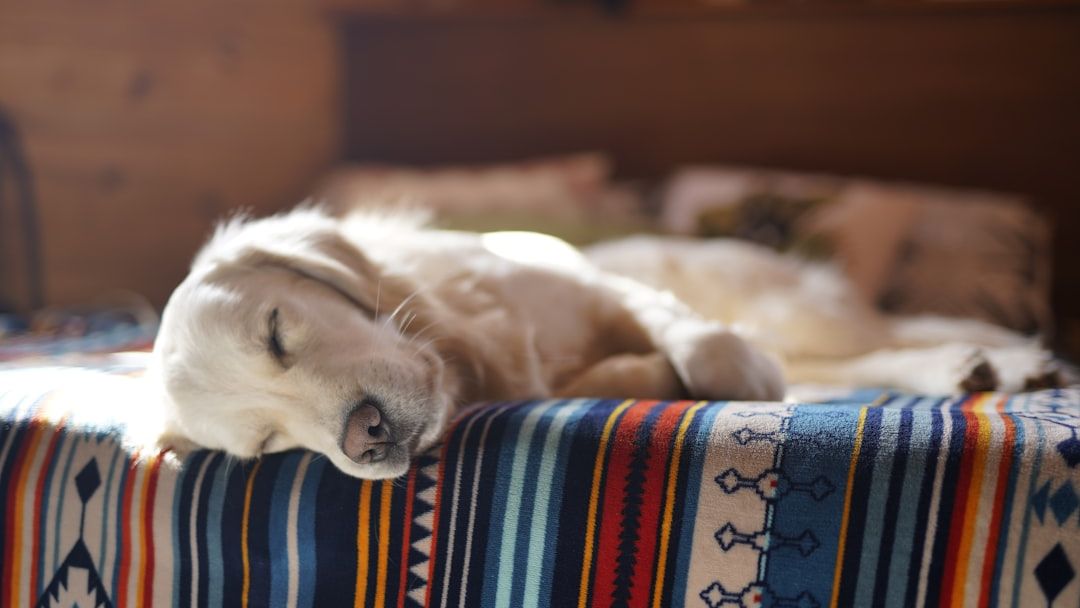
Their Paws Twitch in Quick, Rhythmic Bursts
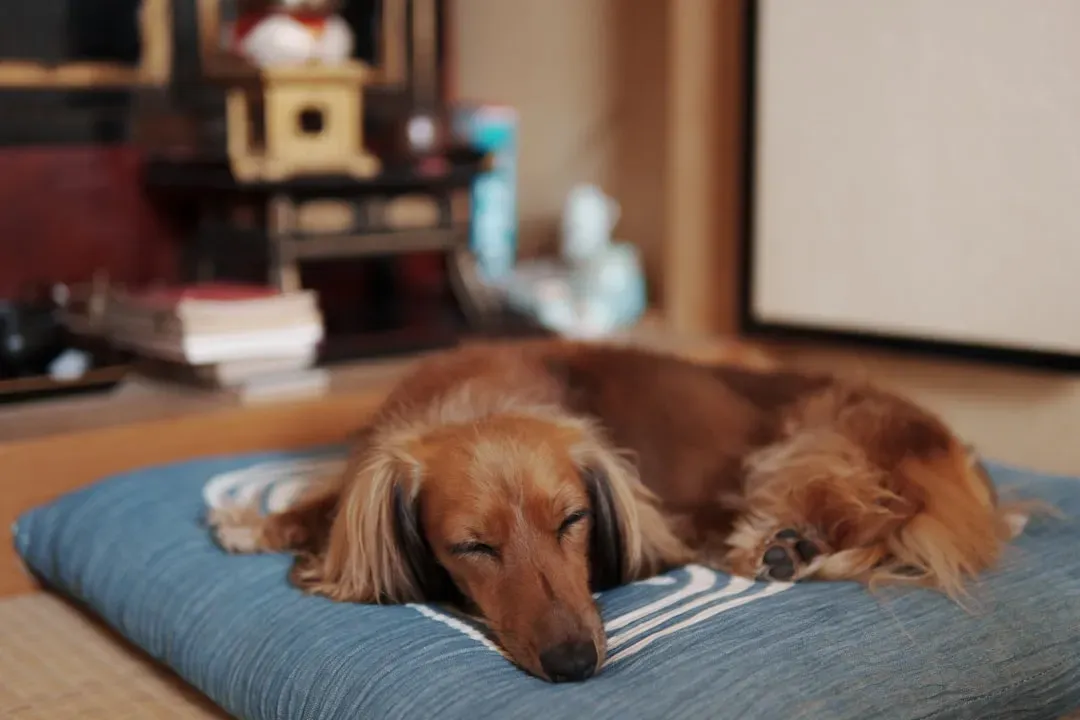
Watch closely during a deep sleep cycle and you will notice the front paws start to move in short, repetitive motions. These twitches often look like they are running or digging, actions dogs perform daily alongside their favorite people. The pattern suggests a chase or a game of fetch that involves you throwing the ball again and again.
Veterinary observations link this movement to active dreaming phases where the brain replays physical routines. It is easy to picture your dog sprinting after you across the yard, the same way they do on weekend walks. The consistency of the motion across many dogs points to familiar routines rather than random firing.
Soft Whimpers Escape While Their Body Stays Still
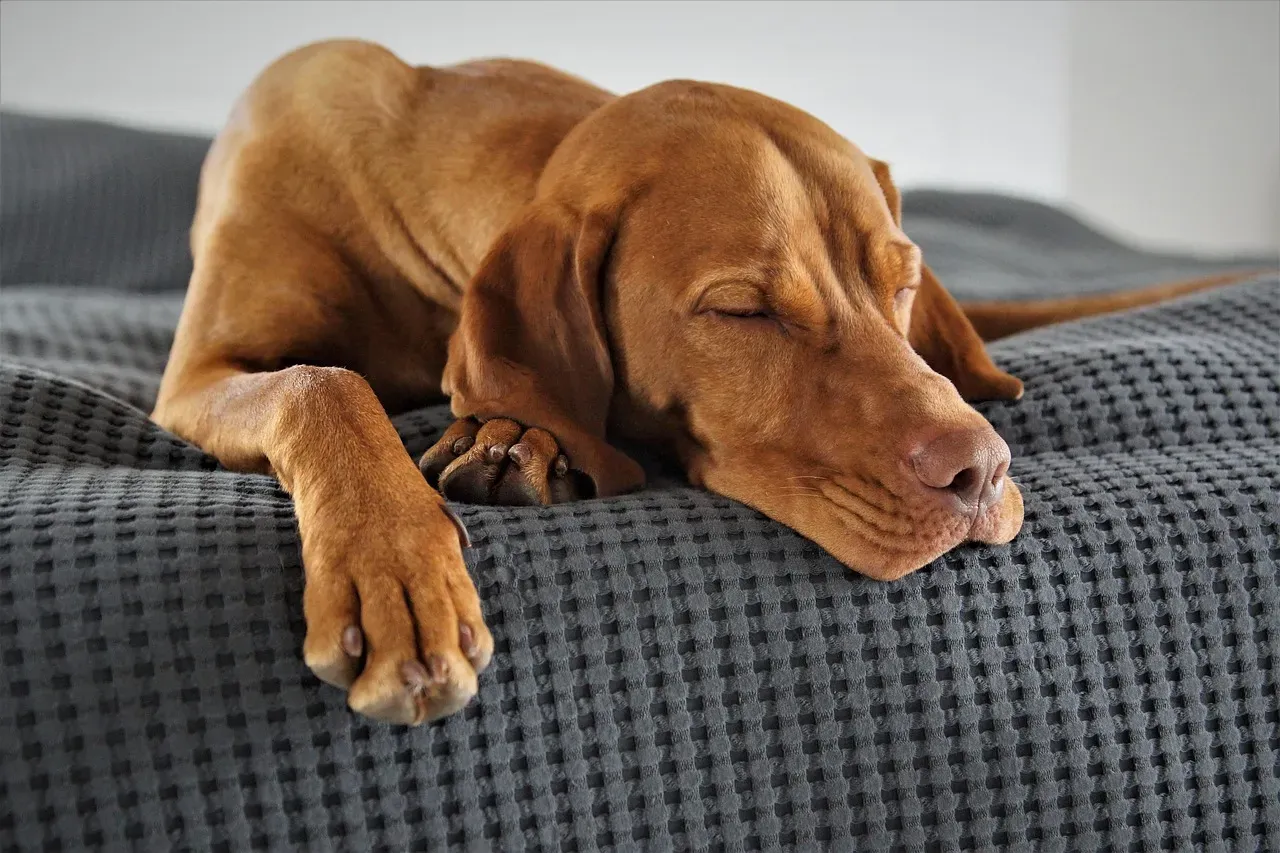
A gentle whine or muffled bark can slip out without any other obvious trigger. These sounds tend to occur when the dog appears otherwise relaxed, as if calling out during an imagined interaction. Owners often recognize the tone as the same one used when greeting them at the door.
Researchers note that vocalizations during sleep align with emotional processing of daily events. Your dog may be reliving the excitement of your return home or a quiet moment on the couch. The timing, usually after a full day together, adds weight to the idea that you feature in the scene.
The Tail Gives a Few Lazy Wags
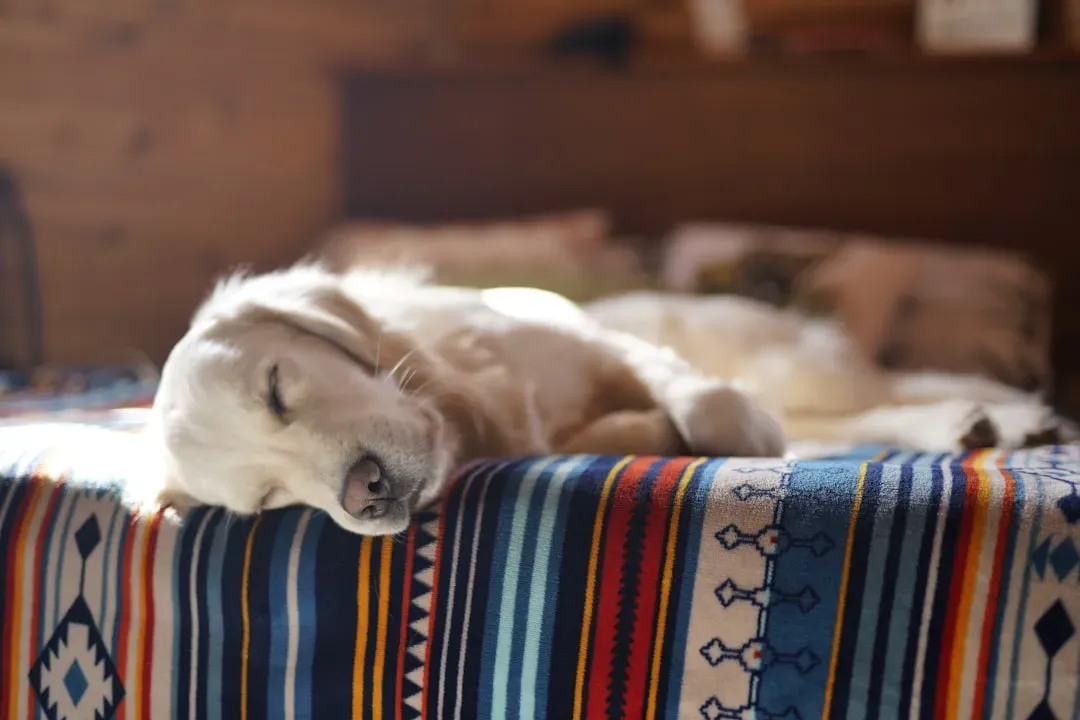
Even in sleep the tail sometimes lifts and sways once or twice before settling again. This subtle movement stands out because it mirrors the happy greeting dogs offer when you walk into the room. It feels like an unconscious echo of that joy.
Studies of canine sleep show muscle activity in the tail region during REM stages. The wag appears without external stimulus, suggesting an internal memory of positive encounters. Many owners report this happens most often after evenings spent playing or cuddling together.
Ears Flick and Rotate as if Listening for Your Voice
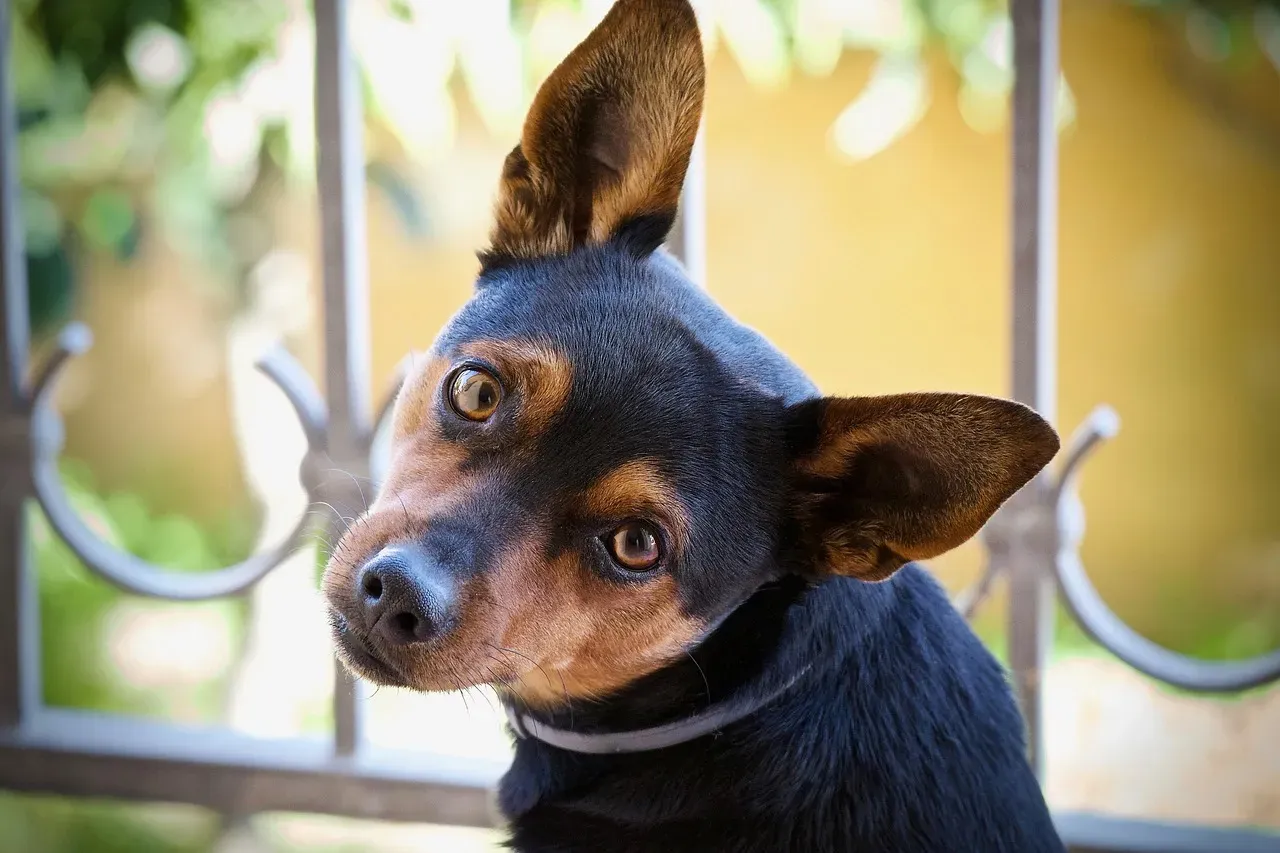
The ears twitch or swivel slightly, almost as though picking up a familiar sound. This happens while the rest of the body remains limp, creating a contrast that draws attention. It resembles the alert posture dogs adopt when they hear your car pull up.
Brain wave patterns during these moments match those recorded when dogs respond to their owner’s voice while awake. The movement implies the dream includes auditory cues tied to you. Such responses occur more frequently in dogs with strong daily routines involving their people.
The Body Shifts as if Rolling Over to Get Closer
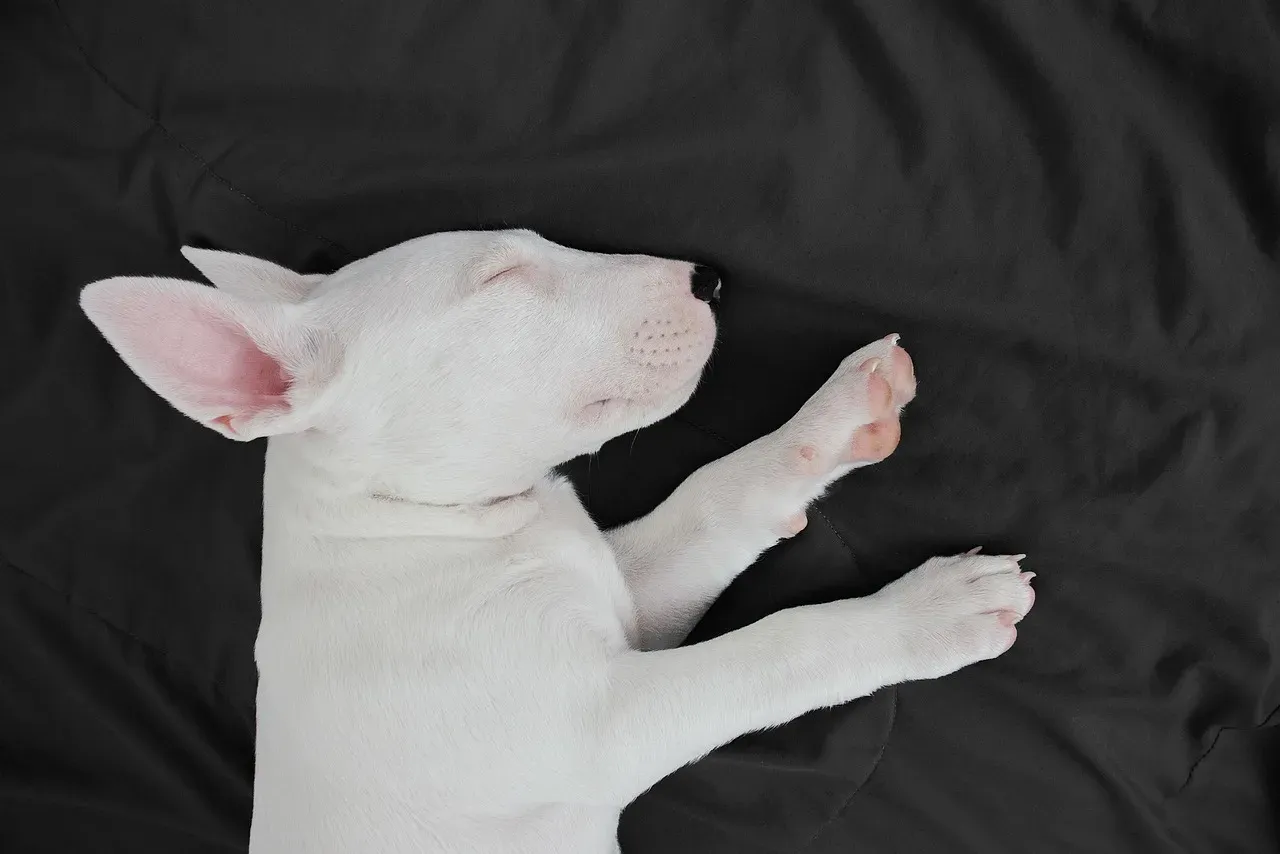
A slow roll or stretch brings the dog nearer to where you usually sit or lie. The motion looks deliberate even though the eyes stay closed. It echoes the way dogs adjust position to stay near their favorite human during quiet evenings.
Sleep researchers observe these positional changes during periods of heightened brain activity. They often follow sequences that resemble social bonding behaviors. The pattern suggests your dog is seeking the comfort of your presence within the dream.
Sniffing Sounds Rise and Fall in Short Bursts
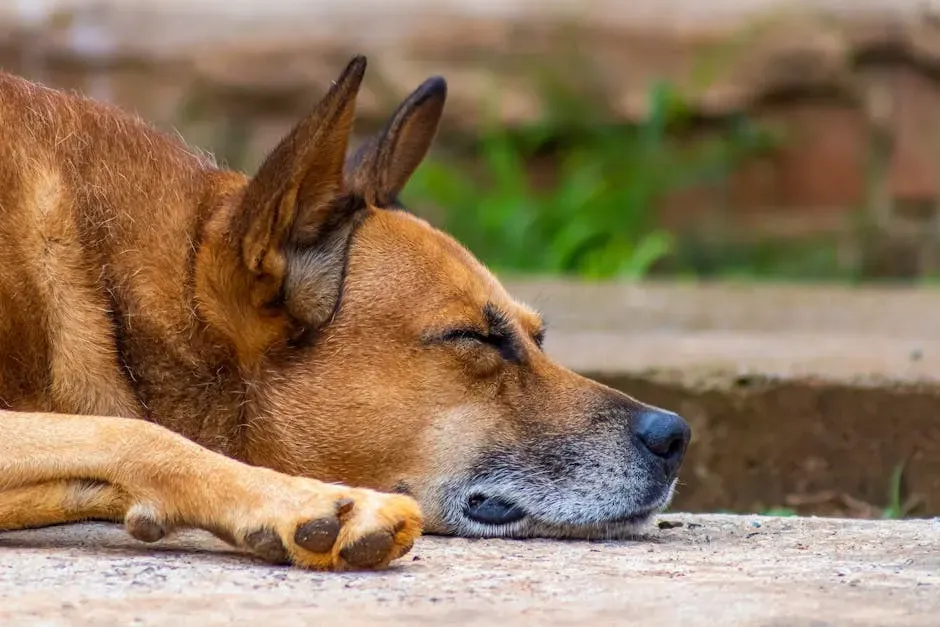
Quiet sniffing noises can punctuate the silence, as if the dog is investigating a scent trail. These breaths come in quick succession before pausing, much like tracking a familiar smell on a walk. The behavior feels connected to shared outdoor adventures.
Canine sleep studies document olfactory processing continuing during REM. The sniffing aligns with memory of scents associated with you, such as your clothing or favorite walking routes. It adds another layer to the idea that daily companionship shapes the dream content.
Sudden Small Jumps Interrupt the Stillness
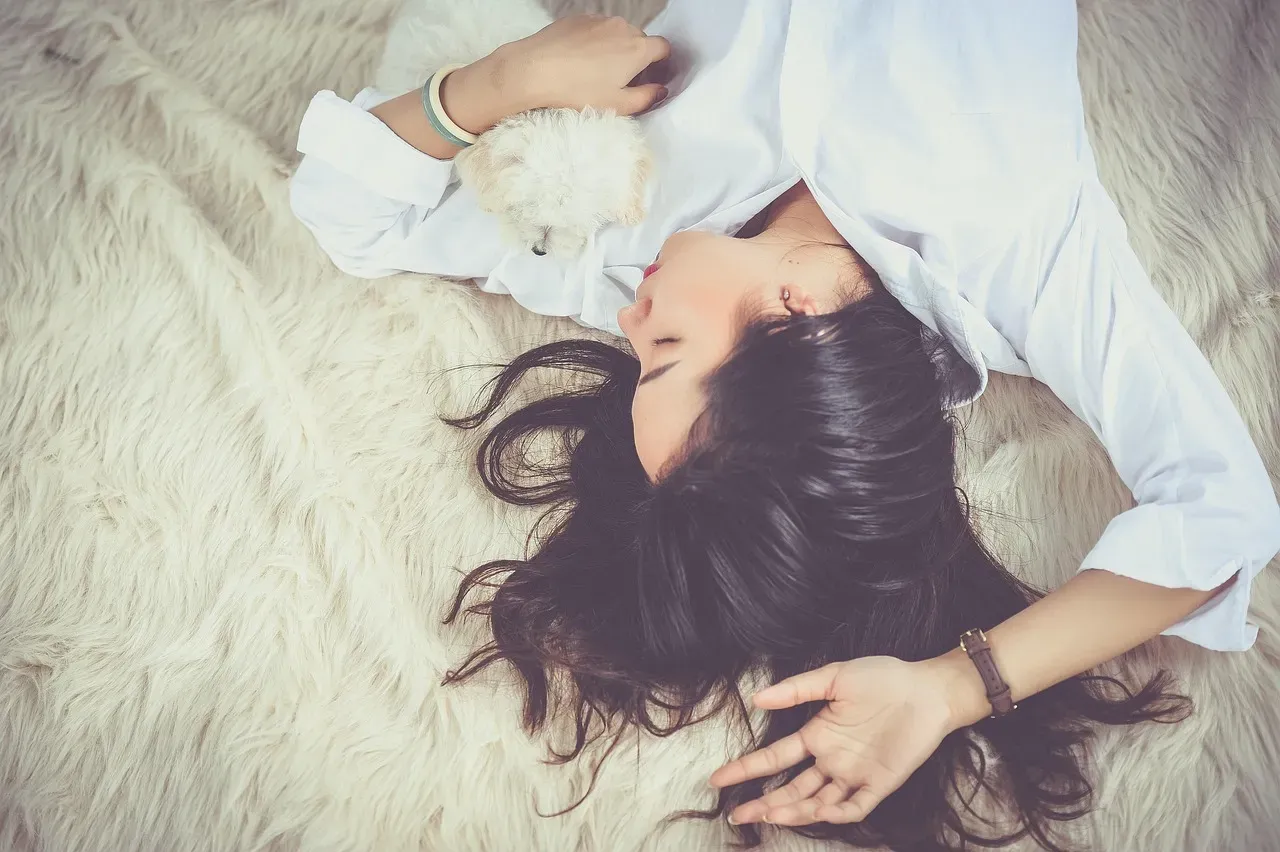
Without warning a leg or the whole body gives a tiny leap, then settles. The movement resembles the quick reaction dogs show when surprised by something fun or exciting. It breaks the calm in a way that feels tied to a playful moment.
These startle responses appear during active dream phases according to sleep monitoring data. They often follow patterns seen when dogs interact with their owners in games or training. The frequency increases in dogs that spend significant time engaged with their people.
Lips Move as if Giving a Quick Lick of Affection
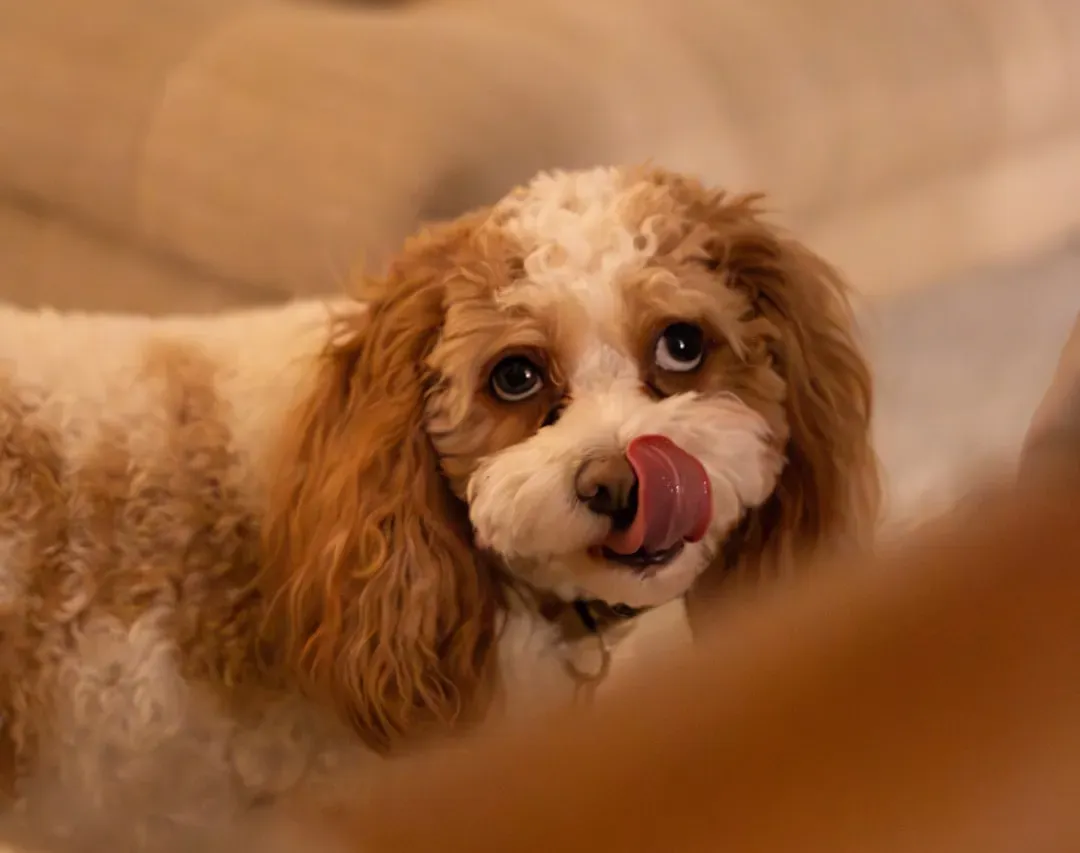
The tongue darts out briefly or the lips quiver in a licking motion. This happens without any visible target, yet it carries the same rhythm as greeting licks offered to a returning family member. The action feels affectionate rather than random.
Observations from sleep clinics note oral movements during REM that parallel waking social behaviors. The timing often coincides with periods when the dog would normally seek closeness with you. It hints at a dream centered on that bond.
Breathing Deepens Then Slows in Familiar Patterns
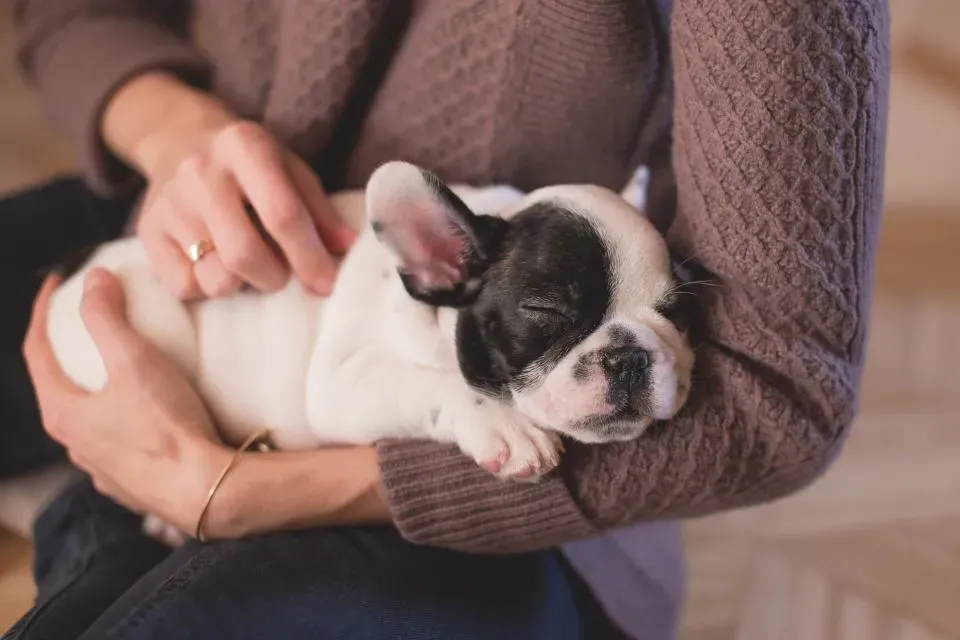
The rhythm of breaths changes, growing heavier for a few cycles before easing again. This shift mirrors the contented sighs dogs release when settling beside their owner after a long day. It creates a sense of shared calm.
Respiratory changes during sleep link to emotional states processed from waking hours. Patterns that resemble relaxation around familiar people appear consistently in monitored dogs. The connection strengthens the impression that you remain present in their resting mind.
Paws Reach Outward as if Seeking Your Hand
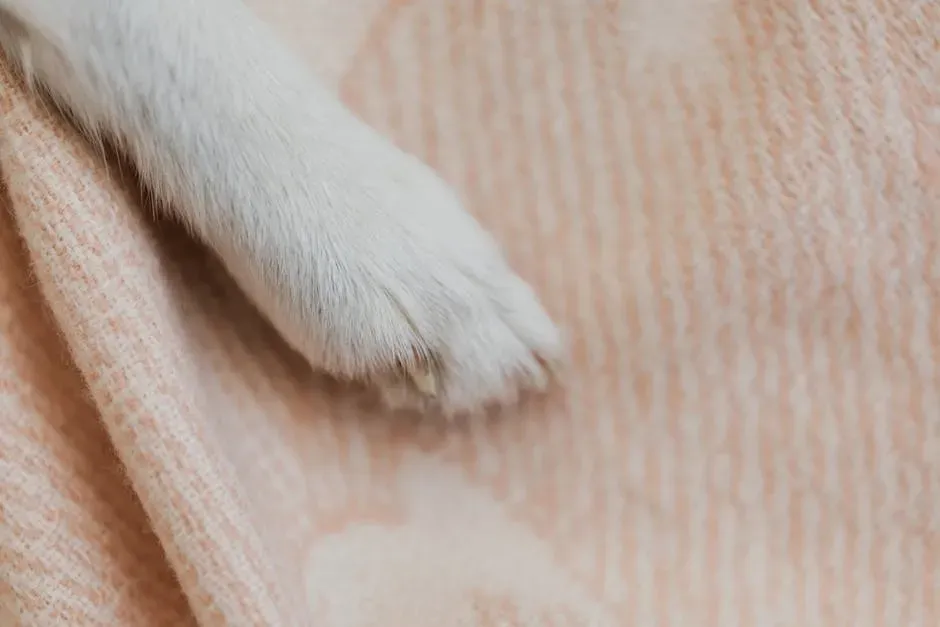
One or both front paws extend slowly, almost grasping at empty air. The reach looks purposeful, similar to the way dogs paw gently for attention during quiet moments together. It stands out against the otherwise relaxed posture.
Research into canine motor activity in sleep shows these extensions during dream states. They correspond to interactive behaviors common between dogs and their primary caregivers. The gesture suggests an attempt to connect within the imagined scene.
Eyes Dart Beneath the Lids in Quick Scans
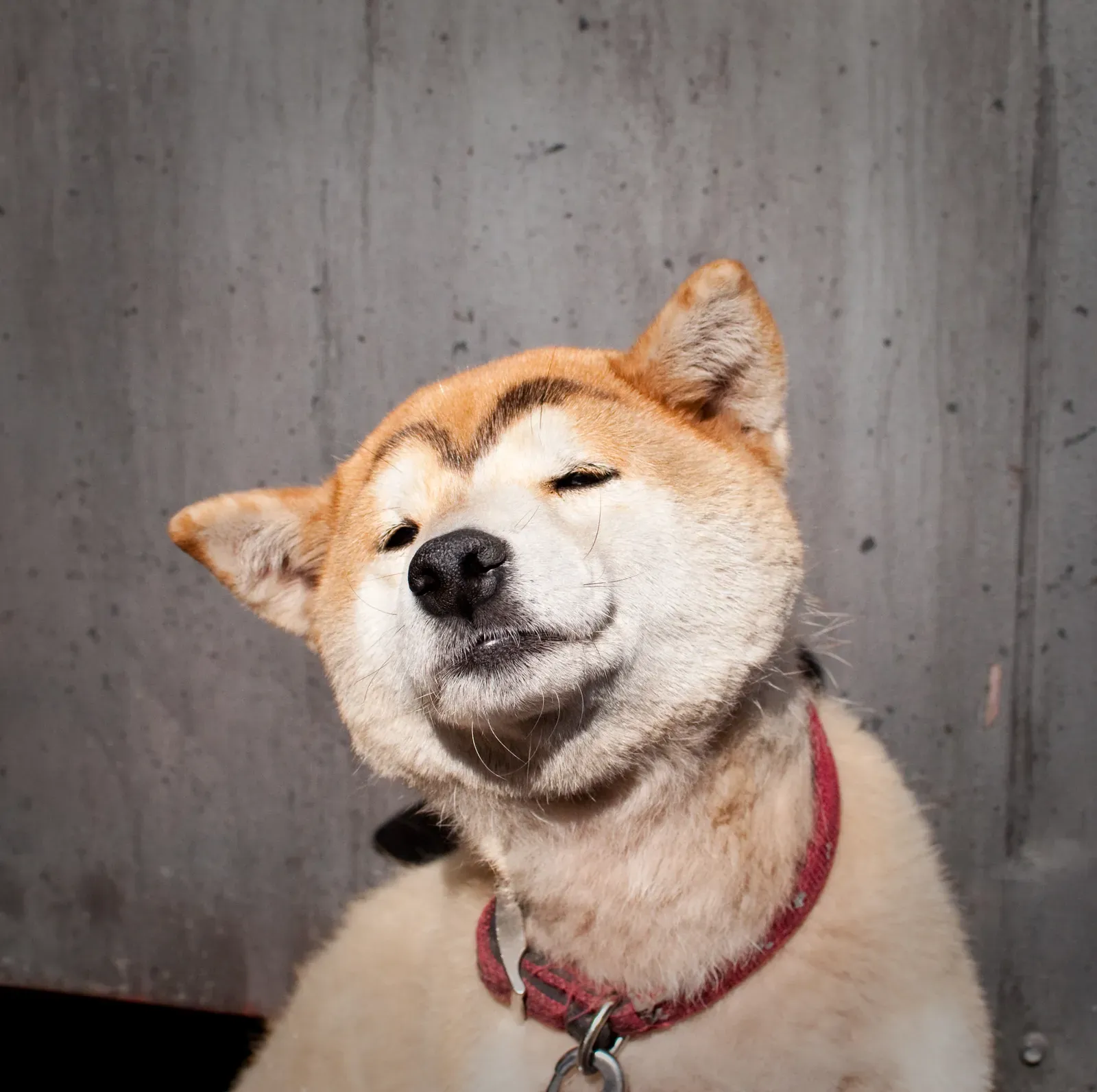
Even closed, the eyes move rapidly from side to side beneath the lids. This rapid eye movement phase is well documented in dogs and humans alike. The direction and speed evoke scanning a familiar environment for a loved face.
Neurological recordings confirm heightened activity in visual processing areas during these periods. The movements align with replay of daily visual experiences, many of which center on the owner. Owners frequently notice this after days filled with shared activities.
A Low Growl Rumbles Without Any Threat Nearby
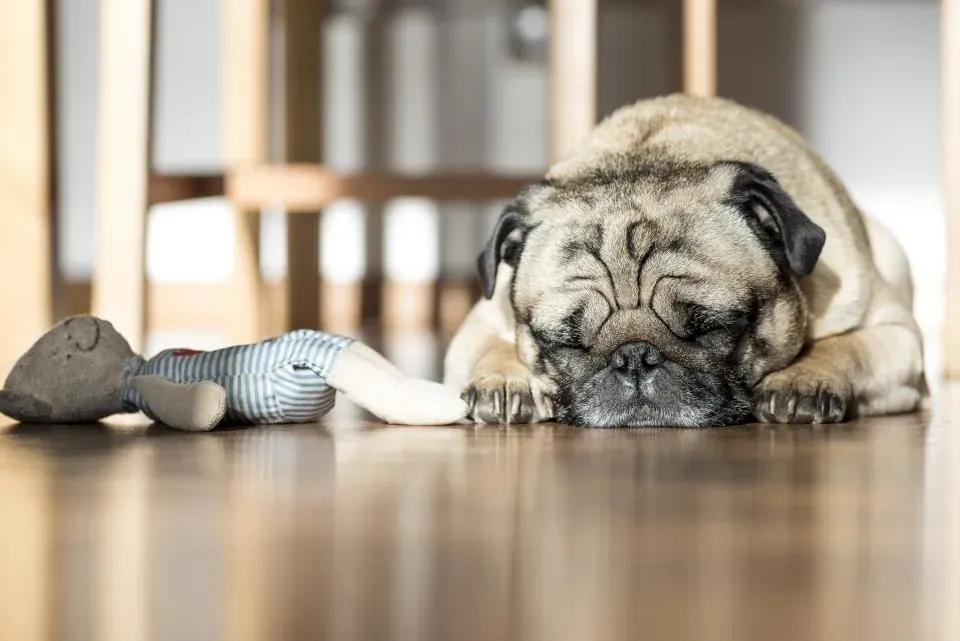
A soft, brief growl surfaces, distinct from defensive sounds made while awake. It carries a playful or protective tone rather than alarm. The noise fits scenarios where the dog imagines guarding or playing with you.
Sleep studies associate such vocalizations with emotional memory consolidation. The growl appears most often in dogs that share protective or interactive routines with their people. It adds a layer of imagined partnership to the dream.
The Whole Body Relaxes Deeper After a Burst of Activity
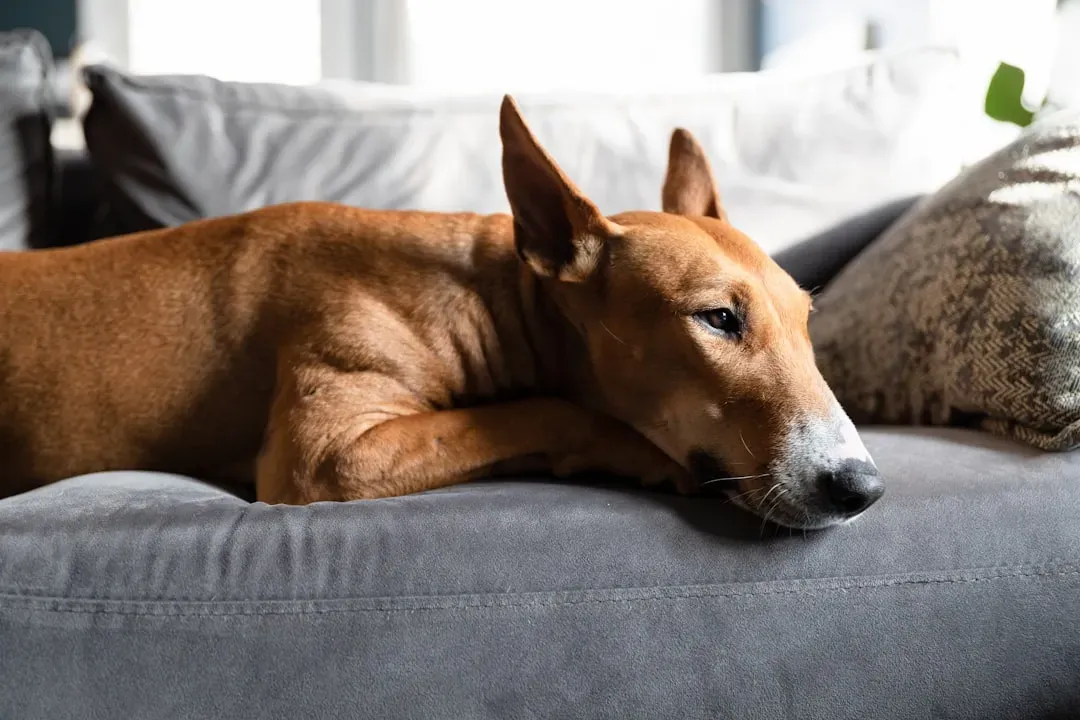
Following a stretch of movement the muscles loosen completely, as if settling into a satisfying conclusion. This transition feels like the end of a happy interaction, much like curling up after playtime with you. The contrast highlights the emotional arc.
Monitoring equipment captures these cycles of activation followed by deeper rest. They mirror the natural flow of time spent together during waking hours. The pattern reinforces how central your presence is to the dog’s sense of security and joy.
These small signals during sleep offer a window into the rich inner life dogs share with the people they love most. Whether the dreams center exactly on you remains impossible to confirm, yet the behaviors line up too neatly with daily routines to ignore. In the end the real proof lies in the quiet trust that lets your dog rest so deeply in your presence, carrying that closeness into whatever world unfolds behind closed eyes.


