

Picture a quiet afternoon in the park. Someone leans down to their dog and says, in a full conversational tone, exactly what they would say to a close friend. The scene feels ordinary at first. Yet it often points to something deeper about how that person experiences emotions and connections.
Many people do this without thinking twice. The habit reveals a particular way of relating to the world that stands out in psychological research. It ties into emotional intelligence in ways that go beyond simple affection for pets.
The Everyday Act of Speaking to a Pet

Conversations with dogs happen in kitchens, on walks, and during quiet evenings at home. Owners describe their day, ask questions, or offer encouragement just as they would with another person. These exchanges feel effortless and genuine to those who engage in them.
The practice builds a steady rhythm of communication that strengthens the bond over time. It turns routine moments into shared experiences. Dogs respond with attention or body language that keeps the exchange alive.
Recognizing Emotional Intelligence in Daily Habits
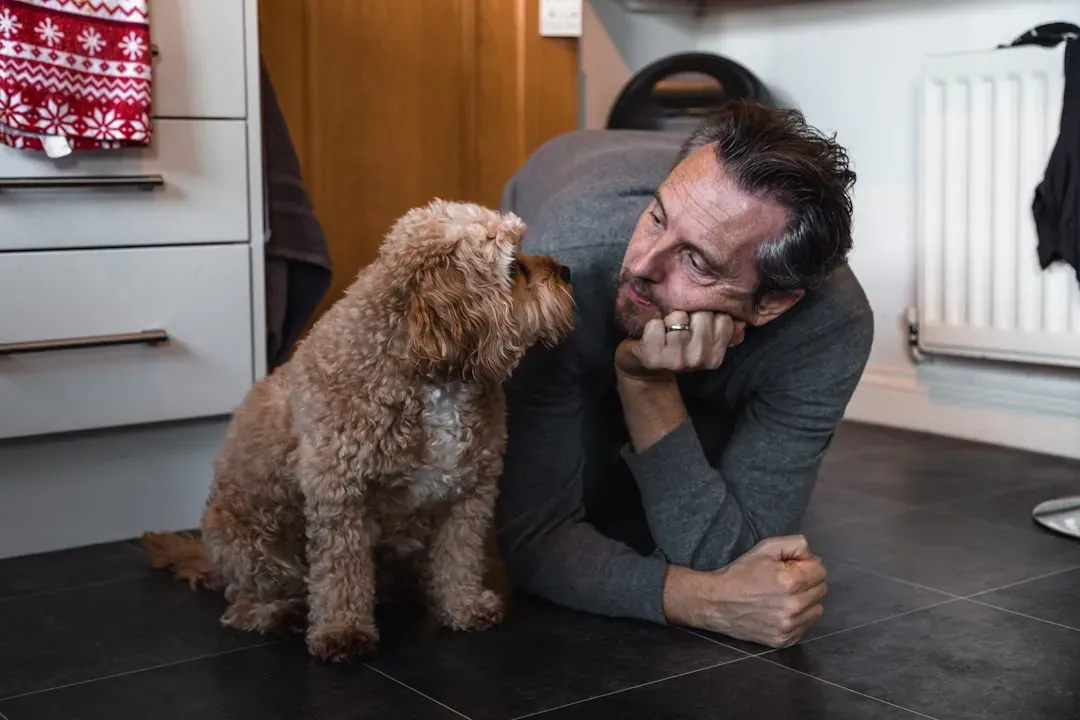
Emotional intelligence involves noticing feelings in oneself and others, then responding with care. People who chat with their dogs often show this skill without effort. They pick up on subtle cues from the animal and adjust their words accordingly.
This awareness extends naturally to human interactions as well. The same sensitivity that helps interpret a dog’s mood supports better listening with friends or family. It creates smoother exchanges in many areas of life.
The Specific Trait of Perspective Taking
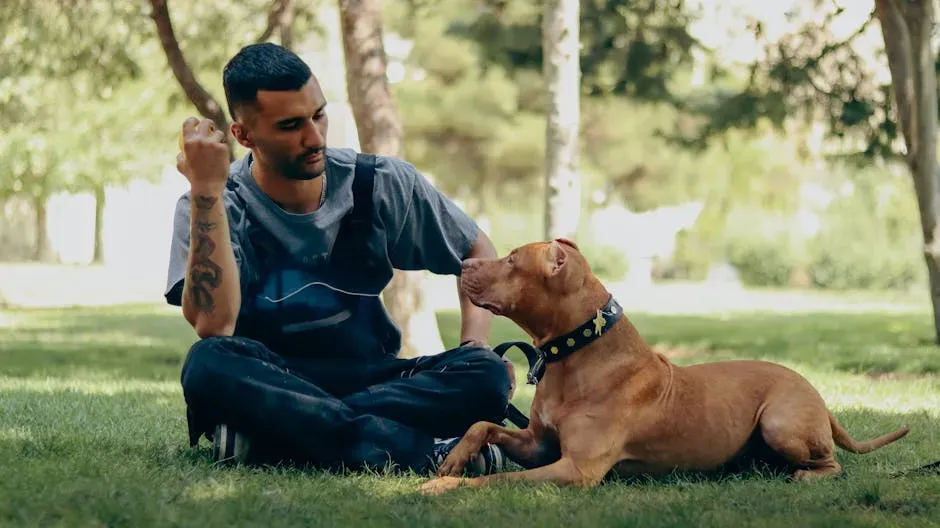
Psychologists highlight perspective taking as a key marker of emotional intelligence. It means stepping into another being’s viewpoint, even when that being cannot reply in words. Talking to a dog exercises this ability regularly.
The trait appears less commonly than basic empathy because it requires consistent mental effort. Those who practice it with pets demonstrate a flexible mind that adapts across species. Research links this flexibility to stronger overall emotional skills.
How It Shows Up in Real Relationships

Owners who speak to their dogs this way often notice improved patience in other settings. They pause to consider how their words land before speaking. This habit carries over to work conversations and personal discussions alike.
The approach fosters deeper trust with both animals and people. It encourages responses that feel thoughtful rather than rushed. Over months and years, these patterns contribute to more satisfying connections.
Insights from Psychological Observations

Studies on human animal bonds point to measurable differences in emotional processing. Individuals who anthropomorphize pets in positive ways tend to score higher on measures of emotional attunement. The behavior reflects an active imagination paired with genuine concern.
Professionals note that this trait supports resilience during stress. It provides an outlet for expression that feels safe and reciprocal. The result is a steadier emotional baseline for many who maintain the habit.
Practical Ways the Trait Strengthens Well Being

Regular talks with a dog can lower feelings of isolation for some owners. The act creates a sense of companionship that mirrors human support. It also sharpens the skill of reading nonverbal signals across contexts.
People report greater self awareness after these interactions. They become more attuned to their own tone and intentions. This feedback loop reinforces emotional growth without requiring formal training.
Why This Quality Deserves Quiet Respect

The ability to extend full human style conversation to a dog reflects a rare blend of imagination and respect. It stands apart from fleeting trends because it rests on consistent emotional effort. Psychologists value it for the way it enriches both the owner and the pet.
In a world that often rushes past small connections, this habit offers a steady reminder of presence. It encourages treating every interaction with care. Those who keep it up quietly model a form of intelligence worth noticing and perhaps trying for oneself.


