
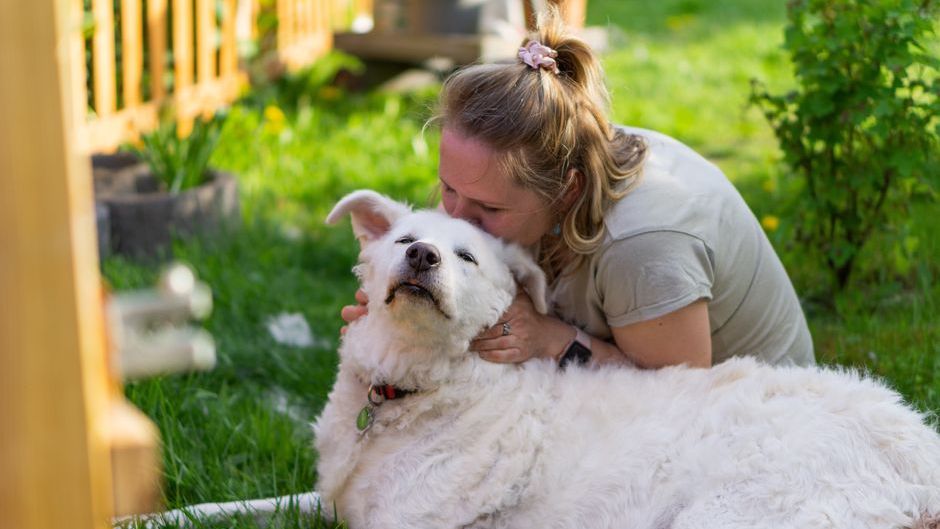
There is something quietly profound about watching a dog grow old. Their steps slow, their eyes soften, and the little rituals that once defined daily life begin to shift in ways that feel both familiar and new. Owners often notice these changes without quite naming them at first, yet over time a pattern emerges that speaks to the depth of the bond they share.
These moments rarely arrive with drama. Instead they unfold in small gestures, lingering looks, and subtle adjustments that owners come to recognize as a kind of farewell. The heart aches because the end draws nearer, yet the same gestures often carry a tenderness that lingers long after the dog is gone.
Seeking Extra Closeness at Night
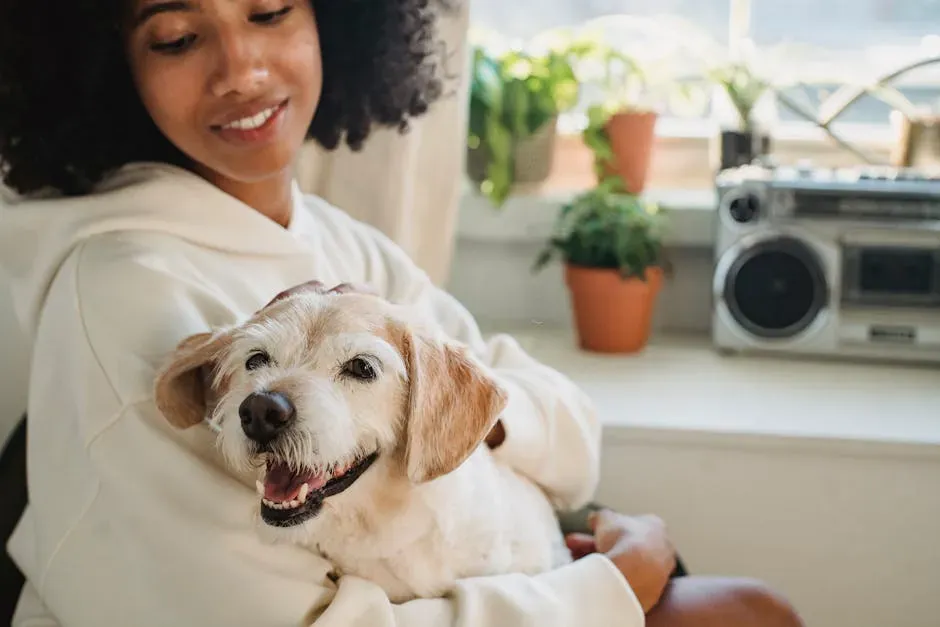
Many senior dogs start choosing to sleep right against their person instead of on their own bed. They press their body close, sometimes resting a paw on an arm or leg as if to anchor themselves through the dark hours. This shift often happens gradually, turning a once independent sleeper into a constant companion through the night.
The comfort they seek feels mutual. Owners report waking to find the dog still there, breathing steadily, offering a quiet presence that fills the room. Over weeks or months this nightly ritual becomes a steady reminder of the trust built across years together.
Following With Their Eyes Instead of Their Feet
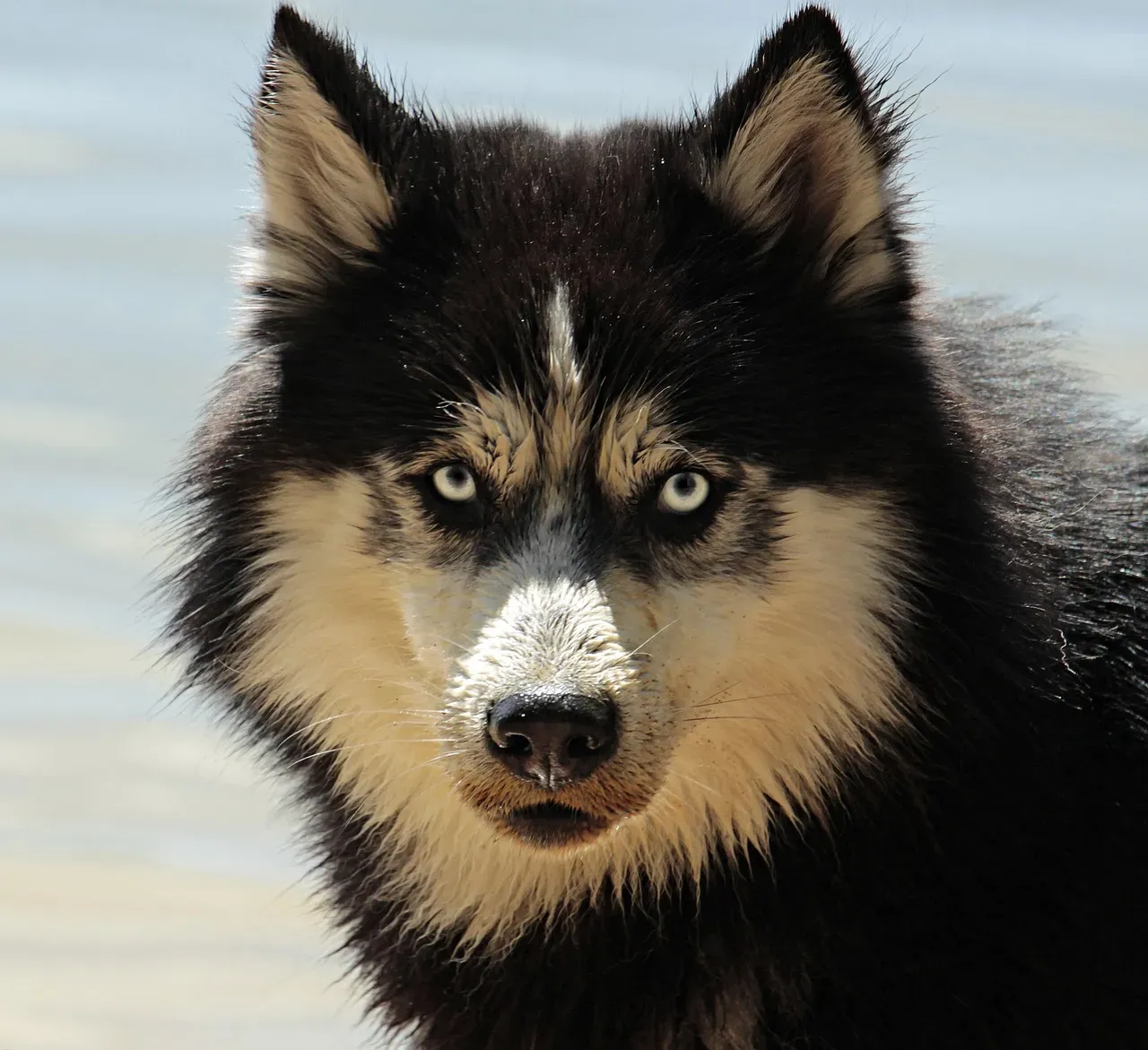
As energy fades, an old dog may stop trailing from room to room yet still track every movement with steady eyes. They lift their head when footsteps pass, watching until the person returns to view. The gaze carries a calm attentiveness that replaces the earlier eager padding of paws.
This visual companionship keeps the connection alive without demanding physical effort. It allows the dog to stay part of the household rhythm while conserving strength. Many owners find themselves glancing back more often, meeting those eyes and feeling the silent thread that still links them.
Choosing Favorite Spots With New Care
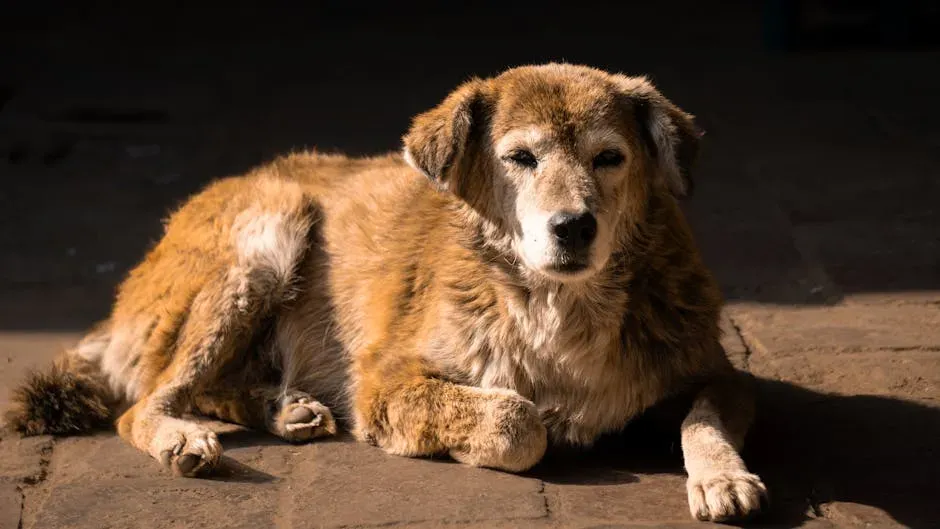
An aging dog often settles into one or two particular places with deliberate slowness. They circle once or twice before lowering themselves, then stay put for longer stretches than before. The chosen corner or patch of sunlight seems to hold special meaning now.
These spots become small sanctuaries. Owners learn to step around them gently, respecting the quiet claim the dog has made. The routine brings a sense of order even as other patterns change.
Accepting Help With Simple Tasks
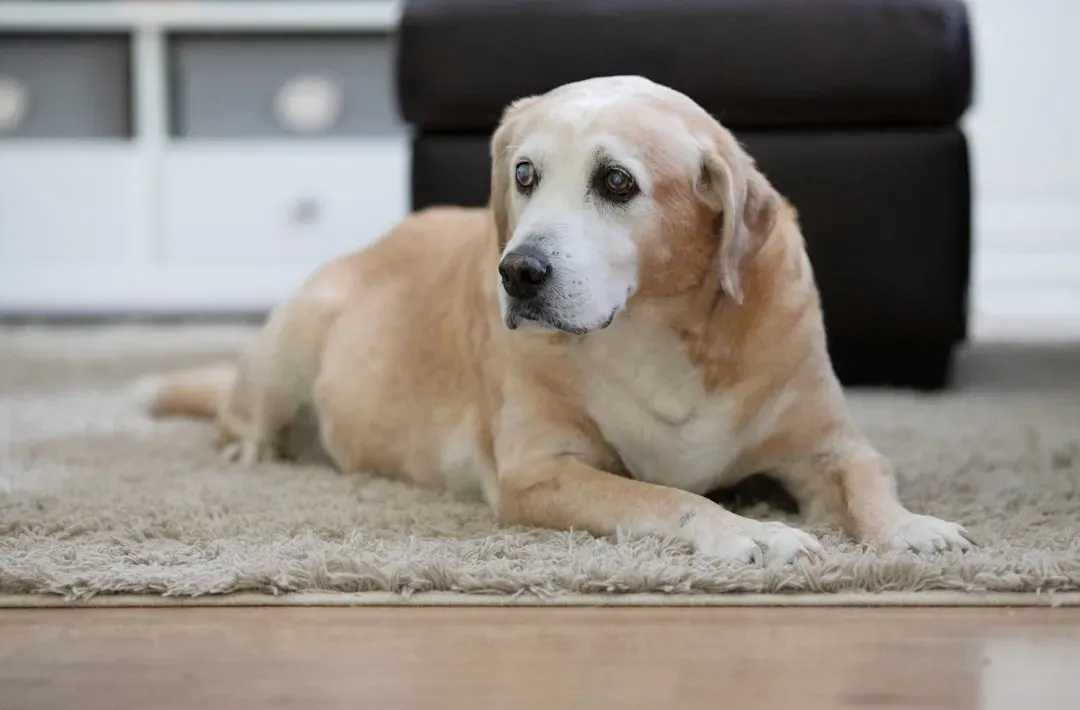
Where once they jumped onto the couch or climbed stairs without pause, older dogs begin to wait for a steadying hand. They lean into the lift or the boost, accepting assistance with a patience that was not always there in youth. The moment of contact turns practical support into shared effort.
This willingness to receive care deepens the relationship in unexpected ways. It shifts the dynamic from protector to protected, yet the trust remains intact. Owners often describe a quiet gratitude that surfaces during these small assists.
Showing Gentle Interest in Familiar Voices
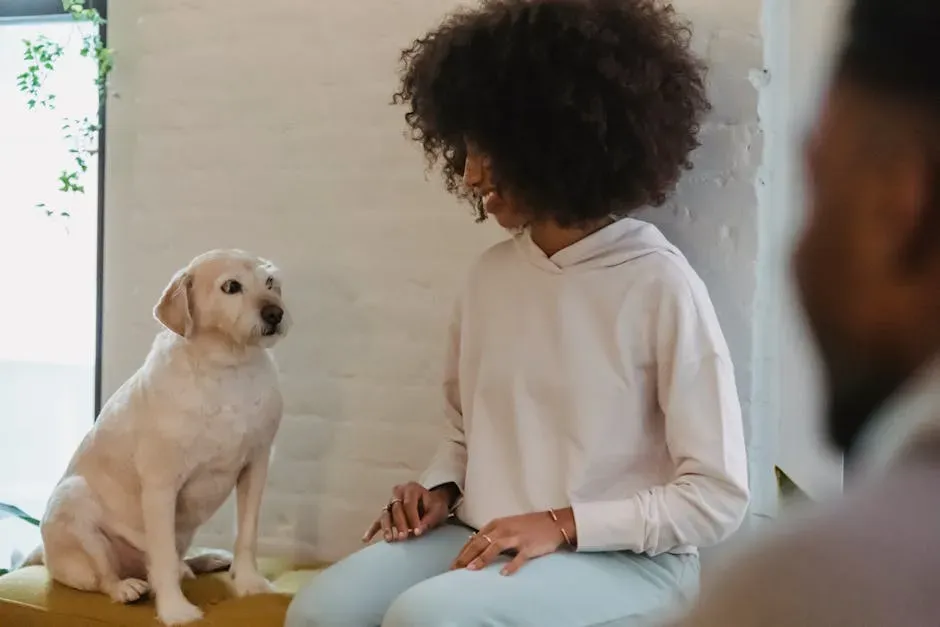
Old dogs frequently respond to the sound of their person’s voice with a soft tail thump or a slow blink even when they no longer rise to greet arrivals. The reaction is understated yet consistent, a quiet acknowledgment that the familiar tone still matters. Conversations that once prompted excited barking now receive this softer reply.
The response keeps communication open without requiring much energy. It reassures both sides that the bond endures through changing abilities. Many owners find themselves speaking more often, filling the space with words the dog seems to appreciate.
Sharing Food With Less Enthusiasm but Steady Presence
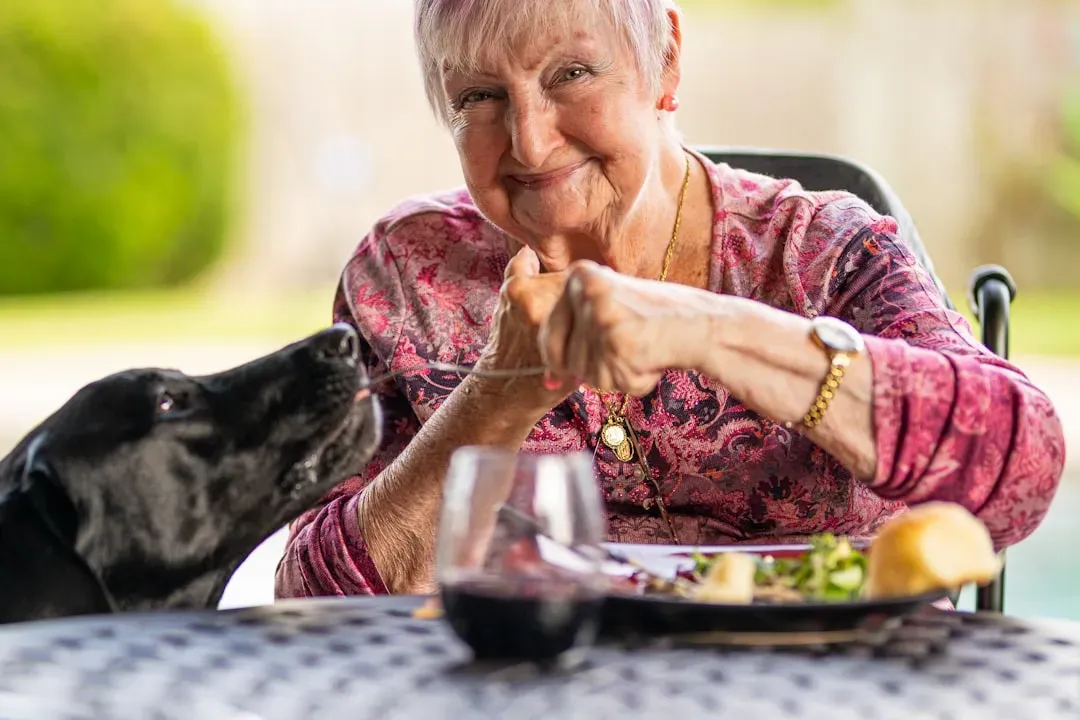
Appetite may wane, yet an old dog still positions itself near meal preparation or dinner tables. They watch the process with mild curiosity rather than urgent hunger, content to be included in the daily rhythm. A small offering is sometimes accepted with careful chewing instead of eager gulps.
The presence at these moments turns ordinary routines into quiet ceremonies. Owners notice the dog’s steady company even when the food itself holds less appeal. The habit reinforces belonging right up to the later stages.
Resting a Head on a Lap or Hand
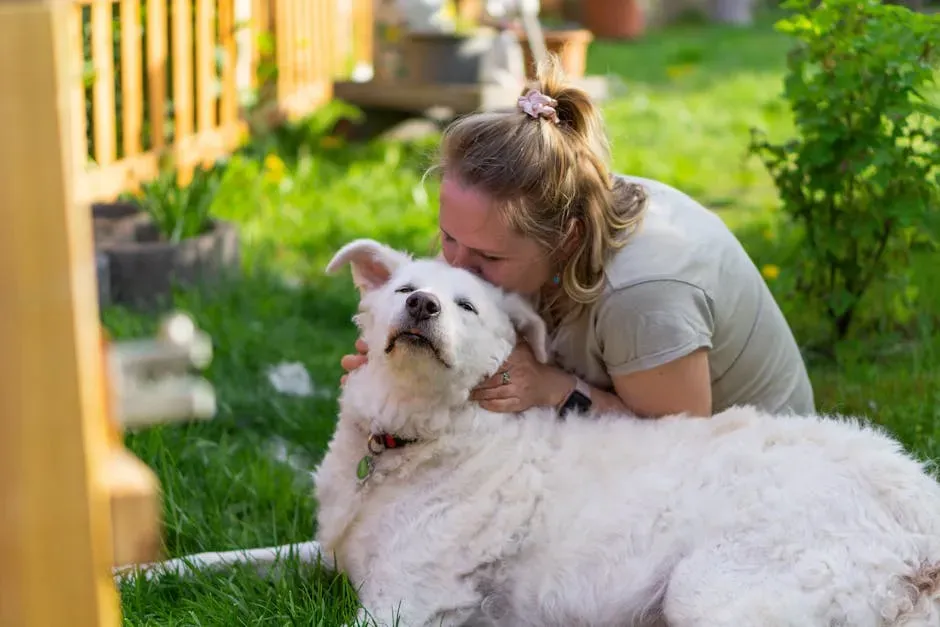
One of the most touching shifts involves an old dog deliberately placing its head on a knee or outstretched palm. The weight feels deliberate, a request for contact that lasts longer than quick pats once did. The gesture often arrives during quiet evenings or moments of stillness.
Owners learn to pause and rest a hand on the warm fur, returning the simple touch. These exchanges become brief anchors amid the larger changes of aging. They leave a lasting impression of closeness that outlasts the physical act itself.
Breathing in Sync During Quiet Times
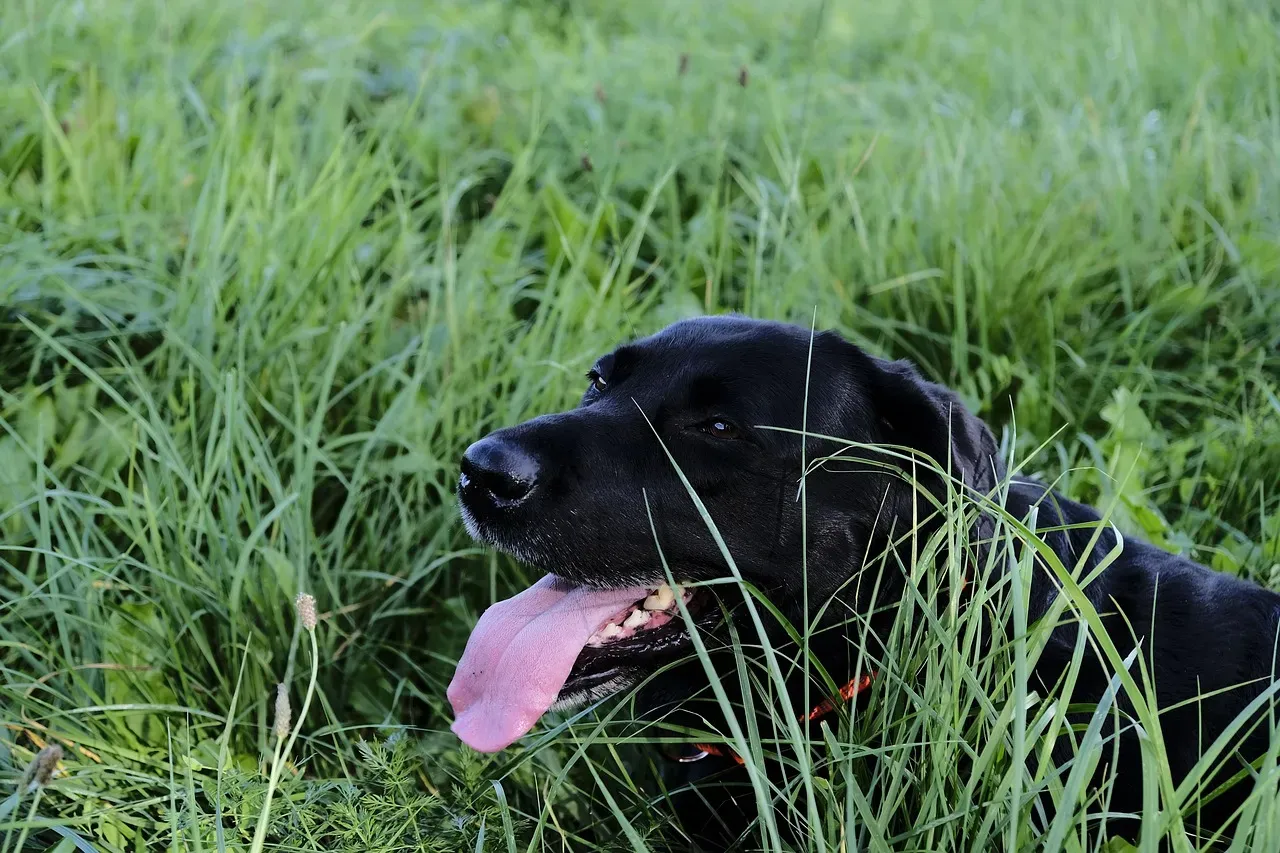
Many people notice their senior dog matching breathing patterns when they sit together in silence. The slow rise and fall of the dog’s chest aligns with their own, creating an unspoken rhythm that fills the space between them. The synchronization happens most often during long afternoons or late evenings.
This shared pace offers a wordless form of companionship. It requires no movement, only presence, and it tends to deepen as the weeks pass. Owners frequently describe a sense of peace that settles over both of them during these intervals.
Pausing at Doorways Before Entering or Leaving
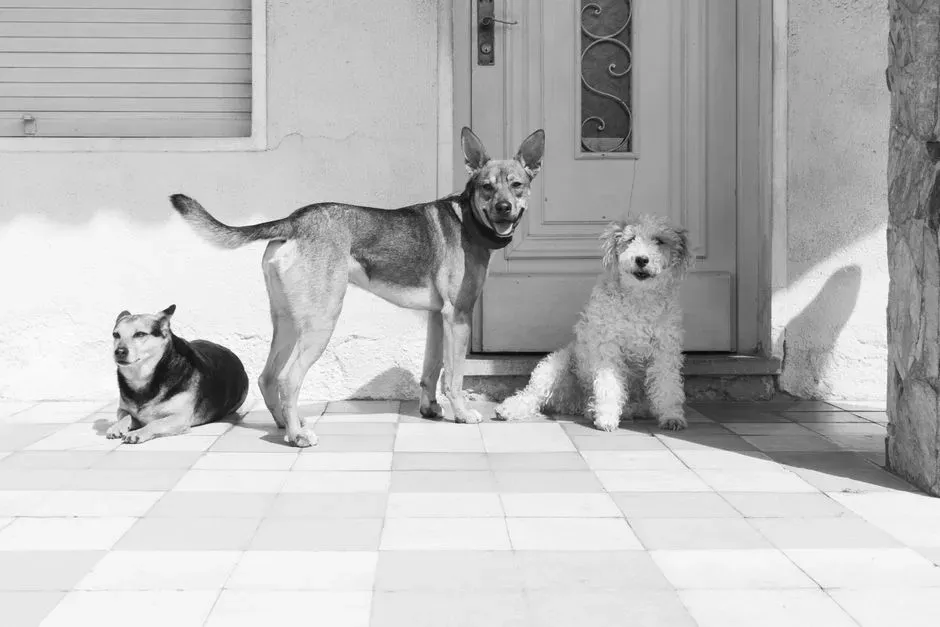
An old dog may stop at thresholds, looking back or forward with a measured gaze before crossing. The hesitation lasts only seconds yet feels intentional, as though acknowledging the space between one room and the next. The pause replaces the earlier rush of youthful energy.
Owners begin to notice and sometimes mirror the moment, waiting alongside the dog. The small ritual turns ordinary transitions into gentle acknowledgments of time passing. It adds a layer of mindfulness to daily movement through the home.
Displaying Calm During Household Activity
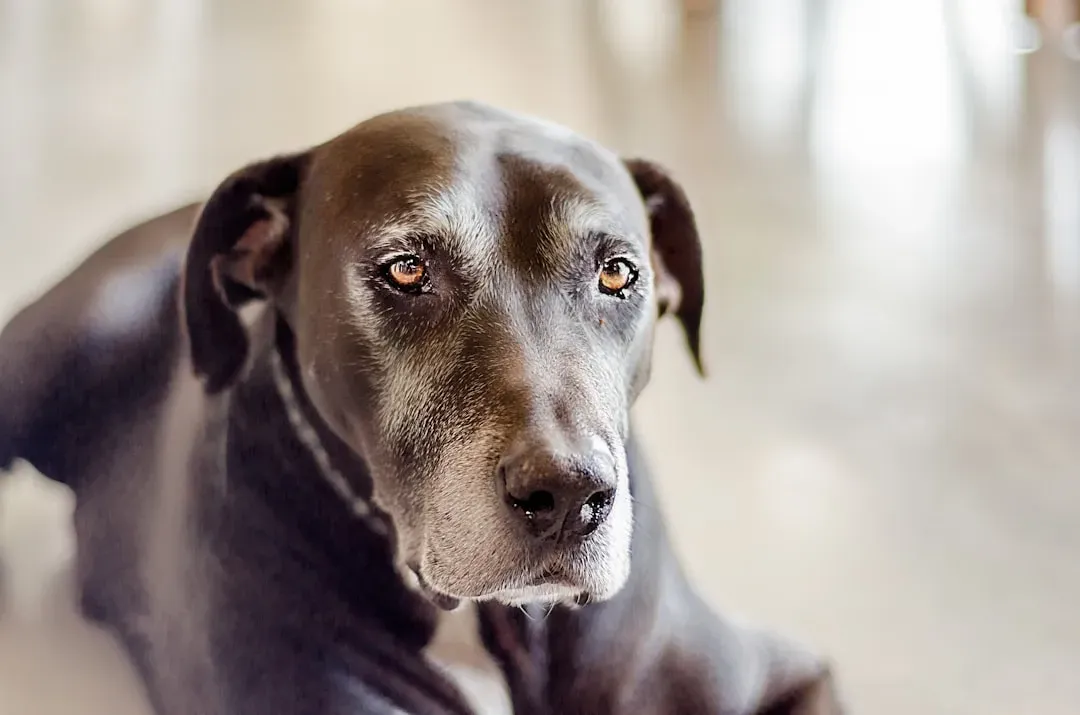
Where younger dogs might bark or pace at visitors or sudden noises, senior dogs often remain still and observant. They watch the commotion from a comfortable spot, offering a steady presence amid the movement. The calm demeanor provides an unexpected anchor for the rest of the household.
This quiet steadiness becomes part of the home’s atmosphere. It reminds everyone that not every change requires reaction. Owners often find comfort in the dog’s composed witness to ordinary life continuing around them.
Seeking Sunlight or Warmth With Purpose
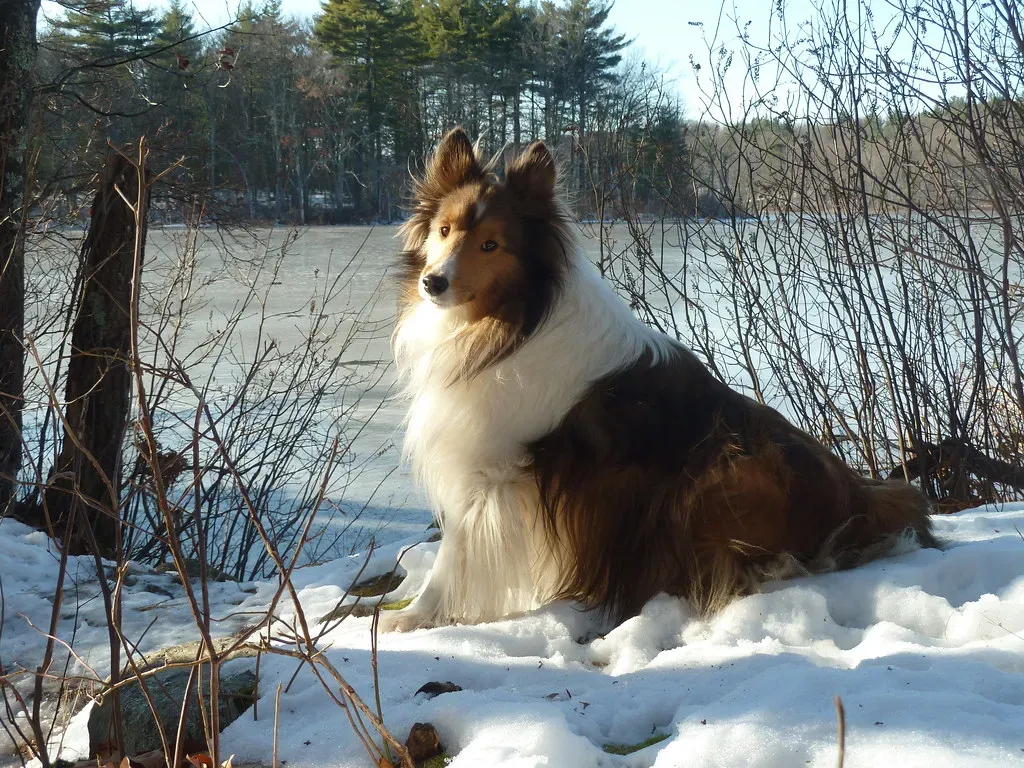
Many older dogs develop a strong preference for patches of sunlight or heated spots on the floor. They move slowly toward these areas and settle with visible satisfaction, soaking in the warmth for extended periods. The choice reflects both physical comfort and a simple pleasure that persists.
Owners learn to adjust curtains or rugs to create these favored zones. The dog’s contentment in the light becomes a small daily joy worth preserving. The habit turns ordinary afternoons into moments of shared appreciation for simple comforts.
Offering a Final Look Before Settling to Rest
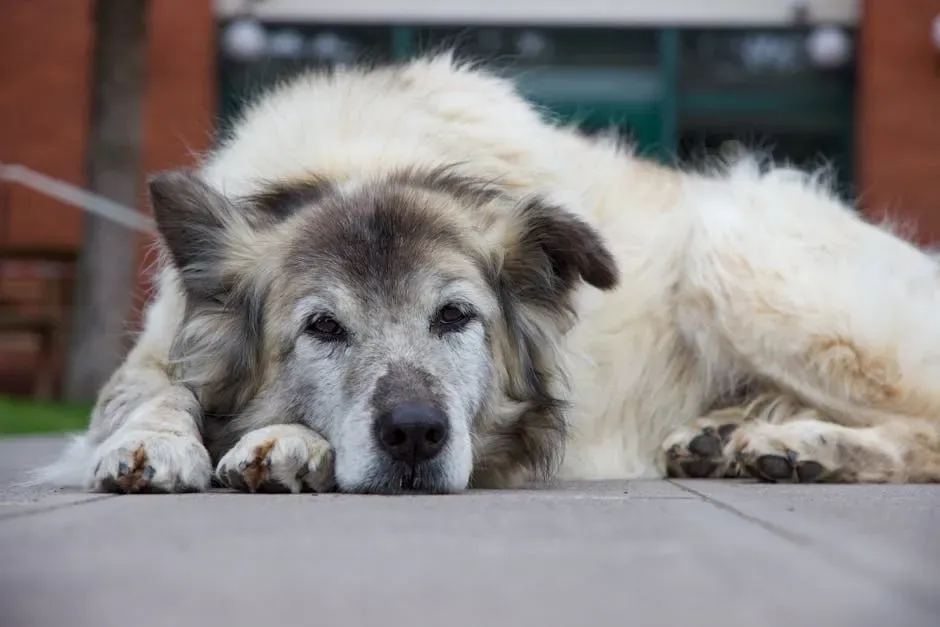
Before drifting into longer naps, an old dog sometimes turns its head to meet its person’s eyes one more time. The glance is brief yet direct, a quiet check-in that precedes sleep. The moment repeats often enough to become recognizable.
Owners come to anticipate and return the look, creating a small exchange that closes each rest period. The ritual reinforces connection even as energy for other interactions fades. It leaves a gentle imprint that lingers in memory.
Staying Present Through the Quietest Hours
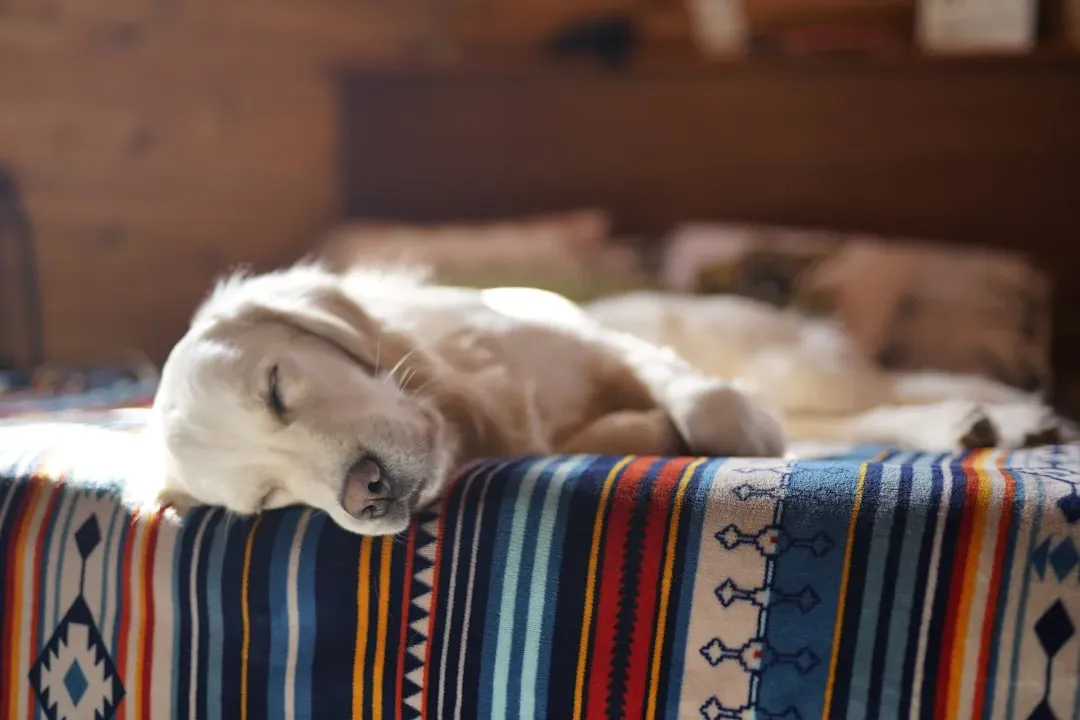
In the final stages, some dogs remain awake or lightly dozing nearby during the stillest parts of the night or early morning. They do not demand attention yet choose proximity over solitude. Their breathing provides a soft soundtrack to the silence.
This continued presence offers reassurance during times when the household feels most still. It underscores the depth of attachment that survives physical decline. Many owners carry the memory of that steady company forward long after the dog is gone.
These quiet signals do not erase the ache of eventual loss, yet they shape the way that loss is felt. They turn the ending into a continuation of the same steady companionship that defined the years before. In the end, the heart breaks a little and heals a little in the same breath, because the love was never about the length of time but about the quality of presence shared along the way.


