
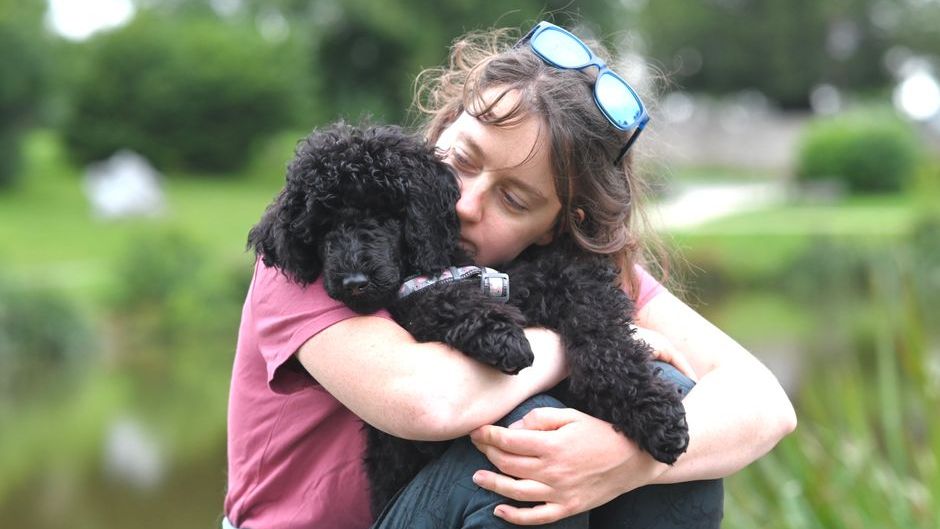
Dogs often pick up on subtle shifts in our mood through body language, tone, and even scent changes. Yet the depth of that awareness seems to vary widely across breeds, shaped by centuries of selective breeding for different roles.
Some dogs appear to lean in closer during tough moments, offering quiet presence or gentle nudges. Others carry on with their own agenda, seemingly oblivious to the emotional undercurrent in the room.
Labrador Retriever
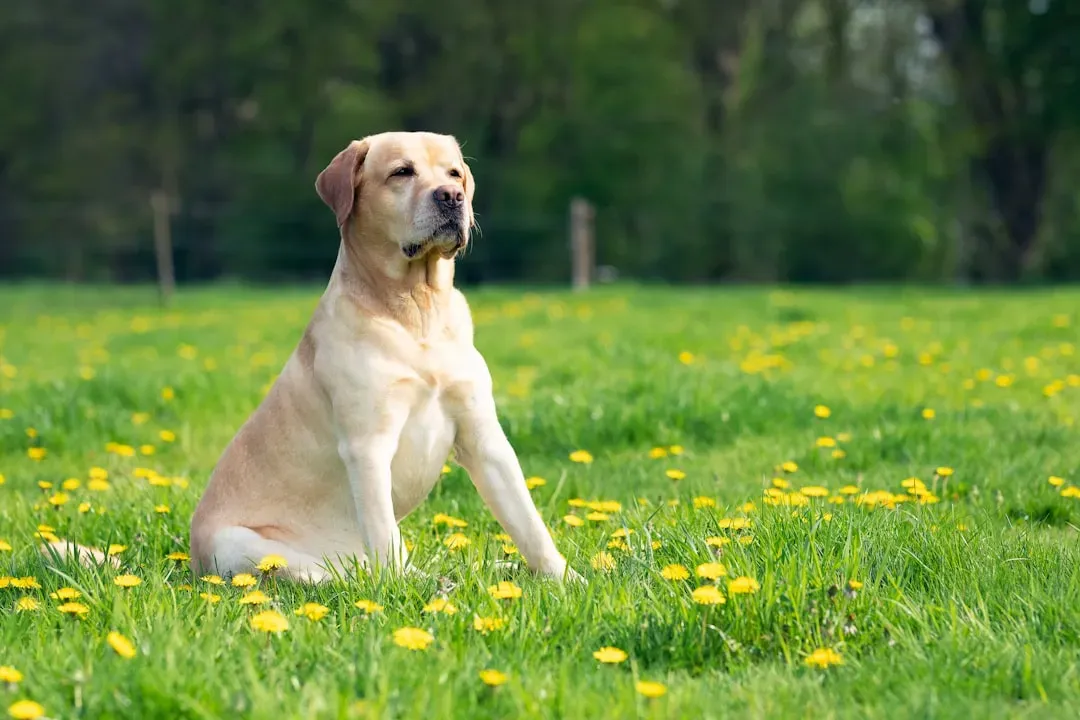
Labrador Retrievers were originally bred as working companions, and that heritage shows in how closely they watch their people. Owners frequently notice these dogs pausing play or approaching with a soft head tilt precisely when tension fills the air. Their eager-to-please nature makes them quick to offer physical comfort, whether by resting a paw on a knee or simply staying nearby without demanding attention.
That sensitivity extends to daily routines as well. A Labrador might linger by the door after a difficult phone call or settle at your feet during quiet evenings when words feel unnecessary. Their steady temperament helps them read the room without becoming overly anxious themselves.
Golden Retriever
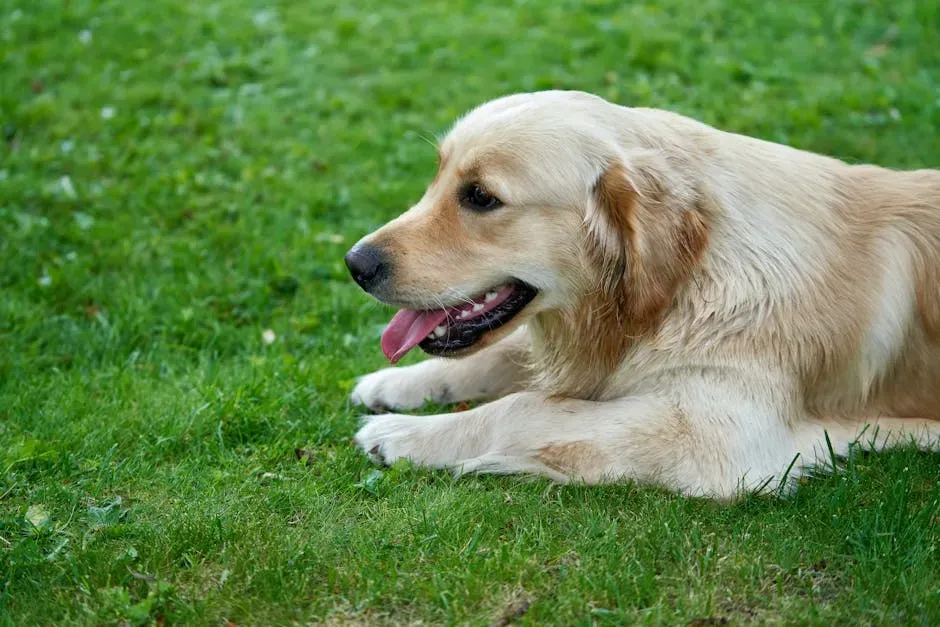
Golden Retrievers carry a reputation for warmth that often translates into emotional attunement. They tend to mirror calm energy or offer enthusiastic greetings that lift spirits on heavier days. Many families describe these dogs as natural comforters who insert themselves gently into moments of sadness.
Their history as retrievers and family dogs reinforces a people-focused outlook. A Golden might bring a favorite toy unprompted or simply lean against a leg for shared stillness. This breed rarely ignores shifts in household mood for long.
German Shepherd
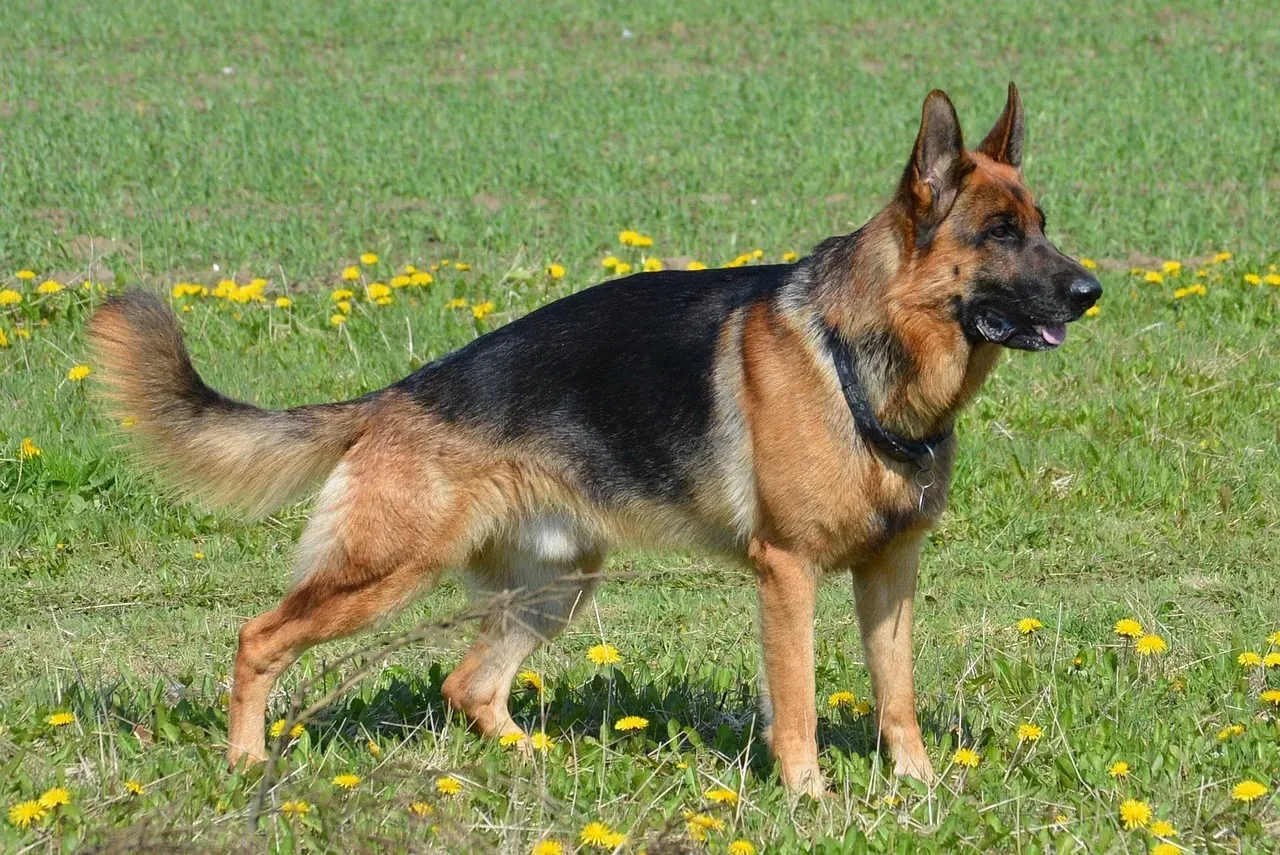
German Shepherds combine intelligence with protective instincts, leading many to notice when their person feels off. They often position themselves as quiet guardians, staying close without crowding. Their alert expressions and steady gaze can feel like silent acknowledgment of whatever is weighing on the mind.
Training and loyalty play into this awareness. A Shepherd might adjust its usual high-energy play to something calmer or simply sit sentinel nearby. The breed’s focus on its handler makes emotional cues hard to miss.
Cavalier King Charles Spaniel
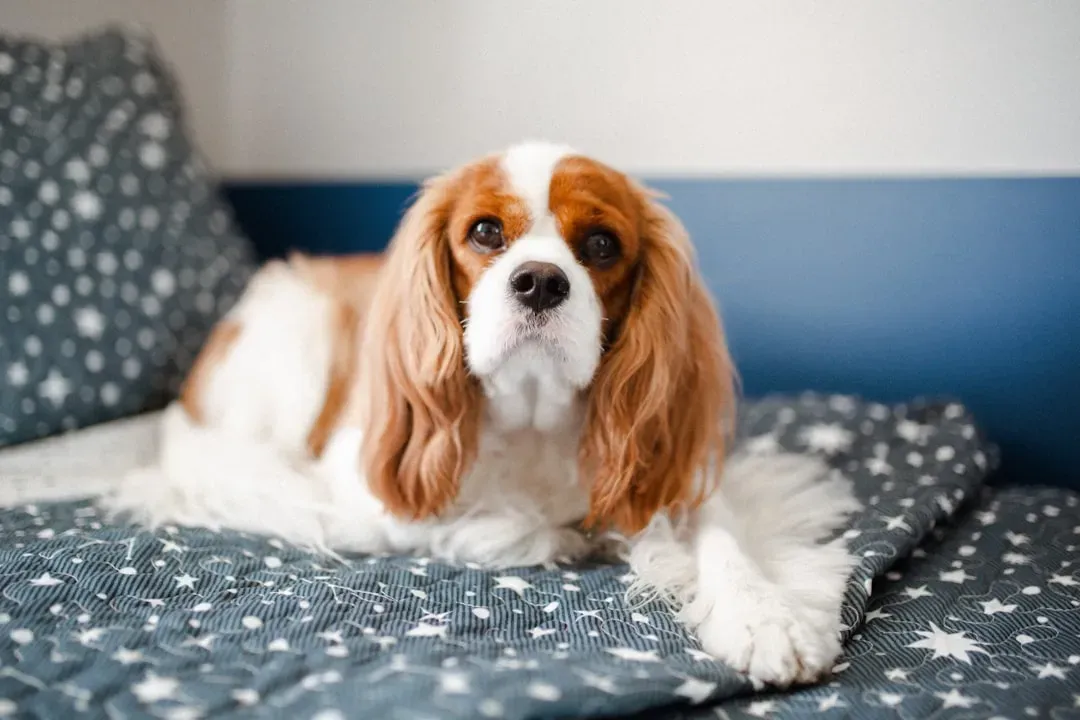
Cavalier King Charles Spaniels were developed as lap companions, and that closeness carries over into emotional reading. These small dogs often seek out laps or rest their heads on a hand during low moments. Their gentle disposition encourages quiet bonding rather than boisterous distraction.
Daily life with a Cavalier highlights this trait. The dog may follow its person from room to room more persistently when stress lingers or offer soft sighs that seem to echo the mood. Their affectionate wiring keeps them tuned in.
Beagle
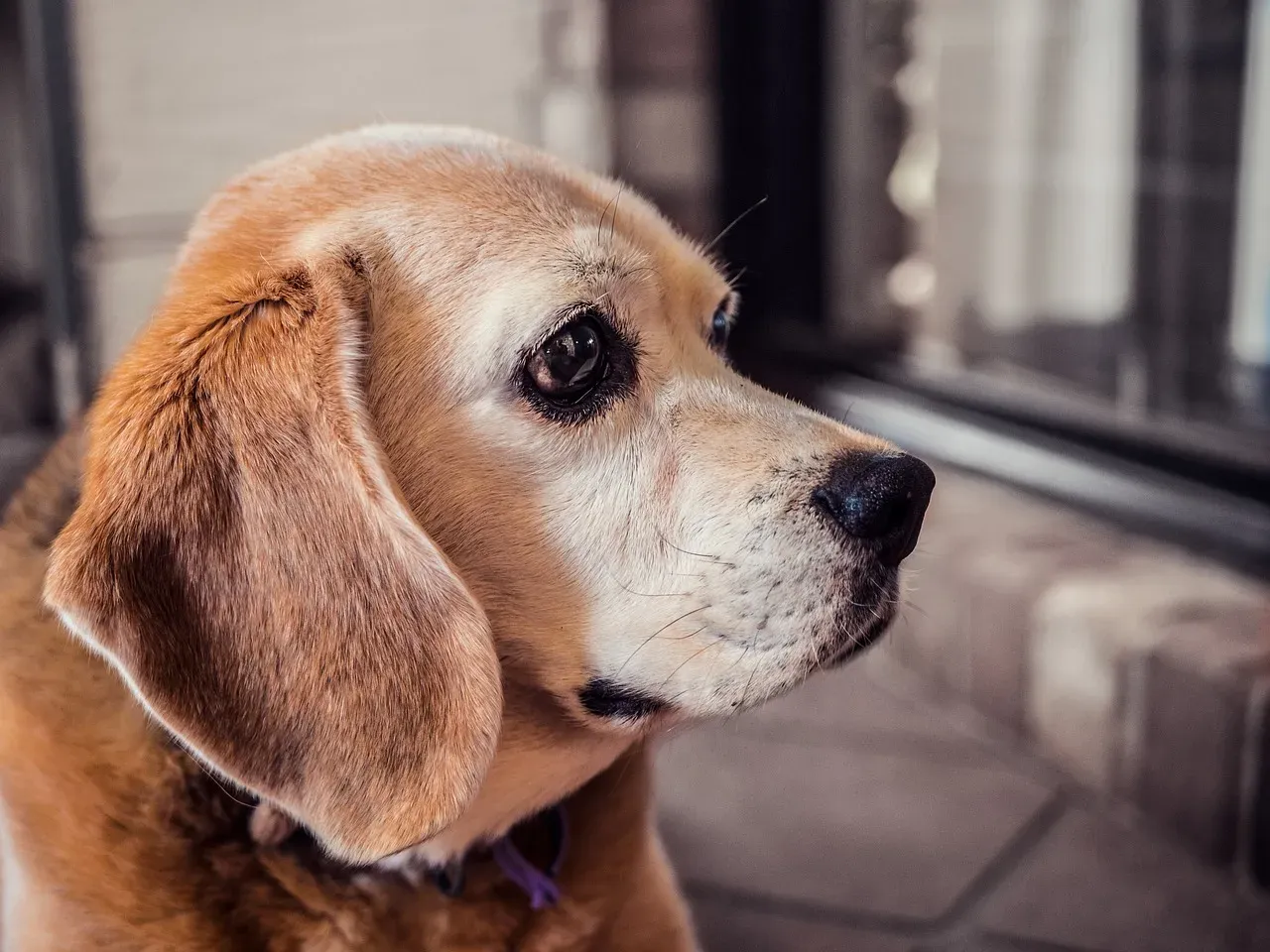
Beagles bring a curious, scent-driven approach that sometimes extends to human emotions. Owners report these hounds pausing their usual sniffing adventures to check in with a sad family member. Their pack mentality makes them sensitive to changes in group dynamics.
That same curiosity can turn supportive. A Beagle might nuzzle a hand or settle nearby with patient eyes until the atmosphere shifts. Their expressive faces often reflect the room’s energy in subtle ways.
Poodle
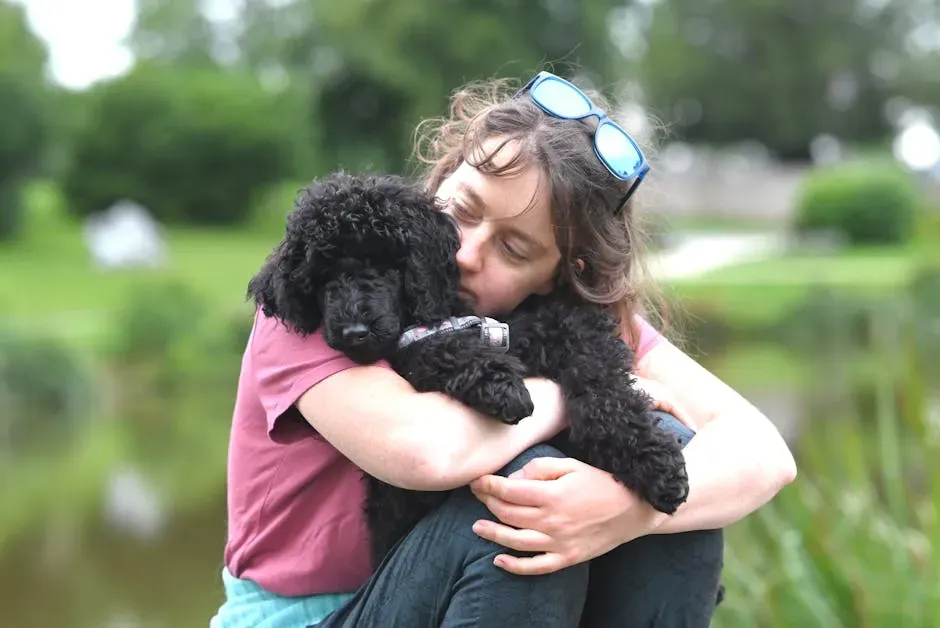
Poodles combine high intelligence with a people-oriented history, making them quick to notice emotional cues. Standard, miniature, or toy sizes all tend to watch faces closely and adjust behavior accordingly. Many owners describe them as intuitive partners who sense when a quiet presence is needed.
Their trainability helps them respond thoughtfully. A Poodle might bring a toy for gentle play or simply curl up in solidarity. This breed rarely overlooks shifts in its person’s demeanor.
Border Collie
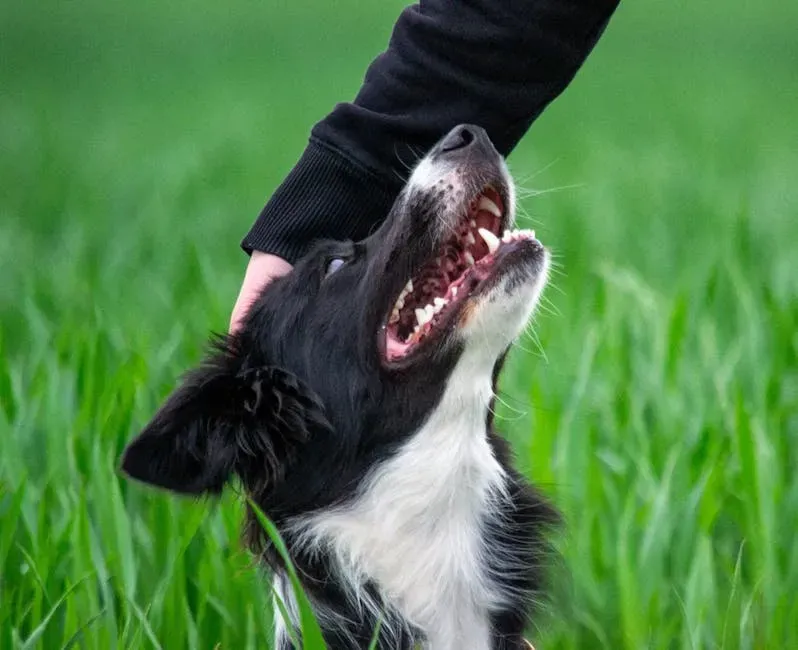
Border Collies were bred to read livestock signals, and that skill often transfers to human emotions. They pick up on micro-expressions and body language with remarkable speed. Their intense focus can feel like genuine concern during difficult times.
Daily interactions reinforce this trait. A Border Collie may slow its usual herding games or offer a paw when it senses unease. The breed’s drive to work with people keeps emotional awareness sharp.
Australian Shepherd
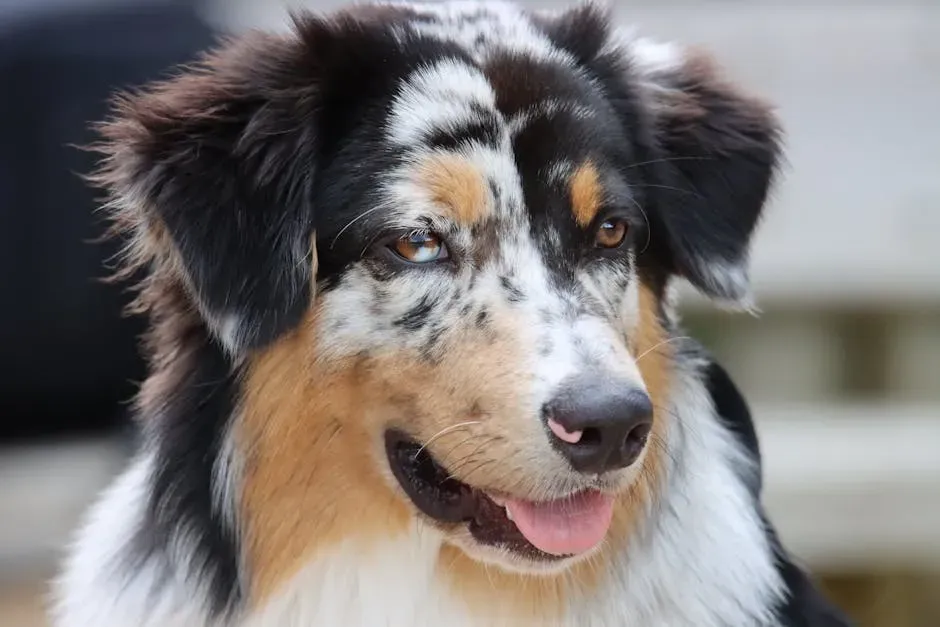
Australian Shepherds thrive on partnership and often extend that loyalty into emotional support. They watch their people closely and adjust energy levels to match the moment. Many families note these dogs becoming calmer or more attentive when sadness appears.
Their herding background encourages reading subtle cues. An Aussie might stay close during tough conversations or offer a gentle lean for comfort. This attentiveness feels natural rather than trained.
Cocker Spaniel
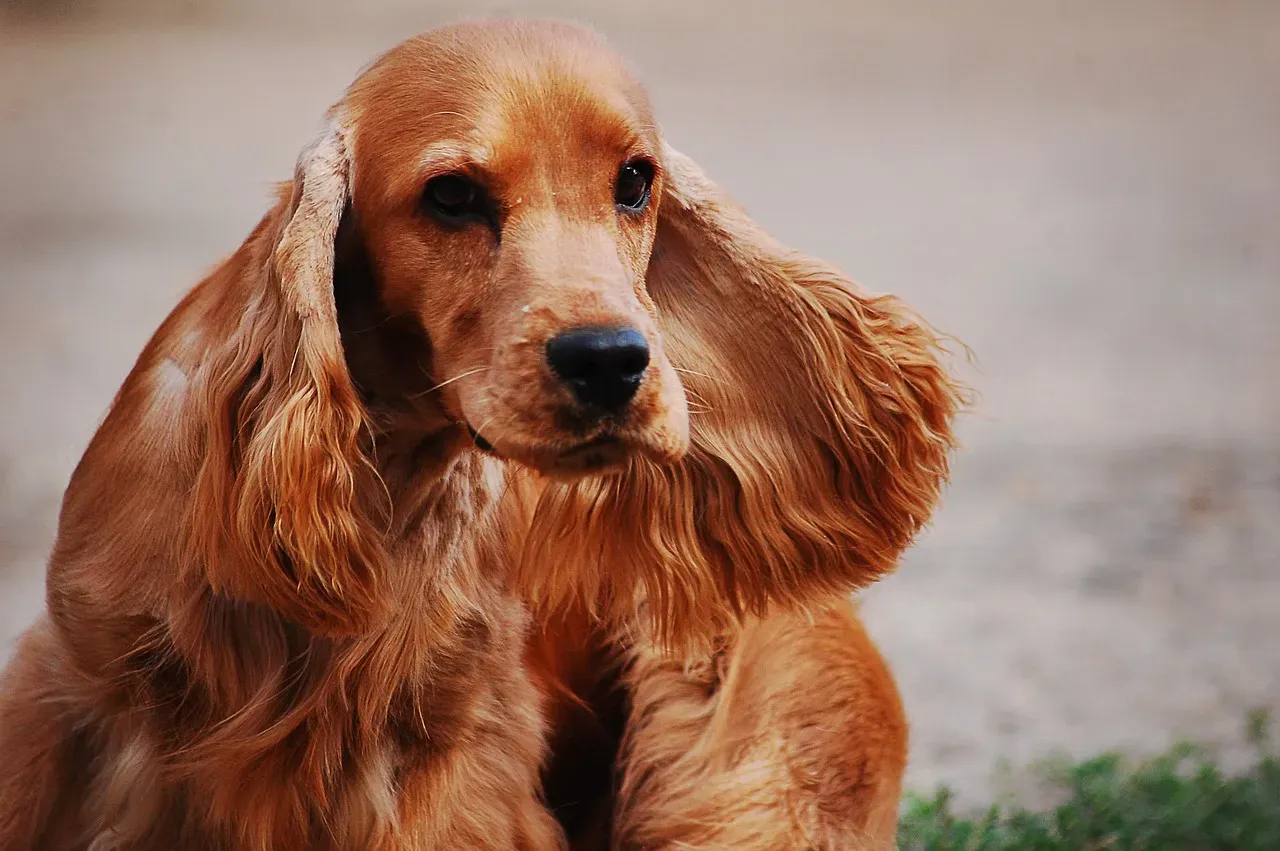
Cocker Spaniels bring a soft, affectionate nature that aligns with emotional sensitivity. They often seek closeness through cuddles or quiet companionship. Owners frequently mention these dogs responding to tone of voice with immediate concern.
That responsiveness shows in small daily habits. A Cocker might pause its usual play to rest its head nearby or follow its person more closely on heavier days. The breed’s gentle outlook keeps it connected.
Boxer
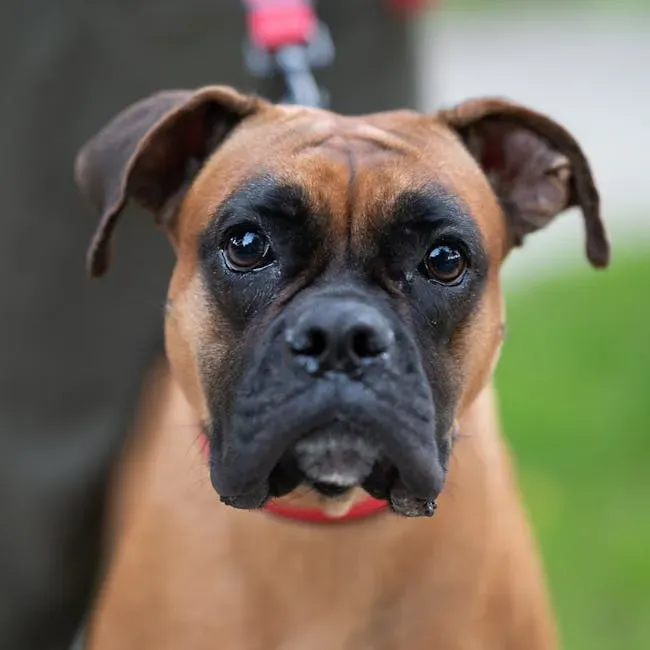
Boxers balance playful energy with surprising emotional depth. They often pause their antics when they sense a shift in mood. Their expressive faces and loyal hearts make them attentive companions during quieter moments.
Many owners describe Boxers as quick to offer physical presence. The dog might lean in or simply sit nearby until the atmosphere lightens. Their people-focused breeding supports this awareness.
Rottweiler
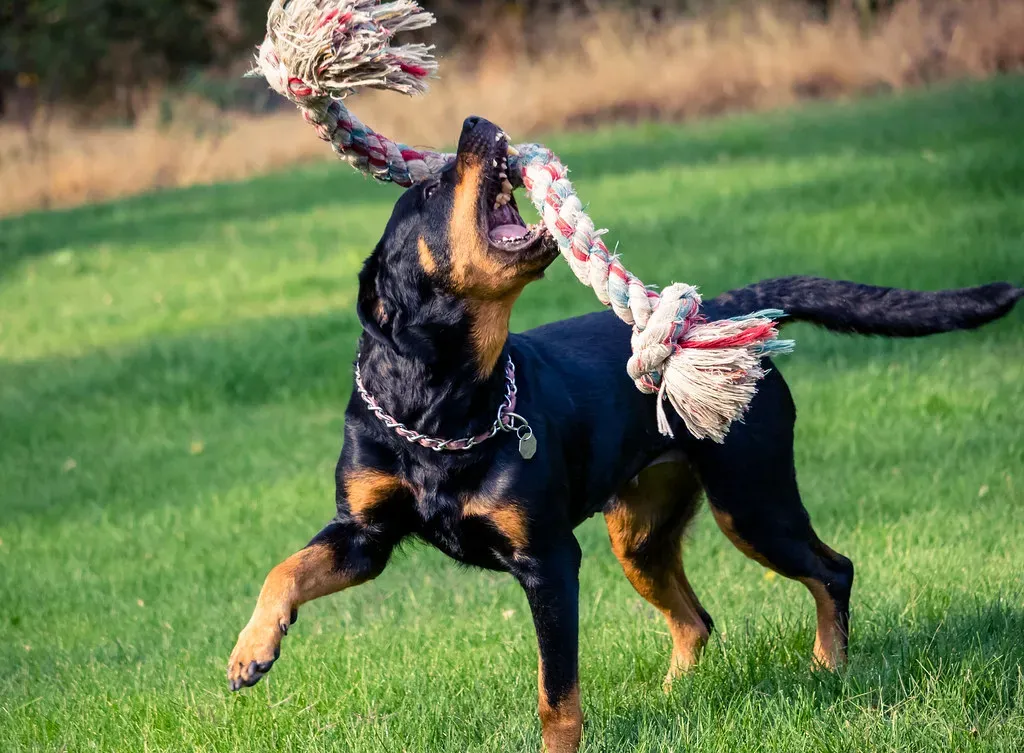
Rottweilers combine strength with a calm, watchful temperament. They tend to stay near their person when emotions run low, offering steady presence rather than overt fuss. Their protective instincts often extend to emotional guarding as well.
Daily life reveals this trait through consistent behavior. A Rottweiler may adjust its usual routines or simply remain close without demanding interaction. The breed’s loyalty keeps it tuned to household feelings.
Newfoundland
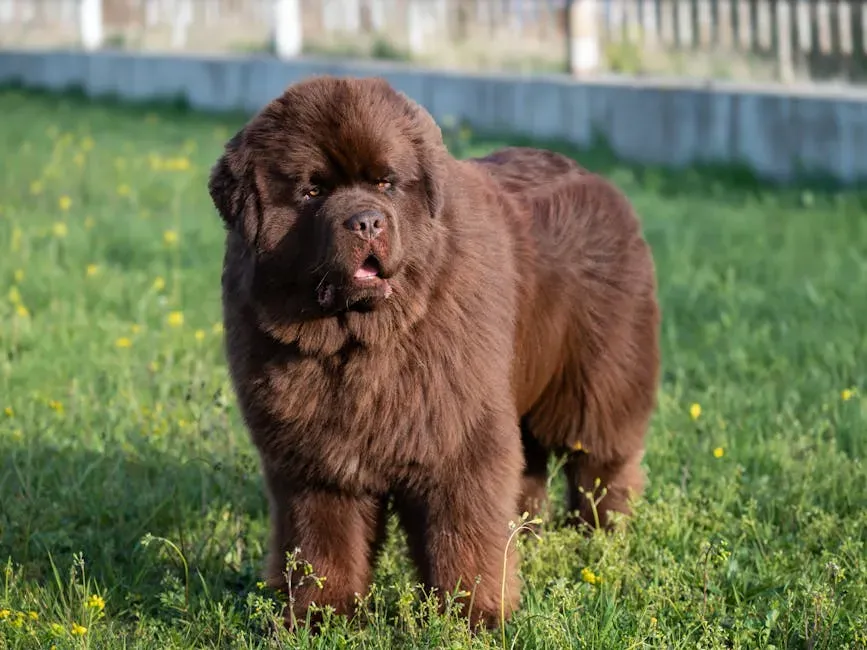
Newfoundlands were bred as water rescue dogs, and that helpful nature carries into emotional support. They often approach with gentle patience when they sense distress. Their large, calm presence can feel grounding during difficult times.
Owners note these dogs lingering nearby or offering a soft nudge. The breed’s patient outlook makes it well suited to reading and responding to human moods without overreacting.
Afghan Hound
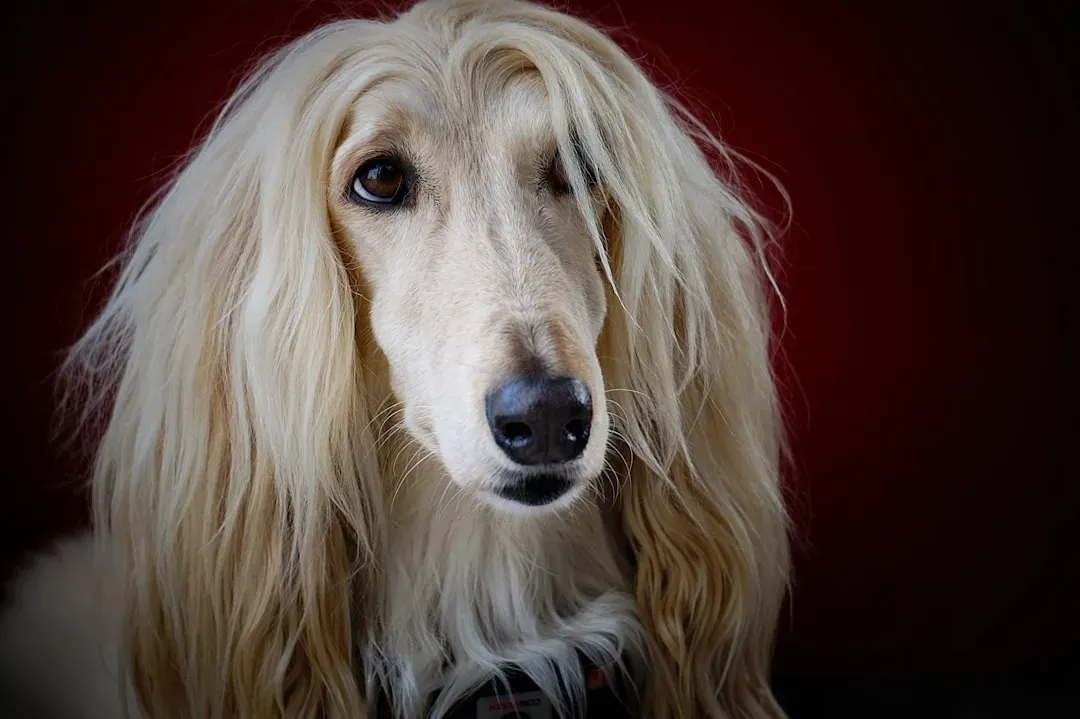
Afghan Hounds carry an independent streak rooted in their sighthound heritage. They often pursue their own interests even when the household mood shifts. Many owners describe these dogs as affectionate on their own terms rather than emotionally reactive.
That independence shows in daily patterns. An Afghan might continue its usual lounging or grooming routines without pausing for emotional cues. The breed tends to maintain its own rhythm regardless of surrounding feelings.
Chow Chow
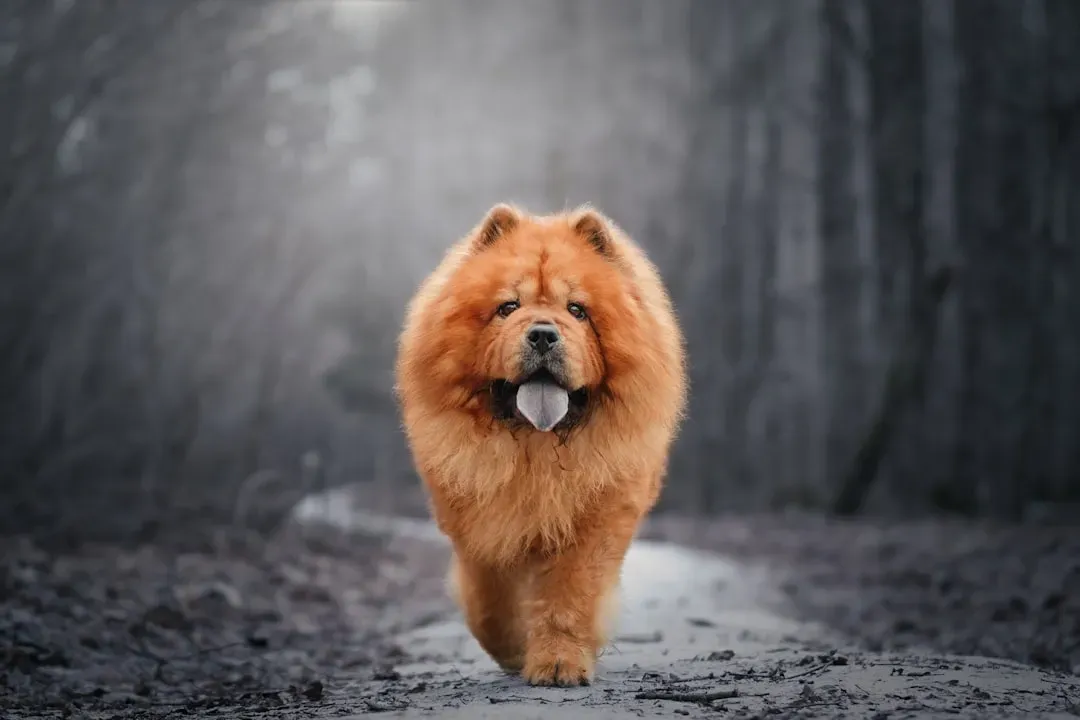
Chow Chows are known for their aloof dignity and strong sense of personal space. They rarely insert themselves into emotional moments unless it suits them. Owners often find these dogs content to observe from a distance.
Their reserved nature keeps them focused on their own comfort. A Chow might continue its preferred activities without acknowledging changes in human mood. This detachment feels consistent across many households.
Basenji
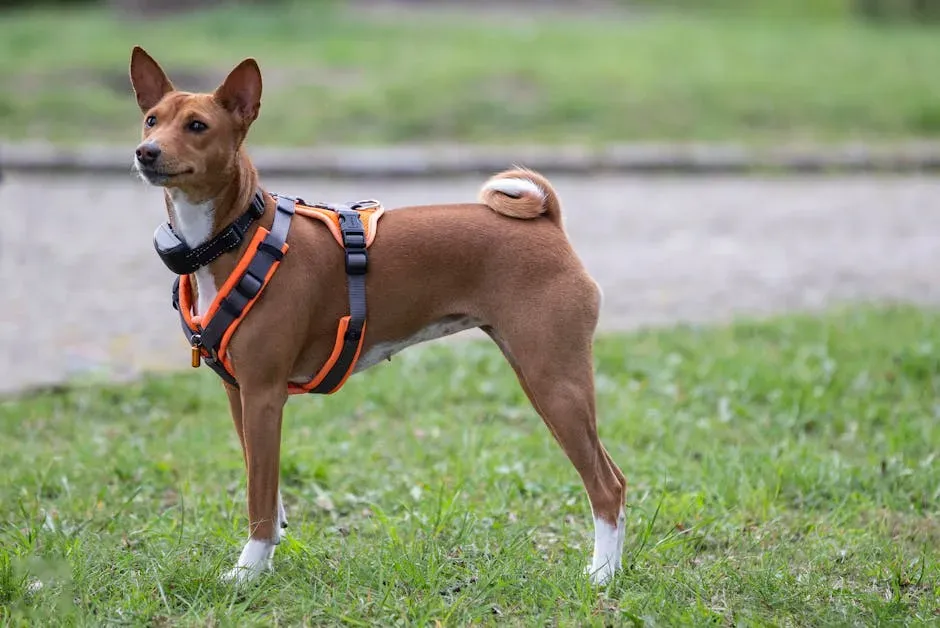
Basenjis bring a cat-like independence that sets them apart from more people-pleasing breeds. They follow their own schedule and rarely adjust for emotional undercurrents. Owners frequently note these dogs remaining engaged in their own explorations.
Daily life highlights this trait through consistent self-direction. A Basenji may ignore shifts in tone or body language while pursuing its favorite pastimes. The breed’s unique personality keeps emotional awareness low.
Shiba Inu
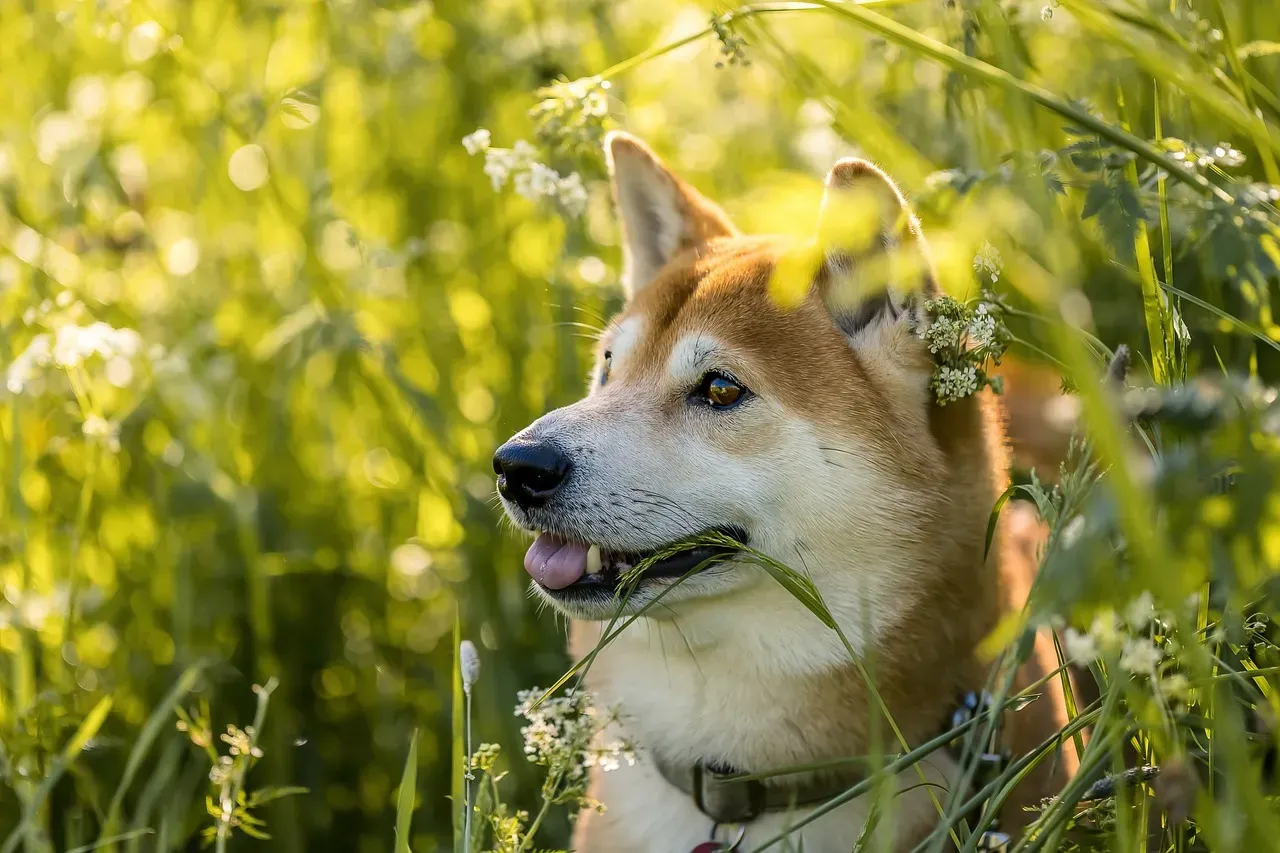
Shiba Inus carry a strong independent streak and a reputation for cat-like aloofness. They often maintain their own routines even when sadness lingers in the home. Many owners describe these dogs as affectionate yet selective about when they engage.
That selectivity shows in everyday behavior. A Shiba might continue its usual walks or resting spots without responding to emotional cues. The breed’s self-reliant outlook keeps it somewhat detached from human mood shifts.
Choosing a dog ultimately comes down to matching lifestyles and expectations rather than chasing perfect emotional radar. Breeds with strong people focus tend to notice more, while independent ones offer companionship on their own terms. The real connection grows from daily time together, training, and individual personality.
In the end, any dog can become a source of comfort when the relationship is built with patience and consistency. The listed patterns simply reflect common observations across many homes. What matters most is finding a companion whose natural style fits the life you want to share.


