
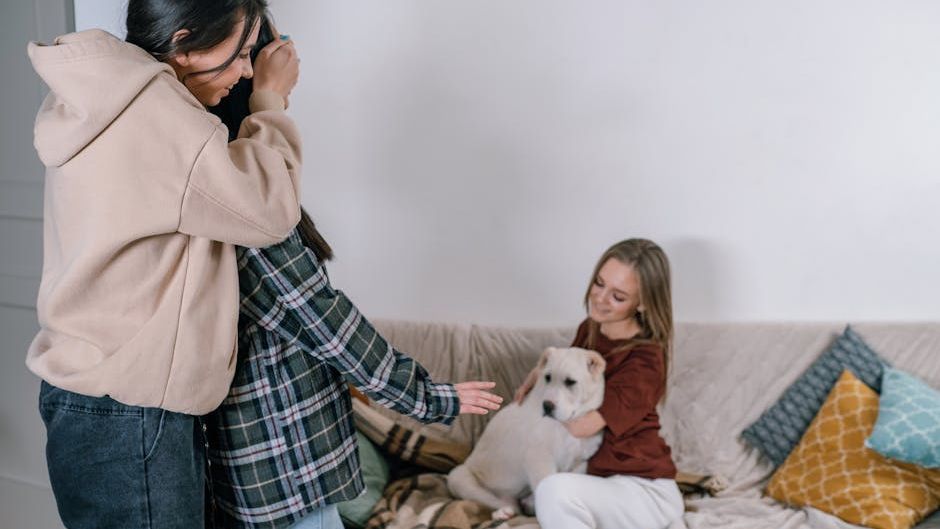
You notice it during a casual gathering. Your dog lets out a soft whine or even a full cry the moment you embrace a friend or family member who has just arrived. The sound cuts through the room and leaves you wondering what exactly triggered such a clear display of distress.
Many owners chalk it up to simple excitement or noise sensitivity. Yet the behavior often runs deeper than that surface explanation. It points to how dogs read the social cues around them and respond with their own version of emotional unease.
How Dogs Read Human Body Language

Dogs watch closely when people lean in for hugs. They pick up on the shift in posture, the change in voice tone, and the way attention moves away from them. This focused observation can turn an ordinary greeting into something that feels unsettling for the animal.
Research into canine cognition shows dogs respond to human gestures with surprising accuracy. A hug might register as a sudden withdrawal of focus rather than a warm exchange. The result is a vocal protest that owners interpret as crying but stems from confusion over lost connection.
Attachment Bonds That Shape Reactions
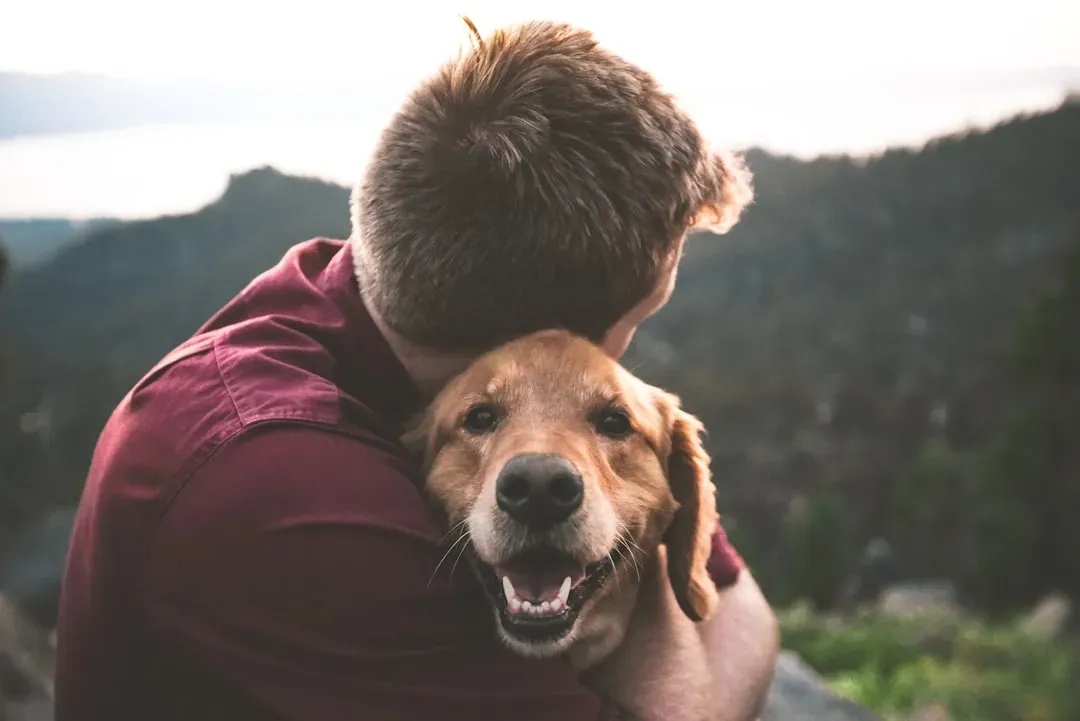
Strong bonds form between dogs and their primary people over time. These ties create expectations about who receives affection and when. When a stranger enters the picture, the established pattern breaks and the dog signals discomfort through sound.
Puppies raised with consistent human contact often develop tighter attachments. Those early experiences carry forward into adult life. A hug with someone new can feel like a temporary break in the security the dog has come to rely on.
Jealousy Like Behaviors in Everyday Settings
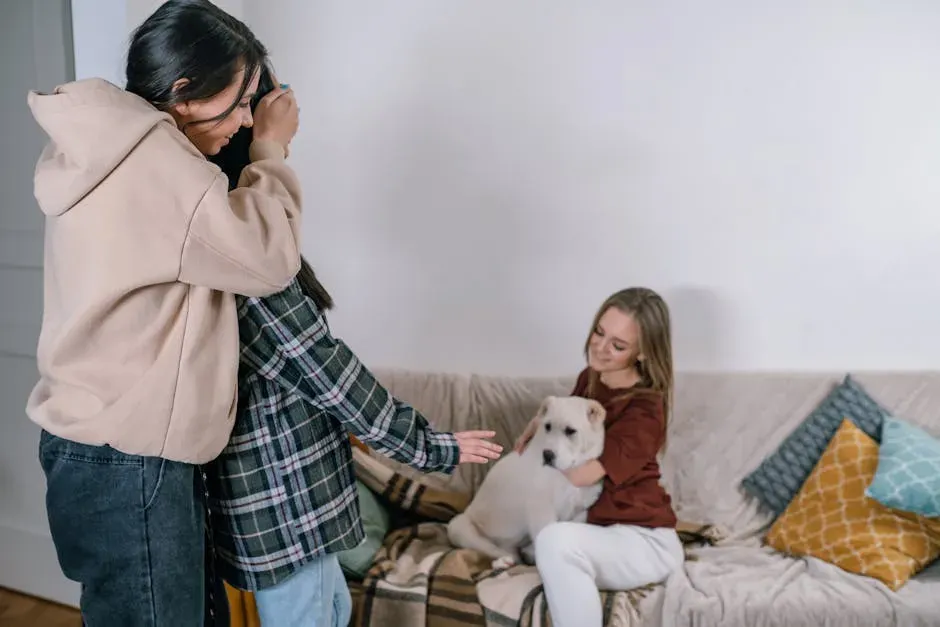
Canine jealousy shows up in subtle and not so subtle ways. Whining during owner interactions with others ranks among the more common signs. The dog seeks to redirect attention back to itself rather than accept the divided focus.
Studies on dog social dynamics reveal these responses mirror resource guarding in some cases. Attention becomes the guarded item. The cry serves as a gentle push to restore the usual order of things.
Separation Signals During Social Moments
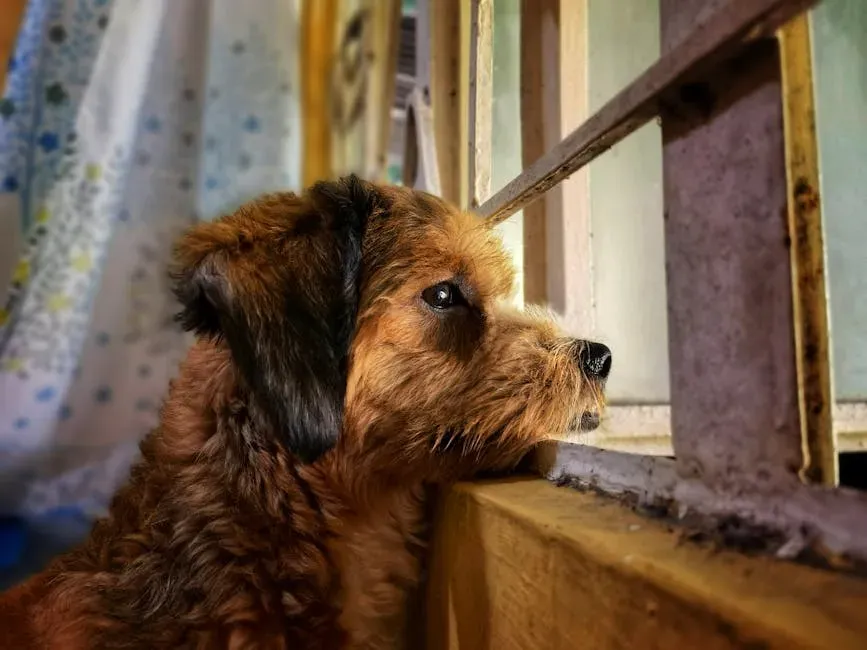
Even brief moments of divided attention can spark separation related vocalizations. The dog does not understand the hug as temporary. Instead it registers as a shift that might lead to longer absence or reduced closeness.
Owners who travel often or host frequent visitors see this pattern more regularly. The dog learns to associate certain social cues with potential change. The resulting whine acts as an early warning system for its own sense of stability.
Environmental Factors That Amplify the Response
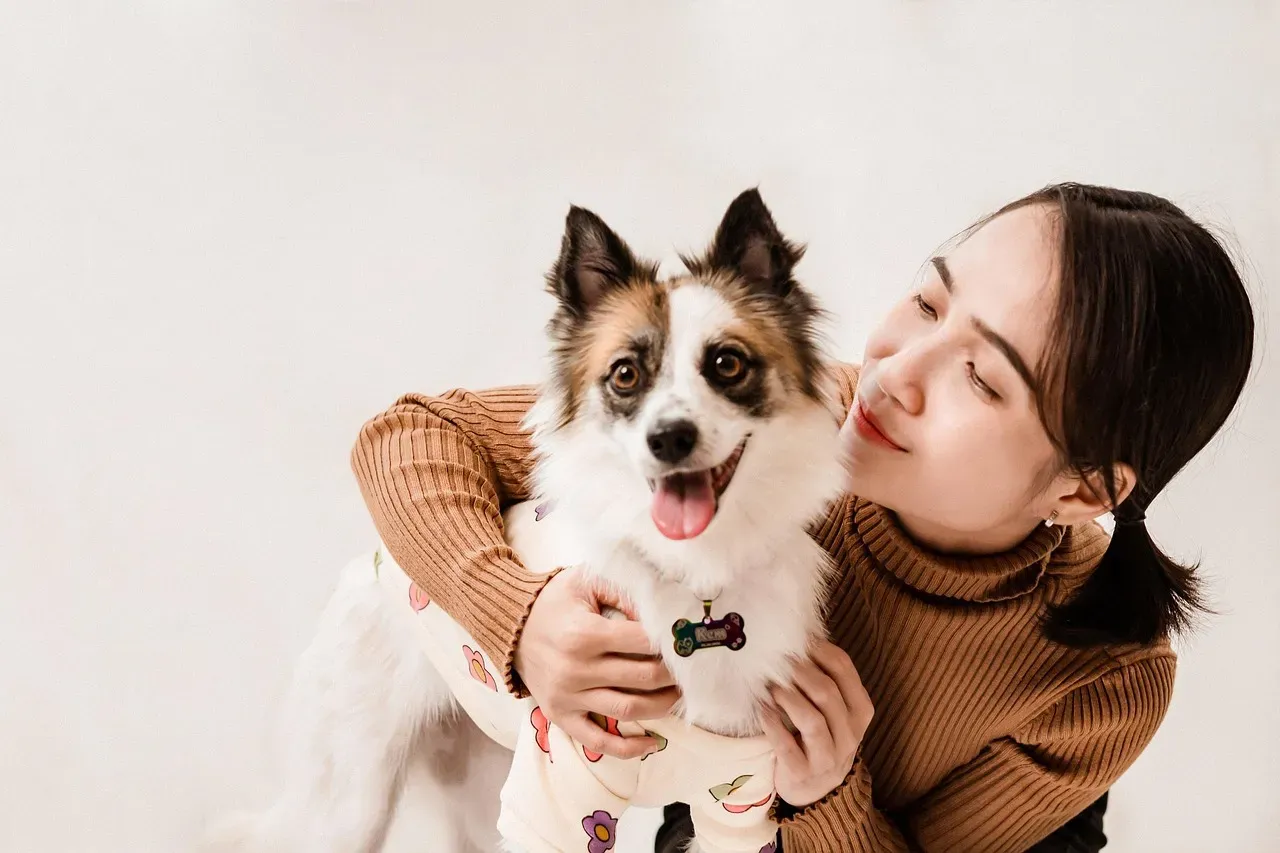
Noise levels, crowd size, and the energy of a room all play roles. A quiet home hug might pass without notice while the same action at a party draws a louder reaction. The dog processes the entire scene rather than the gesture alone.
Changes in daily routine add another layer. A new work schedule or recent move can heighten sensitivity to any attention shift. The cry then reflects accumulated stress rather than the hug in isolation.
Training Approaches That Ease the Distress
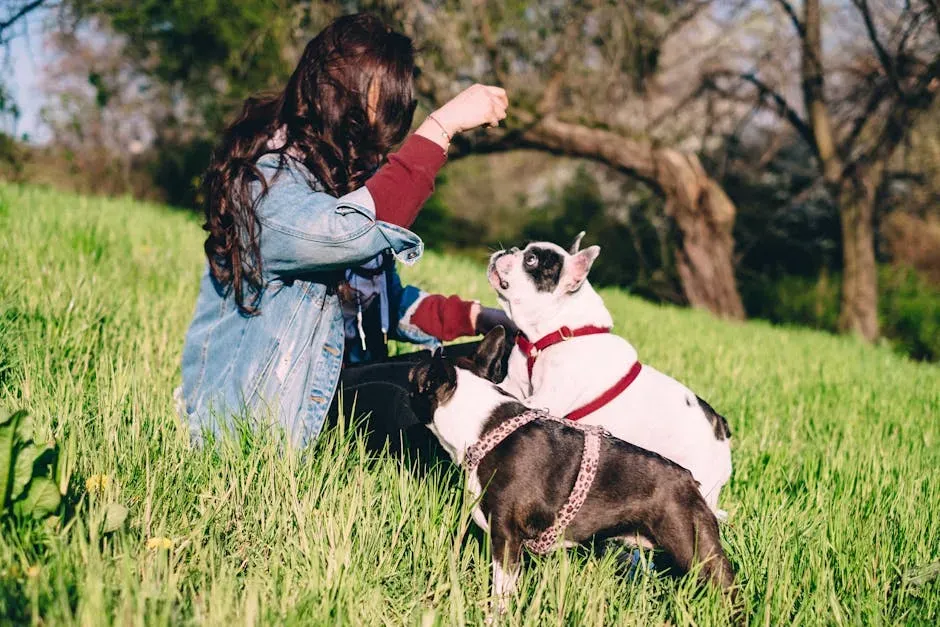
Positive reinforcement helps dogs associate greetings with calm rewards. Owners can practice short hugs while offering treats or praise to the dog. Consistency turns the once unsettling moment into a neutral or even positive one.
Professional trainers often recommend gradual exposure paired with counter conditioning. The goal remains simple. The dog learns that human affection toward others does not threaten its own place in the household.
Long Term Implications for the Human Dog Relationship
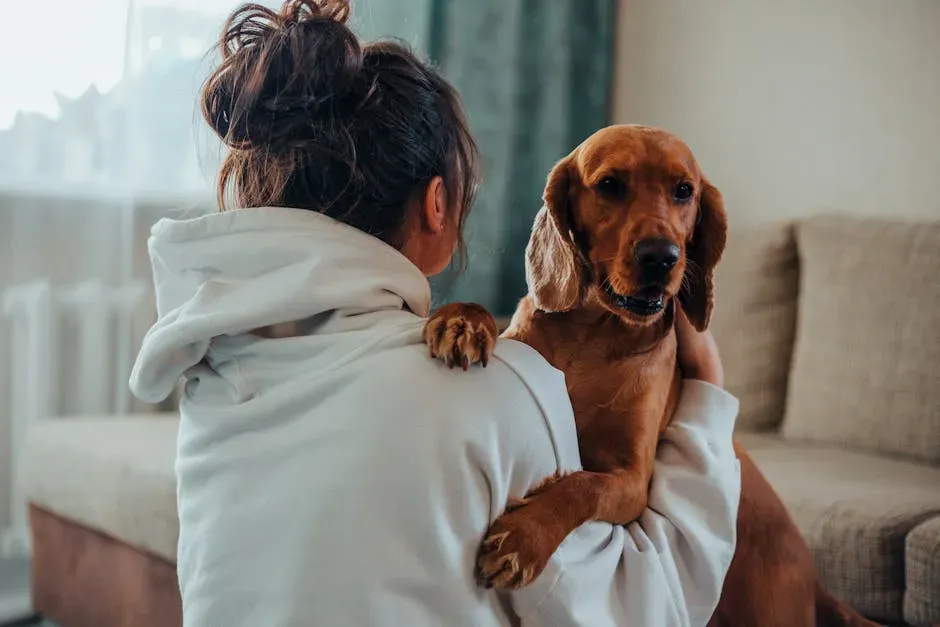
Repeated episodes of this behavior can strain the bond if left unaddressed. The dog may grow more anxious over time and the owner might feel guilty during every social interaction. Early recognition prevents escalation into broader issues.
Understanding the root allows for adjustments that benefit everyone involved. Small changes in how greetings unfold often restore peace without sacrificing human connections. The effort pays off in a calmer household dynamic.
The sad truth lies in how deeply dogs feel these small shifts in attention. Their cries remind us that affection flows in more directions than we sometimes notice. Paying attention to those signals strengthens the quiet partnership that makes life with a dog so rewarding in the first place.


