
Recognizing the Telltale Greeting
Dogs that have been crying alone frequently launch into an over the top welcome the moment the door opens. They might whine, jump repeatedly, or circle you with frantic energy instead of a calm tail wag. This surge often stems from pent up emotions rather than pure joy at your return.
Trainers note that the greeting can last longer than normal or shift quickly into restlessness. A dog might follow you from room to room without settling, as if checking that you truly stayed. These patterns stand out when compared to dogs that simply acknowledge your arrival and then go about their business.
Unpacking What Crying Looks Like for Dogs
Canine crying rarely involves actual tears the way humans experience them. Instead it shows up as prolonged whining, howling, or soft vocalizations that echo through an empty house. Owners sometimes hear these sounds on security cameras or notice neighbors mentioning the noise.
The behavior ties directly to separation distress, where the dog feels genuine unease without its person nearby. Physical signs like drool near the door or scratched floors can accompany the vocal part. Trainers emphasize that these clues together paint a clearer picture than any single action alone.
Common Triggers for This Behavior
Changes in routine often spark the distress that leads to crying. A new work schedule, a move to a different home, or even a recent vet visit can heighten a dog’s sensitivity to being left. Younger dogs and certain breeds with strong attachment tendencies show these reactions more readily.
Long absences compound the issue, especially when combined with lack of mental stimulation beforehand. Dogs left without toys, puzzles, or background noise may turn to vocalizing as an outlet. Understanding these triggers helps owners see the behavior as a response rather than random mischief.
Expert Insights from Dog Trainers
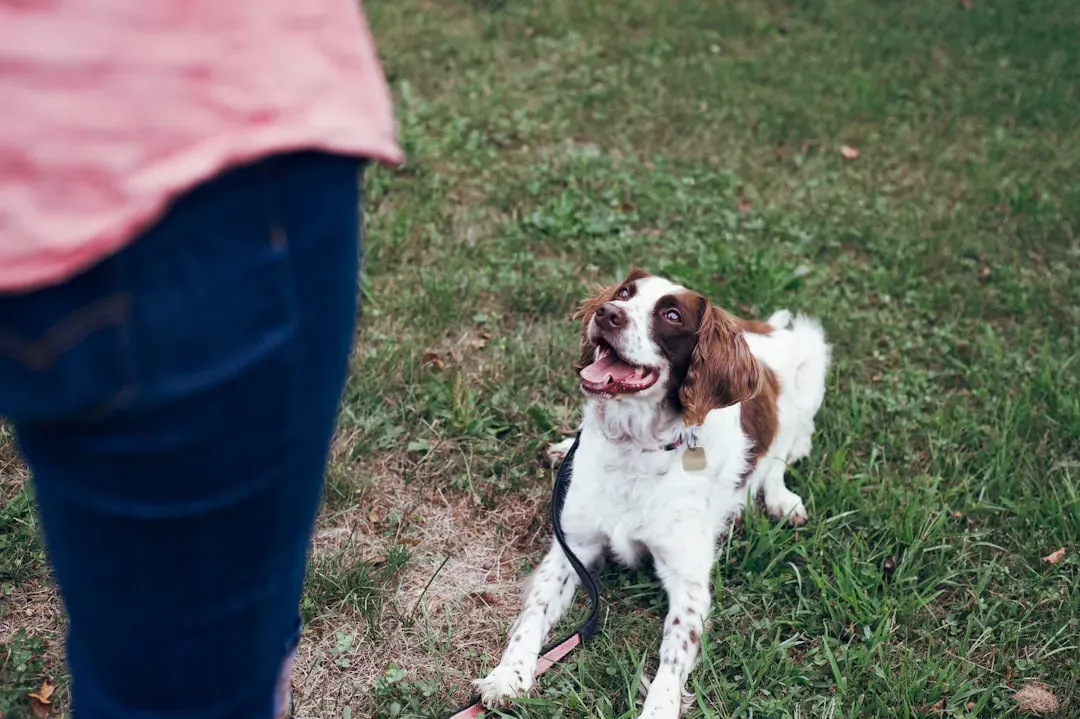
Professional trainers watch for the contrast between a dog’s usual calm and the heightened state upon reunion. They point out that quick recovery after the initial greeting suggests milder distress, while lingering agitation points to deeper separation issues. Video evidence from the time alone often confirms the vocal episodes.
Many trainers stress that early intervention prevents the habit from becoming more entrenched. They observe that dogs displaying this pattern benefit from gradual desensitization to departures rather than sudden long absences. The focus stays on building confidence instead of punishment, which can worsen the anxiety.
At Home Strategies to Reduce Distress
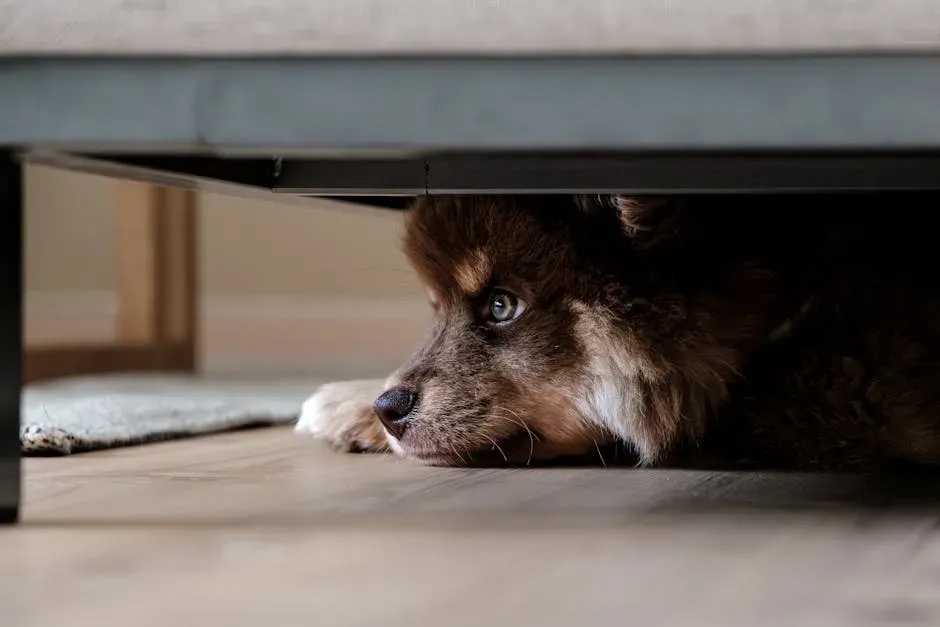
Short practice departures help dogs learn that leaving does not mean forever. Start with just a few minutes and return before any distress builds, then slowly extend the time. Pairing these outings with a stuffed toy or calming music creates positive associations.
Exercise before you go out burns off excess energy that might otherwise fuel anxiety. A solid walk or play session leaves many dogs ready to rest rather than fret. Consistent feeding and potty routines around departures also add a layer of predictability that eases worry.
Monitoring Progress Over Time

Keep a simple log of greetings and any signs noticed on return. Note how quickly your dog settles and whether vocalizations decrease over weeks of consistent practice. Small improvements add up and show the efforts are working.
Camera checks during absences provide objective feedback on whether crying episodes are shortening or stopping. Celebrate quiet periods without making a big fuss that could create new pressure. Steady observation reveals what adjustments still help most.
Why Addressing This Matters for Both of You
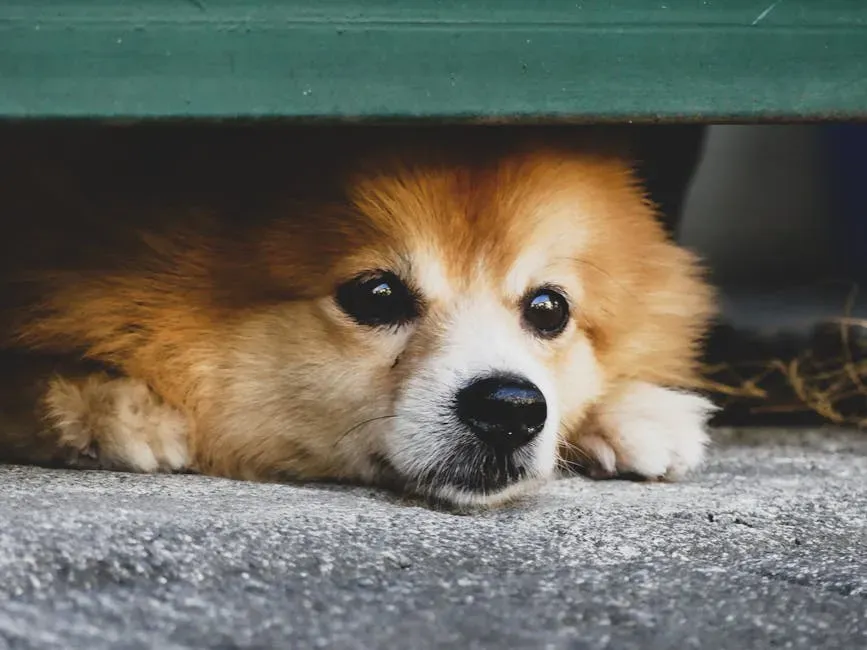
A dog that feels secure alone leads to calmer days for everyone in the household. The bond strengthens when departures stop carrying emotional weight for your pet. Owners often report less guilt and more enjoyment in their time away once the pattern shifts.
Left unaddressed, the distress can grow into broader anxiety that affects daily life. Taking thoughtful steps now supports a happier, more confident companion for years ahead. Your dog relies on you to notice these quiet signals and respond with patience.


