
Psychology Says The Way You Discipline Your Dog Reveals Whether You Were Emotionally Neglected as a Child
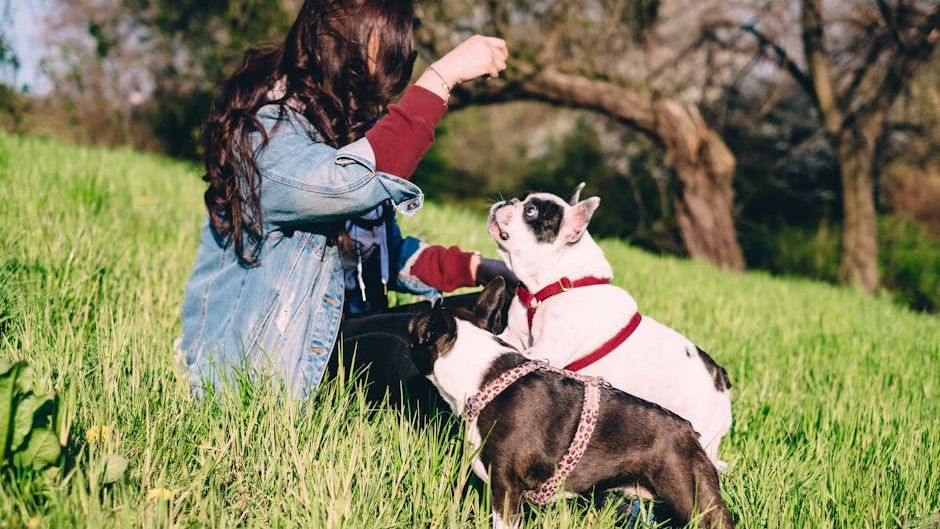
Many people notice that the way they handle their dog’s missteps feels automatic, almost like a script they did not choose. That instinct might trace back further than the training books on the shelf.
Psychologists have long studied how early emotional environments shape adult responses to those who depend on us. Pets often become unexpected mirrors for those patterns.
Attachment Styles Shape Everyday Interactions
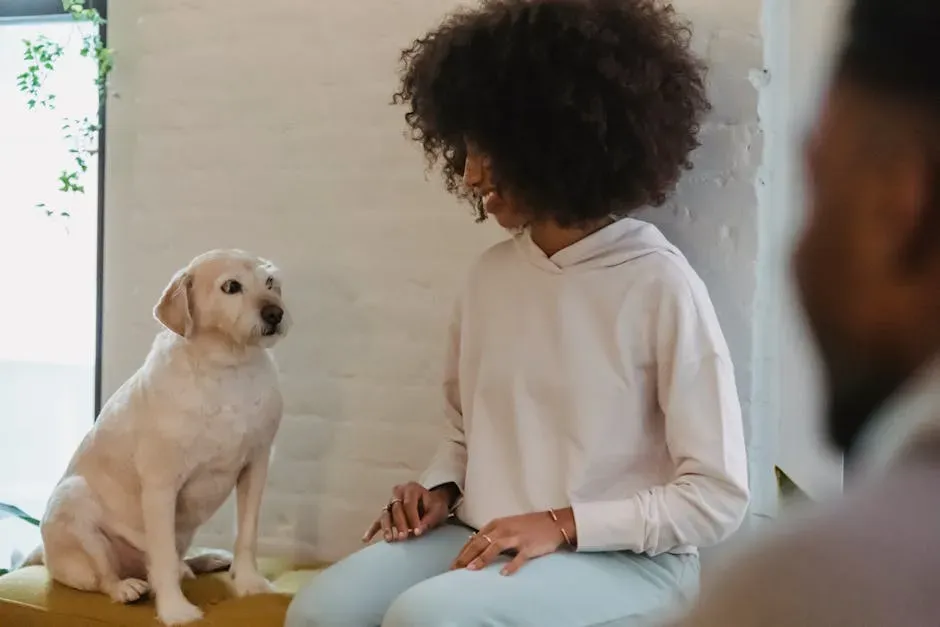
Children who grow up with caregivers who miss emotional cues often develop insecure attachment patterns that carry into adulthood. These patterns show up in how someone reads signals from a dog that cannot speak its needs directly.
When a person learned early on that feelings were not reliably met, they may default to quick corrections rather than patient observation. The dog becomes another relationship where old habits surface without much thought.
Discipline Choices Echo Early Home Dynamics
Harsh or inconsistent responses to a dog’s behavior can reflect homes where emotional support was thin. In those settings, children learned to manage situations through control instead of connection.
Someone who experienced that environment might lean toward punishment first because it feels familiar and efficient. Gentler methods require a sense of safety that was not always present in childhood.
Emotional Neglect Leaves Subtle Marks on Adult Behavior

Emotional neglect does not always involve dramatic events. It often looks like caregivers who were physically present yet emotionally distant or overwhelmed.
Adults from those backgrounds sometimes struggle to notice their own feelings, let alone interpret a dog’s subtle body language. Discipline then becomes a default tool rather than a thoughtful response.
Positive Reinforcement Requires Emotional Resources
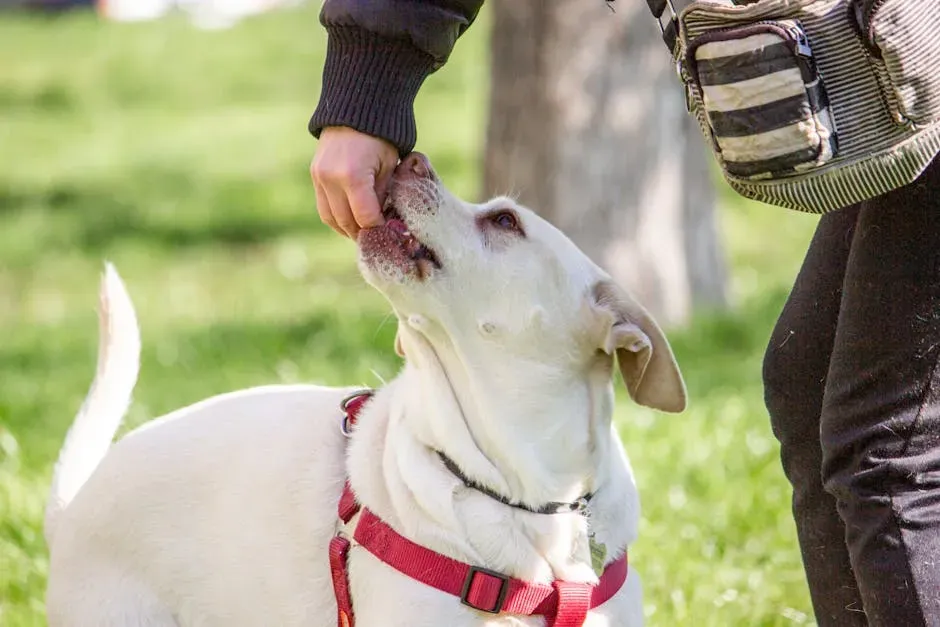
Using treats, praise, and patience takes a steady internal sense that the relationship can handle mistakes. People who missed consistent warmth as children may find this approach harder to sustain.
They might view rewards as indulgent because their own efforts went unrecognized. The shift toward encouragement asks for a kind of emotional availability that feels new and uncertain.
Observing Reactions Offers Personal Clues
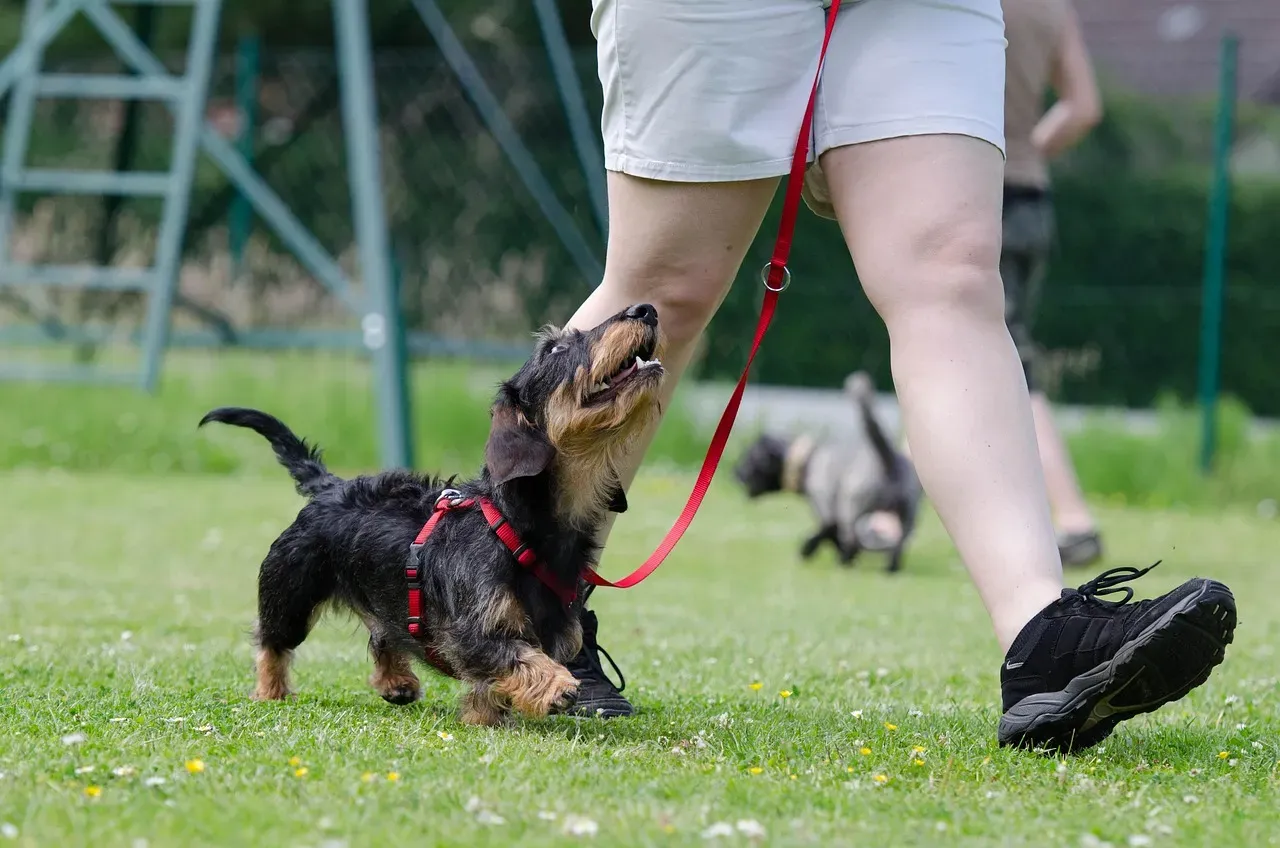
Paying attention to frustration levels during training sessions can reveal more than the dog’s progress. Quick irritation or a sense of personal failure often points to deeper roots.
Those moments of tension become opportunities to notice whether the response matches the situation or an old pattern. Small shifts in awareness can change the entire exchange with the dog.
Pets Highlight What Words Alone Might Miss
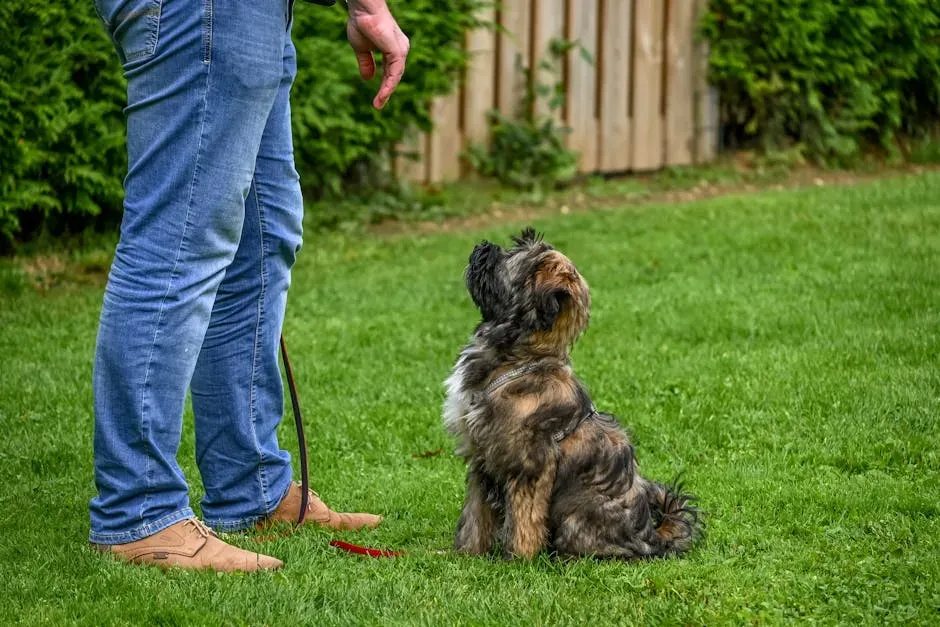
Dogs respond to tone, timing, and consistency in ways that bypass intellectual explanations. Their reactions can make invisible habits visible in real time.
A person might realize they repeat phrases or corrections that once came from their own caregivers. The dog does not judge the origin, yet it lives with the results every day.
Changing the Pattern Starts with Gentle Curiosity
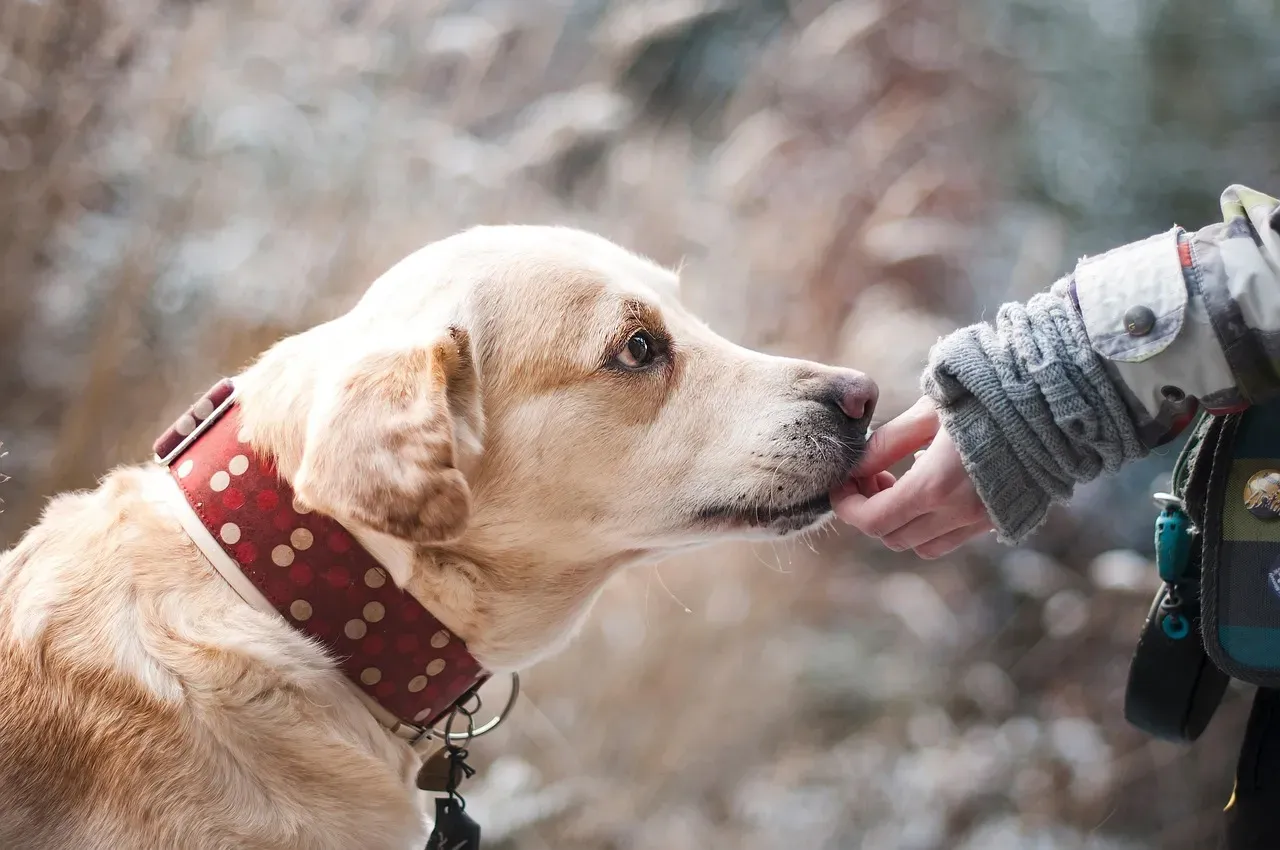
Recognizing these links does not require blame or dramatic overhaul. It begins with noticing what feels automatic and asking where that impulse came from.
Many people find that adjusting their approach to the dog also softens how they treat themselves. The relationship with the pet becomes a quiet practice ground for new habits that feel more supportive.
Over time, those small changes can ease the weight of old lessons and create steadier connections with the animals who share our homes. The dog benefits, and so does the person who once learned to navigate without enough emotional guidance.