
Nobody warns you about this part. You prepare yourself for the loss, for the empty bed and the quiet house and the leash hanging by the door. What you don’t prepare for are the small, deliberate things your dog does in the days and hours before they go – gestures so specific and so tender that they stop feeling like coincidence. Owners across every breed, every background, and every kind of loss describe the same moments. Vets notice them. Rescuers document them. And once you’ve seen one, you never stop thinking about it.
Some of these will feel familiar in the best and most painful way. Others will surprise you – because they push back against everything we assume about how dogs experience their final chapter. The truth is that most dogs don’t simply drift away. They say goodbye. And the way they do it is something their owners carry for the rest of their lives.
#15 – The Final Head Tilt That Felt Like a Question
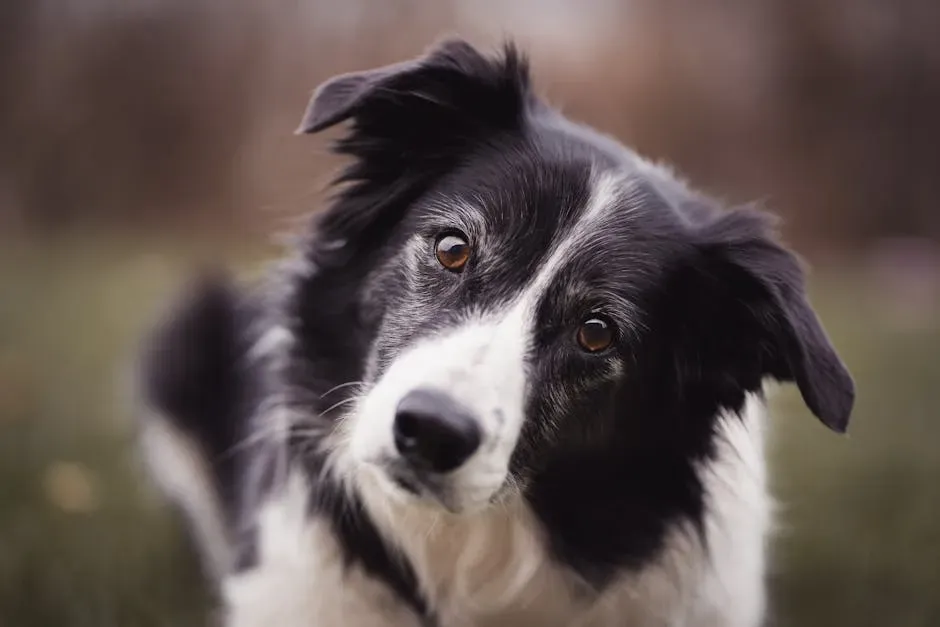
Most owners never expect that last curious tilt to land so hard. In their final days, dogs will sometimes pause mid-motion and angle their head exactly the way they did as puppies – that same wide-eyed, ears-perked expression that once made you grab your phone for a photo. Seeing it again, in that context, can stop the room cold.
What makes it haunting is the timing. This isn’t random muscle memory. Many dogs repeat the gesture when they sense the emotional energy in the house has shifted – when voices have gone softer, when routines have quietly changed. One moment they seem far away. The next, they lock eyes and tilt, as if confirming you’re still their person. Owners who experienced it within hours of their dog’s passing say it felt less like a reflex and more like a last question that didn’t need an answer.
Fast Facts
- Dogs have been companions to humans for an estimated 15,000+ years, developing an extraordinary ability to read human facial expressions and emotional cues.
- The head tilt is linked to a dog’s effort to better process sound and visual information – making it one of their most intentional forms of attention.
- Many owners report this gesture occurring within the final 24–48 hours, often during a quiet moment of eye contact.
- It’s documented across breeds of all sizes – from Chihuahuas to Great Danes – suggesting it’s driven by bond, not biology.
#14 – Following You Room to Room One Last Time
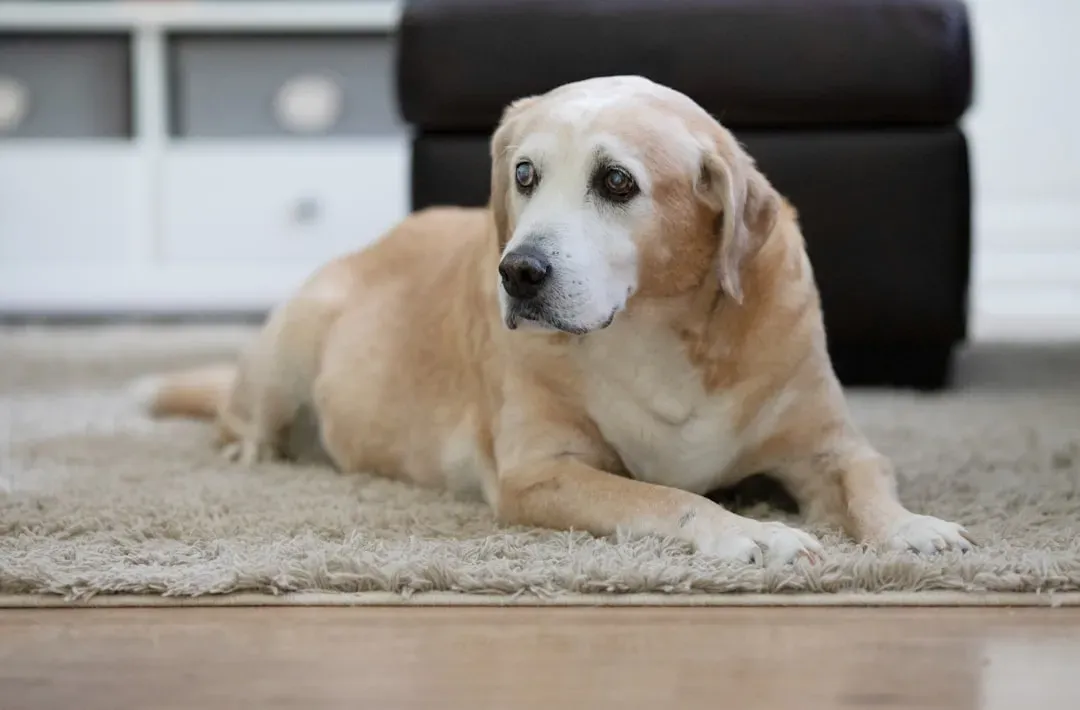
It starts and you almost don’t notice it – the sound of slow paws behind you as you move from the kitchen to the hallway to the bedroom. This isn’t the bouncy, urgent shadowing of a younger dog lobbying for a walk. It’s deliberate and quiet, and it happens even when the dog has already stopped eating, stopped playing, stopped doing most of what once defined them.
The behavior surprises people because it contradicts the idea that dying dogs isolate. Many don’t. Instead, they choose to spend their last mobile hours mapping the same path they’ve always mapped – right behind you. That final patrol, slow and effortful and completely voluntary, has a way of replaying itself during quiet evenings for years afterward. You’ll walk through your own home and feel it like a presence just behind your left heel.
#13 – The Last Gentle Paw on Your Leg
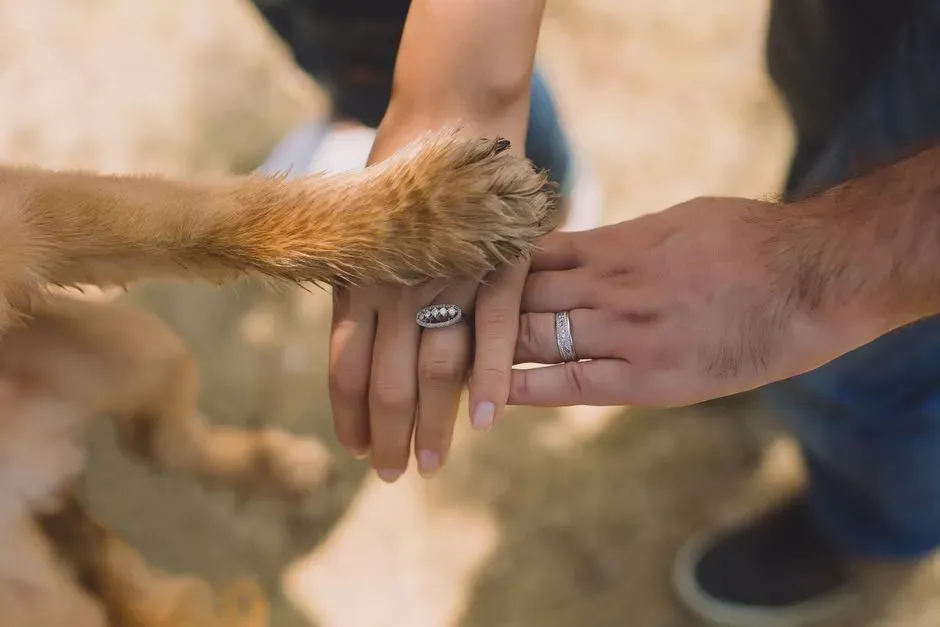
There’s a difference between the paw that demands a treat and the paw that simply rests. In the final days, some dogs reach out and place one paw on your knee or foot with no particular agenda – no nudging, no whining, no follow-up. The contact is brief. Almost formal. Like a hand placed on a shoulder during something too heavy for words.
What owners remember most is how different it felt from every earlier version of the same gesture. This one wasn’t asking for anything. It was offering something. It tends to happen when family members are gathered in the same room, or when the owner is visibly struggling to hold it together. The dog reads the room and responds to it. Owners say the physical weight of that paw – so small, so deliberate – stays with them longer than almost anything else.
#12 – Curling Into Your Lap Despite the Pain
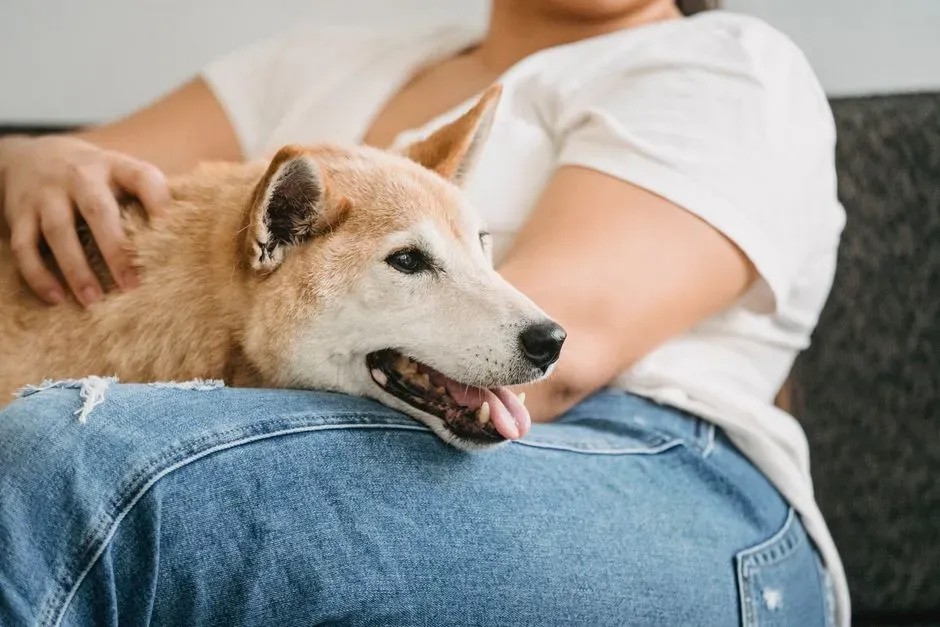
Large dogs especially will sometimes attempt this when it makes no physical sense. The hips don’t work right. The joints ache. Getting up is a production. And yet they try to climb into the lap they claimed a decade ago when they were still small enough to fit. The effort is visible. Sometimes they don’t quite make it. But the intention is completely clear.
This one dismantles the idea that dogs become purely self-protective when they’re in decline. The lap-seeking has nothing to do with comfort management – it’s about closeness. Families frequently report it happening in the evening hours, right before the dog finds a final resting spot somewhere else in the house. And afterward, that chair becomes a different kind of place. Owners describe not being able to sit in it for weeks without feeling the ghost of that weight pressing down.
#11 – The Deep Sigh That Sounded Like Relief
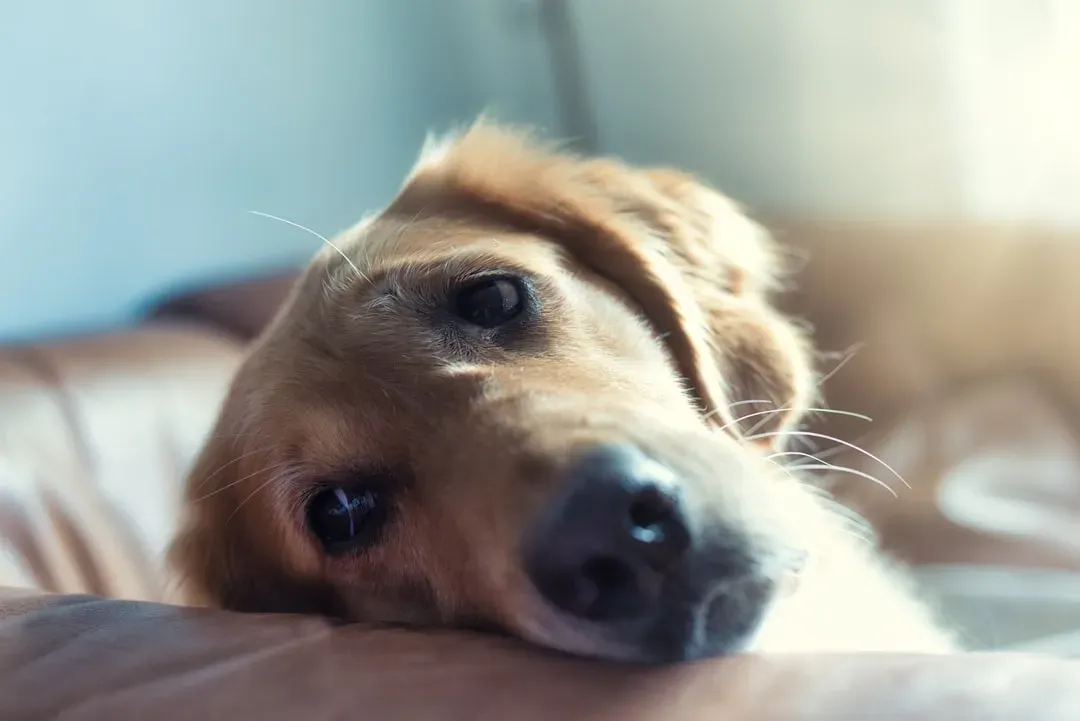
It’s a sound most owners recognize immediately when they describe it, even years later. Not the frustrated sigh from a long training session. Not the contented exhale after a run. This one is slower, fuller, and carries a quality that’s hard to name – something between surrender and peace. It tends to come after a period of restlessness, as though the dog has been working something out internally and finally arrived at an answer.
Many people assume every dog fights hard until the very last breath. Some do. But many reach a point of quiet resolution that looks more like acceptance than struggle. The sigh often follows a final round of checking – last look at the yard, last pass through the house, last confirmation that everyone is accounted for. Then they lie down and breathe it out. That sound becomes a dividing line in the owner’s memory: everything before it, and everything after.
At a Glance: What the Final Days Can Look Like
- Restlessness giving way to stillness – many dogs cycle through unsettled periods before reaching a final calm.
- Reduced appetite – declining interest in food or water is one of the most consistent and earliest signs vets observe.
- Increased clinginess or withdrawal – dogs tend to go one of two directions; both are forms of goodbye.
- Slowed, deliberate movement – even short trips across a room become intentional rather than casual.
- Heightened sensitivity to owner emotion – dogs pick up on shifts in tone, routine, and household energy acutely in their final days.
#10 – Turning Down Favorite Treats Without Drama
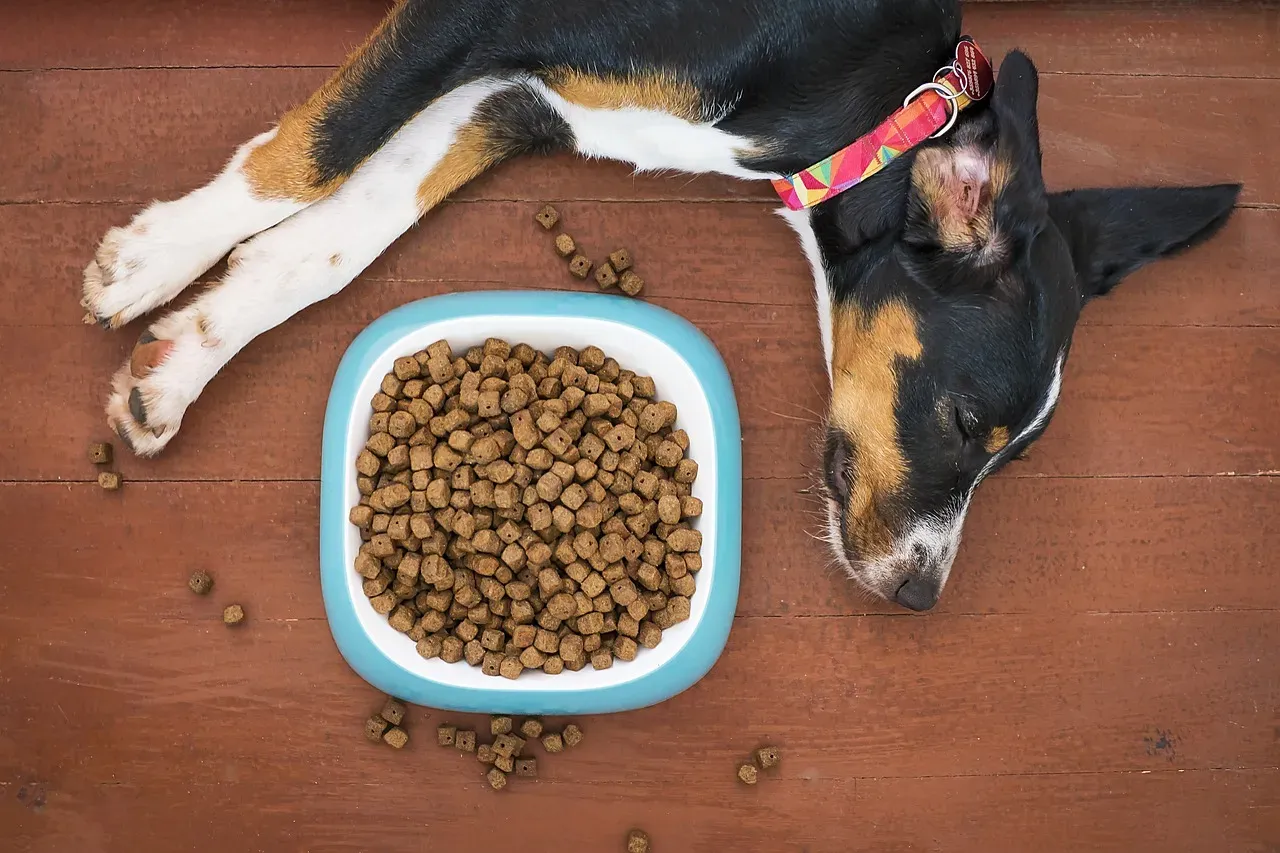
For most dogs, a high-value treat is non-negotiable. The chicken strip, the cheese cube, the jerky they could smell from another room – these are the currency of the relationship. So when a dog looks at the offered treat, then looks back at the owner with calm, quiet eyes and simply doesn’t take it, the moment lands differently than any other symptom of decline.
What owners remember isn’t the refusal itself. It’s the expression that came with it. Not distress. Not confusion. Something almost apologetic, as though the dog understood the ritual perfectly and was gently stepping back from it. That specific treat – the one that was declined – tends to stay frozen in memory. Some owners still have it in the cabinet. Some can’t bring themselves to buy that brand again. The moment breaks a daily routine that had quietly defined the relationship for years.
#9 – The Final Half-Hearted Play Bow
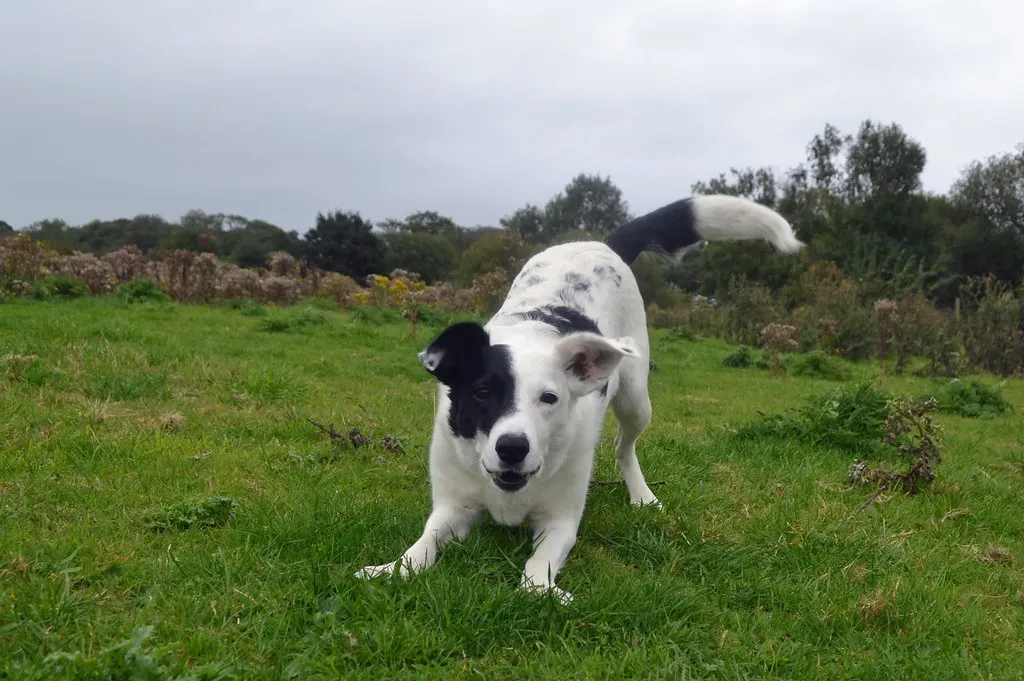
The front end dips. The back stays still. It’s incomplete, clearly effortful, and over in seconds. But it’s unmistakable – the shape of every play invitation the dog ever offered, compressed into one last attempt. And it’s almost always directed at the owner, not at another pet or a toy. It feels personal.
This one surprises people because it contradicts the timeline they’ve accepted in their heads. By this point, many owners have mentally begun preparing for the end. And then the dog offers a play bow. Not a full one. Not a convincing one. But a real one, rooted in the same impulse that sparked every game of chase and tug-of-war they ever shared. The image of that incomplete bow – that lopsided, stubborn little gesture – becomes the shorthand for the dog’s whole personality every time they’re remembered.
#8 – Seeking Out Their Chosen Person for One Last Check-In
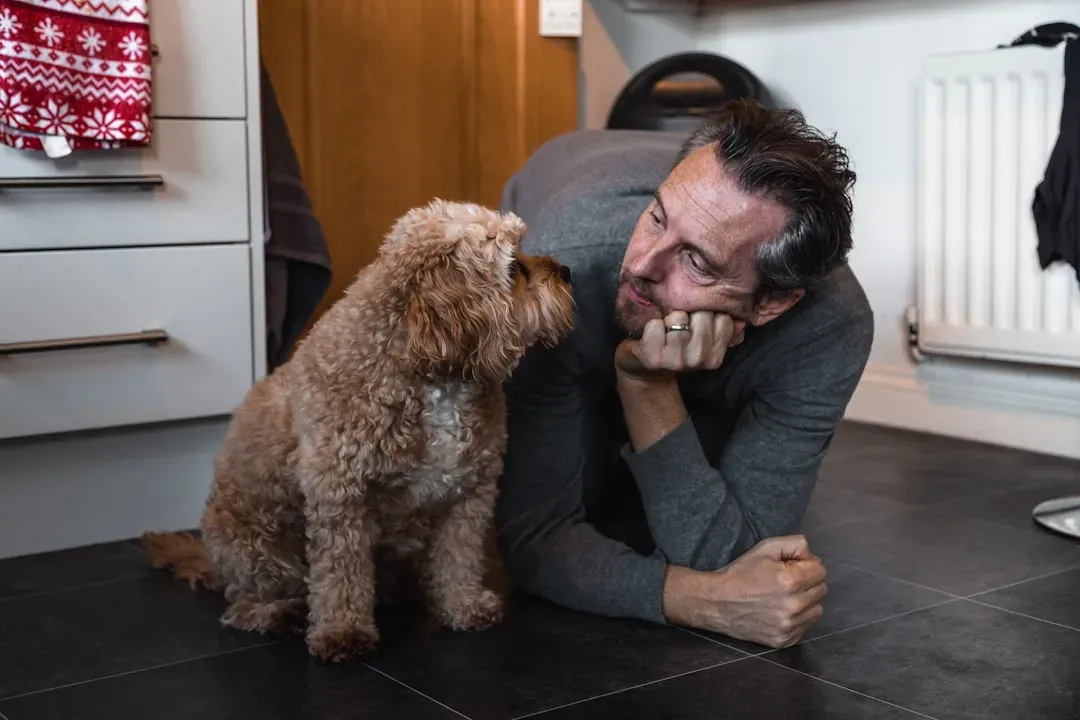
Dogs often love an entire household. But they choose one person. And in the final hours, many of them make a quiet, deliberate journey to find that specific individual – bypassing other family members, moving through the house with purpose, arriving at the person and simply leaning in. A nose touch. A brief press of the head against a leg. Nothing more.
The targeted nature of it is what stays with people. It isn’t random affection distributed equally. It’s a specific destination. Owners who receive this visit describe a complicated feeling – grief and something close to being honored, simultaneously. The dog had limited energy and spent it on them. That choice, made quietly and without ceremony, carries more weight than almost anything else in the whole final chapter.
Worth Knowing: The Science Behind the Bond
- Research shows that interacting with dogs triggers the release of oxytocin – the same bonding hormone released between parents and children.
- A 2026 Dog Aging Project study confirmed that for many families, losing a dog registers as losing a family member, with grief that is profound regardless of how the dog dies.
- Studies find that the strength of attachment directly predicts the intensity of grief – meaning the deeper the bond, the more those final gestures truly matter.
- Dogs are proven to be highly perceptive of human emotions, responding to changes in tone, posture, and routine – especially during times of stress or sadness in the household.
#7 – The Lingering Gaze That Felt Like a Conversation
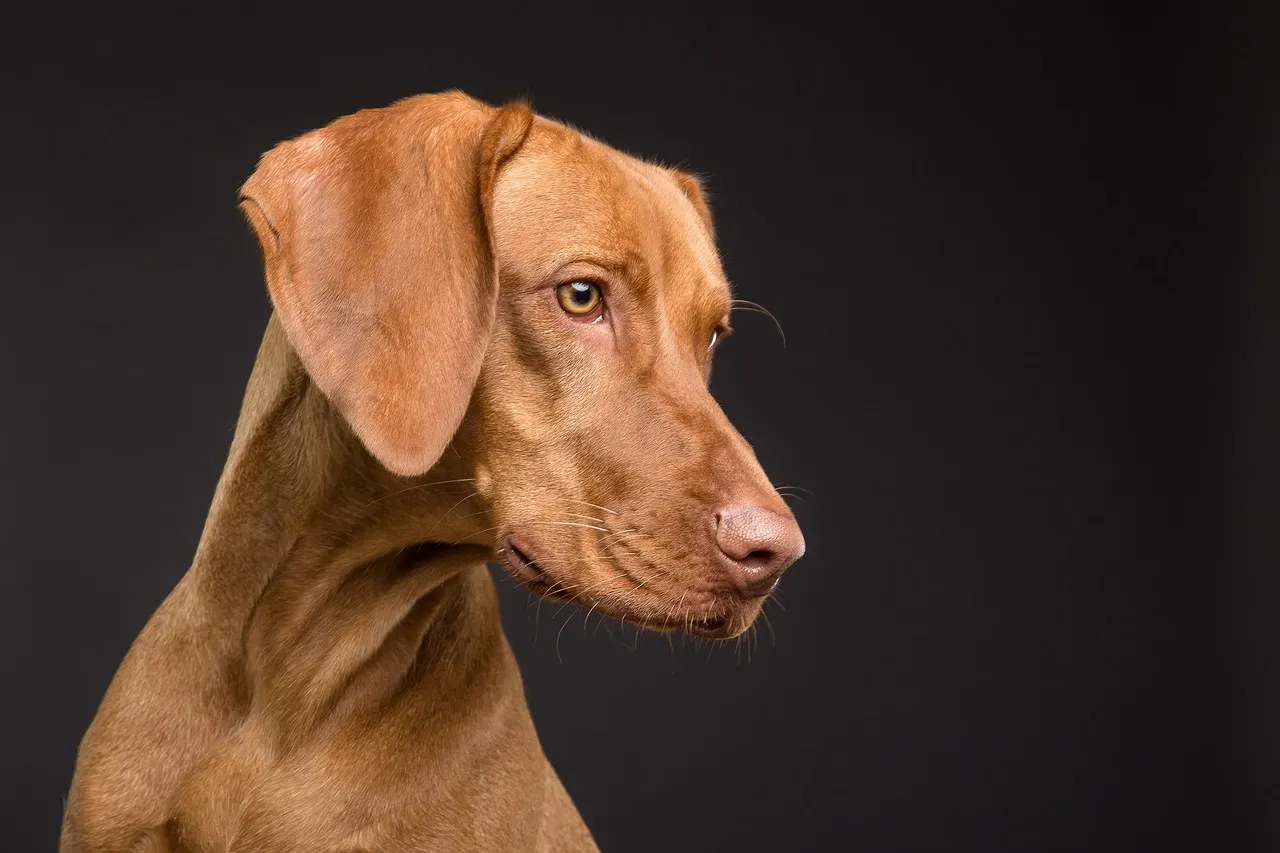
Eye contact with a dog is usually brief – a glance, a blink, a look away. In the final stage, something changes. The dog holds the look longer than feels normal. No head movement, no blinking, no distraction. Just direct, sustained eye contact that most owners describe as the most human thing their dog ever did.
The eyes of a dog are the windows to its soul, and they speak a language that needs no translation.
Josh Billings
This gaze tends to happen right before the dog moves to wherever they plan to spend their final hours. It’s as though they’re committing the owner’s face to something deeper than memory. People who’ve experienced it report replaying that exact expression during moments of grief – not because it was sad, but because it felt mutual. Like the dog understood exactly what was happening and wanted to make sure the owner did too.
#6 – The Soft Lick on the Back of the Hand
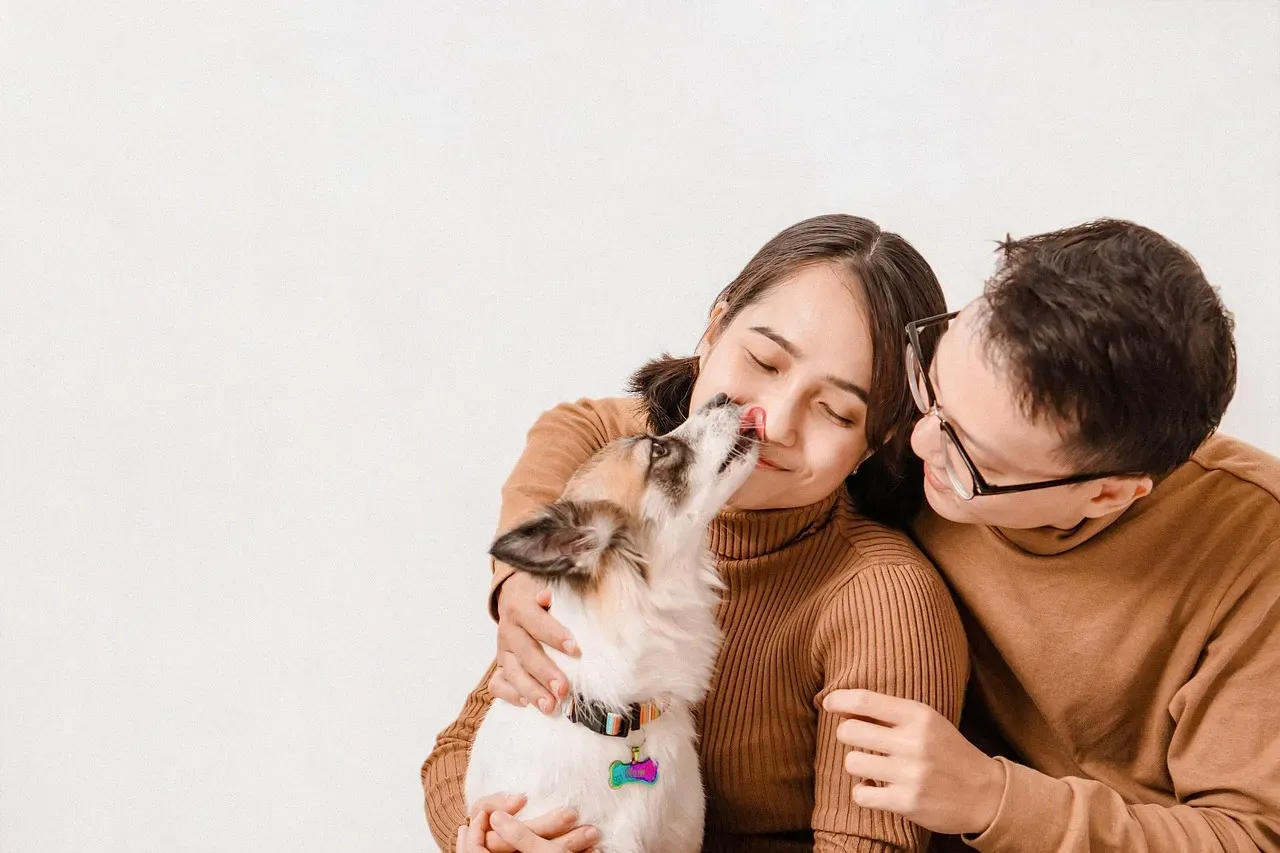
By this point in the decline, enthusiastic greetings are long gone. The jumping, the face-washing, the frantic licking that once left your glasses sideways – all of it has quieted. So when the dog lifts their head and offers one slow, deliberate lick on the back of the hand or the wrist, it lands with a weight the earlier versions never had. The motion is almost careful. Like something being preserved.
The detail owners fixate on is the specificity of it – the back of the hand, not the palm. The wrist, not the face. Slow instead of fast. It has the quality of something chosen rather than reflexive. Some describe it happening when other family members are present, as though the dog is making the farewell visible to everyone in the room at once. That single small contact, lasting maybe two seconds, becomes the sensory detail that surfaces most reliably in the months and years that follow.
#5 – Resting Their Head on Your Knee One Final Time
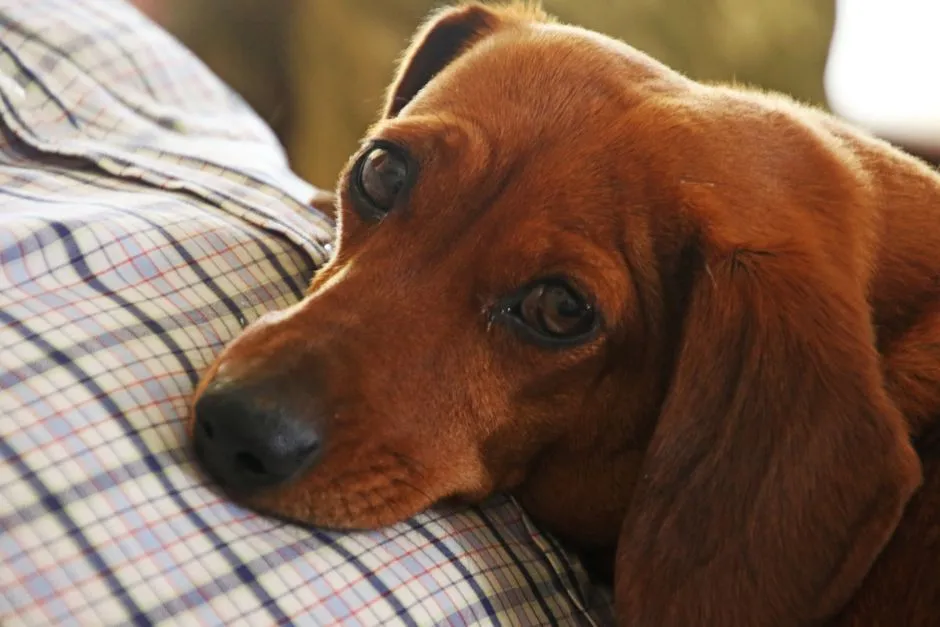
The head placement feels different this time and you know it immediately. Heavier. More deliberate. The dog doesn’t choose the floor or a cushion or their own bed – they choose your knee specifically, and they hold the position even when it clearly requires effort to stay there. The weight of their head against your leg carries something that earlier versions of the same gesture never did.
What makes this one endure is the combination of physical sensation and intention. The dog keeps their head there to stay close to your movement and your voice – not for warmth, not out of habit, but because proximity to you is the thing they want most with the time they have left. It usually happens during the last calm window before restlessness returns. And the sensory memory of it – the actual weight on the knee – is something owners describe feeling again years later, in quiet moments, completely without warning.
#4 – The Slow Circle Around the House
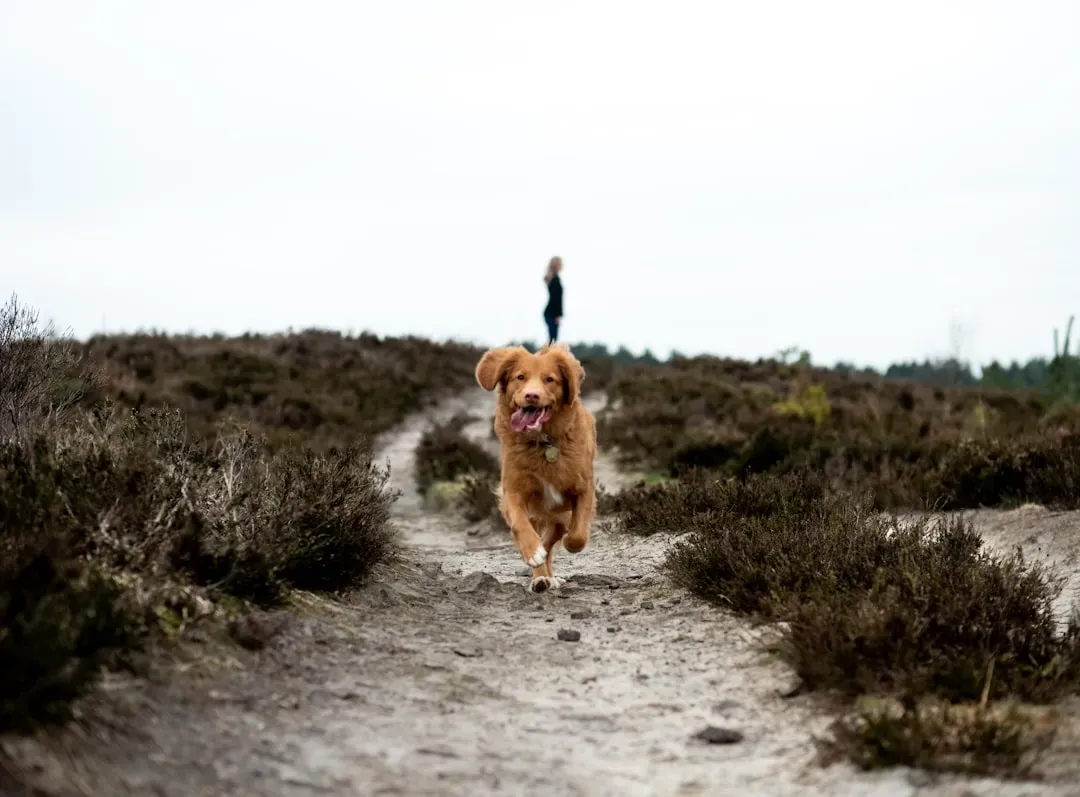
The zoomies are a distant memory. This is their opposite: a slow, unhurried loop through every room, pausing at each doorway, nose working, as though taking stock of every corner one final time. It doesn’t look confused. It looks purposeful. The circuit almost always ends where the owner is sitting.
Owners who witness the full loop describe an almost unbearable clarity to it – the sense of a dog saying goodbye to a place the same way they’d say goodbye to a person. Each threshold gets a moment. Each familiar smell gets acknowledged. The life lived inside those walls is being catalogued in the only language available. When the loop ends and the dog settles at the owner’s feet, the room feels different. Like something has just been completed.
#3 – Wagging at the Sound of a Family Member’s Voice
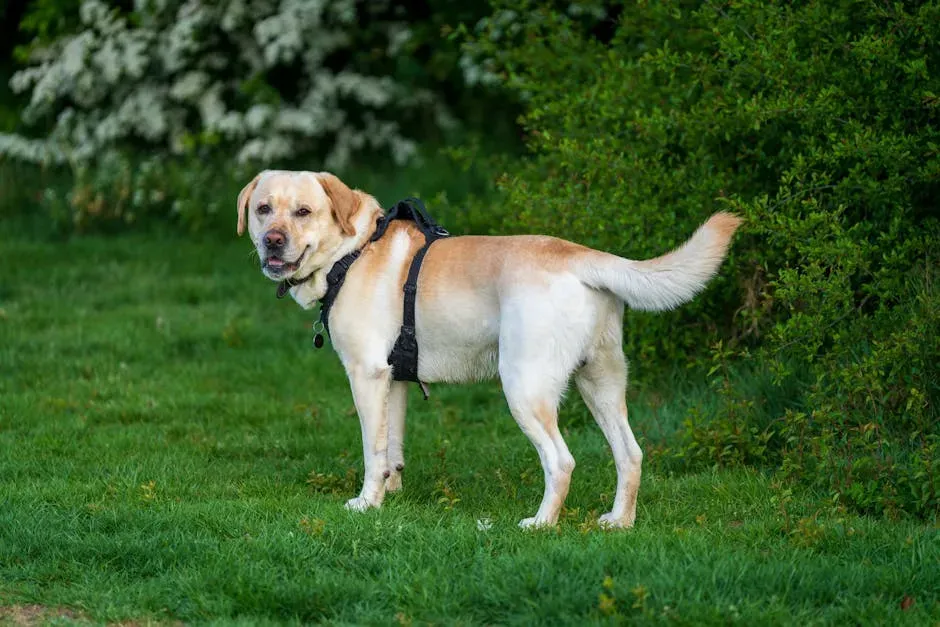
The body has largely stopped cooperating. Standing is an event. Eating is over. Eyes don’t always open fully. And then someone walks into the room and speaks, and the tail moves. Small – barely more than a flutter – but real and targeted and unmistakably meant for that specific person’s voice.
This is the one that tends to break people completely, and for good reason. It’s proof that recognition doesn’t fade even when almost everything else has. The dog knows who just entered the room. They know the voice. And they respond to it the same way they always have, with the only part of themselves still fully available. That tiny tail movement – witnessed by a room of people trying not to fall apart – becomes the detail that gets told and retold, because it means the bond was intact until the very end.
Quick Compare: Two Ways Dogs Say Goodbye
| Turning Inward | Reaching Outward |
|---|---|
| Seeks a quiet corner or familiar spot | Follows owner room to room |
| Sleeps more, engages less | Makes deliberate eye contact |
| Withdraws from other pets | Seeks the chosen person specifically |
| Rests in their own bed or crate | Chooses owner’s scented item to lie on |
Both patterns are equally valid expressions of love. Vets and owners observe that most dogs show a mix of both, often shifting between them in the final days.
#2 – Choosing the Owner’s Scented Item as Their Final Bed
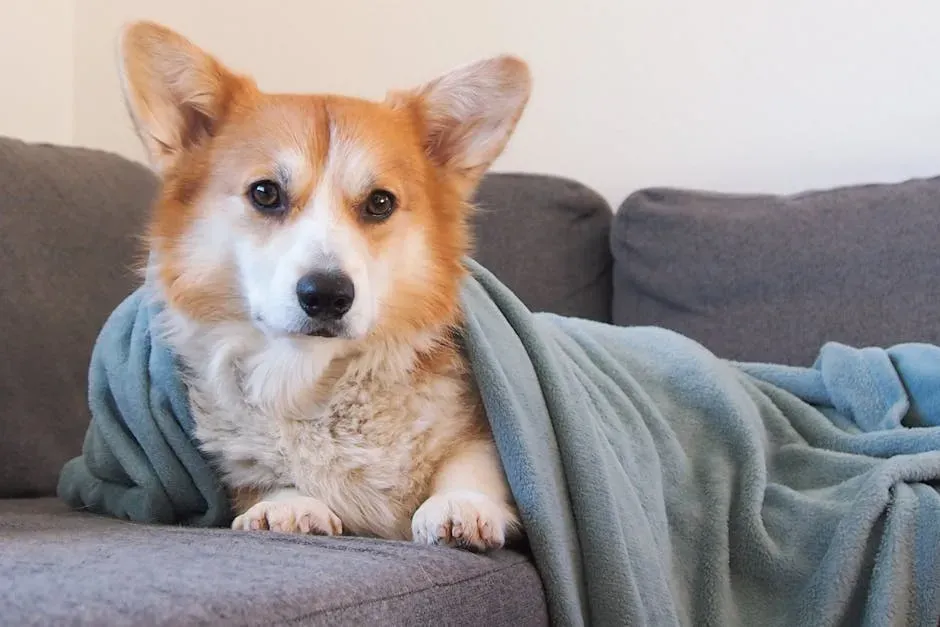
Their actual bed is right there. Their blanket, their crate, their designated corner – all of it available and familiar. Instead, they drag themselves to a sweatshirt left on the couch, or a pair of worn pajama pants on the floor, or a pillow that smells like the person they love most. They circle it once and lie down. They don’t get up again.
The choice is made with clear intention despite limited mobility, and it happens – according to countless owner accounts – most often in the final twelve hours. What it communicates is simple and devastating: when given the option of anything in the house, the dog chose the closest available substitute for you. Finding them there afterward is one of the experiences owners describe as the most painful and the most comforting thing simultaneously – proof that being loved by a dog is as complete and specific and chosen as any love there is.
#1 – The Final Look of Recognition Before Closing Their Eyes
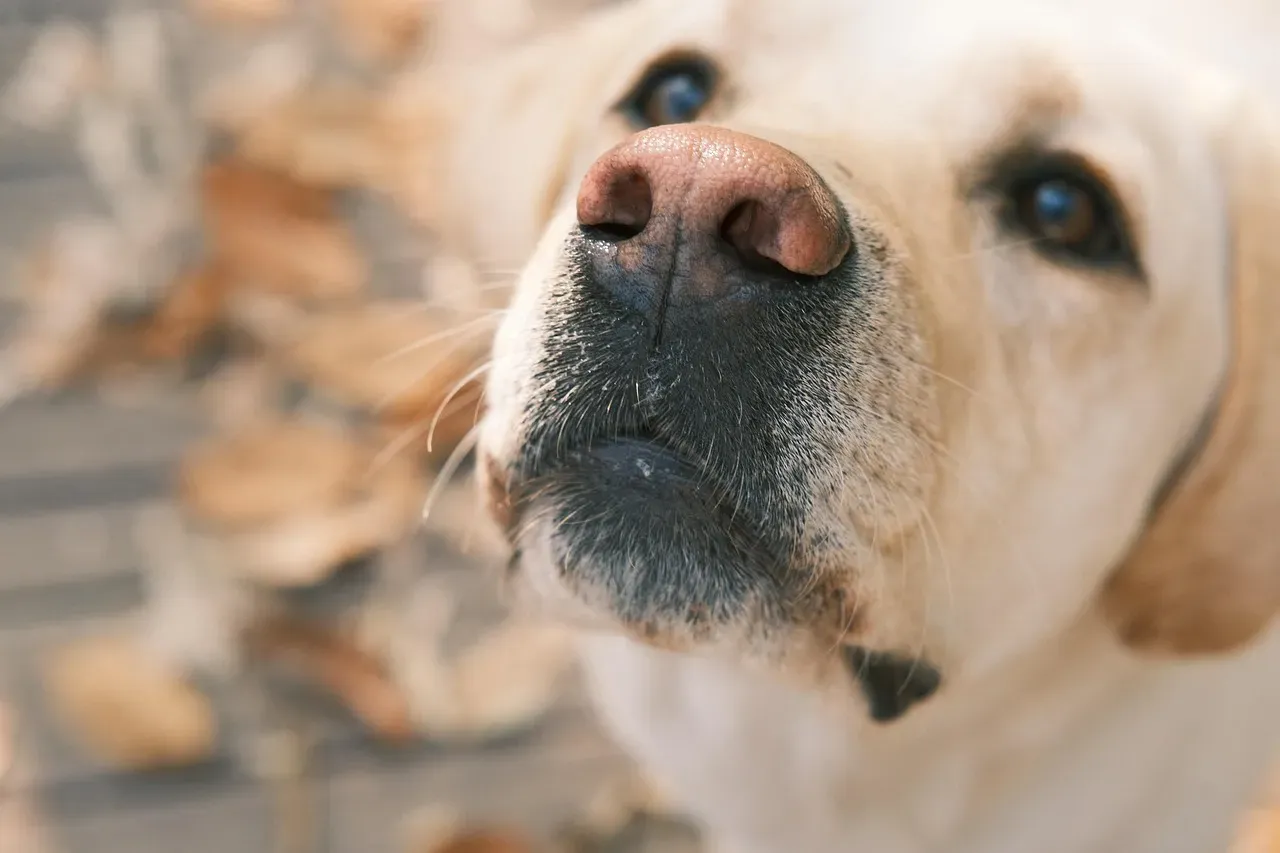
This is the one that doesn’t leave. The dog finds your face – not the ceiling, not a point in the middle distance, but your actual face – and holds the look for several seconds. The expression is calm. No panic, no confusion, no distress. Just recognition, steady and clear, and then the eyes close with something that can only be described as peace. No dramatic final movement. No struggle. Just that look, and then quiet.
People fear that their dog will be alone and afraid at the end. This moment is the answer to that fear. The dog is looking for you, finds you, and seems to confirm that everything is okay. It’s the image that owners carry longest and most completely – not because it was easy to witness, but because it felt like mutual understanding rather than abandonment. Like the dog was saying: I see you. I know. It’s alright. That single glance becomes the anchor for every memory that came before it, and every act of love that came after.
What These Moments Actually Mean
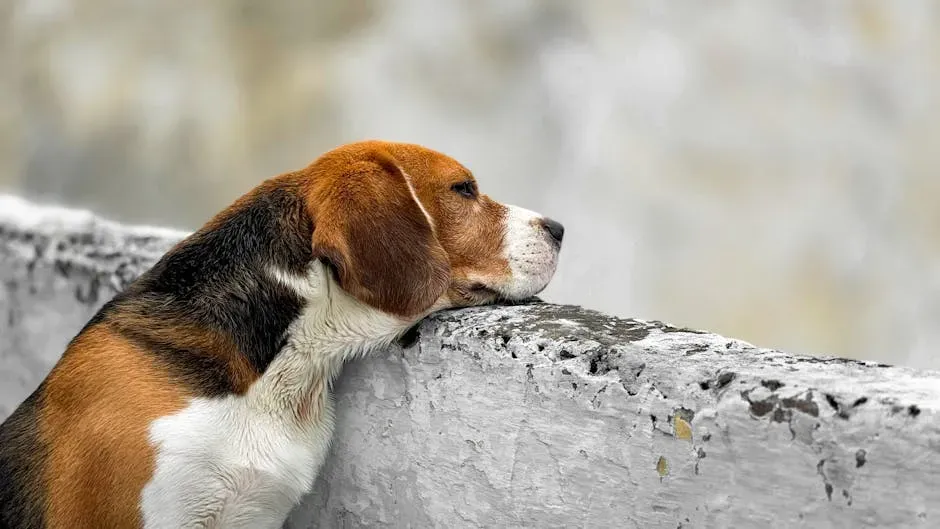
Here’s what I believe, after sitting with all of this: dogs do not simply fade. They close things out. The head tilts and paw placements and final gazes are not random firings of a diminished nervous system – they are the language of a creature who has spent their entire life learning to communicate with you, using that language one last time before they go. The patterns repeat too consistently across too many breeds, households, and circumstances to be dismissed as coincidence or wishful projection.
Grief after a dog is singular and serious and deserves to be treated that way. But what these fifteen moments offer is something grief doesn’t always come with: evidence. Evidence that your dog knew you were there. That they chose you, repeatedly, right up until they couldn’t anymore. That the relationship you felt was real was real – confirmed by a paw on your knee, a borrowed sweatshirt, a tail that moved one last time at the sound of your voice. You weren’t just a person who fed them. You were their person. And they made sure you knew it before they left.


