
Your Dog Clings When You Leave the Room
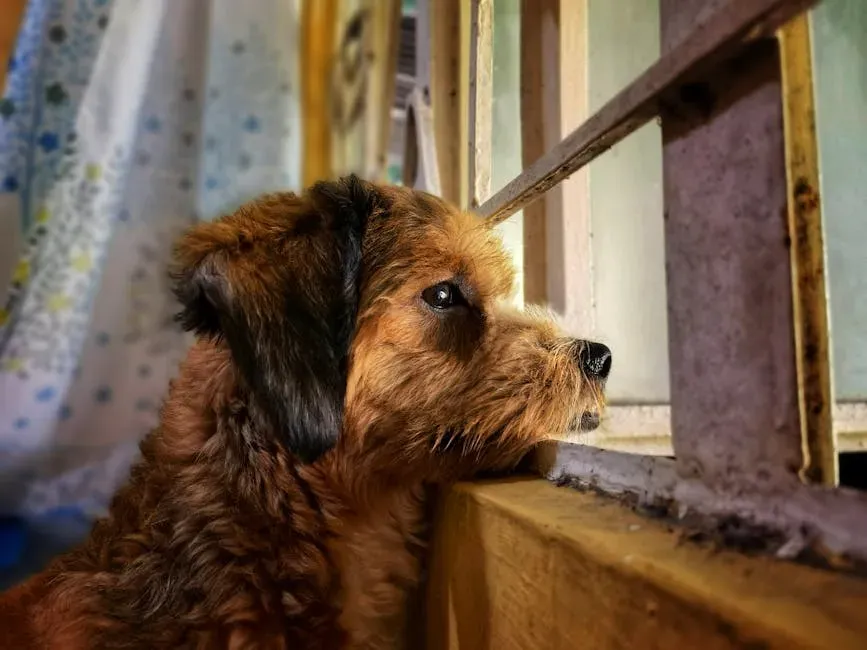
Many dogs develop intense separation anxiety that goes beyond simple habit. They follow their person from room to room and whine at the slightest hint of departure. This behavior often surfaces in homes where routines feel unpredictable.
Owners who grew up with inconsistent caregiving sometimes recognize the same tension in themselves. The dog senses subtle shifts in energy and responds by staying close. Over time the pattern reinforces itself on both sides.
Reactivity Toward Strangers Mirrors Trust Issues
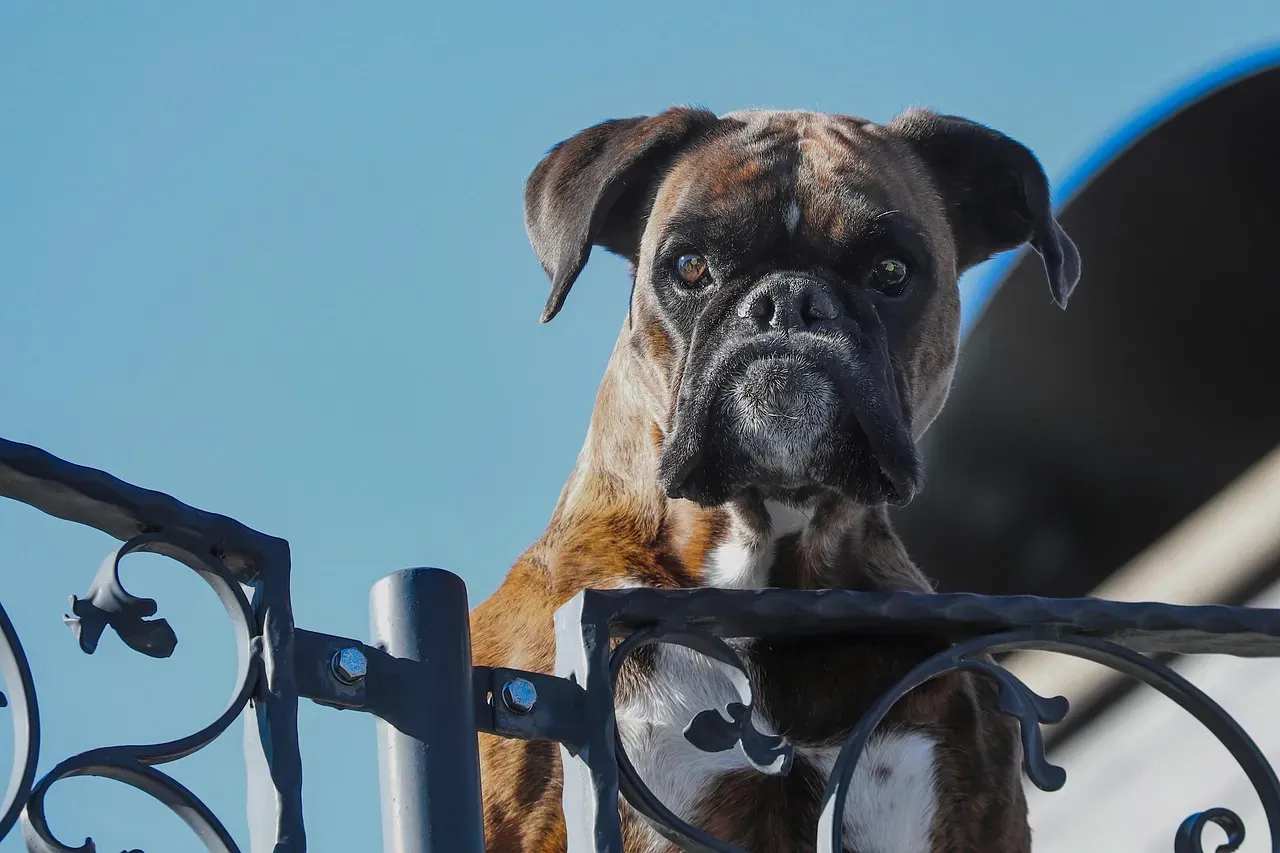
A dog that barks or stiffens around new people can reflect an owner’s guarded approach to relationships. Early experiences of disappointment or betrayal often leave lasting caution. The pet picks up on those cues through daily interactions and body language.
Training classes sometimes reveal that the human also hesitates in social settings. The dog’s response becomes a visible signal of shared discomfort. Addressing one side frequently eases tension in the other.
Destructive Chewing Appears During Quiet Hours
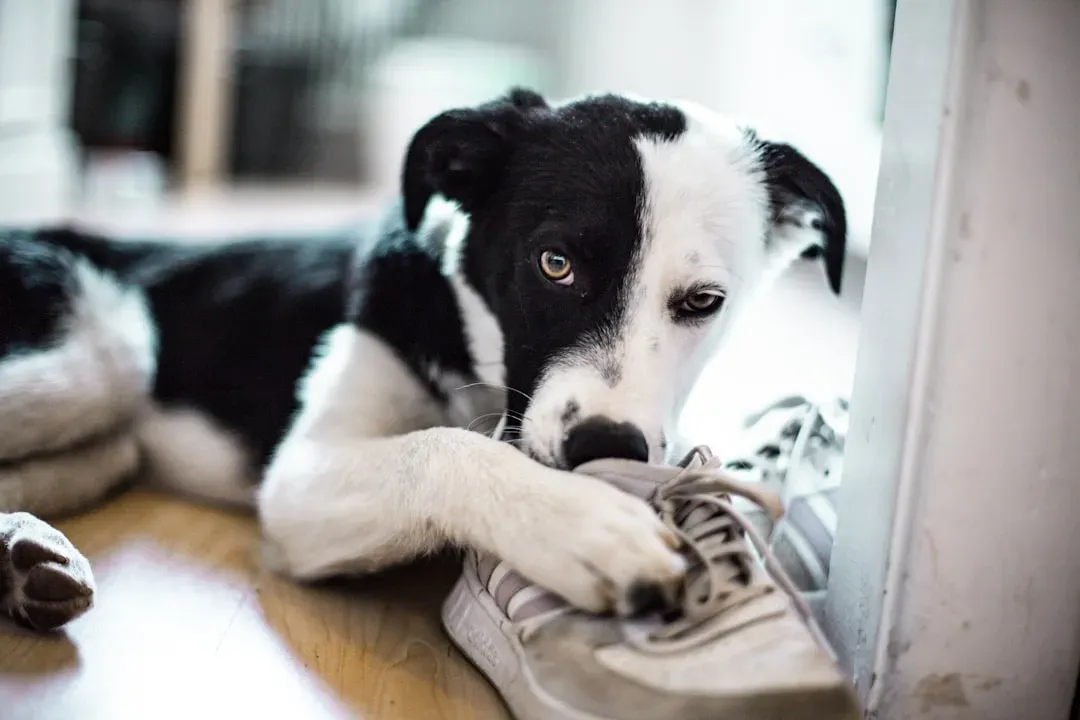
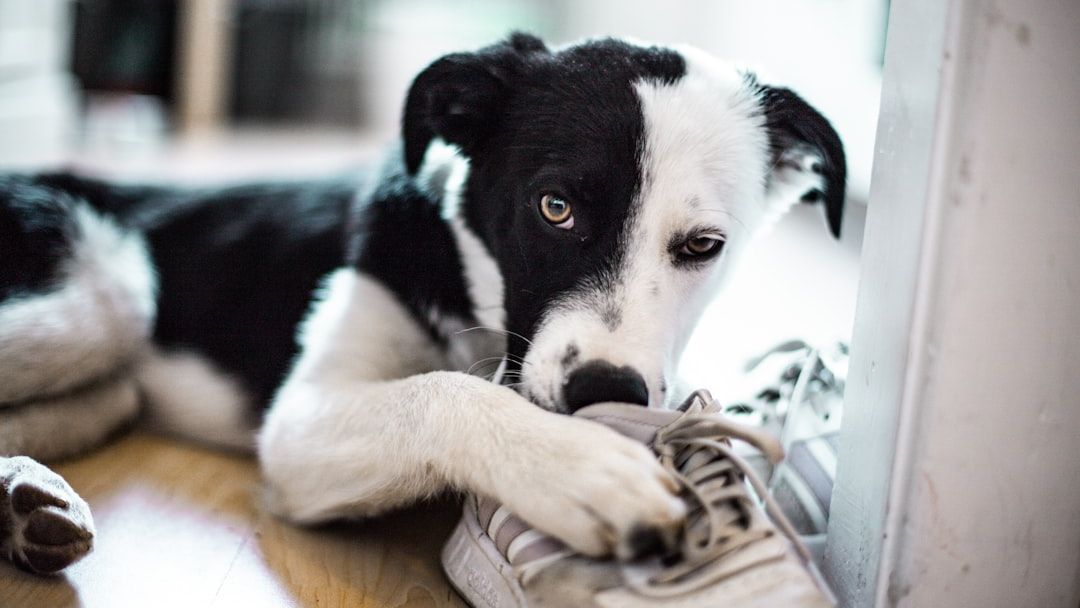
Shoes or furniture damaged while the household is calm can point to underlying restlessness. Dogs may chew to release stress that builds when no one is watching. This habit tends to appear in environments where attention feels sporadic.
People who recall feeling overlooked as children sometimes notice the same impulse in their own stress responses. The dog expresses what remains unspoken. Joint activities that build security often reduce the behavior for both.
Fear of Loud Noises Connects to Startle Responses
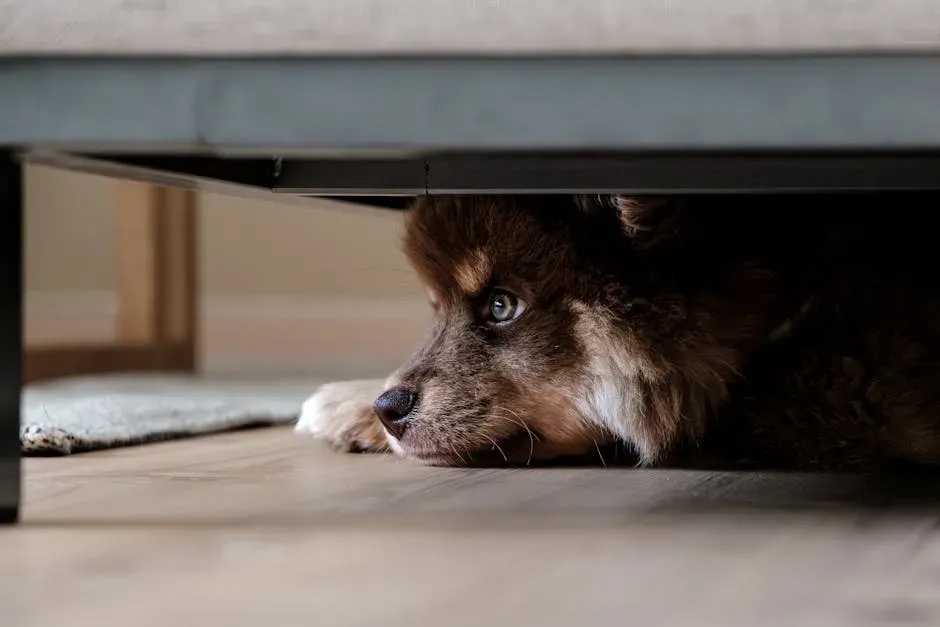
Thunder or fireworks can trigger intense hiding or trembling in certain dogs. These reactions frequently align with an owner’s own sensitivity to sudden conflict or criticism. The shared startle response creates a feedback loop during storms.
Calming techniques that work for the dog, such as steady routines and safe spaces, can also benefit the person. Over months the household learns to anticipate triggers together. The improvement feels gradual yet noticeable.
Guarding Food or Toys Signals Scarcity Concerns
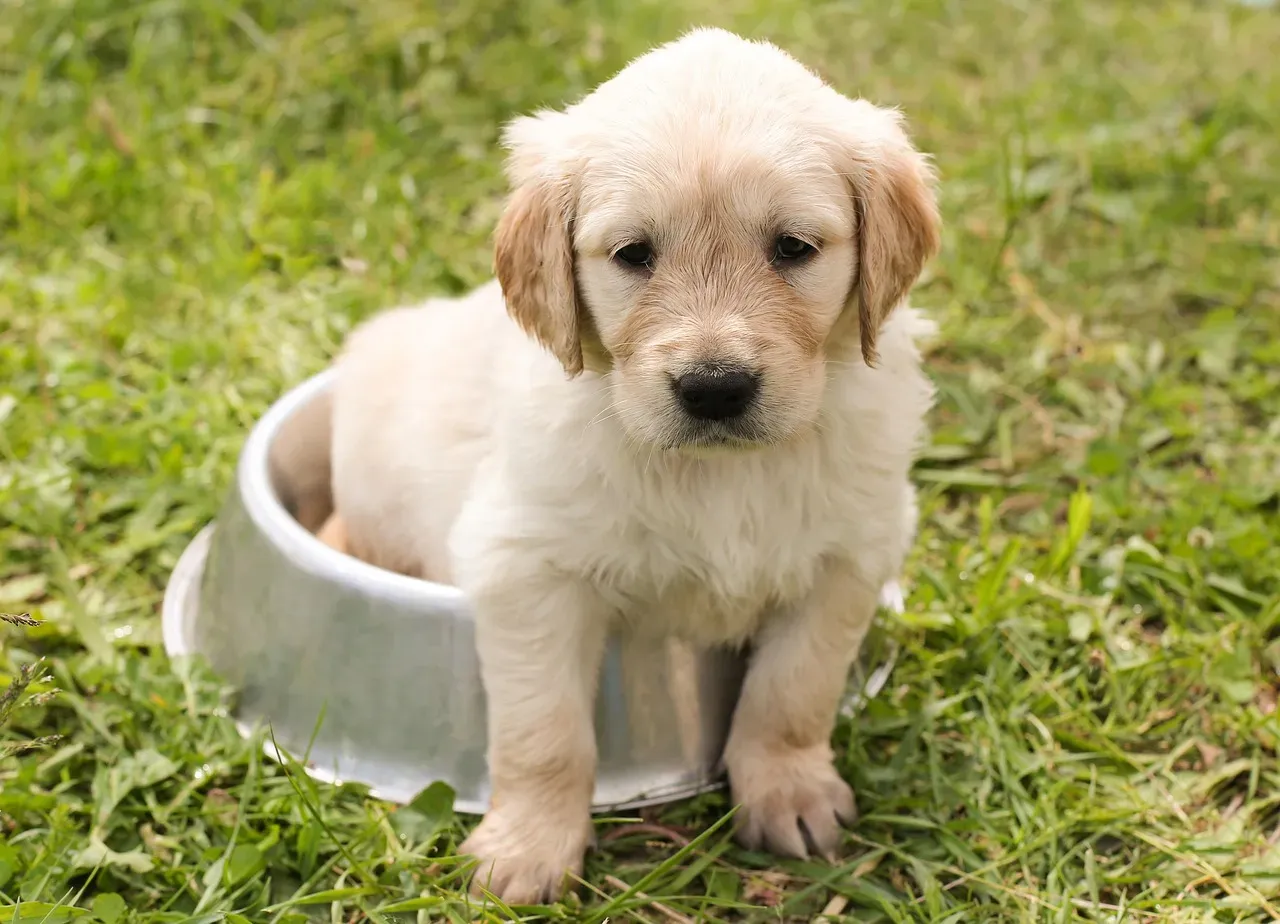
Some dogs guard their bowls or favorite items with surprising intensity. This protectiveness often develops in settings where resources once felt uncertain. Owners who experienced similar instability in childhood may see echoes in daily life.
Simple changes like consistent feeding times help both the dog and the human relax around needs. The shift encourages a steadier sense of enough. Small adjustments compound into calmer interactions.
Excessive Barking Seeks Constant Reassurance
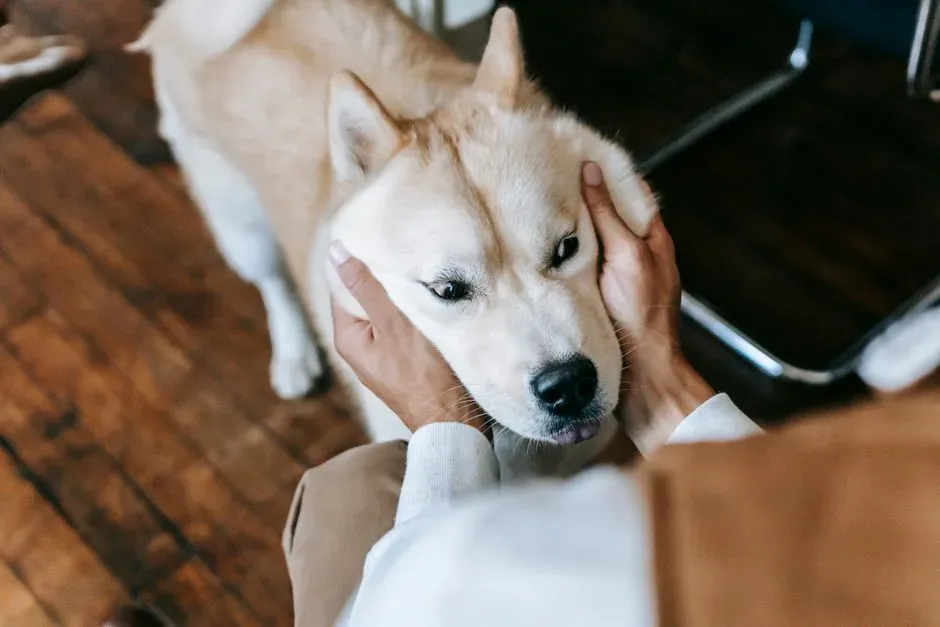
Persistent vocalization for attention can mirror an owner’s difficulty sitting with silence. Dogs learn that noise brings connection, especially when affection arrives in bursts rather than steady presence. The cycle keeps both parties on edge.
Introducing calm periods without immediate response teaches patience on both ends. The dog settles more readily once the pattern loosens. Owners often report feeling less pressure to fill every quiet moment.
Withdrawal During Conflict Reflects Emotional Shutdown
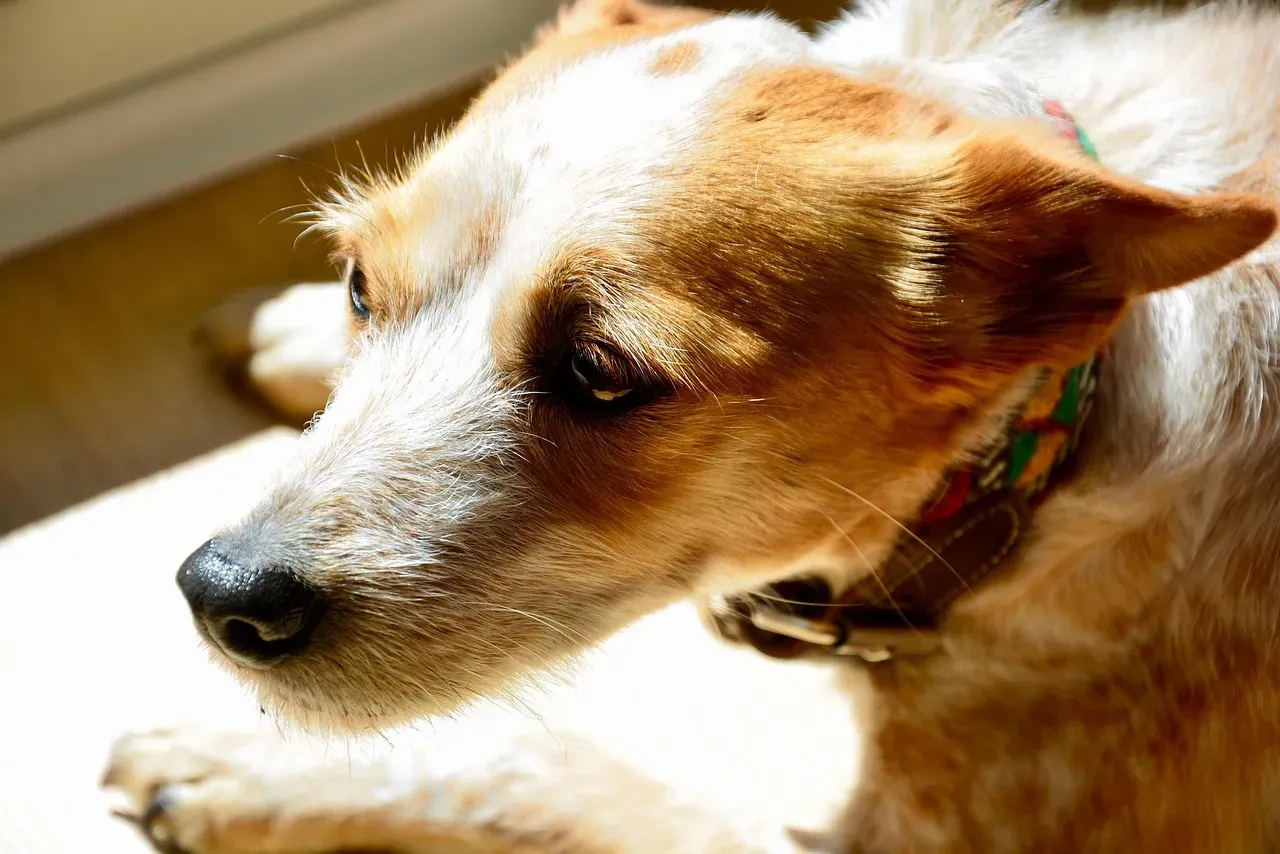
A dog that retreats under furniture when voices rise may echo an owner’s tendency to disappear emotionally. Early environments that discouraged open expression leave lasting habits. The pet mirrors the withdrawal without words.
Creating predictable, low-pressure routines helps the dog stay present. The same structure often supports the person in staying engaged. Progress shows up in longer stretches of relaxed coexistence.
Overprotectiveness Highlights Boundary Struggles
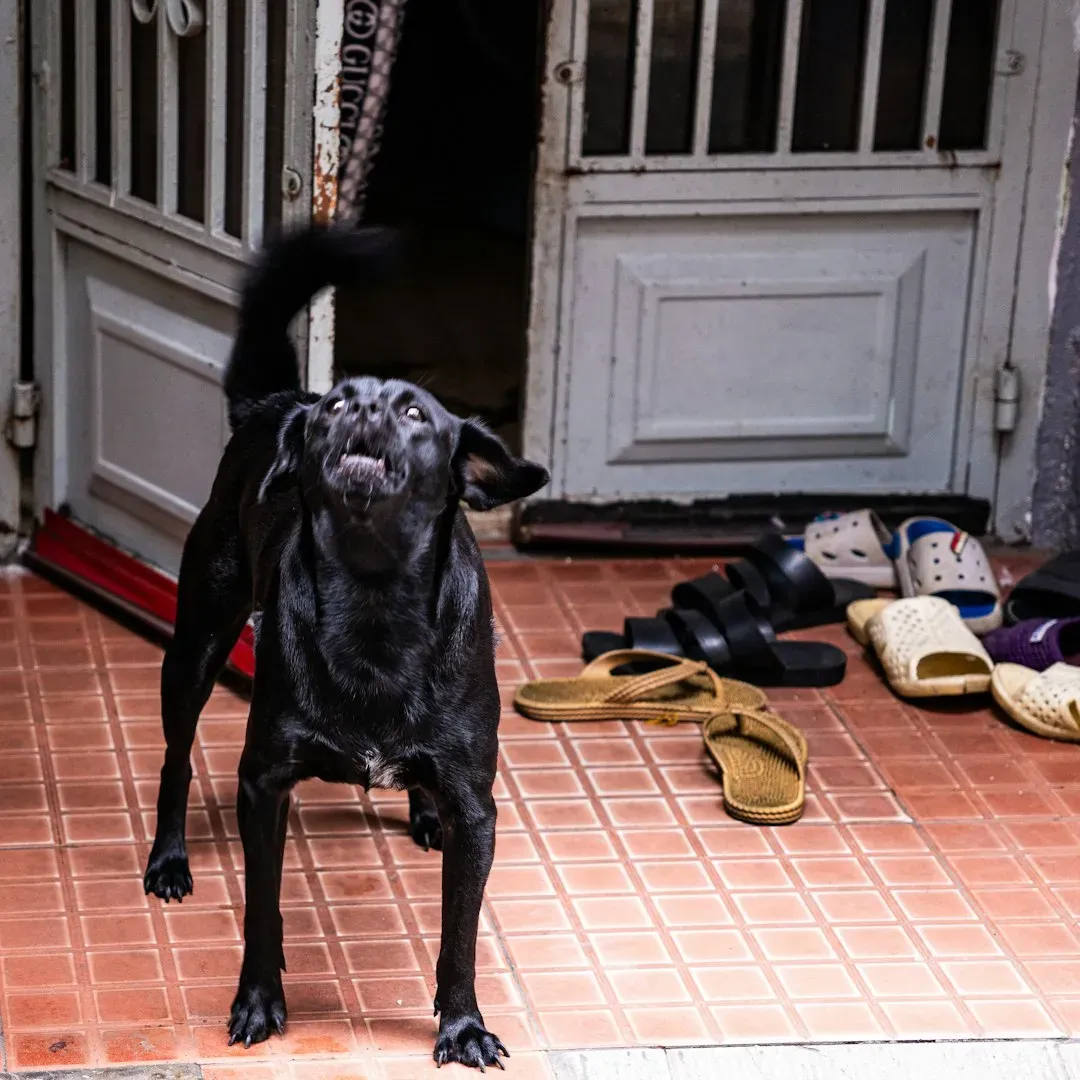
Dogs that position themselves between their person and visitors sometimes reflect blurred lines from the past. Protective instincts intensify when safety once depended on vigilance. The behavior becomes a daily reminder of old vigilance patterns.
Teaching gentle redirection for the dog also encourages clearer personal limits. Both learn that connection does not require constant guarding. The household atmosphere grows lighter as a result.
Lack of Playfulness Points to Repressed Spontaneity
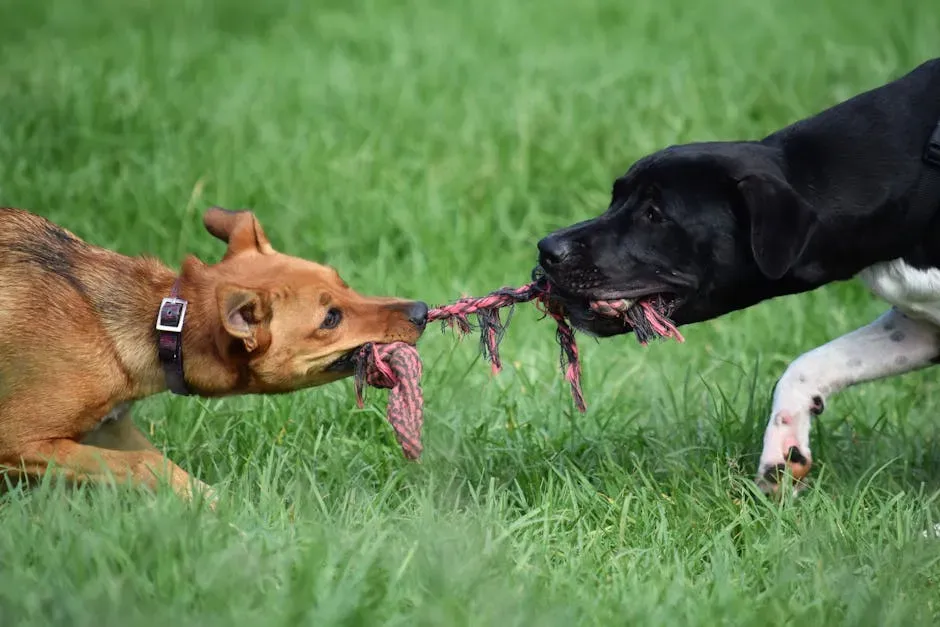
Some dogs show little interest in toys or games even when invited. This flatness can parallel an owner’s difficulty accessing lighthearted moments from earlier years. Daily life feels functional rather than joyful.
Introducing short, low-pressure play sessions gradually revives energy for both. The dog responds to consistent invitation, and the owner notices small shifts in mood. Over time the shared activity becomes a quiet form of repair.
The patterns between people and their dogs rarely appear overnight. Paying attention to them offers a gentle entry point for noticing what still needs care. Healing moves forward one small, shared adjustment at a time.


