

The Way Dogs Tune Into Everyday Sounds
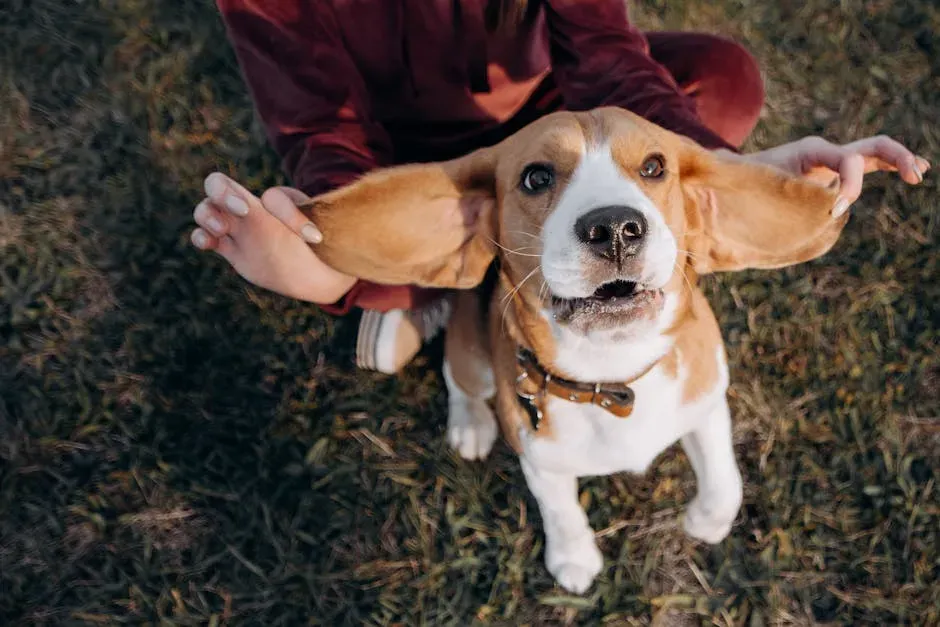
Dogs have remarkably sharp hearing that lets them sort through layers of noise most people ignore. They can distinguish between different engines, footsteps, and even the subtle shifts in a vehicle approaching from a distance. This ability comes from years of living alongside humans and learning which sounds signal something important like a return home.
Over time these associations become automatic. A dog does not need to see the car to react. The sound alone triggers a chain of recognition that prepares them for the next part of the day. It is a practical skill shaped by routine rather than any special talent.
Oxytocin and the Canine Human Connection

Oxytocin plays a central role in how dogs and people form attachments. When levels rise it promotes feelings of trust and calm on both sides of the relationship. Studies in animal behavior have shown that simple interactions like eye contact or physical closeness can boost these levels quickly.
The hormone does not only appear during direct contact. Anticipation itself can set the process in motion. For a dog waiting at home the familiar car sound may act as the first cue that sets oxytocin flowing before any greeting happens.
Recognizing the Specific Car Engine

Owners often report that their dogs react differently to the sound of their own vehicle compared with others on the street. This selective response suggests dogs learn to identify unique acoustic patterns. The engine note, the way the car slows, and even the timing of arrival all become part of a reliable signal.
Training or repeated exposure strengthens this skill. Dogs that spend more time at home alone seem especially attuned to these cues. The recognition is not magic but a learned response built on consistent experience.
What Happens Before the Door Opens
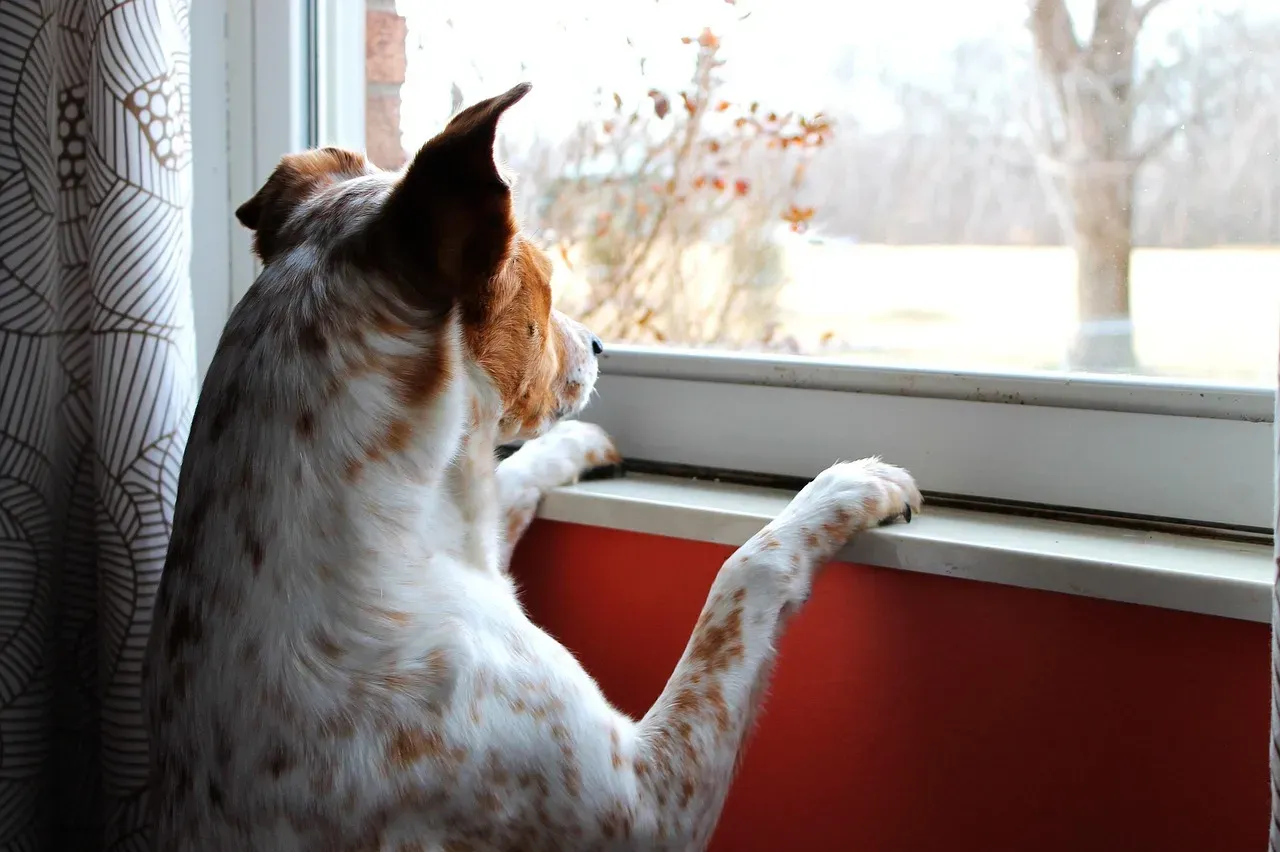
Once the sound registers the dog may show subtle signs of excitement such as pacing or tail movement. These behaviors hint that internal changes are already underway. The release of oxytocin likely contributes to the calm yet eager state many pets display in those final moments.
This early preparation helps the reunion feel smoother. The dog is not starting from a neutral state when the owner steps inside. Instead the bond is already being reinforced through the hormone response triggered by the approaching vehicle.
Insights From Behavioral Observations

Researchers have watched how dogs react to recordings of familiar versus unfamiliar sounds. Responses tend to be stronger and more positive when the audio matches something the dog associates with its owner. These patterns support the idea that auditory cues alone can influence emotional states.
Heart rate and body language measurements add further detail. Changes appear before any visual confirmation of the person’s arrival. The findings point to a sophisticated ability to link sounds with positive outcomes over time.
Practical Effects on Daily Routines
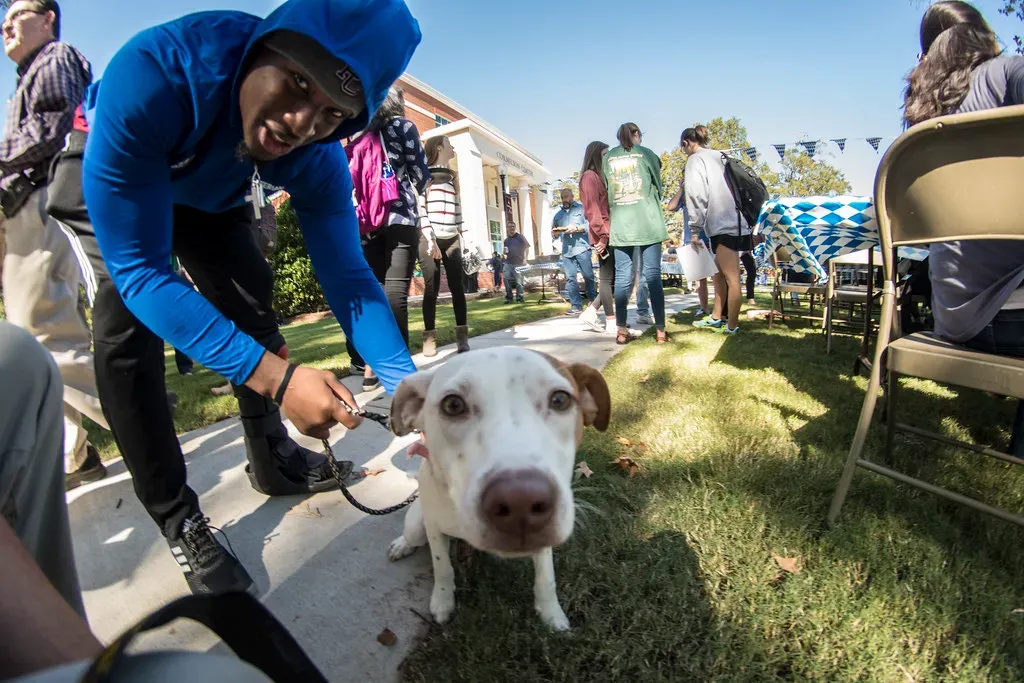
Knowing this pattern can help owners plan smoother homecomings. Leaving a familiar item or playing a consistent sound cue might support the dog’s sense of security while waiting. Small adjustments like these build on the natural recognition process already at work.
The anticipation phase also offers a chance to strengthen the relationship in other ways. Simple consistency in arrival times and greetings reinforces the positive associations dogs form. Over weeks and months these habits become part of a reliable rhythm both sides enjoy.
A Thoughtful Look at What This Reveals

The idea that dogs begin releasing oxytocin at the sound of a car engine highlights how deeply these animals read their environment. It shows a quiet intelligence shaped by shared lives rather than dramatic displays. Owners who notice these moments often feel a renewed appreciation for the subtle ways their pets stay connected.
Ultimately this behavior reminds us that strong bonds grow from repetition and attention to small details. Paying closer attention to how dogs respond to ordinary sounds can deepen the everyday relationship in meaningful ways. The result is a quieter kind of closeness that feels entirely natural.


