
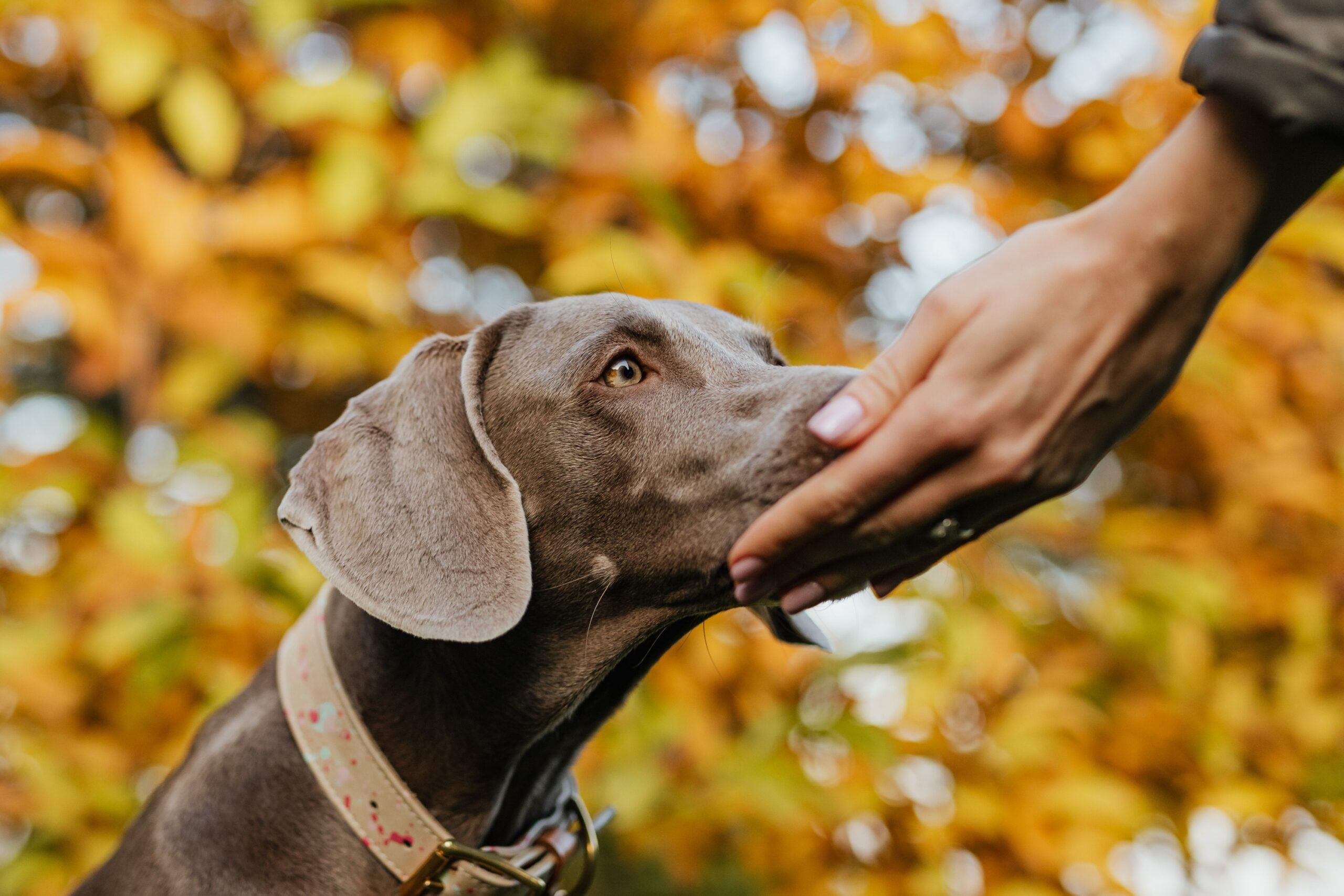
If your dog rushes to the door, ignores your guest’s cheerful hello, and dives straight for their shoes, hands, or crotch, it can feel awkward. But beneath that embarrassing sniffing session is something surprisingly sophisticated: your dog is running a high‑speed background check that makes anything you see on social media look primitive.
Dogs live in a scent-first world. While we’re busy judging outfits, tone of voice, and body language, your dog is decoding stress hormones, diet, other animals they live with, and even hints of illness or mood on a molecular level. Once you understand what is actually happening in those first few seconds, you’ll never see that “quick sniff” the same way again.
Your Dog’s Nose Is a Supercomputer, Your Senses Are Dial-Up
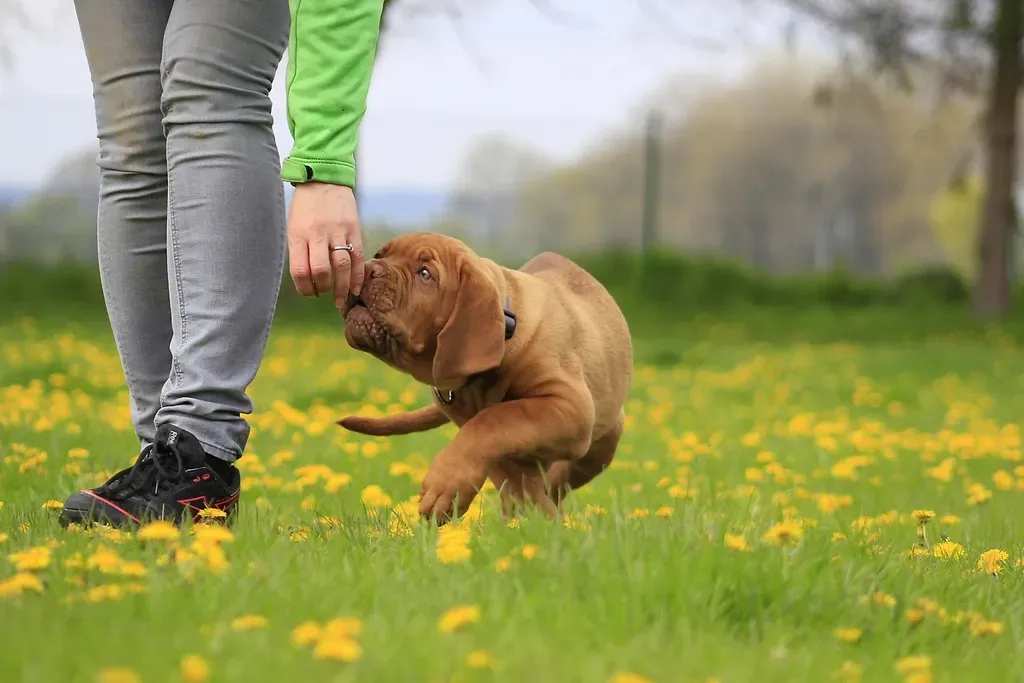
Imagine trying to understand a movie by watching it through a keyhole while someone else gets full surround sound, 4K video, and director’s commentary. That is roughly the difference between your senses and your dog’s nose when someone walks through the door. A dog’s sense of smell is estimated to be tens of thousands to potentially hundreds of thousands of times more sensitive than ours, depending on the breed and what is being measured.
Inside your dog’s nose are hundreds of millions of scent receptors, plus a dedicated structure called the vomeronasal organ that specializes in reading pheromones and chemical signals you do not consciously perceive at all. While you pick up that a guest “seems tired” from their face, your dog is already processing a layered scent story: where they have been, who they live with, what they ate, whether they are anxious, relaxed, or hormonal. To your dog, every guest carries a detailed invisible résumé in scent form.
Sniffing Is How Dogs Say: “Who Are You, Really?”
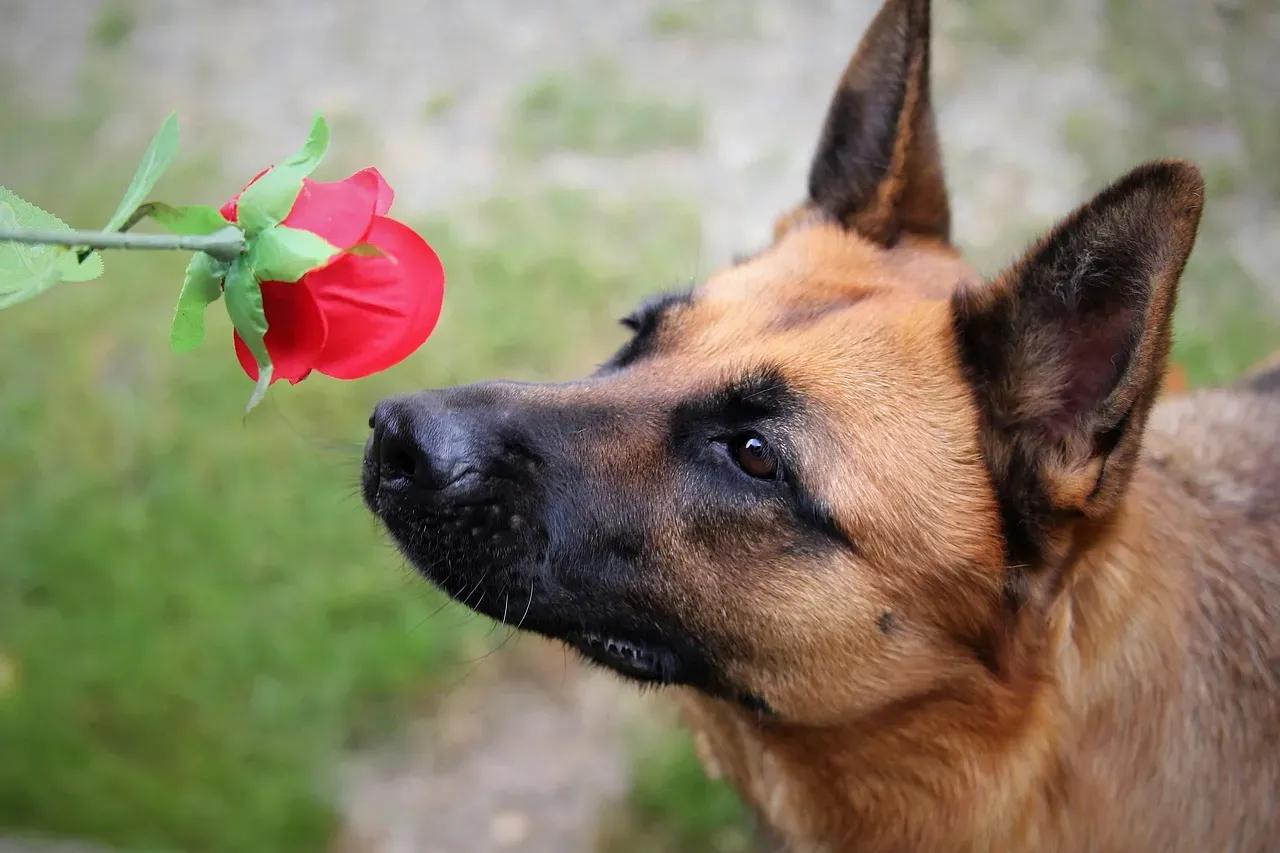
Humans tend to treat sniffing as rude, but for dogs, smell is their most natural introduction. We shake hands, make eye contact, or ask about someone’s job; dogs gather equivalent or better information by burying their nose in clothes, hands, bags, or awkwardly personal areas. That behavior is not bad manners; it is the canine version of checking ID and scrolling someone’s history in a few seconds.
From your dog’s perspective, allowing a complete stranger into their territory without a proper olfactory scan would be irresponsible. Territorial and social safety depend on knowing who belongs where and with whom. When your dog insists on sniffing a guest thoroughly before relaxing, it is not defiance. It is due diligence, the same way you might search someone’s name online before you trust them with your home or kids.
Your Dog Reads Hormones, Stress, and Mood You Cannot See
One of the wildest parts of this story is that your dog is likely tracking your guests’ inner states, not just their outer smells. Humans release different scent molecules when they are stressed, afraid, excited, or relaxed, often through sweat and subtle skin emissions. You may see a calm smile, but your dog might be smelling adrenaline, cortisol, and other chemicals that hint at tension underneath.
This is one reason some dogs are wary of certain people and instantly relaxed with others, even when everyone appears polite and friendly. They are not judging that person’s outfit or job; they are responding to a whole-body chemical signal that you are largely blind to. When your dog sniffs a guest, then chooses to lean in, wag, or hang back, that reaction is a genuine emotional and physiological reading, not random moodiness or stubbornness.
Every Guest Carries a Scent Story: Home, Pets, Environment, and Health
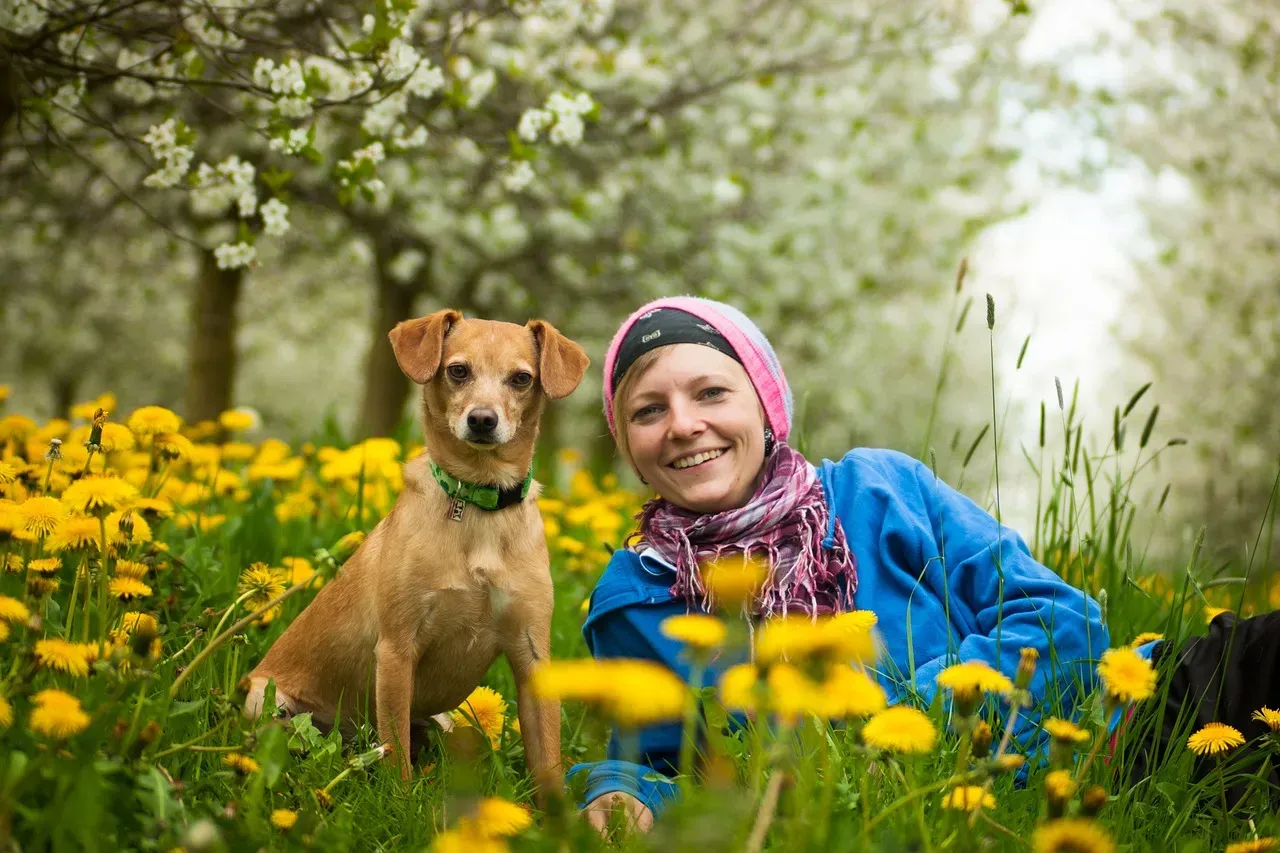
Your dog is not just smelling the person at the door; they are smelling the world that person comes from. On a single jacket, a dog can pick up traces of other dogs, cats, children, cleaning products, cigarette smoke, workplace environments, city air versus country air, and even subtle shifts related to illness. Scientists have shown that trained dogs can identify certain diseases from breath, sweat, or urine samples, but even untrained family dogs often notice when something in someone’s scent “doesn’t fit.”
Think of each guest as a walking collage of scent layers. A friend who lives with multiple pets, wears a specific perfume, bikes through traffic, and works in a hospital will smell radically different from a neighbor who lives alone and works from home. Your dog’s first sniff is like opening a huge, detailed file containing all of that. Over time, your dog remembers those files and can tell immediately when something about a familiar guest is off, long before you would ever notice a change.
Scent Memory: Your Dog Is Building a Long-Term Social Database
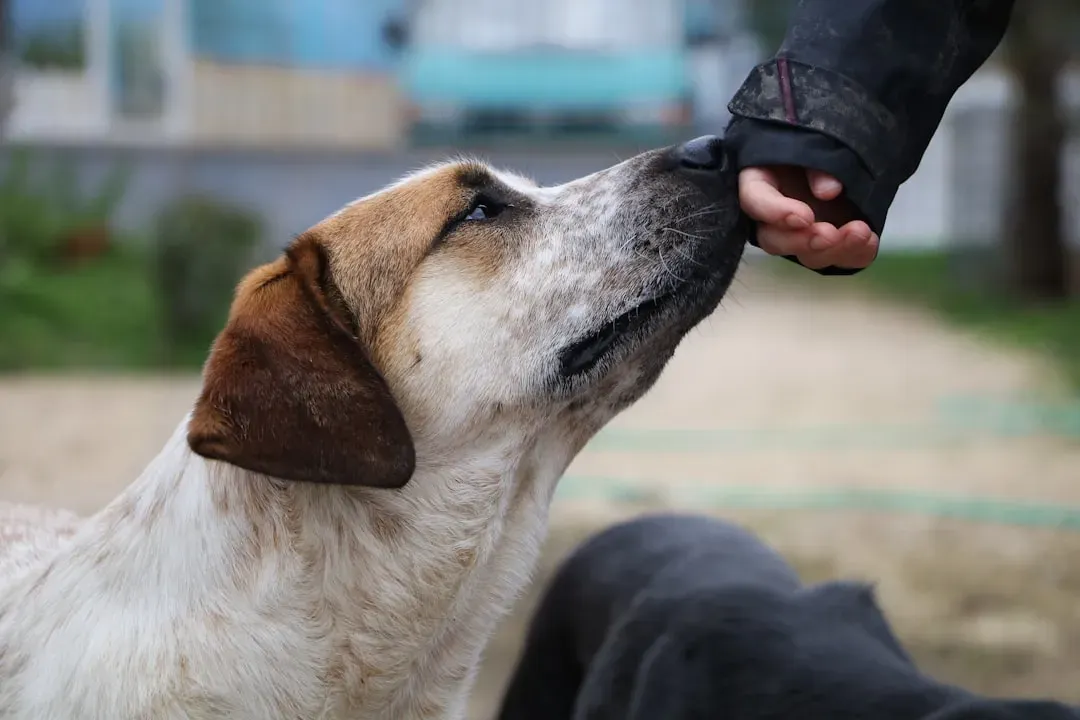
We remember people by faces, voices, and names; dogs store them in a deep scent library. When your dog sniffs your sister once, they are not just reacting in the moment, they are saving that complex aroma as a reference point. The next time she visits, your dog does not need an introduction. One whiff, and they know exactly who she is, how long it has been, and whether her scent has changed.
This is why some dogs go wild with joy when a loved one returns after months or even years. Time might blur our visual memory, but scent sticks like glue in a dog’s brain. That “social profile” your dog builds is not a simple label like “friend” or “stranger.” It is a rich, constantly updated portfolio containing shared experiences, emotional history, and changes over time, all stored and accessed through smell in a way we simply cannot replicate with our eyes and ears.
Why Some People “Pass” the Sniff Test and Others Don’t
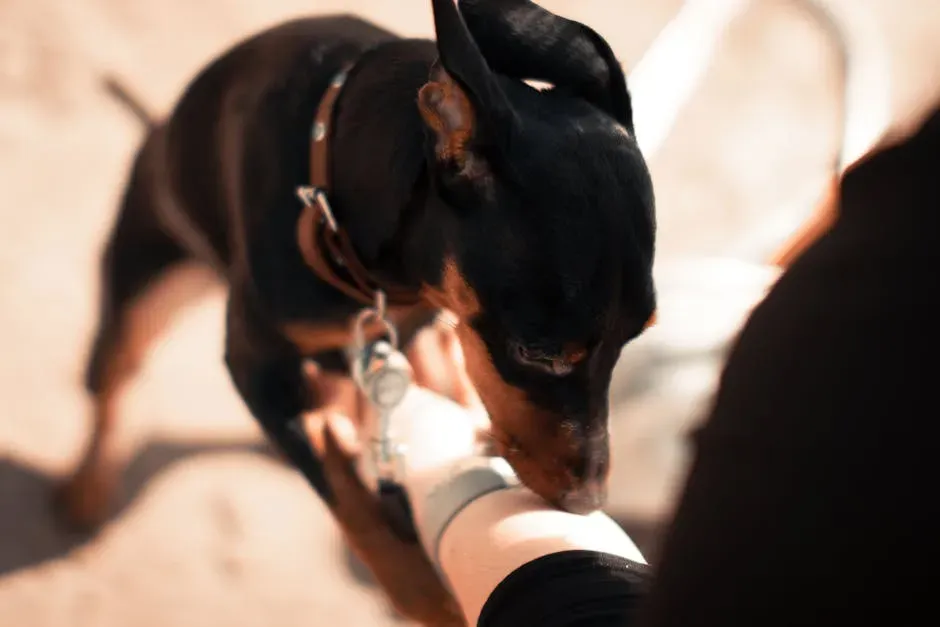
Almost every dog guardian has seen it: one guest is instantly adopted, smothered with kisses and wiggling joy, while another gets a stiff body, low growl, or suspicious stare. It can be tempting to write this off as random or assume your dog is being rude, but often there is something real underneath. Dogs may react to past associations with certain smells, such as particular detergents, alcohol, smoke, or the odor of another dog that once scared them.
They are also reacting to the mix of scent and behavior. Someone who moves a bit too fast, speaks loudly, or hides their hands while also smelling stressed or unfamiliar might set off your dog’s inner alarm system. That does not mean your dog is a supernatural lie detector or that they are never wrong, but it does mean their caution is not meaningless. In my own life, I have learned to at least pause and respect my dog’s hesitation instead of forcing instant affection on a guest who clearly makes them uneasy.
Over time, watching which people your dog immediately relaxes around versus those they keep at arm’s length can be strangely revealing. It has made me reconsider my own snap judgments more than once. You do not have to treat your dog’s opinion as absolute truth, but you can acknowledge that they are processing data you will never perceive. That perspective alone can shift how you manage introductions and boundaries at home.
Helping Your Dog Feel Safe While They “Profile” Your Guests
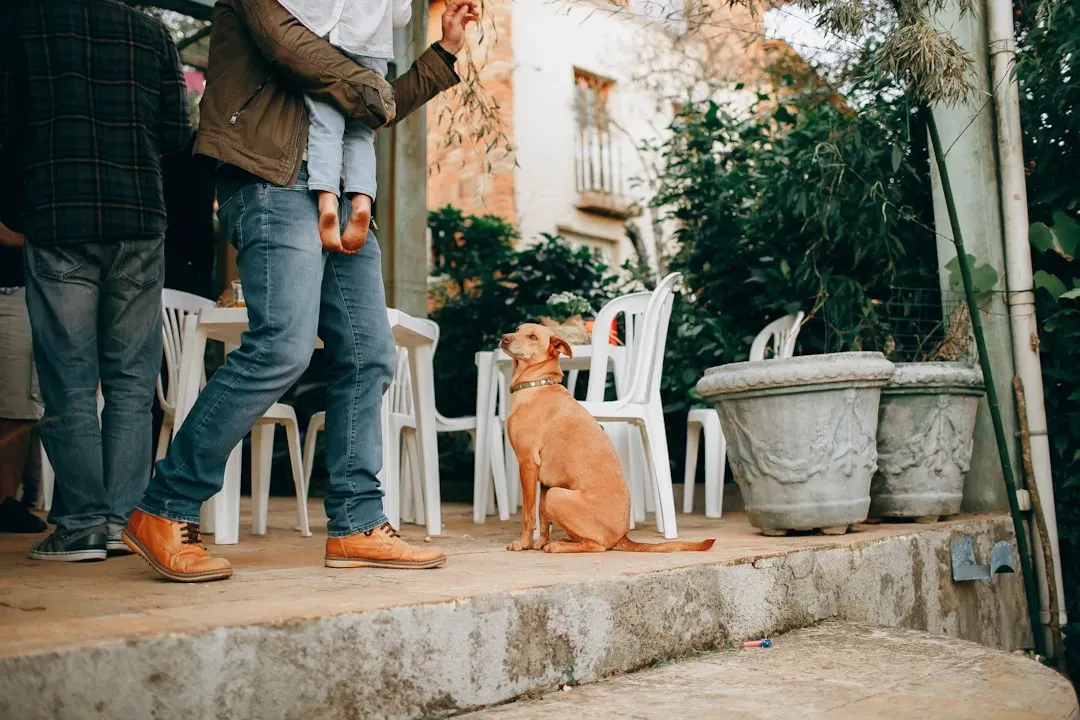
Knowing that sniffing is essential, the goal is not to shut it down but to make it feel safer and more polite for everyone. You can coach guests to turn slightly sideways, avoid looming over your dog, hold out a relaxed hand, and let the dog come to them. Giving your dog a bit of space and time to complete their olfactory investigation lowers stress for both sides and usually leads to smoother interactions.
If your dog is anxious or reactive with new people, you can still honor their need to smell while adding structure. Let your dog sniff from a distance at first, use leashes, baby gates, or treat tosses to create positive associations, and avoid forcing touch or eye contact. Think of it as giving your dog a chance to read the “social report” before they are asked to behave like everything is fine. When you respect their process, their trust in you often grows, and over time, those profiles they build of your regular guests become comforting rather than overwhelming.
Conclusion: Trust the Nose, But Be the Grown-Up in the Room
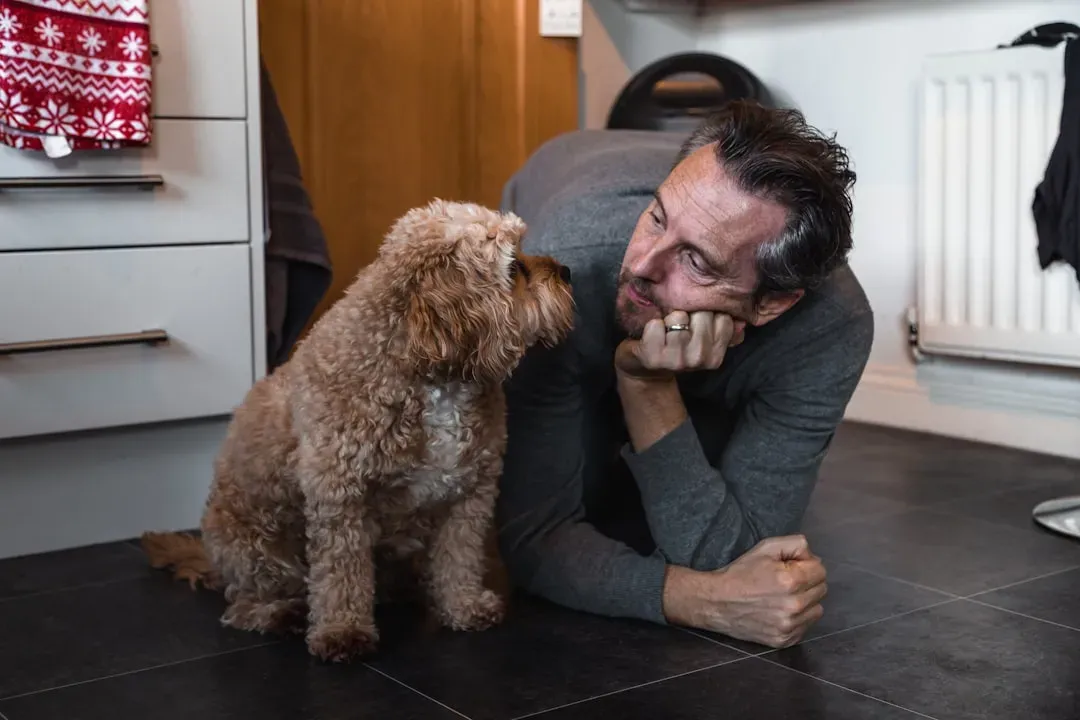
Your dog’s habit of smelling every guest before accepting them is not just a quirk; it is an advanced sensory system doing exactly what it evolved to do. While we are busy focusing on polite small talk, your dog is quietly gathering a level of detail about each person that our eyes and ears can never come close to. That does not mean your dog is always right about people, but it does mean their reactions are grounded in real information, not random superstition.
In my view, the smartest way to live with dogs is to treat their nose like a respected advisor: you listen, you factor it in, but you still make the final call. When your dog loves someone instantly, it is worth noticing; when they are hesitant, it is worth slowing down. The next time your dog insists on a deep sniff before relaxing around a guest, maybe ask yourself: if you could read people that deeply in two seconds, would you rush the process – or would you trust your instincts a little more too?


