
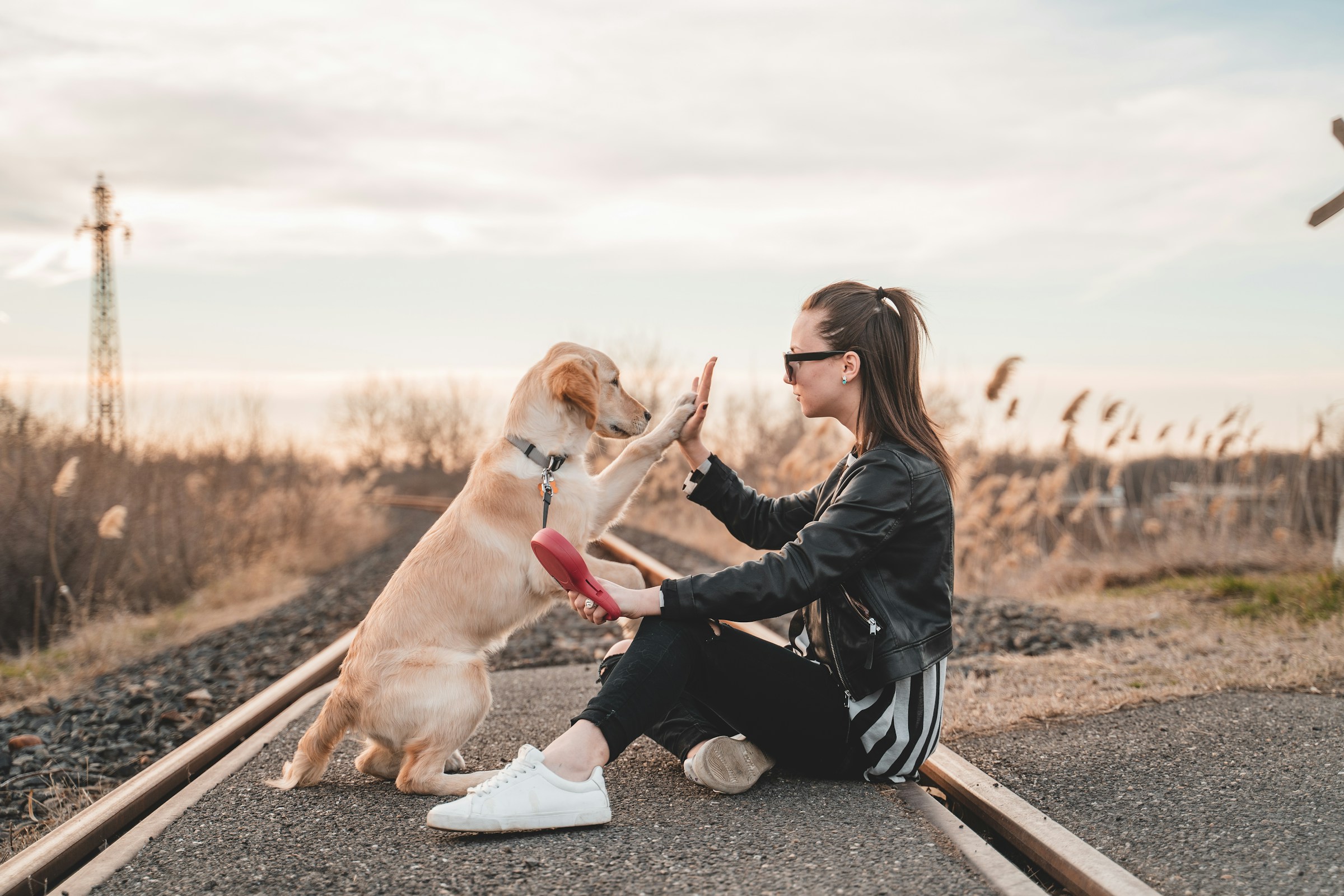
Walk through the door after a long day, and there it is: the full-body sniff inspection. Nose in your shoes, a long inhale around your hands, that quick pass over your clothes, maybe even a deep breath toward your face or hair. It feels funny and sweet, like your dog is just saying hello in their own weird way. But what they are actually doing is much more intense and, honestly, a little mind-blowing.
Your dog is not just “smelling you.” They are scanning a shifting chemical story written on your skin, your sweat, your clothes, even your breath. That quick greeting is closer to reading a detailed log of where you have been, who you have interacted with, and how your body was feeling while you were out. The more we learn about canine noses and stress hormones, the more it becomes clear: this is less of a hello and more of a real-time diagnostic check-in.
The Superpower in Your Dog’s Nose
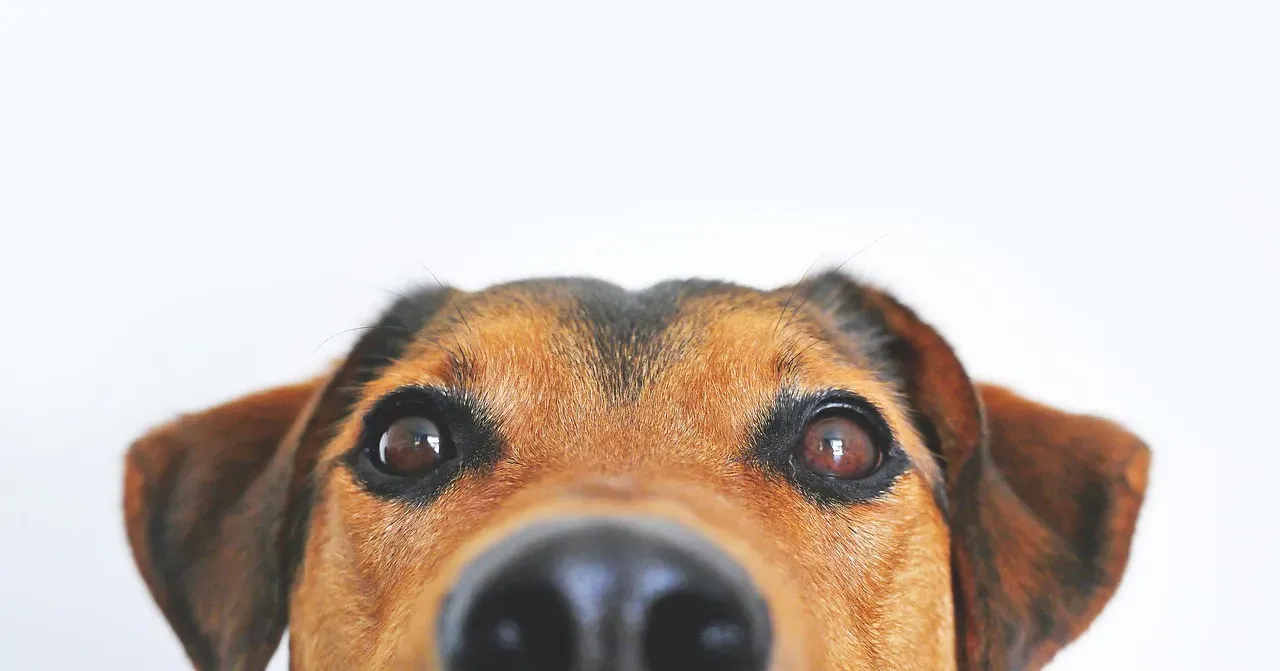
Here is the first surprising thing: compared with humans, your dog is basically walking around with high-end lab equipment built into their face. Their noses hold hundreds of millions of scent receptors, while we only get a tiny fraction of that. On top of this, the part of their brain that processes smells is proportionally far larger than ours, so scent is not just extra information for them – it is their primary way of understanding reality.
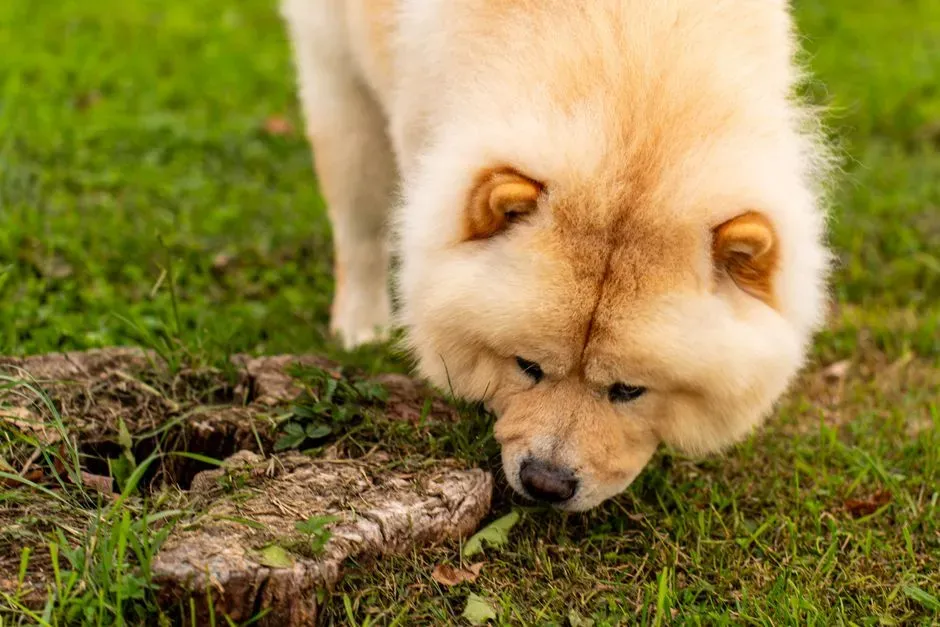
When your dog takes that long inhale as you walk through the door, they are not just catching one “you” smell. They are breaking down a complex chemical mixture into layers: your natural body odor, traces of other people or animals, environmental scents like grass, city air, or office smells, and subtle hormonal changes that you may not even feel yet. What feels like a casual sniff to you is closer to them scrolling through an incredibly detailed feed of data in a split second.
Your Body Is Constantly Broadcasting a Chemical Diary
Even if you showered, used deodorant, and sprayed on perfume, your body has been quietly broadcasting information all day in the form of volatile organic compounds released through your skin, breath, and sweat. These compounds change based on your health, diet, environment, and emotional state. You may have no conscious idea that anything has shifted, but your scent has already updated like a status change.
Your dog does not need words to pick this up. When you come home after a workout, your scent story is different from when you return from a calm lunch with a friend or a stressful office meeting. To a dog, these differences are not vague impressions; they are crisp, distinct patterns. It is as if your body has been writing a running diary all day, and the moment you step through the door, your dog flips it open to the latest entry.
Stress Hormones Leave a Scent Trail Your Dog Can Read
One of the most fascinating parts of this chemical diary is how clearly it reflects your stress levels. When you feel stressed, anxious, or afraid, your body shifts into a different state: hormones like cortisol and adrenaline rise, your heart rate and breathing may change, and your sweat chemistry subtly alters. You might describe this as your body going into “fight or flight,” but your dog experiences it as your smell going into a different mode.
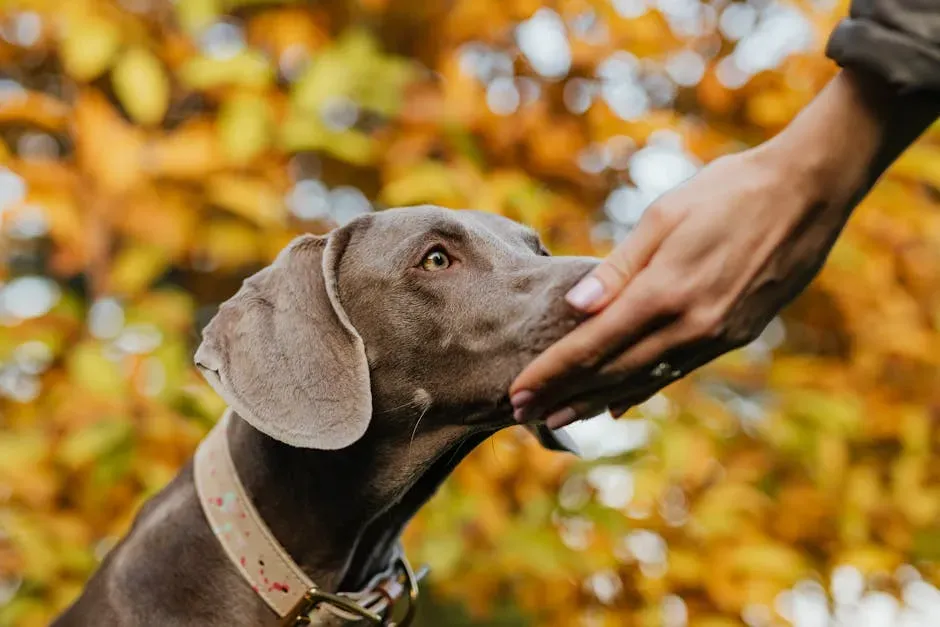
Research has shown that dogs can learn to distinguish between samples taken from humans in stressed conditions versus relaxed ones simply by smell alone, even without seeing the person. In everyday life, this means that before you say a single word about how your day went, your dog has already picked up a silent alert: something in your internal environment changed. That intense sniff near your hands or chest can be their way of checking, are you okay right now?
Sniffing You Is Also a Detailed Location History
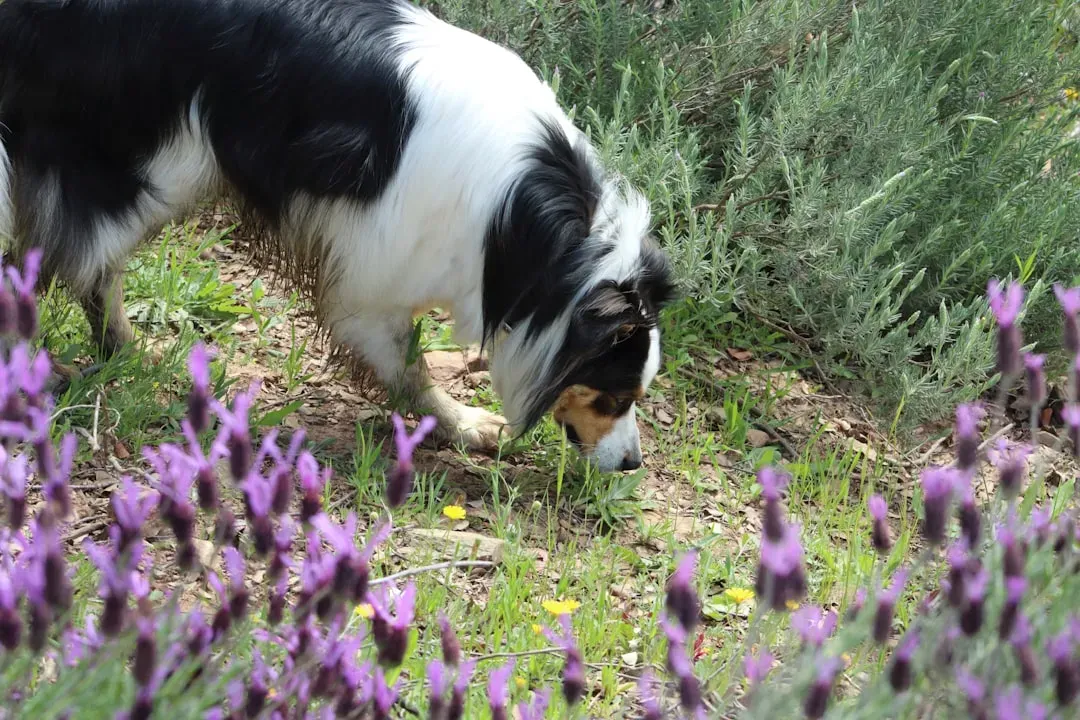
Beyond your emotional state, your dog uses scent to reconstruct where you have been, almost like replaying a route on a map – but chemically. Office air, public transport, restaurants, parks, vet clinics, other homes, and other animals all leave micro-traces on your clothes and skin. To us, these are invisible and mostly undetectable; to your dog, they are as obvious as distinct colors on a painting.
That deep inspection of your shoes? That is like them scrolling through today’s travel history: pavement, grass, other animals’ markings, city grime, maybe even which building type you walked into. The extra interest around your cuffs or your bag often means they have caught whiffs of other dogs or humans. It is not jealousy in a human sense, but there is definitely a “Who did you talk to? Where did you go without me?” vibe built directly into their nose.
Why Your Dog’s Sniff-Check Is Emotional, Not Just Analytical
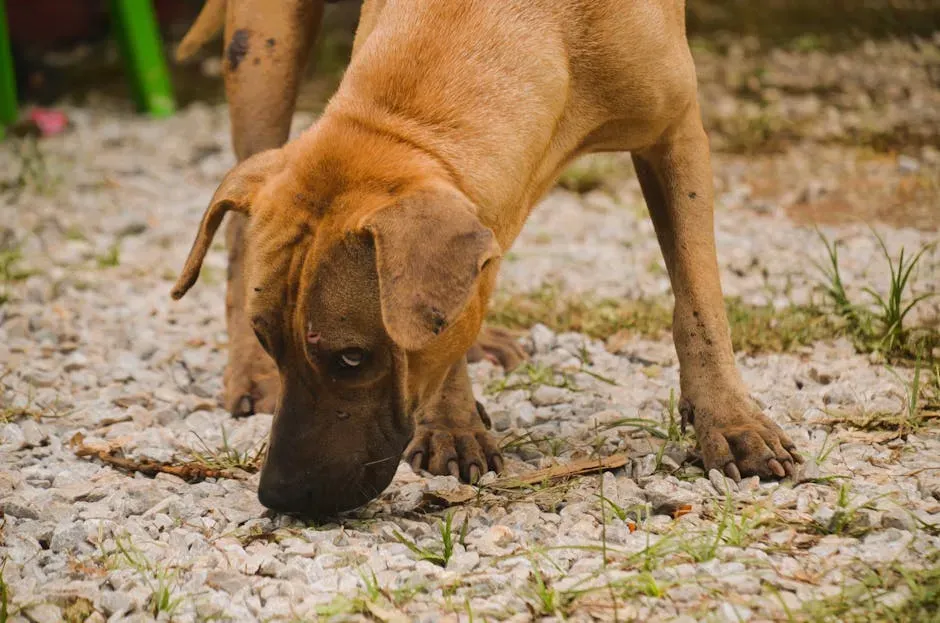
It is tempting to think of all this as your dog being some kind of little scientist, coldly collecting data. But what makes this whole thing powerful is that their scent reading is wrapped up with their emotional bond with you. They do not just process the chemical record; they care what it says. Their brain links your smell patterns to experiences: comfort, safety, anxiety, play, arguments, quiet evenings on the couch.
This is why a dog can rush to you or become clingier on days when you come home particularly stressed, even before you consciously realize how wrung out you are. To them, your changed scent is like walking in and seeing you visibly crying, except they get that information from the Invisible Layer – the hormones and compounds floating off your body. When they push their nose into your hands or rest their face on you after a long sniff, that can be their version of asking, do you need me closer today?
What Your Dog Does With This Information
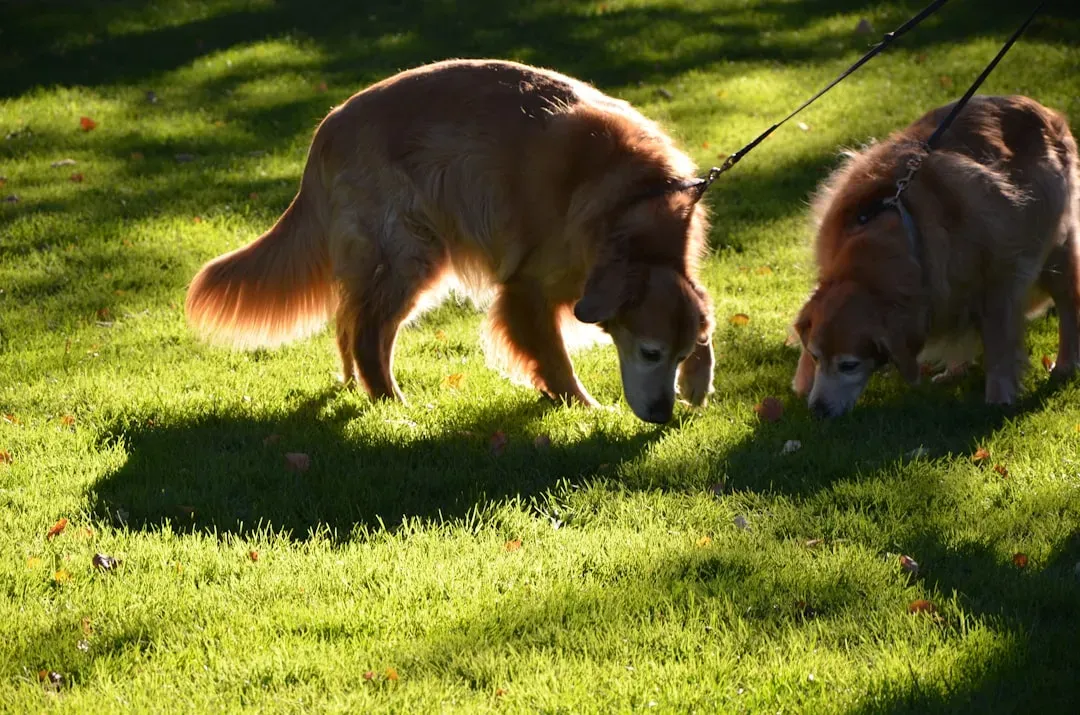
Dogs do not just store this scent information as trivia. They use it to decide how to respond to you in that exact moment. If your smell matches their memory of “calm, relaxed human,” they might be more playful and silly, bouncing around or demanding toys. If your scent aligns with “tense, upset human,” they may lower their energy, follow you quietly, or push their body against you for contact and comfort.
Over time, they build an internal model of you that is heavily shaped by smell: what you smell like when you are happy, when you are tired, when you are sick, when you are anxious. That is part of why some dogs seem “psychic” about knowing when you are not okay or when something is off, even before you have put it into words for yourself. From their perspective, they are simply reading the chemical updates your body is constantly posting and adjusting their behavior accordingly.
How You Can Respect and Use This Hidden Communication
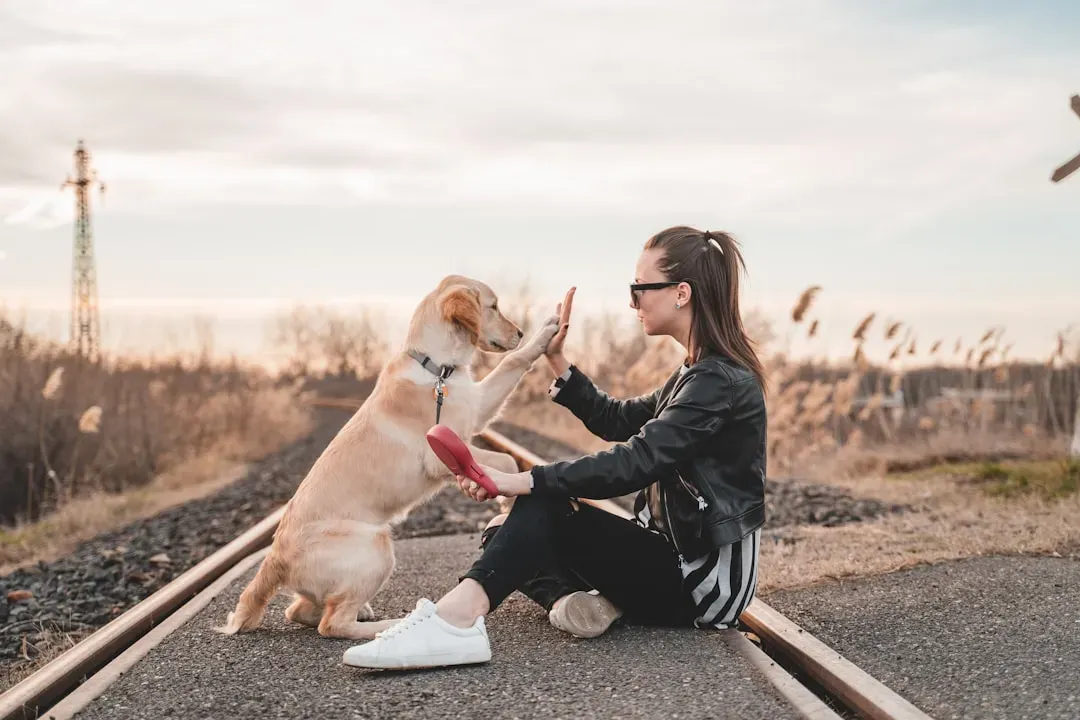
Once you realize your dog is not just greeting you but reading you, it changes how you see that moment at the door. Instead of brushing off the sniffing as annoying or weird, you can treat it as their version of checking in. Let them have those few seconds. Stand still, give them your hands, let them do their job of decoding the day you bring home on your skin.
You can also use this awareness to support your bond. On days when you know you are coming home very stressed, it can help to slow down, sit with your dog, and let that familiar, comforting interaction work in both directions: they read your scent and you absorb their calm presence. Paying attention to how your dog’s greeting changes over time can also alert you to patterns in your own stress that you might be ignoring – your dog may notice the rising tide before you do.
Conclusion: Your Dog Is Reading You More Deeply Than You Realize
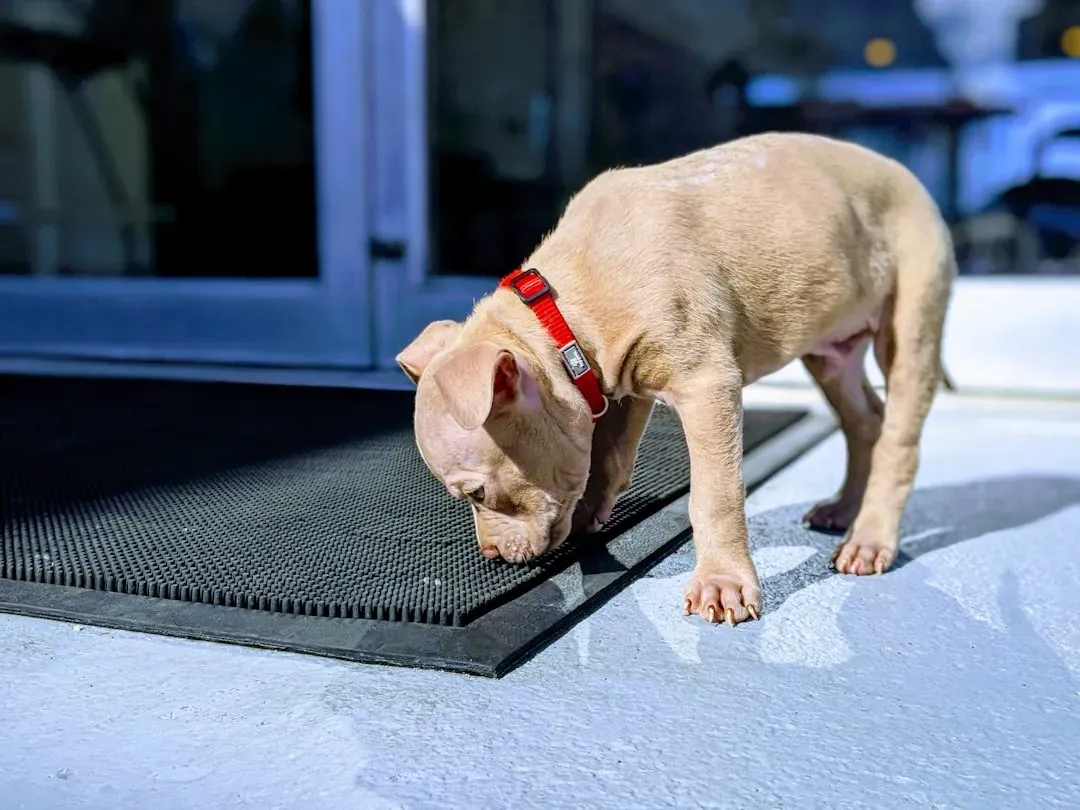
At this point, it feels almost wrong to call that intense sniff at the door a “simple greeting.” It is more like a full-body audit: where you have been, who you have crossed paths with, what kind of day your nervous system just survived, and whether something inside you has shifted. Your dog is not being nosy for fun; they are doing what their species evolved to do extremely well – reading the invisible world that we mostly blunder past.
Personally, once I understood this, I stopped laughing off my dog’s nose-in-everything habit and started seeing it as a kind of quiet, serious work, almost like living with your own little emotional radar. We underestimate dogs when we treat their sniffing as cute but meaningless, when in reality they are picking up a chemical record of our lives that we barely know we are writing. So the next time you walk through the door and feel that familiar nose pressing in, you might ask yourself: if your dog could put into words what they just smelled about your day, would you be ready to hear it?


