
Some dogs seem to arrive in a new home and instantly relax, as if they’ve finally exhaled. Others pace, stare, ignore cues they clearly know, guard toys, or bark at every sound. When you learn that second group has already been through several homes or shelters, it stops feeling like a mystery and starts feeling heartbreaking.
Multiple rehomings do not just shuffle a dog’s postal address. They repeatedly interrupt deep attachment processes, stress the nervous system, and teach the dog one brutal lesson: nothing stays safe for long. The result can look like stubbornness or “bad behavior,” when in reality it is hypervigilance, anxiety, and survival coping. Let’s unpack what is actually going on inside these dogs so we can stop labeling them as problems and start showing them what stability really feels like.
Attachment Is Not Just Cute – It’s a Biological Survival System
From a scientific point of view, attachment is not about being “clingy” or spoiled; it is a hardwired survival strategy. Puppies are born dependent on caregivers to regulate their temperature, heart rate, and even stress hormones. Over time they build an internal map: when I feel scared or confused, this specific human helps me feel safe again. That map becomes their emotional home base.
When a dog is rehomed, that home base is abruptly removed. If it happens once and the new environment is stable and supportive, most dogs can rebuild that inner map. But when it happens repeatedly, the dog’s nervous system begins to treat attachment itself as risky. Why invest in a person, the brain reasons, if every person eventually disappears? What looks like aloofness or indifference is often a very rational attempt to avoid being hurt again.
Each Rehoming Acts Like a Fresh Stressor on the Nervous System
Every time a dog is moved, they lose almost everything that tells their brain, “you’re safe.” Familiar smells, routines, sleeping spots, routes, and voices vanish overnight. The brain responds the same way it would to any big threat: cranking up stress hormones, scanning for danger, and putting learning and play on the back burner until it figures out this new world.
If this happens multiple times, the dog is not just stressed in a moment; they become primed for stress. Their baseline arousal can end up higher than average, like a car idling just below the red line. So when a new guardian thinks, “But I’m being so kind, why is he still on edge?” the answer is that kindness is landing on a nervous system that has been yanked around so often it no longer believes calm will last.
Why Hypervigilance Looks So Much Like “Bad” or Disobedient Behavior
Hypervigilance is the brain’s way of saying, “I cannot afford to miss anything that might hurt me.” In a dog, that can look like constant scanning, reactivity to tiny sounds, barking at seemingly nothing, or difficulty relaxing even when they are clearly exhausted. Many guardians understandably see this as rudeness or defiance, especially if the dog has lived in homes before and supposedly “knows better.”
But think of a person who has been through several unstable relationships or lived in unsafe housing; jumping at every noise is not them being dramatic, it is their nervous system staying on guard. For the repeatedly rehomed dog, “ignoring” cues, rushing through doors, grabbing food, or body-blocking other dogs is often their attempt to control a world that has never felt predictable. The behavior is not a moral failing. It is a safety strategy that once worked well enough to be repeated.
How Repeated Loss Warps a Dog’s Ability to Trust New People
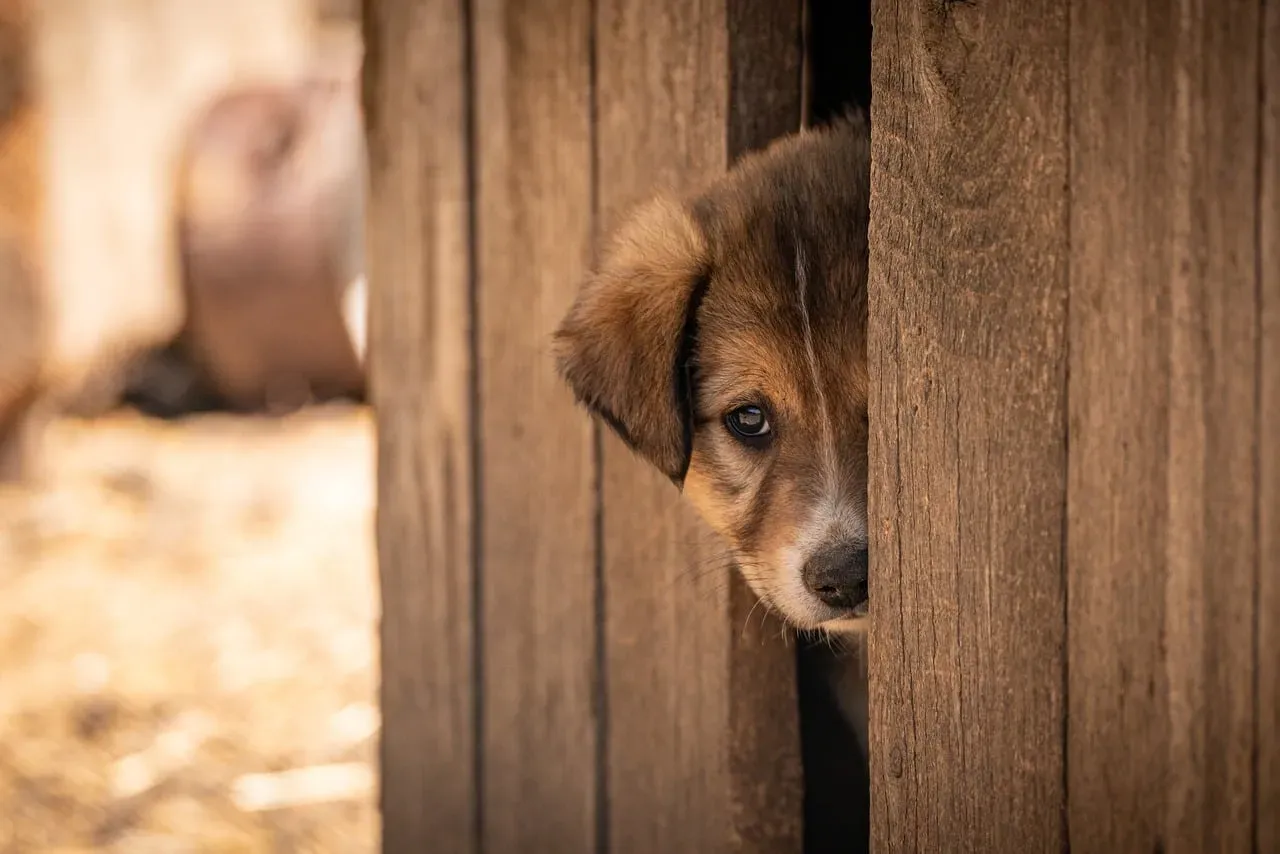
Trust is not a personality trait; it is a history of experiences. Dogs who have lived with only one or two stable families may default to assuming new humans are okay unless proven otherwise. By contrast, a dog bounced between homes, shelters, and foster setups has collected plenty of proof that humans can disappear without warning. Their cautious approach is, in that context, extremely logical.
This sometimes shows up as a dog who is superficially friendly with everyone but bonds to no one, or a dog who panics when a specific caregiver leaves the room because they have seen that “goodbye” can mean “forever.” Both patterns are attachment adaptations, not character flaws. I still remember fostering a little mixed-breed dog who would happily greet visitors, then sleep with one eye open for weeks after they left, as if bracing for the day we would not come back for him.
Why Training Alone Often Fails These Dogs Without Emotional Safety
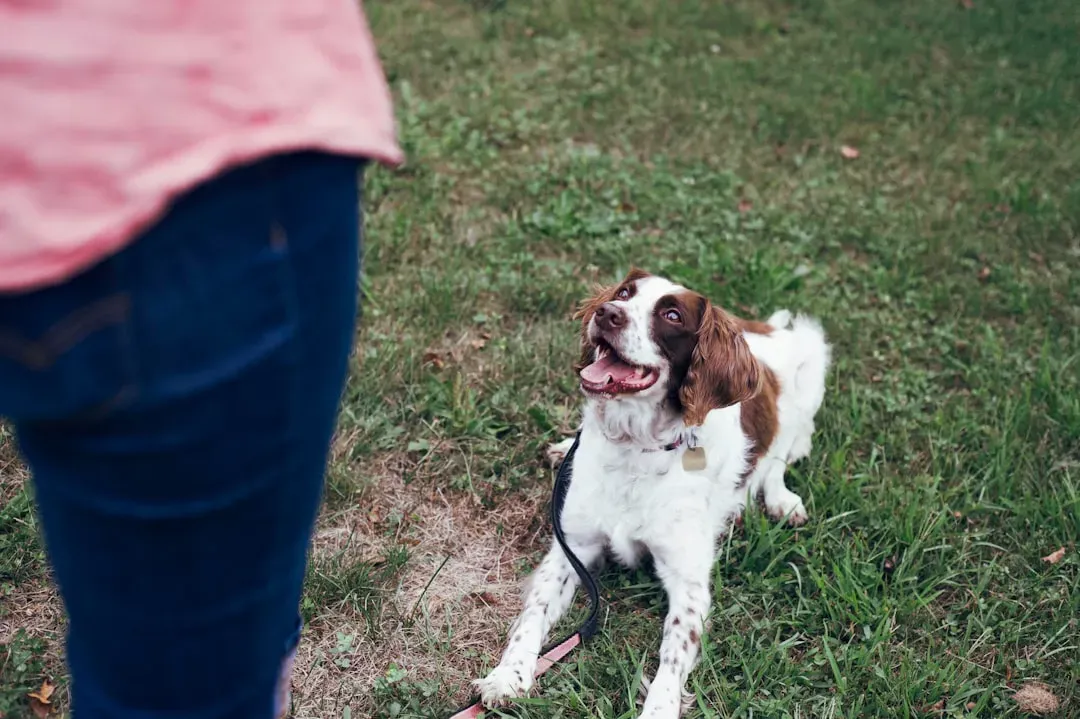
Many guardians respond to unsettled behavior by tightening up training: more obedience drills, stricter rules, higher expectations. While clear structure can absolutely help, research and real-world experience both suggest that a stressed, hypervigilant brain has a harder time learning and retaining new information. If a dog believes the world is unsafe, “sit” and “stay” are not top priorities; surviving is.
This is why some rehomed dogs look brilliant in a quiet training class, then fall apart at home. In the calm, predictable environment, their nervous system dips just low enough for learning to stick. Back in the chaotic reality of a new household, their stress reactivates and all that shiny obedience vanishes. Until the dog feels fundamentally safer, training is like trying to decorate a house whose foundation is still setting; you can hang the pictures, but they will keep falling down.
Concrete Ways to Help a Frequently Rehomed Dog Finally Settle
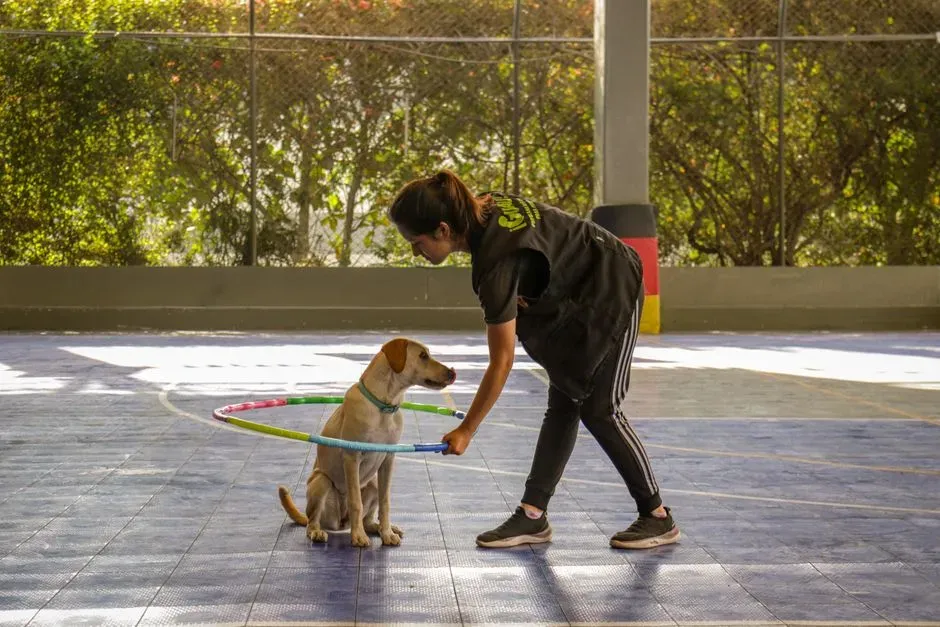
Support for these dogs needs to start with predictability. That means consistent feeding times, walking schedules, sleeping spots, and calm, repeatable routines around arrivals and departures. The goal is to send the dog hundreds of tiny messages each day that say, “This is how life goes here, and it will go this way again tomorrow.” Over time, that rhythm can begin to soothe a jumpy nervous system far more deeply than any single heroic effort.
Gentle, reward-based training layered on top of that stability can then give the dog a sense of control. Teaching simple patterns like “look at me,” “go to mat,” or “touch my hand” turns the human into a reliable guidepost in confusing situations. For many repeatedly rehomed dogs, the magic is not in advanced tricks, but in dozens of tiny interactions where the human consistently shows up, stays kind, and does what they said they would do.
Why Patience, Not Pressure, Changes the Story for These Dogs
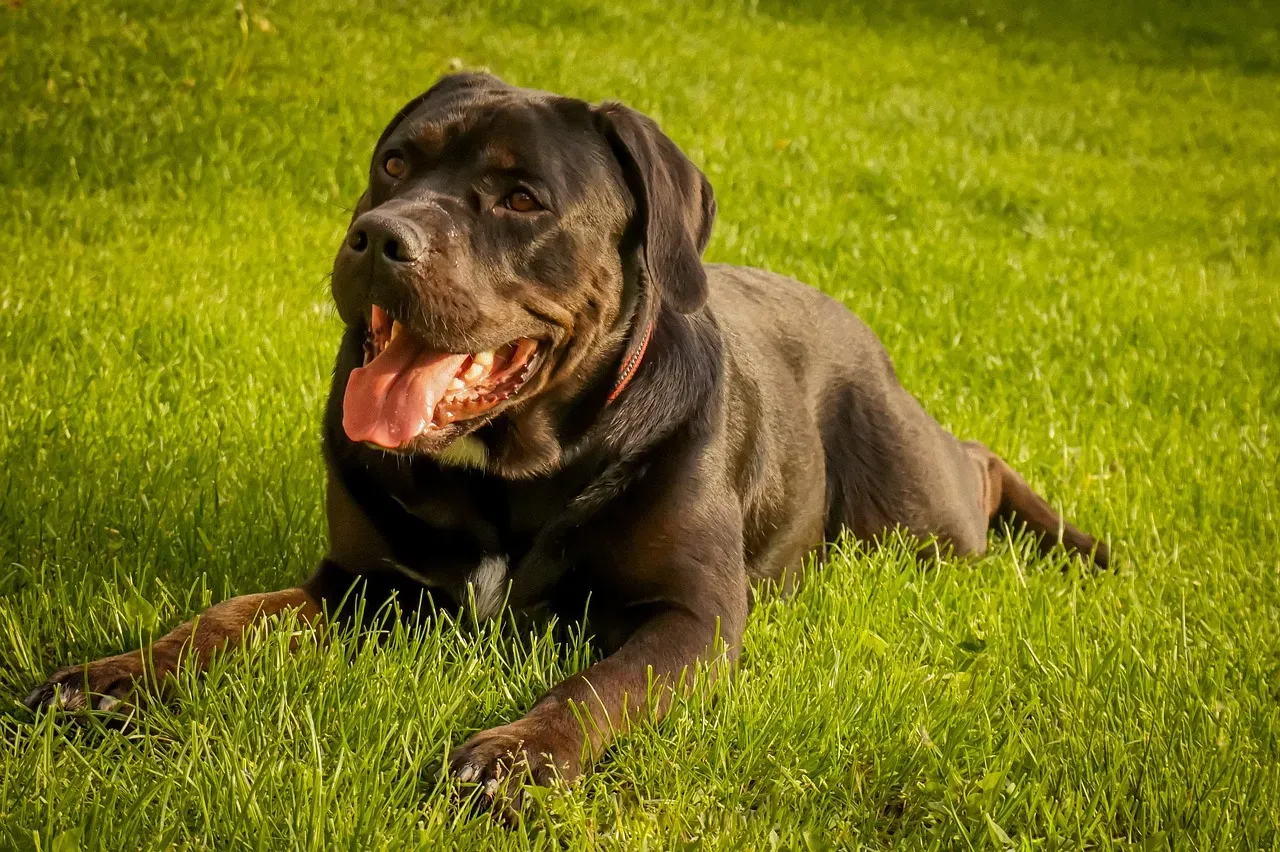
The hardest truth for many adopters to hear is that some dogs with multiple rehomings simply need much more time to settle than anyone expects. We are talking months, not weeks, for their guard to drop and their real personality to peek through. When we push them to “love us already” or behave like a well-adjusted family dog on a deadline, we accidentally recreate the same pressure and uncertainty that shaped their past.
If we can instead treat them as survivors of chronic instability, our expectations shift. We stop comparing them to the neighbor’s chilled-out golden retriever and start celebrating the quieter wins: the first deep sigh on the couch, the first time they eat with their back turned to us, the first evening where they choose to fall asleep instead of patrolling the hallway. In my opinion, those tiny, hard-earned moments of trust are not just cute; they are acts of courage from a dog who has every reason to keep their walls up.
Conclusion: Disobedient, Or Doing Their Best With a Broken Map of the World?
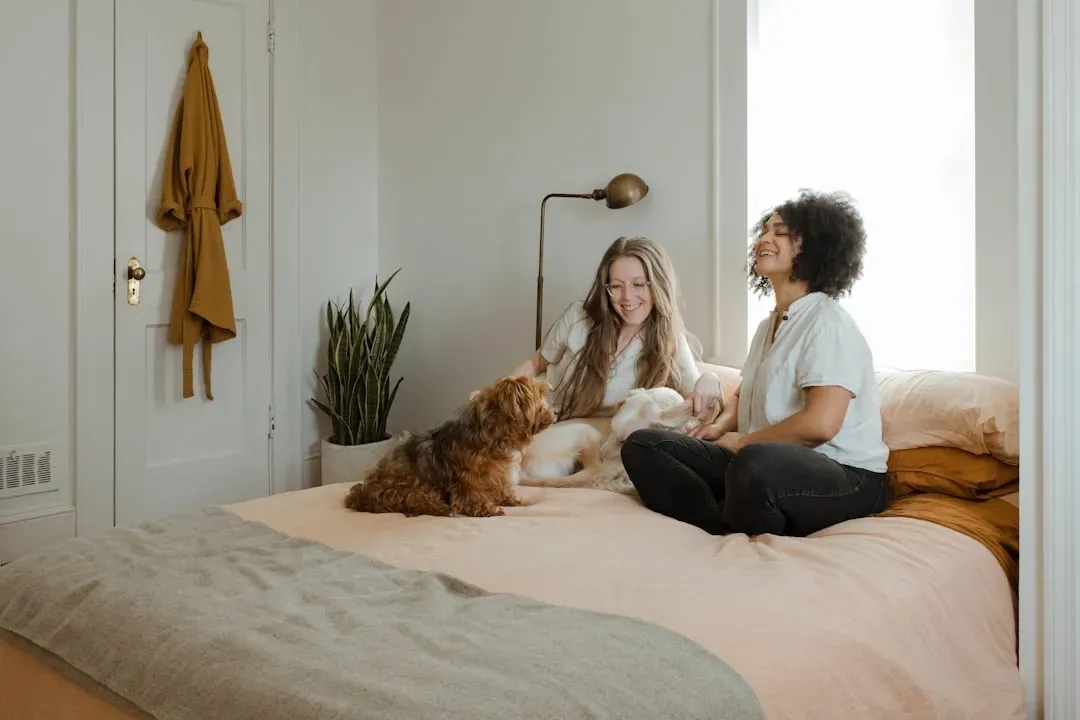
When you look at a dog who has been rehomed again and again, fidgeting through your cues and startling at shadows, it is tempting to see a behavioral project that just needs firmer handling. But the science of attachment and stress paints a very different picture: this is an animal whose internal map of what is safe has been torn up and redrawn so many times that uncertainty feels more familiar than comfort. Their so-called disobedience is often their last line of defense against more loss.
My own view is that we owe these dogs more than quick judgments and short trial periods. We owe them the time it takes to rebuild trust, the humility to adjust our expectations, and the courage to see their vigilance as wisdom earned the hard way, not defiance. If we can do that, then each rehomed dog is not a failed story but a chance to prove that stability, once finally given, can heal more than we might think. When you look at a dog like that now, will you still see a problem to fix, or a survivor learning, slowly and bravely, how to rest?


