
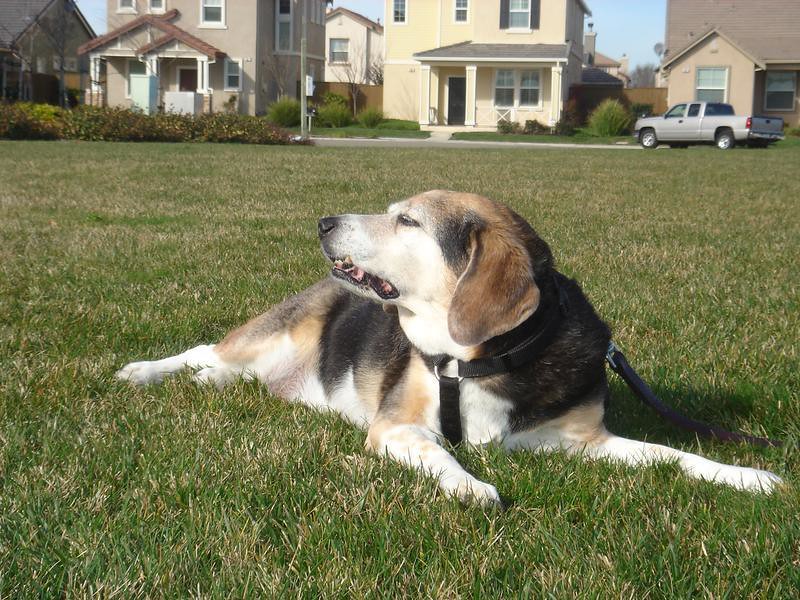
You know that moment on a walk when your dog freezes, nose lifted, sniffing the air like they’ve just tuned into a secret radio frequency? To us it looks like nothing is happening. No obvious smell, no visible trigger, just a dog staring into the distance like they’re reading invisible headlines. But inside that wet nose, an entire world of information is being decoded in a way that humans can barely imagine.
Scientists now know that dogs are not just sniffing randomly for fun. They are sampling airborne scent to build a mental map of who has been there, what happened, and how recently it occurred. Once I realized this, I stopped tugging the leash in impatience and started watching those pauses as little moments of dog “research.” It is less like your dog is distracted, and more like they are running a high‑tech forensic scan of the neighborhood.
The “Invisible Newsfeed” in the Air
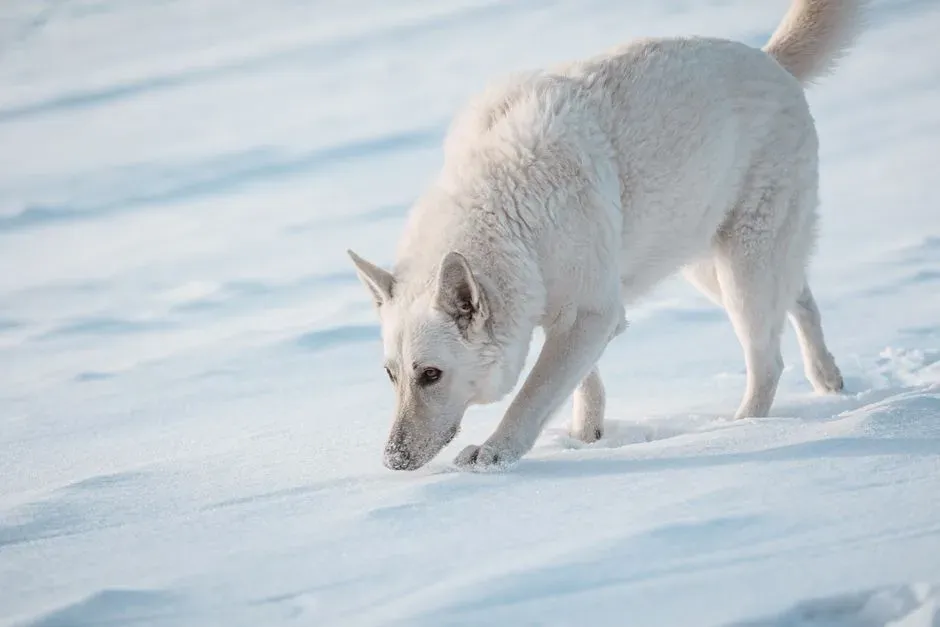
When your dog lifts their nose and seems to stare at nothing, they are actually surfing what you could call an invisible newsfeed. Air currents carry microscopic particles from skin, fur, breath, plants, soil, food, and even human clothing. Your dog pulls those particles deep into their nose and sorts them into categories: animal, human, food, danger, friend, stranger, and more.
Unlike us, dogs do not just smell what is right in front of them. Their sense of smell is so sensitive that they can detect faint odor plumes that drift from yards away, sometimes even from behind buildings or around corners. To them, the sidewalk you are strolling on is layered with overlapping scent stories: a jogger who passed ten minutes ago, a cat that crossed earlier in the morning, a delivery truck that idled by yesterday. It is like walking through a room where a thousand people have been talking, and your dog can still pick out individual voices.
How Dogs Turn Airborne Scent into a 3D Mental Map
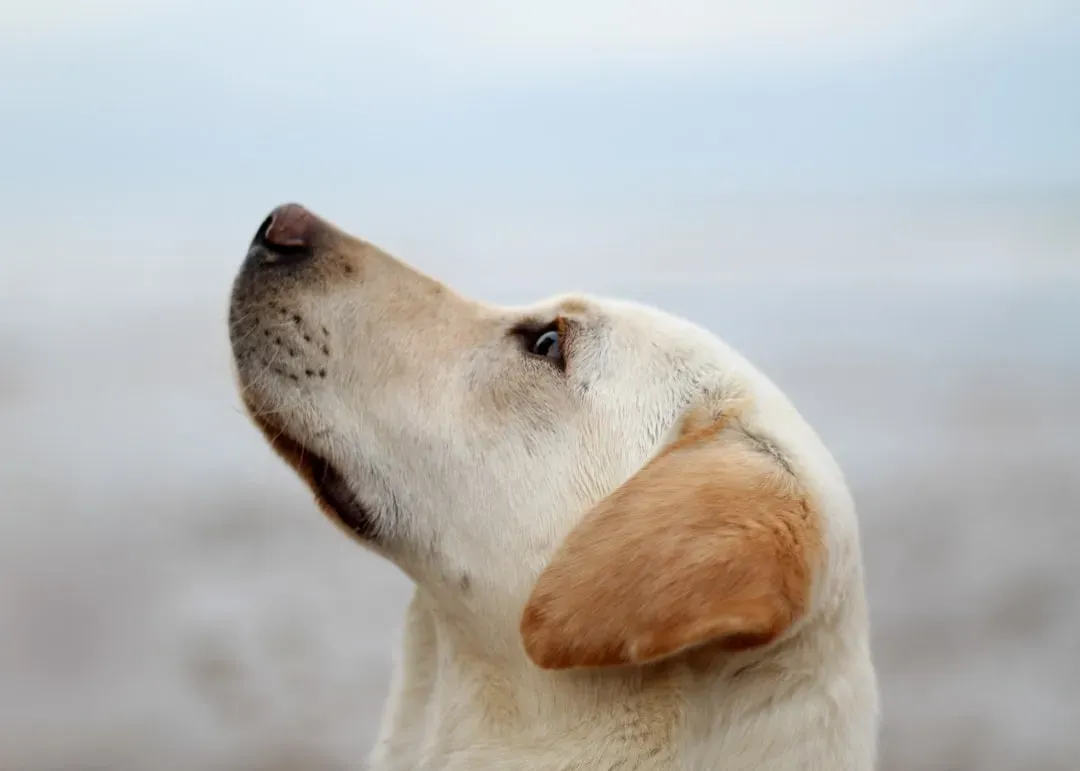
Scientists believe that dogs do not just smell; they build something like a three‑dimensional map in their minds based on odor. As scent molecules swirl around them, dogs follow how the intensity changes, which direction it is stronger, how “fresh” or “stale” it smells, and how different odors overlap. From that, they can infer distance, direction, and relative timing of recent activity.
Think of it as a heat map, but for smells. A stronger, fresher odor suggests something or someone is close or has passed very recently, while a fainter smell suggests older activity or greater distance. When your dog stands still and simply sniffs the air repeatedly, they may be triangulating where a certain odor source is coming from, just like you might turn your head to locate where a sound is coming from in a crowded room.
Time Travel with the Nose: Recent vs Older Activity
One of the most surprising things about dogs is not just what they can smell, but when. Different smells decay at different speeds, and dogs seem to use that fading pattern like a timeline. A fresh scent can smell “sharp,” “bright,” or more intense, while an older one becomes more diffuse and mixed with background odors. Dogs can use that change to guess whether a rabbit ran through the park recently or sometime earlier in the day.
This is why your dog may get suddenly alert and excited for no visible reason, and then switch back to calm a few seconds later. They may have just caught a whiff of a very fresh scent plume indicating a nearby dog or wildlife, then realized from the pattern that the animal is already moving away or is not a threat. In a sense, they are running a mental replay of what has happened along that path in the recent past, using nothing but the fading trail of airborne molecules.
Reading Social Signals: Who Was Here and What Were They Doing?
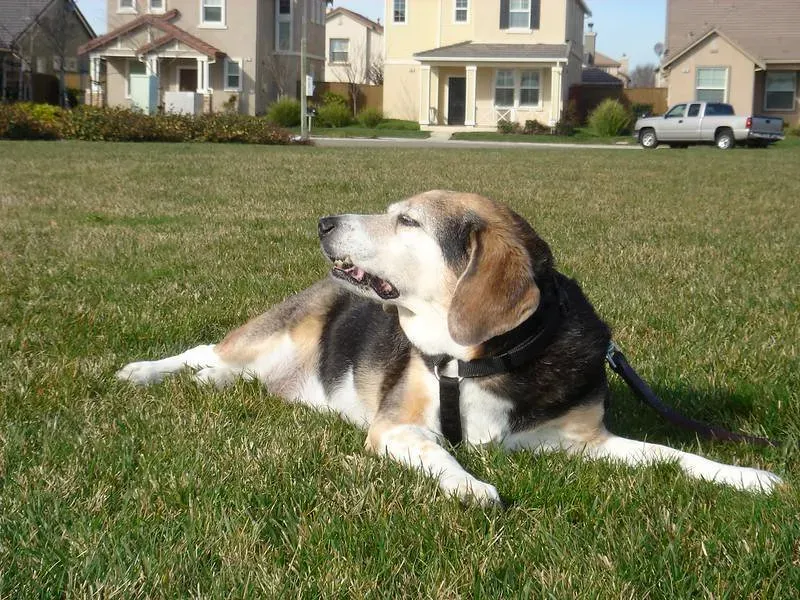
Your dog’s nose can pick up far more than just “another dog was here.” Odors carry social and emotional information: stress hormones, reproductive status, diet, health, and even some aspects of mood. When your dog sniffs the air, they may be gathering early hints of what kind of dog or person has been in that space and what state they were in.
This is one reason dogs can act wary approaching a corner or doorway, even before seeing anyone there. Airborne scent lets them “preview” social encounters, a bit like checking someone’s profile before meeting them. To us it seems like intuition or paranoia; to them it is just data. That slow, thoughtful sniffing is your dog reading between the lines of the invisible social script other animals have left behind.
The Science Under the Snout: Anatomy That Makes It Possible

All of this magic starts with nose hardware that is wildly more advanced than ours. Dogs have many times more scent receptors than humans, plus a large portion of their brain is dedicated solely to processing smell. Inside the nose, airflow is split: part goes to the lungs for breathing, and part is routed into a special olfactory region where it swirls around complex bony structures that trap odor molecules.
Even the way dogs inhale and exhale is optimized for scent mapping. When they sniff rapidly, they create turbulent airflow that pulls in new odors and pushes old ones out, allowing them to sample the air layer by layer. The slit‑like openings at the sides of their nostrils help direct exhaled air downward and outward, so it does not blow away the very scent they are trying to analyze. It is like having a built‑in lab instrument for environmental sampling, right on their face.
Why Rushing Your Dog’s Sniffing Breaks Their “Research”
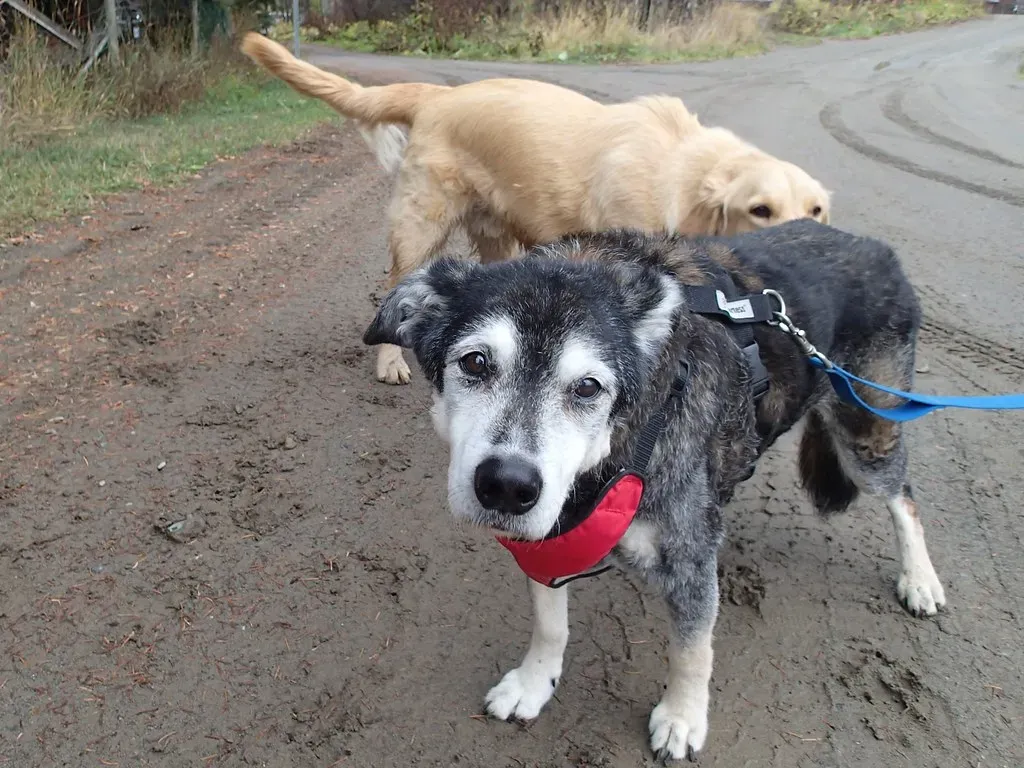
From the human side of the leash, lingering to sniff the breeze can look like stalling or distraction, especially when you are trying to get some exercise in or beat the rain. But to your dog, those pauses are not wasted time; they are information downloads. Cutting them short is a bit like yanking someone’s phone away while they are trying to read a crucial message.
In my own walks with dogs, I used to tug them along whenever they stopped to sniff yet another patch of nothing. Once I realized that they were constructing a complete mental picture of the environment, I started giving them “sniff breaks” as a deliberate part of the walk. They came home more relaxed and satisfied, the same way you feel better after catching up on your messages and news, instead of being left in the dark.
What Air Sniffing Reveals About Your Dog’s Personality and Confidence
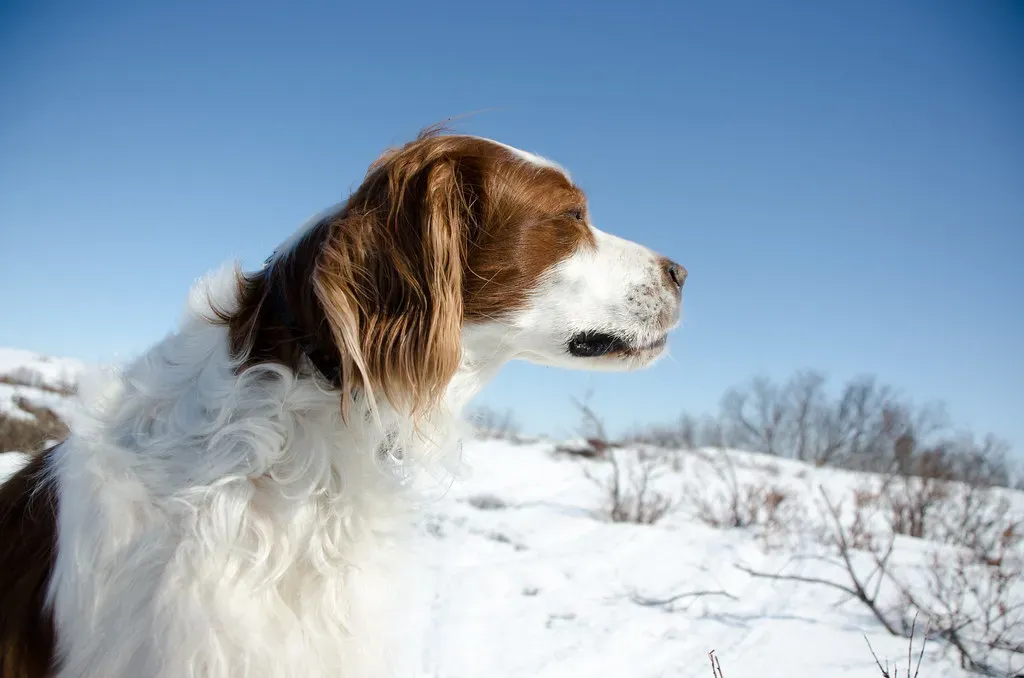
If you watch closely, you will notice that not all dogs air‑sniff in the same way. Some dogs frequently pause, nose high, methodically scanning the air before approaching new spaces. Others are more impulsive, charging ahead and only briefly sampling the breeze. Those patterns can reflect their confidence level, curiosity, and past experiences with different environments.
A cautious, thoughtful dog may rely heavily on airborne scent to feel safe, using it as an early warning system before committing to new people, dogs, or places. A bold or high‑energy dog might treat air sniffing more like casual background checking. Neither is right or wrong, but both tell you something about how that dog navigates the world. Paying attention to those quiet moments can give you insight into what your dog needs from you to feel secure.
How to Make Walks More Fulfilling by Respecting the Nose
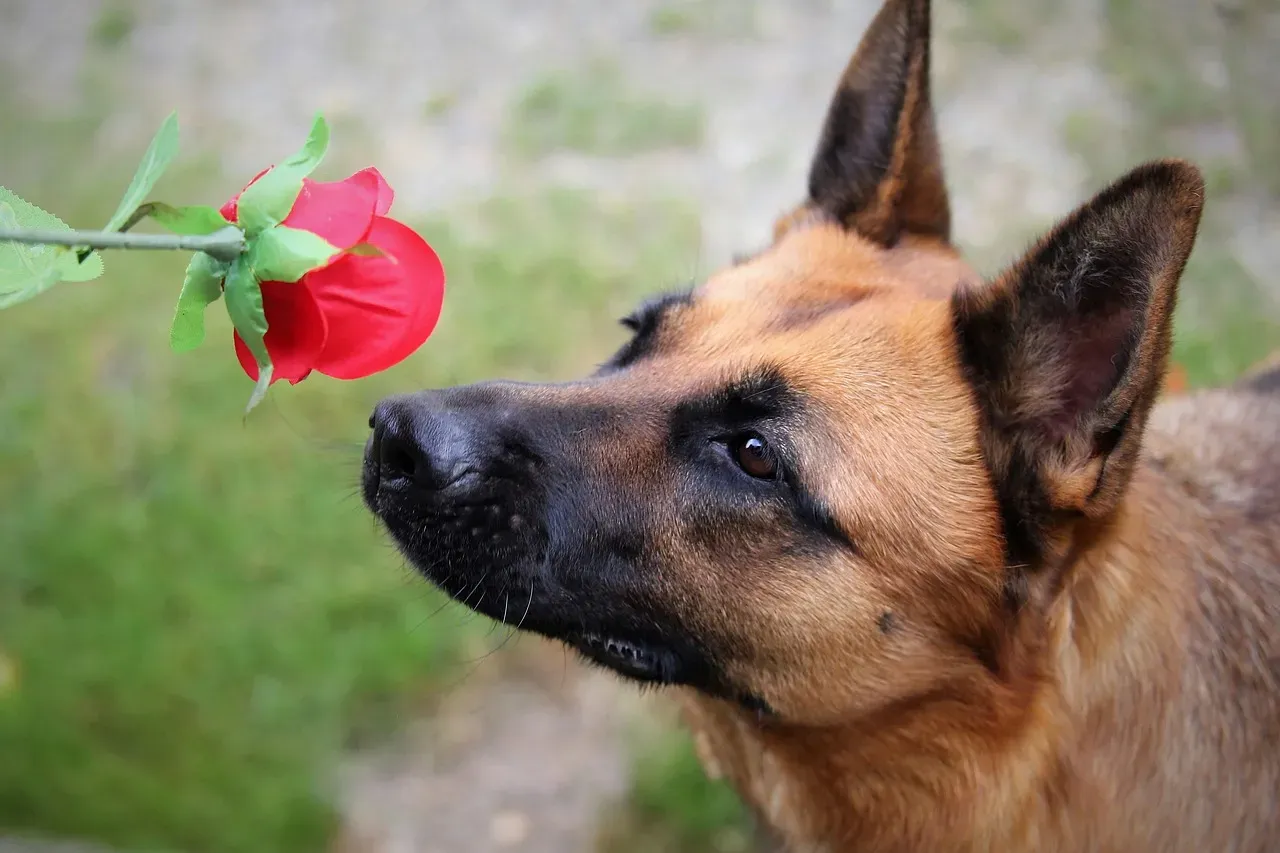
Once you understand that air sniffing is your dog’s way of building a detailed mental map, it becomes much easier to design better walks. You can alternate between “let’s move” segments where you keep a steady pace and “sniff zones” where you give your dog extra slack and time to investigate the air and ground as much as they want. This turns a basic walk into both a workout and a sensory adventure.
On days when you are short on time, you may not be able to let them sniff everything, but even one or two dedicated sniff breaks can make a big difference. Think of it as letting your dog check their email and walk the neighborhood at the same time. The physical exercise works their muscles; the airborne scent map works their brain. Dogs that get both tend to be calmer, more content, and less restless at home.
Conclusion: Let Your Dog Be the Expert
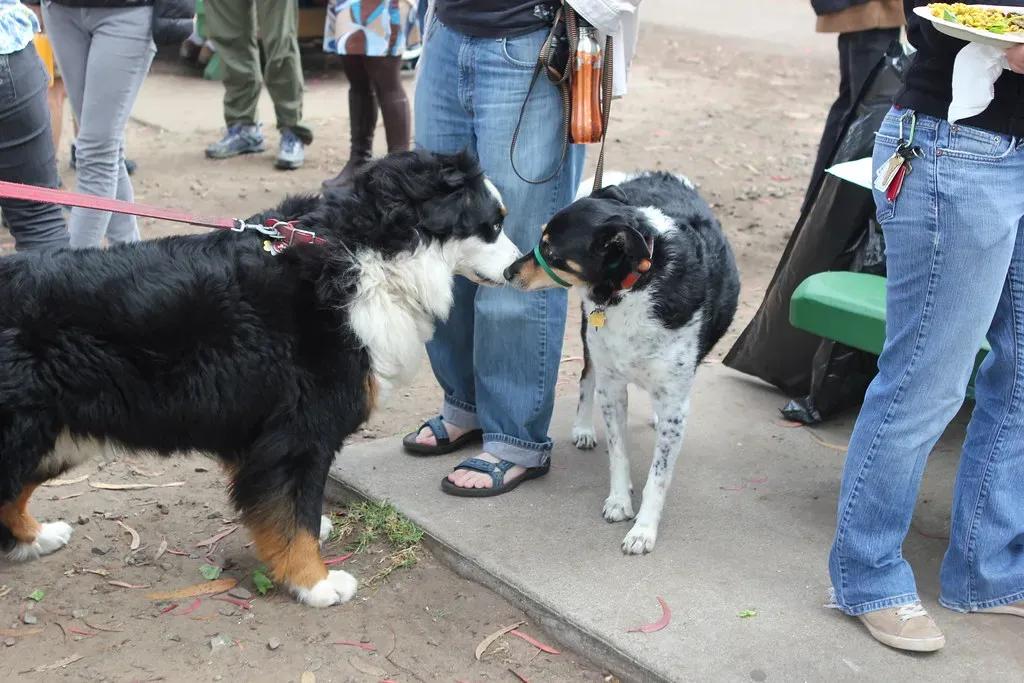
When your dog stops and lifts their nose, they are not being stubborn or slow; they are doing exactly what evolution built them to do. They are using airborne scent to assemble a layered, time‑stamped map of the world that you cannot see. Ignoring that ability or constantly interrupting it is like buying the smartest phone on the market and never turning on the data connection. It is a waste of incredible potential.
In my opinion, we underestimate dogs most not in how they feel, but in how much they know about their surroundings. Their quiet pauses are not blank moments; they are moments of deep perception. Next time you are tempted to say “come on, there is nothing there,” stop and remember that, to your dog, there is everything there. If you let them, they will show you a world drawn in scent instead of sight – doesn’t that change how you see those simple daily walks?


