
The Tail Tells More Than Its Speed
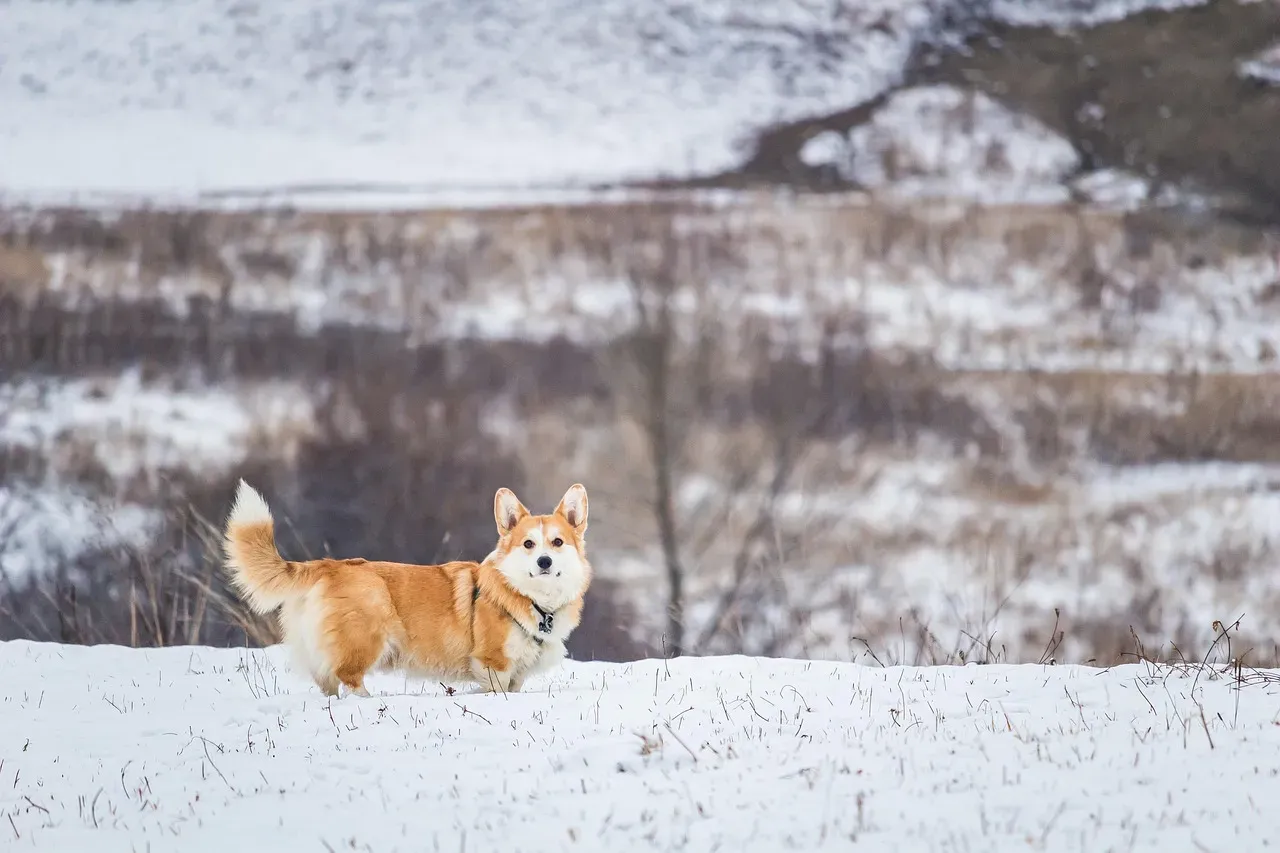
A tail that moves in a low, slow arc often signals uncertainty rather than joy. Owners tend to focus only on whether the tail is moving at all. Rescuers notice the height and the stiffness right away because those details show whether the dog feels safe or is bracing for something.
The base of the tail can also tighten against the body even while the tip wags. This mixed signal appears in the first glance and points to underlying tension. Many families miss it because they expect a single clear message from the tail alone.
Ear Position Reveals Instant Comfort Level
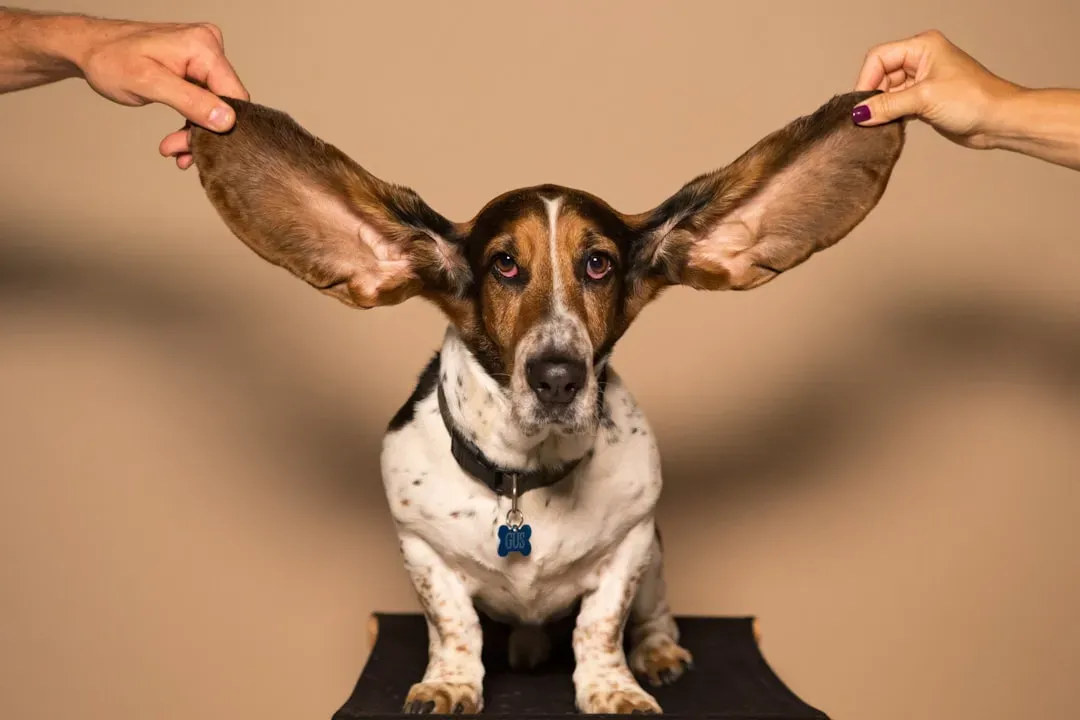
Ears pulled back flat against the head appear in seconds when a dog feels threatened or overwhelmed. Owners sometimes interpret this as the dog being calm or attentive. Rescuers recognize the position as a quick indicator that the dog would rather create distance.
Forward ears can look alert yet still carry tension if they stay rigid. The contrast between relaxed floppy ears and pinned ones shows up immediately in new surroundings. Families who see their dog daily may overlook how often the ears stay halfway back during routine interactions.
Whale Eye Signals Hidden Stress
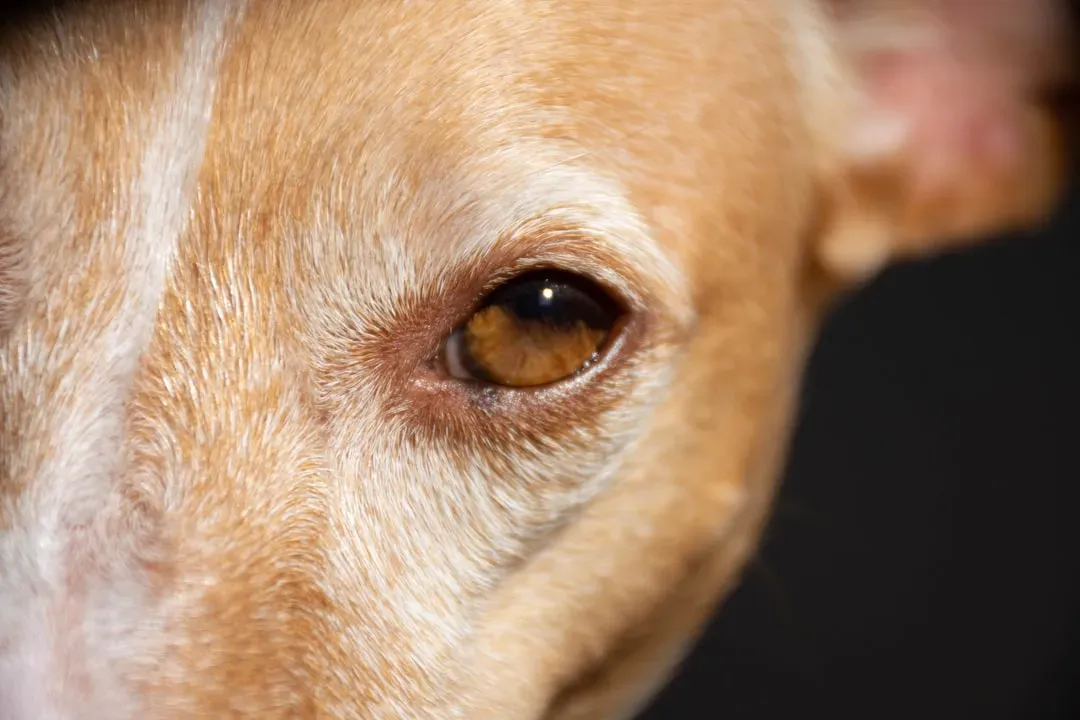
When a dog turns its head but keeps its eyes on you, the whites become visible in a crescent shape. This look surfaces fast when the dog feels cornered or unsure. Owners often read it as simple curiosity instead of a request for space.
The glance lasts only a moment yet repeats in the first ten seconds of an approach. Rescuers treat it as an early warning that the dog needs time rather than direct contact. At home the same expression can appear during greetings and go unnoticed because everyone expects the dog to be happy to see them.
Panting Without Obvious Cause
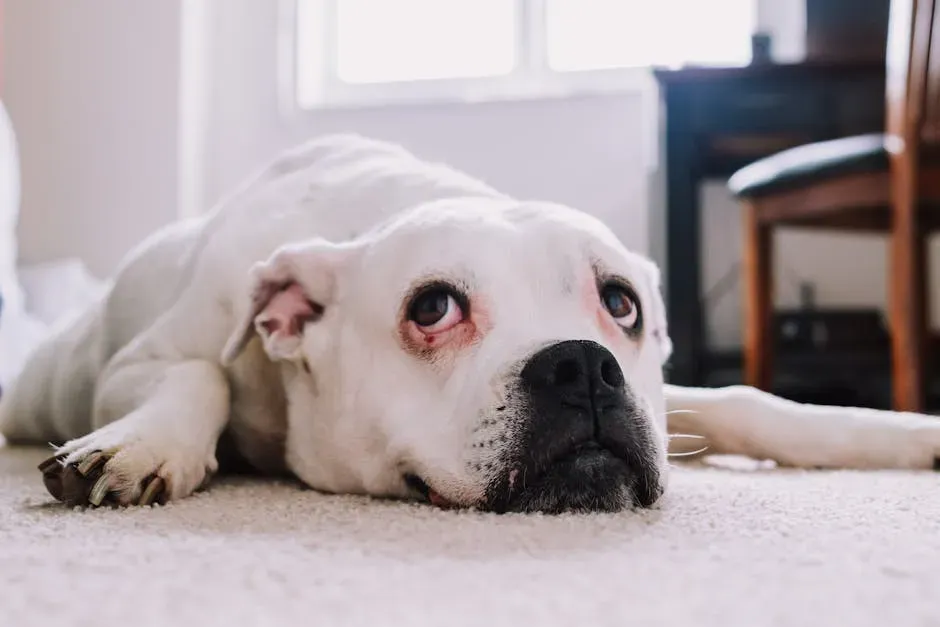
Quick shallow breaths when the room is cool and the dog has not exercised point to stress. Owners usually link panting only to heat or play. Rescuers note the pattern immediately because it often starts the moment a stranger enters or a routine changes.
The breathing can settle once the dog feels safer, which makes the initial observation easy to dismiss later. Families may assume the dog is simply excited. The rescuer sees the mismatch between the environment and the physical response right away.
Stiffness in the Body Outline
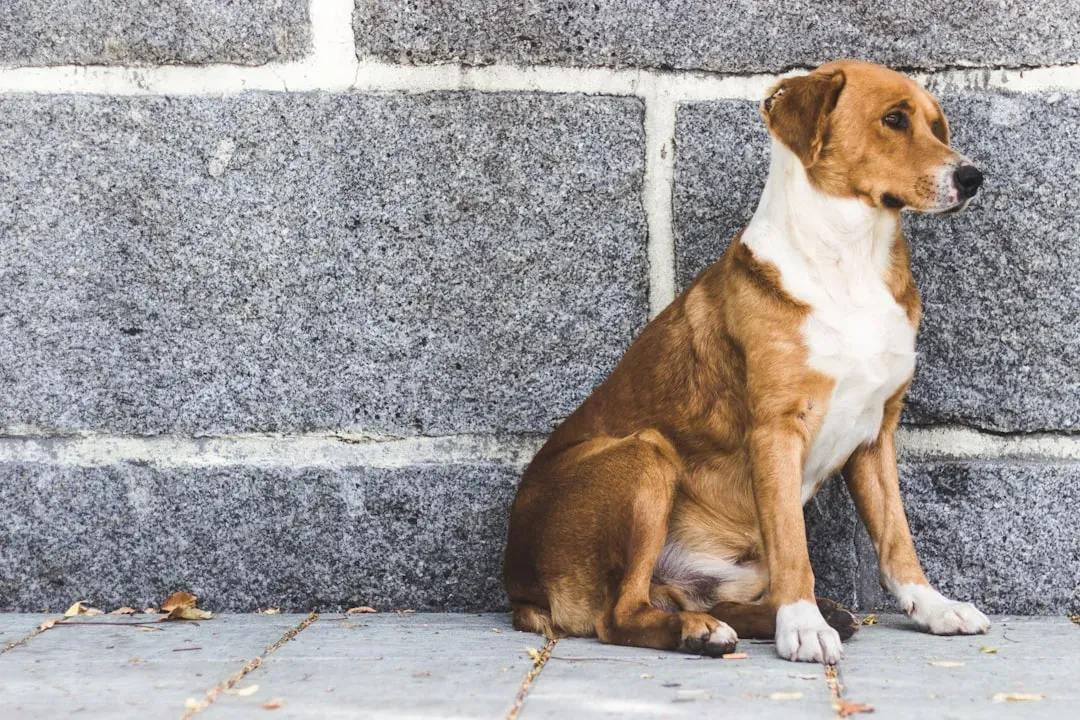
A dog that stands with legs locked and back straight shows tension before any movement begins. Owners watch for big actions like jumping or barking. Rescuers catch the frozen outline because it appears the instant the dog registers a new person or sound.
Relaxed dogs shift weight and curve their spines naturally even while standing still. The rigid version looks almost like a statue for those first seconds. Daily life at home can mask this because the family rarely sees the dog meet someone completely new.
How the Dog Uses Space
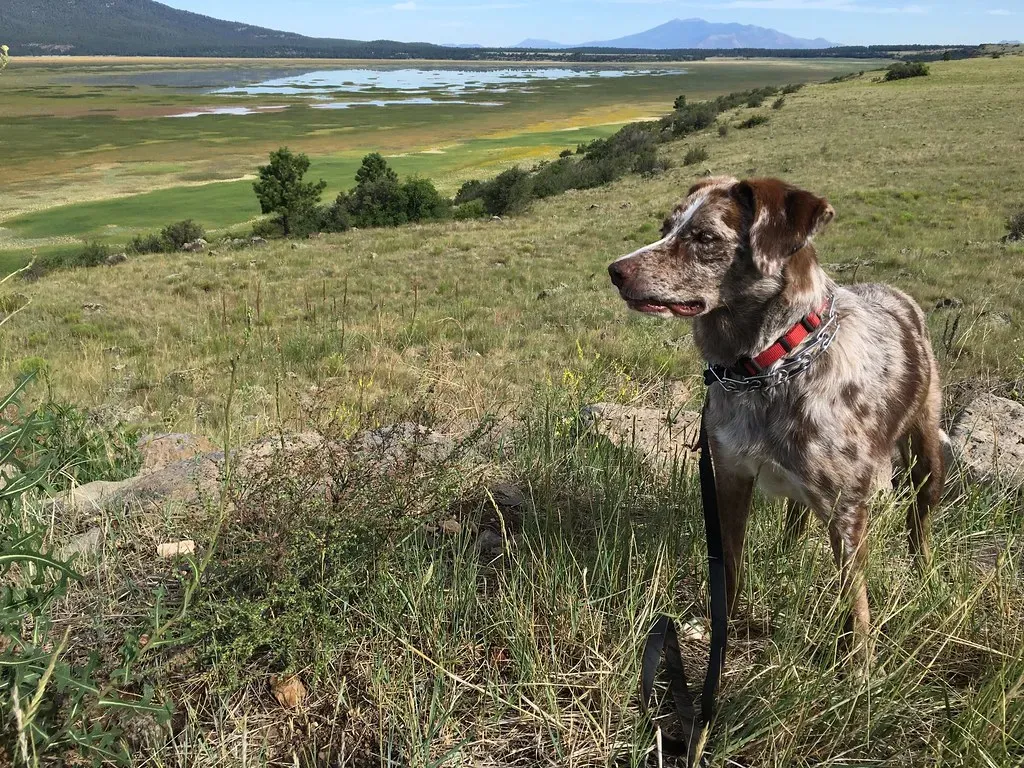
The choice to lean away or create distance happens in the opening moments of an interaction. Owners focus on whether the dog comes closer. Rescuers watch the small steps backward or the slight turn of the shoulder because those moves show the dog is managing its own comfort.
Some dogs circle once and then settle at a measured distance. That quick decision reveals more than later behavior once everyone has relaxed. Families may interpret any movement as friendliness and miss the careful calculation the dog makes right at the start.
Coat and Skin Changes at a Glance
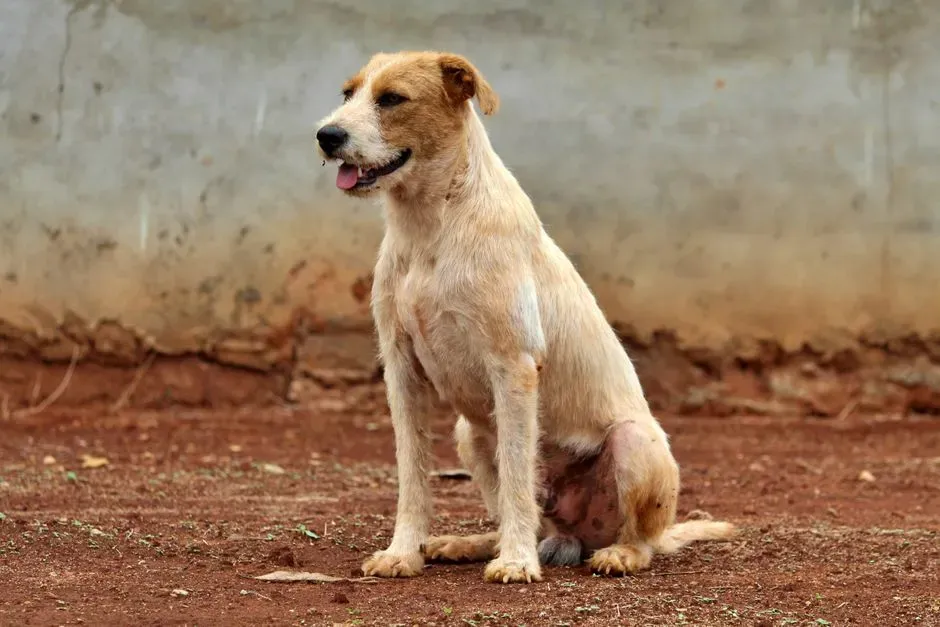
Fluffed fur along the neck or spine can appear instantly when a dog feels uneasy. Owners notice major shedding or obvious wounds but overlook the quick piloerection. Rescuers register the raised hair because it signals arousal before the dog moves or vocalizes.
Skin redness around the belly or inner legs sometimes shows during that first assessment too. The change stands out against the dog’s normal coloring in good light. Daily routines at home rarely include the kind of close, neutral observation that highlights these small shifts right away. A dog rescuer’s quick read comes from seeing hundreds of animals in transition. Owners live inside the daily rhythm and can miss the same signals because they blend into the background. Paying attention to those first seconds gives any household a clearer picture of what their dog actually needs in the moment.


