
The Foundations of Canine Attachment
Dogs form bonds with humans much like young children do with caregivers. They seek comfort, show distress when separated, and use their person as a safe base for exploration. These patterns emerge early and help explain why some dogs seem glued to their owners while others keep a polite distance.
Attachment theory, originally developed for human infants, applies surprisingly well here. Researchers adapt tools like the Strange Situation Test to observe how dogs react to strangers and reunions with their people. The results reveal clear individual differences that often trace back to the first weeks of life.
Early Life Experiences Shape Bonds
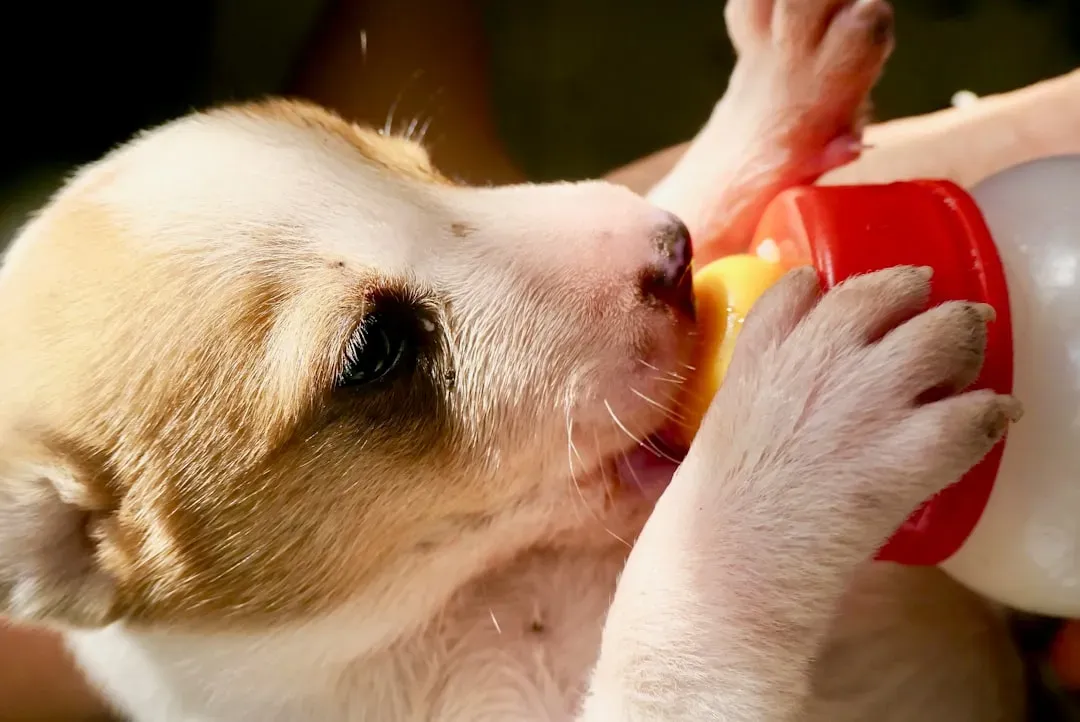
The first eight weeks set the stage for how a puppy learns to trust. Normal nursing provides warmth, scent, and rhythmic contact that bottle feeding cannot fully replicate. Puppies raised without their mother may miss subtle cues that build a sense of security.
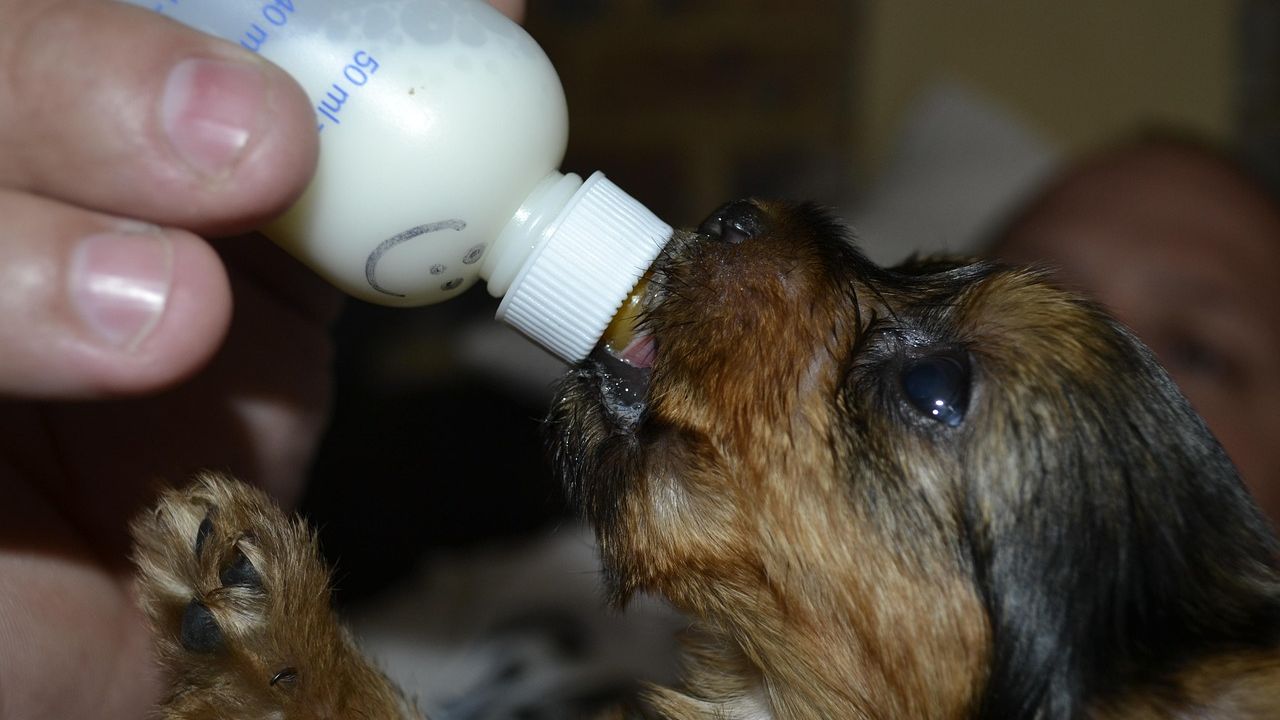
Hand rearing often involves bottle feeding, which changes the daily rhythm of interaction. Caregivers must step in with extra handling and feeding sessions. This intensive human contact can create a stronger initial pull toward people, yet it sometimes lacks the layered social learning that littermates provide.
Bottle Feeding and Its Unique Influence
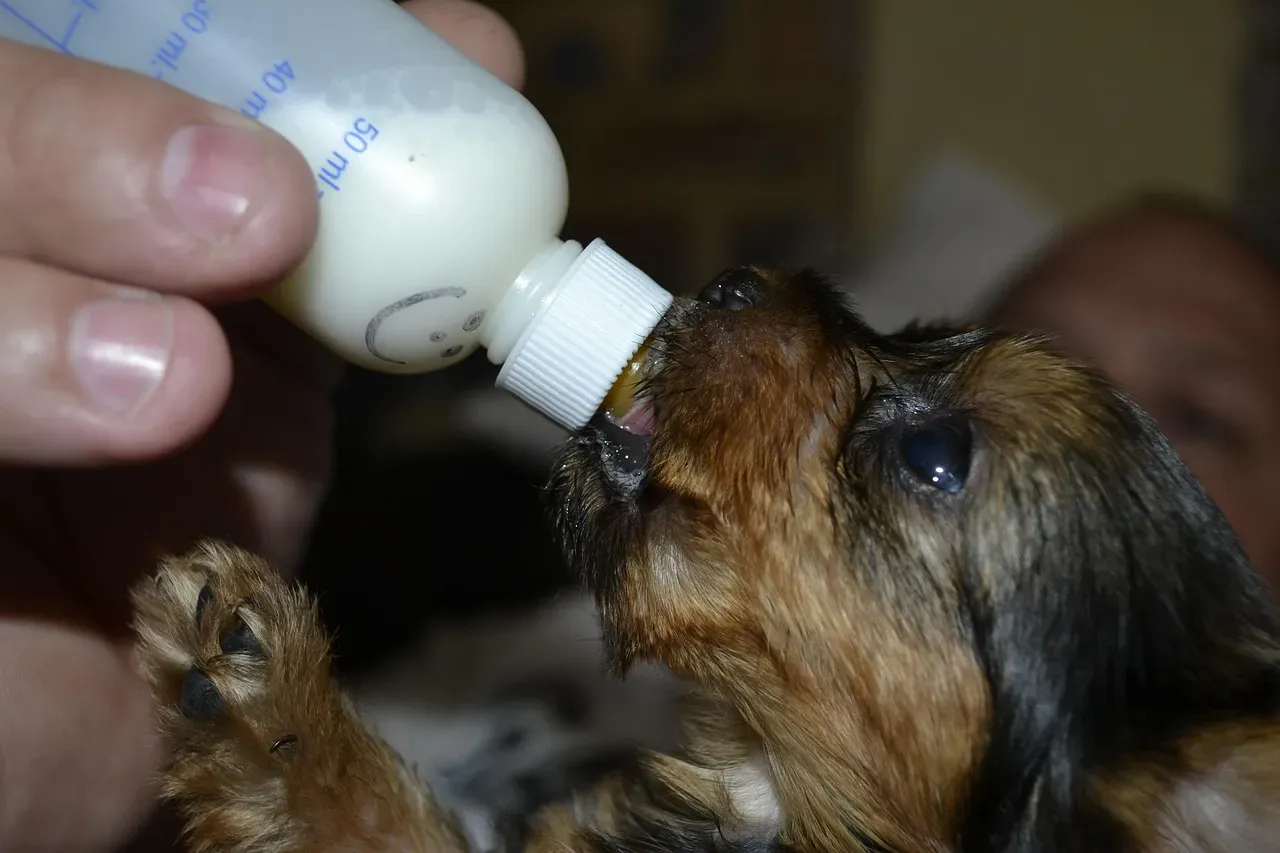
Bottle fed puppies receive nutrition on a human schedule rather than on demand from a mother dog. The feeding experience becomes tied directly to human presence and handling. Over time this association may deepen the sense that people are the primary source of comfort and safety.
Some observations suggest these dogs display heightened proximity seeking as adults. They might follow owners more closely or show stronger reactions to separation. The difference appears rooted in how early dependency gets channeled through human caretakers instead of canine ones.
Evidence from Attachment Research
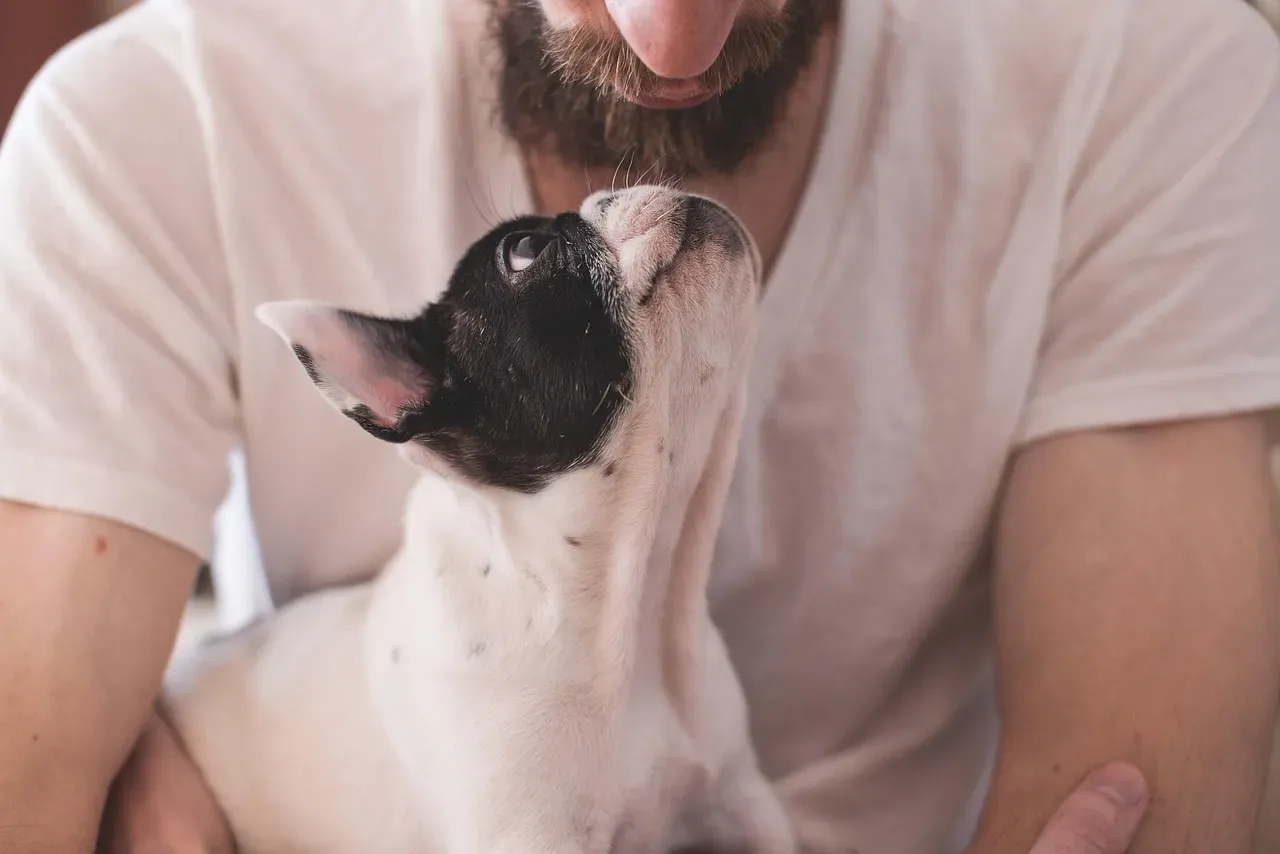
Studies comparing hand reared and mother raised puppies find broadly similar attachment behaviors by sixteen weeks. Yet subtle variations persist, especially in how quickly dogs settle after stress. Hand reared dogs sometimes show more intense greeting rituals upon reunion.
Longer term tracking remains limited, but patterns hint at lasting effects. Dogs with early bottle feeding histories can form secure bonds, though the quality of those bonds may lean more heavily on human cues. Continued research explores whether these differences hold across breeds and living situations.
Behavioral Differences Observed in Adulthood
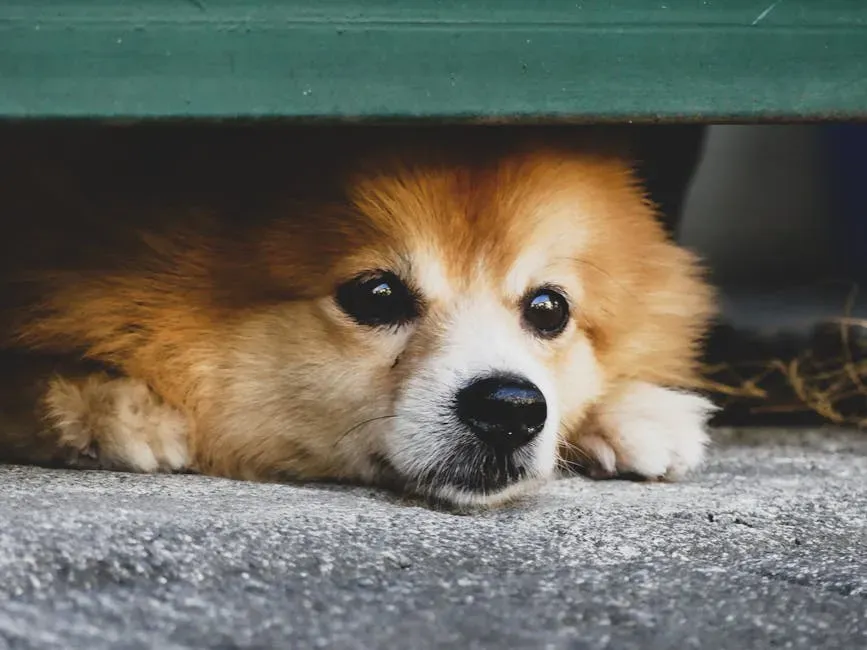
Adult dogs that started life on bottles often display a distinctive mix of affection and vigilance. They may greet visitors with extra enthusiasm or check in more frequently during walks. These traits reflect an attachment style tuned to human signals from the very beginning.
At the same time, some show heightened sensitivity to changes in routine. A shift in the owner’s schedule can trigger more noticeable anxiety than in dogs raised with their litter. Owners frequently notice these dogs prefer close physical contact during rest or play.
What This Means for Rescue and Adoption
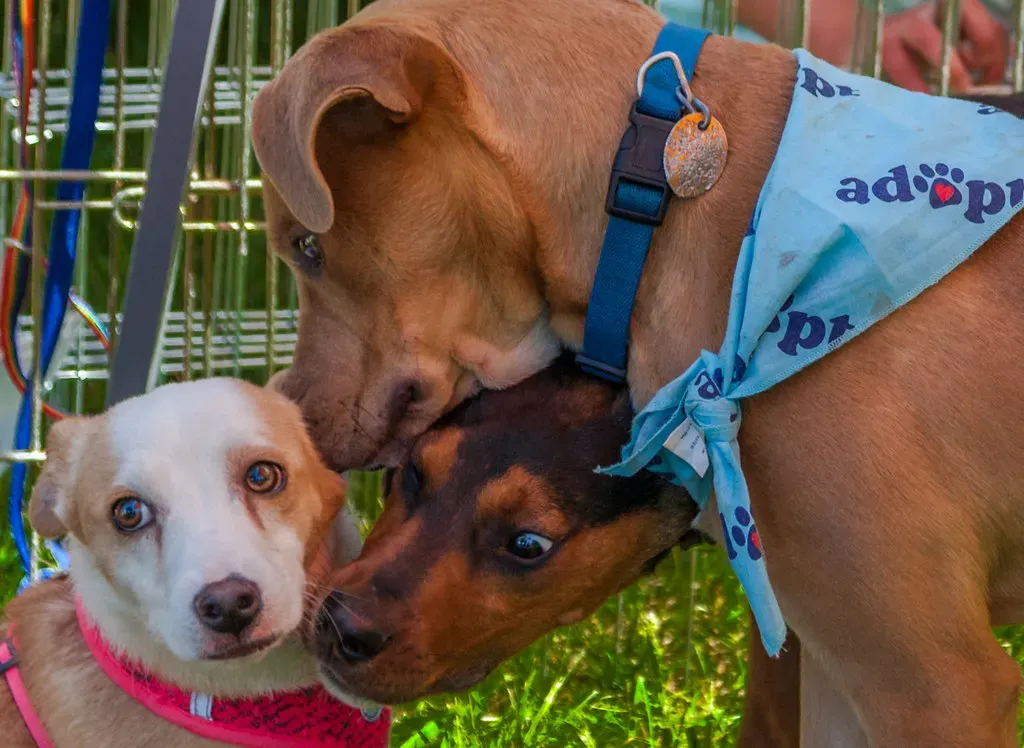
Many rescue dogs arrive with unknown early histories that may include bottle feeding. Understanding possible attachment differences helps new owners set realistic expectations. Extra patience during the adjustment period often pays off with deeper loyalty over time.
Adopters can support these dogs by maintaining consistent routines and offering gentle reassurance. Training that builds confidence through positive experiences strengthens the bond further. Recognizing the puppyhood influence allows for more tailored care that respects the dog’s unique starting point.
Nurturing Attachment Throughout a Dog’s Life
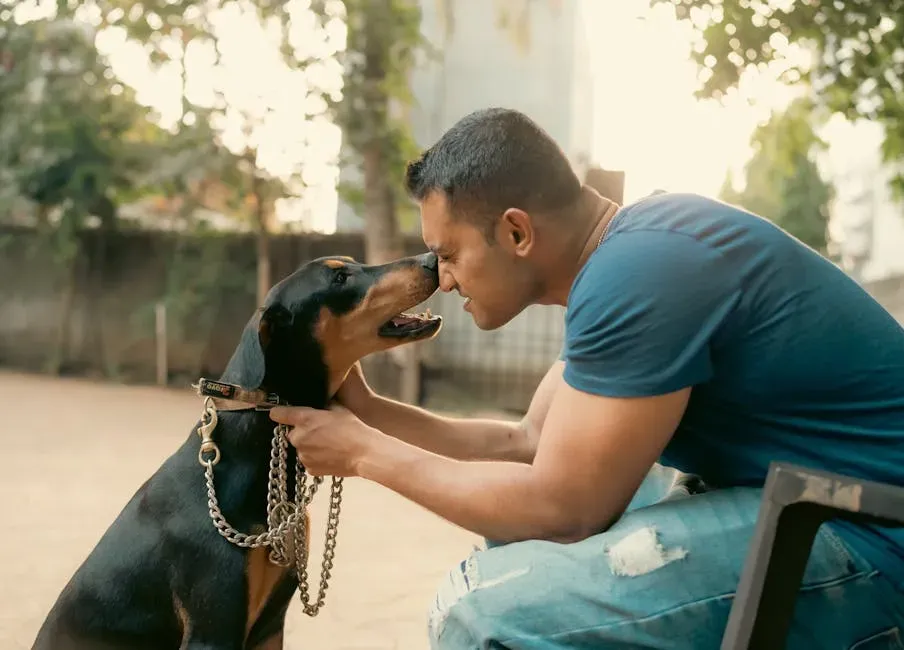
Even if early bottle feeding creates a distinct attachment style, later experiences continue to shape it. Daily walks, play sessions, and calm presence all reinforce security. Dogs remain responsive to consistent, kind handling well into their senior years.
Owners who stay attuned to subtle signals of comfort or stress help their dogs thrive. Simple adjustments like extra greeting time after absences or quiet companionship during storms make a real difference. The bond evolves, yet the early foundation stays part of the story.
The idea that bottle feeding leaves a permanent imprint invites us to look more closely at how we raise puppies. It reminds us that small choices in those first weeks ripple outward, shaping the quiet ways dogs choose to stay close for the rest of their lives.


