
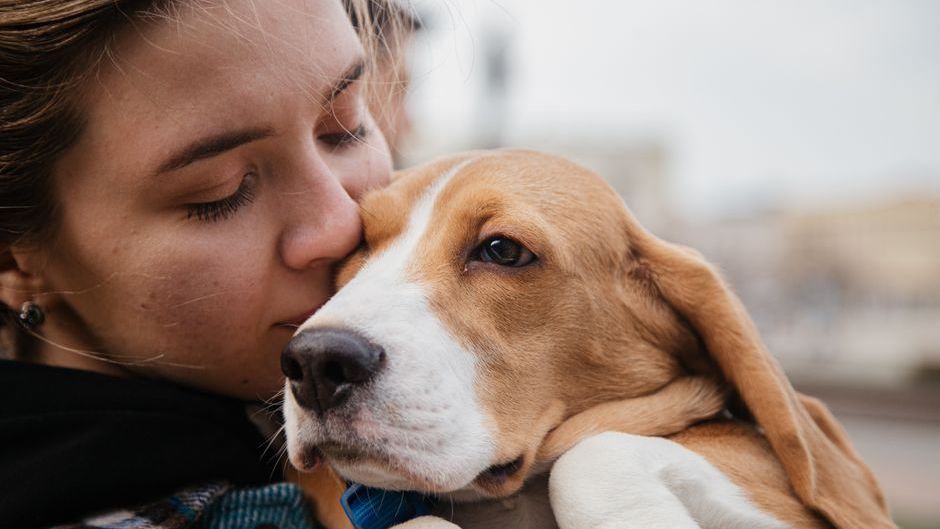
Most people have noticed their dog lingering nearby during a tough moment, offering a quiet nudge or steady gaze when tears start to flow. It raises a natural question about whether those instances leave a deeper mark than we realize.
The connection between humans and dogs often feels intuitive, yet the way emotions travel across that bond continues to surprise even longtime owners. What unfolds in those quiet exchanges might shape more than just the immediate comfort.
Dogs Pick Up on Human Sadness in Subtle Ways

Dogs rely on a mix of vocal tones, facial cues, and body language to read what their people are feeling. When crying begins, many dogs shift their posture or move closer without any prompting from the person involved.
This sensitivity appears early in their development and grows stronger through daily life together. Owners often report that their dogs react differently to genuine distress compared with everyday sounds or neutral conversations.
Studies Show Clear Responses to Crying Sounds
Research has documented dogs approaching a crying person more readily than someone who is humming or speaking normally. The behavior holds whether the distressed individual is their owner or a stranger in the room.
Physiological measures add another layer, with some dogs showing elevated stress hormones after hearing recordings of human crying. These patterns suggest the response goes beyond simple curiosity and into a form of shared emotional state.
Emotional Contagion Plays a Role in Their Reactions
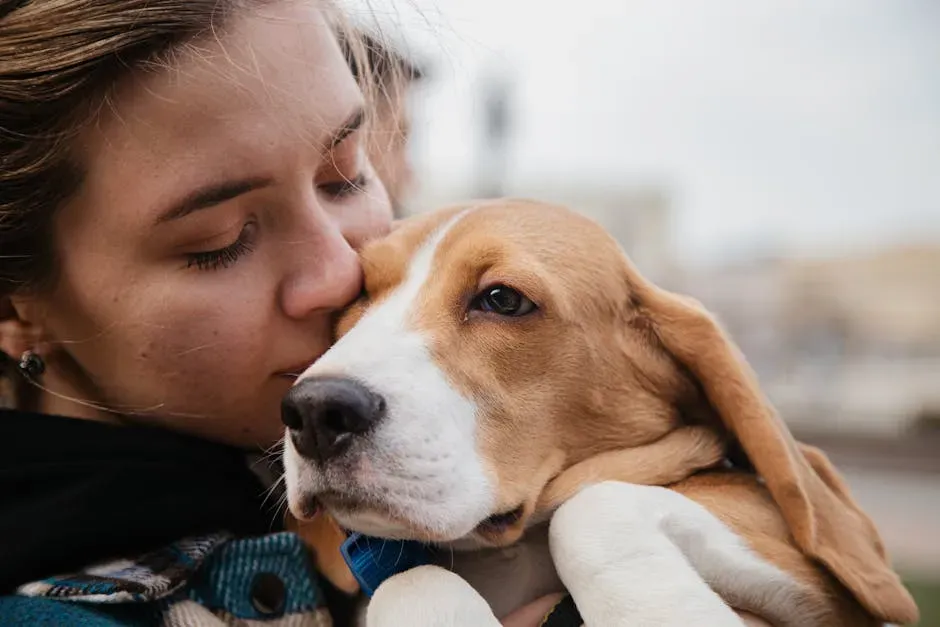
Dogs sometimes mirror the low energy or subdued mood that accompanies human tears. They may rest their head nearby or offer gentle contact as if trying to ease the tension they sense.
This kind of emotional transfer happens across species and seems tied to the long history of dogs living closely with people. Over time, the pattern reinforces itself through repeated exposure in the home environment.
Associations Form Over Repeated Interactions
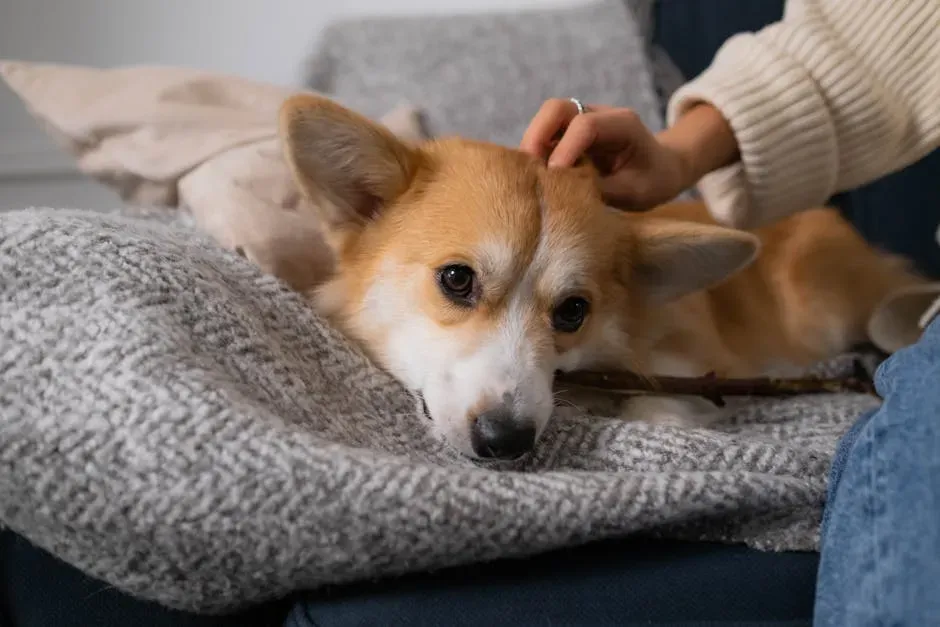
Each instance of comfort during distress can create a link in the dog’s mind between the sound of crying and the need to stay close. Familiar routines around those moments help solidify the connection.
Dogs with strong daily bonds tend to show more consistent attention when their person is upset. The history of shared experiences appears to guide how quickly and reliably they respond in future situations.
The Bond Strengthens Through Vulnerability

Allowing a dog to witness quiet moments of sadness can deepen the trust that already exists between the two. The animal learns that its presence matters during times when words fall short.
Owners who notice these patterns often describe a quieter, more attuned relationship that carries into ordinary days as well. The memory of past comfort seems to influence how the dog approaches both good and difficult times ahead.
Individual Differences in How Dogs Handle Emotions

Not every dog reacts the same way, and breed tendencies, age, and personal history all play a part in the response. Some dogs become more attentive over the years while others remain steady but less demonstrative.
Early socialization and the quality of daily interactions also shape how readily a dog connects human tears with its own urge to offer support. These variations remind us that each relationship develops its own rhythm.
What This Means for Everyday Life With Your Pet

Recognizing that dogs carry impressions of emotional moments encourages more mindful interactions during both calm and difficult periods. Small gestures of presence can reinforce the sense of security that grows between you.
In the end, the real value lies in the steady companionship that forms when both sides show up for each other without conditions. Those quiet memories become part of the simple, lasting story you share.


