
People often picture adoption returns as a last resort born from frustration or lack of commitment. Yet conversations with veterinarians paint a more layered picture, one where the choice sometimes stems from careful thought about what truly serves the dog best.
This perspective shifts the narrative away from judgment and toward understanding the real pressures families face when bringing home a new pet.
Common Situations That Lead to Returns
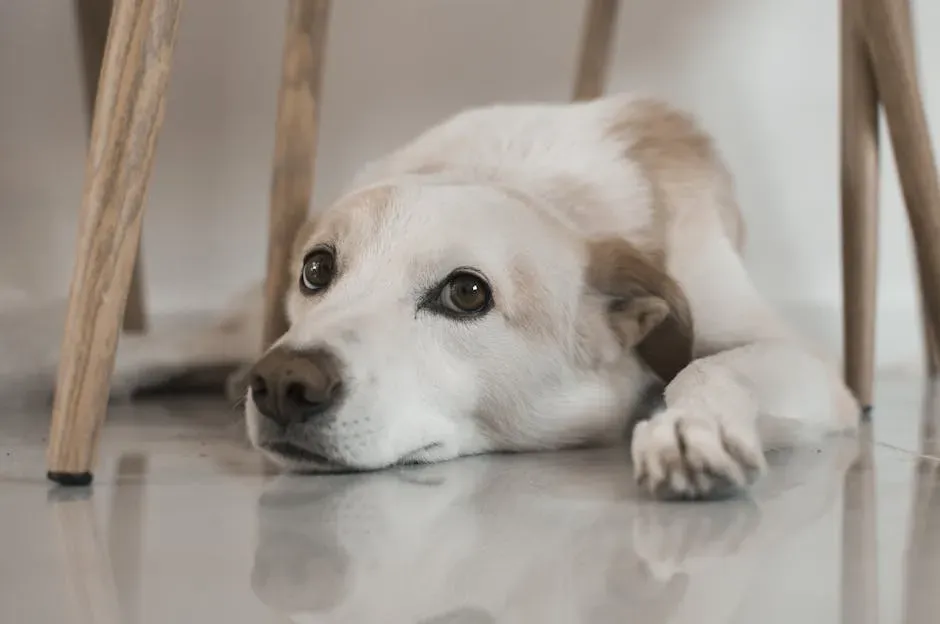
Life changes can arrive without warning and suddenly alter what a household can manage. A new job with longer hours, a move to a smaller apartment, or an unexpected health issue in the family often forces people to reassess their ability to provide consistent care.
Behavioral challenges also surface after the initial excitement fades. Some dogs struggle with separation anxiety or reactivity that requires more time and expertise than the adopter anticipated, turning daily routines into sources of stress rather than joy.
Recognizing When a Match Isn’t Working
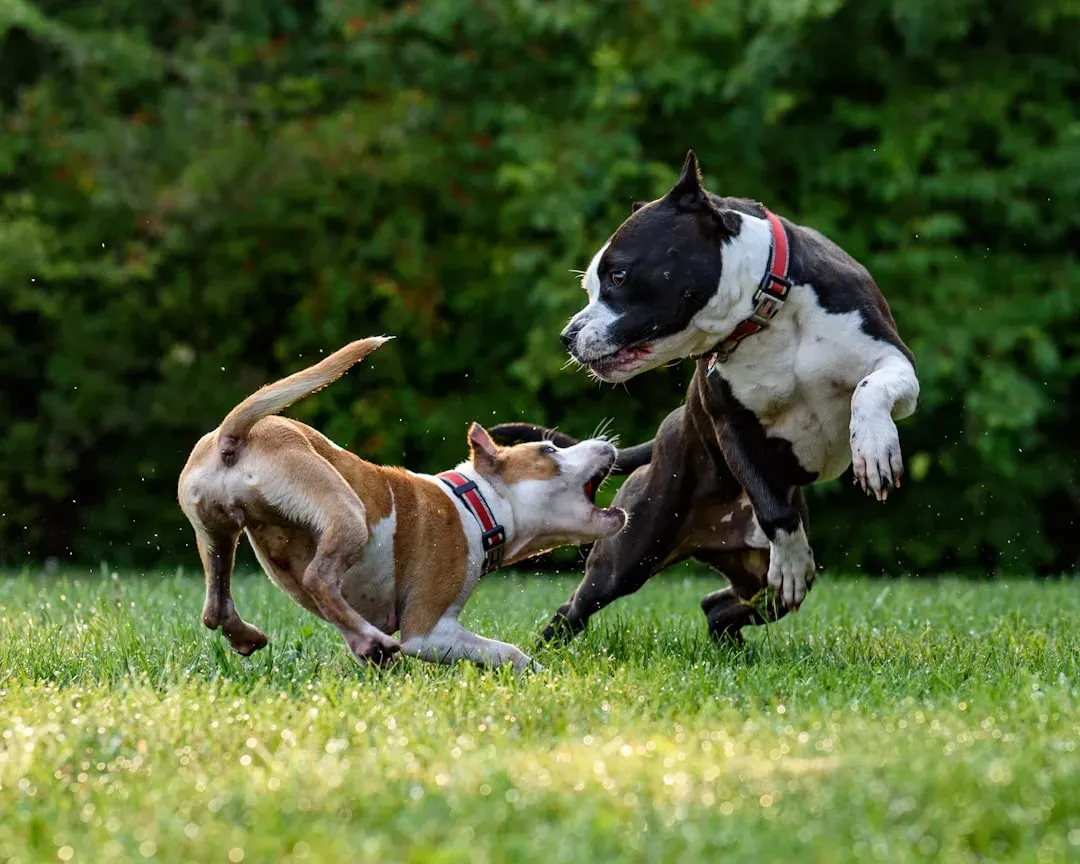
Early signs of incompatibility deserve attention rather than dismissal. Persistent barking that disturbs neighbors, destructive chewing that damages property, or ongoing conflicts with other pets in the home can indicate deeper mismatches that training alone may not resolve quickly.
Veterinarians note that forcing the situation rarely benefits anyone involved. Honest evaluation of the dog’s needs against the home’s capacity helps prevent prolonged unhappiness for both the animal and the people trying to care for it.
The Role of Professional Advice from Vets
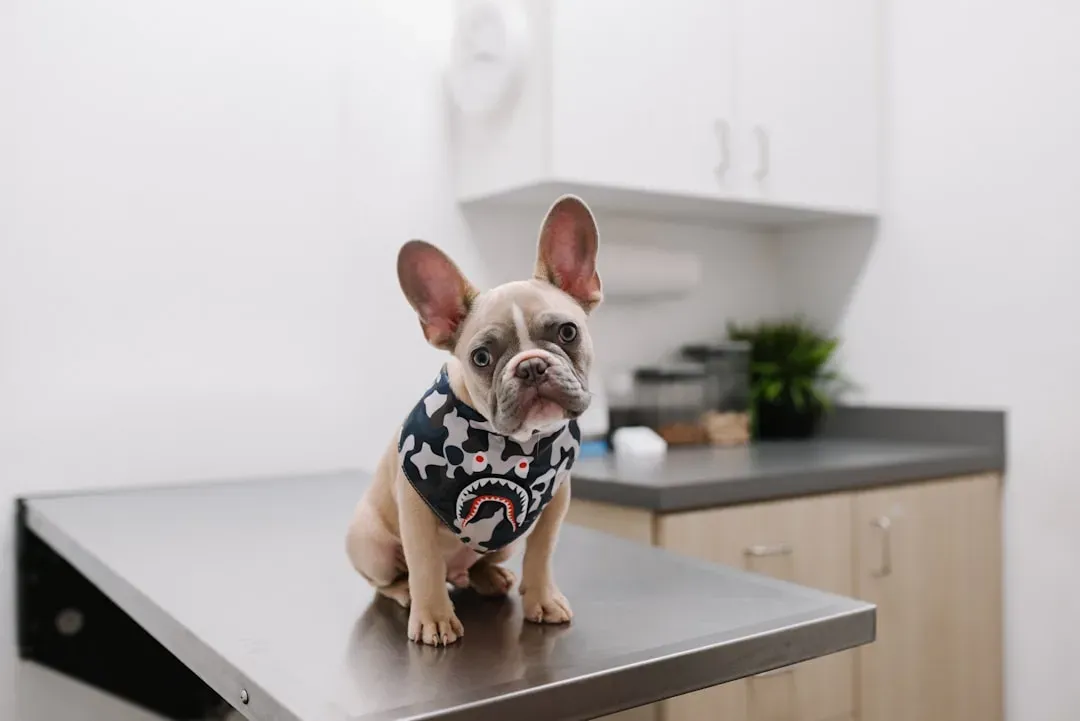
Veterinary professionals frequently counsel adopters before any final decision is made. They assess medical factors, suggest behavior resources, and help weigh whether adjustments at home could improve the situation or whether a different environment would serve the dog better.
This guidance comes from years of seeing outcomes across many cases. Vets emphasize that timely intervention often leads to better placements rather than repeated cycles of struggle and disappointment.
Prioritizing the Dog’s Long Term Well Being
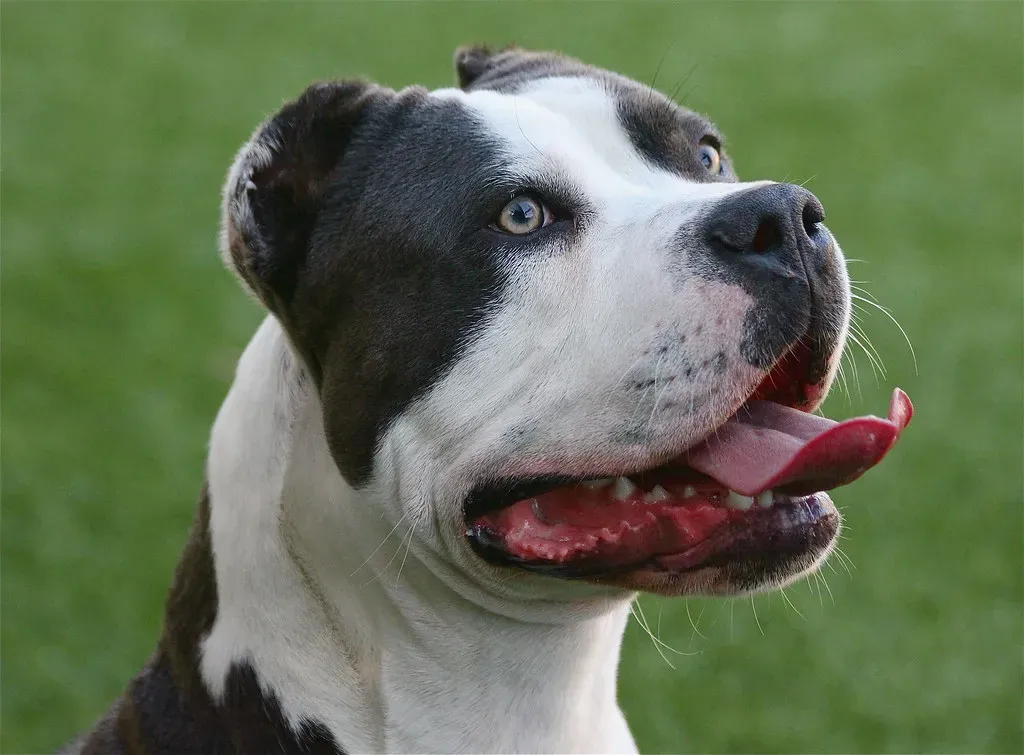
A return can open the door to a more suitable home where the dog receives the exercise, training, or companionship it needs. Shelters and rescues often have networks that match animals with experienced handlers who understand specific temperaments.
Staying in an ill fitting situation risks ongoing anxiety or health decline for the dog. Thoughtful returns allow the animal a fresh start instead of lingering in an environment that cannot meet its requirements.
Emotional Challenges Faced by Returning Families
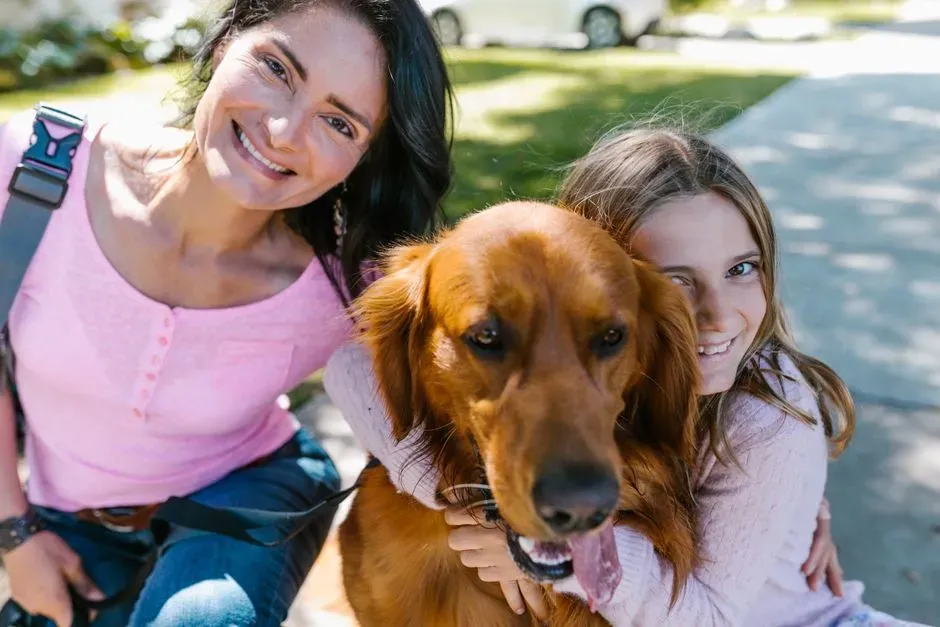
The decision carries real weight for the people involved. Guilt, sadness, and second guessing are common even when the choice feels necessary, and many adopters spend weeks or months reflecting on what went wrong.
Support from rescue organizations and veterinary teams can ease some of that burden. Follow up conversations help families process the experience and sometimes prepare them for future adoptions with clearer expectations.
Resources That Can Help Prevent Returns
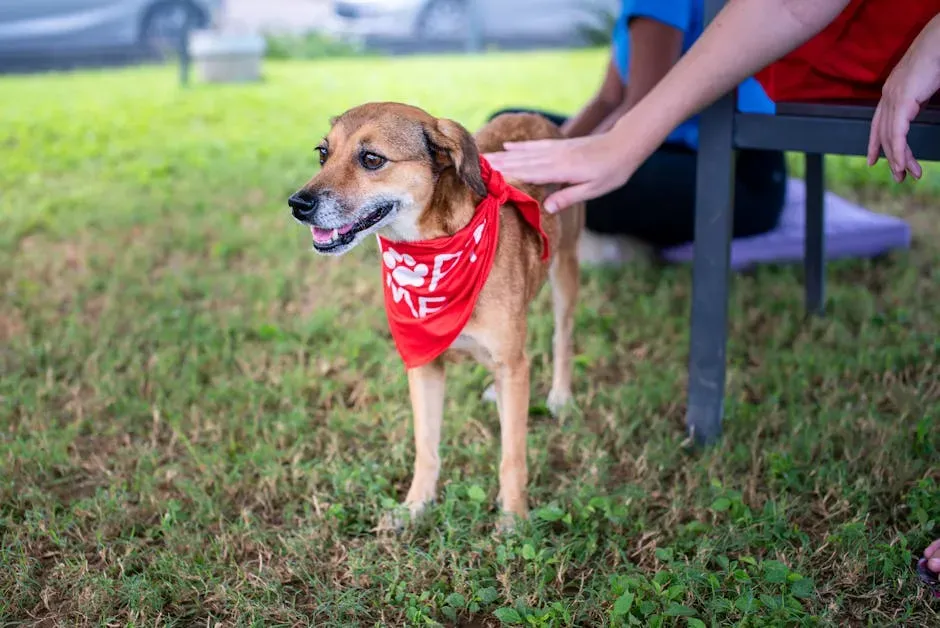
Pre adoption counseling and trial periods give everyone a chance to test compatibility. Many shelters now offer training classes, behavior hotlines, and temporary foster options that address issues before they become overwhelming.
Community networks also play a part. Local trainers, online forums for specific breeds, and veterinary behaviorists provide practical tools that strengthen the bond between dog and owner when challenges arise early on.
Reframing Return as an Act of Responsibility
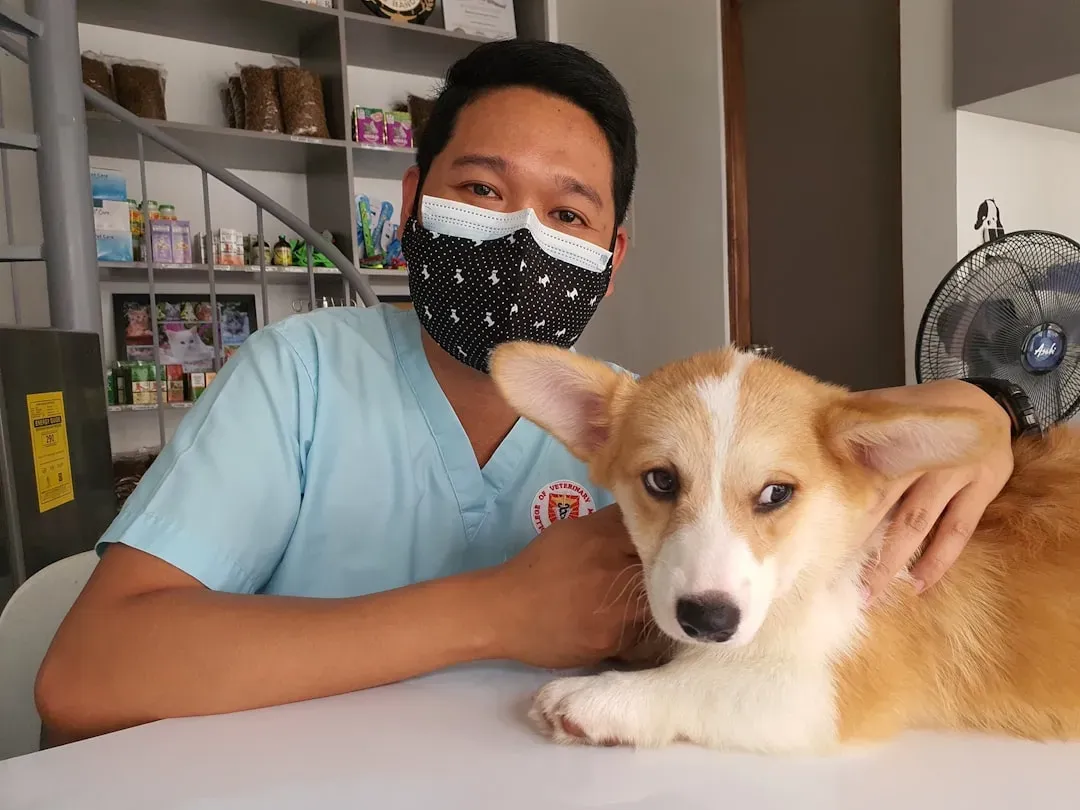
Veterinarians often describe returns as evidence of accountability rather than failure. Choosing to place a dog where its needs can be met demonstrates awareness of limits and a commitment to the animal’s quality of life over personal pride.
This view encourages more open conversations about adoption realities. It reduces stigma and helps future adopters feel supported when they encounter unexpected hurdles instead of hiding struggles until problems escalate.
Ultimately the measure of a good adopter lies in the willingness to do what serves the dog, even when that path feels painful. Returns handled with care and honesty reflect the same compassion that motivated the original adoption in the first place.


