
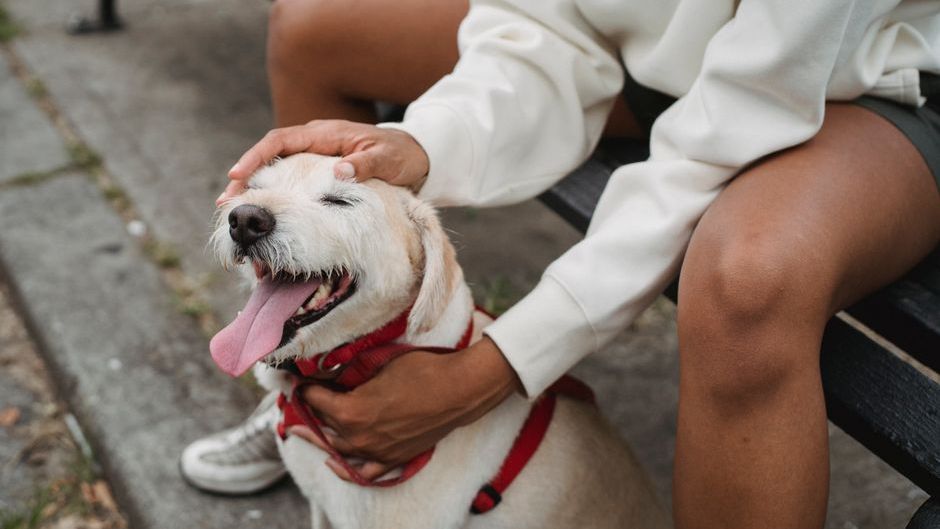
There’s a moment that stops every dog owner cold. Your senior dog is standing in a familiar room, looking slightly lost, and for a split second you wonder – does he still know me? It’s one of the quietest fears of loving an ageing dog, and it deserves an honest answer.
Here’s what actually happens: while a dog’s eyesight dims and joints stiffen, the neural pathways connecting them to you – your scent, your voice, your rhythm – prove far more durable than most people expect. These aren’t sentimental guesses. They show up in behavior, day after day, in ways you may already be witnessing without realizing what they mean. All 14 of them are coming, and a few will genuinely surprise you.
#14 – Their Nose Still Locks Onto Your Unique Scent Profile
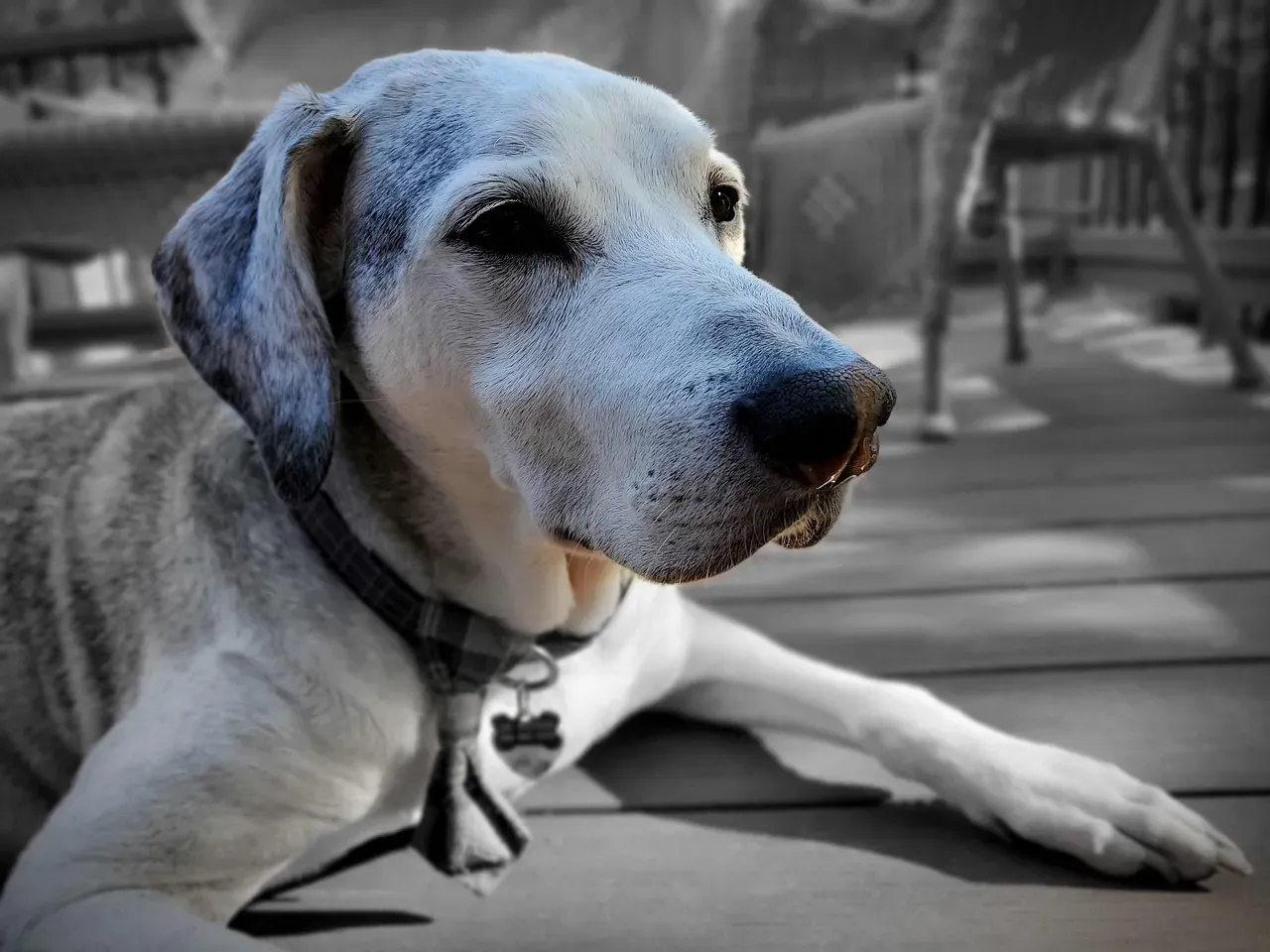
Of all a dog’s senses, smell is the last to surrender to age – and it’s also the most deeply personal. When you walk through the door, your senior dog isn’t just detecting “a human.” They’re reading a scent signature as distinct as a fingerprint, one they’ve spent years memorizing down to its emotional meaning.
What makes this remarkable is the wiring involved. The olfactory bulb connects directly to the brain’s emotional memory centers, meaning your scent doesn’t just register – it feels like something. You’ll notice it in how long an old dog lingers at your shoes or jacket, or the way they press their nose into your sleeve with a kind of quiet certainty. Even on days when they seem foggy about everything else, that moment of recognition is still there.
Fast Facts
- Dogs possess up to 300 million scent receptors – compared to roughly 5 to 6 million in humans.
- The olfactory bulb in a dog’s brain is proportionally about 40 times larger than in a human brain.
- The olfactory bulb connects directly to the amygdala, the brain’s emotional processing center, meaning scent triggers feeling, not just recognition.
- Dogs can recall a person’s unique scent even after years apart – each person is filed by a distinct chemical composition of sweat, skin oils, diet, and hormones.
- When a dog inhales, air splits into two streams: one for breathing, one dedicated entirely to scent analysis.
#13 – Your Voice Alone Cuts Through the Noise
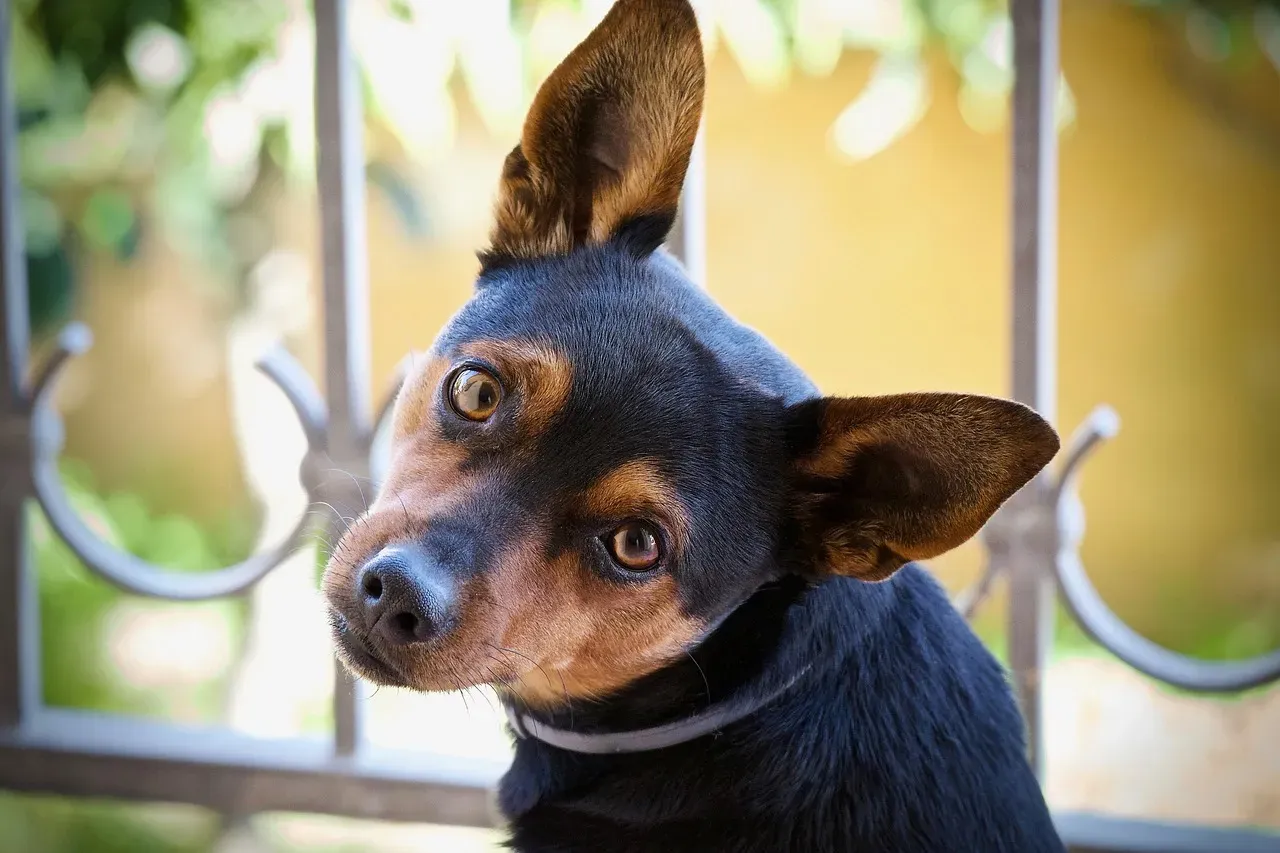
Senior dogs frequently seem to tune out the world – the TV, the doorbell, even their name called by someone unfamiliar. But your specific tone and cadence? That still lands. Watch an old dog in a drowsy, half-checked-out state the next time you speak directly to them. The ear swivel happens. The posture shifts. No one else in the room gets the same response with the same words.
This isn’t selective hearing in the frustrating sense – it’s selective meaning. Years of pairing your voice with safety, walks, meals, and comfort have carved a groove in their emotional memory that age doesn’t easily erase. Research using fMRI imaging on dogs has shown stronger reward-center activation for an owner’s voice compared to strangers – and even compared to food cues in highly bonded animals. Your voice is, to them, the sound of being okay.
#12 – They Seek Out Your Personal Items for Comfort
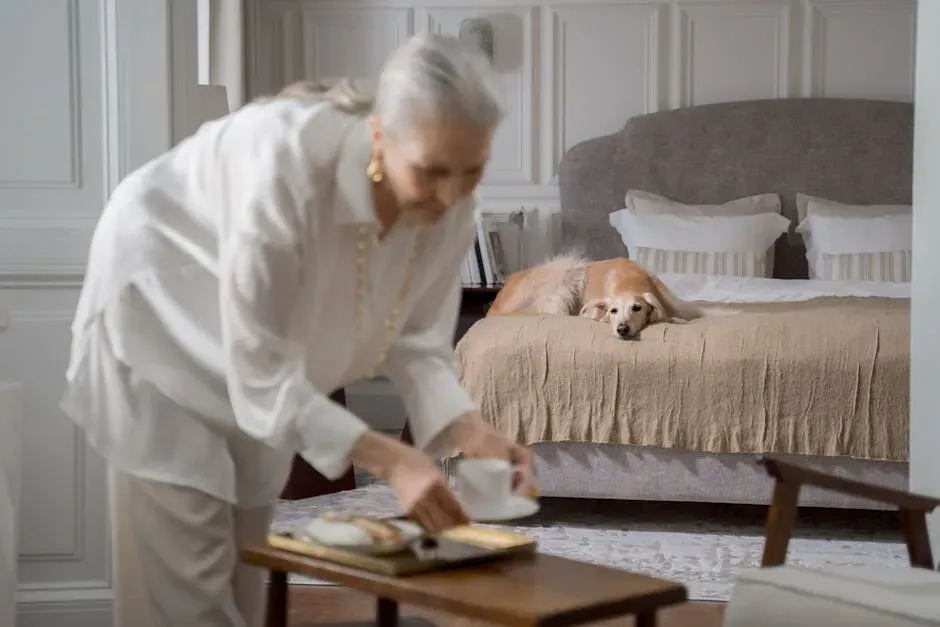
An ageing dog wandering the house at 2 a.m. might look aimless, but pay attention to where they end up. It’s rarely a random soft surface. It’s your side of the bed, the chair you always use, the hoodie you left on the couch. That destination isn’t accidental – it’s a search for the closest thing to your presence when you’re not physically there.
This targeted behavior directly contradicts the idea that senior dogs lose all spatial and associative memory. They remember where your scent is strongest and they go there deliberately. It’s a coping mechanism, yes – but it’s also proof of something deeper. They still know the difference between your things and everyone else’s, and they’ve already decided which ones matter.
#11 – Eye Contact Lingers Longer With You Than With Anyone Else
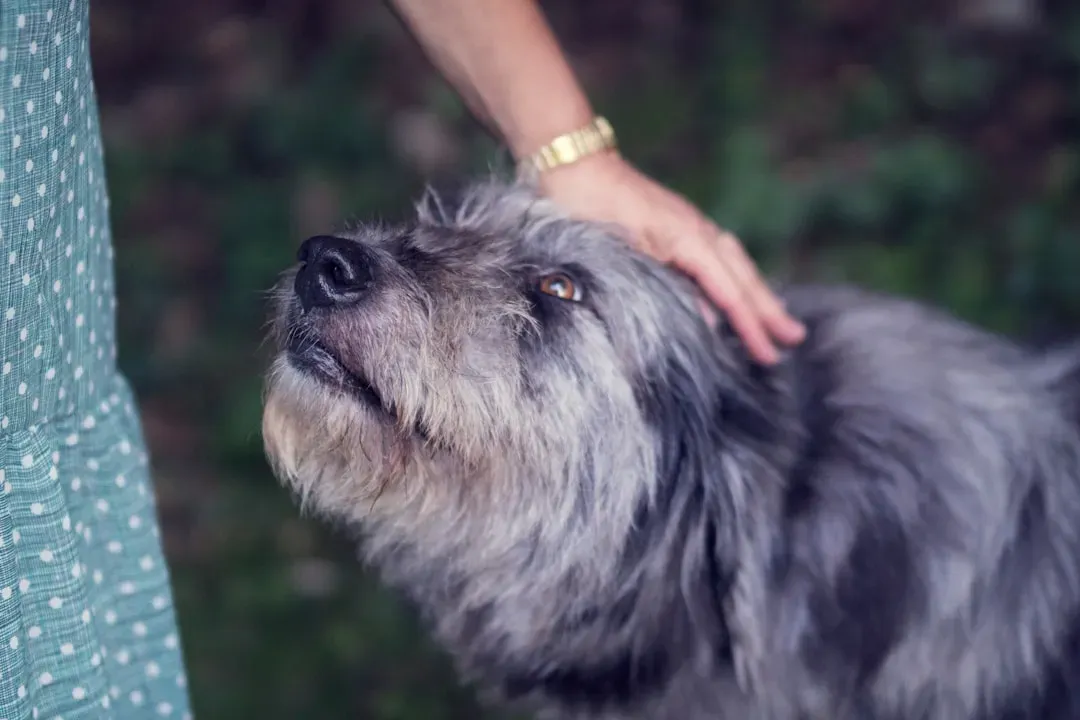
A dog’s vision fades with age – cataracts cloud, contrast dims, peripheral sharpness drops. And yet many senior dogs still seek out prolonged, soft eye contact with their long-term person in a way they simply don’t with anyone else in the household. It’s not a stare. It’s the canine equivalent of sitting quietly with someone you completely trust.
What’s happening beneath the surface is that emotional recognition doesn’t require perfect eyesight. Your face, your posture, your micro-expressions have been stored and cross-referenced with scent and voice across thousands of interactions. By the time a dog is old, looking at you isn’t really about seeing clearly – it’s about feeling certain. That certainty shows up in the quality of that gaze, unhurried and completely still.
Worth Knowing
- Research from Azabu University in Japan found that mutual eye gazing between dogs and their owners triggers oxytocin spikes in both species – the same bonding hormone active in parent-infant bonds.
- The longer the mutual gaze, the greater the oxytocin increase in both dog and owner.
- This oxytocin response was specific to dogs and their known owners – it did not occur between wolves and their handlers.
- Dogs and owners with stronger bonds showed more dramatic hormone increases during gazing, suggesting the effect deepens over years of shared life.
#10 – Their Greeting Ritual Stays Distinctly Yours
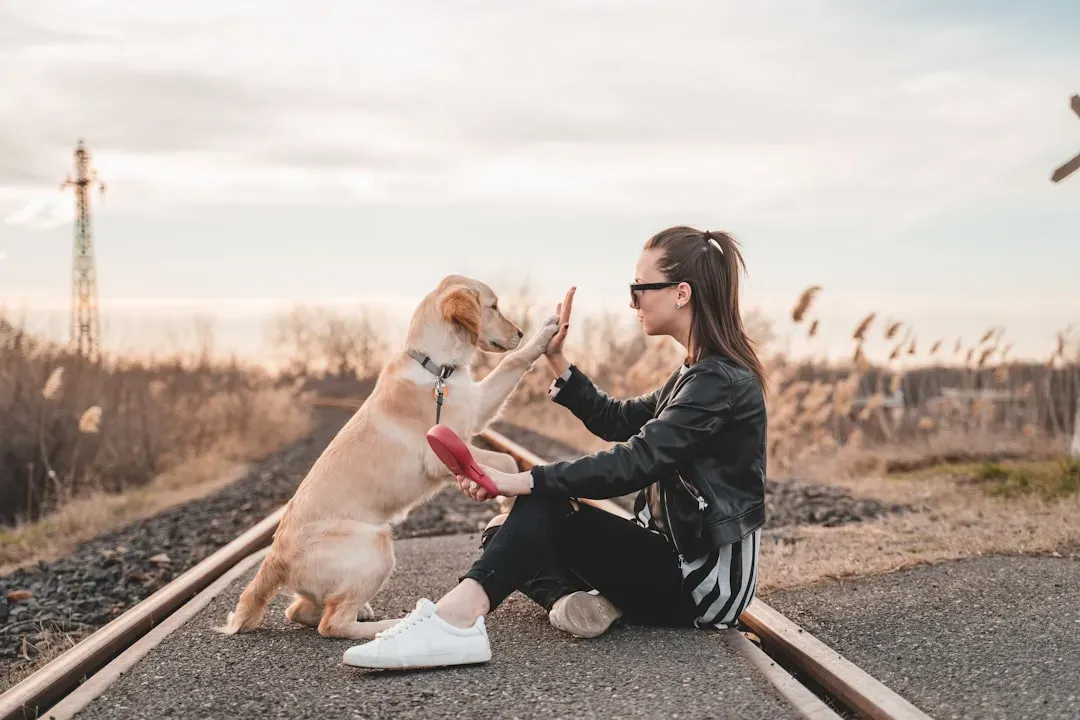
It might be slower now. The leap is gone, replaced by a careful tail wag and a body lean. But watch what happens when you come home versus when anyone else walks through the door. The sequence is different – specific to you – and it has been for years. That ritualized greeting is essentially a behavioral signature your dog developed just for you.
Other people in the house might get a glance, maybe a tail movement. You get the full production, even at age 13. The dog isn’t performing – they’re responding to an internal category that hasn’t shifted: primary person, highest attachment, most significant arrival. Age slows the execution but doesn’t rewrite the script.
#9 – They Anticipate Your Specific Daily Patterns

You haven’t said a word, you haven’t picked up your keys – but your senior dog is already at the door, or has already moved to the spot where you’ll sit. They’ve read something in your routine so precisely that their body moves before you do. This kind of anticipatory behavior requires preserved memory of habits that are personal to you, not just general household rhythms.
Many owners assume time-based memory is the first thing to go in an ageing dog. But the evidence in front of them tells a different story. A dog that consistently positions itself for your arrival within a narrow time window, or migrates to your usual spot before you head that direction, is demonstrating recall that is both functional and specific. They haven’t forgotten your patterns. They’ve internalized them.
#8 – Physical Touch Responses Stay Owner-Specific
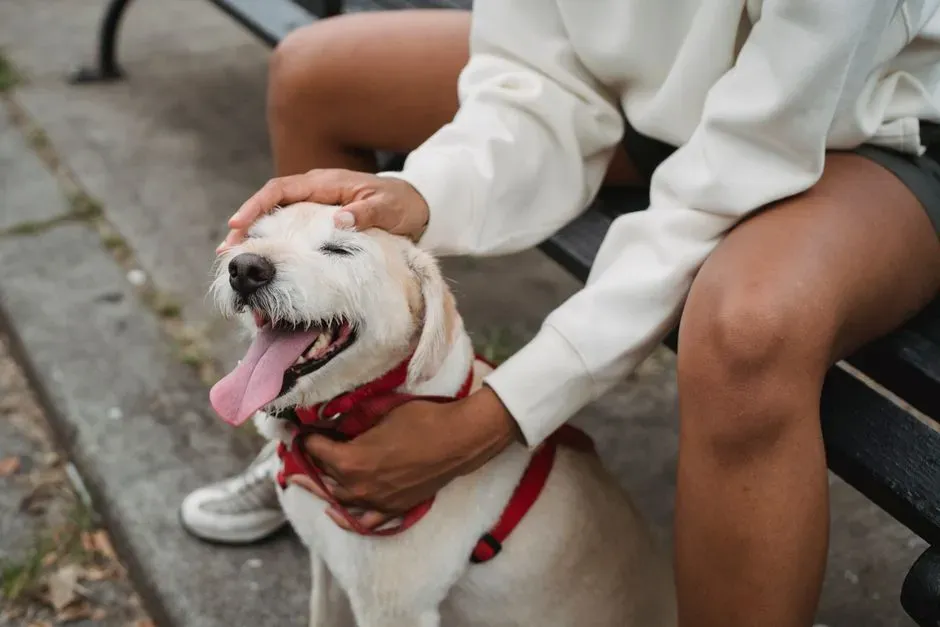
Older dogs can become genuinely touch-sensitive – arthritis, nerve changes, and general discomfort make some dogs flinch or stiffen when handled. But many of those same dogs will lean into their person’s hand with complete relaxation for the exact same gesture. The body knows who’s touching it, and it responds accordingly.
This distinction matters because it rules out the idea that the dog is simply tolerating anyone gentle. It isn’t about technique. A visitor using the same slow, careful stroke may still get a guarded response while you get a melting sigh and closed eyes. That difference is recognition made physical – the nervous system registering “safe” before the conscious mind has even processed the interaction.
#7 – They Calm Down or Alert Specifically Around You
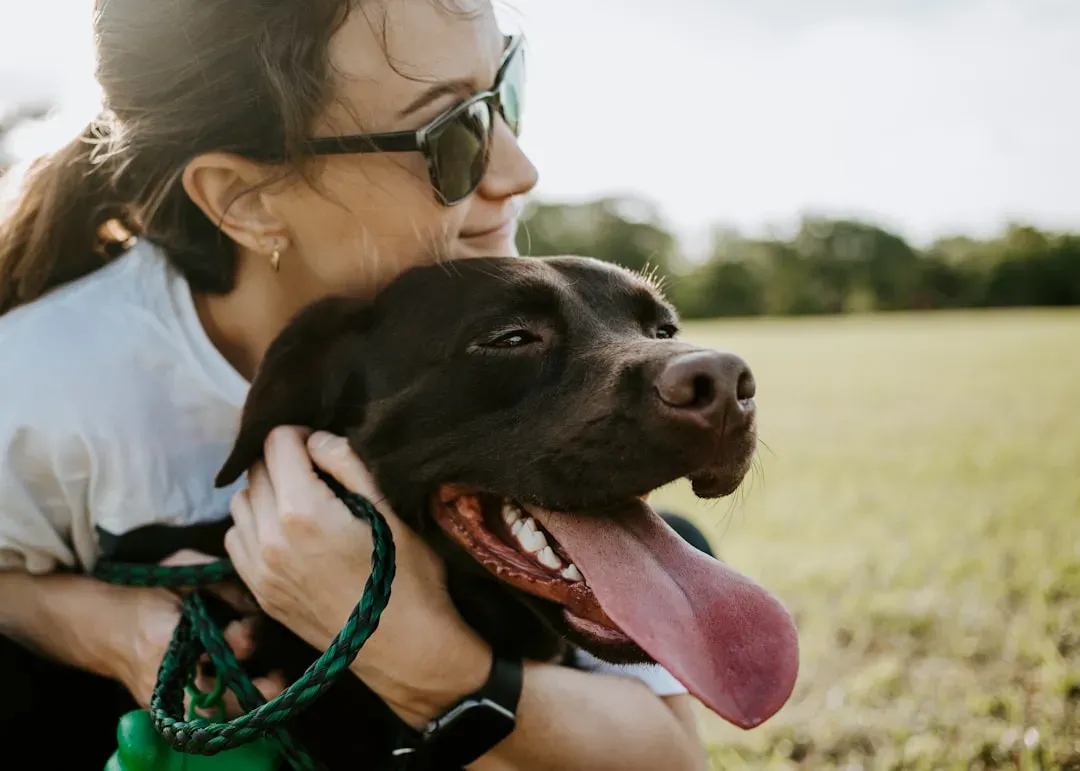
A thunderstorm rolls in and your senior dog, who normally paces and pants, finds you and settles. Not a family member in the next room – you, specifically. Or the reverse: a noise outside triggers barking that drops the moment you appear and say nothing more than their name. The regulation is tied to your presence in a way that doesn’t transfer to other people in the home.
This isn’t generic anxiety relief. Dogs in multi-person households make clear distinctions about who provides genuine safety – and for most bonded dogs, that person is singular. The fact that an ageing dog still makes that distinction clearly, still searches for that specific person during distress, is one of the quieter and more moving signs that the bond is completely intact.
“The dog lives in the present moment. But love – real attachment – gets stored somewhere deeper than memory. It becomes reflex.”
Alexandra Horowitz, canine cognition researcher
#6 – Shared Command History Reactivates Instantly
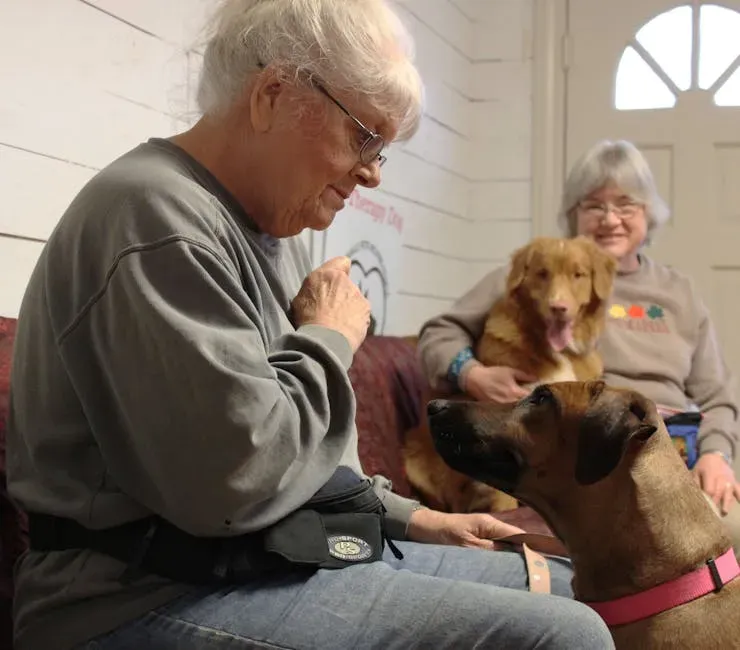
You haven’t asked your dog to “sit” in two years, but you say it now – just you – and they do it. A family member who joined the household later asks the same thing with the same word and gets a blank stare. The cue isn’t the issue. The source is. Old commands taught by you carry a different weight entirely because they’re bound up in years of shared history and reward that can’t be transferred by repetition alone.
This selective recall is one of the most concrete rebuttals to the idea that senior dogs lose their cognitive connection to their person. The information isn’t gone – it’s stored with emotional context that’s owner-specific. You’re not just the person who says the words. You’re the person those words have always meant something with. For an old dog, that’s an entirely different category.
At a Glance: What Senior Dog Cognitive Decline Actually Looks Like
- Canine Cognitive Dysfunction Syndrome (CCDS) is a real, progressive condition – but it affects general orientation, sleep patterns, and house training before it touches deep emotional bonds.
- Studies report 28% of dogs aged 11 to 12 show at least one cognitive decline sign – rising to 68% in dogs aged 15 to 16.
- Owner recognition and emotional attachment are among the most resilient functions, often intact well into advanced cognitive decline.
- Physical activity and an extensive training history are both linked to less cognitive decline in senior dogs – two reasons to keep engaging your older dog.
- If your vet suspects CCDS, pain and sensory decline should be screened first – they can mimic cognitive symptoms and may be treatable.
#5 – They Position Themselves as Your Shadow, Not the Household’s
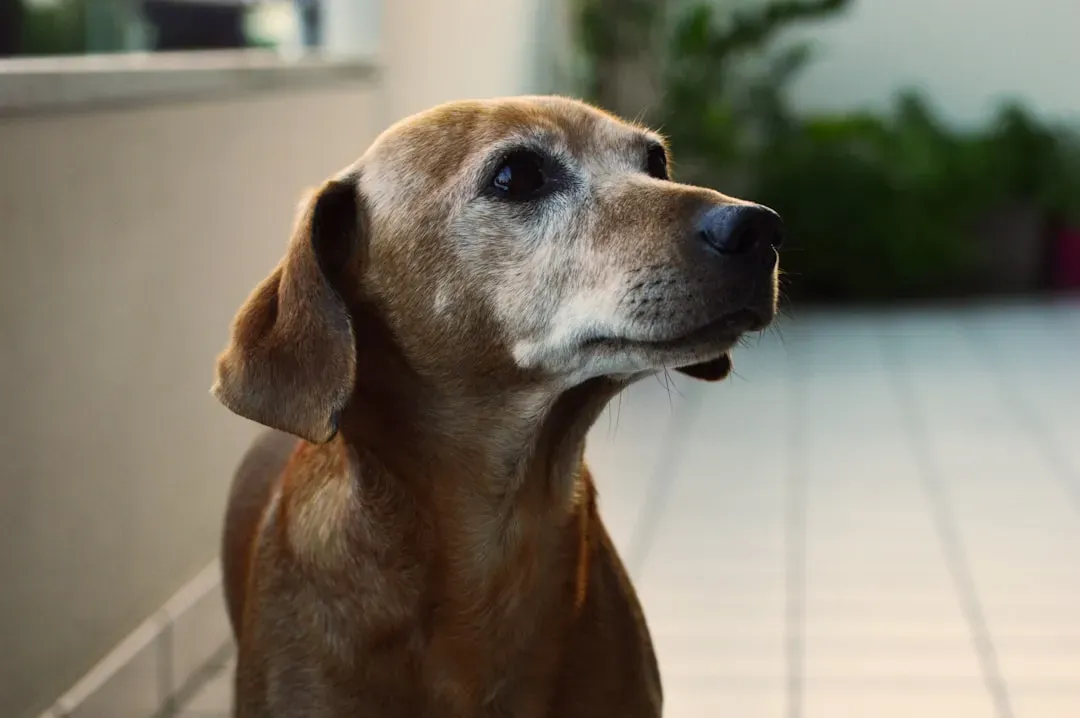
Mobility slows, naps lengthen, the zoomies are a distant memory – but somehow, your senior dog still ends up wherever you are. Not the warmest spot in the house. Not near the food bowl. Near you. Even when it costs them effort, they choose proximity to you over comfort elsewhere, which says something important about how their inner hierarchy still operates.
Watch what happens when you move from room to room during an ordinary afternoon. A dog who can barely manage stairs will still attempt them if that’s where you went. One who was deeply asleep will rouse and relocate just to maintain visual or physical contact. That kind of motivated tracking isn’t habit running on empty – it’s ongoing, active preference. You’re still their anchor point.
#4 – Separation Distress Targets Your Absence Specifically
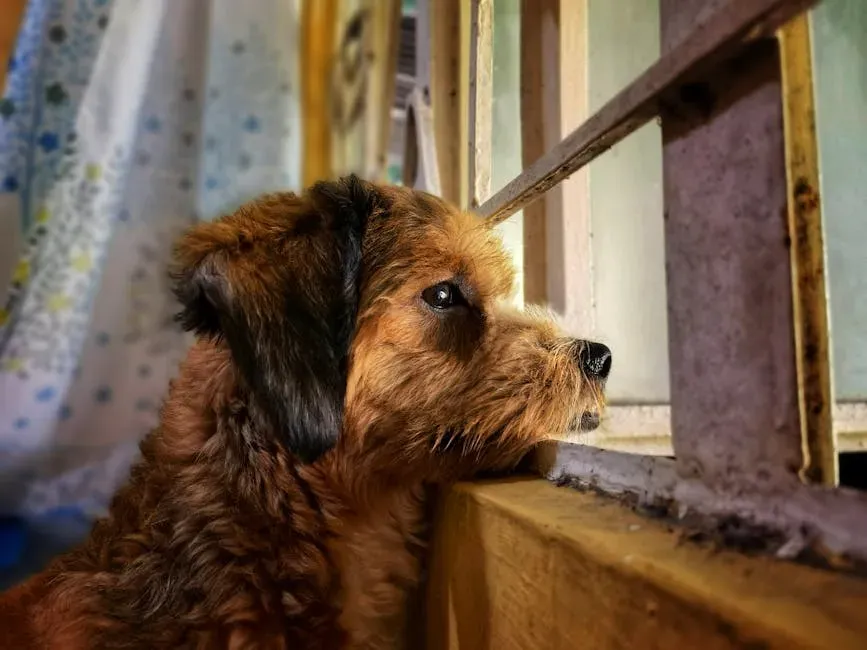
The house isn’t empty. Other people are home, maybe even people the dog likes. But when you leave, something shifts – pacing, soft whining, repeated trips to the door. When anyone else leaves, the dog barely stirs. The distress isn’t about being alone. It’s about being without you, and the dog knows the difference precisely.
This targeted separation response is one of the clearest behavioral proofs of specific recognition in senior dogs. A dog who has cognitively lost track of individuals doesn’t discriminate like this. The fact that your absence registers differently – and more intensely – than anyone else’s is the attachment system doing exactly what it was built to do, still fully operational, years into the relationship.
#3 – They Read and React to Your Emotional Shifts
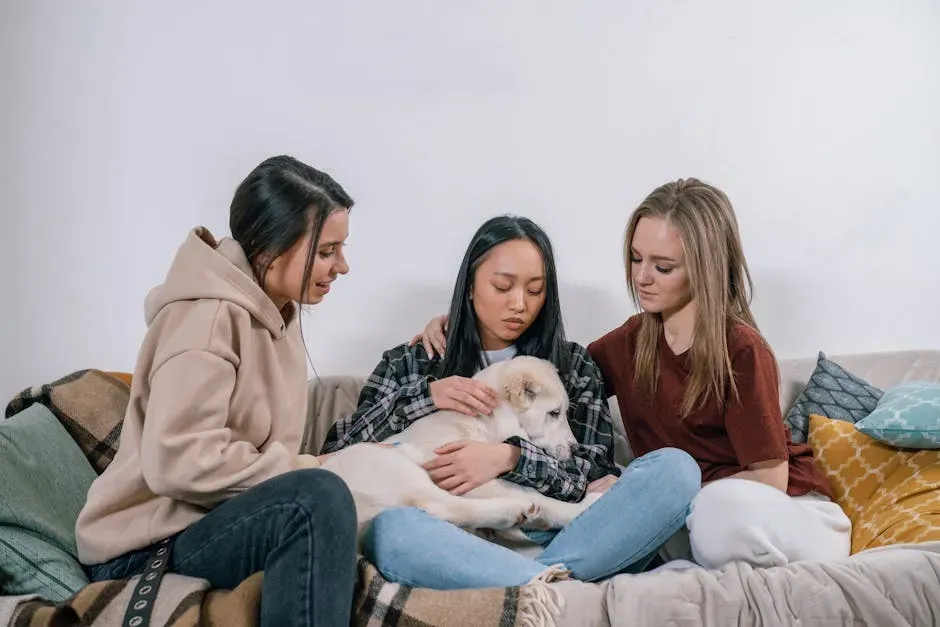
You haven’t spoken. You haven’t moved dramatically. But something in your posture changed – shoulders dropped, breath slowed, the particular stillness of a bad day – and your senior dog is already at your feet, or pressing their head against your knee. They caught something in you that no one else in the room noticed, because they’ve spent years becoming fluent in exactly you.
This emotional attunement is one of the most quietly astonishing things a bonded dog carries into old age. It requires sustained attention, pattern recognition, and a deep catalog of what your normal looks and feels like. The fact that it still works – that they still reach for you in those moments – means the core of the relationship hasn’t dimmed. They’re still paying attention. They’re still reading you.
#2 – Long-Absent Reunions Trigger Immediate, Specific Recognition
You’ve been away – a week, a month, longer. You walk back in and within seconds, before your dog has a clear visual fix on you, something changes in them. The body language shifts. The energy in the room shifts. They’ve already identified you by scent and sound before your face is fully in frame, and the response is completely different from how they greet anyone else who comes through that door.
These reunion moments hit hard precisely because they erase the fear that time apart might have loosened the bond. For a senior dog, whose other faculties may be visibly declining, this kind of immediate, specific recognition after absence is one of the most powerful demonstrations of what actually endures. The memory didn’t fade. It was just waiting.
Quick Compare: Senses That Fade vs. Bonds That Hold
- Vision: Declines noticeably from around age 8-9 – cataracts and contrast loss are common in seniors.
- Hearing: High-frequency hearing fades with age, but a familiar owner’s specific vocal tone still registers clearly.
- Smell: Gradually diminishes but remains the most durable sense – scent-based owner memory is among the last things to go.
- Emotional memory: The most resilient of all – attachment behaviors tied to a primary person are reported intact even in dogs with moderate cognitive dysfunction.
- Routine anticipation: Stays strong – dogs use circadian rhythms and scent-fade cues to track your patterns independently of any single sense.
#1 – Their Whole Demeanor Changes Only When You’re in the Room
This is the one that’s hardest to fake and hardest to dismiss. Your ageing dog, who moves slowly and sleeps most of the day, becomes measurably more alive in your company. Eyes brighter, posture less sunken, a looseness in the body that wasn’t there a minute ago. Other people don’t produce this. The environment doesn’t produce this. You do, specifically, and the dog makes no effort to hide it.
It’s the kind of sign that tends to stop owners mid-step when they really notice it – the realization that they are still, after all these years, the thing that makes this animal feel most like itself. Senior slowing doesn’t erase that. If anything, it makes it more visible, because everything else has quieted down enough that this one thing stands out clearly. They know you. They have always known you. And on some level that outlasts memory, they always will.
What This Means – and Why It Matters More Than You Think
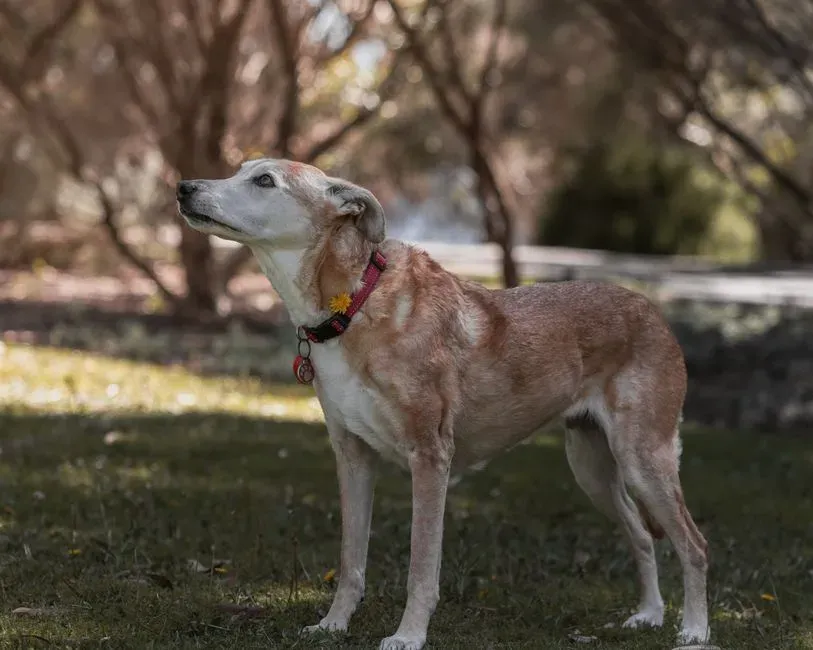
The fear that an ageing dog no longer recognizes their person is real, and it’s painful. But for the vast majority of senior dogs – even those showing signs of cognitive decline in other areas – the recognition of their primary person is the last thing to go, if it goes at all. Scent memory, emotional association, and the deep behavioral grooves carved by years of shared life are not fragile. They are, in fact, some of the most resilient things a dog carries.
What these 14 signs add up to isn’t just reassurance – it’s a call to pay attention differently. That slow tail wag when you come home, that warm weight against your leg during a hard night, that specific look only you get – these aren’t the diminished remnants of a fading bond. They are the bond, still running, still whole, expressed in the quieter language of an older animal who has nothing left to prove and everything still to give. Honor it. It’s real, and it’s remarkable, and it won’t last forever – which is exactly why it deserves to be seen clearly right now.


