
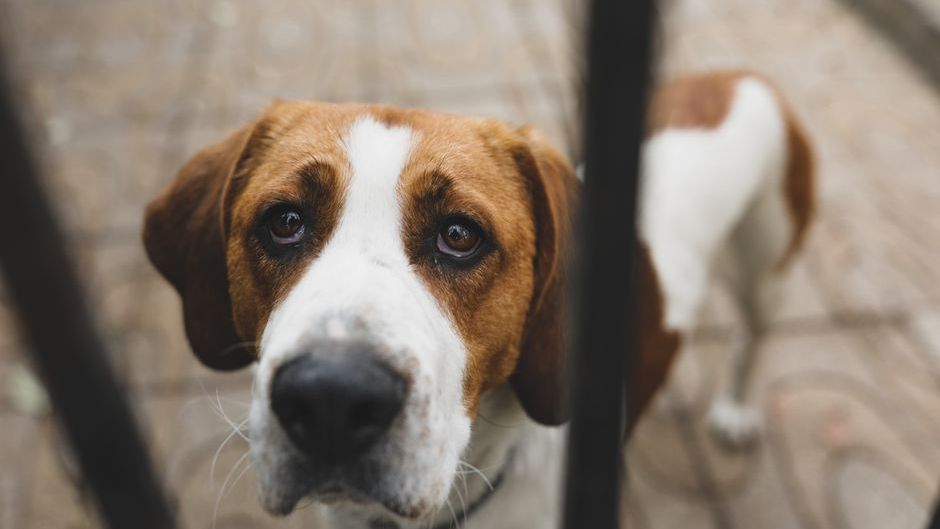
You’ve come home to a chewed cushion, a knocked-over bin, or muddy paw prints across the white sofa. You’ve given the look. And your dog has done… something. Something you’ve probably brushed off as guilt, fear, or just being a dog. But what if you’ve been reading them completely wrong this whole time?
Researchers who study canine communication have identified specific, repeatable signals dogs use to actively repair the bond after a mistake – not random nervous habits, not pure submission, but deliberate reconciliation attempts. Some of these are so subtle that most owners walk right past them every single day. The one at the top of this list might genuinely change how you see your dog forever.
#13 – Bringing You Their Favorite Toy
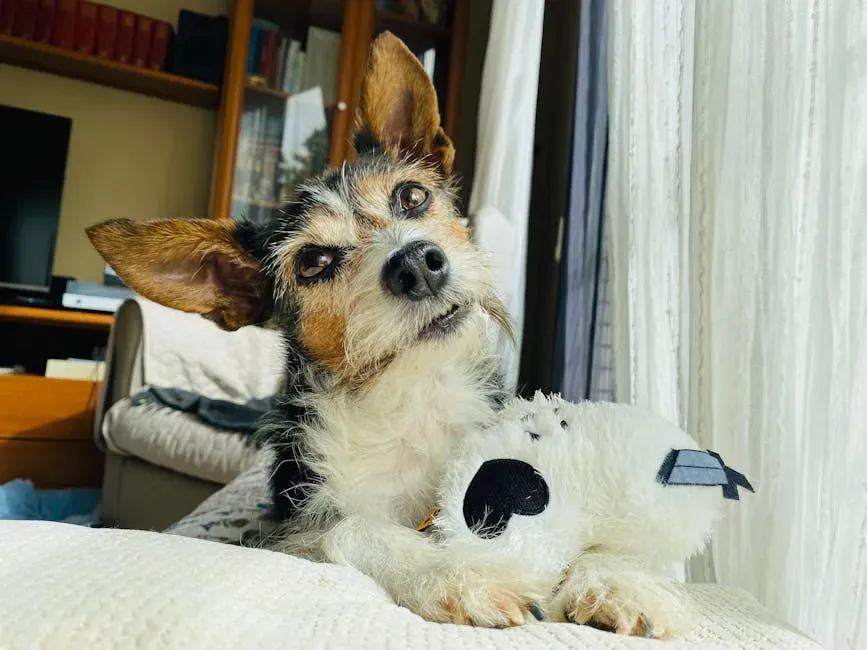
Here’s what’s actually happening when your dog drops a slobbery rope toy at your feet right after shredding the mail: they’re not asking you to play. They’re offering the thing they value most as a gesture of goodwill. It’s the canine equivalent of showing up with flowers after an argument.
Dogs are far more likely to retrieve a prized possession specifically after being caught in the act than at random moments. They lower their head, place it gently at your feet, and watch your face with enormous care – adjusting their whole posture based on whether you soften or stay tense. In pack dynamics, sharing a valued resource signals peaceful intent. Your dog hasn’t forgotten that wiring.
Fast Facts
- Dogs have co-evolved alongside humans for an estimated 15,000+ years, fine-tuning social signals like this one along the way.
- Offering a toy is classed by animal behaviorists as an affiliative gesture – a bonding move, not just a distraction.
- The softer and slower the drop, the more deliberate the gesture – a toy launched at your feet mid-zoomies means something very different.
- Puppies learn resource-sharing signals from their mothers; adult dogs redirect that same instinct toward their human family.
#12 – Rolling Onto Their Back
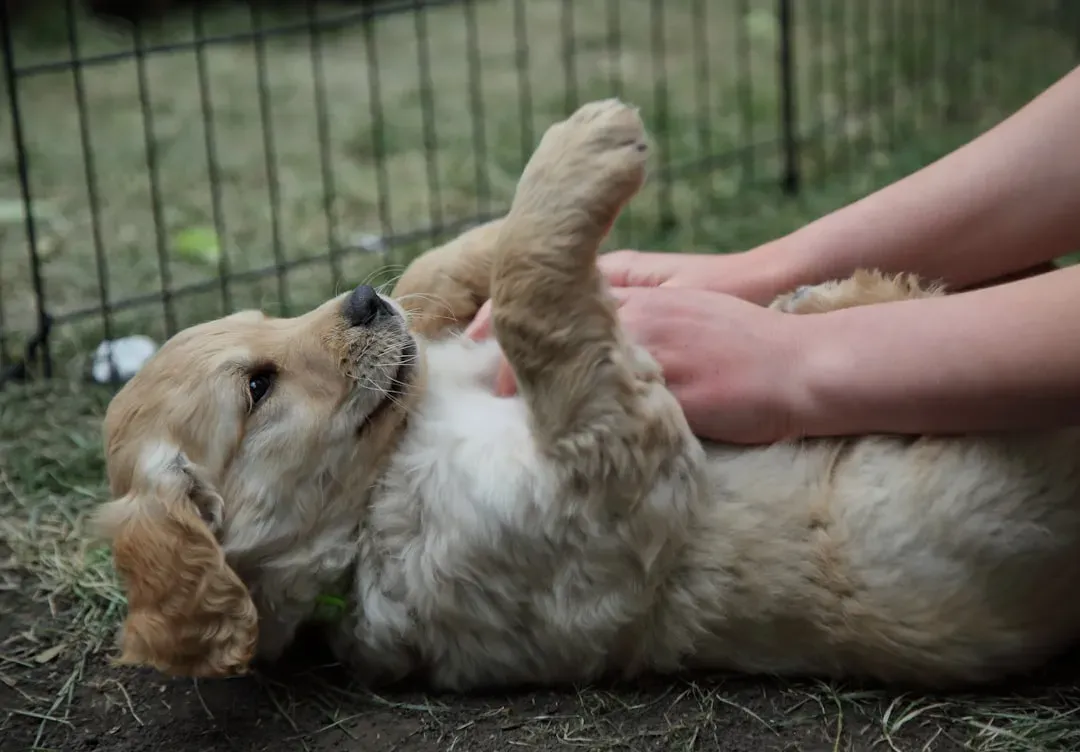
Most people see a dog flipping onto their back and think one of two things: submission or a shameless bid for belly rubs. But watch the timing. If it happens right after they’ve stolen food off the counter or knocked over a full cup of coffee, that’s not coincidence – that’s a calculated apology move.
By exposing the most vulnerable part of their body, dogs are communicating that they pose absolutely no threat and are placing trust entirely in your hands. The longer the perceived offense, the longer the roll tends to last. Some dogs add soft grunts or a slow paw wave mid-roll, as if to say, “I really mean it this time.” It’s dramatic, but it works – and they know it.
#11 – Avoiding Direct Eye Contact
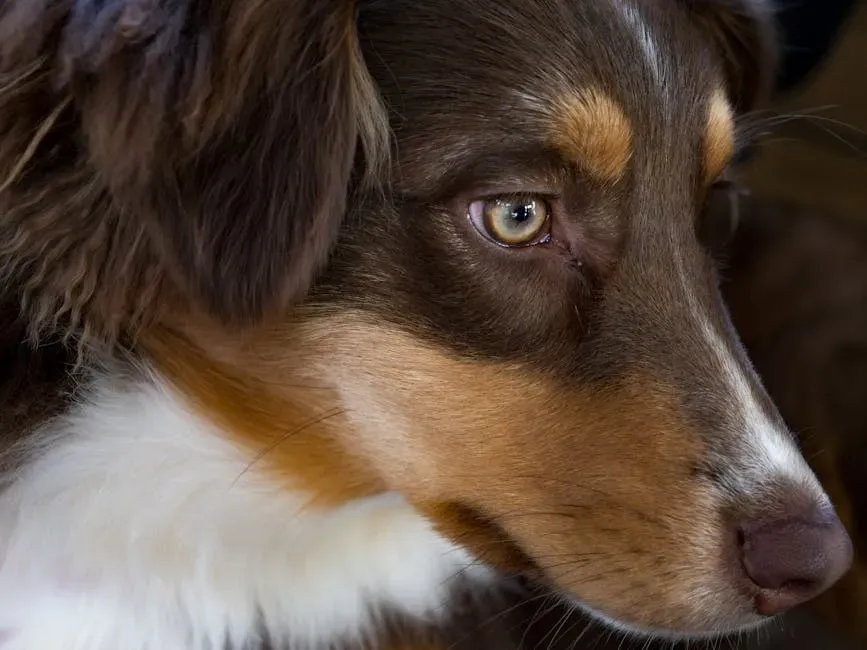
A dog who won’t look at you after doing something wrong isn’t being evasive or shy. They’re deliberately breaking eye contact as a de-escalation signal rooted deep in wolf pack behavior, where a sustained stare means challenge. By looking away – sometimes closing their eyes briefly, sometimes turning their whole body – they’re actively trying to lower the temperature in the room.
The tell that separates this from ordinary distraction is duration. A dog glancing at a noise will look back in seconds. A dog in post-mistake mode sustains the avoidance and only peeks back once your tone softens. They’re reading your voice as carefully as you’re reading their body. The communication is genuinely two-way.
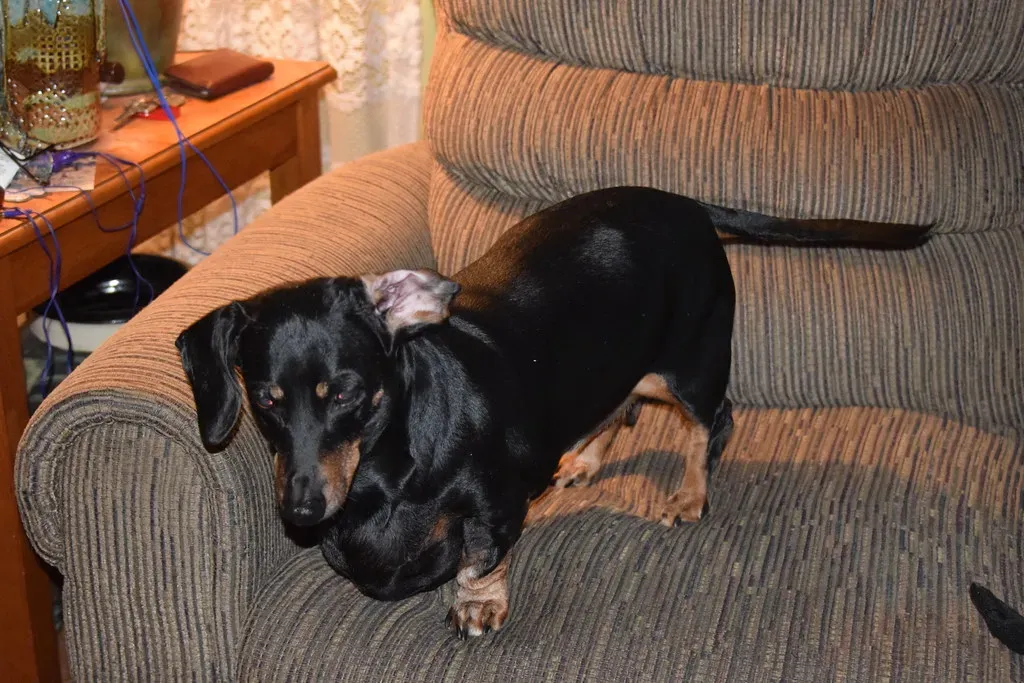
#10 – Tucking Their Tail Between Their Legs
Tail position gets oversimplified constantly. Yes, a tucked tail can signal fear – but context is everything. When a dog tucks tightly right after an indoor accident or a minor scuffle, then slowly inches toward you in that same tucked posture, that’s not fear. That’s a deliberate reduction of perceived threat combined with a bid for reconnection.
What gives it away is where they do it. Video analysis of post-incident dog behavior shows the tail stays tucked even in environments the dog knows to be completely safe – familiar rooms, familiar people. The tuck isn’t a reaction to danger. It’s a social signal aimed directly at you, held until you give them something to work with.
At a Glance: Fear vs. Apology Tail Tuck
- Fear tuck: Triggered by a loud noise, stranger, or unfamiliar place – body usually frozen or retreating.
- Apology tuck: Happens in familiar, safe surroundings right after an incident – body slowly moves toward you, not away.
- Fear tuck: Sustained even after the threat disappears.
- Apology tuck: Gradually releases as your tone softens – you can literally watch it lift in real time.
- Key tell: The apology version almost always comes paired with at least one other signal – lowered head, averted eyes, or a gentle paw reach.
#9 – Gentle Pawing at Your Leg
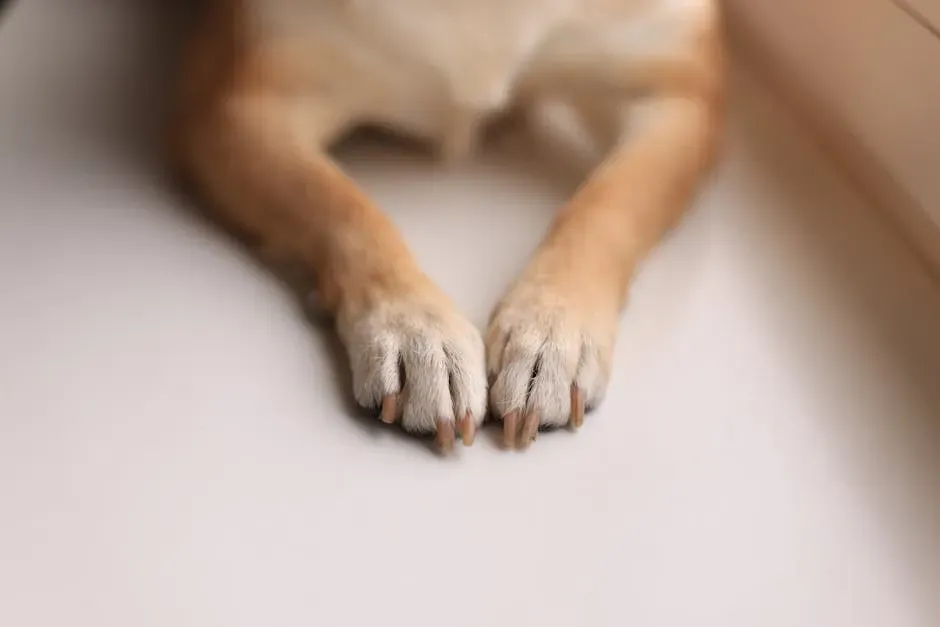
When your dog extends one paw toward your leg and barely makes contact – then immediately pulls it back – they’re not demanding attention. They’re testing the waters. It’s a tentative olive branch: enough to make contact, cautious enough to withdraw if the response is cold.
This mirrors the way puppies solicit comfort and care from their mothers, and dogs carry it into adult life as a tool for emotional repair. The pressure and persistence of the paw actually shifts depending on how serious the dog perceives the offense to be. Light tap for a minor infraction. Repeated, firmer nudges after something bigger. They’re calibrating. Constantly.
#8 – Soft Whining or Whimpering
There’s a very specific kind of whine that isn’t about pain, hunger, or wanting the ball. It’s low, quiet, and it appears almost exactly when you walk back into the room after an incident. Mouth slightly open, jaw relaxed, sound barely above a murmur. It’s vocalized remorse – and it sounds nothing like the urgent whine of a dog who needs something physical.
The pitch tends to rise slightly if the dog has been left alone after the mistake, as if the apology has had time to build pressure and needs somewhere to go. Once you speak calmly or reach down to acknowledge them, it stops. Not gradually – almost immediately. They weren’t venting. They were waiting for you to respond.
#7 – Excessive Yawning
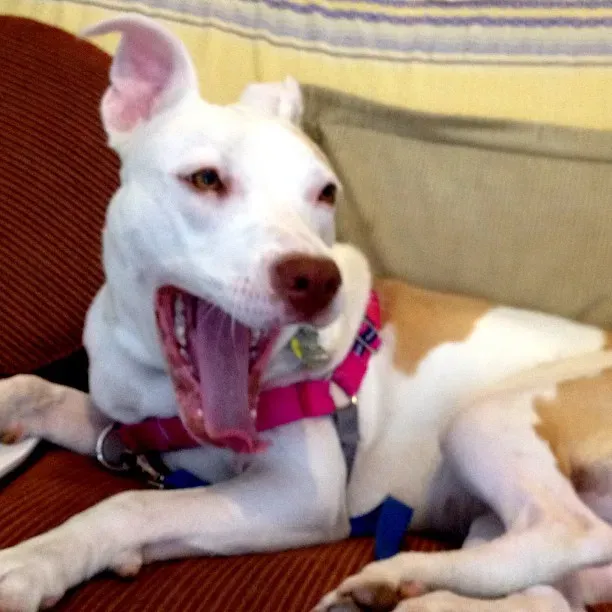
A dog who keeps yawning after being scolded isn’t bored with your reaction. Yawning is a known displacement behavior in canine communication – a way to self-soothe and, crucially, to signal non-aggression to whoever they’ve upset. Post-mistake yawns come in clusters, often with an exaggerated tongue curl, and they’re aimed squarely at diffusing the tension in the room.
The giveaway is that these yawns happen even when the dog clearly isn’t tired – mid-afternoon, after a walk, in a fully alert state. Between each yawn they glance at you, checking whether the gesture is landing. It’s oddly methodical for something that looks so casual. Your dog is actively working to calm the situation, and yawning is one of their quietest tools.
Worth Knowing: The Science Behind the “Guilty Look”
- A landmark 2009 study by Dr. Alexandra Horowitz found that dogs displayed “guilty” body language more often when scolded than when left neutral – regardless of whether they had actually misbehaved.
- In one survey, nearly 60% of owners reported that the guilty look caused them to scold their dog less – meaning the signals are genuinely working on us.
- Signals like yawning, lip-licking, and eye aversion are classified as appeasement behaviors – social tools designed to reduce conflict and restore calm.
- Dogs in multi-dog homes sometimes display these signals even when they weren’t the one who misbehaved – showing just how socially tuned-in they really are.
#6 – Licking Their Lips or Your Hand
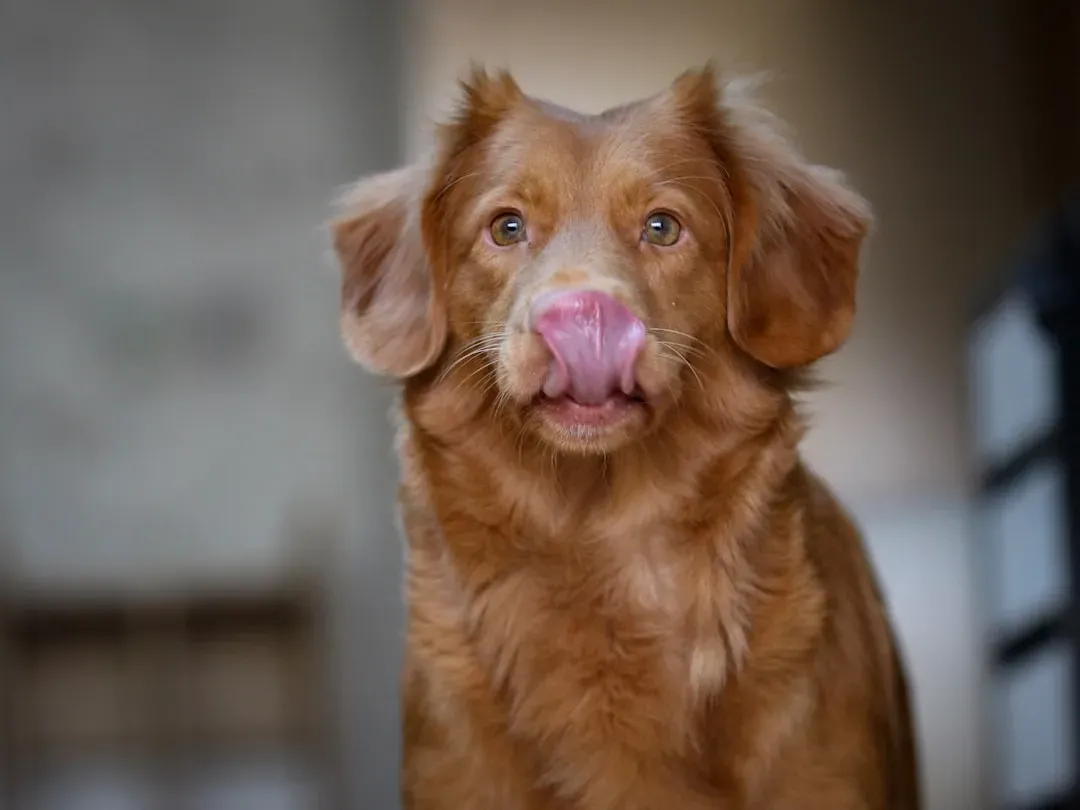
Lip-licking gets written off as hunger or a food smell on your fingers, but watch for it in the minutes right after you’ve expressed frustration. A dog who licks their own muzzle in quick, repetitive flicks while looking at you sideways is sending a very specific affiliative signal – one that roughly translates to “can we reset now?”
When they extend that to your hand, it escalates into active grooming behavior, which in dog social dynamics means bonding and trust. The licking spikes noticeably right after owner frustration and tapers off once physical or verbal reassurance is given. It’s not random. The timing is the message.
#5 – Following You at a Respectful Distance
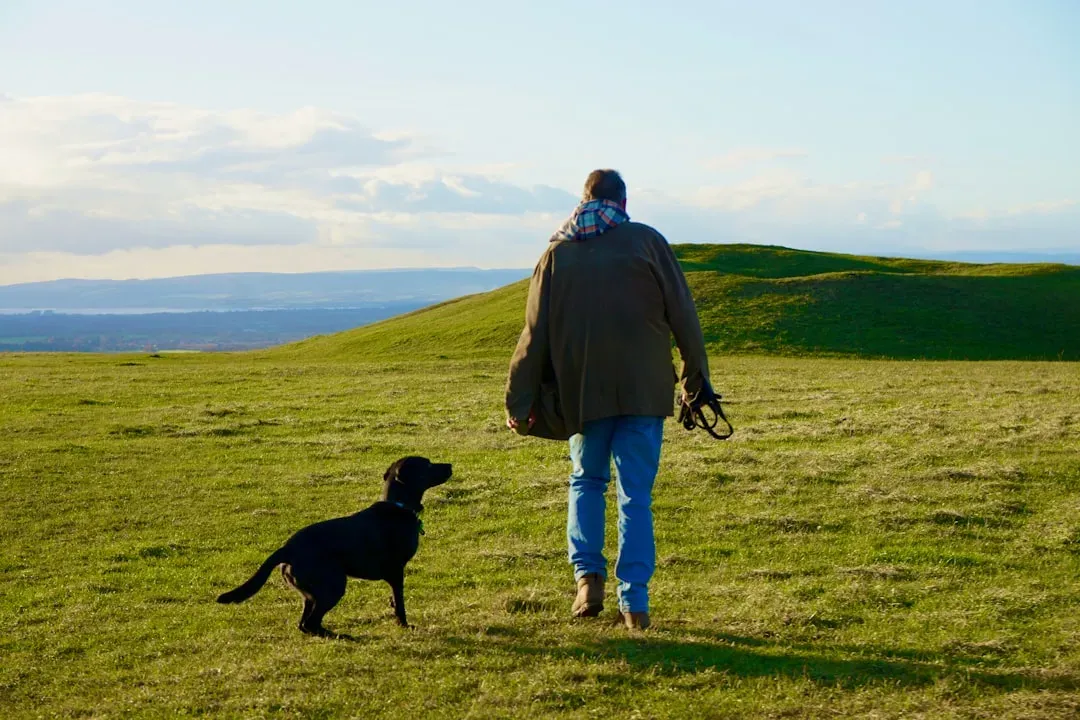
Normal attachment shadowing looks like a dog glued to your heels, bumping into you when you stop suddenly, always underfoot. The post-apology version looks different. There’s a deliberate gap – a few feet – maintained consistently, matching your pace without closing in. It says: I want to stay near you, but I understand I need to earn my place back.
What makes this one particularly striking is how consistent the distance is. Dogs who trail you like this after a rule-break maintain that exact buffer far more reliably than on ordinary days. When you stop, they stop. When you turn, they pause and wait for an invitation to come closer. It’s restrained in a way that normal following simply isn’t.
#4 – Ears Pinned Flat Against the Head
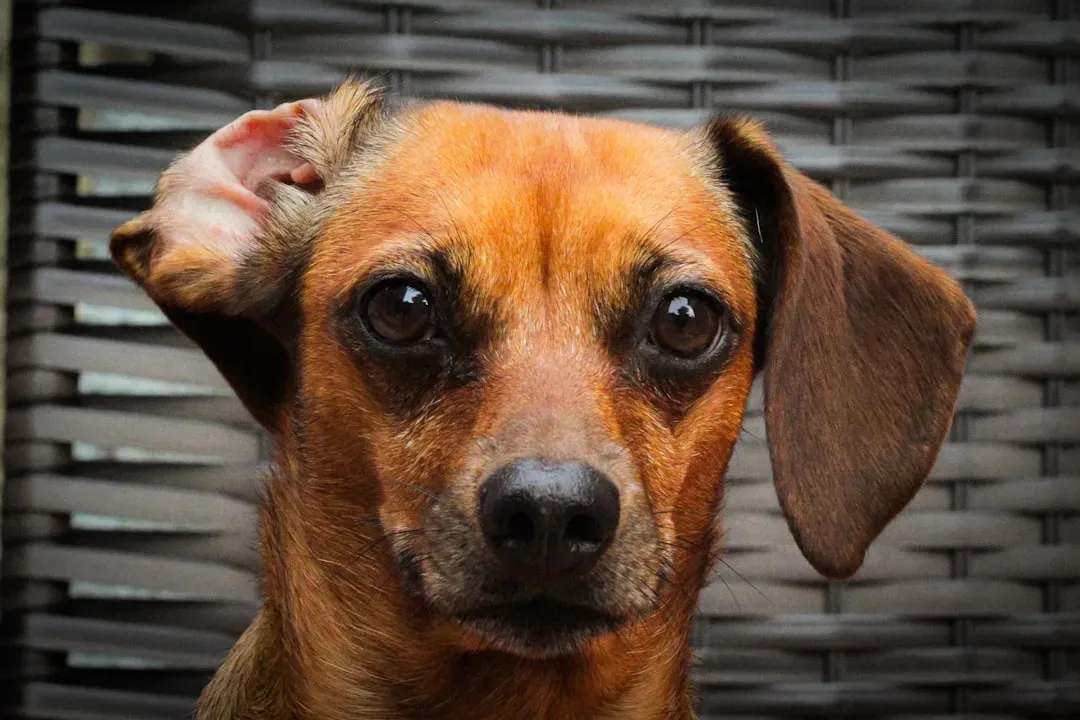
Flattened ears read as fear to most people, and sometimes they are – but the distinction lies in recovery time. A frightened dog’s ears stay pinned in the presence of the threat. An apologetic dog’s ears lift gradually as your demeanor shifts, tracking your emotional state with remarkable precision.
Paired with a lowered head, the pinned ear posture physically reduces the dog’s silhouette and signals “I am not a threat right now” in the clearest possible body language. The duration of pinning correlates closely with how long they sense you’re still upset. As you soften, they literally reconstruct themselves in front of you, ear by ear.
#3 – Lowered Head With Slow, Deliberate Steps
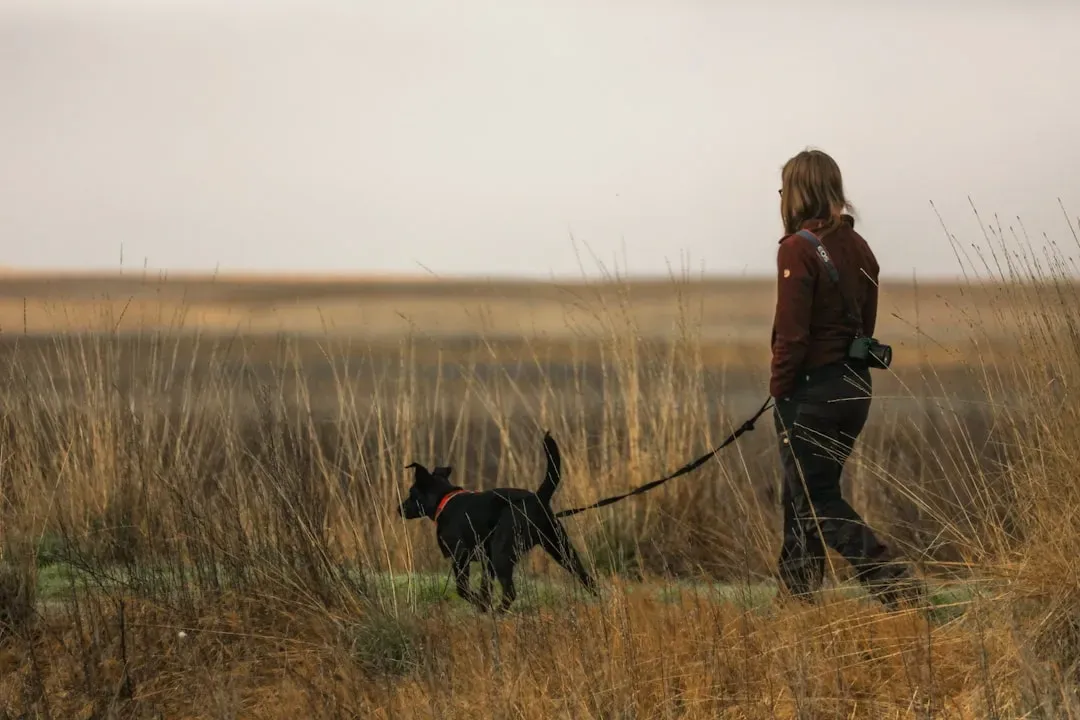
There’s a very particular walk that dogs do after being corrected – slow, exaggerated, head nearly parallel with the floor, each step placed with unusual care. It looks almost theatrical, and in a sense, it is. Every element of it is designed to give you time to decide whether to accept them back before they’ve fully committed to approaching.
This gait appears almost exclusively in post-correction contexts, not during casual movement around the house. If you tense up mid-approach, they stop. Hold perfectly still. Wait. The whole thing is a negotiation conducted entirely in movement, and your dog is reading every micro-shift in your posture to decide their next step. Literally.
Quick Compare: What Each Signal Is Really Saying
| Signal | What It Communicates |
|---|---|
| Slow, lowered walk | “I’m not a threat – can I come back to you?” |
| Ears pinned flat | “I’m making myself as small and harmless as possible.” |
| Gentle paw reach | “I want contact, but only if you’re ready.” |
| Respectful distance trail | “I’m still here, but I know I need to earn it back.” |
| Sad-eyed stare from across the room | “I’m holding space for us. Please come back to me.” |
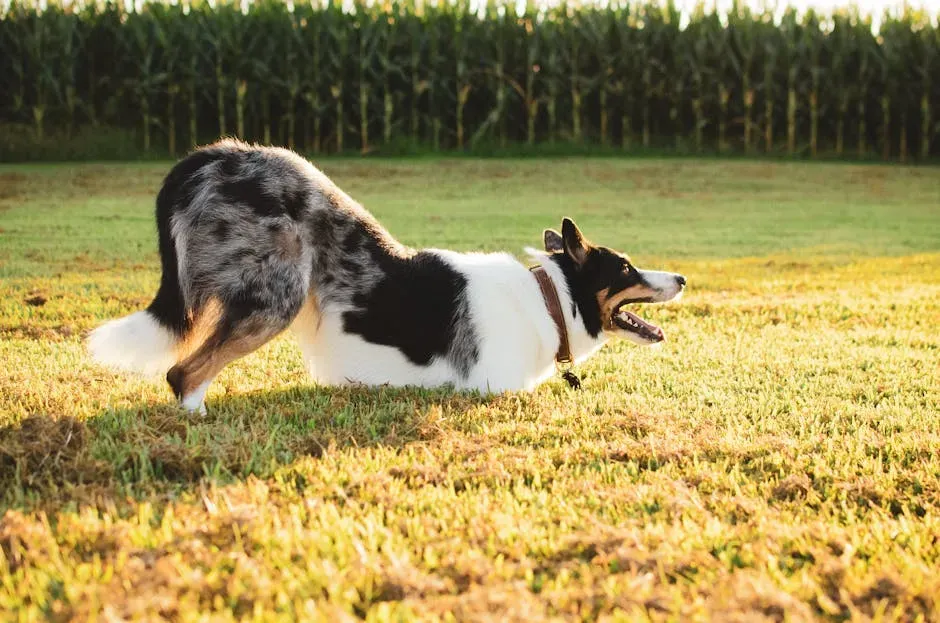
#2 – Offering a Submissive Play Bow
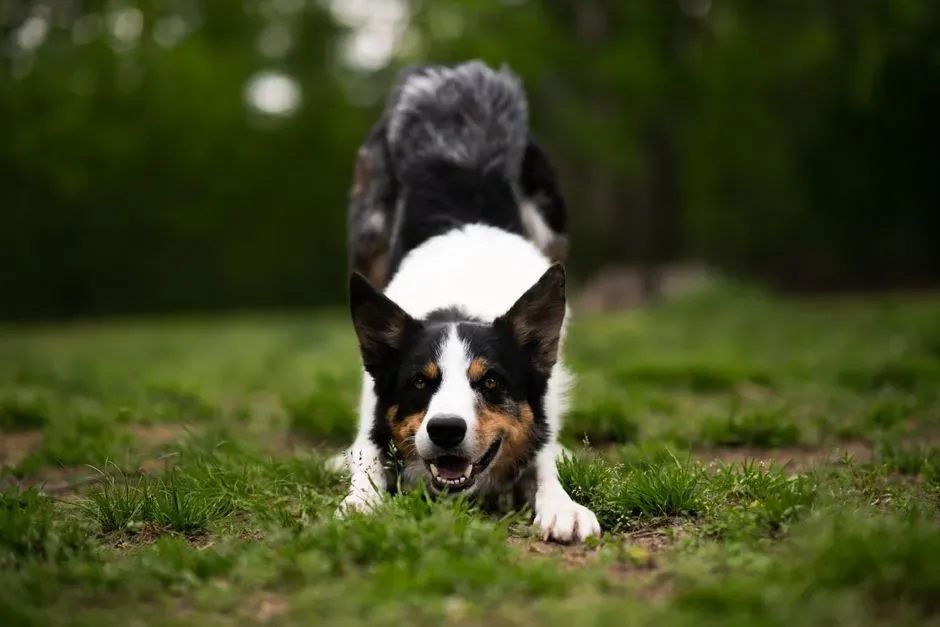
The play bow – front end down, back end up, tail wagging – is one of the most universally recognized dog signals. But there’s a version of it that isn’t about fun at all, and most owners never notice the difference. The apology bow is held longer, performed with softer eyes, and comes with far less bounce and energy. It blends deference with an invitation to reconnect.
The frequency of this bow spikes sharply right after a dog senses disappointment from their owner. They’ll hold eye contact for just a beat – long enough to make sure you’ve seen them – then look away again, returning to the bow position. It’s a vulnerable gesture dressed up in playful clothing, and it lands differently once you know what you’re actually looking at.
#1 – The Lingering Sad-Eyed Stare From Across the Room
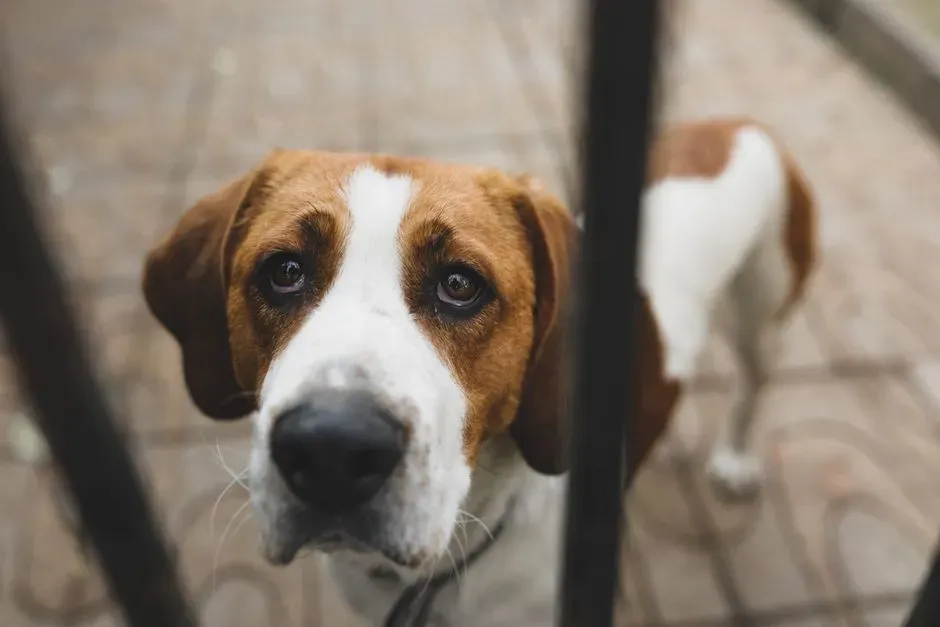
This is the one that stops people cold once they really see it. After a significant incident, some dogs don’t come close, don’t whine, don’t perform any elaborate gesture. They simply position themselves where you can see them and hold a long, still, soft-eyed gaze – slightly squinted, mouth relaxed, body completely motionless. And they wait.
It’s the most emotionally loaded thing a dog can do, and it’s the hardest to dismiss once you understand what it is. That stare lasts longest after the most serious disruptions and breaks the moment you speak or move toward them. It isn’t begging. It isn’t manipulation. It’s a dog holding space for the relationship, across a room, in complete silence, hoping you’ll come back to them. If that doesn’t change how you respond next time your dog makes a mistake, nothing will.
What We Actually Owe Them in Return
Here’s the honest opinion: most of us have walked past these signals a hundred times and called them something smaller than what they were. Fear. Habit. Just being a dog. But a creature that tracks your emotional state closely enough to calibrate the pressure of a paw or the duration of a stare is doing something that deserves more than a dismissive pat and a change of subject.
Dogs don’t have words. They have timing, posture, eye contact, and proximity – and they use all of it with a sophistication that most people spend years in a relationship learning. The next time your dog creeps toward you with their head low and their ears flat after doing something wrong, recognize it for what it is. They’re not just reacting. They’re trying to fix something that matters to them. The least we can do is meet them halfway.
Why It Stands Out: How to Actually Respond
- Use a calm, even tone – dogs read vocal pitch as precisely as they read body language; a softer voice genuinely signals safety to them.
- Avoid punishment after the fact – animal behaviorists widely agree that scolding well after the incident only increases anxiety without teaching anything new.
- Acknowledge the signal – a quiet word, a slow blink, or moving calmly toward them is enough to close the loop they’re desperately trying to close.
- Don’t reward the drama – accepting the apology is not the same as rewarding the misdeed; one builds the bond, the other muddles the training.
- Consistency matters most – a dog who knows what to expect from you will feel secure enough to offer these signals openly, rather than spiraling into anxious repetition.


