
Dogs have an uncanny way of picking up on shifts in their surroundings that often escape human notice. Their noses detect subtle chemical changes, and their instincts drive responses that can feel almost prescient during times of serious illness.
Stories from pet owners frequently describe patterns in behavior that coincide with a person’s declining health. These observations raise questions about what dogs truly perceive in those final stages.
They Shadow Your Every Move
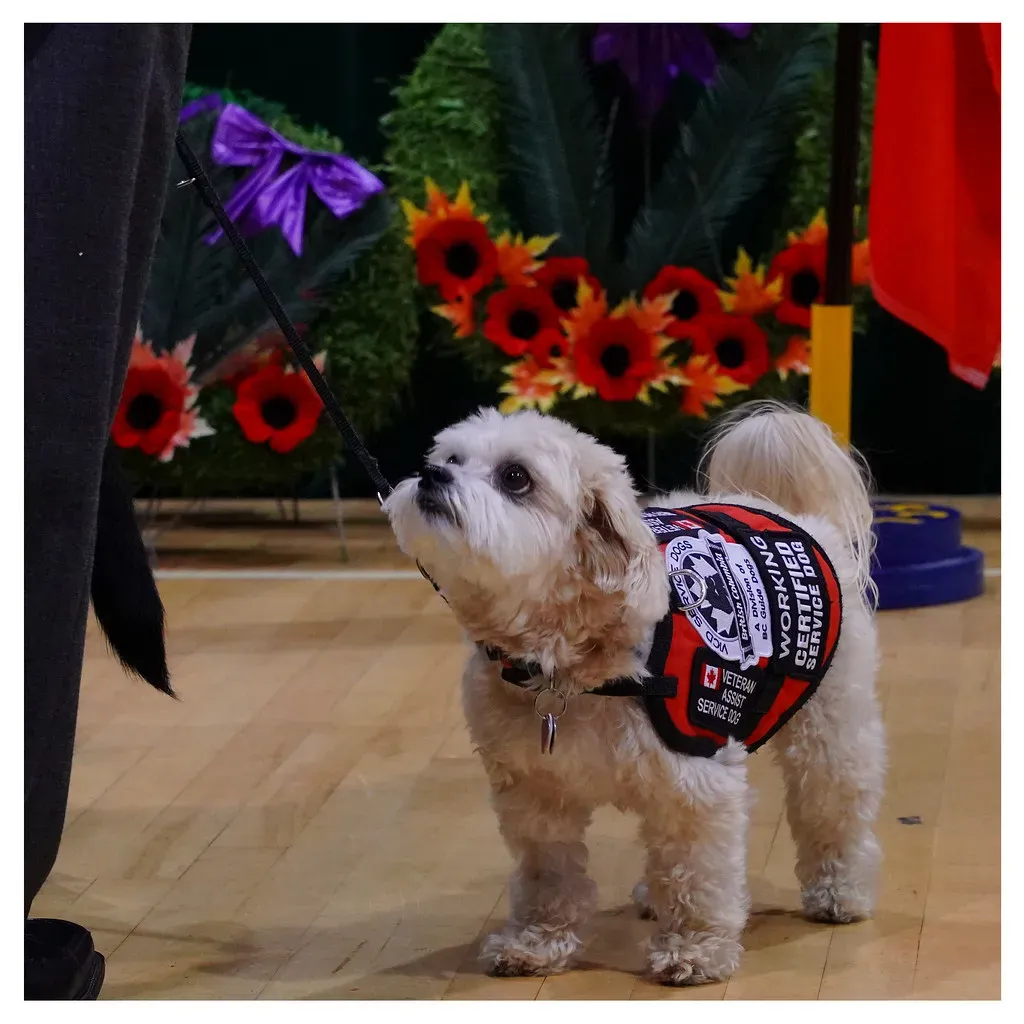
Many owners describe their dogs suddenly refusing to let them out of sight. The animal might follow from room to room, pausing only when the person sits or lies down. This constant presence can feel comforting yet intense during periods of weakness.
Such behavior often intensifies as mobility decreases. The dog positions itself nearby, sometimes blocking doorways or settling at the foot of the bed. It creates a quiet vigilance that stands out from normal routines.
They Focus on Specific Scents
Dogs rely heavily on smell to gather information. When a person’s body chemistry alters due to disease, some pets spend extra time sniffing around the mouth, ears, or affected areas. This targeted investigation can appear deliberate and repeated.
Owners notice the dog pausing longer than usual during greetings or cuddles. The attention shifts from playful nuzzling to careful examination. It suggests the animal registers something different in the air.
They Grow Restless at Night
Sleep patterns change noticeably in some cases. A normally calm dog might pace the hallway or whine softly near the bedroom door. These disturbances often occur without an obvious external trigger like noise or hunger.
The restlessness can include checking on the person multiple times. The dog returns to its spot only after confirming everything seems stable. Such vigilance disrupts the household quiet in ways that feel connected to the situation.
They Lose Interest in Play

Toys and walks that once excited the dog suddenly hold less appeal. The animal might carry a favorite ball but drop it quickly, choosing instead to stay close. Energy levels drop in tandem with the owner’s condition.
This withdrawal from usual activities stands out because it contrasts with the dog’s typical personality. Meals might also go untouched for longer stretches. The shift reflects a broader change in priorities.
They Offer Gentle Comfort
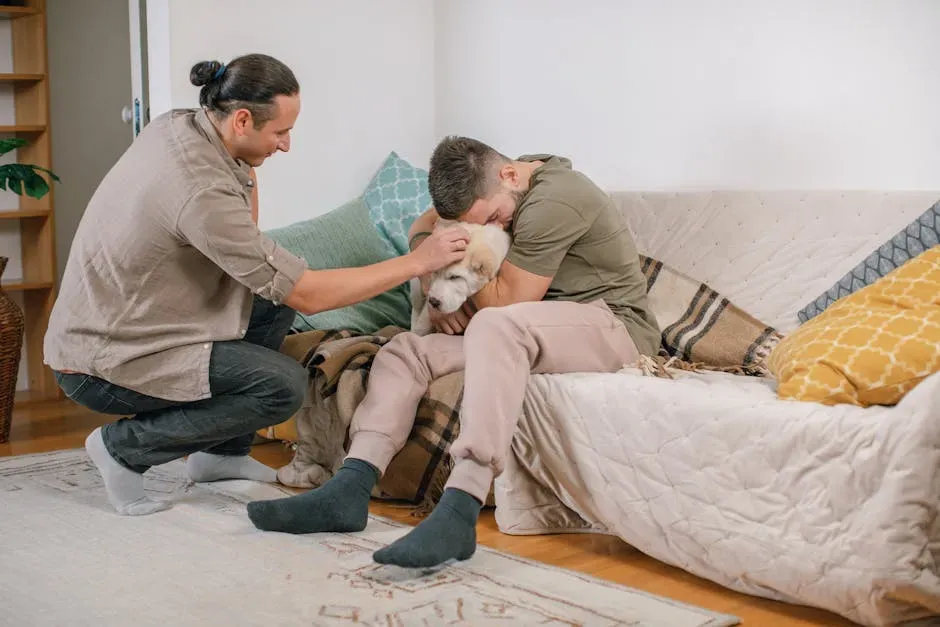
Some dogs press their bodies against the person or rest a head on a lap or arm. The contact feels deliberate rather than accidental. It provides warmth and steady presence without demanding attention in return.
Licking occurs in measured ways, often focused on hands or face. The gestures lack the exuberance of healthy days. They instead convey a quieter form of support that owners later recall with clarity.
They Alert Others in the Home
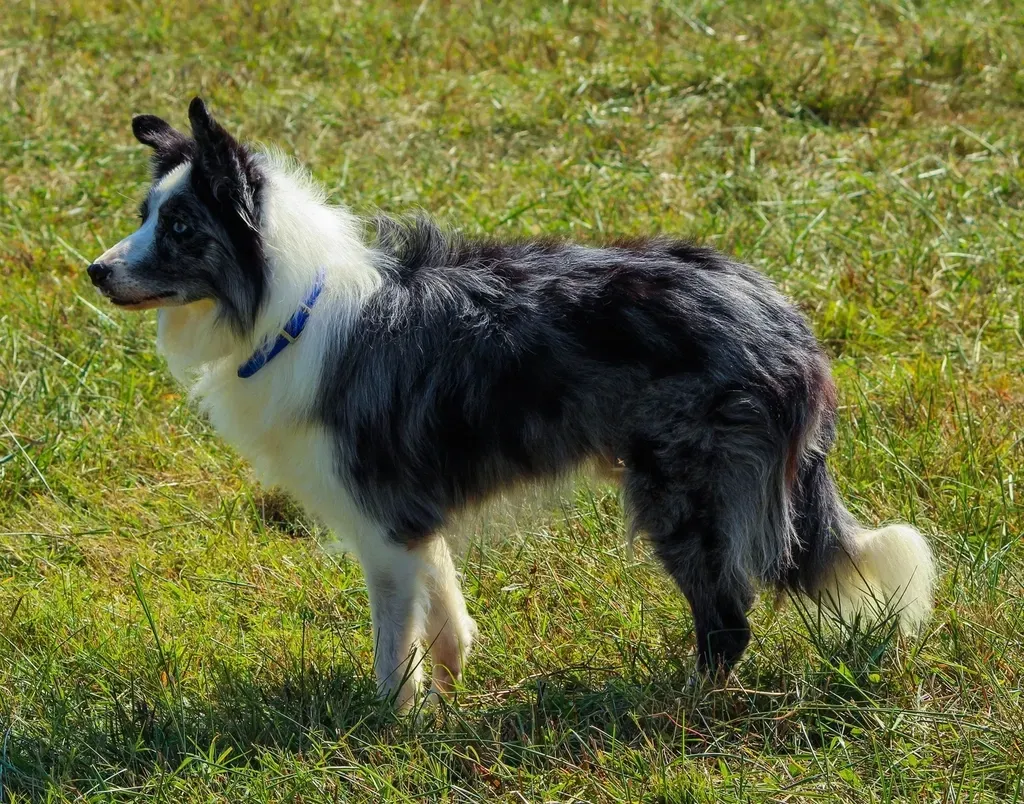
Barking or nudging directed at family members can increase. The dog might lead someone toward the ill person’s location or stand expectantly by a door. These actions draw attention without clear cause at first.
The alerts repeat until another person responds. Once company arrives, the dog often settles nearby. The pattern suggests an attempt to bridge gaps in awareness.
They Show Signs of Farewell
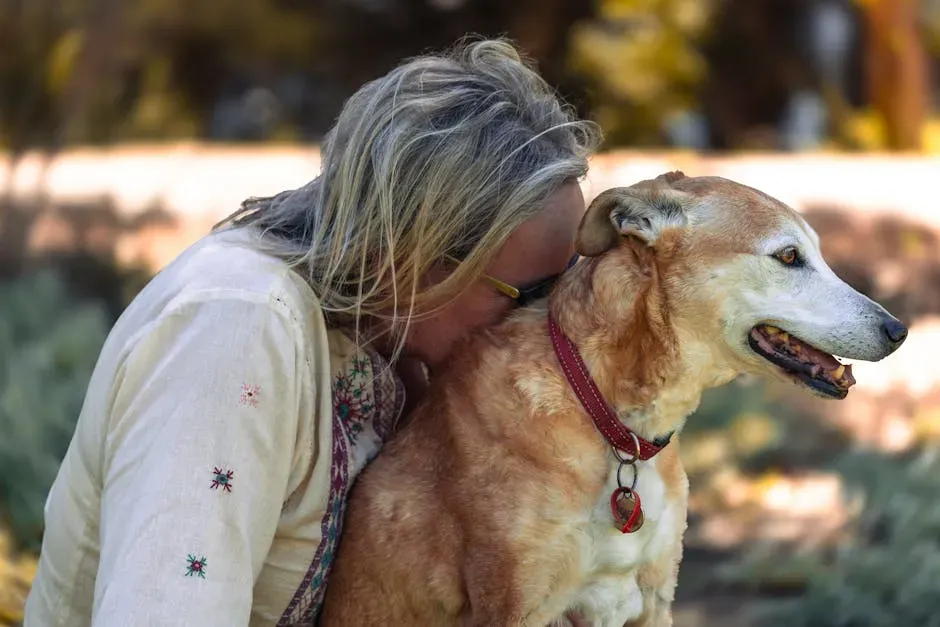
Final days sometimes bring a calm acceptance from the dog. It might lie quietly beside the person for extended periods, occasionally lifting its head to check. The usual energy gives way to a still watchfulness.
After the person passes, some dogs display brief confusion or search familiar spots. Others settle into new routines more quickly than expected. These responses highlight the depth of the daily bond that existed before.
The connection between dogs and their people runs deeper than daily walks or shared meals. Behaviors like these invite reflection on how animals experience the world around them and the quiet ways they respond to change. In the end, paying attention to those small shifts can strengthen the time spent together, whatever the circumstances.


