

Picture this scene at the park. A person leans down to their dog after a long day and starts sharing the details of a tough meeting or a family worry. It looks like a simple habit, yet it often signals something deeper about how that person handles feelings and relationships.
Far from a sign of isolation, these chats can point to stronger emotional skills. They show an ability to process experiences out loud, even when the listener has four legs and a wagging tail.
The Quiet Power of Verbalizing Feelings
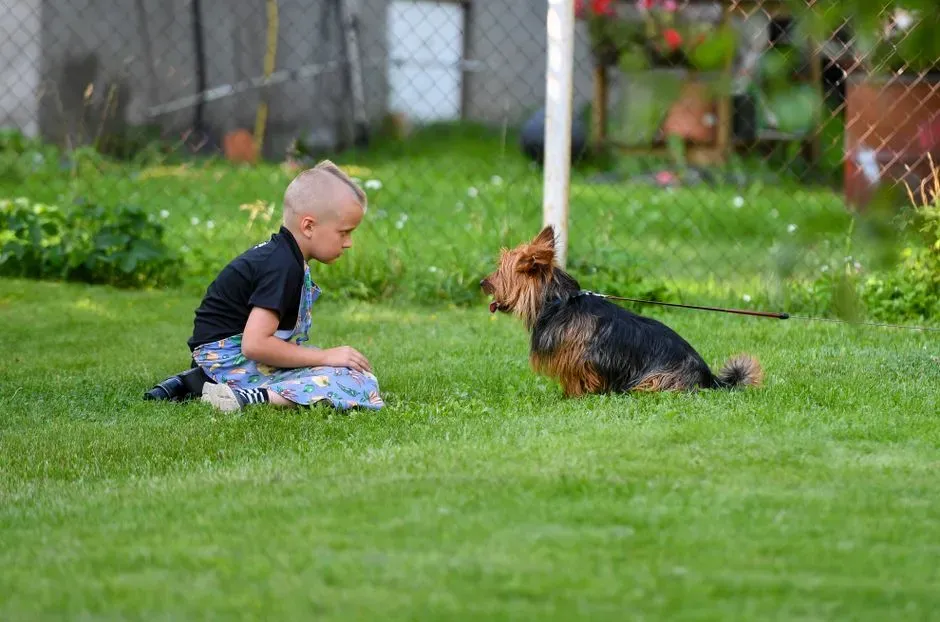
Putting thoughts into words helps many people sort through emotions more clearly. When someone speaks to their dog, they create a safe space to name frustrations or joys without fear of judgment. This practice builds a habit of emotional clarity that carries over into other parts of life.
Dogs respond with steady attention and simple body language that encourages continuation. Over time, the speaker learns to recognize patterns in their own reactions. The result feels like a private rehearsal for handling real conversations with people.
Recognizing Emotional Intelligence in Everyday Moments
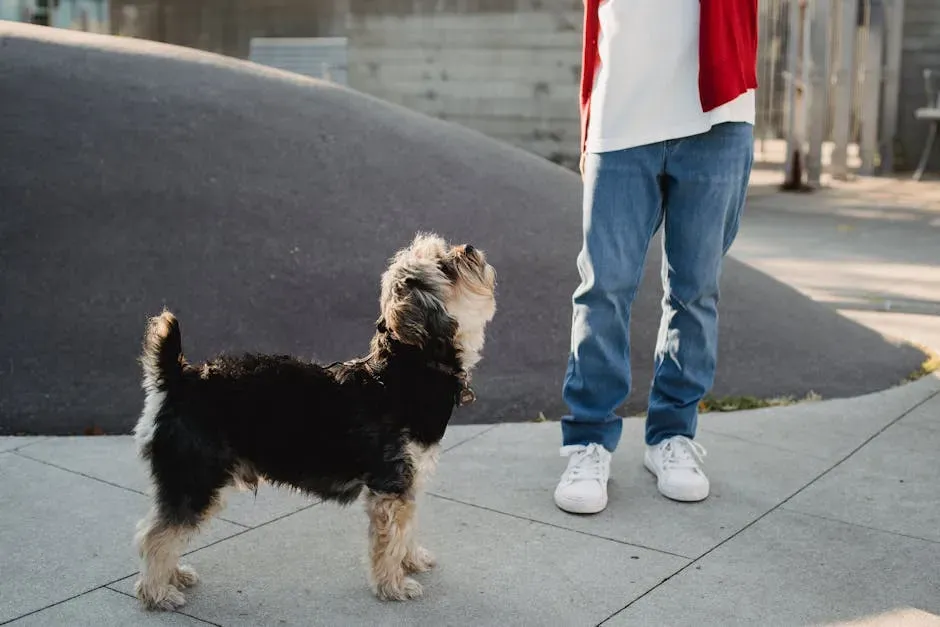
Emotional intelligence involves noticing feelings in oneself and others, then responding thoughtfully. Talking through problems with a dog often demonstrates this awareness in action. The person pauses to reflect rather than rushing past discomfort.
They also show self regulation by choosing a calm outlet instead of bottling things up. This choice reflects an understanding that emotions need expression to stay balanced. Such moments add up to a steadier approach to stress overall.
Why Dogs Serve as Ideal Sounding Boards
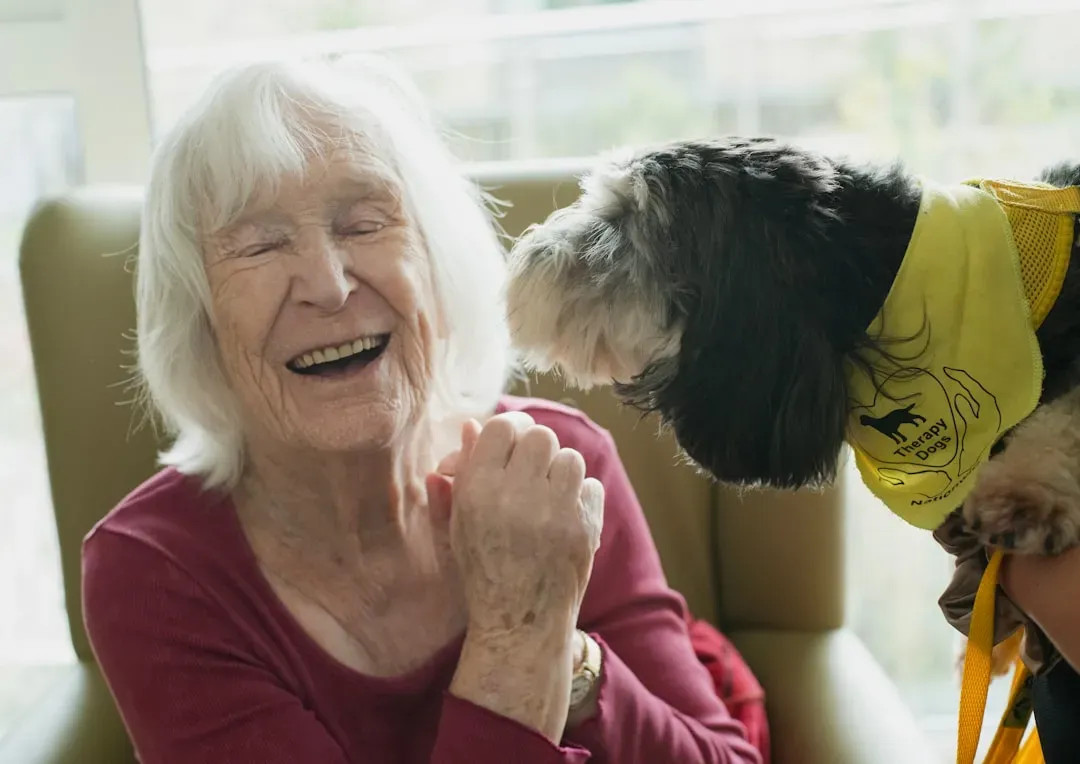
A dog offers consistent presence without interrupting or offering unsolicited advice. That neutrality lets the speaker explore ideas freely and reach their own conclusions. Many owners notice they feel lighter after these exchanges.
The bond itself strengthens through repetition. The dog learns cues from tone and posture, while the person gains comfort from the reliable companionship. This mutual rhythm supports emotional steadiness without requiring perfect words.
Distinguishing Connection From Isolation

Loneliness usually involves a lack of meaningful interaction and a sense of disconnection. Speaking to a dog, by contrast, represents an active choice to engage with another living being. It shows comfort with vulnerability rather than withdrawal.
People who do this often maintain strong human relationships too. The pet conversation acts as one tool among many for processing life. It complements rather than replaces social ties with friends or family.
Building Empathy Through Animal Interactions

Paying close attention to a dog’s mood teaches subtle observation skills. Owners notice small changes in energy or posture and adjust their own behavior accordingly. This back and forth mirrors the empathy needed in human relationships.
Over months or years, the practice sharpens the ability to read unspoken signals. That sensitivity transfers to work meetings or family discussions. The dog becomes an unintentional coach in emotional attunement.
Turning a Simple Habit Into Lasting Growth
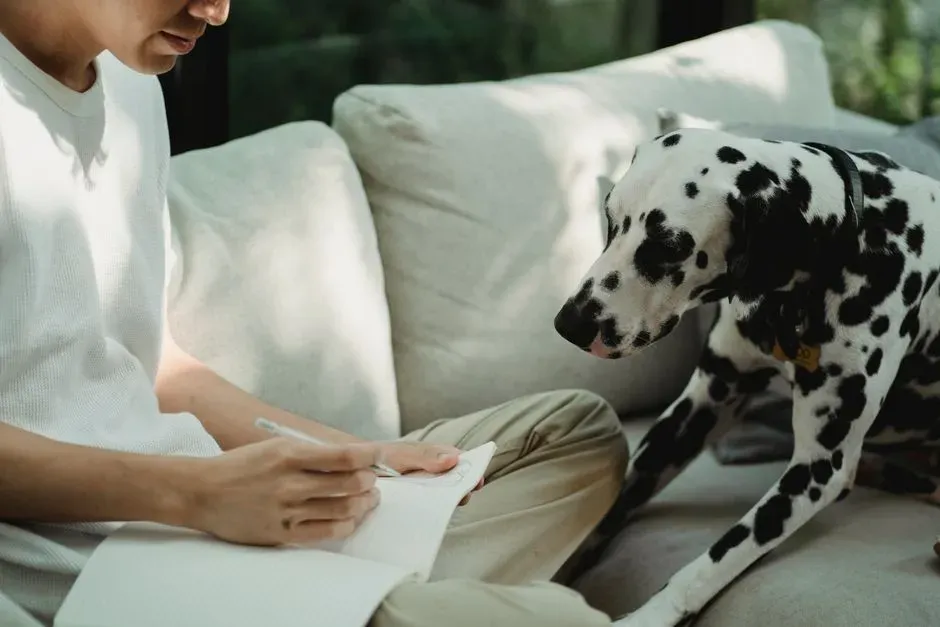
Anyone can start by pausing during a walk or quiet evening to share a recent challenge aloud. The key lies in treating the moment as genuine reflection rather than performance. Consistency matters more than eloquence.
Some people combine the talks with light journaling afterward to track insights. Others simply enjoy the immediate relief and move on. Either way, the habit reinforces a kinder inner dialogue that benefits mental balance.
Seeing Pet Conversations as Emotional Strength

This behavior deserves recognition as a quiet form of self care rather than an odd quirk. It highlights resourcefulness in managing feelings and a willingness to stay present with them. Dogs simply provide the steady audience that makes the process easier.
In the end, those who speak openly to their dogs often carry that openness into the rest of their lives. The result is richer self understanding and more thoughtful connections with everyone around them. It is a small daily choice that quietly builds lasting emotional depth.


